From breakfast to dinner, from healthy meals to sweet desserts – Next Yum Recipes brings you quick, simple and tasty ideas for every occasion and every time.


 This Recipe
Blender Lemon Pie Creates Bright Flavor From a Whole Lemon
Blender lemon pie brings an unusual citrus approach to a classic dessert by using a whole lemon blended with the filling ingredients before baking. The result is a pie where lemon aroma, sweetness, and a creamy custard texture come together in a simple format that feels fresh and distinctive. The method creates a whole lemon blender pie experience because the fruit contributes more than juice alone.
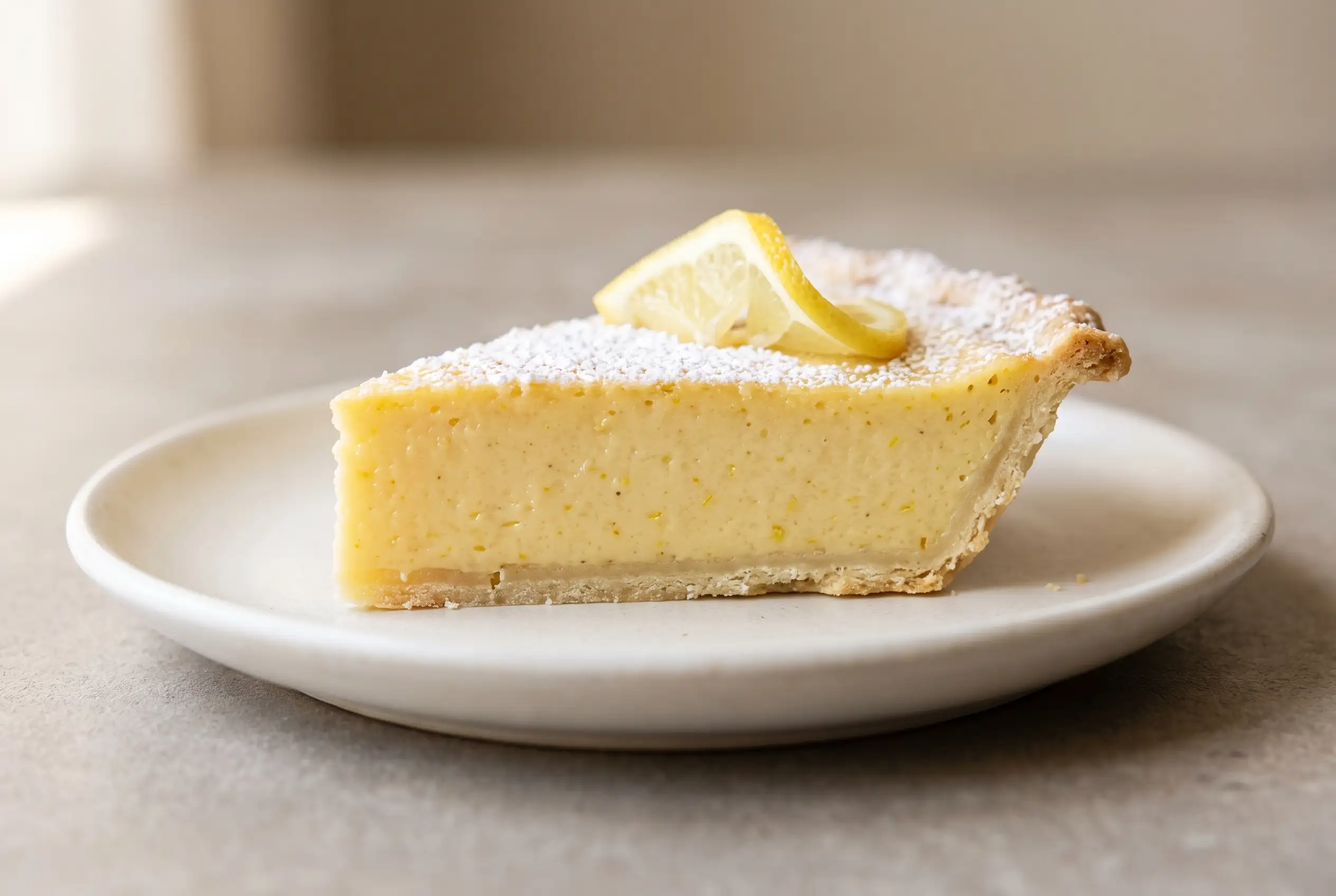
Unlike many lemon desserts that rely only on extracted juice, the blended fruit keeps the connection between the bright outer peel, fragrant oils, and tart interior. Small flecks of lemon rind can remain visible in the filling, adding character while showing that the fruit was incorporated completely.
Home bakers often look for an easy baked lemon pie recipe that delivers a memorable flavor without complicated pastry work. This approach keeps the preparation approachable while making the citrus element the defining feature of every slice.
Whole Lemon Choice Shapes the Pie’s Citrus Balance
The type of lemon selected has a direct effect on the finished dessert. A regular lemon with a thinner rind can blend smoothly into the filling, while a thicker white inner rind may contribute more bitterness. Choosing a lemon with a pleasant aroma and removing seeds carefully helps maintain a balanced flavor.
Blended Filling Texture Depends on Small Decisions

The smooth character of blender lemon pie comes from the way the ingredients combine before baking. Blending creates a unified mixture where eggs, sugar, butter, and lemon become a single custard base instead of separate layers. The texture after baking depends on achieving a very smooth filling while accepting that tiny lemon rind flecks can remain.
Butter contributes richness and helps soften the sharp edge of the citrus flavor. The eggs provide structure as the pie bakes, allowing the filling to set into a sliceable dessert while keeping the interior creamy.
Serving style also influences how the texture is perceived. A warm slice has a softer, looser consistency, while chilling allows the custard to become thicker and more dense. Both presentations highlight different qualities of the lemon pie with whole lemon preparation.
Whole Lemon Pie Ingredients Need One Important Adjustment

The most important ingredient consideration for this dessert is managing the lemon itself. Since the fruit is blended whole, the rind becomes part of the flavor profile, making lemon preparation more significant than it would be in a pie using only juice.
Sugar balances the natural sharpness of the fruit, while melted butter supports a smooth mouthfeel. The optional vanilla can add another layer of aroma without changing the main citrus identity.
- Lemon selection: Choose fruit with a fragrant peel and consider the thickness of the white rind.
- Seed removal: Remove seeds before blending so the filling stays pleasant and smooth.
- Crust preparation: A simple unbaked pie crust provides a neutral base for the bold citrus filling.
Baking Control Keeps the Custard Center Balanced
Successful blender lemon pie depends on recognizing when the custard has reached the right stage. The filling should move from a liquid mixture into a set pie center through steady oven heat, allowing the eggs to provide structure without losing the creamy quality that makes the dessert appealing.
The custard sets as egg proteins coagulate during heating, creating the structure that changes the filling from liquid to a smooth, sliceable texture.
Oven temperature matters because the custard needs enough heat to set while the crust finishes baking. Checking the center visually helps determine readiness; a properly baked pie should no longer appear fluid in the middle.
Cooling is part of the cooking process because the texture continues to change after the pie leaves the oven. Allowing the dessert to cool before slicing creates cleaner portions and helps the citrus custard settle.
Common Blender Lemon Pie Mistakes to Avoid
Whole lemon desserts have a few specific challenges that are easy to prevent. Understanding these issues helps protect the bright citrus flavor and smooth texture expected from a lemon pie with whole lemon.
| Potential issue | Why it happens | Better approach |
|---|---|---|
| Bitter citrus flavor | A thick white rind can add stronger bitterness | Remove some or all of the thick white rind when needed |
| Rough filling texture | The lemon is not blended until very smooth | Blend thoroughly while allowing tiny natural rind flecks |
| Soft slices | The pie is served before the custard fully firms | Chill the pie for a thicker texture if preferred |
Another common mistake is overlooking the lemon preparation step. Because the fruit remains part of the filling, seeds and excessive bitter rind can influence the final flavor more noticeably than they would in other citrus desserts.
Serving Temperature Changes Blender Lemon Pie Experience
Chilled slices create a firmer texture with a more concentrated custard feel, while warm portions offer a softer dessert experience. The choice depends on whether a baker prefers a dense slice or a more delicate spoonable texture.
Powdered Sugar Finish Highlights the Citrus Surface

A light dusting of powdered sugar and a small lemon slice or twist create a simple finish that matches the pie’s bright character. The decoration should support the citrus flavor without covering the naturally attractive filling.
Storage Choices Preserve the Chilled Texture
Keeping the pie chilled helps maintain the thicker custard consistency that many people enjoy. Covered storage also protects the surface from absorbing other refrigerator aromas while keeping the dessert ready for later servings.
Simple Variations Keep the Lemon Flavor in Focus
The core identity of blender lemon pie comes from the relationship between whole lemon flavor and a smooth baked filling, so variations work best when they respect that balance. Small finishing changes can create different presentations without replacing the defining citrus character.
- Fresh garnish: Add thin lemon slices or twists for a cleaner presentation.
- Sweet finish: Use powdered sugar to soften the visual appearance of the citrus surface.
- Serving change: Present slices chilled when a firmer custard texture is desired.
Variations are most effective when they enhance the existing flavor structure. The distinctive quality of this whole lemon blender pie comes from keeping the fruit recognizable throughout the dessert.
The Crust Supports the Distinct Lemon Custard
The pie crust provides contrast against the creamy filling by giving each slice a structured base. Since the citrus custard carries the strongest flavor, a straightforward crust allows the lemon character to remain the center of attention.
Fresh Citrus Flavor Makes This Pie Stand Apart
The appeal of this dessert comes from turning a familiar lemon pie concept into something more connected to the whole fruit. The blended lemon approach creates a dessert that feels both traditional and different because the citrus presence extends beyond juice.
Blender Lemon Pie Brings Whole Fruit and Custard Together
The success of blender lemon pie rests on respecting the balance between citrus intensity, sweetness, and texture. The whole lemon method works because each part of the fruit is considered, from aromatic peel to tart interior, while the baked custard creates a smooth finish.
Careful lemon selection and thoughtful cooling decisions have the biggest effect on the finished dessert. When those choices are handled well, the pie delivers a bright flavor that feels complete in every slice.
A chilled custard pie fits naturally among baked sweet desserts where texture and finishing details shape the final serving experience.
Blender Lemon Pie Questions About Bitterness and Texture
Can a whole lemon blender pie taste bitter?
A whole lemon blender pie can taste more bitter if the lemon has a thick layer of white rind. Removing some of that white portion before blending can reduce bitterness while keeping the fresh citrus character.
Why are small lemon rind flecks visible in the pie?
Small rind flecks appear because the lemon is blended as part of the filling. These tiny pieces are a natural result of using the whole fruit and can remain after blending without affecting the dessert’s appeal.
Should blender lemon pie be served warm or cold?
The pie can be enjoyed warm for a softer filling or chilled for a thicker, more compact custard texture. Cooling changes the consistency, so the preferred serving style depends on the texture a person enjoys most.
Can vanilla be left out of the filling?
Vanilla is optional and can be omitted without removing the main citrus identity of the dessert. The lemon remains the dominant flavor because the fruit is the defining part of the filling.
Blender Lemon Pie with Whole Lemon and Custard Filling
Blender lemon pie is a creamy citrus dessert with a smooth custard filling and bright whole lemon flavor. It is an easy, distinctive pie choice when you want a fresh-tasting dessert with a unique citrus appeal.
Ingredients
Method
Preparation
- Preheat the oven to 350°F / 175°C.
- Cut the lemon into sections and remove the seeds. Add the lemon, eggs, melted butter, sugar, and vanilla to a blender and blend until the mixture is very smooth, with small flecks of lemon rind remaining if desired.
Filling and Baking
- Place the unbaked pie crust into a 9-inch pie pan. Pour the blended filling into the crust.
- Bake for 45 minutes, or until the pie is set.
- Finish the pie with powdered sugar and lemon slices or a lemon twist. Serve warm for a softer filling or chill for about 2 hours for a thicker, denser custard texture.
Notes
We used a whole regular lemon for this recipe. The white part of the lemon can add bitterness, so if your lemon has a thick rind and you are sensitive to bitter flavors, remove some or all of the white rind before blending. Lemons with thinner rinds can be blended whole after removing the seeds.