From breakfast to dinner, from healthy meals to sweet desserts – Next Yum Recipes brings you quick, simple and tasty ideas for every occasion and every time.


 This Recipe
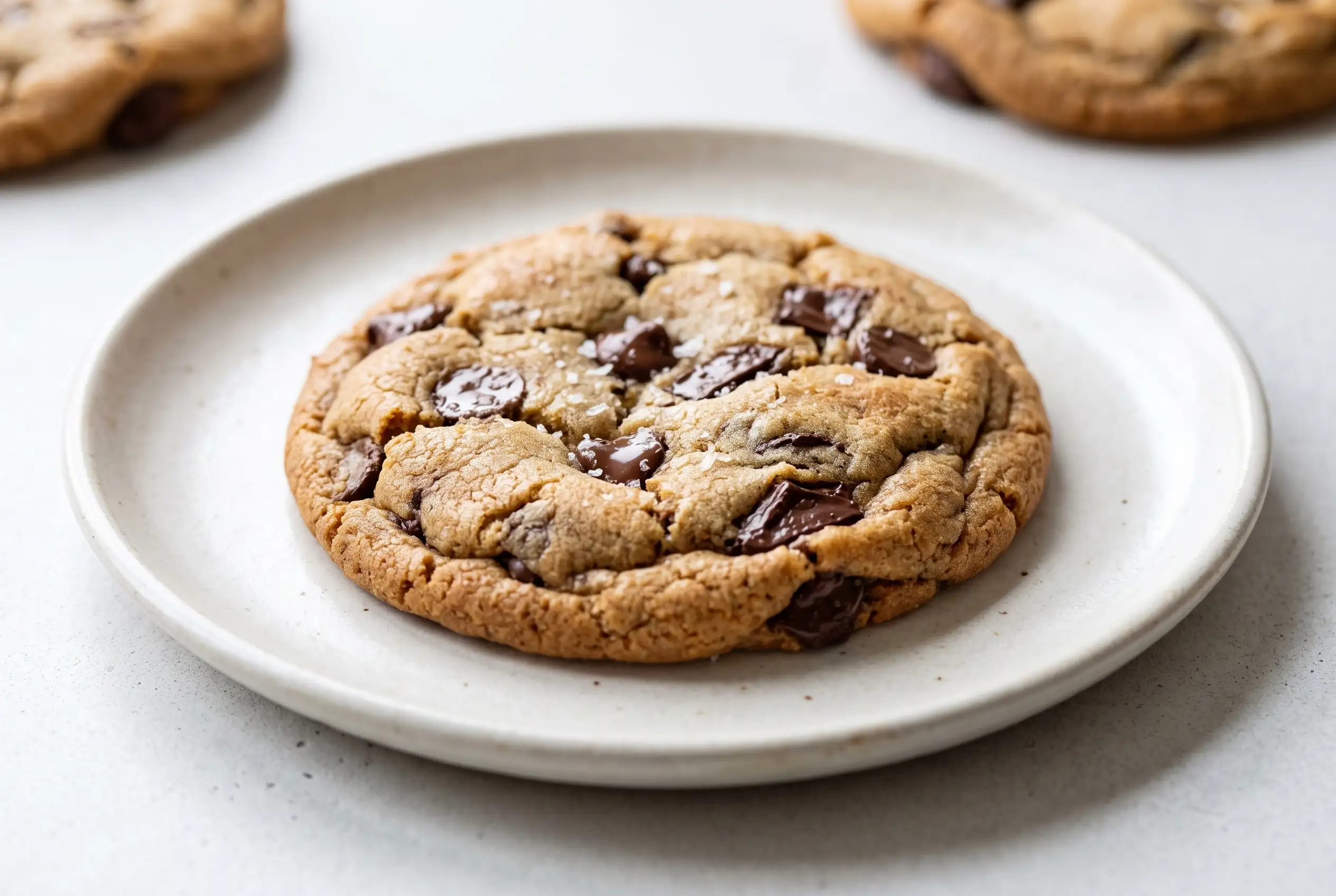
Browned butter chocolate chip cookies transform a familiar favorite into a richer dessert with toasted butter notes, deep caramel-like flavor, and a soft center surrounded by lightly crisp edges. The extra attention given to browning the butter creates a cookie with more character while keeping the comforting texture people expect from homemade chocolate chip cookies.
Browned Butter Chocolate Chip Cookies Capture Toasty Flavor
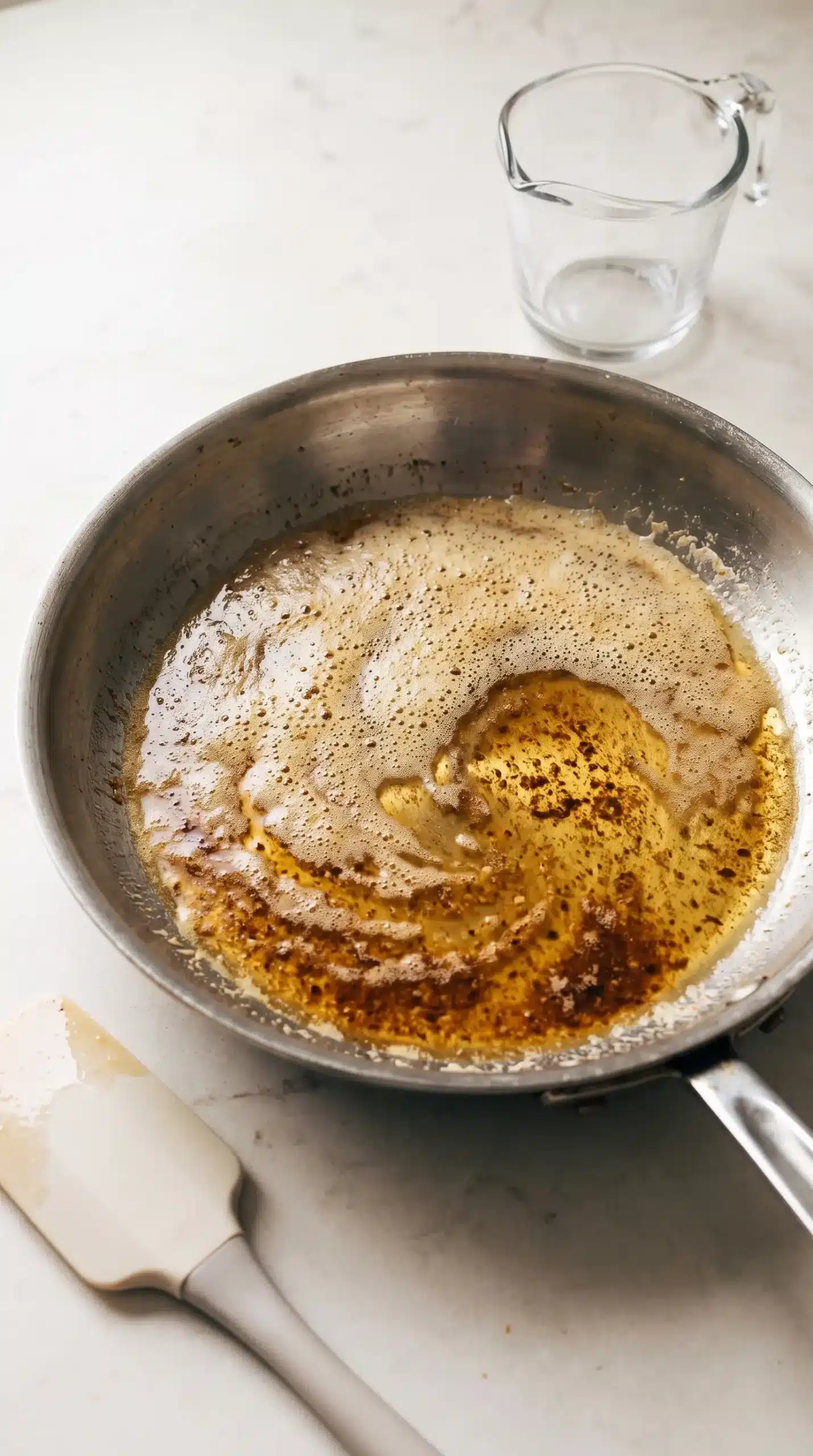
Browned butter chocolate chip cookies begin with one important flavor decision: turning ordinary melted butter into a fragrant golden ingredient. Heating butter until the milk solids brown creates nutty aromas and a deeper taste that carries through the finished cookie.
Unlike cookies made with plain melted butter, these cookies rely on careful observation during heating. The butter moves from foamy to golden quickly, so watching the color and aroma helps protect the delicate browned bits that create the signature flavor.
Brown Butter Changes the Cookie Dough Character
Brown butter chocolate chip cookies develop their distinctive personality from the butter transformation before any flour is added. The browned butter contributes richness that pairs naturally with brown sugar, vanilla, and chocolate pieces.
After browning, the butter needs time to cool before it meets the dough ingredients. Warm butter can affect the texture of the mixture and soften chocolate pieces too early, which is why patience during this stage improves the finished result.
Several small choices shape the dough after the butter is prepared:
- Butter temperature: Slightly cooled browned butter blends smoothly without immediately melting other ingredients.
- Sugar mixing: Beating the butter with sugars and vanilla creates a glossy mixture with a cohesive texture.
- Dough timing: Resting allows the flour to absorb moisture and helps the browned flavor spread throughout the cookies.
Flour Balance Shapes Chewy Browned Butter Cookies
Flour quantity influences whether chewy browned butter cookies hold their shape while maintaining a tender middle. The flour, baking soda, baking powder, and salt combine into a dough that should feel dense and shiny after mixing.
Adding the dry ingredients only until combined keeps the dough from becoming unnecessarily worked. The short mixing approach preserves the texture that makes these cookies feel substantial without becoming heavy.
| Cookie element | What to watch | Result when handled well |
|---|---|---|
| Flour | Measure carefully and mix just until combined | Balanced structure with a soft interior |
| Baking soda and baking powder | Distribute evenly through the dough | Light lift with a pleasing cookie shape |
| Salt | Combine thoroughly with dry ingredients | Clearer chocolate and browned butter flavor |
Chocolate Pieces Define Each Homemade Chocolate Chip Cookies Bite
Homemade chocolate chip cookies become especially satisfying when the chocolate stays distinct from the browned butter base. Chocolate chips or chunks create pockets of sweetness that balance the toasted flavor of the dough.
Mixing chocolate into dough that has cooled prevents the pieces from melting into the mixture. The resting period after adding chocolate also gives the flavors time to settle together before baking.
Vanilla and Sugars Build the Cookie Foundation
Vanilla, white sugar, and brown sugar create the familiar cookie profile around the browned butter. The combination gives the dough sweetness, aroma, and the deeper notes that make each bite taste complete.
Cooling the Browned Butter Protects the Dough Texture
The browned butter stage requires attention because the same heat that creates flavor can also create problems if the butter is left unattended. A wide skillet helps the butter cook evenly, while stirring the pan helps with preventing the milk solids from burning.
Transfering the browned butter after reaching a golden color stops the cooking process. A cool container gives the butter a better environment for returning to a workable temperature before mixing.
Mixing Choices Control the Cookie Finish
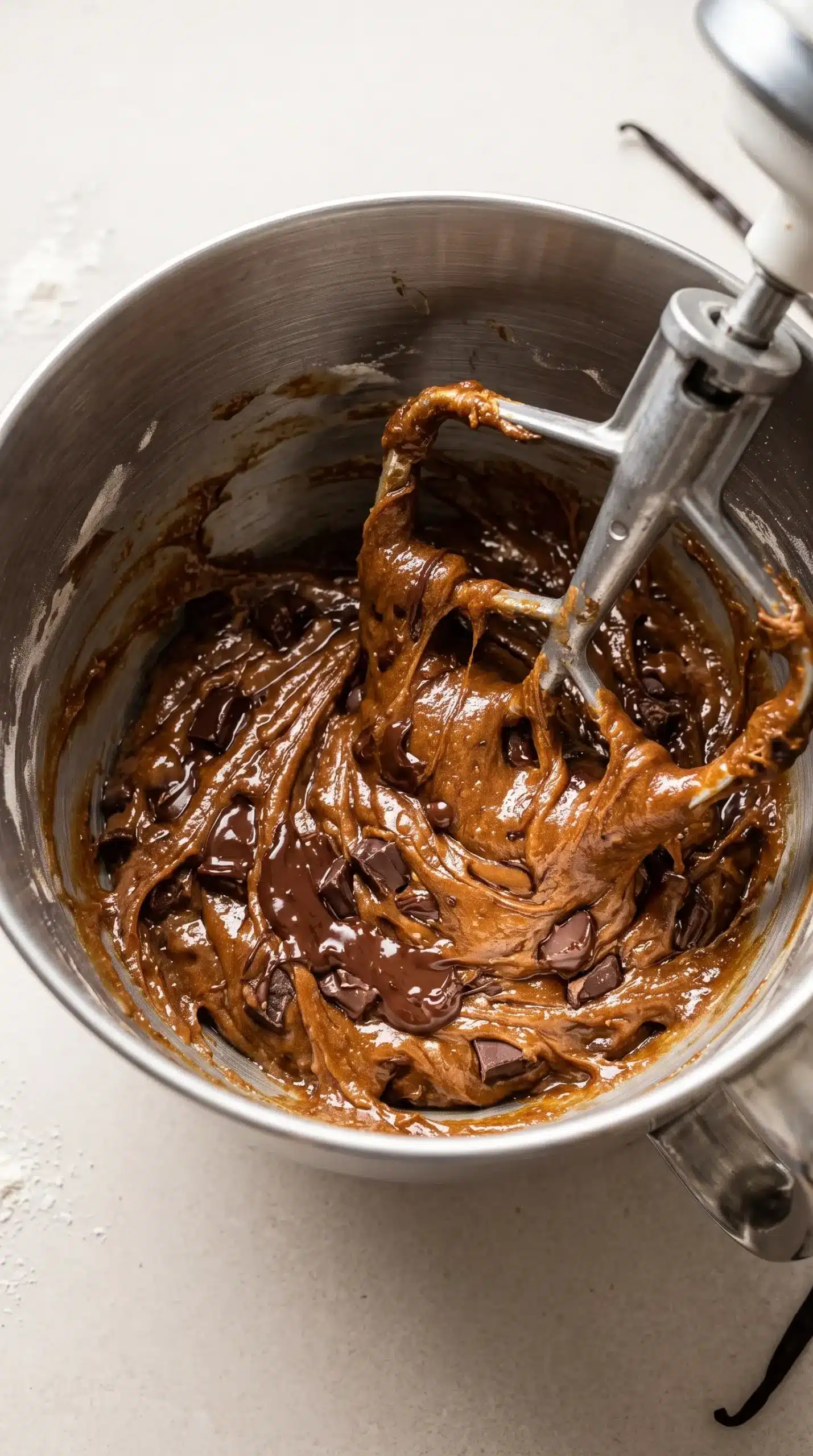
Cookie texture depends heavily on how the dough comes together. Beating the butter, sugars, and vanilla creates a smooth base, while adding eggs afterward helps produce a shiny mixture before the dry ingredients are introduced.
Careful mixing after flour is added keeps the dough from becoming overdeveloped. The finished dough should remain dense and glossy, ready to hold chocolate throughout each portion.
Cookie Resting Creates Deeper Browned Butter Flavor
Resting the dough gives the flour time to absorb moisture and allows the browned butter flavor to become more noticeable. The pause also makes the dough easier to portion into consistent cookie shapes.
Portioning larger scoops of dough creates the thick center associated with these cookies. Waiting after baking is equally important because the centers continue settling as they cool.
Avoid These Browned Butter Chocolate Chip Cookies Mistakes
Browned butter chocolate chip cookies can lose their signature texture when a few important details are overlooked. The most common problems come from heat management, timing, and handling choices that affect the dough.
| Potential mistake | Visible sign | Better approach |
|---|---|---|
| Burning the butter | Dark solids and harsh aroma | Remove the skillet once the butter reaches a golden brown color |
| Adding chocolate too soon | Chocolate melts into the dough | Allow the dough to cool before mixing in chocolate |
| Skipping the cooling period | Centers stay uneven after baking | Let baked cookies rest before judging texture |
Baking Details Decide the Soft Center
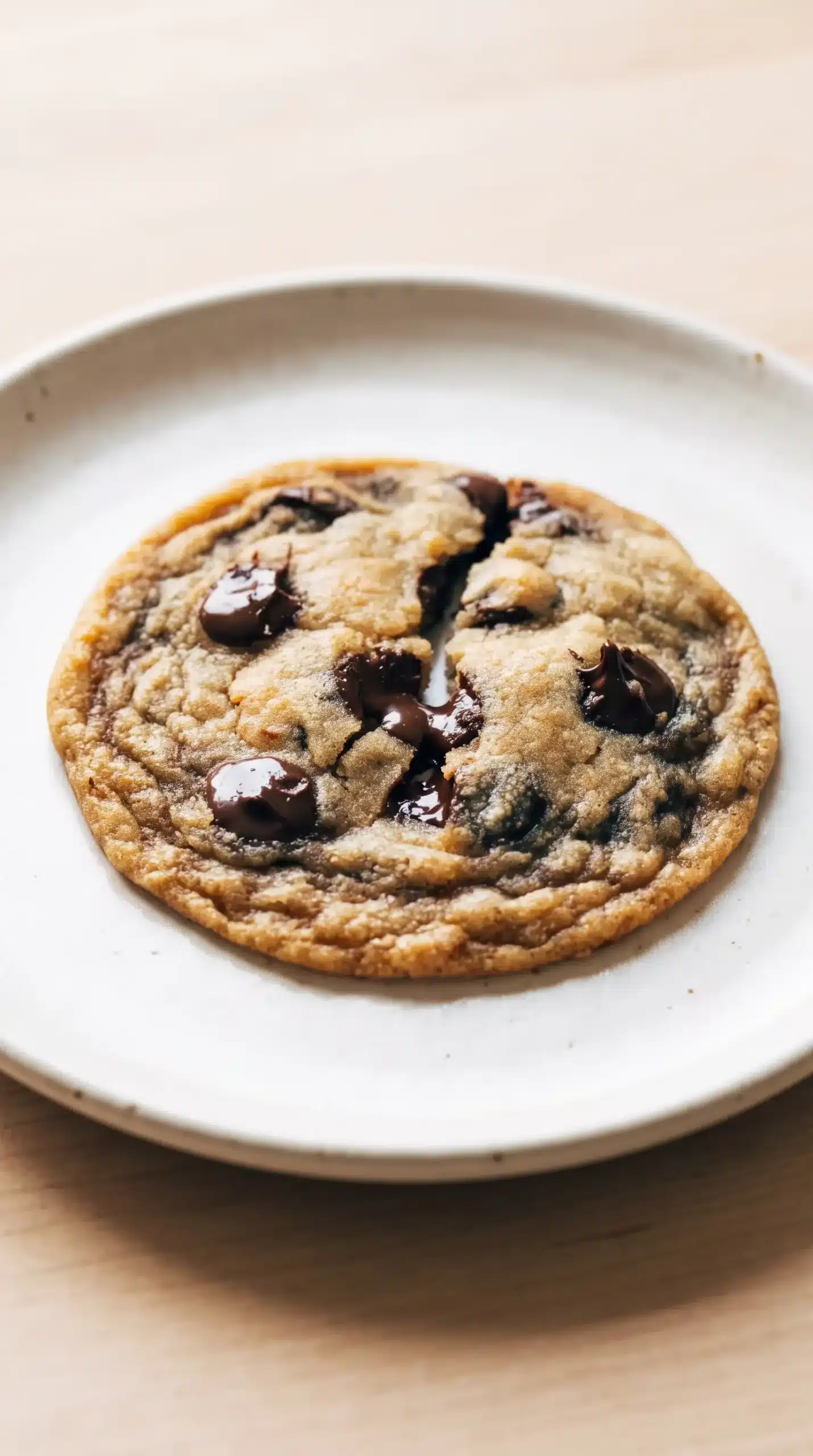
The oven stage determines the contrast between edges that appear cooked and centers that remain slightly soft. Baking at the correct temperature allows the cookies to develop their shape while preserving the tender middle.
Freshly baked cookies continue changing after removal from the oven. The centers settle during cooling, creating the dense, barely underbaked texture that makes browned butter chocolate chip cookies memorable.
Serving and Storing Keep Cookie Texture
Proper storage helps maintain the balance between crisp edges and soft centers. Once cooled, cookies should be protected from excess air so their texture remains enjoyable.
Warm cookies highlight the melted chocolate and toasted butter flavors, while fully cooled cookies showcase the developed caramel notes from the browned butter.
Variations Expand Browned Butter Cookie Options
Small adjustments can create new versions while keeping the essential character of the cookie intact. Chocolate choices can shift the sweetness, and different sizes can change the balance between crisp edges and soft middles.
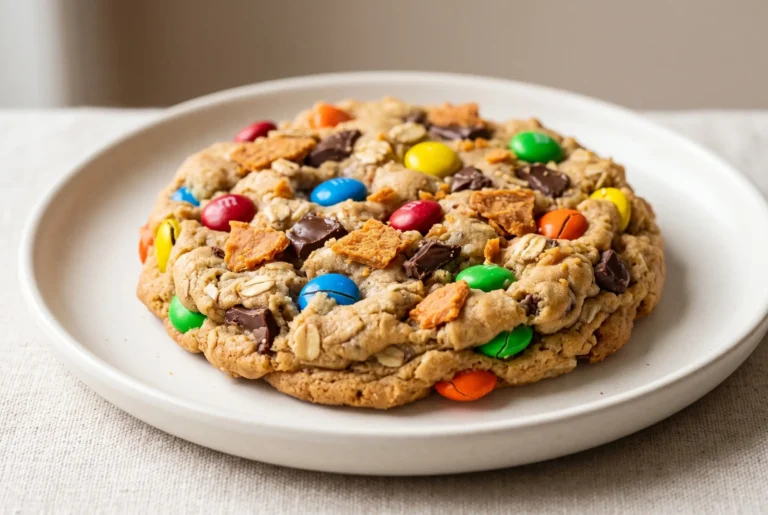
Cookie size can shift the balance between crisp edges and soft centers, so larger scoops create a thicker texture while smaller portions bake more evenly. A batch of Big Soft M&M Cookies uses a generous cookie format with chocolate pieces that shows how portion size affects the final bite.
- Chocolate swap: Use chips or chunks depending on whether you prefer even pieces or larger melted pockets.
- Texture change: Adjust cookie size to create thinner edges or thicker centers.
- Flavor pairing: Keep vanilla prominent when highlighting the toasted butter notes.
Browned Butter Chocolate Chip Cookies Reach Their Best Texture Through Resting
Browned butter chocolate chip cookies achieve their strongest flavor when heat, timing, and patience work together. The golden butter provides the foundation, while careful cooling and resting help preserve the soft center and rich chocolate balance.
The browned butter creates the distinctive flavor, but the texture comes from the complete process: controlled mixing, measured flour, and allowing the baked cookies to settle before serving.
Browned Butter Chocolate Chip Cookies Questions About Storage and Troubleshooting
Can browned butter chocolate chip cookies be stored for later?
Yes. Store cooled cookies in a sealed container to help protect their texture. Keeping them covered prevents the edges from becoming overly dry while preserving the softer middle.
Why does browned butter need to cool before making cookies?
Cooling the browned butter helps prevent the dough from becoming too warm during mixing. It also keeps chocolate pieces from melting before baking begins.
How can I tell when the butter is browned correctly?
The butter is ready when it becomes golden brown, develops a nutty aroma, and has passed through the foamy stage. Removing it promptly protects the browned milk solids from burning.
Why should the cookie dough rest before baking?
The resting period allows the flour to absorb moisture and helps distribute the browned butter flavor throughout the dough. It also improves the consistency when shaping the cookies.
Can chocolate chunks replace chocolate chips?
Chocolate chunks work well because they create larger pockets of chocolate throughout the cookie. The choice depends on whether you prefer evenly spaced pieces or bigger melted sections.
Browned Butter Chocolate Chip Cookies with Chocolate Chips
Browned Butter Chocolate Chip Cookies are rich, chewy cookies with crisp edges, soft centers, and deep toasted butter flavor. They are a comforting dessert choice when you want a more flavorful homemade cookie.
Ingredients
Method
Preparation
- Cut the butter into small pieces and melt it in a wide stainless steel skillet over medium heat. Swirl the skillet as needed while the butter bubbles and foams, then use a heat-proof spatula to move the butter across the bottom to prevent burning. Continue cooking until the butter turns golden brown and smells nutty, then immediately transfer it to a cool bowl or glass measuring cup. Allow it to cool for 5-10 minutes.
- Add the browned butter, white sugar, brown sugar, and vanilla to the bowl of an electric mixer. Beat on medium-high speed for 2-3 minutes.
- Add the eggs and mix for 1-2 minutes until the mixture is smooth and glossy.
- Add the flour, baking soda, baking powder, and salt. Mix only until a dense, shiny dough forms. Cool the dough for 15-20 minutes before adding the chocolate.
- Fold in the chocolate chips or chocolate chunks. Rest the dough for another 20-30 minutes before baking.
Baking
- Preheat the oven to 350 degrees Fahrenheit (177 degrees Celsius). Scoop or roll the dough into 3-tablespoon portions and place them on a baking sheet.
- Bake for 9 minutes, until the edges are set and the centers remain slightly soft and puffy.
- Remove the cookies from the oven and allow them to rest for 15-20 minutes before serving.
Notes
Cool the browned butter before mixing the dough so the chocolate pieces do not melt during preparation.