From breakfast to dinner, from healthy meals to sweet desserts – Next Yum Recipes brings you quick, simple and tasty ideas for every occasion and every time.


What if fruit cake could taste warm, balanced, and genuinely comforting?
When you make Old-Fashioned German Fruit Cake, you are not chasing a sugary brick of dried fruit. You’re building a spiced, tender cake where nuts, molasses, and fruit work together instead of competing for attention.
You’ll notice early on that this is a cake about texture. Each slice should feel hearty, with little chewy pockets of fruit and a soft crumb that holds everything in place.
Why Make This Recipe
This Old-Fashioned German Fruit Cake gives you deep flavor without complicated steps. The spice blend is warm and familiar, and the fruit adds sweetness that feels natural rather than overly sugary.
You also get a practical advantage. Because the flavors settle and deepen as it rests, you can bake it ahead for holidays or gatherings and not worry about it tasting “day-old.”
It’s a smart pantry cake. You can use what you already have, as long as you keep the sweet, chewy, and crunchy elements in balance.
How to Make This Old-Fashioned German Fruit Cake
The method starts like many classic cakes: you build structure by creaming fat and sugar, then add eggs for stability. After that, you combine wet and dry components with a light hand so the crumb stays tender.
Mix-ins are where things get interesting. Nuts and dried fruit add weight, so you want them evenly distributed. If they clump, you’ll get heavy pockets that can sink or tear slices when you cut.
The bake is slower and steadier than a thin cake. You’ll know it’s close when the top looks set, the edges pull slightly from the pan, and the kitchen smells like cinnamon and molasses rather than raw flour.
Ingredient Insights for Old-Fashioned German Fruit Cake
All-Purpose Flour: Flour provides structure so the cake can support fruit and nuts. A balanced amount keeps it sturdy without turning dry.
Baking Powder: Baking powder helps lift the batter gently, which is useful when heavier mix-ins are involved.
Baking Soda: Baking soda works with acidic ingredients to improve rise and browning, giving the cake a deeper color and flavor.
Salt: Salt sharpens sweetness and makes the spices taste clearer.
Cinnamon: Cinnamon brings warmth and a sweet-spice aroma that reads instantly “holiday” without being too strong.
Cloves: Cloves add intensity and depth. A little goes a long way, so the goal is warmth, not sharpness.
Nutmeg: Nutmeg adds a soft, rounded spice note that sits behind cinnamon and cloves.
Unsalted Butter: Butter delivers richness and helps the crumb feel tender rather than bready.
Granulated Sugar: Sugar sweetens and supports browning, helping the cake develop a pleasant crust.
Eggs: Eggs bind the batter and help the cake slice cleanly without crumbling.
Molasses: Molasses provides color and a deep sweetness with a slight bitter edge that keeps the cake from tasting flat.
Buttermilk: Buttermilk adds moisture and gentle tang. It also helps the cake stay soft as it sits.
Chopped Nuts: Nuts add crunch and richness. They also break up the chewiness of dried fruit so each bite feels balanced.
Mixed Dried Fruits: Dried fruit gives concentrated sweetness and chewy texture. Cutting larger pieces helps distribute flavor evenly.
Candied Citrus Peel: Citrus peel adds bright, aromatic notes that cut through spice and sweetness, especially after the cake rests.
Texture & Flavor Experience
When your Old-Fashioned German Fruit Cake is done right, the crumb feels moist and sturdy, not gummy. You’ll get a gentle resistance when you bite, then softer pockets of fruit that feel pleasantly chewy.
The flavor is layered. Molasses and spice lead, then citrus notes lift the finish. Nuts keep the sweetness from lingering too long.

How to Serve Old-Fashioned German Fruit Cake
You can serve this cake in thin slices, because it’s naturally rich. Room temperature gives you the clearest spice notes and the cleanest texture when you cut.
It pairs well with coffee or tea, especially when you want something sweet that still feels grounded. If you want another perspective on style and serving, this German Fruit Cake reference can help you compare approaches.
If you enjoy traditional fruit cake styles, you might also like this old-fashioned fruit cake variation for a slightly different take.
Tips to Make Old-Fashioned German Fruit Cake
- Chop larger dried fruit pieces so they distribute evenly and don’t create heavy pockets.
- Let the batter rest for a few minutes before baking if it feels very thick, which can help the flour hydrate.
- Toast the nuts lightly if you want deeper flavor and better crunch after baking.
- Use room temperature ingredients so the batter blends smoothly and rises more evenly.
- Cool fully before slicing so the crumb sets and the pieces hold together cleanly.
Common Mistakes to Avoid
- Overmixing after adding flour, which can make the cake tough instead of tender.
- Leaving dried fruit in large chunks, causing uneven slices and pockets that sink.
- Underbaking, which can lead to a dense center that feels sticky.
- Slicing while warm, which often crumbles the cake and smears the fruit.
- Using too many mix-ins, which can overwhelm the crumb and make it fall apart.
Storing Tips
You can store Old-Fashioned German Fruit Cake in an airtight container at room temperature. Over a day or two, the flavors often deepen, and the cake can feel even more cohesive.
If you freeze it, wrap it well so it doesn’t pick up freezer odors. Thawing slowly in the fridge helps maintain texture, especially if your cake is packed with fruit.
FAQs
Why does this cake taste better after a day?
As it rests, moisture redistributes and the spice and citrus notes blend into the crumb, making the flavor feel more unified.
Can you swap the dried fruits?
Yes. You can mix what you have, but aim for a balance of chewy fruit and crunchy nuts so the texture doesn’t turn one-note.
What does molasses actually do here?
Molasses adds depth, color, and that classic warm sweetness that supports the spices without tasting sugary.
Can you make it with some whole wheat flour?
You can, but it will be denser. If you try it, blending with all-purpose flour often keeps the cake from feeling too heavy.
Conclusion
Old-Fashioned German Fruit Cake is proof that fruit cake can be tender, layered, and genuinely enjoyable. When you focus on mix-in balance, gentle mixing, and proper cooling, you end up with a cake that slices cleanly and tastes even better the next day.
If you want a holiday dessert that feels traditional without feeling overly sweet, this is a solid one to keep in your rotation.
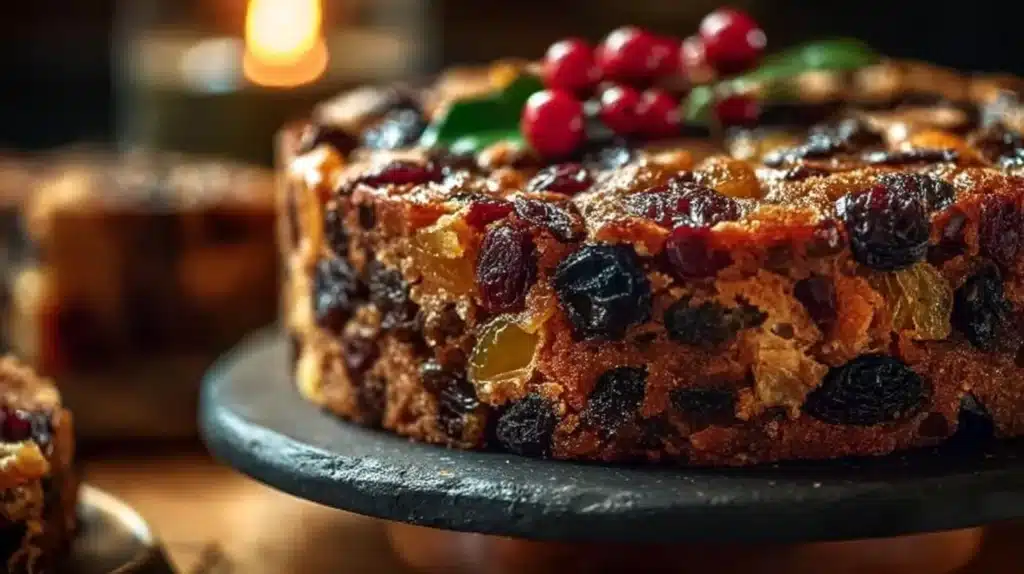
Old-Fashioned German Fruit Cake
A delightful cake that combines rich spices, nuts, and dried fruits, perfect for the holiday season or family gatherings.
Ingredients
Method
Preparation
- Preheat your oven to 350°F (175°C). Grease and flour a bundt pan or a cake pan.
- In a bowl, mix the flour, baking powder, baking soda, salt, cinnamon, cloves, and nutmeg. Set aside.
- In another bowl, cream the softened butter and granulated sugar together until light and fluffy.
- Add the eggs one by one, mixing well after each addition. Then stir in the molasses and buttermilk until combined.
- Gradually add the dry ingredient mixture to the wet ingredients, mixing just until combined.
- Fold in the chopped nuts, dried fruits, and candied citrus peel.
Baking
- Pour the batter into the prepared pan and smooth the top with a spatula.
- Bake for 50-60 minutes, or until a toothpick inserted into the center comes out clean.
- Let the cake cool in the pan for about 15 minutes before transferring it to a wire rack to cool completely.
Notes
Store the cake in an airtight container at room temperature for up to a week. Wrap in plastic wrap to freeze for up to three months. Thaw in the refrigerator before serving. Adjust spices according to taste preferences. Let the cake cool completely before slicing to avoid crumbling.


