From breakfast to dinner, from healthy meals to sweet desserts – Next Yum Recipes brings you quick, simple and tasty ideas for every occasion and every time.


Have you ever made broth from leftovers and thought, this smells amazing, but the finished soup still tastes a little thin?
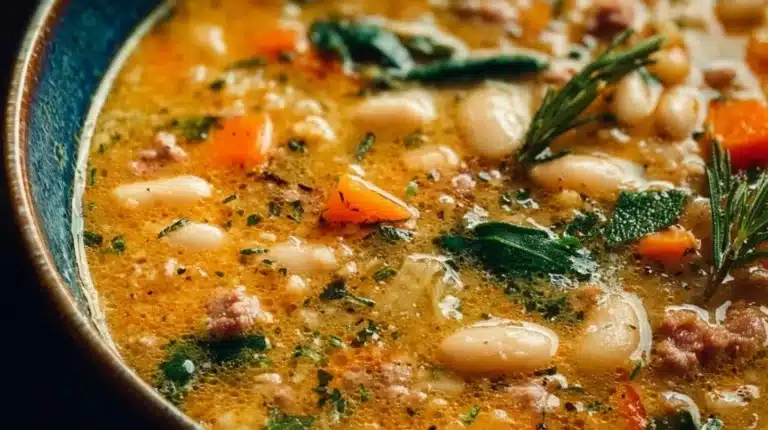
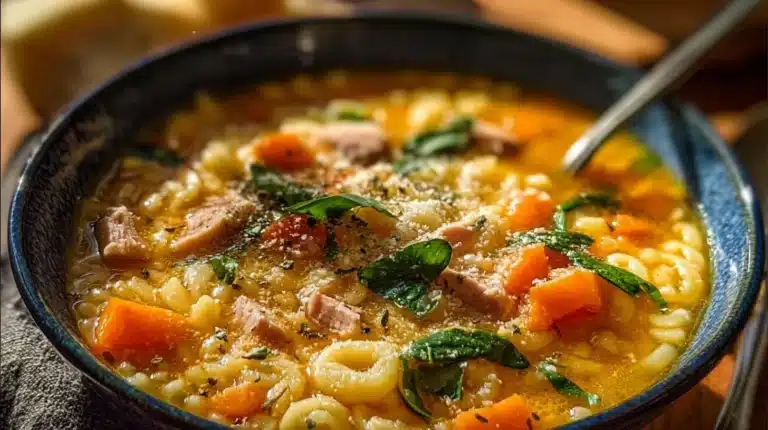
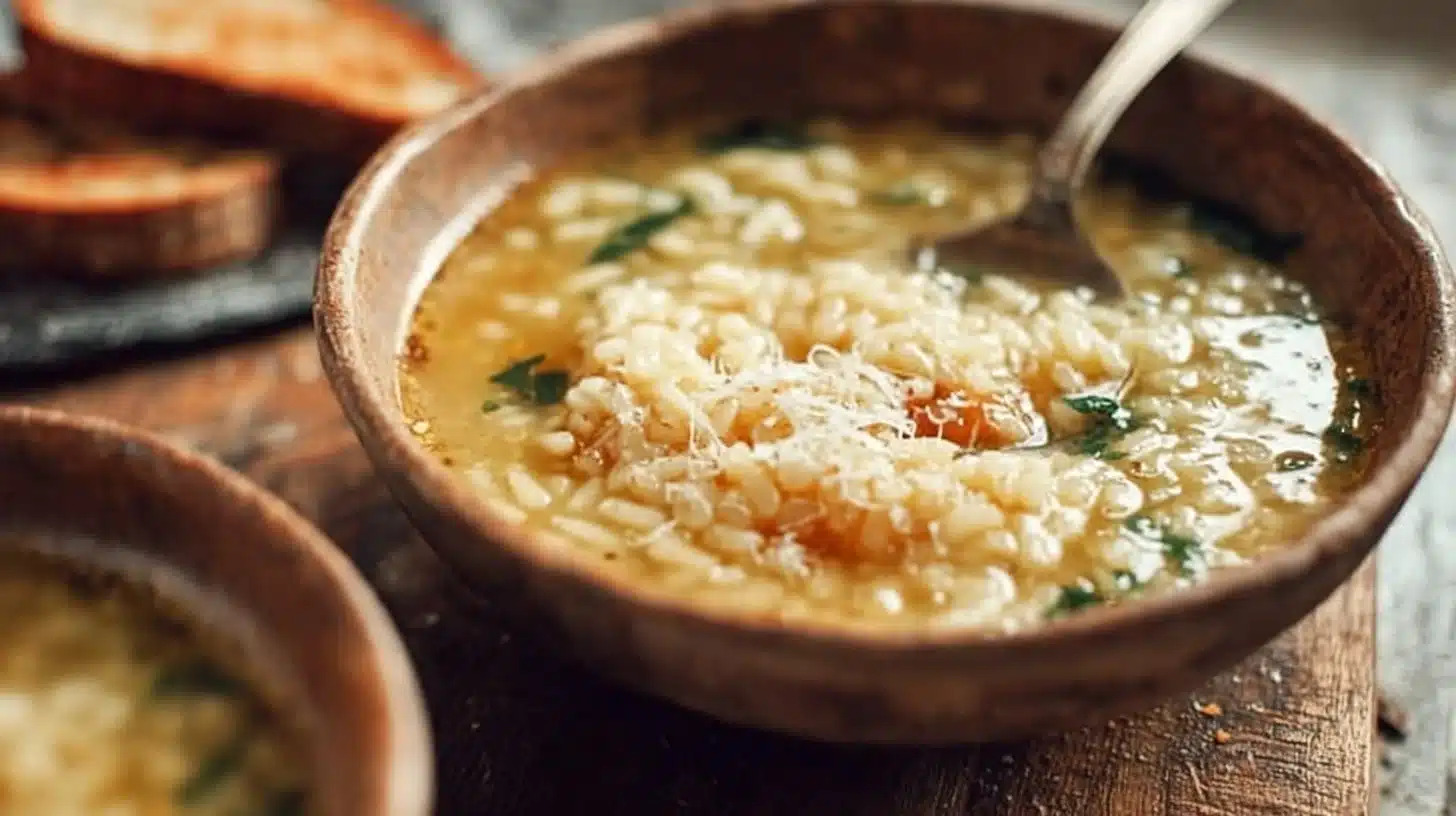
Pastina in simple chicken broth works best when you treat the broth like the main ingredient, not just the liquid. Using a leftover chicken carcass and a few aromatics gives you a clean, savory base, and pastina melts into it in a way that feels soothing instead of heavy.
If you want another closely related take for comparison, you can check this cozy chicken pastina soup recipe and borrow any serving or seasoning ideas that fit your pantry.
Why Make This Recipe
You can stretch what’s already in your kitchen into multiple meals. A carcass that might get tossed becomes a pot of broth that tastes richer than most store-bought versions, even with very basic vegetables.
This soup is also gentle and flexible. It’s mild enough for kids and picky eaters, but it can still taste “grown up” with a smart finish like lemon or olive oil. The whole point is comfort without a complicated process.
It’s a practical batch recipe, too. You can make broth once and turn it into quick lunches all week, adding pastina only when you’re ready to eat.
Why You’ll Love This Pastina
You get a bowl that feels light but satisfying. Pastina cooks fast, and the tiny shapes spread through the broth so every spoonful feels balanced.
You also get control. You can keep the broth crystal-clear, or you can let it turn slightly golden and deeper depending on how you simmer and skim. Either way, you’re building flavor from scraps in a way that feels smart and thrifty.
And when you’re not feeling great, this is one of those meals that’s easy to eat. The texture is soft, the flavor is gentle, and the warmth does most of the work.
How to Make This Pastina
The method is really two small jobs: make a clean broth, then cook pastina at the end. For the broth, a gentle simmer is your best friend. You want slow bubbles, not a rolling boil, so fats and proteins don’t churn into the liquid and turn it cloudy.
In the first part of simmering, you’ll often see pale foam rise to the surface. Skimming it keeps the broth clearer and cleaner tasting. You’ll also notice the smell change from “raw onion” to something rounder and sweeter as the aromatics give up their flavor.
Pastina goes in last because it cooks quickly and continues absorbing liquid even after you turn off the heat. If you add it too early, the soup can turn thicker than you planned, and the pasta can lose its little shape.
Ingredient Insights for Pastina
Pastina pasta: Pastina is tiny pasta that cooks fast and softens quickly. It’s perfect when you want comfort, but it needs close attention because a couple extra minutes can turn it from tender to overly soft.
Chicken broth or stock: The broth should taste good on its own before you add pasta. If it’s bland, the soup will be bland. If it’s salty, the pasta will pick that up fast, so you season carefully.
Cooked chicken carcass: A carcass gives you bones, connective tissue, and roasted flavor. That’s what creates depth without adding extra ingredients. Even small bits left on the bones can boost the broth noticeably.
Carrot: Carrot adds sweetness and color. In a clear broth, it keeps the flavor from tasting too sharp or purely savory.
Celery: Celery adds a savory edge that makes the broth taste “soup-y” instead of just like hot chicken water. It’s subtle, but you miss it when it’s not there.
Onion: Onion brings backbone flavor. Cutting it in half is enough to release sweetness without shredding it into the broth.
Garlic: Garlic adds warmth and depth, especially when it’s simmered gently. If your broth ever tastes slightly harsh, it’s often because the pot boiled too hard or the garlic got too aggressive.
Bay leaf: Bay leaf adds a quiet background note. It shouldn’t scream “bay,” but it makes the broth taste more complete.
Rosemary sprigs: Rosemary brings a piney, cozy aroma, though it can dominate if you use too much. A small sprig or two gives you a gentle lift without taking over.
Texture & Flavor Experience
When it’s done right, the broth tastes clean and savory, with a light richness that lingers. The pastina distributes evenly, so you get a soft, comforting texture in nearly every spoonful.
You’ll notice the mouthfeel change as the soup sits. Pastina slowly thickens the broth, which can be lovely in the bowl, but it’s also why leftovers behave differently the next day.
How to Serve Pastina
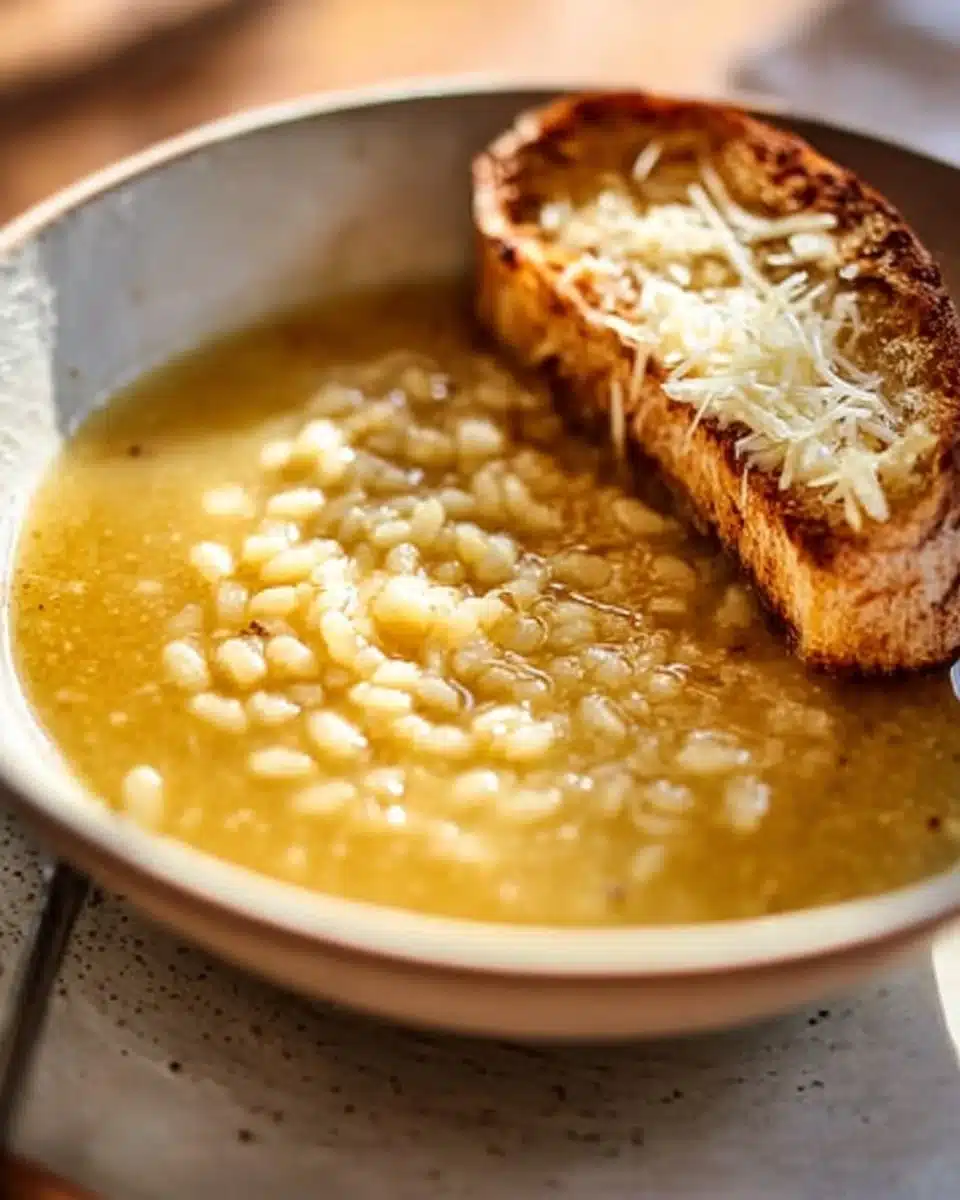
You’ll want to serve it hot in shallow bowls so the pastina stays evenly spread instead of sinking into a dense layer. A squeeze of lemon wakes up the broth, and a drizzle of olive oil adds a silky finish without making it heavy.
Keep the sides simple. Bread is great for dipping, and a small salad turns the soup into a light meal. If you want it heartier, adding shredded chicken or a soft-cooked egg makes the bowl feel more substantial while keeping the same gentle texture.
Tips to Make Pastina
- Keep the broth at a gentle simmer to avoid cloudiness and a flat, boiled taste.
- Skim foam early, especially in the first 20 to 30 minutes, for a cleaner broth.
- If you want deeper color, roast the carcass briefly before simmering, but watch it so it doesn’t dry out.
- Add pastina at the end and test early. It finishes fast and keeps softening as it sits.
- Reserve a little hot broth before adding pasta so you can loosen leftovers later if needed.
- Use sturdier herbs for simmering and save fresh herbs for serving so the flavor stays bright.
Common Mistakes to Avoid
- Boiling hard, which can make broth cloudy and dull the flavor.
- Overcooking pastina, which can turn the soup thick and gummy.
- Salting aggressively before simmering, since reduction and pasta absorption can intensify saltiness.
- Freezing the soup with pastina in it, which usually leads to mushy pasta after thawing.
Storing Tips
Cool the soup quickly and refrigerate it in airtight containers. If pastina is already in the soup, expect it to thicken as it sits because the pasta keeps absorbing liquid.
For freezing, it’s best to freeze the broth without the pastina, then cook fresh pastina when you reheat. Thaw overnight in the fridge and warm gently on the stove. Bring it up slowly so the broth stays clean and the texture doesn’t turn cloudy.
FAQs
What is pastina, and why does it feel so comforting?
Pastina is very small pasta, often stars or tiny shapes. It cooks quickly and creates a soft, tender texture that’s easy to eat and soothing.
Can you use store-bought broth if you don’t have a carcass?
Yes. You’ll still get a good bowl. Choose a broth you already like the taste of, then adjust seasoning at the end since brands vary a lot in salt.
How do you keep the broth from tasting greasy?
Simmer gently and skim as needed. If you make broth ahead, chilling it and lifting off the solid fat layer is an easy way to clean it up.
Why does leftover pastina soup get so thick?
Pastina keeps absorbing liquid even after cooking. Adding a splash of broth or water while reheating brings it back to a soupier texture.
Conclusion
This Pastina soup is a smart way to turn leftovers into a clean, nourishing bowl that feels calming and practical. You focus on gentle simmering for clear flavor, then cook pastina at the end so the texture stays tender.
If you want to explore another traditional approach with step-by-step photos, you can look at the Italian Chicken Pastina Soup for more ideas on finishing and serving.
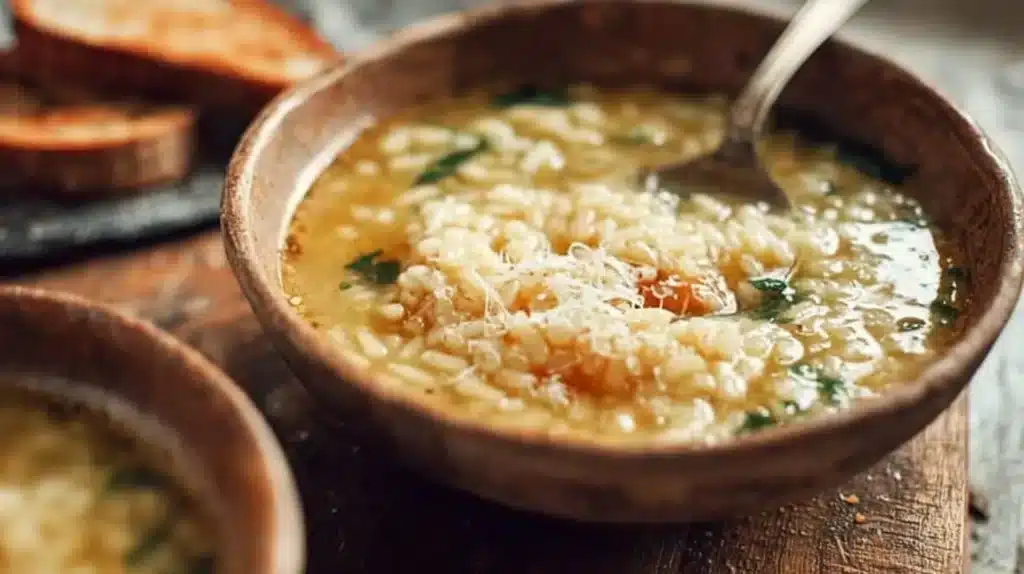
Pastina Soup
A comforting soup made with tiny pasta, chicken broth, and simple aromatics, perfect for recovery days or light meals.
Ingredients
Method
Make Homemade Chicken Broth
- Place the chicken carcass, carrot, celery, onion, garlic, bay leaf, and herbs in a large pot.
- Cover with water and bring to a gentle simmer.
- Simmer for 1.5 to 3 hours, skimming any foam during the first 20-30 minutes.
- Strain the broth, discarding solids, and set the clear broth aside.
Make Pastina Soup
- In the strained broth, bring it to a boil and add pastina.
- Cook until the pastina is al dente, about 5 minutes.
- Adjust seasoning with salt as needed.
Notes
Serve hot garnished with lemon, olive oil, parsley, or black pepper. Cool any leftovers quickly and refrigerate for up to 3-4 days, or freeze the broth without pastina for up to 3-4 months.