From breakfast to dinner, from healthy meals to sweet desserts – Next Yum Recipes brings you quick, simple and tasty ideas for every occasion and every time.


Why does a simple chicken soup taste so much brighter when you add lemon at the very end?
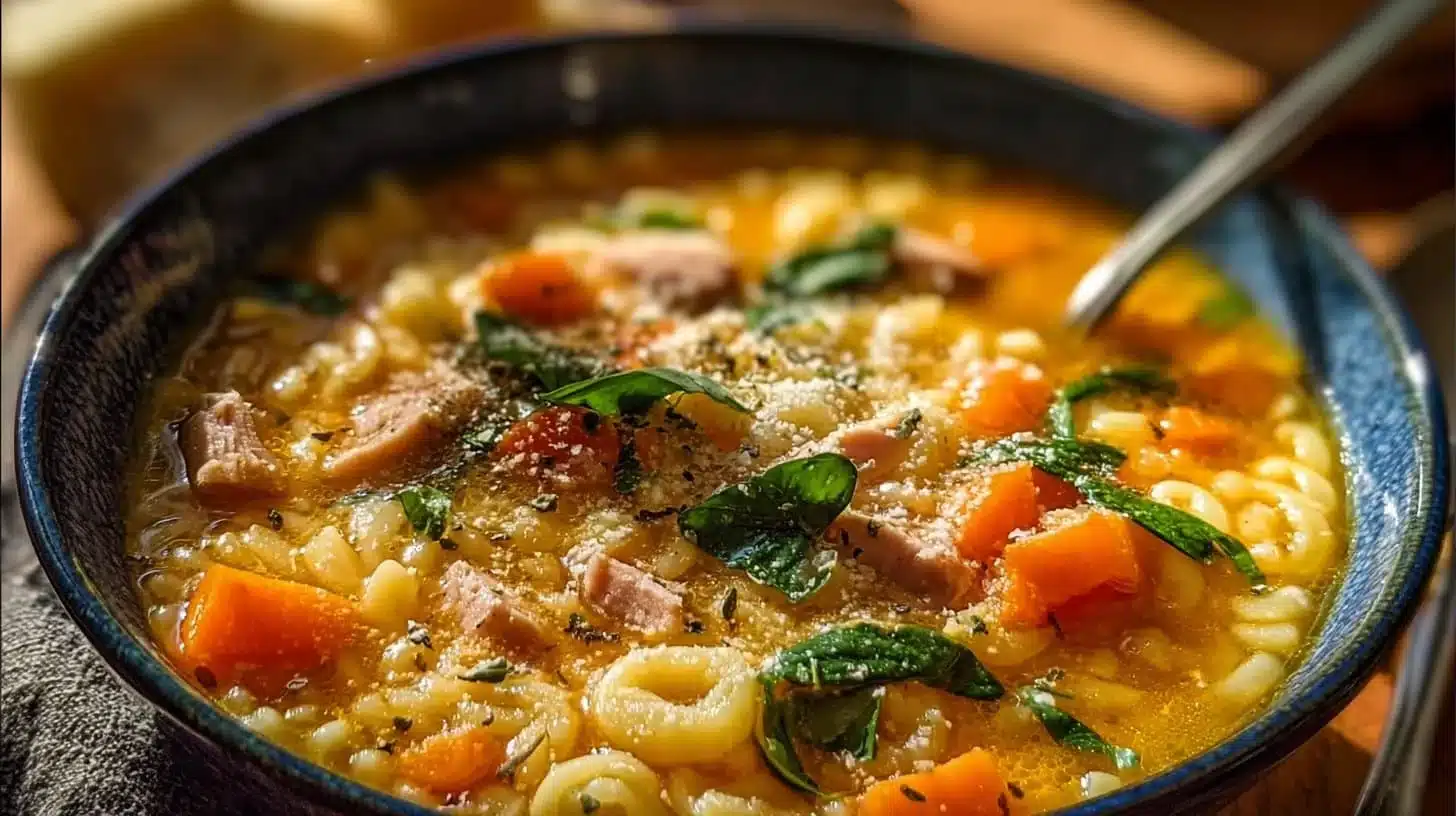
Italian Penicillin Soup is a cozy, clear-broth bowl with garlic, herbs, tender chicken, and a small pasta that makes it feel complete. The name is a nickname, but what you’re really making is a clean, comforting soup that tastes fresh instead of heavy.
If you already enjoy the same cozy vibe of a small-pasta broth, you can compare it with this simple chicken broth soup with pastina and notice how pasta size and finishing touches change the final texture.
Why Make This Recipe
You get big flavor from a simple routine: soften aromatics first, then let the broth simmer gently so it tastes rounded. That slow, quiet simmer matters more than fancy ingredients.
This soup also fits real schedules. You can keep it light for lunch or make it hearty enough for dinner with bread on the side.
It’s easy to adjust without losing the point of the dish. You can swap pasta shapes, tweak the herbs, or dial the lemon up or down until it tastes right to you.
How to Make This Italian Penicillin Soup
You start by sweating onion, carrot, and celery until they look glossy and smell sweet. That soft base gives the broth depth without needing a long cook.
Next comes a gentle simmer with chicken and bay leaves. You want small bubbles and steady steam, not a rolling boil. If you boil hard, the chicken can turn stringy and the broth can taste flatter.
Once the chicken shreds easily, you return it to the pot and cook the small pasta near the end. The pasta releases a little starch that lightly thickens the broth while still keeping it soup, not stew.
Lemon and parsley go in last. That timing protects the bright aroma, so your soup tastes fresh the moment it hits the bowl.
Ingredient Insights for Italian Penicillin Soup
Olive oil: You’re using it to soften the base vegetables gently. Moderate heat helps the vegetables turn sweet without browning, which keeps the broth clean and clear.
Onion: Onion builds sweetness as it cooks. When it’s ready, it smells mellow and looks translucent, which means you’ve laid down flavor without harsh bite.
Carrots: Carrots add color and mild sweetness. They also hold their shape well, so you get tender pieces instead of vegetables that disappear.
Celery: Celery brings a savory, slightly herbal backbone. It makes the broth taste more complete, especially once it simmers with bay and thyme.
Garlic: Garlic adds warmth and aroma fast. Add it after the base softens so it turns fragrant without tasting bitter.
Chicken broth: Broth is the foundation, so low-sodium helps you control seasoning as the soup reduces slightly. A richer broth gives you more body, while a lighter broth keeps it delicate.
Bone-in chicken breast: Bone-in chicken gives the broth more depth and a fuller mouthfeel. You’ll notice the broth tastes rounder, even before you add lemon.
Bay leaves: Bay adds a subtle savory perfume. It’s easy to overlook, but it helps the soup taste more layered when paired with oregano and thyme.
Small pasta: Tiny shapes like ditalini or orzo make the soup feel comforting without turning it heavy. Cooking pasta late keeps it pleasantly tender instead of bloated.
Dried oregano: Oregano adds a familiar Italian herb note. It tastes best after a simmer, when the sharp edges soften into the broth.
Dried thyme: Thyme adds a gentle earthiness. A little goes a long way, and it pairs especially well with lemon at the finish.
Red pepper flakes: Flakes add a quiet warmth rather than strong heat. If you use them, you want a background tingle, not a spicy soup.
Lemon juice: Lemon lifts the broth and makes everything taste brighter. Adding it at the end keeps it fresh and prevents a cooked, dull citrus taste.
Fresh parsley: Parsley brings a clean finish and a hint of peppery freshness. You’ll notice it most in the steam as you lean over the bowl.
Texture & Flavor Experience
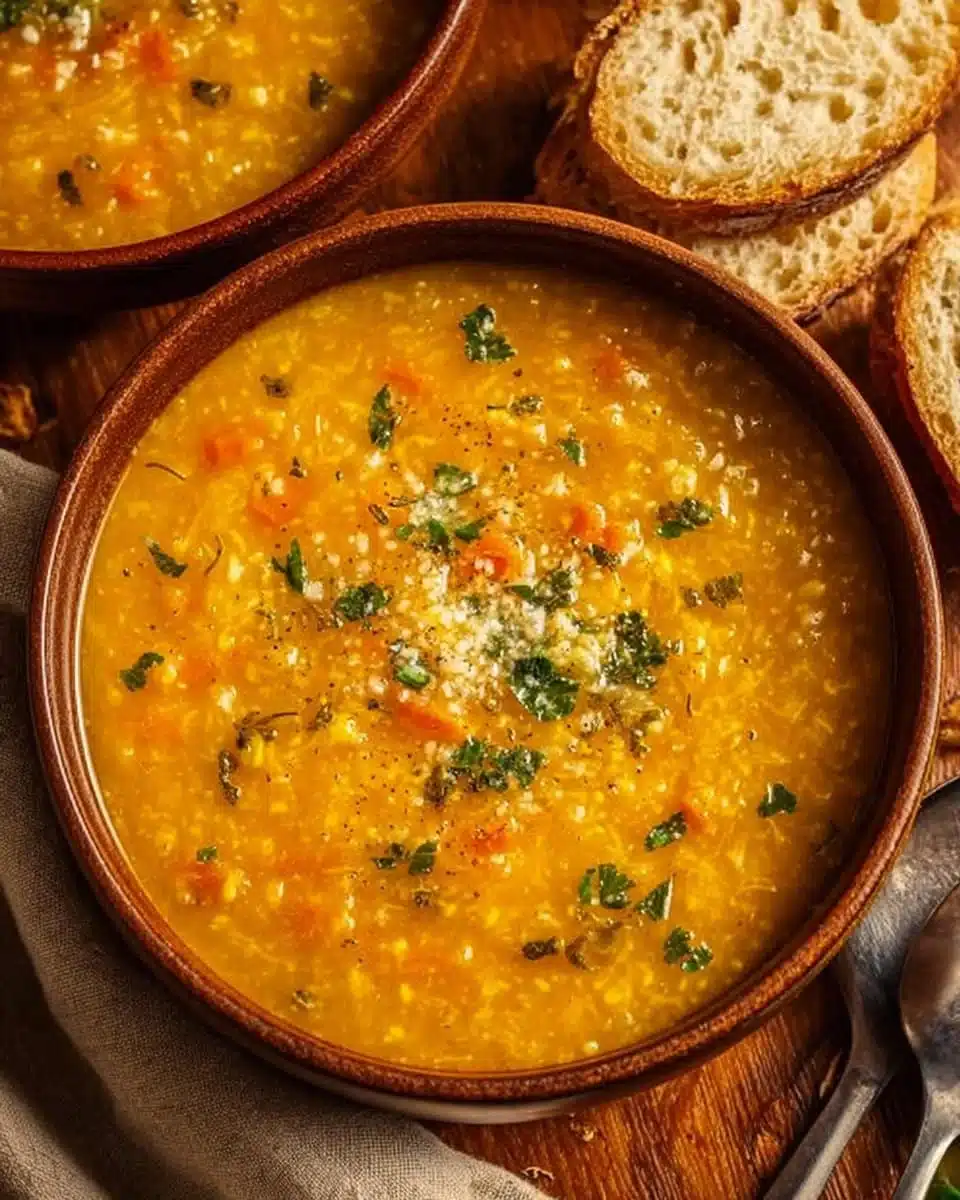
When it’s done right, the broth tastes savory and clear with a bright lemon finish. The chicken feels tender and shreddable, and the pasta stays small and spoon-friendly instead of turning mushy.
You’ll smell garlic and herbs first, then lemon as soon as you stir. The surface should look lightly glossy from olive oil, not greasy.
How to Serve Italian Penicillin Soup
Serve it hot in wide bowls so the pasta and chicken stay evenly distributed. A drizzle of olive oil on top can make the aroma pop right as you sit down.
If you like a salty, nutty finish, a small sprinkle of grated Parmesan works well. Keep it light so the lemon still shines.
Crusty bread is a natural match. You can dip for broth, then use it to scoop the tender vegetables and chicken.
Tips to Make Italian Penicillin Soup
- Keep the simmer gentle so the broth stays clean and the chicken stays tender.
- Let the onion, carrot, and celery soften until glossy before adding liquid.
- Add garlic after the base softens so it turns fragrant without browning.
- Cook pasta near the end so it stays pleasantly tender, not swollen.
- Stir in lemon juice off the heat so the flavor stays bright.
- If you plan leftovers, cook pasta separately and add it to each bowl when reheating.
Common Mistakes to Avoid
- Boiling hard, which can make chicken stringy and broth taste flat. Keep it at a steady simmer.
- Adding pasta too early, which can make it mushy and overly absorbent.
- Seasoning heavily at the start, then ending up too salty after simmering. Taste and adjust near the end.
- Adding lemon early, which can dull the citrus flavor. Finish with lemon right before serving.
Storing Tips
Store the soup in an airtight container in the fridge. The pasta will keep absorbing broth over time, so the soup will thicken and feel more like a stew on day two.
For the best texture, store pasta separately when you can. Reheat gently on the stove, then add fresh lemon and parsley at the end to bring the flavor back to life.
FAQs
Why is it called Italian Penicillin Soup?
It’s a playful nickname for a bright, comforting chicken soup with garlic and lemon. You’re not making medicine, just a flavorful, restorative-style bowl.
Can you use boneless chicken?
Yes. Boneless chicken works and is convenient, though bone-in chicken tends to give the broth a deeper taste. If you use boneless, watch the simmer so it stays tender.
What pasta shape works best?
Small shapes are easiest to eat and keep the soup light. If you only have larger pasta, you can break it into smaller pieces, though cooking time may change.
How do you keep the broth from tasting dull?
Build flavor with the aromatic base and keep the simmer gentle. Finishing with fresh lemon and parsley does a lot to brighten the final taste.
Conclusion
Italian Penicillin Soup gives you a clean, cozy broth with tender chicken, small pasta, and a lemony finish that tastes fresh. Once you get used to the gentle simmer and late lemon addition, you can make it anytime you want a simple, satisfying bowl. For another reference and more variation ideas, see the original Italian Penicillin Soup recipe.

Italian Penicillin Soup
A comforting and restorative chicken broth soup with garlic, lemon, and tender shredded chicken, perfect for weeknights or when you’re feeling under the weather.
Ingredients
Method
Build the Aromatic Base
- Heat olive oil in a large pot over medium heat. Add the diced onion, carrots, and celery, cooking for about 5-7 minutes until the vegetables begin to soften and the onion becomes translucent. Stir in the minced garlic and cook for another minute until fragrant.
Add Broth and Chicken
- Pour in the chicken broth and nestle the chicken breast into the pot. Add bay leaves, oregano, thyme, and red pepper flakes if using. Bring to a gentle boil, then reduce heat to maintain a steady simmer.
Simmer Until Tender
- Cover partially and simmer for 25-30 minutes, or until the chicken is completely cooked through and can be shredded easily. Remove the chicken breast and set aside to cool slightly.
Shred and Season
- Remove the skin and bones, shred the meat into bite-sized pieces, and return to the pot. Season the broth with salt and pepper to taste.
Cook the Pasta
- Return the shredded chicken to the pot and bring the soup to a gentle boil. Add the pasta and cook according to package directions until al dente. The starch will slightly thicken the broth.
Finish with Fresh Elements
- Remove bay leaves and stir in fresh lemon juice and chopped parsley. Taste and adjust seasoning. Serve with grated Parmigiano-Reggiano, drizzle with extra virgin olive oil, and pair with crusty Italian bread.
Notes
For substitutions: For gluten-free diets, replace pasta with rice or omit entirely. Vegetarians can skip the chicken and use vegetable broth, adding white beans for protein. Those avoiding dairy can skip the cheese garnish or use nutritional yeast instead. Simmer gently and skim any foam during the first few minutes to keep the broth clear.