From breakfast to dinner, from healthy meals to sweet desserts – Next Yum Recipes brings you quick, simple and tasty ideas for every occasion and every time.


Have you noticed how sushi flavors feel completely different when served warm instead of chilled?
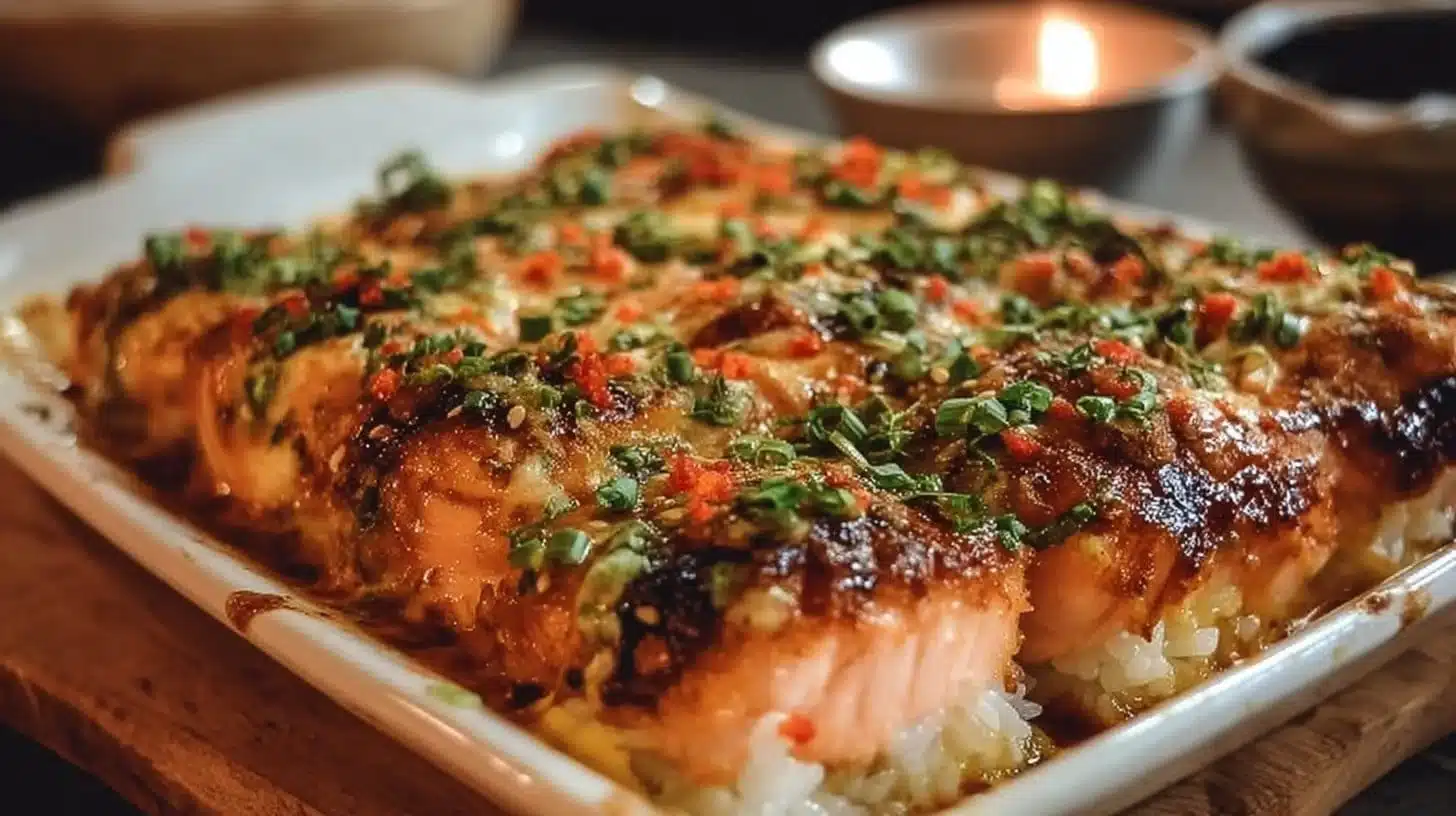
When you make a Spicy Salmon Sushi Bake, you keep everything people love about sushi while shifting it into a comforting, oven-finished dish. You still get seasoned rice, rich salmon, and that creamy, slightly spicy topping, but the experience becomes softer, warmer, and more relaxed.
This style works especially well when you want bold flavor without delicate assembly. Instead of rolling individual pieces, you layer, bake, and serve. For a balanced meal, many home cooks pair this savory bake with something sweet like Matilda’s Chocolate Cake recipe for home bakers, which provides a simple contrast.
Why Make This Recipe
You simplify the entire sushi process. There is no shaping, rolling, or precision knife work beyond basic prep. The oven handles the final cooking, allowing you to focus on texture and seasoning rather than technique-heavy steps.
The dish also scales naturally. It fits casual family dinners yet adapts easily for gatherings. Because everything is baked together, the flavors meld into a cohesive bite rather than separate components.
From a kitchen perspective, the workflow is forgiving. Minor variations in layering or spreading rarely affect the final result.
How to Make This Spicy Salmon Sushi Bake
You begin with properly cooked sushi rice, seasoned while still warm so it absorbs the vinegar mixture evenly. This step builds the foundation of flavor. Well-balanced rice prevents the bake from tasting flat or overly rich.
The salmon mixture focuses on creaminess and heat. As the bake cooks, the salmon firms gently while the topping loosens slightly, creating a soft, spoonable texture. You may notice the surface develop light golden patches, a sign of balanced heat exposure.
Layering remains straightforward. Rice first, salmon mixture second, then a gentle bake to unify everything without drying the seafood.
Ingredient Insights for Spicy Salmon Sushi Bake
Sushi Rice: This provides structure and identity. Short-grain rice delivers the sticky yet tender texture associated with sushi. Proper rinsing removes excess starch, preventing a heavy or gummy base.
Rice Vinegar: This defines the flavor profile. It adds mild acidity that brightens the rice and balances the creamy topping. Without it, the dish can taste dense.
Fresh Salmon: The quality of salmon directly shapes the final texture. Fresh fillets yield cleaner flavor and softer flakes after baking. Uniform dicing promotes even cooking.
Mayonnaise: This drives richness and mouthfeel. It binds the salmon mixture while creating the signature creamy consistency associated with sushi bakes.
Sriracha: This ingredient controls heat and complexity. Beyond spice, it contributes subtle acidity and garlic notes that deepen the overall flavor.
Sesame Oil: Used sparingly, it adds aroma rather than heaviness. Even small amounts noticeably shift the fragrance of the dish.
Texture & Flavor Experience
When baked correctly, you will notice soft, cohesive layers. The rice remains tender yet distinct, while the salmon mixture turns creamy and lightly set. The contrast between warm rice and rich topping defines the dish.
The flavor moves between savory, creamy, and gently spicy. Instead of sharp heat, you get a rounded warmth that lingers without overwhelming the palate.
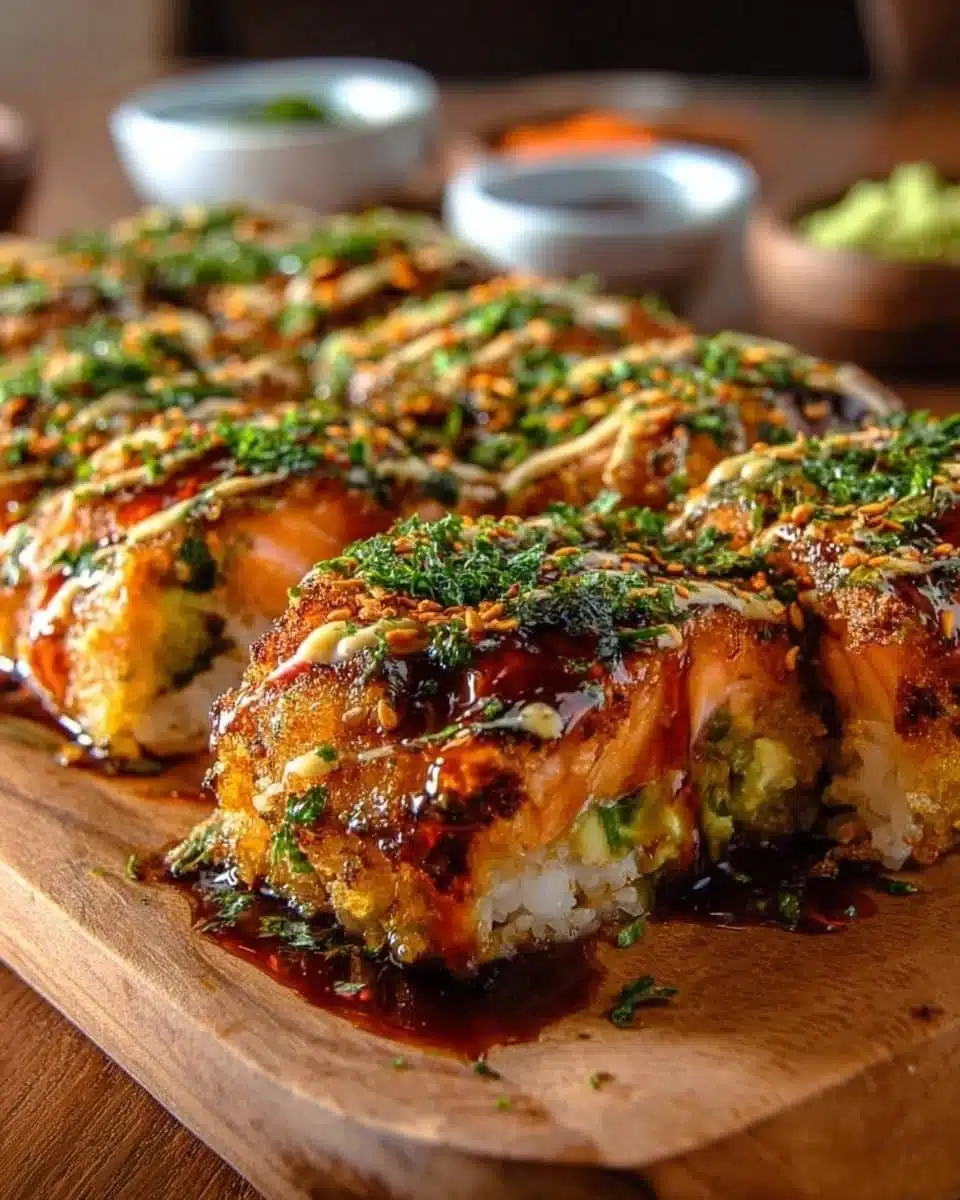
How to Serve Spicy Salmon Sushi Bake
You will get the best experience serving the bake warm. The topping stays creamy, and the rice maintains its soft texture. Provide nori strips on the side so each scoop mirrors a casual hand roll.
Fresh, crisp sides help balance richness. Light salads or cucumber-based dishes offer contrast without competing with the main flavors. Simple garnishes such as green onions add freshness and visual lift.
Tips to Make Spicy Salmon Sushi Bake
- Rinse sushi rice thoroughly to achieve the correct sticky but separate grain texture.
- Season rice while warm for better flavor absorption.
- Allow rice to cool slightly before adding the salmon mixture.
- Dice salmon evenly to prevent inconsistent cooking.
- Taste and adjust spice levels before baking.
- Use sesame oil lightly to avoid overpowering aromas.
- Pat thawed salmon dry to control moisture.
Common Mistakes to Avoid
- Using poorly rinsed rice, which can create a dense base.
- Overbaking, leading to dry salmon and stiff texture.
- Layering topping onto very hot rice, causing separation.
- Overloading sauces, which masks balance.
Storing Tips
You can refrigerate leftovers for several days with minimal texture loss. Reheating gently helps restore moisture. Covered warming tends to preserve consistency better than direct high heat.
If freezing, store portions without garnishes. Gradual thawing improves texture stability.
FAQs
Can you prepare this dish ahead of time?
Yes. Assembling in advance often simplifies meal planning. Bake shortly before serving for the best texture.
Does baking change the sushi flavor profile?
Slightly. Warmth softens contrasts and emphasizes creaminess while preserving familiar seasoning notes.
How do you control spice intensity?
Adjusting Sriracha levels before baking gives you the most predictable heat balance.
What substitutions work well?
Cooked seafood options such as crab or shrimp adapt naturally to this format.
Conclusion
When you want sushi-inspired flavor with minimal effort, this bake offers a reliable, crowd-friendly solution. The method emphasizes balance, texture, and comfort rather than precision technique.
If you prefer a visual walkthrough, you may find additional clarity in How to Make Salmon Sushi Bake – FeedMi Recipes, which explores an alternate preparation style.
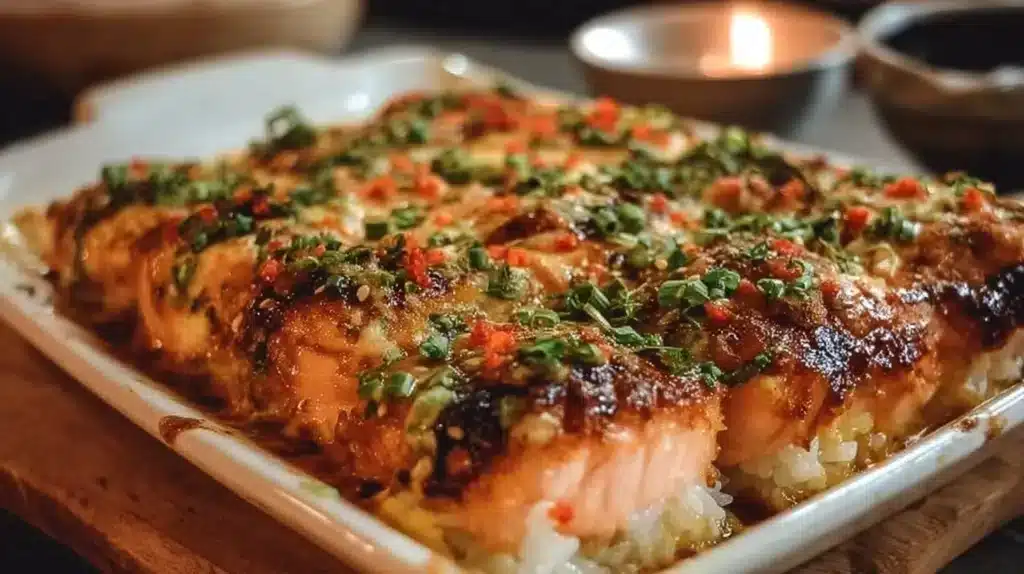
Spicy Salmon Sushi Bake
A delicious and easy casserole that combines creamy, spicy salmon with seasoned sushi rice, offering sushi flavors without the need to roll.
Ingredients
Method
Preparation
- Preheat your oven to 375°F (190°C).
- Cook the sushi rice according to the package instructions, rinsing it under cold water, then combining it with water and cooking until tender.
- In a mixing bowl, combine rice vinegar, sugar, and salt. Stir until dissolved. Fluff the cooked rice with a fork and gently fold in the vinegar mixture.
- Spread the seasoned rice evenly at the bottom of the baking dish and let it cool slightly.
- In another bowl, mix the diced salmon, mayonnaise, Sriracha sauce, sesame oil, and chopped green onions until well combined. Adjust spiciness to your preference.
- Spread the salmon mixture evenly over the cooled rice in the baking dish.
Baking
- Bake in the preheated oven for about 25-30 minutes, or until the salmon is cooked through and the top is slightly golden.
Serving
- Once baked, remove from the oven and let it cool for a few minutes. Garnish with additional green onions, nori strips, and tobiko if desired.
- Serve warm, scooping out the bake with a spoon.
Notes
Refrigerate leftovers in an airtight container for up to 3 days. For reheating, warm single servings in the oven or covered skillet to retain moisture.