From breakfast to dinner, from healthy meals to sweet desserts – Next Yum Recipes brings you quick, simple and tasty ideas for every occasion and every time.


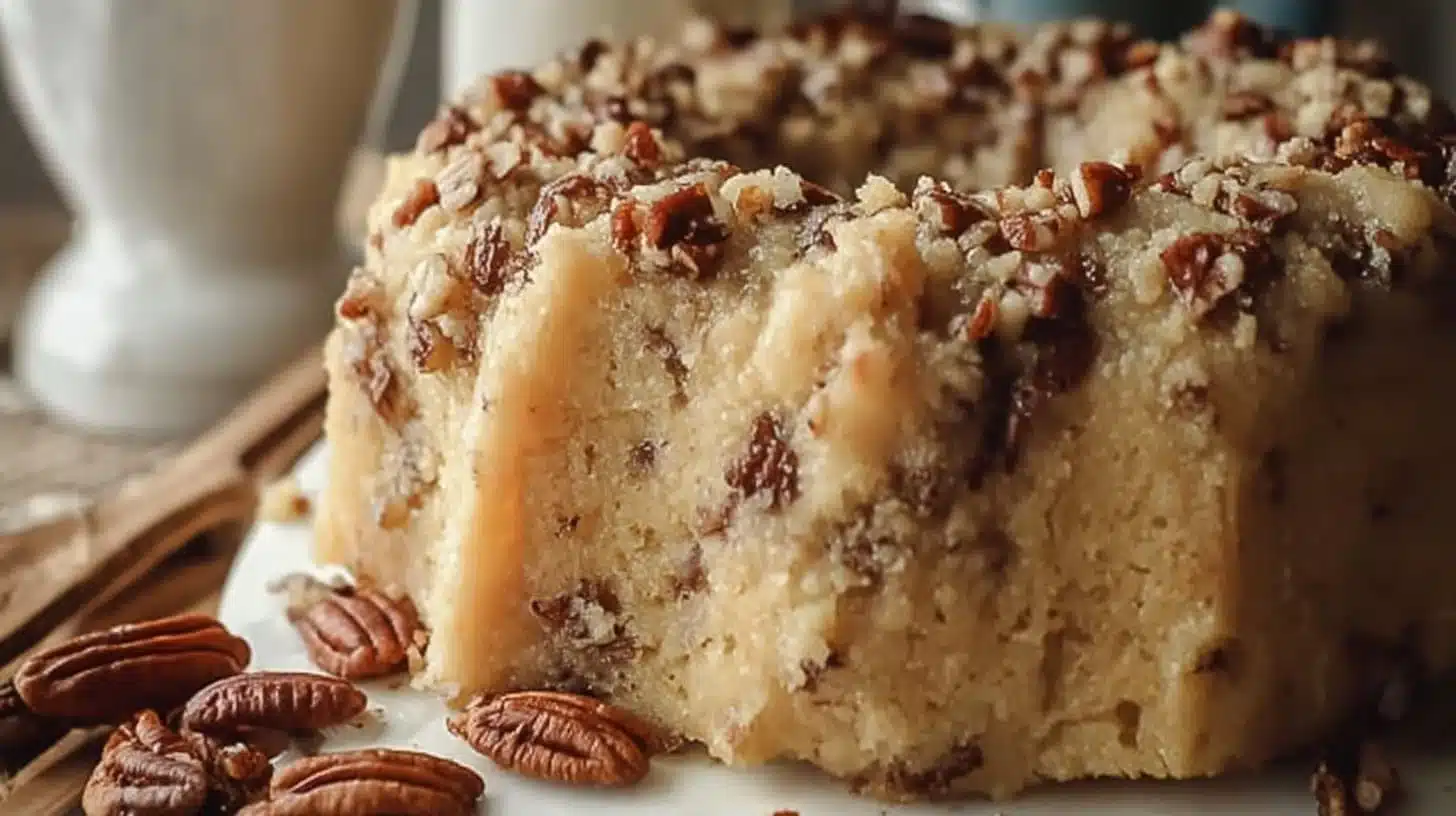
Do you think a butter pecan cake is supposed to taste mostly sweet, with the nuts just “there” for crunch?
When you treat the pecans and butter like the main flavor, the whole cake changes. You get a toasted, caramel-like depth that tastes warm and nutty, not just sugary. It’s the kind of layer cake that feels special, even if you bake it on an ordinary weekend.
Why Make This Recipe
You get big flavor from simple technique, not complicated decorating. Browning the butter adds a toasty backbone, and buttermilk keeps the crumb tender so the layers don’t eat dry.
This cake also teaches you useful texture cues. If you’ve ever wondered why pound cake feels tighter and denser, comparing it to a butter pound cake recipe helps you spot the difference in crumb structure and mixing.
It slices cleaner after a short chill, which is helpful when you want neat layers for a birthday or family gathering. You can still serve it at room temperature for the best flavor.
How to Make This Butter Pecan Cake
You start by building flavor before you even mix batter. Browning butter is the key moment. You’ll see golden specks form and smell a nutty aroma that’s almost like toasted hazelnut. Stop there, because a few extra seconds can push it too far.
Toasted pecans matter, too. When they’re warmed and fragrant, they taste sweeter and more buttery. Finely chopping them helps you get crunch in every slice without heavy pieces sinking through the layers.
For the frosting, you’re aiming for smooth and spreadable, not stiff. When it’s right, it glides on without tearing the cake, and it holds swirls or simple piping without slumping.
Ingredient Insights for Butter Pecan Cake
Unsalted butter: Browning butter concentrates flavor and adds depth. You’ll notice it smells nutty when it’s ready. If it smells sharp or smoky, it may be heading toward burnt.
Cake flour: Cake flour makes a softer, finer crumb. It’s helpful for a layered cake because it stays tender after chilling and slices neatly without crumbling apart.
Light brown sugar: Brown sugar adds a mild caramel note that fits pecans well. It also helps the cake stay moist, which matters when you’re stacking layers.
Buttermilk: Buttermilk keeps the crumb tender and adds slight tang. That little acidity helps balance sweet frosting and makes the cake taste less one-dimensional.
Pecans: Pecans bring both flavor and texture. Toasting them first makes them taste richer and less raw. Finely chopping spreads crunch through the cake instead of creating big, heavy bites.
Cream cheese: Cream cheese adds tang and a smooth, creamy finish. It keeps the frosting from tasting overly sweet, which is important with browned butter and brown sugar.
Texture & Flavor Experience
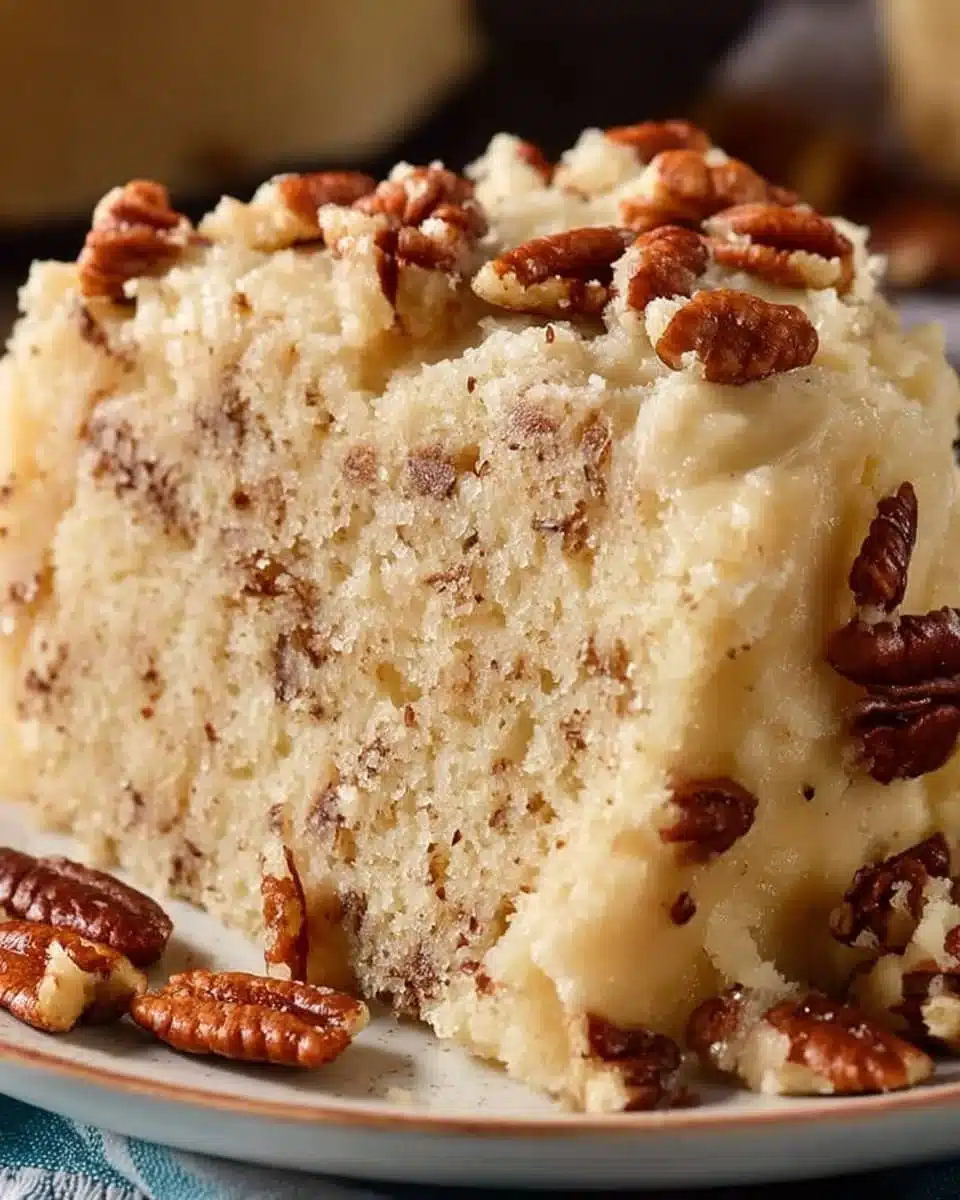
When you nail it, the cake feels soft and moist with a fine crumb that springs back when you press lightly. You’ll taste toasted butter first, then sweet pecan, with a gentle caramel note from brown sugar.
The frosting should taste creamy and lightly tangy, not heavy. If you chew and notice crunchy pecan bits in several bites, you’ve chopped them to the right size for an even texture.
How to Serve Butter Pecan Cake
Serve slices at room temperature so the browned butter flavor comes through clearly. Cold cake can taste muted, even if it looks perfect.
Coffee and black tea pair naturally because they highlight the toasty notes. If you want something lighter on the plate, fresh pear or apple slices add crispness without competing with the pecans.
For clean slices, use a serrated knife and wipe the blade between cuts. It sounds small, but it keeps frosting edges neat and the layers defined.
Tips to Make Butter Pecan Cake
- Brown the butter slowly and watch the color, not the clock. Pull it when you see amber specks and smell a nutty aroma.
- Toast the pecans until they smell warm and sweet, then cool fully before chopping so they stay crisp.
- Chop pecans very finely for even texture, especially if you want clean layer slices.
- Mix only until the batter looks smooth and combined. Overmixing can tighten the crumb and make layers feel dense.
- Chill the cake layers briefly before final frosting so you get fewer crumbs and cleaner edges.
- If the frosting feels too stiff, soften it with a small splash of cream until it spreads easily.
Common Mistakes to Avoid
- Letting browned butter go too dark. If it turns deep brown and smells smoky, your cake can taste bitter.
- Skipping pecan toasting. Untoasted pecans can taste flat and can soften faster on the finished cake.
- Using large pecan pieces in the batter, which can sink and create uneven layers.
- Frosting warm layers, which can melt the frosting and cause sliding or messy sides.
- Overchilling before serving. A brief chill helps slicing, but serving ice-cold can dull the flavor.
Storing Tips
Store the assembled cake covered in the refrigerator so the frosting stays stable. When you’re ready to serve, let it sit out for a bit so the cake softens and the butter-pecan flavor becomes more noticeable.
If you’re planning ahead, freezing unfrosted layers is often easier than freezing a fully decorated cake. Wrapped well, the layers thaw with good texture, and you can frost when you have time.
FAQs
How do you know when browned butter is ready?
You’ll see golden specks at the bottom of the pan and smell a nutty aroma. If it smells sharp or smoky, it may be going too far.
Why do you need to toast the pecans?
Toasting wakes up the oils in the nuts, which makes them taste richer and sweeter. It also keeps the pecans from tasting raw in the finished cake.
How do you keep pecans from turning soggy on top?
Let toasted pecans cool completely before using them, and add them close to serving time if you want maximum crunch.
Can you make the cake ahead without drying it out?
Yes. Chilling helps the cake slice cleanly, but keep it covered so the layers don’t dry. Let it warm slightly before serving for the best texture.
Conclusion
This butter pecan cake gives you toasted, nutty flavor with a tender crumb and a frosting that stays balanced, not overly sweet. Once you learn the browned-butter cue and the pecan size that works, you can repeat it for birthdays, holidays, or any weekend baking plan.
If you want another southern-style reference with similar flavor goals, you can compare notes with the Southern Butter Pecan Cake recipe and see how small technique choices affect texture and richness.
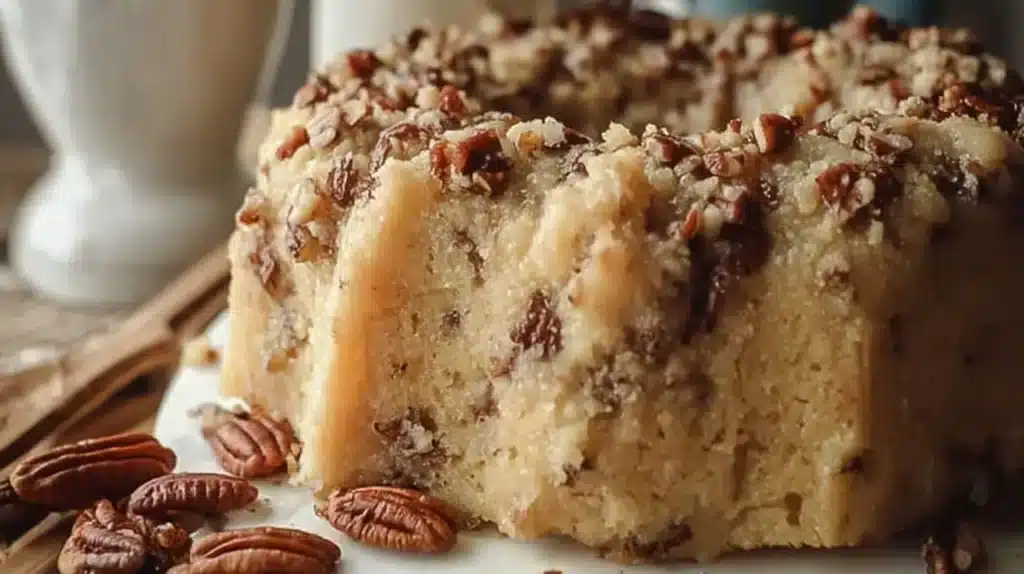
Butter Pecan Cake
A rich and flavorful butter pecan cake with layers of tender crumb and smooth cream cheese buttercream, perfect for special occasions and family gatherings.
Ingredients
Method
Preparation
- Melt the butter over medium-low heat, then increase the heat and cook until golden brown specks form.
- Preheat the oven to 350°F (175°C). Grease and line three 8-inch round baking pans.
- In a large bowl, whisk together the cake flour, granulated sugar, light brown sugar, baking powder, baking soda, and salt.
- Add the browned butter to the dry ingredients and mix until incorporated.
- In a separate bowl, whisk together the buttermilk, eggs, and vanilla extract.
- Gradually add the dry ingredients to the wet mixture, mixing until just combined.
- Stir in the finely chopped pecans.
- Divide the batter evenly among the prepared pans.
- Bake for 30 minutes or until a toothpick inserted into the center comes out clean.
- Allow the cakes to cool completely.
Make the Buttercream
- Beat the softened butter, cream cheese, light brown sugar, vanilla extract, and salt until smooth.
- Gradually add the powdered sugar and heavy cream, beating until fluffy.
Assemble the Cake
- If necessary, level the cakes.
- Stack the layers with icing between each, then frost the outside of the cake.
- Decorate with additional chopped pecans and piped frosting swirls if desired.
Notes
Serve slices at room temperature. Pair with coffee or a light dessert wine. Store in the refrigerator for up to 4 days; unfrosted layers can be frozen for up to 3 months. To prevent the cake from drying, brush layers lightly with simple syrup before stacking.


