From breakfast to dinner, from healthy meals to sweet desserts – Next Yum Recipes brings you quick, simple and tasty ideas for every occasion and every time.


 This Recipe
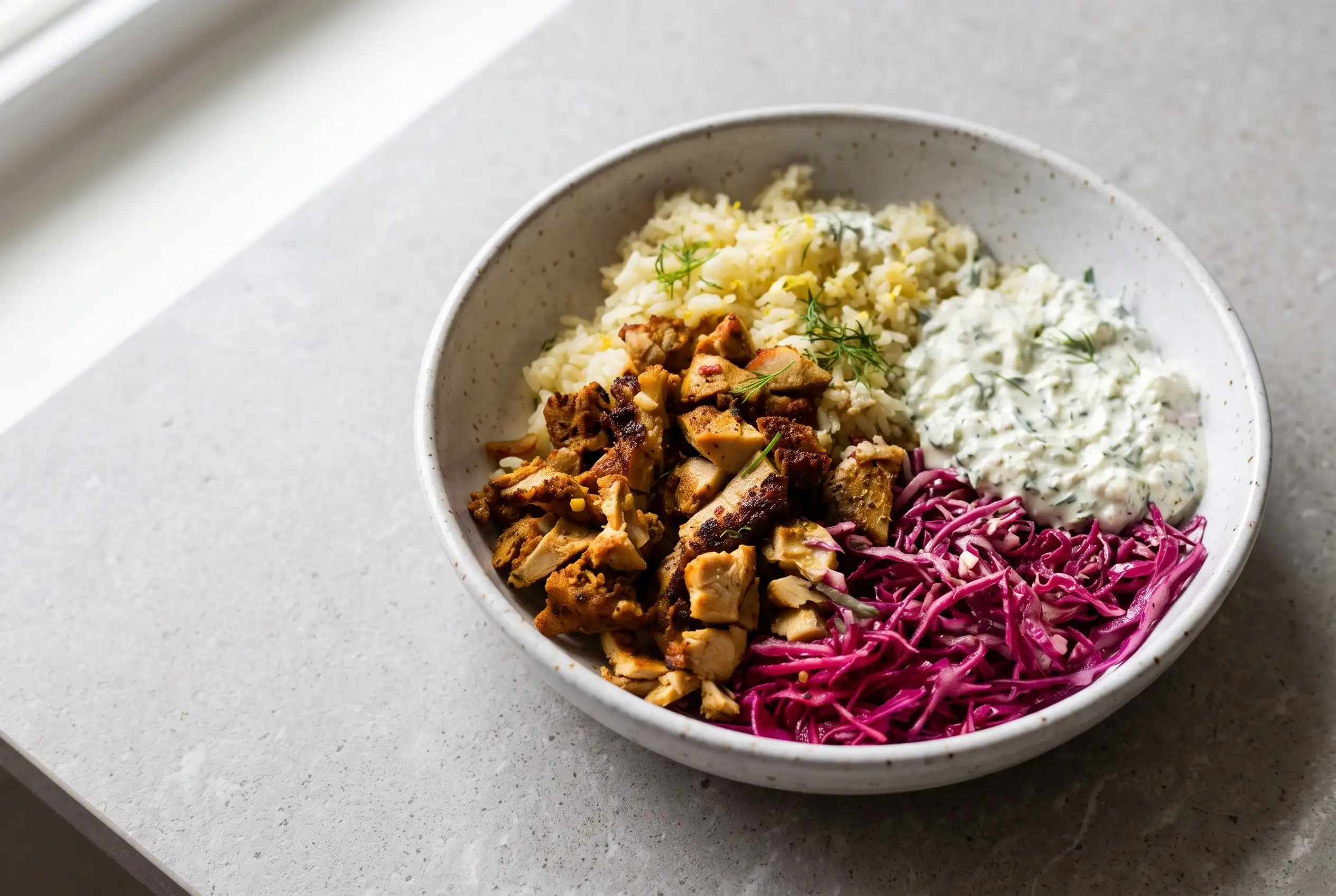
Chicken shawarma with lemon rice brings together warmly seasoned chicken, bright citrusy rice, crisp pickled cabbage, and a cool cucumber-feta sauce in one balanced bowl. The combination works because each part has a different job: the rice carries the savory lemon flavor, the cabbage cuts through the richness, and the creamy cucumber topping cools the deeply browned chicken.
The easiest way to make the meal feel cohesive is to pay attention to texture as much as seasoning. Long-grain rice should stay separate and fluffy, the chicken needs a deeply browned exterior, and the cabbage benefits from a short rest in its tangy dressing. With those details handled, the components can be prepared independently and still come together naturally at the table.
Why chicken shawarma works so well with lemon rice
Chicken shawarma has a savory, boldly seasoned profile that can stand up to bright and acidic accompaniments. Lemon zest in the rice adds citrus aroma without making the grains wet or sour, so the rice remains a substantial base instead of becoming another sauce.
Across the bowl, the purple cabbage contributes crunch and acidity, while the cucumber mixture brings a creamy contrast. Feta gives the sauce a salty edge that connects it to the chicken, and the combination keeps each bite from feeling dominated by one flavor.
For a chicken shawarma rice bowl, serving the components separately gives you better control over texture. The chicken stays hot, the cabbage stays crisp, and the cucumber mixture remains cool until everything reaches the plate, while a chicken-and-rice meal can be built around the same satisfying combination of seasoned chicken and rice.
Rinsed long-grain rice sets up the lemony base
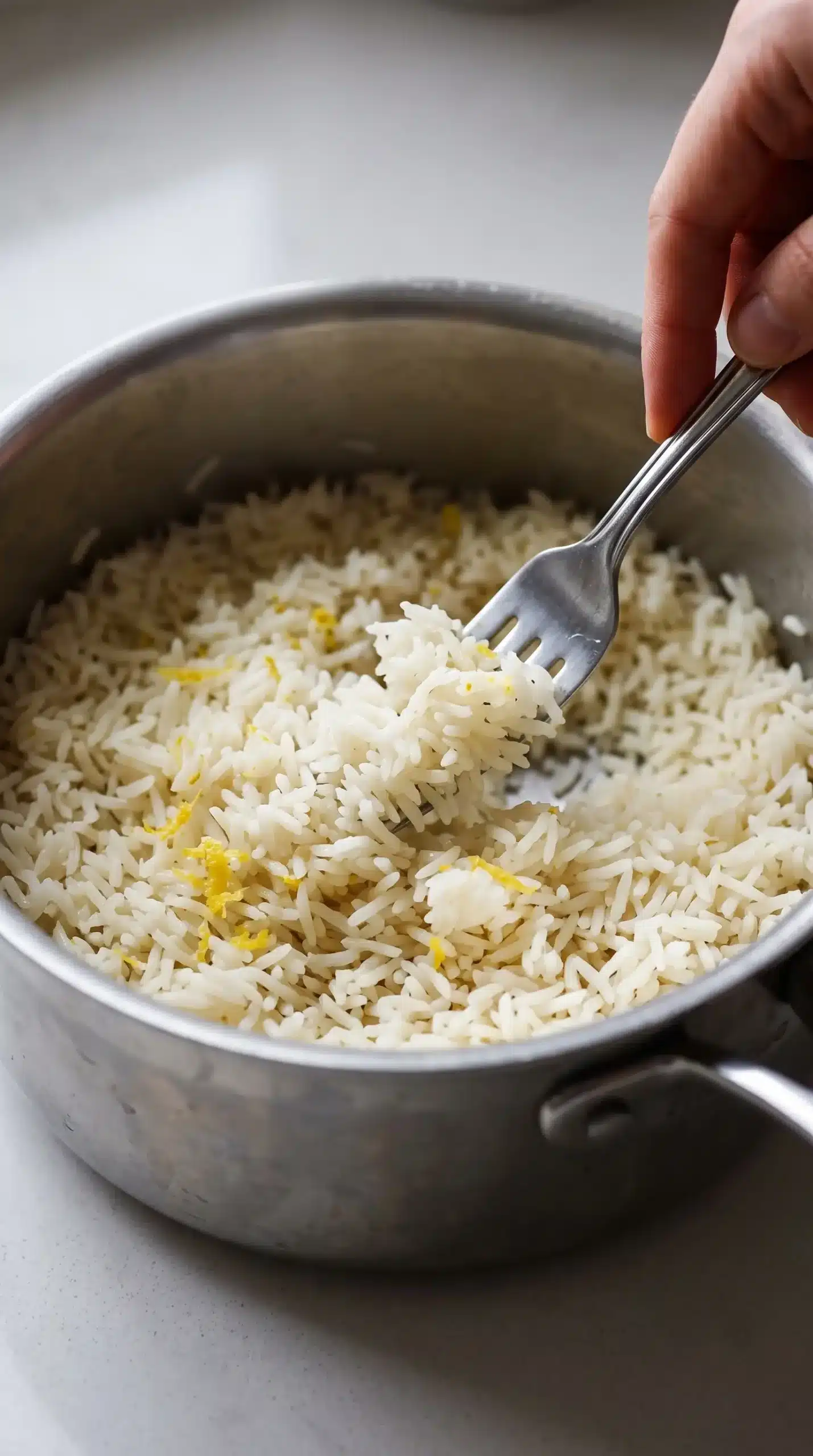
Rinsing the rice thoroughly before cooking removes loose surface starch and helps the cooked grains remain distinct. That small preparation step matters here because the rice is meant to sit beneath saucy chicken and creamy cucumber without becoming heavy or sticky.
The chicken base, onion powder, garlic powder, and kosher salt season the cooking liquid itself, allowing the flavor to reach the grains as they absorb the water. Lemon zest goes in after cooking, which preserves its fresh citrus aroma and avoids cooking away the most delicate part of the lemon flavor.
Keep the pot at a very low simmer once it is covered. Vigorous bubbling can disturb the rice and make it harder to judge whether the liquid is being absorbed at the intended pace. Once cooked, fluffing gently with a fork separates the grains without compressing them.
Quick-pickled cabbage gives the bowl its needed contrast
Finely shredded purple cabbage responds quickly to the mixture of white vinegar, water, olive oil, salt, and sugar. A short resting period softens the raw edge slightly while keeping enough crunch to contrast with tender chicken and creamy cucumber.
- Keep the shreds fine: Thin cabbage pieces pick up the dressing more evenly and are easier to eat with rice and chicken.
- Taste before serving: Adjust the seasoning after the cabbage has rested briefly because the balance becomes easier to judge once the vinegar has coated the vegetables.
- Protect the crunch: Let the cabbage rest while the other components finish, but avoid treating it as a long-cooked vegetable.
Cucumber feta sauce needs its excess water removed
Grated cucumber carries a surprising amount of moisture, and squeezing it well before combining it with Greek yogurt helps the mixture stay creamy. Leaving too much liquid behind can thin the sauce and dilute the feta, garlic, and dill.
Greek yogurt creates the tangy base, while olive oil or mayonnaise can make the mixture richer and smoother. Feta adds small salty, creamy pieces throughout, and garlic gives the sauce enough savory intensity to hold its own beside the chicken.
Dried dill is convenient and concentrated, while fresh dill gives a softer herbal character. Either works with the cucumber and lemon notes, so the choice can follow what is available without changing the structure of the dish.
Deep browning is the key chicken shawarma cooking signal
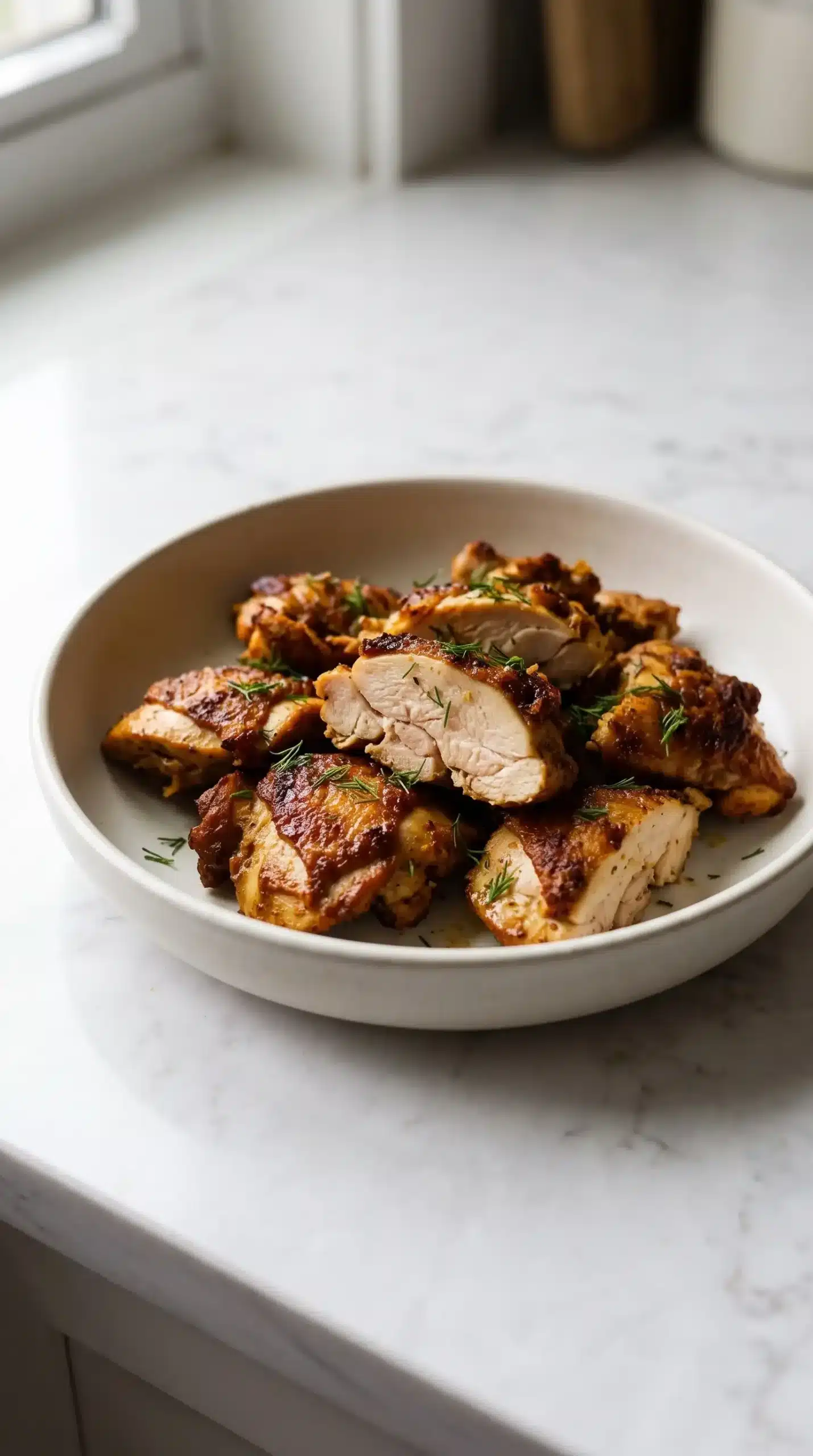
The chicken should be cooked last so it reaches the plate hot and freshly browned. In the air fryer, 390°F provides the high heat needed to develop color quickly, while the short cooking time keeps the exterior from sitting around after browning.
Look for a deeply browned exterior and verify a 165°F internal temperature before removing the chicken from the heat. After cooking, a brief rest gives the juices a moment to settle before the chicken is chopped into bite-sized pieces.
An oven version uses a different heat pattern. Positioning the chicken in the upper portion of the oven encourages stronger browning, then a short low broil develops additional color. Because the oven method depends on both baking and broiling, watch the surface closely during the broiling stage.
| Cooking option | Temperature and timing | Important control point |
|---|---|---|
| Air fryer | 390°F for 9–10 minutes | Check for deep browning and 165°F internal temperature |
| Oven | 450°F for 15 minutes, then low broil for 3–5 minutes | Use the upper third of the oven and monitor the broiling stage |
Small rice decisions prevent a heavy chicken shawarma bowl
Once the rice has finished cooking, resist the urge to stir it repeatedly. A gentle fork fluff is enough to separate the grains and distribute the lemon zest without crushing their structure.
Using zest instead of lemon juice is especially useful in chicken shawarma lemon rice because it provides citrus fragrance without adding liquid that could make the finished rice wet. The savory cooking base remains noticeable underneath that brighter aroma.
Build each bowl so every bite has contrast
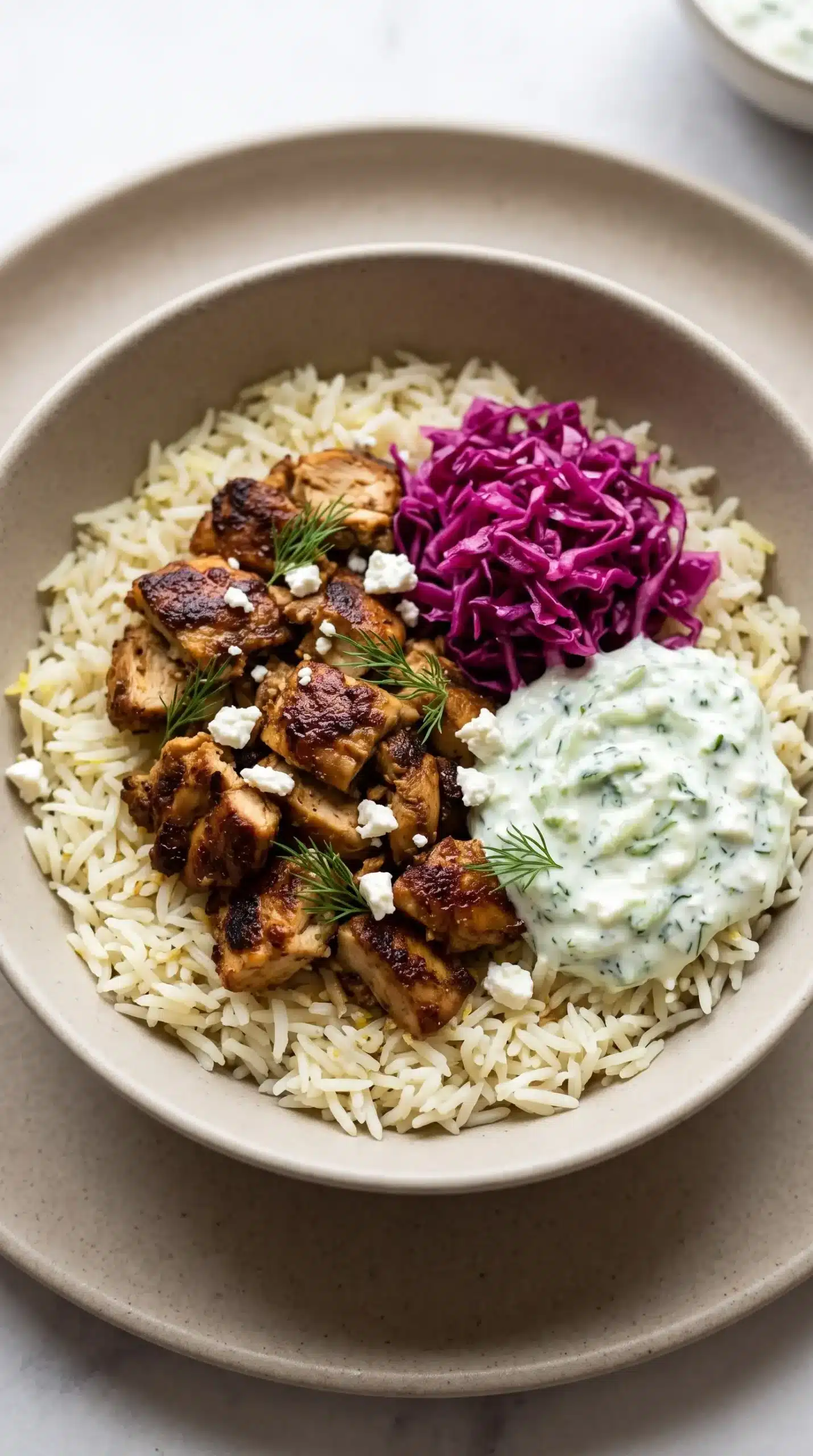
Assembly is more successful when the hot and cold components meet at the plate instead of being mixed together in the cooking vessels. The rice provides the foundation, while the chicken, cabbage, and cucumber mixture remain visually and texturally distinct.
- Start with rice: Spoon the fluffy lemon rice into the bowl as the warm base.
- Add chicken: Arrange the chopped shawarma over part of the rice so its browned surface remains visible.
- Bring in cabbage: Add a scoop of the dressed purple cabbage for acidity and crunch.
- Finish with cucumber: Place a dollop of the feta cucumber mixture alongside the chicken.
Keeping the components in separate areas also makes it easier to adjust each bite. A forkful can combine creamy cucumber with chicken, or lean more heavily on the acidic cabbage and lemony rice depending on the balance you prefer.
Three chicken shawarma mistakes worth avoiding
Skipping the rice rinse can leave the grains less distinct, which matters when they are serving as the foundation for several moist toppings. Thorough rinsing followed by gentle cooking gives the rice a cleaner texture.
Overloading the cucumber mixture with retained water is another avoidable problem. Squeeze the grated cucumber before adding it to the yogurt so the sauce remains thick enough to sit on the bowl instead of spreading into the rice.
Cutting the chicken immediately after cooking can also work against a juicy result. Let it rest briefly, then chop it into bite-sized pieces. If the exterior has not browned sufficiently, give the chicken additional appropriate heat rather than relying on the creamy toppings to supply flavor.
A few serving choices keep the textures distinct
Serve the cabbage and cucumber mixture as toppings instead of stirring them throughout the rice. Their contrasting temperatures and textures are part of what makes the bowl satisfying, and keeping them separate prevents the rice from absorbing excess dressing before eating.
Extra dill can be used when you want the cucumber topping to lean more strongly herbal. A little additional feta can emphasize its salty character, while the cabbage can be adjusted after resting if it needs more seasoning.
Leftover components are easiest to manage separately
For storage, cool the cooked components promptly and keep the rice, chicken, cabbage, and cucumber mixture in separate covered containers. Separation helps preserve the intended textures and prevents the acidic cabbage dressing from soaking into the rice.
When reheating, warm the rice and chicken while keeping the cabbage and cucumber mixture cold. Add the chilled toppings after the warm components have been reheated, then adjust the bowl with fresh dill or seasoning if needed.
One bowl becomes more balanced when temperature and texture stay separate
Warm lemon-scented rice and freshly browned chicken create the hearty center of the meal, while cool cucumber, salty feta, and tangy cabbage keep that center from becoming overly rich. The most important cooking judgment is therefore not to combine everything too early.
Chicken shawarma with rice works best when every component reaches the bowl with its own character intact. Maintaining distinct textures gives the savory chicken, bright rice, crunchy cabbage, and creamy cucumber enough contrast to make the complete combination taste layered instead of crowded.
Chicken shawarma storage and serving questions
Can the chicken be made in the oven instead of an air fryer?
Yes. Bake the chicken at 450°F with the rack in the upper third of the oven, then use low broiling briefly to deepen the exterior color. Check the chicken for 165°F before serving.
How can the lemon flavor stay bright in the rice?
Add the lemon zest after the rice has finished cooking and then fluff it gently. This keeps the citrus aroma concentrated in the finished grains without introducing extra cooking liquid.
Why is the cucumber squeezed before making the sauce?
Removing excess cucumber water keeps the Greek yogurt mixture thick and concentrated. Without that step, the sauce can become watery and lose some of the texture provided by feta.
Can the cabbage be prepared ahead of the chicken?
Yes. The cabbage can rest in its vinegar mixture while the rice and chicken are prepared. Its short resting period allows the dressing to coat the shreds while preserving useful crunch.
What should be reheated and what should stay cold?
Reheat the rice and chicken, while keeping the dressed cabbage and cucumber-feta mixture chilled. Adding the cold components after reheating preserves the temperature contrast that gives the bowl its character.
Chicken Shawarma with Lemon Rice and Pickled Cabbage
Chicken shawarma with lemon rice combines deeply browned, savory chicken with fluffy citrus-scented rice, crisp pickled cabbage, and creamy cucumber-feta sauce. This hearty bowl is an easy choice when a meal with contrasting textures and fresh, bold flavors is wanted.
Ingredients
Method
Lemon Rice
- Rinse the rice thoroughly in a colander. Transfer it to a medium pot and add the onion powder, garlic powder, kosher salt, chicken base, and water. Stir to combine and bring the mixture to a simmer.
- Cover the pot and maintain a very low simmer for 18 minutes. Remove from the heat when the rice is cooked, add the lemon zest, and gently fluff with a fork.
Pickled Cabbage
- Combine the shredded cabbage, white vinegar, water, olive oil, salt, and sugar. Taste the mixture and adjust the seasoning as needed, then allow the cabbage to rest while the remaining components are prepared.
Cucumber-Feta Sauce
- Combine the squeezed grated cucumber, Greek yogurt, olive oil or mayonnaise, feta cheese, garlic, and dill. Taste and adjust the seasoning as needed.
Chicken
- Prepare the chicken last so it can be served hot and freshly browned. Air fry the chicken at 390°F (199°C) for 9-10 minutes, checking that the center reaches 165°F (74°C) and the exterior is deeply browned.
- For the oven method, position the rack in the upper third of the oven and bake the chicken at 450°F (232°C) for 15 minutes. Finish with a low broil for 3-5 minutes, watching the surface until browned.
- Allow the cooked chicken to rest for a few minutes, then chop it into bite-sized pieces.
Assembly
- Divide the lemon rice among serving plates or bowls. Top with the chopped chicken shawarma, a scoop of pickled cabbage, and a dollop of the cucumber-feta mixture.
Notes
For the cucumber-feta sauce, squeeze the grated cucumber thoroughly before mixing to keep the finished mixture creamy rather than watery.