From breakfast to dinner, from healthy meals to sweet desserts – Next Yum Recipes brings you quick, simple and tasty ideas for every occasion and every time.


 This Recipe
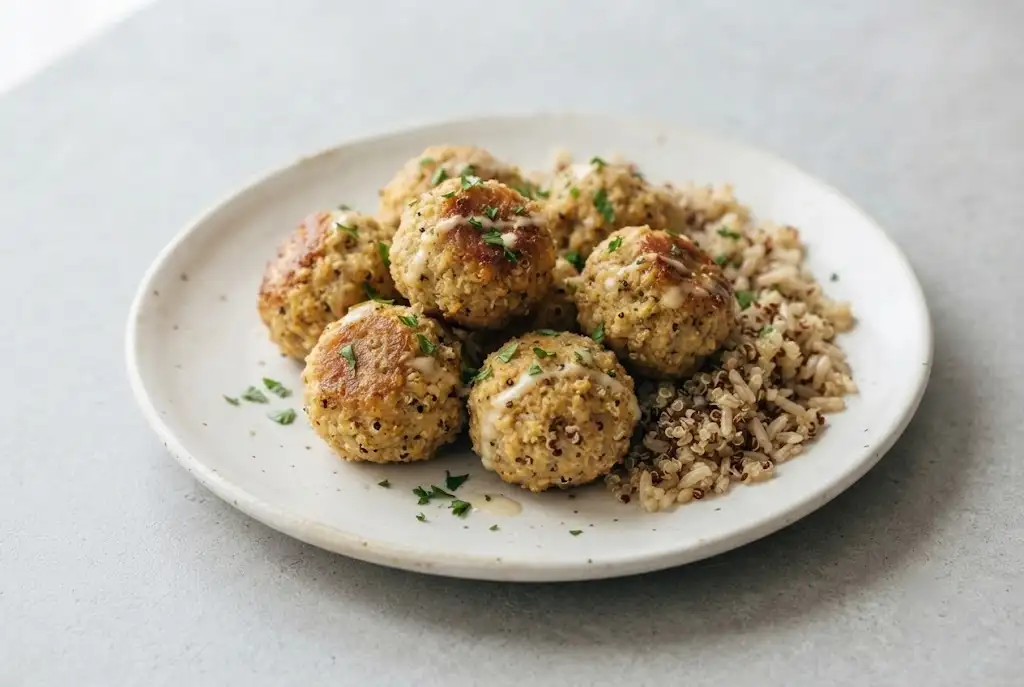
Vegetarian meatballs bring together cauliflower, quinoa, brown rice, and simple seasonings in a baked option that feels hearty while keeping the ingredient list approachable. The combination creates a flexible meal component that works in bowls, salads, or alongside sauces, making these cauliflower quinoa meatballs useful for more than a single dinner idea.
Careful preparation matters because vegetables and grains hold a different structure than traditional meat-based mixtures. The texture comes from balancing moisture, binding ingredients, and gentle handling so each baked vegetarian meatball stays together while remaining tender inside.
Why Vegetarian Meatballs Work with Cauliflower and Quinoa
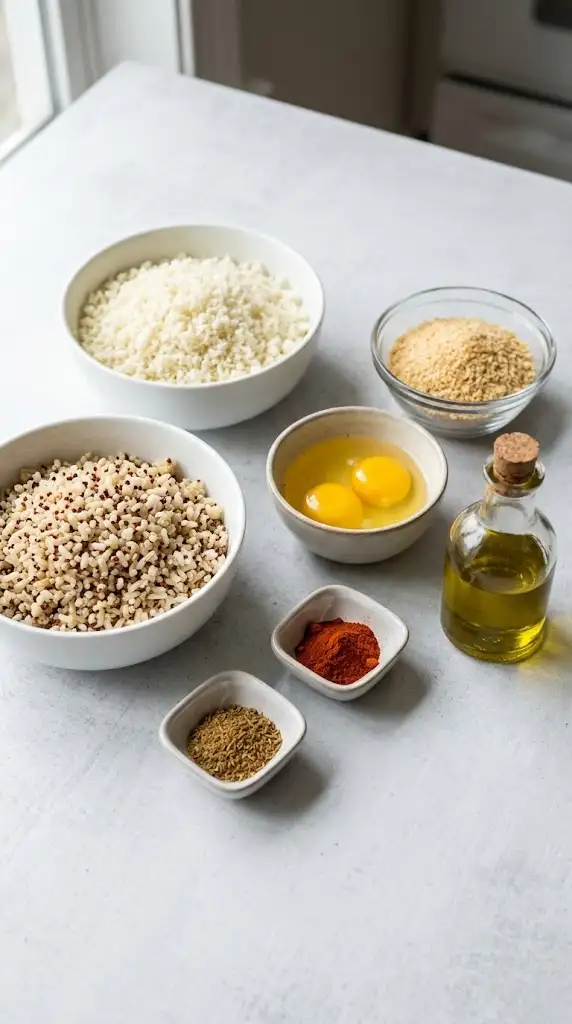
A balanced mixture of cauliflower and cooked grains gives vegetarian meatballs their signature texture. Cauliflower contributes softness and moisture after cooking, while quinoa or brown rice adds body that helps create a satisfying bite. The result depends on bringing these elements together into a mixture that can be shaped easily.
Many plant-based meatball recipes rely on a combination of vegetables, grains, and binders because each part has a different job. Eggs help hold the mixture together, breadcrumbs provide structure, and seasoning keeps the finished bites from tasting flat. Small adjustments in moisture and blending can change how firm or delicate the finished texture becomes.
Simple serving choices also make these meatballs adaptable. They can become a protein-friendly addition to a grain bowl, a topping for roasted vegetables, or a convenient freezer item that can be reheated when a quick meal is needed.
Cauliflower Quinoa Meatballs Build Texture Through Smart Blending
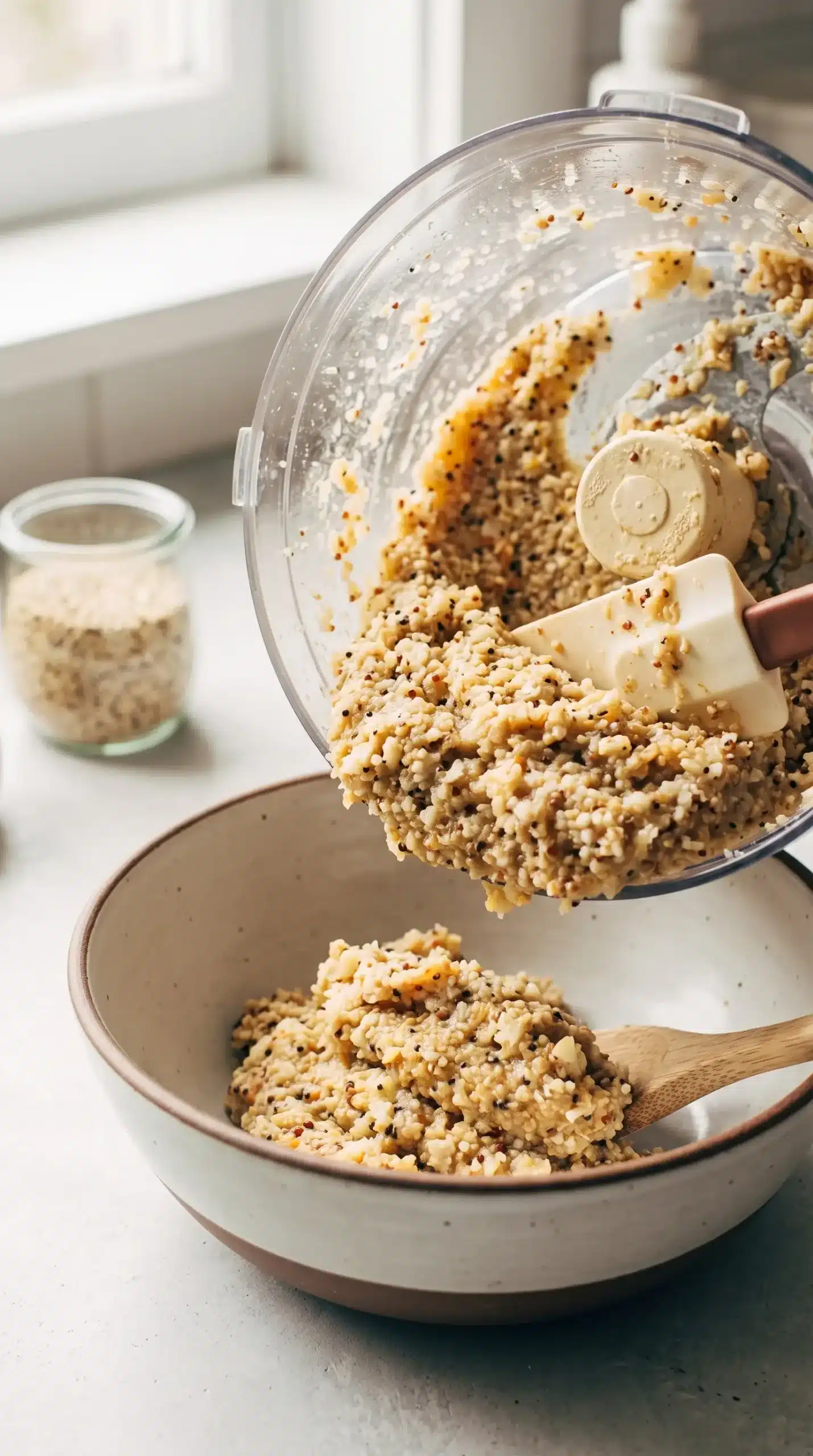
Ingredient choices have the biggest influence on the texture of cauliflower quinoa meatballs. Cauliflower should be cooked until tender before processing, because firm pieces can create uneven shapes and make the mixture harder to roll. Once softened, pulsing the cauliflower and quinoa together creates a cohesive base without turning the mixture into a completely smooth paste.
Cooked quinoa and brown rice offer slightly different results. Quinoa creates a lighter texture with small grains throughout, while brown rice brings a more familiar chew. A blend of both can provide balance when using whatever cooked grains are already available.
Breadcrumbs are especially important because they help manage the moisture released by cauliflower. Panko breadcrumbs give the mixture a dry structure that supports shaping, while the eggs provide the binding needed during baking.
Seasoning choices can shift the personality of the finished dish. Chili powder adds warmth, paprika brings a mild smoky note, and cumin creates an earthy flavor that works well with sauces, vegetables, and bowls. The seasoning does not need to overpower the vegetables; it should support the overall meal.
The Grain Choice Shapes the Bite and Stability
Choosing between quinoa, brown rice, or a combination depends on the texture you want from vegetarian meatballs. Softer grains create a more tender center, while grains with more individual texture create a heartier bite that holds up well when served with sauces.
| Grain choice | Texture effect | Best use |
|---|---|---|
| Cooked quinoa | Light texture with small grains | Bowls and lighter sauces |
| Brown rice | Chewier, more substantial bite | Meal prep and hearty servings |
| Quinoa and brown rice blend | Balanced softness and structure | Flexible everyday meals |
Baking Control Creates Better Baked Vegetarian Meatballs
Oven technique influences how baked vegetarian meatballs develop their outside texture. Brushing the shaped pieces with olive oil helps create a better exterior because oil helps encourage browning during cooking while keeping the surface from drying out. Even spacing on the baking sheet also allows heat to circulate around each piece.
Shape consistency matters because smaller and larger pieces cook differently. Rolling portions into similar sizes helps create a more even result, with each meatball developing the same texture at the same time.
Gentle handling during shaping protects the structure of the mixture. Pressing too firmly can create dense pieces, while loose shaping may cause them to break apart after baking. A light touch keeps the interior tender and the outside intact.
Serving Ideas That Fit Vegetarian Meatballs Beyond Pasta
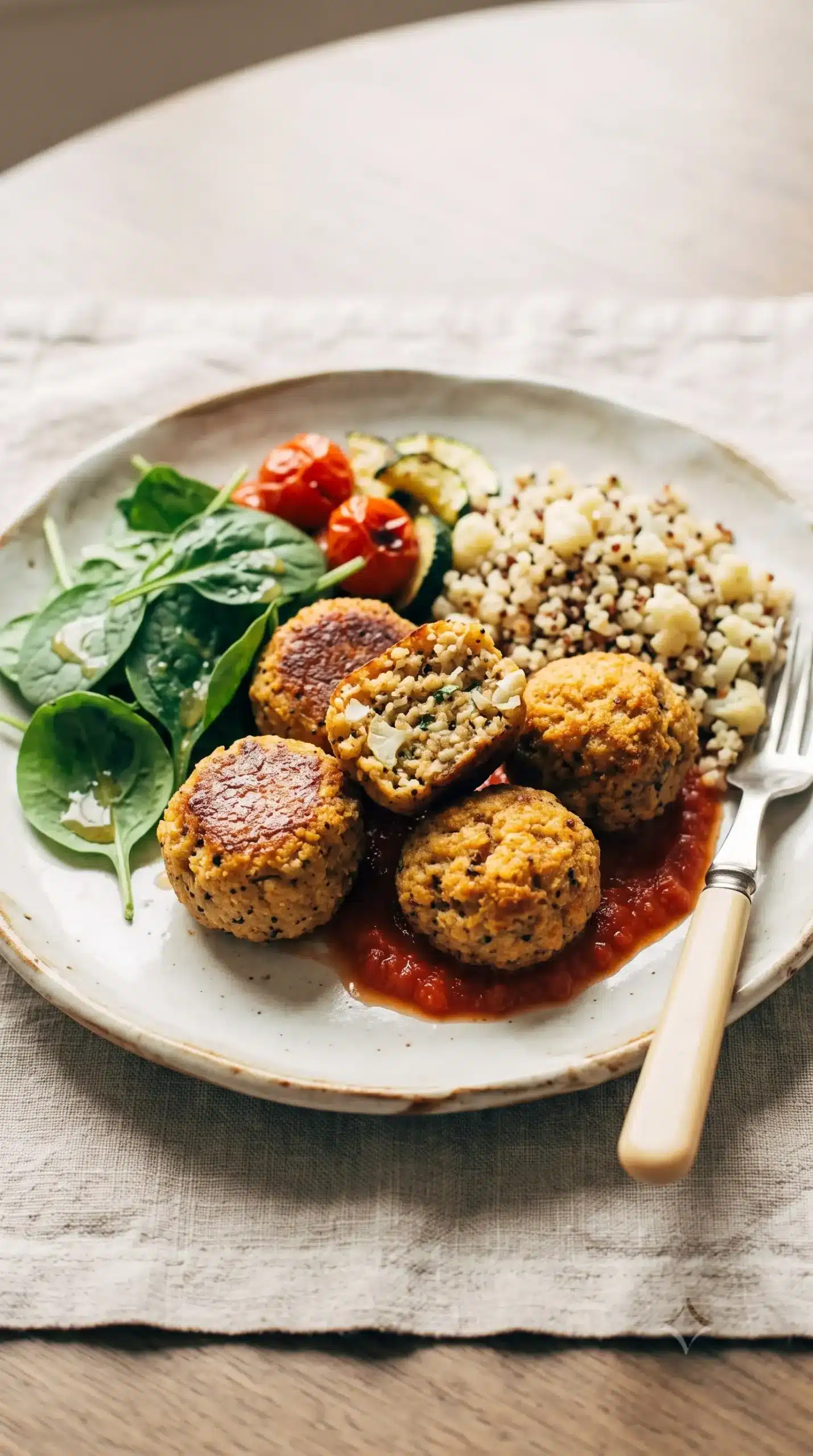
Vegetarian meatballs fit naturally into meals built around sauces, vegetables, and grains. Serve them with a flavorful dip, add them to a salad for extra substance, or place them into grain bowl meals with cooked vegetables and fresh toppings for a complete plant-forward serving.
Mistakes That Make Vegetarian Meatballs Fall Apart
Several problems can affect the way vegetarian meatballs hold their shape. Most issues come from moisture balance, preparation choices, or handling during shaping.
- Wet mixture: Excess moisture from cauliflower can make the mixture difficult to roll. Cooking the cauliflower thoroughly and combining it with breadcrumbs helps create a more workable consistency.
- Over-processing: Blending everything until completely smooth can remove the texture that helps the meatballs feel substantial. A semi-smooth mixture keeps useful grain and vegetable structure.
- Heavy shaping: Compacting the mixture too tightly can produce a dense result. Gentle rolling creates a softer interior.
Another common mistake is changing multiple elements at once when adjusting the mixture. If the mixture feels too loose, a small increase in breadcrumbs is easier to evaluate than changing the grains, eggs, and seasonings together.
Visible signs can guide corrections before baking. A mixture that easily forms a ball with light pressure is ready to shape, while a mixture that spreads immediately may need more structure before going into the oven.
Meal Prep Storage Keeps Cauliflower Quinoa Meatballs Ready for Later
Prepared cauliflower quinoa meatballs work well for planned meals because their shape makes portioning simple. Store them after cooling and pair them with fresh sauces or vegetables when serving later. Keeping components separate helps preserve the texture.
Sauces and Pairings Change the Way Vegetarian Meatballs Land
Sauces provide an opportunity to change the flavor direction without altering the base mixture. A tomato sauce creates a classic comfort-style serving, while creamy or herb-based sauces can highlight the vegetable and grain flavors.
Fresh toppings can add contrast to the soft texture of the meatballs. Crisp vegetables, herbs, or a bright sauce create a difference between the tender center and the rest of the plate.
Popular pairings include several simple combinations:
- Grain bowls: Add roasted vegetables and a sauce for a balanced lunch.
- Salad plates: Use the meatballs as a warm topping with fresh greens.
- Sauce-based meals: Combine with tomato, herb, or yogurt-style sauces for a complete serving.
Adjustments for Different Vegetarian Meatball Preferences
Small changes can adapt vegetarian meatballs to different meals without changing the foundation. Different spice blends, grain combinations, or serving styles can create variety while keeping the same cauliflower and cooked grain structure.
Freezing Decisions Protect the Texture of Vegetarian Meatballs
Freezing vegetarian meatballs makes it easier to keep a ready-to-use meal component available. Cool baked pieces completely before storing them, and separate portions so individual servings can be removed when needed. Reheating gently helps maintain the texture created during baking.
Small Details Improve the 30 Minute Vegetarian Meatballs Experience
Quick preparation works best when the ingredients are handled efficiently. Starting with already cooked grains reduces the amount of time needed before shaping, while preparing sauces or toppings during baking makes the meal feel complete.
Texture checks are valuable throughout the process. The cauliflower should be tender enough to combine smoothly with the grains, and the finished mixture should be moist enough to hold together without becoming difficult to shape.
Flavor also benefits from tasting the mixture before baking when possible. Seasoning can be adjusted before the meatballs enter the oven, allowing the final result to better match the sauce or sides planned for serving.
Practical preparation habits make this dish easier to repeat. Helpful reminders include:
- Cook vegetables until tender before blending.
- Keep the mixture textured instead of completely smooth.
- Shape gently so the baked pieces stay light.
Vegetarian Meatballs Stay Tender Through Balanced Preparation
Cauliflower and cooked grains create the foundation that allows vegetarian meatballs to stay tender while remaining sturdy enough for different meals. The most important decision is maintaining balance between moisture, binding ingredients, and texture during preparation.
Careful blending, gentle shaping, and thoughtful seasoning turn a simple vegetable mixture into a versatile dish that works for immediate serving or future meals. The texture comes from the relationship between each element, with every adjustment influencing how the finished meatballs hold together.
Vegetarian Meatballs Texture Questions and Answers
Why do my vegetarian meatballs feel too soft?
Soft vegetarian meatballs usually need more structure from the dry ingredients. Adjusting the breadcrumb amount slightly can help absorb excess moisture while keeping the cauliflower and grain mixture tender.
Can I use only cauliflower rice for these vegetarian meatballs?
Cauliflower rice can be used as the vegetable base, but the cooked quinoa or brown rice provides important texture and stability. Keeping the grain component helps create a mixture that shapes more easily.
How can I make vegetarian meatballs more flavorful?
Increasing the seasoning variety is the easiest way to change the flavor. Chili powder, paprika, and cumin can be adjusted depending on whether you want more warmth, smokiness, or earthiness.
Can vegetarian meatballs be made ahead for meals later?
Yes, preparing them ahead works well because the baked pieces can be stored and paired with different sauces or sides throughout the week. Cooling them before storage helps protect their texture.
Vegetarian Meatballs with Cauliflower and Quinoa Rice
Vegetarian meatballs with cauliflower and quinoa rice are hearty, tender baked bites with a satisfying grain-based texture and savory seasoning. They are an easy meal component for adding to bowls, salads, or serving with sauces.
Ingredients
Method
Preparation
- Preheat the oven to 400°F (204°C). Steam the cauliflower rice according to package directions in the microwave. If using cauliflower florets, boil them until tender and drain. Warm the cooked rice following the same approach so it is soft.
- Pulse the cauliflower and quinoa through a food processor until the mixture is semi-smooth. Transfer it to a large mixing bowl, add the remaining ingredients, and stir until combined.
- Shape the mixture into small balls using about one heaping tablespoon of mixture for each meatball.
Baking
- Brush the meatballs generously with olive oil and bake for 20 minutes.
Serving
- Serve the vegetarian meatballs with sauces, salads, bowls, or freeze for later.
Notes
This recipe was updated on 8/19/21 based on reader feedback. The earlier version used 3/4 cup oat flour, 3 cups brown rice, and 4 eggs.