From breakfast to dinner, from healthy meals to sweet desserts – Next Yum Recipes brings you quick, simple and tasty ideas for every occasion and every time.


 This Recipe
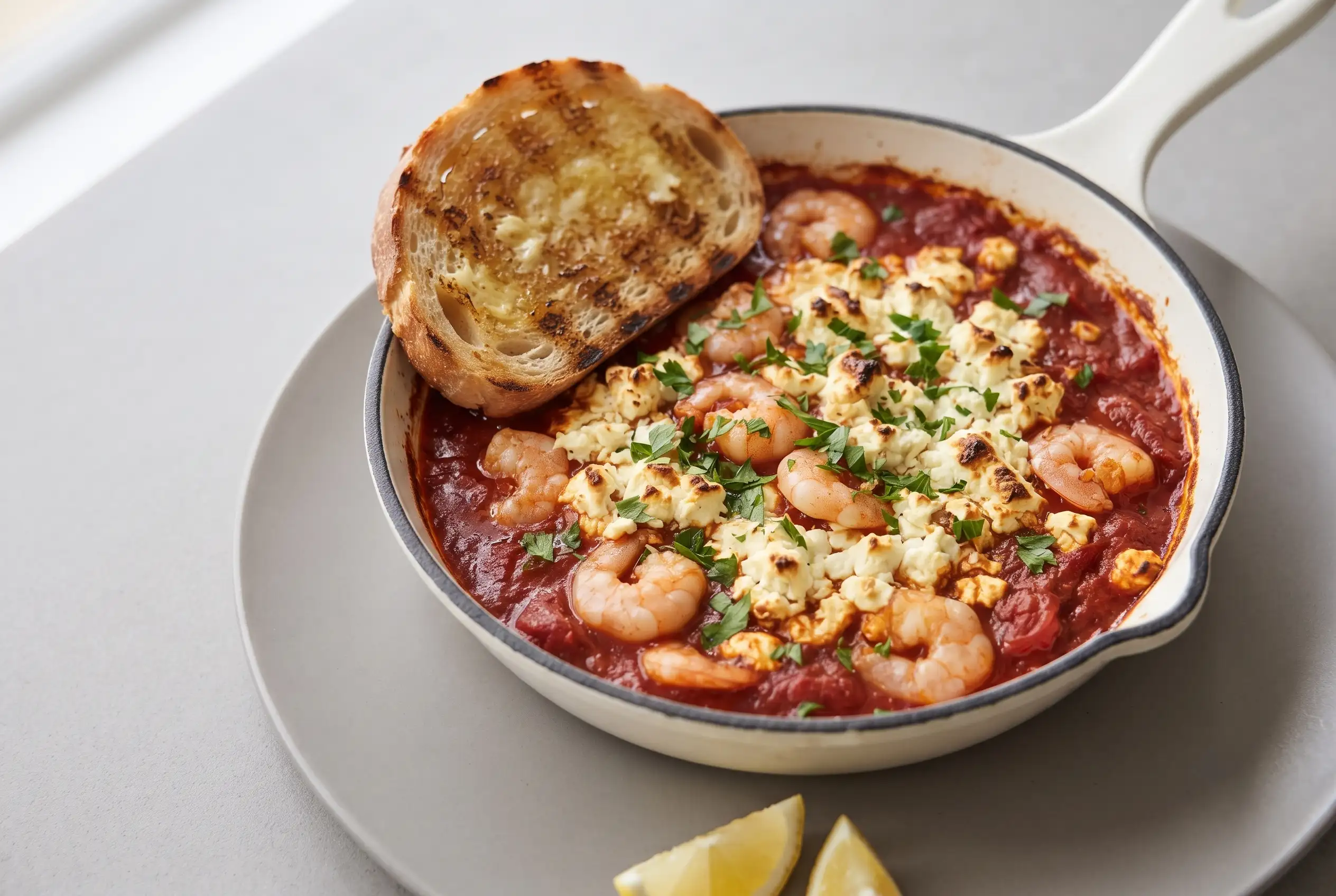
Baked shrimp with feta brings together tender seafood, a deeply flavored tomato base, creamy cheese, and crisp grilled sourdough in a skillet meal built around contrast. The shrimp cook directly in a savory sauce with shallot, red pepper, garlic, broth, and tomatoes before feta is browned on top, creating a dish where every serving has both rich and fresh elements.
Across the plate, each part has a specific role. The sauce provides the moisture needed for the shrimp, the feta adds a salty finish, and the toasted bread creates a sturdy way to enjoy every spoonful. A few small decisions during preparation have a major effect on texture, especially when balancing delicate shrimp with high heat.
Tomato Sauce and Feta Shape the Skillet Flavor
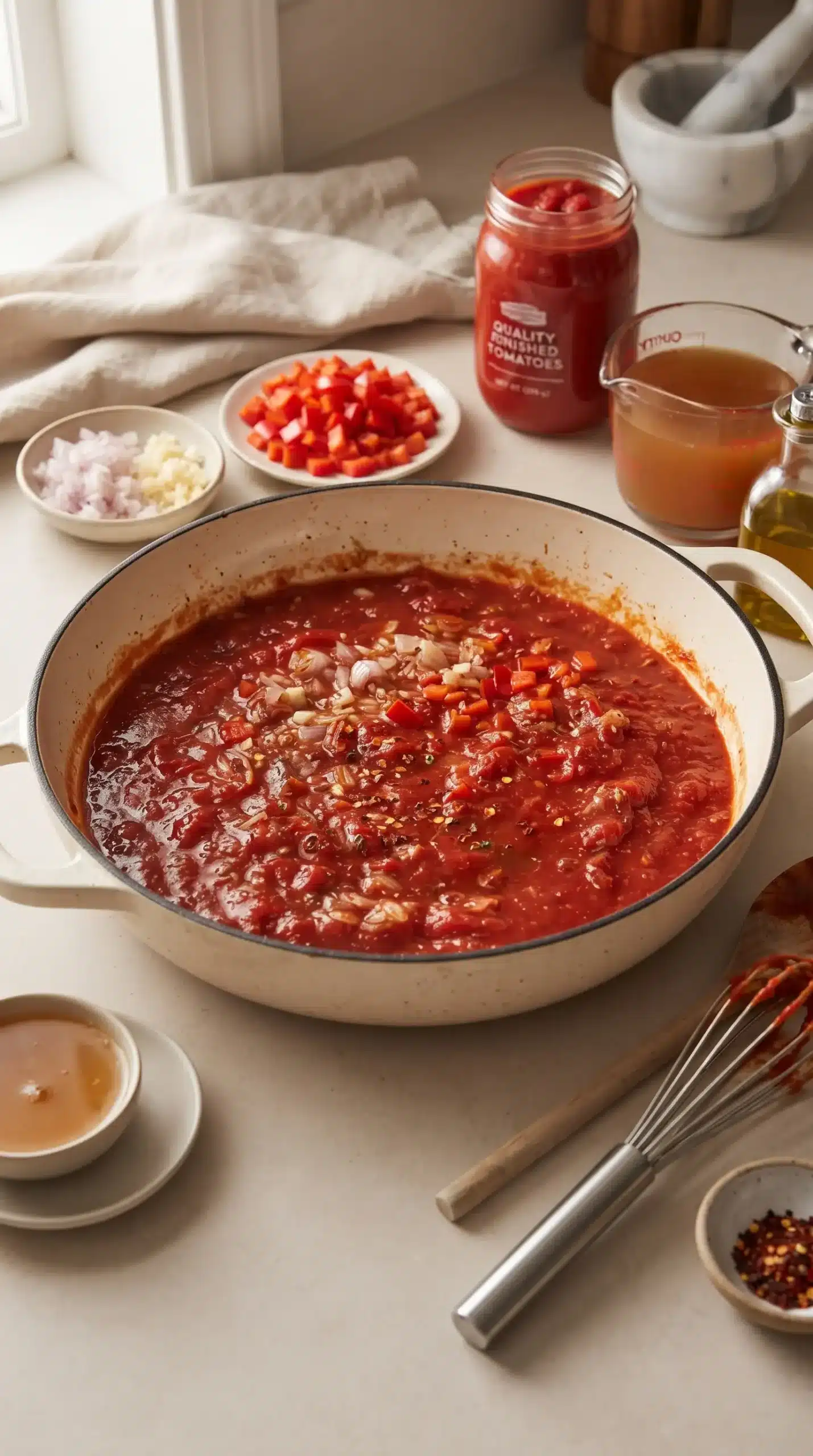
The strongest ingredient decisions in baked feta shrimp recipe preparation happen in the sauce and topping. Crushed tomatoes create the base that surrounds the shrimp, while broth helps the mixture stay loose enough for the seafood to cook gently before the cheese layer is added.
Shallot and red bell pepper are softened before the tomatoes enter the skillet, allowing their flavors to blend into the sauce. Garlic joins later in the simmering process so its aroma remains noticeable without overwhelming the sweeter notes from the pepper and tomatoes.
Feta changes the character of the finished dish because it melts partially while retaining its crumbly structure. The browned surface from the broiler adds a roasted quality that works with the acidity of the tomato mixture and the richness of the olive oil.
Sourdough Texture Depends on the Grill Finish
Thick slices of sourdough need enough heat to develop a crisp exterior while keeping some chew inside. Brushing the bread with butter before grilling helps create a golden surface that can hold up when dipped into the tomato sauce.
Shrimp Timing Controls Tenderness in the Sauce
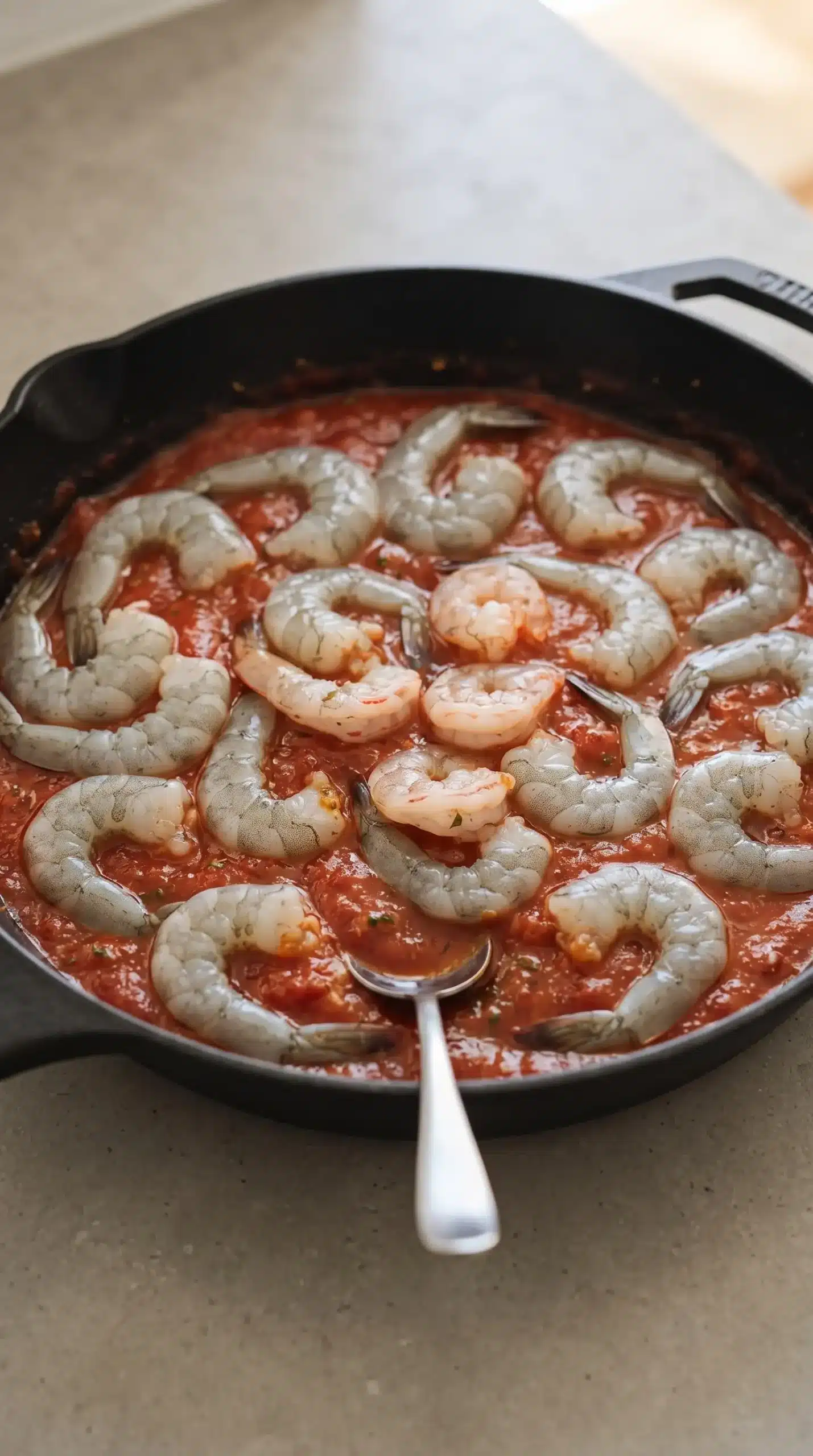
Shrimp require careful attention because their texture changes quickly as they heat. Adding them after the tomato mixture has developed allows the seafood to cook in a flavorful environment without spending unnecessary time exposed to heat. Quick-cooking seafood meals like shrimp scampi with lemon and garlic pasta rely on precise timing to keep shrimp tender and prevent overcooking.
Cooking shrimp in a single layer helps each piece contact the sauce evenly. Turning them once during cooking encourages consistent color and texture, with the best results coming when the shrimp change from translucent to opaque; using reliable shrimp doneness indicators helps prevent overcooking.
The following signs help identify the right point before the feta topping and broiling step:
| Cooking stage | What to notice | Best action |
|---|---|---|
| Raw shrimp | Surface looks translucent and gray | Keep cooking until the appearance changes |
| Nearly cooked shrimp | Color turns pink and flesh becomes opaque | Prepare for the feta finishing step |
| Overcooked shrimp | Texture becomes firm and less juicy | Reduce extra heat exposure during future batches |
Careful timing matters most because the broiler adds another burst of heat after the shrimp finish cooking in the sauce. Planning for that final stage prevents the seafood from becoming firm before serving.
Skillet Heat Management Builds a Better Finish
The wide, shallow shape of an oven-safe skillet supports even cooking by giving the sauce and shrimp more surface area. Starting with medium-high heat helps soften the vegetables, while lowering the heat allows the tomato mixture to concentrate without scorching.
Broiling works as a finishing technique because it focuses heat on the feta surface. Keeping the skillet ready for both stovetop and oven use avoids moving the sauce and shrimp between different dishes, which helps preserve the texture created during cooking.
Grilled sourdough can stay warm while the skillet reaches its final stage, making it easier to serve the shrimp immediately after the feta develops color. The timing between bread, shrimp, and cheese creates a smoother meal experience.
Baked Shrimp with Feta Mistakes That Affect Texture
Several common issues can change the balance of a shrimp tomato feta skillet. The most important problems come from excess cooking time, uneven preparation, or missing the visual signs that indicate when each part is ready.
- Overcooked shrimp: Leaving shrimp on heat after they become opaque can make them firm. Remove them from prolonged cooking once they reach the right texture and allow the broiler step to stay focused on browning the feta.
- Soft sourdough: Serving bread without enough grilling can make it lose its purpose. A crisp golden surface helps the slices handle the sauce.
- Thin sauce: Adding the shrimp before the tomato mixture has reduced can leave the skillet less concentrated. Allowing the sauce to darken slightly improves its body.
Small adjustments usually correct these issues without changing the character of the dish. Watching appearance and texture provides more useful guidance than relying only on timing because shrimp and bread can vary in size.
Serving Choices Highlight Shrimp with Feta and Tomatoes
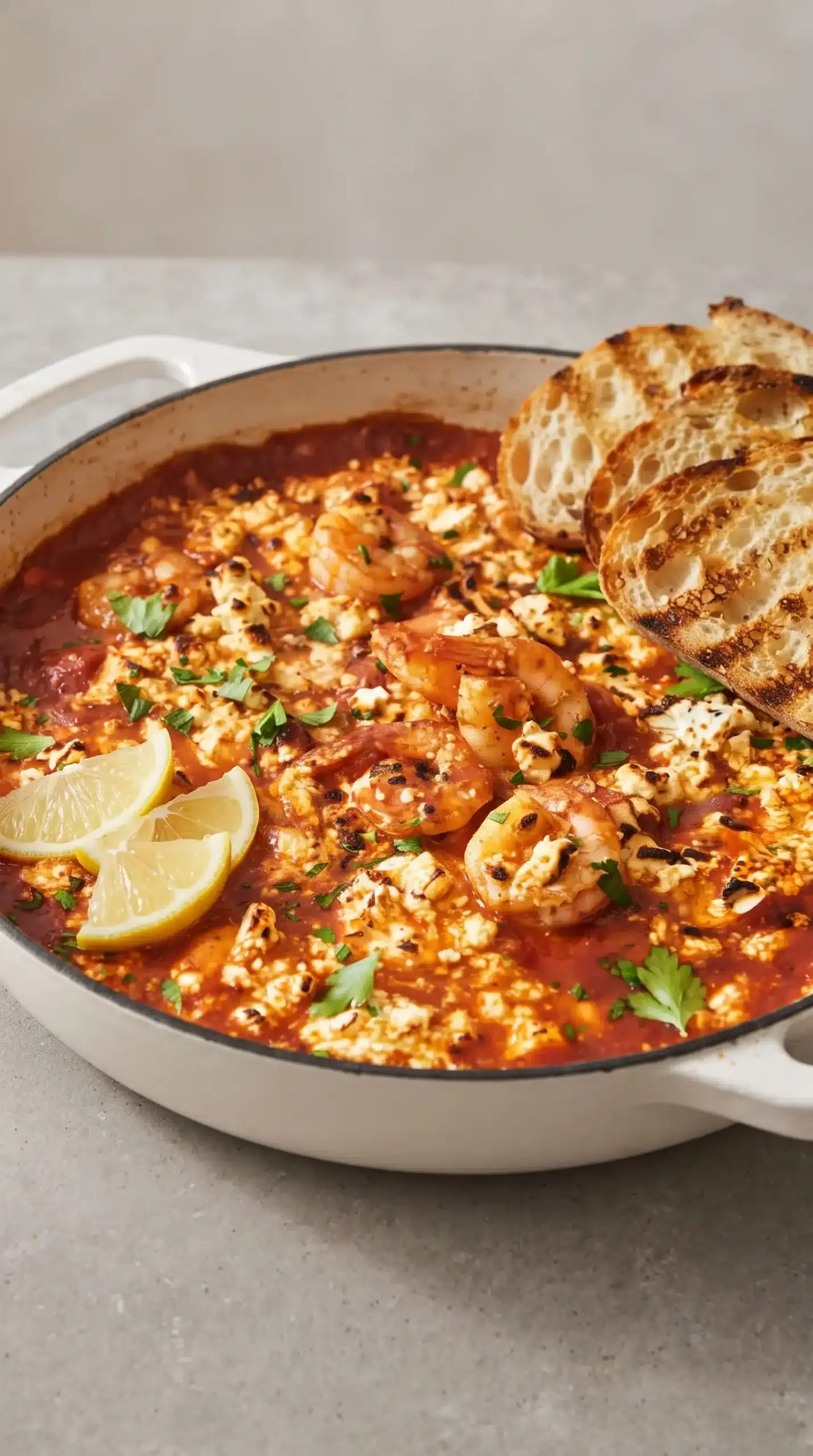
The best serving approach keeps the skillet components connected. Spoonfuls of shrimp, sauce, and feta pair naturally with grilled sourdough because the bread captures the tomato mixture that remains around the seafood.
Storage Steps Preserve the Tomato Base
Leftover shrimp should be handled carefully because seafood texture can decline with repeated heating. Cooling and storing the shrimp with the sauce helps maintain moisture, while gentle reheating avoids unnecessary toughness.
Flavor Adjustments Expand the Shrimp Tomato Feta Skillet
Variations work best when they support the existing balance of tomato, seafood, cheese, and toasted bread. Keeping the sauce structure intact allows changes to add personality without removing the dish’s central character.
Fresh herbs can shift the finish, with parsley adding brightness after the skillet leaves the oven. Lemon wedges also provide a fresh acidic note at the table, allowing each person to adjust the final flavor.
Heat can be adjusted through the optional red pepper flakes. A smaller amount keeps the focus on the feta and tomatoes, while a stronger addition creates more contrast against the creamy cheese.
Feta Browning Creates the Skillet’s Signature Layer
The broiled feta topping is more than a visual finish because it changes the way the sauce tastes at the surface. The cheese develops deeper roasted notes while remaining connected to the juicy tomato mixture underneath.
Grilled Sourdough Completes the Sauce-Focused Meal
Grilled sourdough serves an important purpose beyond adding a side of bread. Its firm texture creates a way to experience the sauce, feta, and shrimp together in each bite.
Thick slices work especially well because they provide enough structure after grilling. A thinner slice may soften quickly once it meets the warm tomato sauce, while a substantial piece maintains its toasted character longer.
Butter on the bread introduces another layer of richness that connects with the olive oil in the skillet. The result is a balanced pairing where the bread supports the seafood instead of competing with it.
Sauce Richness Defines the Baked Shrimp with Feta Experience
The tomato sauce, tender shrimp, browned feta, and grilled sourdough come together when each element keeps its intended texture. Shrimp should remain delicate, the sauce should cling without becoming heavy, and the bread should stay sturdy enough to capture every flavorful portion.
Successful baked shrimp with feta depends on managing those transitions: reducing the tomato base before adding seafood, protecting shrimp from excess heat, and using the broiler only to finish the cheese. Those choices create a skillet where simple ingredients deliver a complete and satisfying meal.
Baked Shrimp with Feta Cooking Questions Answered
Can frozen shrimp be used for baked shrimp with feta?
Frozen shrimp can work well when fully thawed before cooking. Removing excess surface moisture helps the shrimp cook evenly and prevents extra water from weakening the tomato sauce.
How can the shrimp stay tender in the skillet?
Tender shrimp come from watching their appearance closely and avoiding unnecessary heat after they become opaque. The sauce should be ready before the shrimp are added so the seafood does not need extended cooking time.
Can the grilled sourdough be prepared without a grill pan?
A regular skillet can still create a crisp bread surface. The important step is brushing the slices with butter and heating them until the exterior becomes golden and firm.
What makes the feta brown on top?
The broiler creates direct heat that colors the feta surface while keeping the cheese connected to the warm sauce below. Positioning the skillet for this short finishing stage helps develop the browned layer.
Can the tomato sauce be made less spicy?
The red pepper flakes are optional, so they can be reduced or skipped while keeping the tomato, feta, and shrimp combination intact. The lemon and parsley still provide freshness without added heat.
Baked Shrimp with Feta Tomato Sauce and Grilled Sourdough
Baked shrimp with feta is a comforting skillet meal featuring tender shrimp, rich tomato sauce, creamy browned feta, and crisp grilled sourdough. It is an easy, flavorful recipe perfect for a satisfying dinner with balanced textures.
Ingredients
Method
Preparation
- Heat olive oil in a large oven-safe skillet over medium-high heat. Add the minced shallot and diced bell pepper, then cook for about 5 minutes until softened.
- Reduce the heat and add the crushed tomatoes, garlic, salt, red pepper flakes, and broth. Simmer the sauce for about 10 minutes until it reduces slightly and darkens in color.
Grilling
- Melt the butter and brush it over the sourdough slices. Grill the bread in a pan or grill pan until crisp and golden, then wrap it in foil to keep warm.
Cooking
- Place the shrimp in a single layer in the tomato sauce. Cook for about 5 minutes, turning the shrimp once, until they are no longer translucent.
Topping
- Sprinkle the feta over the shrimp and sauce. Broil for 5 minutes or until the feta is browned.
Serving
- Finish with fresh chopped parsley and serve the skillet with grilled sourdough and lemon wedges.
Notes
Cook the shrimp until they are no longer translucent, then finish with the feta topping to help maintain a tender texture.