From breakfast to dinner, from healthy meals to sweet desserts – Next Yum Recipes brings you quick, simple and tasty ideas for every occasion and every time.


 This Recipe
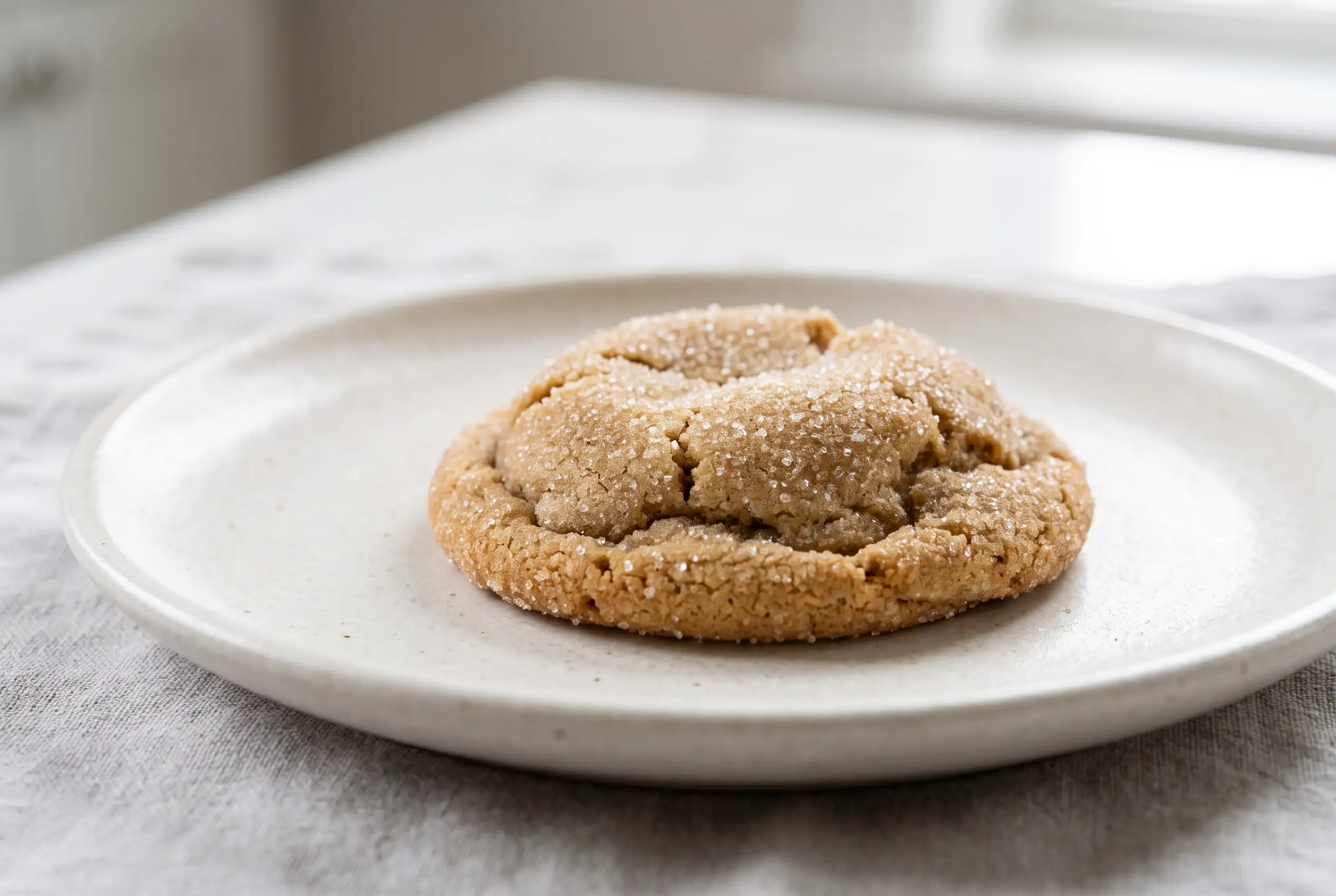
Brown sugar cookies bring together a lightly caramelized sweetness, a tender center, and a delicate sugar-coated exterior in a simple homemade cookie that feels familiar and comforting. The combination of white sugar, brown sugar, butter or shortening, and cream of tartar creates a cookie with a classic texture that sits between a soft sugar cookie and a slightly crisp treat.
Brown Sugar Cookies Create a Classic Tender Cookie Texture
Many cookie textures come from the balance between fat, sugar, flour, and leavening. Brown sugar cookies rely on a small amount of brown sugar alongside white sugar, giving the dough a deeper sweetness while keeping the flavor bright. The mixture produces a cookie that can be enjoyed while warm and changes character as it cools.
Freshly baked cookies have a softer interior because the dough has just set and the sugars remain warm. As they sit, moisture gradually redistributes through the cookie, creating a firmer bite that resembles a traditional sugar cookie texture. That natural shift is part of the appeal of this simple brown sugar cookie recipe.
Brown Sugar Cookie Dough Gets Its Character From Simple Choices
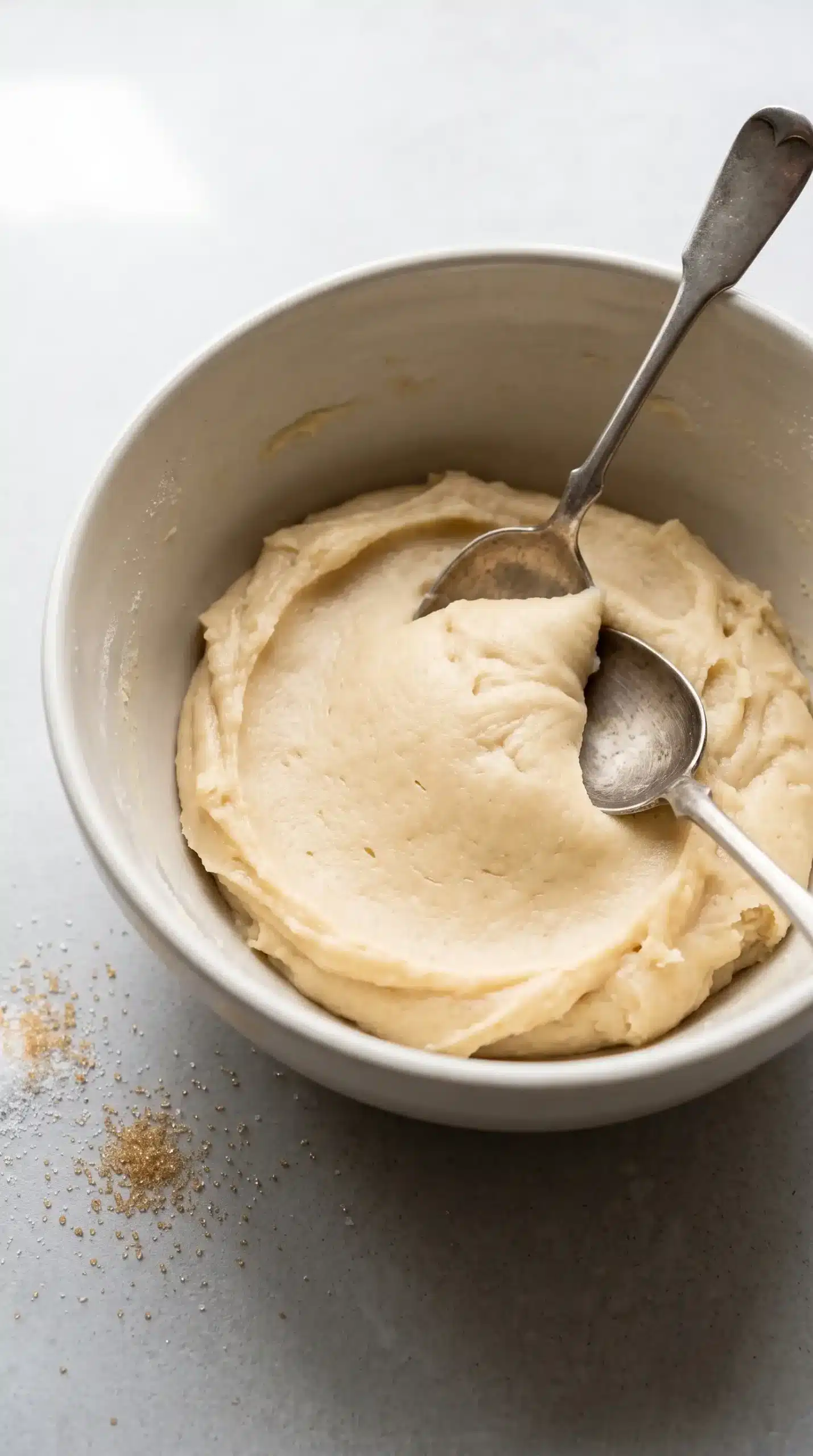
The dough begins with familiar pantry ingredients, but small choices influence the finished cookie. Using butter in place of shortening can add a richer dairy flavor, while shortening can create a slightly different tenderness because of its texture and fat structure.
Rolling each portion of dough in white sugar before baking gives the outside a subtle sparkle and a lightly crisp surface. The coating also helps distinguish the cookies visually without adding complicated decorations or toppings.
- Butter option: Adds a fuller flavor and works well for bakers who prefer a richer cookie.
- Shortening option: Keeps the traditional texture associated with many classic sugar cookies.
- Rolling sugar: Creates the recognizable coated exterior before the cookies enter the oven.
Cream Tartar Helps Brown Sugar Cookies Hold Their Shape
Cream of tartar is an acid that contributes acidity to the dough. Along with baking soda, it supports the familiar lift and texture associated with classic sugar-style cookies.
That balance matters because the dough is formed into rounded portions and baked without flattening. The cookie needs enough structure to spread naturally while maintaining a soft center instead of becoming a thin, overly crisp disc.
| Ingredient choice | Primary role in the dough | Cookie result |
|---|---|---|
| Brown sugar | Adds deeper sweetness | More caramel-like flavor |
| White sugar coating | Covers the outside before baking | Slightly crisp exterior |
| Cream of tartar with baking soda | Balances leavening | Classic sugar cookie texture |
Easy Brown Sugar Cookies Benefit From Gentle Mixing
Cookie dough develops its best texture when the ingredients are combined evenly without unnecessary handling. Mixing the sugars and fat until combined creates a smooth base, while adding the remaining ingredients just until incorporated helps preserve the tender quality expected from soft brown sugar cookies.
Overworking dough can affect the way flour behaves, making it easier for cookies to lose their delicate texture. A light touch keeps the dough simple and manageable, especially when forming rounded portions for baking.
Cookie Scoops Keep Brown Sugar Cookies Even
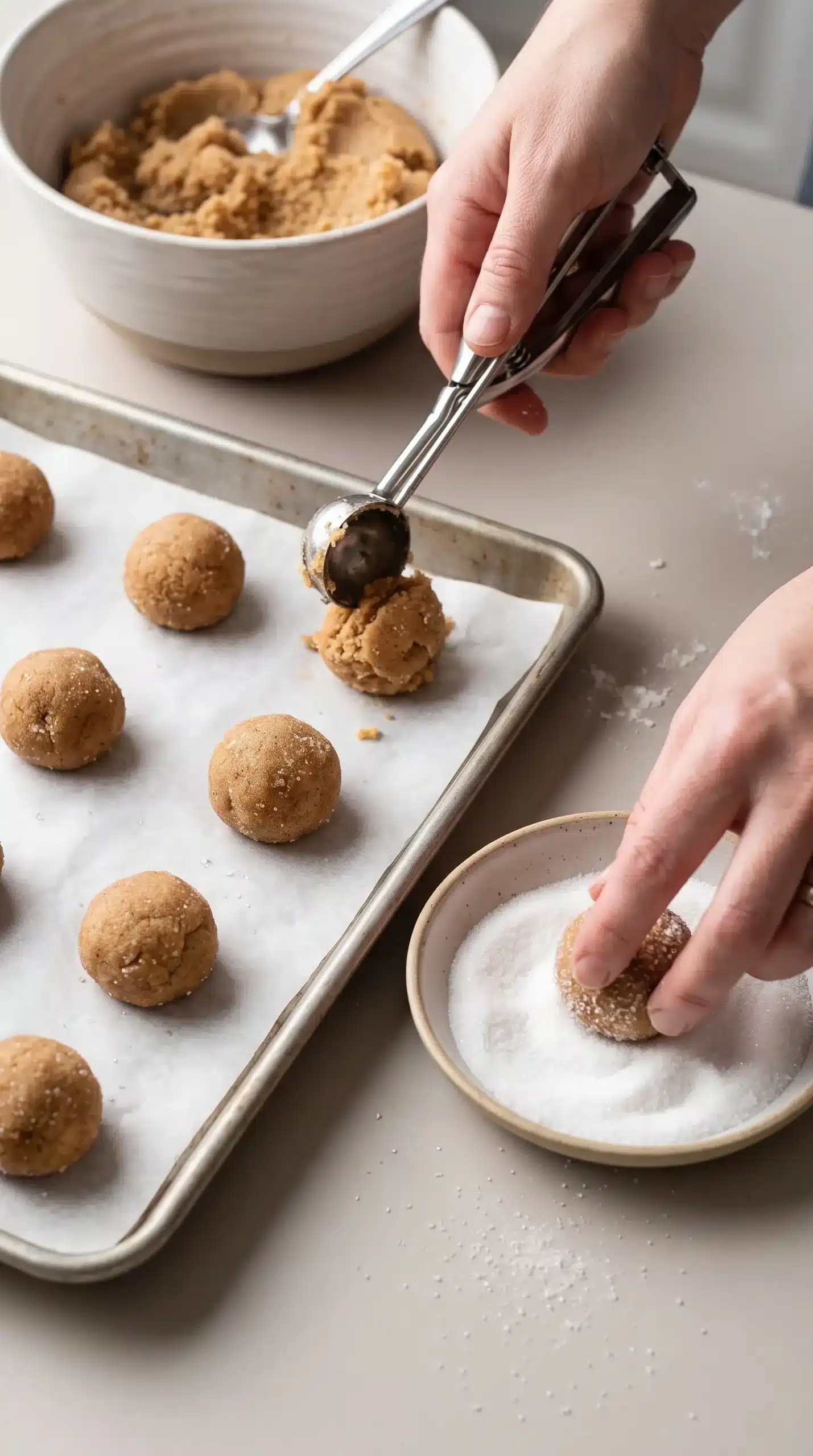
Rounded dough portions are useful because cookies with similar sizes bake at a similar rate. A cookie scoop helps create consistent shapes, making it easier to achieve matching edges and centers across the batch.
Keeping the dough rounded before baking is especially important here because the cookies are not flattened. The oven heat allows the dough to spread naturally while maintaining the thicker shape created during preparation.
- Portion evenly: Make similarly sized dough balls so each cookie reaches a similar texture.
- Coat the surface: Roll each portion in sugar to prepare the outside finish.
- Leave the shape intact: Avoid pressing the dough flat before baking.
Brown Sugar Cookies Need Careful Oven Timing
Oven control determines whether these cookies stay tender or move toward a firmer sugar cookie texture. Baking at the recommended temperature allows the outside to set while the center remains softer.
Visual cues matter during baking. The cookies should have a finished appearance while still reflecting the soft texture that comes from properly timed baking. Removing them at the right moment helps preserve the contrast between the outside and middle.
Brown Sugar Cookies Common Mistakes Change the Final Texture
Several small mistakes can affect the way these cookies spread, set, and age after baking. The most useful corrections come from paying attention to the dough consistency and the handling choices made before the cookies reach the oven.
- Flattening the dough: Pressing the rounded portions before baking can change the thickness and reduce the intended soft center.
- Skipping the sugar coating: Leaving off the outside sugar removes a signature part of the cookie’s texture and appearance.
- Adding flour unevenly: Too much or too little flour changes how the dough holds together during baking.
- Waiting too long after baking: The cookies naturally become more crisp as they cool, so serving time affects the texture.
Brown Sugar Cookie Flavor Pairs Well With Familiar Additions
The simple flavor profile makes these cookies flexible without changing their identity. Vanilla already provides a warm background note, and the brown sugar creates enough richness for small variations.
Some bakers may enjoy adding a seasonal touch through spices, while others prefer keeping the classic sugar-coated finish. Any addition should support the existing balance instead of overwhelming the delicate cookie flavor.
| Variation idea | Adjustment | Effect on serving style |
|---|---|---|
| Warm spices | Add a small amount of cinnamon or similar spice | Creates a seasonal cookie profile |
| Chocolate pieces | Fold in small pieces before shaping | Adds a richer dessert feel |
| Citrus zest | Mix in finely grated zest | Provides a brighter aroma |
Soft Brown Sugar Cookies Are Best Handled With Texture in Mind
Texture changes after baking, so storage and serving choices influence the experience. A warm cookie offers a softer bite, while a cookie left for longer develops a firmer exterior similar to classic sugar cookies.
Keeping cookies in an airtight container can help maintain their freshness and slow texture changes. If a softer texture is preferred, serving them closer to baking time provides the most tender result.
Brown Sugar Cookies Adapt Easily For Different Baking Preferences
The straightforward dough allows bakers to make practical adjustments while preserving the recognizable cookie style. Butter can replace shortening for a different flavor direction, and the sugar balance can remain the defining feature.
Smaller or larger portions may also change the finished texture because cookie size affects how quickly the center and edges bake. Keeping portions consistent makes any adjustment easier to evaluate.
Brown Sugar Cookie Recipe Details Make Simple Baking More Reliable
Successful cookies often come from noticing small signals instead of relying only on written instructions. The appearance of the dough, the rounded shape before baking, and the texture after cooling all provide information about how the cookies are developing.
For bakers making easy brown sugar cookies for the first time, the most important decisions are straightforward: keep the dough balanced, avoid flattening, and watch the baking point carefully.
Brown Sugar Cookies Stay Memorable Through Their Simple Texture Balance
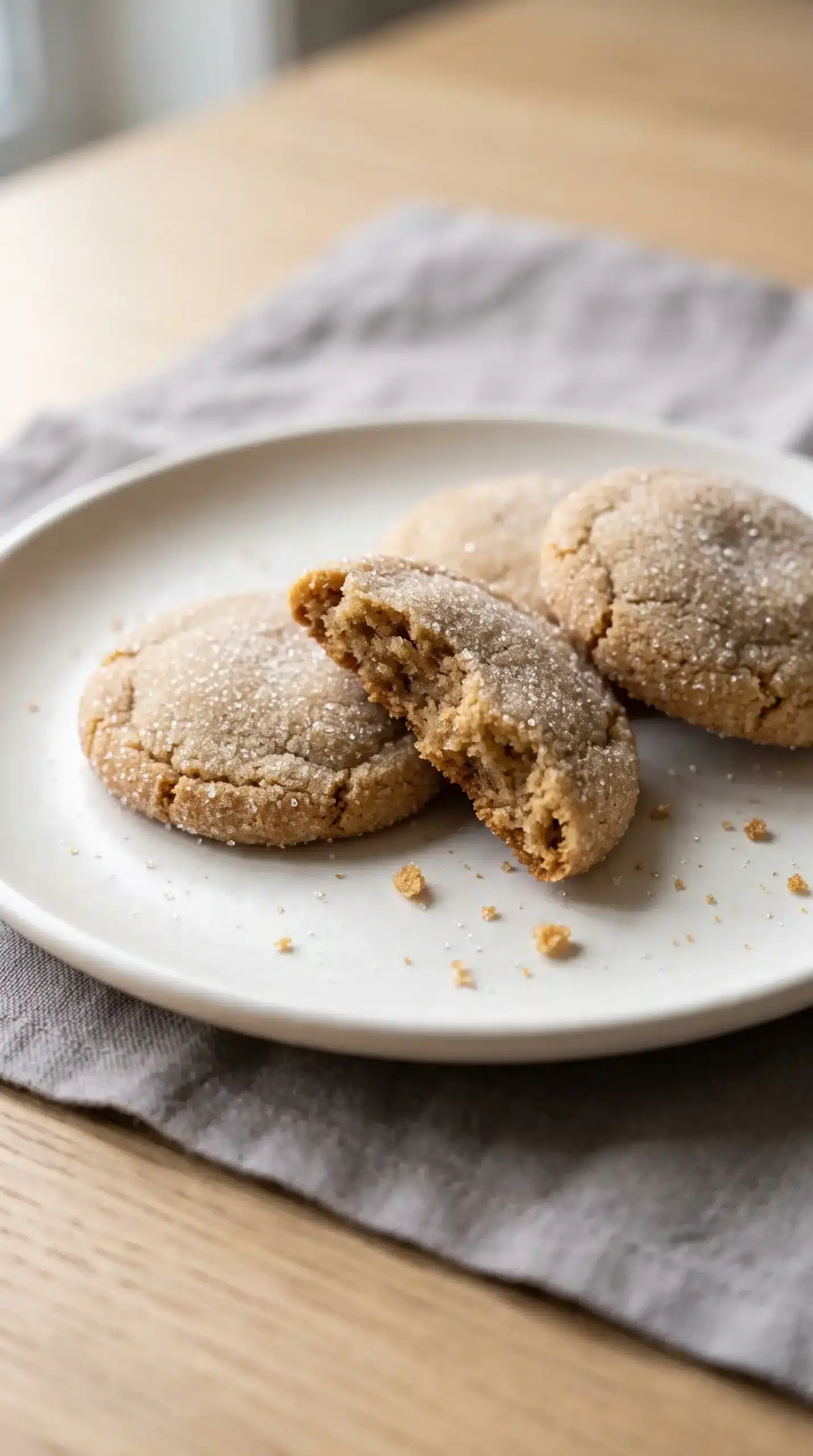
Brown sugar cookies show how a short ingredient list can create a distinct homemade dessert. The contrast between a sugared exterior and a tender middle comes from careful handling of the dough rather than complicated techniques.
These cookies are at their best when the baker pays attention to the moments that matter most: combining the dough properly, preserving the rounded shape, and choosing the desired texture after baking.
Brown Sugar Cookies Reach Their Best Texture Through Balanced Baking
Brown sugar cookies become especially satisfying when the dough is treated with care from mixing through cooling. The sugar coating, balanced leavening, and gentle shaping work together to create a cookie that starts soft and gradually develops a more classic crispness over time.
Brown Sugar Cookies Questions About Texture and Baking Answers
Why do brown sugar cookies become more crisp after cooling?
Brown sugar cookies lose some of their freshly baked softness as they cool because moisture moves through the cookie and the structure firms. The result is a texture closer to a traditional sugar cookie after sitting for several hours.
Can butter be used instead of shortening in brown sugar cookies?
Butter can be used in place of shortening and will bring a richer flavor to the cookies. The texture may differ slightly because butter and shortening behave differently in dough, but both choices can produce a successful cookie.
Why should the dough balls not be flattened before baking?
Keeping the dough rounded allows the cookies to spread naturally in the oven while maintaining a thicker center. Flattening changes the shape and can lead to a different balance between the edges and middle.
How can brown sugar cookies stay softer longer?
Storing cooled cookies in an airtight container helps limit moisture loss. Serving them closer to baking time also preserves the softer texture that develops while the cookies are still fresh.
Brown Sugar Cookies with Classic Tender Cookie Texture
Brown Sugar Cookies are tender, sugar-coated cookies with a classic soft texture and rich brown sugar sweetness. They are an easy homemade dessert choice for anyone who loves a simple, comforting cookie with a delicate crisp exterior.
Ingredients
Method
Preparation
- Combine the white sugar, brown sugar, and shortening until well blended. Add the egg and mix, then incorporate the dry ingredients.
- Shape the dough into round portions using a cookie scoop. Coat each dough ball in white sugar and keep the rounded shape without flattening.
Baking
- Bake the cookies at 350°F (177°C) for 12 minutes.
Notes
The cookies are especially enjoyable before baking and immediately after baking. After several hours, they become more crisp, creating a texture closer to a traditional sugar cookie.