From breakfast to dinner, from healthy meals to sweet desserts – Next Yum Recipes brings you quick, simple and tasty ideas for every occasion and every time.


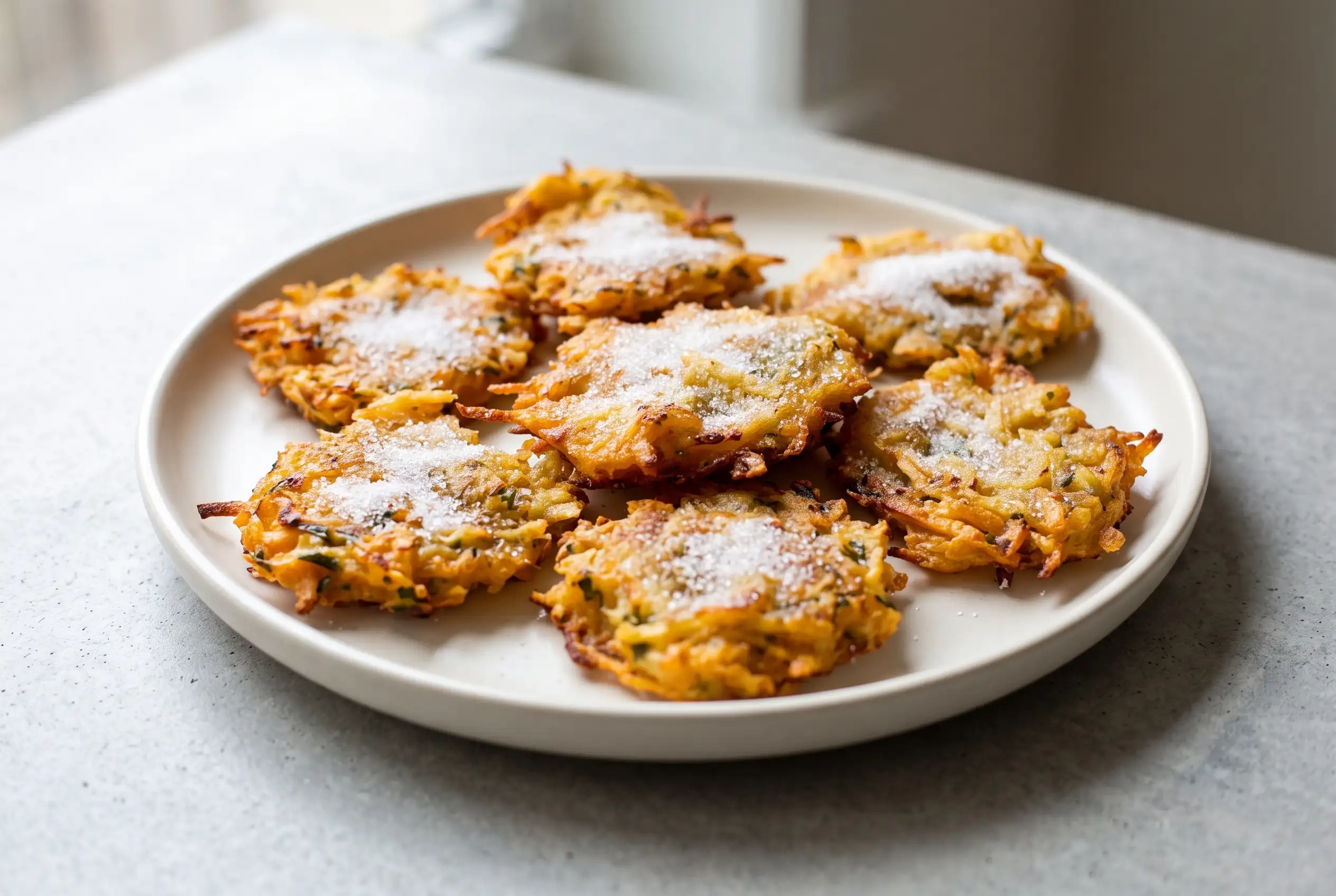 This Recipe
Camote Tops Bring Sweet Potato Flavor Into a Crisp Treat
Camote tops combine grated sweet potato, light sweetness, and a crisp fried exterior in a simple snack built around texture. The preparation depends on managing the natural moisture of the camote while creating a mixture that holds together when placed in hot oil. This sweet potato fritter style is known as a sweet potato camote tops recipe because the grated vegetable becomes the center of a small, golden bite.
Fresh preparation choices shape how the finished pieces cook. Rinsing the grated camotes, combining the mixture evenly, and controlling the frying temperature all influence whether the outside becomes browned while the inside remains tender.
Across many fried foods, small changes in handling create noticeable differences. Camote tops benefit from attention to the mixture before cooking because the grated strands need enough structure from flour while still keeping the sweet potato character clear.
Grated Camote Creates the Right Fritter Texture
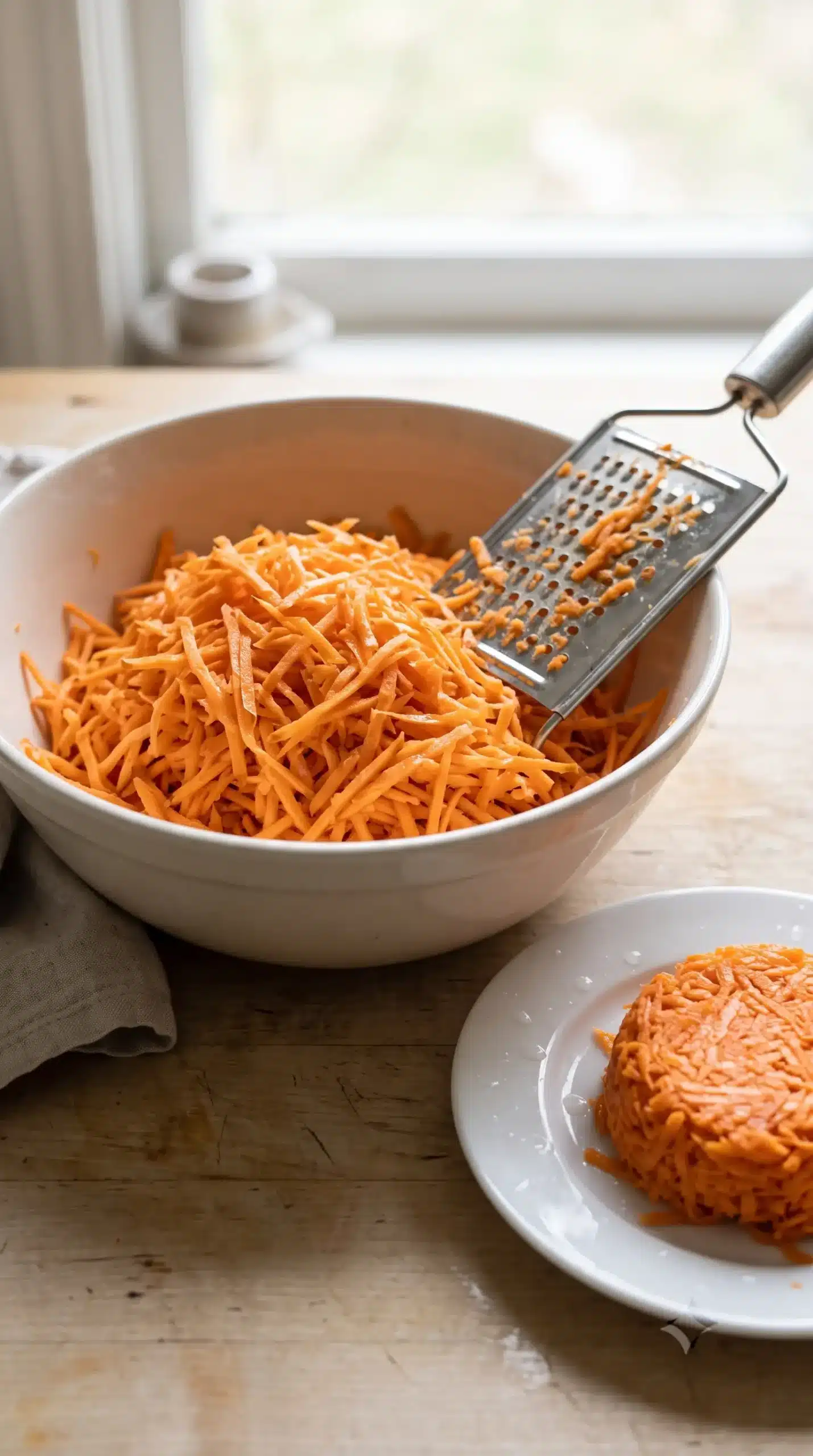
Grated camote provides the foundation for the shape and texture of each piece. Cutting the sweet potato into fine strands allows the flour and sugar mixture to coat more surfaces, helping the spoonfuls hold together during frying.
Careful rinsing after grating removes excess surface material from the camotes. The step also prepares the vegetable before it is combined with the other ingredients, creating a cleaner mixture that can be seasoned and shaped consistently.
Different levels of moisture can change how the mixture behaves. A well-prepared bowl of grated camote should be moist enough to combine but stable enough to drop into oil without spreading immediately.
Brown Sugar and Vanilla Shape Camote Tops Flavor
Sweet accents from brown sugar and vanilla give camote tops their dessert-like character while allowing the natural flavor of sweet potato to remain recognizable. The brown sugar blends into the grated mixture, while vanilla adds a familiar aroma throughout each fried piece.
Frying Heat Controls Golden Camote Tops Results
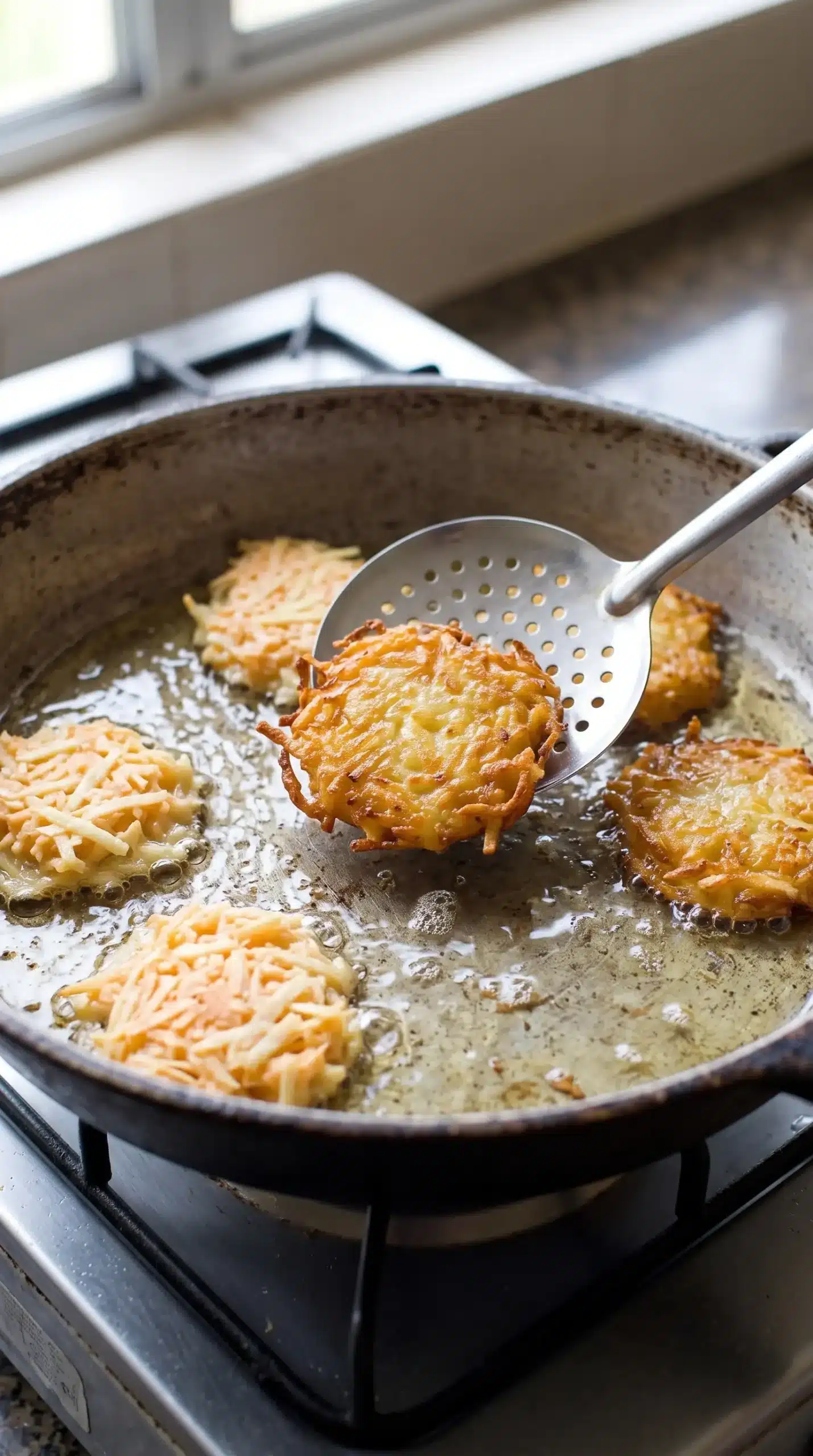
Proper frying oil temperature determines how the exterior develops during cooking. Medium high heat allows the surface to become golden while giving the inside enough time to cook through without becoming overly dark.
Small adjustments matter when frying. A pan with a thin layer of oil supports even contact, while dropping the mixture in manageable spoonfuls helps each piece cook at a similar pace.
Visual cues provide the most useful guidance during frying. A golden surface and a firm outer texture indicate that the pieces are ready to drain, while overly dark edges suggest the oil may be too hot.
After frying, paper towels help remove excess oil from the surface. The brief draining period keeps the texture lighter and prepares the pieces for their final dusting of white sugar.
Camote Tops Common Mistakes Come From Moisture and Heat
Excess moisture can make camote tops difficult to handle. When the grated mixture contains too much loose moisture, spoonfuls may spread in the pan and lose the shape expected from a small fritter.
Uneven frying creates another common problem. Pieces that are too large may brown before the center finishes cooking, while pieces that vary greatly in size can finish at different times.
Several mistakes can be avoided by watching the mixture and the pan carefully:
- Wet mixture: Check the grated camotes after rinsing so the mixture remains cohesive when combined with flour.
- Heavy spoonfuls: Use similar portions so the pieces cook evenly and develop matching textures.
- Dark surfaces: Adjust the heat if the outside browns too quickly before the interior is ready.
Rinsing Camotes Helps Build a Balanced Mixture
Rinsing grated camotes is a preparation choice that supports a more manageable mixture. The action happens before the sweetener, flour, and vanilla are added, keeping the early handling stage focused on the vegetable itself.
Spoonful Size Determines Camote Tops Texture
Portion size influences the balance between crisp edges and a tender center. Consistent spoonfuls create pieces that finish cooking at a similar rate and make serving easier.
Serving Choices Highlight Fried Camote Tops
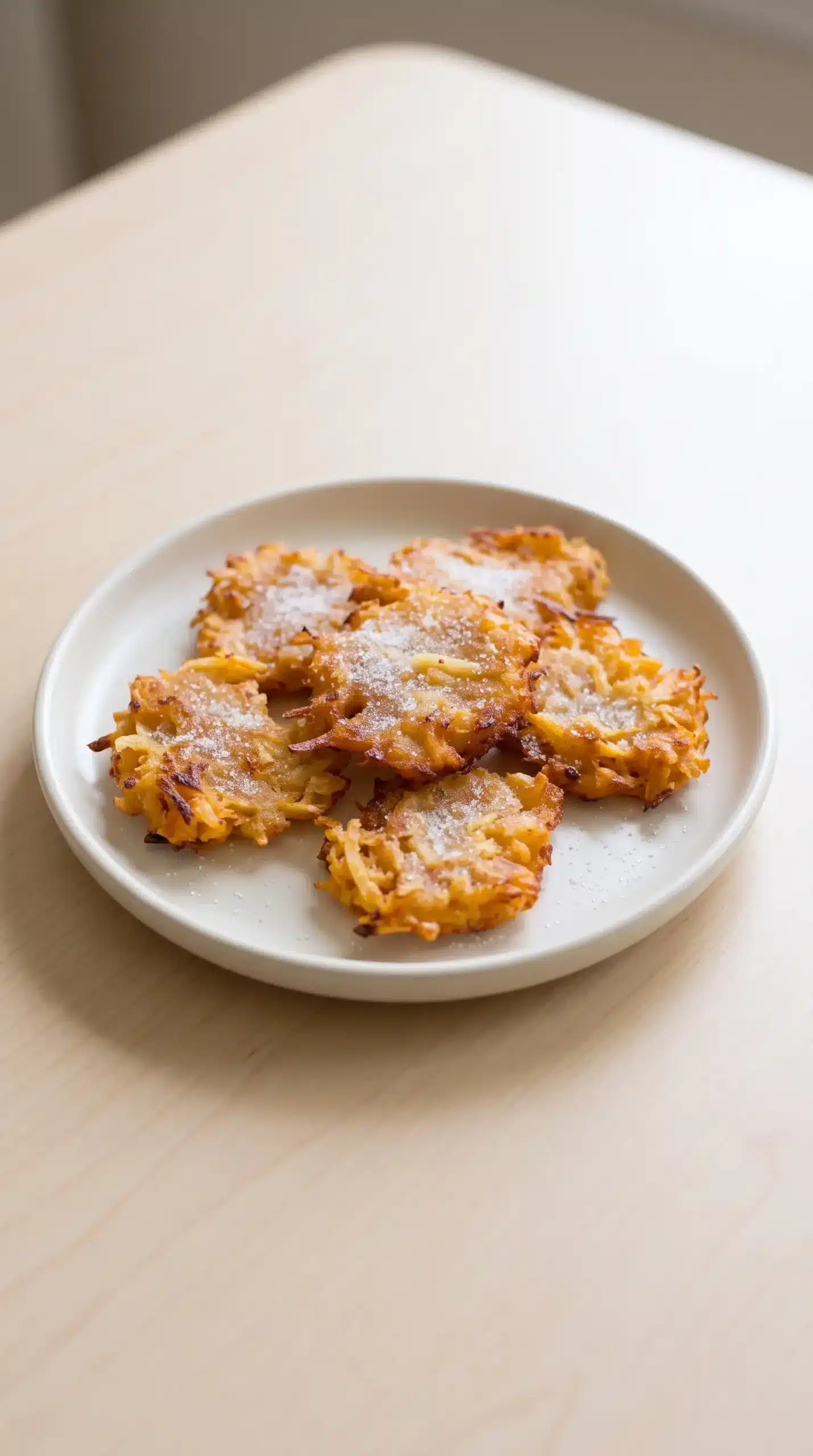
Finished camote tops are traditionally enjoyed after frying with a light coating of white sugar. The added sweetness contrasts with the browned exterior and emphasizes the natural sweetness of the camote. Filipino street snacks such as Banana Cue with Caramelized Saba Bananas Street Snack use caramelized sugar finishes to create a satisfying sweet coating around a cooked ingredient.
Warm servings offer the strongest contrast between the crisp outside and the softer interior. Allowing the pieces to drain first keeps the sugar coating from mixing with excess surface oil.
Simple presentation works well for these small fried treats. A plate arrangement that keeps the pieces separate helps preserve the texture created during frying.
Sweet Potato Camote Tops Recipe Details That Matter
Ingredient balance determines how the mixture behaves before it reaches the pan. The amount of grated camote creates the bulk of the fritter, while flour helps bind the strands and brown sugar contributes sweetness.
Measured additions are important because each part has a specific role during preparation. Too much emphasis on one component can change the way the mixture holds together or fries.
| Component | Kitchen purpose | What to observe |
|---|---|---|
| Grated camote | Creates the main structure | Strands should combine evenly |
| Flour | Helps hold the mixture together | Coating should distribute through the camote |
| Brown sugar | Adds sweetness | Should blend throughout the mixture |
Balanced handling keeps the character of the sweet potato visible. The mixture should remain centered on camote while the supporting ingredients provide enough structure for frying.
Keeping Camote Mixture Consistent Before Frying
Preparation order affects the texture that reaches the frying pan. Combining the ingredients thoroughly helps distribute sweetness and flour so individual pieces cook with similar qualities.
Camote Tops Pair Simple Sweet Finishes With Texture
Beyond the basic sugar finish, the appeal of fried camote tops comes from the contrast created during cooking. The outside develops color from the hot oil while the inside retains the softer qualities of grated sweet potato.
Texture decisions begin before frying and continue through serving. Gentle handling keeps the mixture together, careful frying builds the crust, and draining preserves the difference between the exterior and center.
Many fried foods depend on toppings or sauces for character, but these pieces rely mainly on the camote itself. The light sugar finish supports the vegetable flavor without covering the texture created by frying.
Golden Camote Tops Depend on Moisture Control and Frying Judgment
Golden camote tops succeed when the grated sweet potato mixture reaches the pan with the right balance of moisture, structure, and sweetness. The most important cooking judgment comes from recognizing how the mixture behaves before frying and how the surface changes while it cooks.
Careful preparation allows the simple ingredients to create a snack with a crisp exterior and a tender center. The combination of grated camote, controlled heat, and a finishing sugar dusting defines the texture and flavor of the finished treat.
Camote Tops Moisture Questions and Answers
How can excess moisture affect camote tops?
Excess moisture can make the grated mixture harder to shape because the spoonfuls may spread more quickly after entering the oil. Allowing the rinsed camotes to combine properly with flour helps create a mixture that holds together during frying.
Why do camote tops need medium high heat for frying?
Medium high heat helps the exterior develop a golden color while allowing the interior to cook. Heat that is too low can leave the pieces oily, while excessive heat can darken the outside before the center is ready.
Can camote tops be made with different sweet finishes?
White sugar is the stated finishing choice, but the important idea is maintaining a light sweet contrast after frying. Any adjustment should preserve the crisp surface and the natural sweet potato flavor.
What texture should fried camote tops have?
Properly cooked pieces should have a browned exterior with a softer interior created by the grated camote. The contrast between these textures is what makes the small fritters enjoyable.
Why should the grated camotes be prepared before adding other ingredients?
Preparing the camotes first focuses attention on their texture and moisture before the mixture is completed. This makes it easier to combine the flour, sugar, and vanilla evenly afterward.
Camote Tops Sweet Potato Fritter Recipe with Camote
Camote Tops Sweet Potato Fritter Recipe makes crispy, sweet fritters with a tender camote center and a light sugar finish. This easy treat is perfect when you want a simple snack with comforting sweet potato flavor.
Ingredients
Method
Preparation
- Peel, grate, and rinse the camotes. Place them in a large bowl and mix with brown sugar, flour, and vanilla until combined.
Cooking
- Add a thin layer of oil to a large pan and heat over medium high heat.
- Place spoonfuls of the camote mixture into the hot oil and fry for about 3-4 minutes on each side, until the fritters are golden brown.
- Transfer the fried fritters to a plate lined with paper towels to drain.
Serving
- Sprinkle the fritters with white sugar before serving.
Notes
Rinse the grated camotes before mixing to help prepare the texture of the fritter mixture.