From breakfast to dinner, from healthy meals to sweet desserts – Next Yum Recipes brings you quick, simple and tasty ideas for every occasion and every time.


 This Recipe
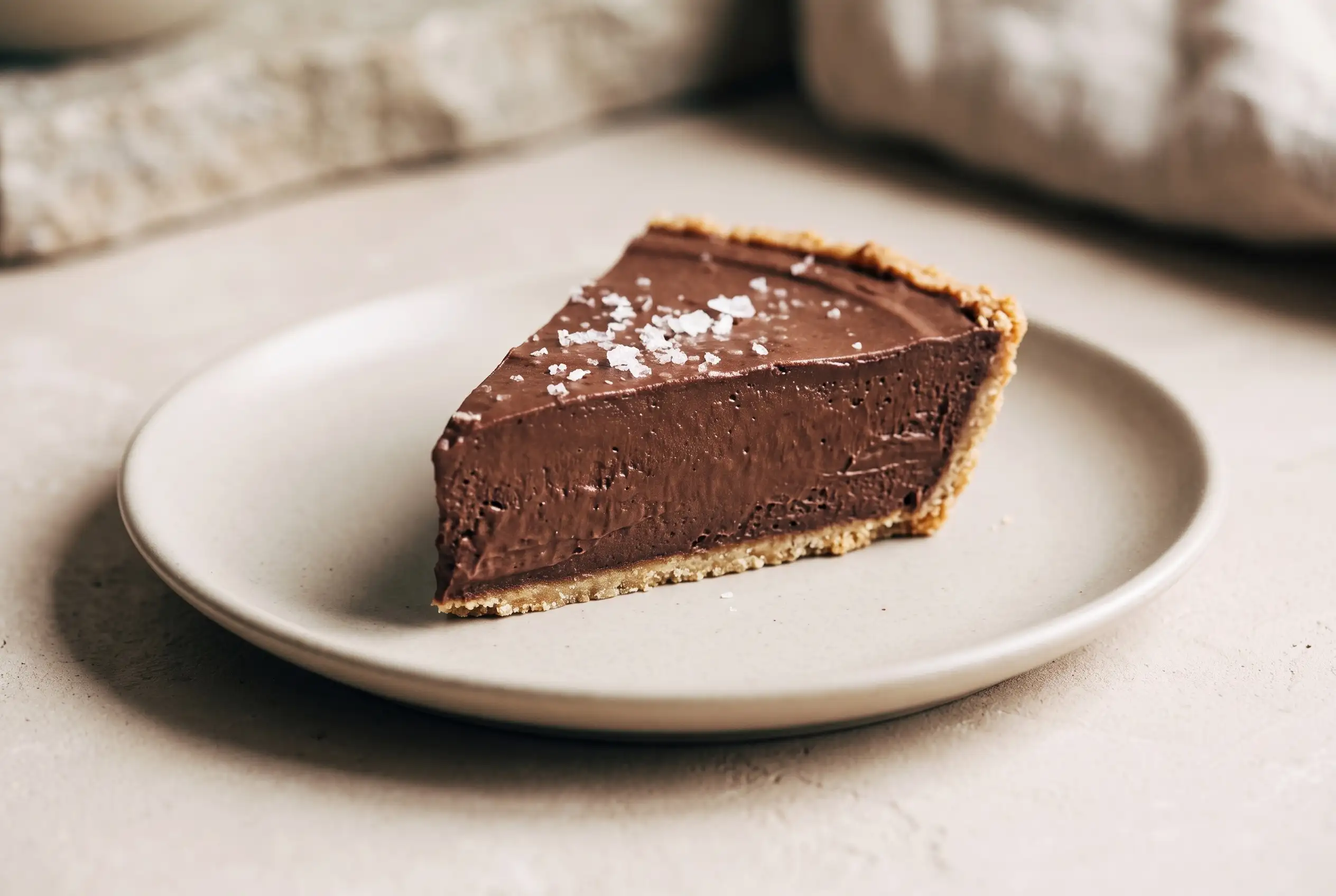
Vegan chocolate pie delivers an unusually rich dessert from a short list of ingredients, with silken tofu creating a smooth base for melted chocolate, chocolate almondmilk, and almond butter. The filling sets into a dense, creamy texture that makes each slice feel much more indulgent than the preparation suggests.
Silken tofu sets the texture of the chocolate filling
Firm silken tofu is the structural foundation of the filling, and its texture matters because it needs to blend completely smooth before the melted chocolate is incorporated. Silken tofu has a softer, more delicate consistency than the firmer tofu commonly used for sautéing or baking, making it especially useful in a chocolate tofu pie where a creamy interior is the priority.
Chocolate almondmilk contributes additional chocolate flavor while helping the tofu and almond butter move together in the blender. Using a chocolate-flavored plant milk also keeps the flavor profile focused, so the finished vegan chocolate pie tastes distinctly chocolate-forward without requiring several different flavoring ingredients.
Almond butter brings richness and gives the filling a nutty background that works naturally with chocolate. Choose a smooth almond butter so the blended mixture stays as even as possible. If the almond butter is especially thick, scrape down the blender as needed instead of adding extra liquid that could change the consistency.
Chocolate choice determines how the pie fits a vegan table
Chocolate chips are melted before they enter the blender, so their ingredients become part of the finished filling. For a strictly vegan dessert, check the package and choose chocolate chips made without dairy ingredients.
Almond butter makes the filling especially rich
The combination of chocolate and almond butter gives the filling a deep, rounded character, but the balance depends on using almond butter that blends readily. Smooth almond butter is the easiest choice because it minimizes small pieces and keeps the finished texture consistent.
Chocolate almondmilk reinforces the same flavor pairing without competing with it. A neutral plant milk could work in principle, but the supplied combination is particularly cohesive because chocolate appears in both the milk and the melted chips.
Salt is optional, yet flaky sea salt can sharpen the contrast between the rich filling and the sweetness of the chocolate. Use a light scattering over the surface so the salt remains an accent instead of becoming the dominant flavor.
Crust choices change the character of each slice
A graham cracker crust gives the creamy filling a crisp, lightly sweet contrast, while an Oreo-style crust pushes the dessert toward a more intensely chocolate-focused finish. A regular pie crust can also work, including one prepared with coconut oil when a vegan crust is needed.
| Crust option | Flavor effect | Best reason to choose it |
|---|---|---|
| Graham cracker | Sweet, lightly toasted | Creates a clear contrast with the chocolate filling |
| Oreo-style | Deep chocolate | Emphasizes the chocolate character from crust to filling |
| Regular pie crust | Classic pastry flavor | Works when a traditional pie-style base is preferred |
| Date and nut crust | Nutty and naturally sweet | Pairs with the almond butter in the filling |
Blending control keeps the filling genuinely smooth
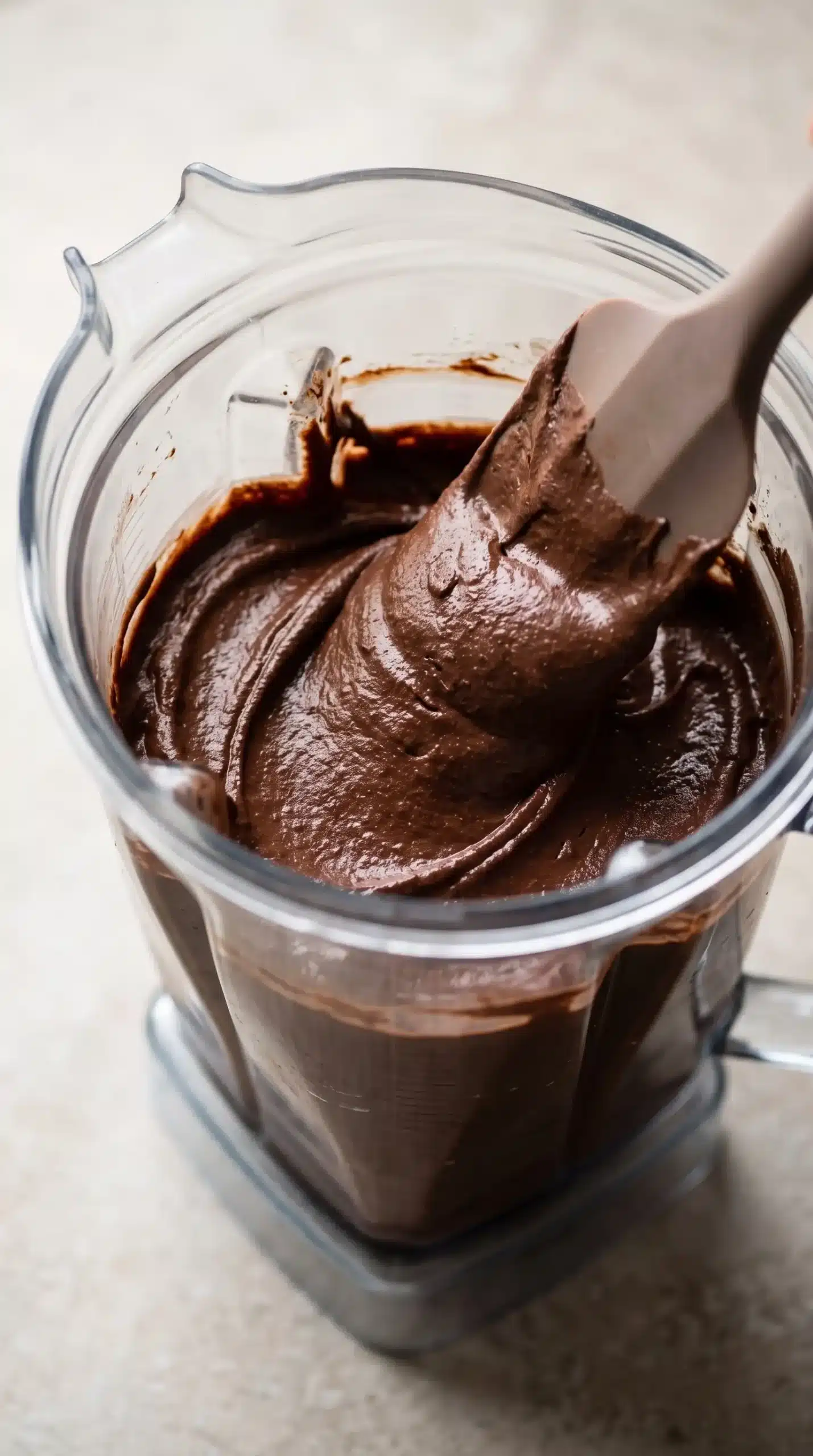
The first blending stage should produce a smooth mixture of tofu, chocolate almondmilk, and almond butter before the melted chocolate is introduced. That gives the blender a fluid base to work with and reduces the chance that pockets of almond butter or tofu remain hidden in the mixture.
Once the melted chocolate goes in, expect the filling to become considerably thicker. The change is useful because the chocolate helps create the dense texture associated with the finished pie, but it can also make the blender work harder.
- Watch the texture: Look for a cohesive, glossy mixture without visible pieces of tofu or streaks of almond butter.
- Use the spatula when needed: If the thick mixture stops circulating, pause the blender and scrape the sides down before continuing.
- Avoid unnecessary liquid: Do not thin the filling simply because it becomes thick after the chocolate is added; that thickness is part of the intended texture.
Temperature matters when melted chocolate meets tofu
Melt the chocolate chips before blending them into the tofu mixture, but give the chocolate enough attention that it is fully melted and easy to incorporate. Large unmelted pieces can leave uneven chocolate pockets and make the blender struggle once the filling thickens.
The chocolate should be fluid enough to blend smoothly into the existing mixture. Once incorporated, the filling can become thick quickly, so having the crust ready before the chocolate stage helps you move efficiently from blending to filling.
That timing also makes it easier to achieve an even surface. A thick filling settles differently from a loose pudding, so transfer it to the crust promptly and smooth the top as needed before chilling.
Overworked blending can make a thick filling harder to manage
One practical mistake with vegan chocolate pie is continuing to run a blender that is no longer circulating the thick mixture effectively. The observable sign is a mass that stays in place while the blades struggle to pull fresh mixture downward. Stop, scrape the sides, and resume in short blending intervals.
Chilling gives the chocolate filling time to set
The filled pie needs an extended chill before slicing so the chocolate-based mixture can firm into a sliceable texture. A short rest may leave the center softer than intended, even when the blended filling looked thick in the blender.
Plan the chilling period around when the pie will be served. The extended rest is especially important for a chocolate tofu pie because the finished consistency depends on the filling becoming firm enough to hold its shape after cutting.
Flaky salt works best as a restrained finishing touch
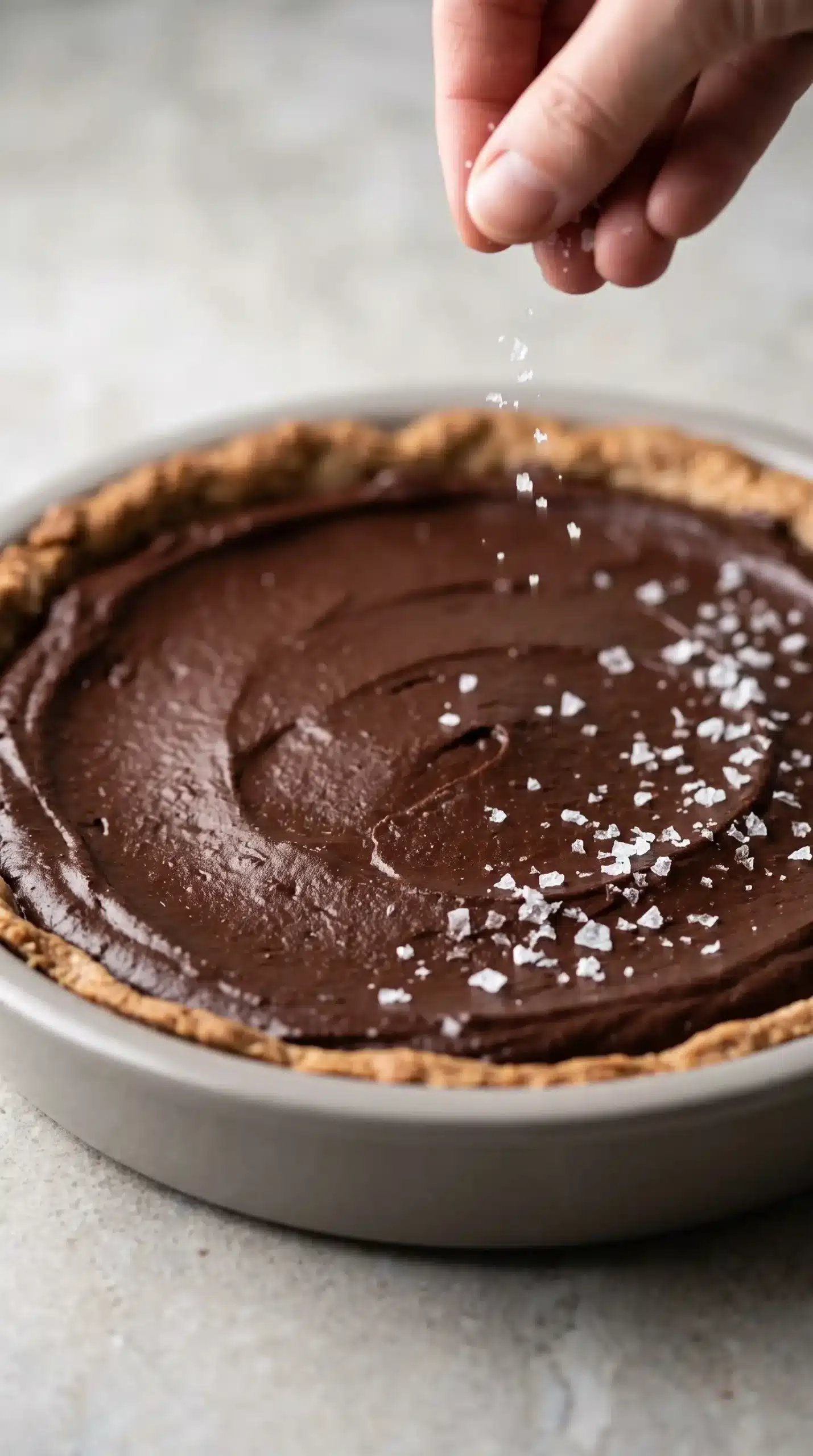
A small amount of flaky sea salt can add contrast to the sweet, rich filling. Sprinkle it over the surface after the filling has been transferred to the crust, using enough to create occasional salty notes without covering the chocolate completely.
Slicing reveals whether the filling has set properly
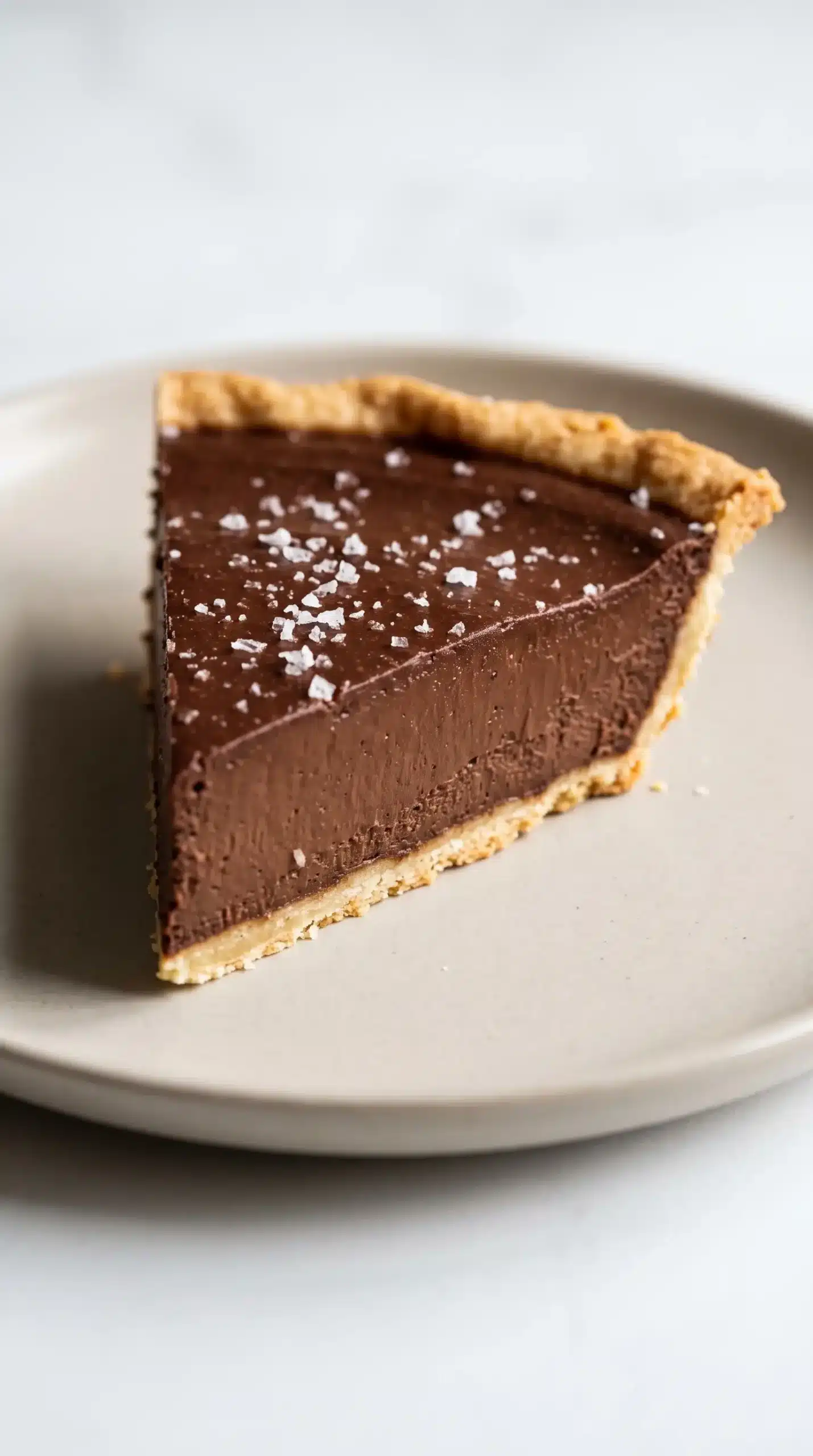
A well-chilled vegan chocolate pie should hold together when cut instead of flowing back into the space left by the knife. If the center seems unusually soft, additional chilling is the simplest adjustment because the texture is closely tied to the time the chocolate filling spends setting.
For cleaner slices, use a sharp knife and make deliberate cuts through the crust and filling. Wiping the blade between cuts can also keep the chocolate surface looking cleaner when several slices are being served.
The crust provides important structural contrast once the pie is cut. A crisp base helps each portion feel distinct, while the dense filling supplies the creamy texture that defines the dessert.
Common chocolate pie pitfalls are easy to prevent
Several problems can be traced directly to the unusually thick filling. A chocolate mixture that will not move in the blender needs scraping and brief blending intervals, not a random pour of extra liquid. A filling with visible tofu pieces indicates that the first blending stage was not sufficiently smooth before the chocolate was added.
- Visible tofu: Blend the tofu, almondmilk, and almond butter until completely smooth before adding melted chocolate.
- Stalled blender: Stop the machine, scrape down the sides with a spatula, and continue blending.
- Uneven chocolate: Make sure the chocolate chips are fully melted before incorporating them.
- Soft slices: Give the filled pie enough chilling time to firm before cutting.
Serving temperature shapes the finished bite
Cold serving conditions keep the filling firm and emphasize the contrast between the creamy chocolate center and the crust. Letting individual slices warm substantially can make the filling feel softer, so keeping the pie chilled until serving helps preserve its intended structure.
Flaky sea salt can remain visible on the surface when the pie is served, adding small bursts of contrast to the chocolate. The restrained topping also leaves the dark filling and chosen crust as the visual focus.
Storage depends on keeping the assembled pie chilled
Because the filling is built around blended tofu, plant milk, almond butter, and chocolate, the assembled pie should be kept refrigerated after preparation and between servings. Covering the pie also helps protect its surface and prevents it from picking up other refrigerator odors.
For serving later, keep the pie chilled until it is time to cut it. If the filling has softened noticeably, returning the pie to the refrigerator gives the chocolate mixture more opportunity to firm again before slicing.
Chocolate tofu pie works because texture leads the flavor
Dense chocolate, smooth silken tofu, almond butter, and a crisp crust create the defining contrast of the dessert. The most important judgment is recognizing that the filling should become thick during blending and firm further during chilling; trying to force it into a thinner consistency can work against the texture that makes each slice satisfying.
Once the filling is smooth before the chocolate goes in, the melted chocolate is fully incorporated, and the assembled pie receives enough chilling time, the result is a cohesive vegan chocolate pie with a rich center and a clear crust-to-filling contrast.
Questions about chilling, crusts, and chocolate tofu pie
Can a vegan chocolate pie be made with a store-bought crust?
Yes. A store-bought graham cracker crust can be a convenient option, but prepared pie crusts can contain dairy, so check the ingredient label if the dessert needs to be strictly vegan. Some crusts use dairy-free fats such as vegetable oil or coconut oil, while others rely on butter or other dairy ingredients.
Why does the chocolate filling become so thick in the blender?
The melted chocolate changes the consistency of the already blended tofu, almondmilk, and almond butter mixture. Once the chocolate is incorporated, the filling can become thick enough that it needs occasional help from a spatula so the blender can continue mixing it evenly.
Can regular plant milk replace chocolate almondmilk?
A plain plant milk can change the flavor balance because the supplied version uses chocolate almondmilk as part of the dessert’s chocolate profile. If making a substitution, expect a less chocolate-forward milk component and judge the finished flavor accordingly.
Is chocolate tofu pie supposed to taste strongly like tofu?
The tofu is blended with chocolate almondmilk and almond butter until smooth, then combined with melted chocolate. When the mixture is properly blended, the dominant flavor comes from the chocolate and almond components, while the tofu primarily supports the creamy structure.
Can almond butter with visible pieces be used?
A smooth almond butter is the more practical choice for this filling because it blends more evenly. A chunky variety could leave small nut pieces in the finished dessert and make the texture less uniformly creamy.
Vegan Chocolate Pie with Silken Tofu and Almond Butter
This vegan chocolate pie has a rich, creamy filling with a smooth, dense texture and deep chocolate-almond flavor. It is an easy, indulgent dessert for when you want a simple pie with a luxurious finish.
Ingredients
Method
Preparation
- Blend the tofu, chocolate almondmilk, and almond butter until the mixture is completely smooth.
- Melt the chocolate chips until fully fluid.
Filling and Chilling
- Add the melted chocolate to the blender and blend until smooth. The filling will become very thick, so pause as needed to scrape the sides with a spatula and help the mixture circulate.
- Transfer the filling into the prepared crust and smooth the surface as needed.
- Sprinkle the top lightly with flaky sea salt, if desired.
- Chill the assembled pie for 12-24 hours before cutting and serving.
Notes
For a strictly vegan pie, use dairy-free or vegan chocolate chips. Chocolate almondmilk works especially well for the flavor, and leftover milk can be enjoyed as a morning drink. For the crust, a graham cracker crust is a favorite; many store-bought versions may be vegan because they use oil instead of butter, but check the ingredients. An Oreo crust, a regular pie crust made with coconut oil, or a date and nut crust are also options.