From breakfast to dinner, from healthy meals to sweet desserts – Next Yum Recipes brings you quick, simple and tasty ideas for every occasion and every time.


 This Recipe
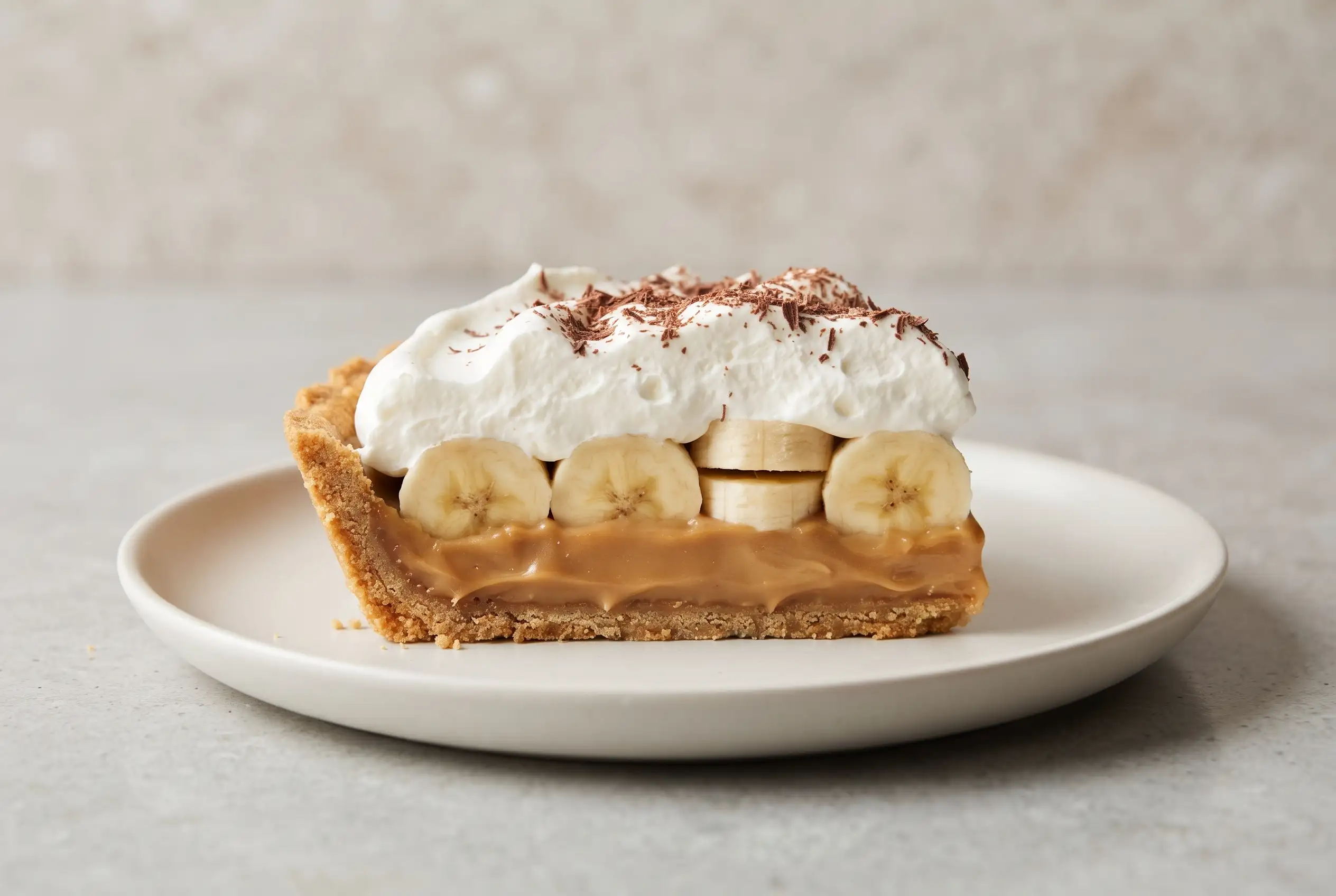
Banoffee Pie Creates a Balance of Crunch Toffee and Fresh Banana
Banoffee pie brings together a crisp graham cracker crust, smooth caramel-like toffee, ripe bananas, whipped cream, and chocolate in a dessert built around contrast. The appeal comes from the way each layer changes the texture of the next: the crust provides structure, the toffee creates richness, and the fresh topping keeps the dessert from feeling overly heavy.
Classic versions of banoffee pie are known for their combination of banana and toffee, but the preparation choices have a major effect on the finished slice. A properly set toffee layer should hold the bananas and cream while remaining soft enough to cut easily with a fork.
Many homemade banoffee pie with graham cracker crust versions focus on simplicity because the dessert does not require complicated decoration or elaborate pastry work. Attention goes toward temperature, timing, and texture so the layers stay distinct when served.
Graham Cracker Crust Gives Banoffee Pie Its Stable Base
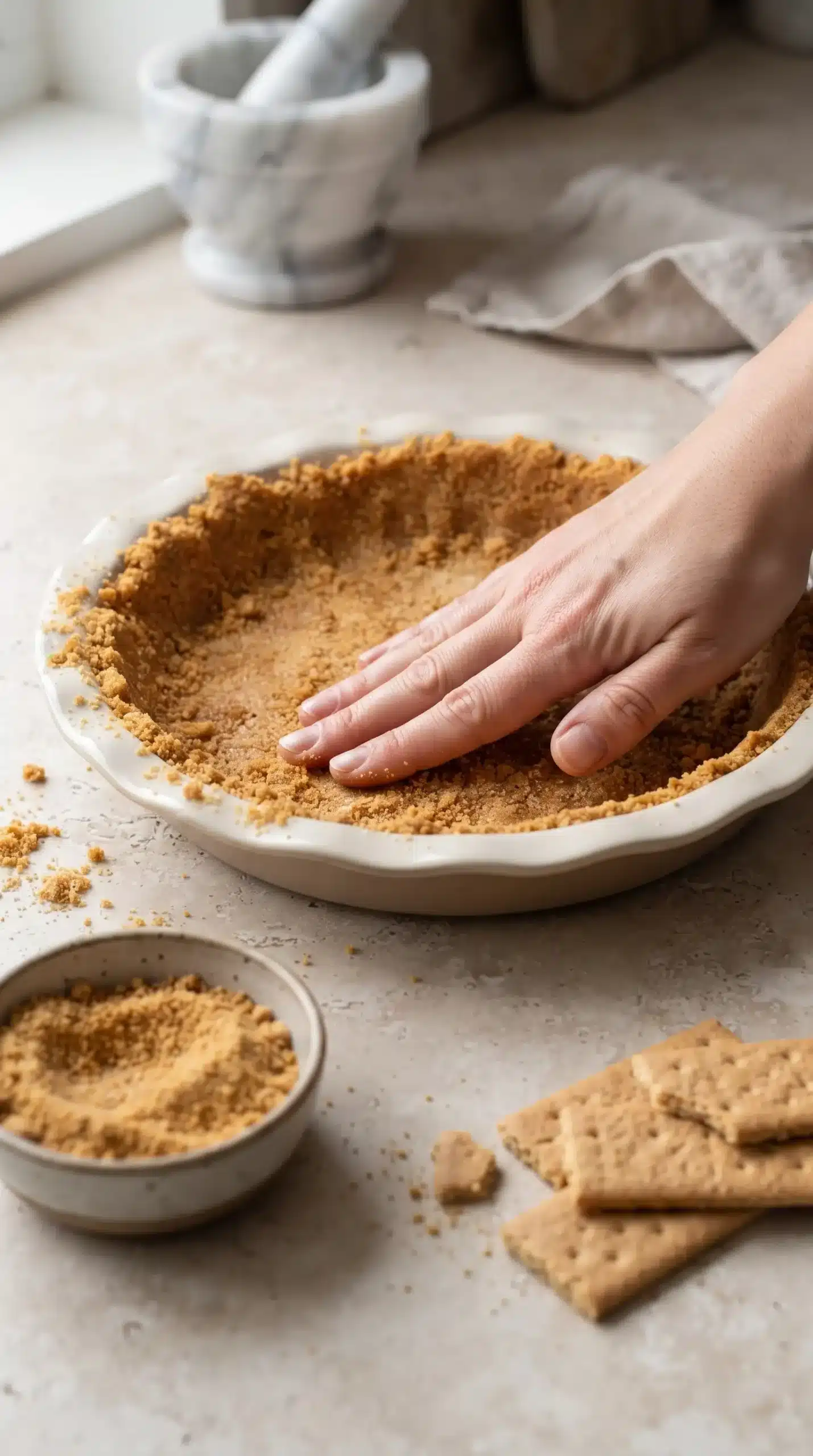
Graham cracker crust creates the foundation that supports the soft layers above it. Pressing the crumbs firmly into the pie plate helps form a sliceable base, while baking develops a firmer texture that can handle the moisture from the bananas and whipped cream.
Toffee Texture Depends on Gentle Heat Control
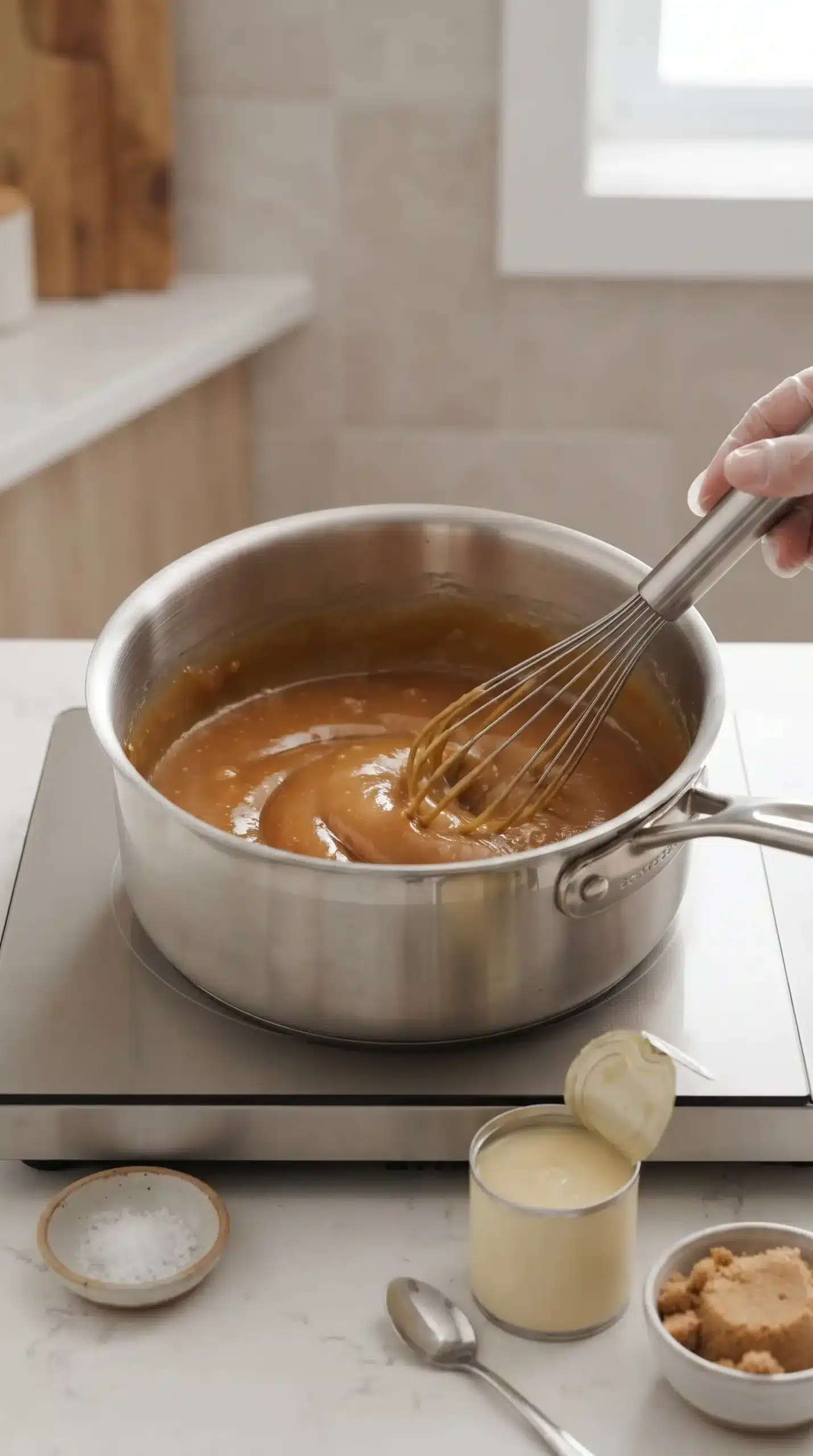
Careful heating determines whether the toffee layer becomes smooth and spoonable or turns difficult to spread. The butter and brown sugar need enough warmth to develop flavor, but excessive boiling can change the texture before the condensed milk is added.
Understanding controlled caramel heating helps explain why gentle temperatures matter when creating a smooth toffee-style filling. Sugar mixtures can develop different textures when heat changes too quickly, so steady cooking supports a more consistent result.
Experienced cooks pay close attention to visual changes during the caramel process. The mixture should darken slightly and thicken while still remaining fluid enough to pour into the cooled crust. A steady pace with frequent stirring helps the ingredients combine evenly.
Once the condensed milk joins the butter and sugar mixture, continuous stirring helps prevent uneven cooking. The thickened layer needs time to settle before the bananas and whipped cream are added, because a warm filling can soften the toppings too quickly.
Whipped Cream Finishing Choices Shape the Pie’s Balance
Freshly whipped cream gives banoffee pie a light topping that contrasts with the dense toffee underneath. Whipping the cream with sugar and vanilla until medium peaks form creates enough structure to spread across the banana layer while keeping a soft texture.
Ingredient Decisions That Improve Homemade Banoffee Pie
Ingredient selection has the greatest effect when the dessert depends on a few recognizable flavors. Ripe bananas provide sweetness and aroma, while the toffee layer supplies the deeper caramel notes that define the dessert.
Caramel-based desserts benefit from balancing rich sweetness with ingredients that add texture and structure. A firm base and a contrasting fruit element help keep the dessert from feeling too heavy, as shown in caramel apple crisp bars with their layered caramel and apple components.
Using salted butter in the crust and filling supports a balanced flavor by adding a small savory contrast to the sugar-rich layers. The graham crackers also bring a toasted character that works with the brown sugar and chocolate finish.
Several small choices can make an easy banoffee pie recipe more reliable. The following details deserve attention because they influence the way the dessert sets and tastes after assembly.
- Banana ripeness: Choose bananas that are ripe enough to be sweet but still firm enough to arrange neatly in slices.
- Toffee consistency: Look for a smooth, thickened filling that can spread without running across the crust.
- Cream texture: Stop whipping once medium peaks form so the topping stays creamy instead of becoming grainy.
Banoffee Pie Mistakes That Lead to Loose Layers or Uneven Flavor
Several common problems with banoffee pie come from rushing the cooling stages. Adding bananas or whipped cream while the toffee is still warm can cause the upper layers to soften and lose their clean appearance.
Another issue occurs when the toffee is cooked too aggressively. High heat may cause the mixture to become overly thick or develop unwanted texture changes. Gentle cooking and constant attention help preserve the smooth filling expected in a banana toffee pie with whipped cream.
Small serving problems can also appear after storage. Bananas naturally release moisture over time, and the whipped cream layer can become softer when the dessert sits overnight. Serving the pie when the textures are at their best gives each layer a clearer presence.
| Issue | What you may notice | Helpful adjustment |
|---|---|---|
| Warm toffee added too soon | Softened cream or shifting layers | Allow the filling to cool and set before topping |
| Overheated filling | Very thick or difficult-to-spread texture | Use gentler heat and keep stirring |
| Long chilled storage | Extra moisture and softer bananas | Prepare close to serving time when possible |
Banana Timing Keeps the Topping Fresh
Sliced bananas are best added after the toffee layer has cooled and set. This timing protects their texture and allows the fruit to remain visible beneath the whipped cream instead of blending into the filling.
Serving Temperature Changes the Dessert Experience
Serving temperature affects how each layer feels in every bite. A chilled banoffee pie has firmer toffee and a cooler cream topping, while a short rest at room temperature allows the filling to soften slightly for easier slicing.
Different occasions may call for different serving approaches. A pie prepared for immediate enjoyment can highlight the contrast between the fresh bananas and creamy topping, while a chilled version offers a more structured texture.
Practical handling matters after the dessert leaves the refrigerator. Letting slices sit briefly before eating can improve the texture without allowing the whipped cream to lose its shape.
Banoffee Pie Layers Work Best with Thoughtful Assembly
The order of the layers creates the signature experience of banoffee pie. A firm crust supports the rich center, bananas add freshness, and whipped cream provides a smooth finish that connects all of the flavors.
Chocolate Shavings Complete the Dessert Finish
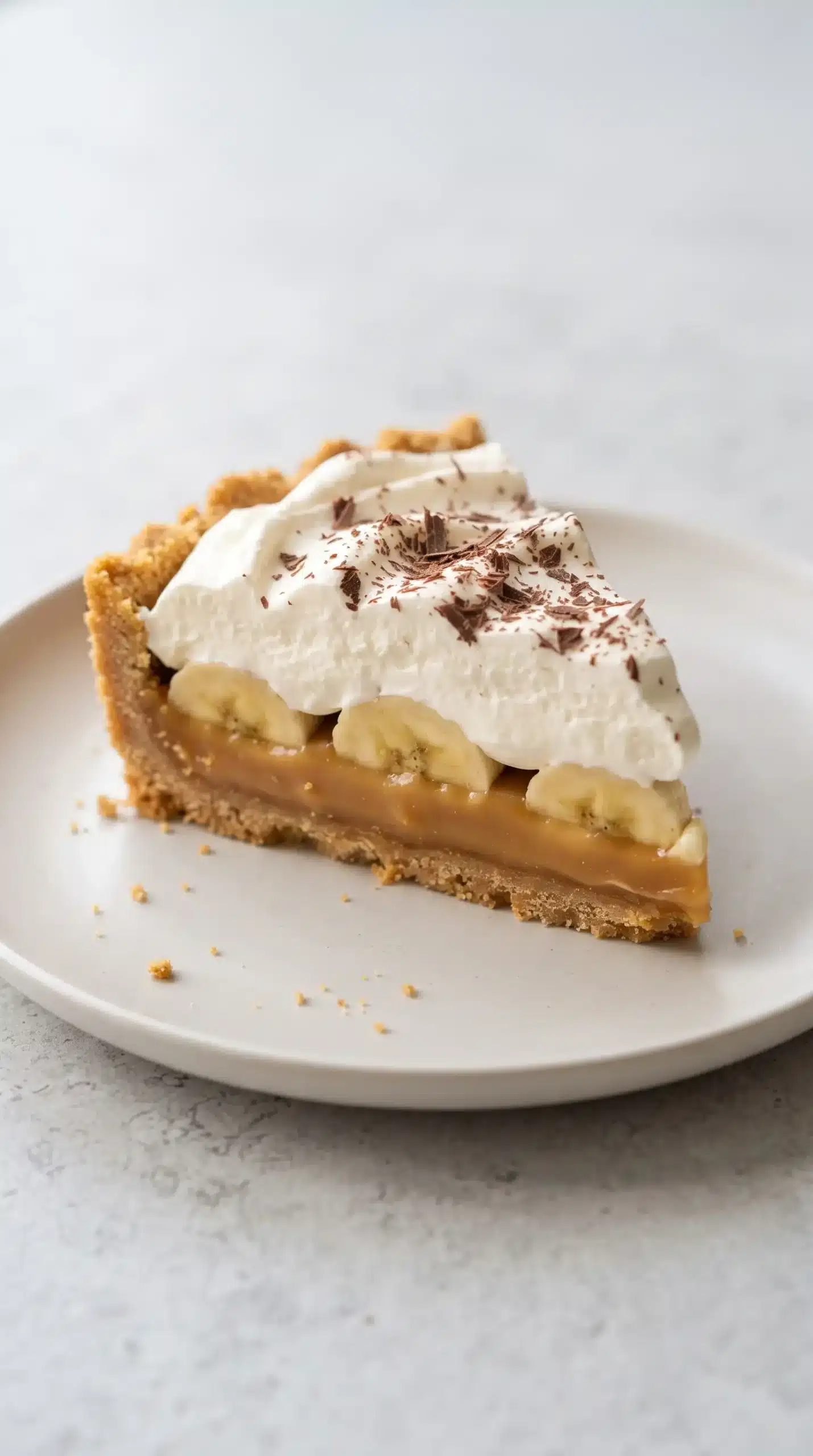
Chocolate shavings provide a simple finishing touch that complements the sweetness of the caramel and bananas. A small amount across the cream surface adds visual contrast while reinforcing the dessert’s familiar flavor combination.
Choosing a chocolate bar for shavings allows the topping to have irregular pieces instead of a uniform coating. Those small pieces create moments of deeper chocolate flavor without covering the lighter whipped cream completely.
Decorative choices should still protect the balance of the dessert. A restrained chocolate topping keeps attention on the banana and toffee layers that make banoffee pie recognizable.
Homemade Banoffee Pie with Graham Cracker Crust Fits Flexible Occasions
Homemade banoffee pie with graham cracker crust works well for gatherings because the dessert combines familiar ingredients in a presentation that feels special without requiring advanced baking skills.
Easy Banoffee Pie Recipe Details Worth Remembering
A successful banoffee pie depends on a few practical observations that are easy to carry into future preparations. The crust should feel secure, the toffee should be smooth and settled, and the toppings should be added only when the lower layers are ready.
Beyond the basic process, cooks can adjust the experience through serving choices. Some prefer a colder slice with a firmer filling, while others enjoy allowing the dessert to soften slightly before eating.
Reliable results come from respecting the personality of each layer. The crust needs stability, the toffee needs careful heat, the bananas need thoughtful timing, and the cream needs gentle handling.
Banoffee Pie Reaches Its Best Texture Through Layer Control
Banoffee pie becomes memorable when the soft and firm elements meet at the right moment. The cooled toffee creates the connection between the crisp crust and fresh banana slices, while whipped cream and chocolate provide the finishing contrast that completes the dessert.
The most important cooking judgment is knowing when each layer is ready for the next one. Allowing the filling to settle before adding delicate toppings protects the structure and keeps every serving recognizable from the first bite.
Banoffee Pie Storage Questions and Answers
Can banoffee pie be prepared ahead of serving time?
Banoffee pie can be prepared in advance, but the freshest texture usually comes from assembling it close to when it will be served. Longer storage can make the bananas softer and introduce extra moisture into the whipped cream layer.
Why did my toffee layer stay too loose?
A loose toffee layer may need more time to cool and set before the toppings are added. The filling should become thicker and feel settled before the bananas and cream go on top.
Can the graham cracker crust be changed?
A graham cracker crust works especially well because it provides a crisp base with a lightly sweet flavor, but similar crumb crusts can be considered if they offer enough structure to support the soft filling.
How should leftover banoffee pie be stored?
Leftover banoffee pie is best kept chilled and covered to protect the whipped cream and other layers. The texture may become softer over time as the fruit releases moisture.
What makes banoffee pie different from other cream pies?
The defining feature of banoffee pie is the combination of banana and toffee layered together beneath whipped cream. That pairing creates a richer caramel character than many fruit-based cream desserts.
Banoffee Pie with Graham Cracker Crust and Toffee Layer
Banoffee pie is a creamy dessert with a crisp graham cracker crust, smooth toffee layer, fresh bananas, whipped cream, and chocolate shavings. This easy homemade pie is perfect for gatherings when you want a rich, layered dessert with contrasting textures.
Ingredients
Method
Baking
- Preheat the oven to 350°F / 175°C. Combine the crust ingredients and press the mixture evenly into a 9-inch pie plate. Bake the crust for 10 minutes.
Cooking
- Melt the butter and brown sugar together in a heavy-bottomed saucepan over low to medium heat. Cook gently for 5 minutes while stirring continuously, allowing the mixture to lightly bubble without reaching a full boil.
- Add the sweetened condensed milk and whisk or stir until combined. Bring the mixture to a gentle boil and continue stirring for 3-4 minutes until the filling darkens slightly and thickens.
Chilling
- Pour the thickened toffee filling into the cooled crust. Leave it at room temperature for 1-2 hours until the layer is cooled and dry to the touch. If needed, refrigerate for a few hours until set.
Topping
- Whip the heavy cream with the sugar and vanilla using an electric mixer until medium peaks form.
- Arrange the sliced bananas in a single layer over the set toffee. Spread the whipped cream over the bananas and finish with chocolate shavings.
Serving
- Serve immediately at room temperature, or chill the pie for a few hours before serving. If chilled, allow it to rest on the counter for 15-30 minutes before serving.
Notes
This pie is best enjoyed cold, but storing it in the refrigerator overnight can make the texture wetter and the bananas may soften and brown slightly. For the freshest result, prepare it and serve it the same day, then enjoy any remaining slices the following day. If small browned bits appear in the caramel layer from butter and brown sugar, they are harmless and can still taste delicious.