From breakfast to dinner, from healthy meals to sweet desserts – Next Yum Recipes brings you quick, simple and tasty ideas for every occasion and every time.


 This Recipe
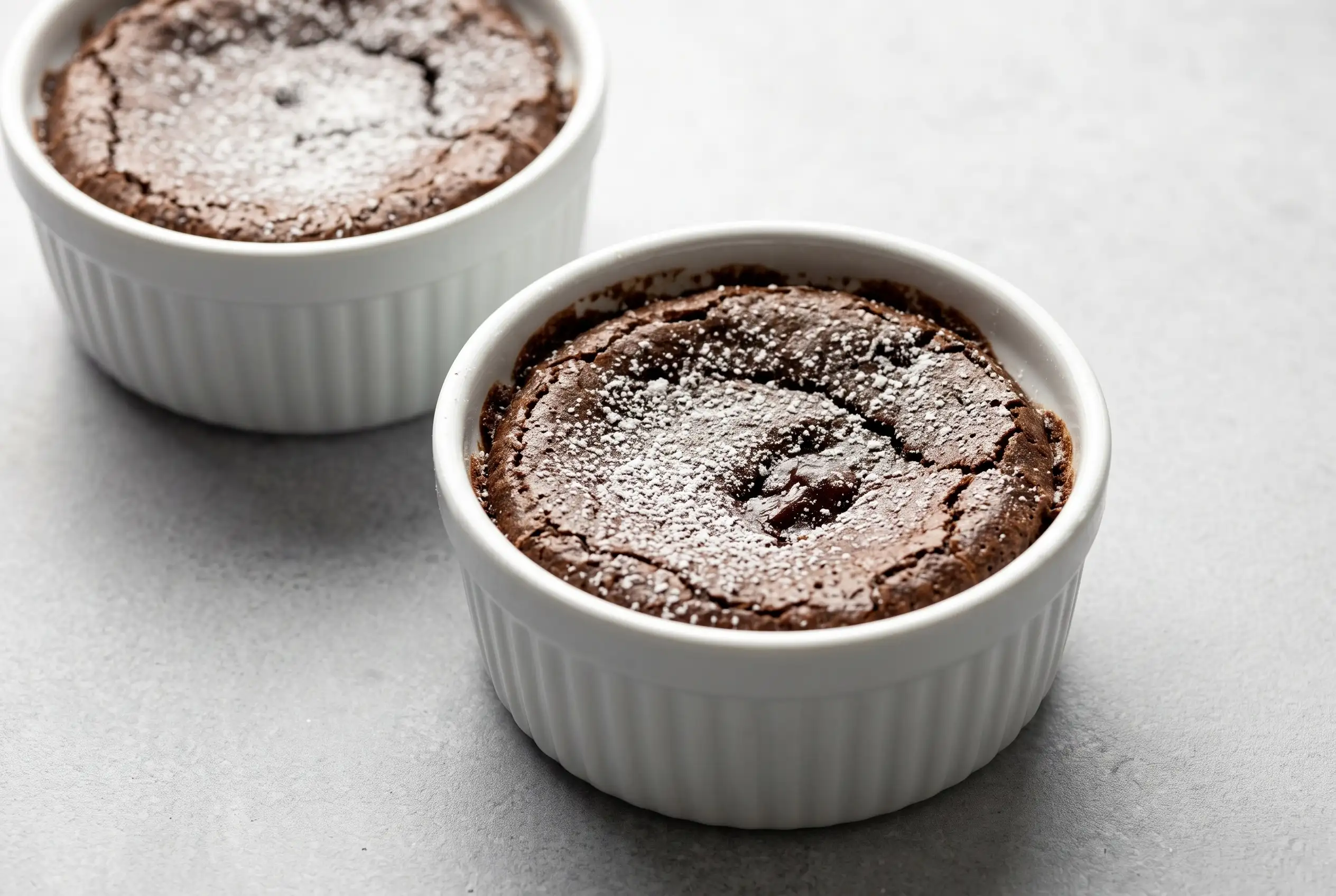
Brownie pudding is the kind of chocolate dessert that looks simple on the surface but depends on a few small choices for its signature texture. The batter starts with an egg and sugar whipped until unusually light, then cocoa powder and flour are mixed in before melted salted butter is folded through. A gentle water bath helps the dessert bake evenly, leaving the top set while the center stays soft and pudding-like.
Brownie pudding for two also has an appealing built-in portion size. Two small ramekins give each serving its own soft center and lightly crackled top, with no need to cut or portion a larger dessert. A little powdered sugar at the end keeps the presentation simple and lets the deep chocolate color remain the focus.
Whipped egg and sugar set the texture
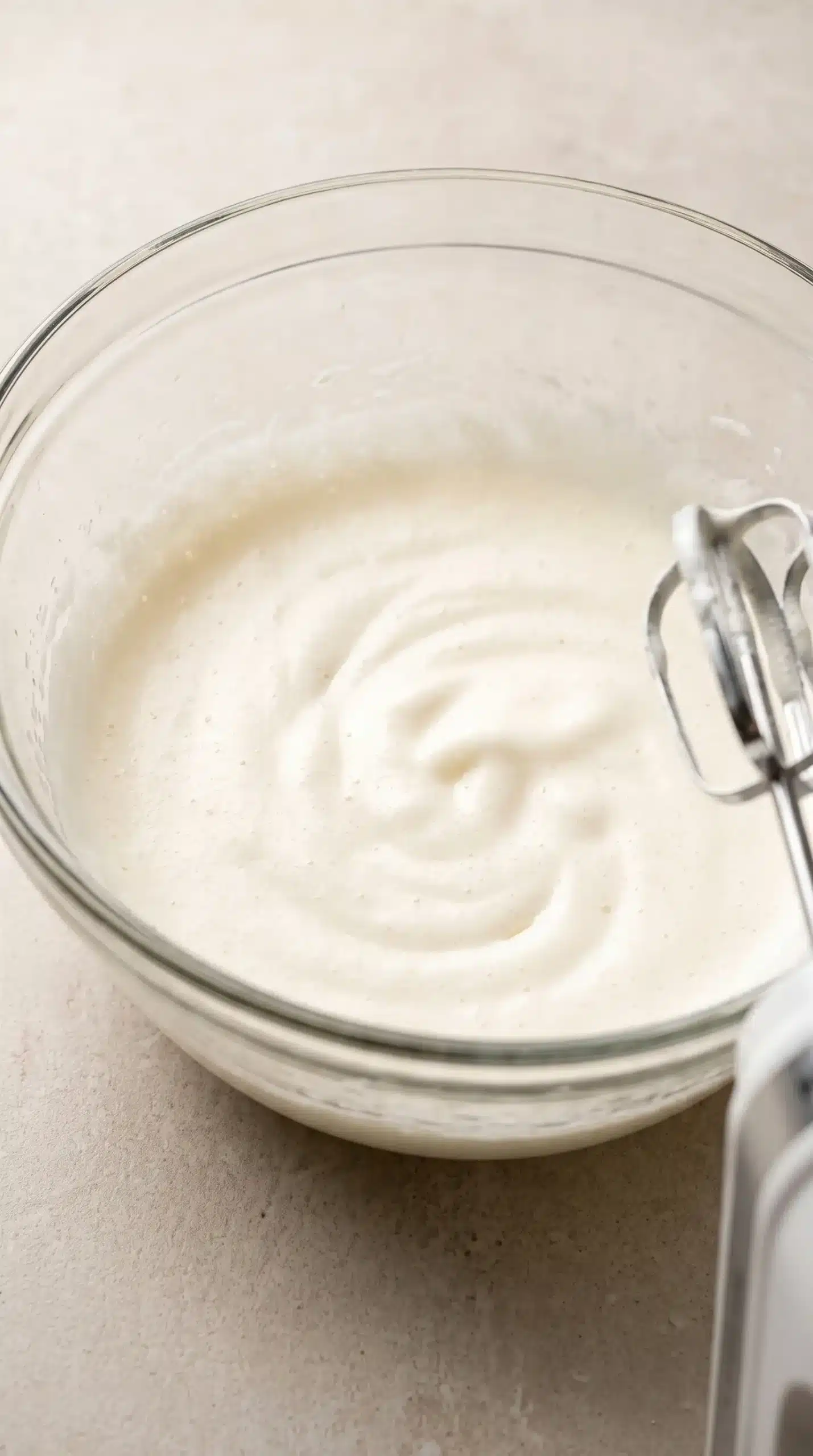
The two-minute beating period deserves attention because the egg and sugar are not simply being blended. The mixture needs to become very light and fluffy before the cocoa powder and flour go in. That aeration helps create the particular contrast between a set surface and a soft interior that makes brownie pudding different from an ordinary dense brownie.
Once the dry ingredients are added, mixing should stop as soon as they are incorporated. Extended mixing can work the flour more than necessary and make the batter less delicate. The melted butter is folded in afterward with a spatula, giving the batter a smooth finish without undoing the texture created during the initial whipping.
Cocoa, flour, and salted butter need balanced handling
Cocoa powder brings concentrated chocolate flavor without adding the moisture that would come from melted chocolate. The relatively small amount of flour gives the batter enough structure to set around the edges while still allowing the middle to remain gooey after baking. Salted butter contributes both richness and seasoning, so there is no need to add another source of salt.
For a concentrated chocolate base, use unsweetened cocoa powder and measure it carefully so the dry ingredients stay balanced; a recipe such as espresso brownies with cocoa powder uses cocoa as a central part of its chocolate batter.
- Beat thoroughly: Let the egg and sugar become visibly pale and fluffy before adding the dry ingredients.
- Mix briefly: Once cocoa powder and flour disappear into the batter, stop mixing and move to folding.
- Fold gently: Incorporate the melted butter with a spatula until no obvious streaks remain.
Vanilla bean paste or vanilla extract can be used according to what is available. Either fits the chocolate batter without changing the basic structure of the dessert.
A water bath keeps the small ramekins gentle
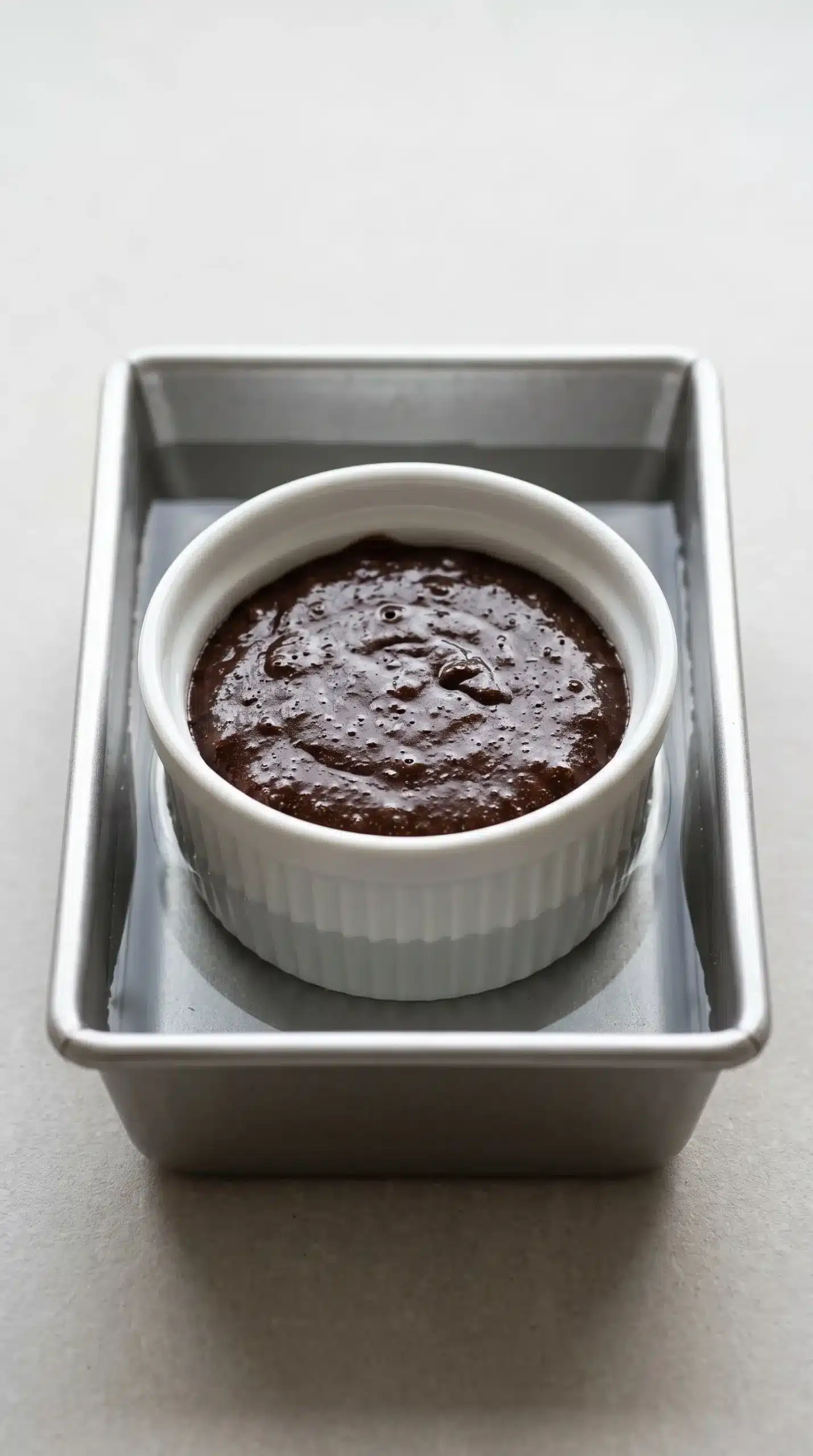
Placing the ramekins inside a loaf pan and surrounding them with water creates a gentler, more even baking environment. The water reaches halfway up the sides of the ramekins, helping moderate the heat around the individual portions as they bake.
Care matters when adding the water. It should go into the outer pan without splashing into the chocolate batter. Keeping the ramekins upright and filling the surrounding pan afterward makes that easier to control.
Eight-ounce ramekins give the batter room to settle
The specified ramekin size provides enough space for the batter to bake without crowding the vessel. Dividing the mixture evenly between two ramekins also helps the portions reach a similar level of doneness, which matters when the desired center is intentionally soft.
Smaller ramekins can be used when making more portions, but their reduced depth changes the baking behavior. They can cook faster, so the shorter baking range becomes important when adapting the quantity to three or four smaller servings.
Look for a set top with a soft center
Visual cues are more useful here than relying on firmness alone. Around the baking time, the surface should appear set while the dessert beneath it remains softer. If the top still looks noticeably unset, a few additional minutes can help it reach the right stage.
| Surface appearance | Likely texture | Useful adjustment |
|---|---|---|
| Top appears set | Soft, pudding-like center | Remove and proceed with cooling |
| Top still looks clearly unset | Very loose interior | Continue baking for 2 to 5 minutes |
| Smaller ramekins bake quickly | Center can firm sooner | Begin checking around 20 to 25 minutes |
Less baking produces a more pronounced gooey brownie pudding texture, while additional time moves the dessert toward a firmer center. The useful target is the point where the top has enough structure to support a spoon while the middle retains its softness.
Butter folding preserves the batter’s delicate structure
Melted butter is incorporated after the cocoa powder and flour have been mixed in. Folding it with a spatula keeps the handling controlled and avoids turning the batter into a heavily worked mixture. The motion only needs to continue until the butter has disappeared into the chocolate batter.
Gentle cooling protects the baked texture
After baking, the ramekins are removed from the water bath with tongs and transferred to a cooling rack. A short cooling period allows the hot dessert to settle while preserving the contrast between its set surface and soft middle.
The water bath remains hot after the oven is turned off, so leaving the ramekins sitting in it would continue exposing the dessert to heat. Moving them out promptly gives the baking process a cleaner stopping point.
Powdered sugar adds a clean finishing touch
Powdered sugar is best added after the ramekins have cooled briefly. A light dusting gives the dark chocolate surface a simple finish without covering the crackled top that makes the dessert especially appealing.
Brownie pudding mistakes that change the center
Several errors can shift the texture away from the soft center that defines this dessert. Most are easy to prevent when the visual cues are treated as part of the cooking process.
- Under-whipped egg mixture: If the egg and sugar are not beaten until very light and fluffy, the baked texture may lose some of its intended lift and delicacy. Give the mixture the full beating time called for before adding the dry ingredients.
- Overmixing after flour: Continuing to beat once the cocoa powder and flour are combined can make the batter more heavily worked. Stop mixing promptly and fold in the butter.
- Water in the ramekins: Splashing water into the batter changes the mixture and can interfere with baking. Pour slowly into the surrounding loaf pan instead.
- Baking past the soft stage: Extra oven time makes the center firmer. Check the surface and remember that a slightly underdone-looking middle is part of the intended texture.
Small-portion baking changes the timing
When the batter is divided among smaller ramekins, the reduced volume in each vessel allows heat to reach the center more quickly. That is why a shorter baking window is appropriate for three or four smaller portions.
Portion size should therefore be considered alongside appearance when deciding when to remove the dessert. A timing copied directly from the larger ramekin arrangement may leave smaller servings more set than intended.
A spoon reveals the texture better than a slice
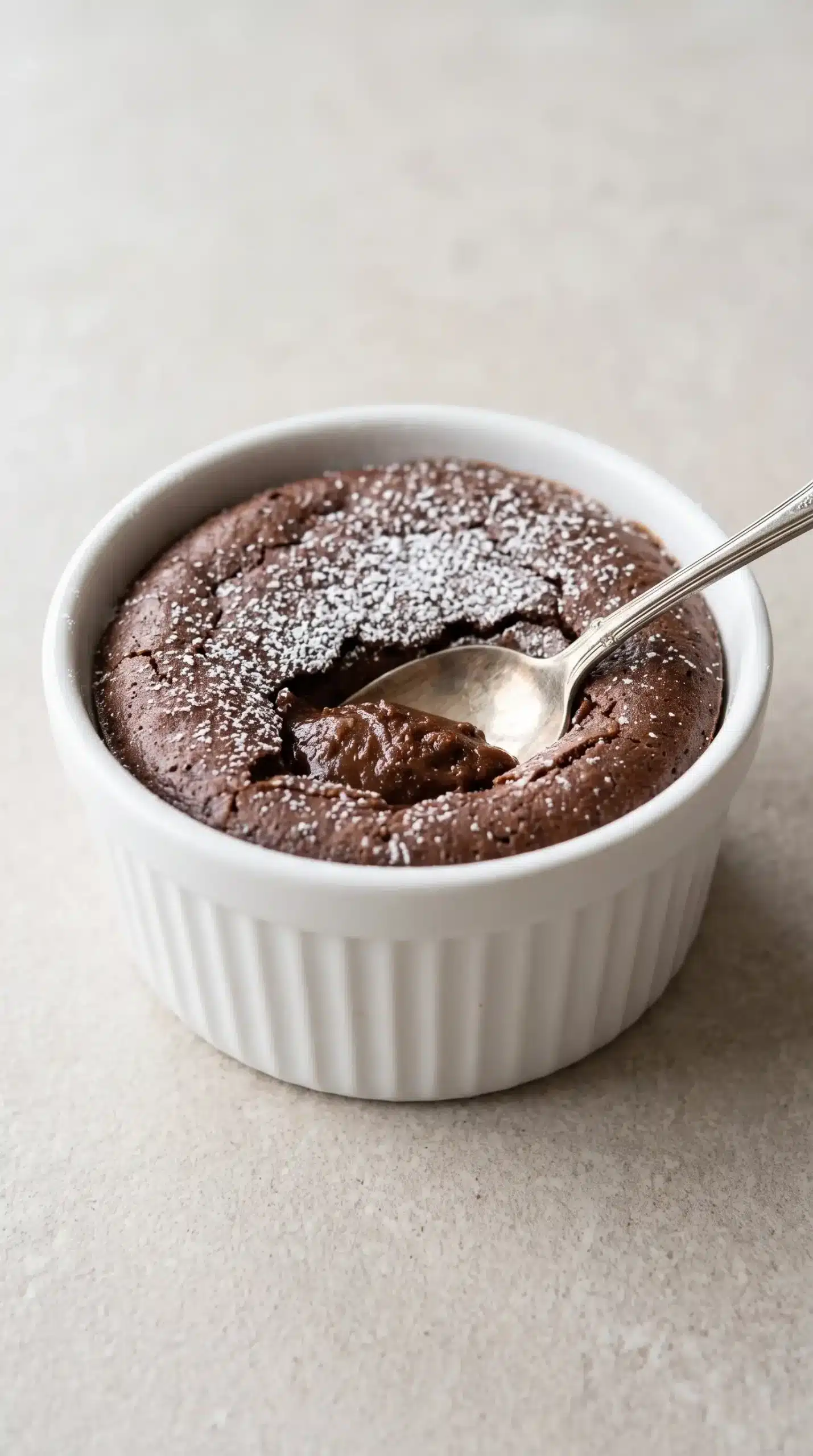
Brownie pudding is designed to be eaten directly from its ramekin, where the spoon can pass through the lightly set top into the softer chocolate beneath. The subtle crackle at the surface gives way to a moist center, making the contrast part of the experience.
Serving from the ramekin also avoids disturbing the structure while it is still warm. There is no need to turn the dessert out or attempt to cut clean pieces; the individual vessel is part of the presentation.
Gooey brownie pudding depends on the stopping point
The most important judgment comes near the end of baking. A set-looking surface does not mean the center should feel firm. Removing the ramekins when the top has taken shape but the interior remains soft preserves the defining pudding-like quality.
For a more firmly baked dessert, the oven can stay involved for a little longer. For maximum gooeyness, the shorter bake is preferable as long as the surface has reached the needed set appearance.
Soft centers make this brownie pudding for two work
Chocolate batter, whipped egg and sugar, and a controlled water bath come together to create the characteristic contrast: a delicate top surrounding a warm, soft center. The dessert succeeds when baking is stopped according to appearance and desired texture instead of treating the listed time as an inflexible endpoint.
Once the ramekins have rested briefly outside the water bath, powdered sugar and a spoon are all that are needed. The set surface gives way to the gooey middle, keeping the small dessert focused on the texture created in the oven.
Brownie pudding texture and baking questions
Why is the center of my brownie pudding still gooey?
A gooey center is expected when the dessert is removed once the top appears set. The interior continues to settle as it cools, but it should remain soft enough to give easily to a spoon. If the surface itself still looks clearly unset, continue baking for a few additional minutes.
Can I make brownie pudding in smaller ramekins?
Yes. Smaller ramekins work for making three or four servings, but they bake more quickly because each portion is shallower. Start checking them around 20 to 25 minutes so the centers do not become firmer than intended.
Why do I need a water bath for baked brownie pudding?
The water surrounding the ramekins creates a gentler baking environment and helps the small portions cook more evenly. Keeping the water halfway up the ramekin sides provides that controlled heat without putting water into the batter.
What happens if I bake the brownie pudding longer?
Additional baking time moves the texture from very gooey toward firmer and more set. If the top needs only a little more structure, extending the bake by 2 to 5 minutes gives you a simple way to adjust the center without changing the batter.
Can I use vanilla extract instead of vanilla bean paste?
Yes. Vanilla extract can replace the vanilla bean paste in the same stated quantity, so the choice can be based on what you have available without changing the rest of the preparation.
Brownie Pudding for Two with Cocoa Powder and Salted Butter
Brownie pudding for two is a rich chocolate dessert with a lightly set top and soft, gooey center. It is an easy, small-batch treat when you want an indulgent dessert without making a full-sized batch.
Ingredients
Method
Preparation
- Preheat the oven to 325°F (163°C).
- Using an electric mixer, beat the egg and sugar for about 2 minutes, until the mixture is very light and fluffy.
- Add the vanilla bean paste, cocoa powder, and flour, then mix only until the ingredients are combined.
- Fold in the melted butter with a spatula, stopping as soon as it is fully incorporated.
- Divide the batter evenly between two 8-ounce ramekins. Set the ramekins inside a 5×7 loaf pan, then carefully add water to the loaf pan until it reaches halfway up the ramekin sides, keeping the water out of the ramekins.
Baking
- Bake for 30 minutes, until the tops appear set. If the tops still look clearly unset, continue baking for 2 to 5 minutes; a shorter bake will leave the centers more gooey.
Serving
- Remove the pan from the oven. Use tongs to carefully lift the ramekins from the water bath and place them on a cooling rack for 5 minutes.
- Dust the tops with powdered sugar and serve directly from the ramekins.
Notes
If making 3 to 4 servings in smaller ramekins, adjust the baking time to about 20 to 25 minutes because the smaller portions will bake faster.