From breakfast to dinner, from healthy meals to sweet desserts – Next Yum Recipes brings you quick, simple and tasty ideas for every occasion and every time.


 This Recipe
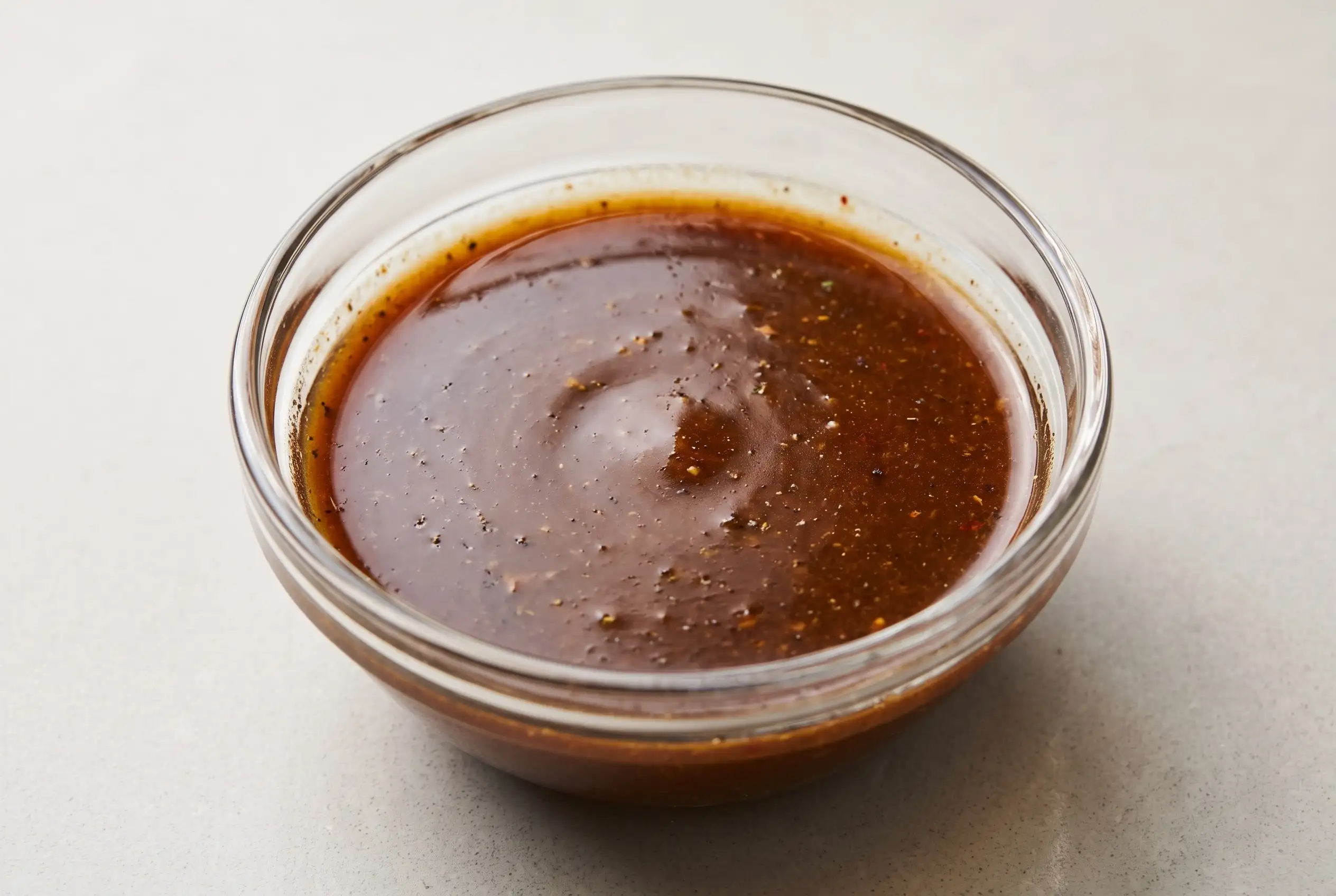
The Everything Marinade combines maple syrup, soy sauce, olive oil, balsamic vinegar, smoked paprika, cumin, and savory seasonings into a bold mixture that works especially well with chicken, pork, tofu, mushrooms, and vegetables. Its usefulness comes from balance: salt and sweetness encourage a deeply seasoned surface, vinegar keeps the flavor lively, and oil helps the mixture spread over food instead of collecting only at the bottom of a container.
Unlike a thin acidic marinade, the everything marinade becomes slightly clingy because maple syrup and soy sauce make up a substantial part of the mixture. That character is valuable during cooking, but it also means heat and surface moisture deserve attention. Food that enters a hot pan dripping wet can steam before it browns, while excessive heat can darken the maple-rich coating before the center is ready.
Sweet, Salty, Tangy Flavors Stay in Balance
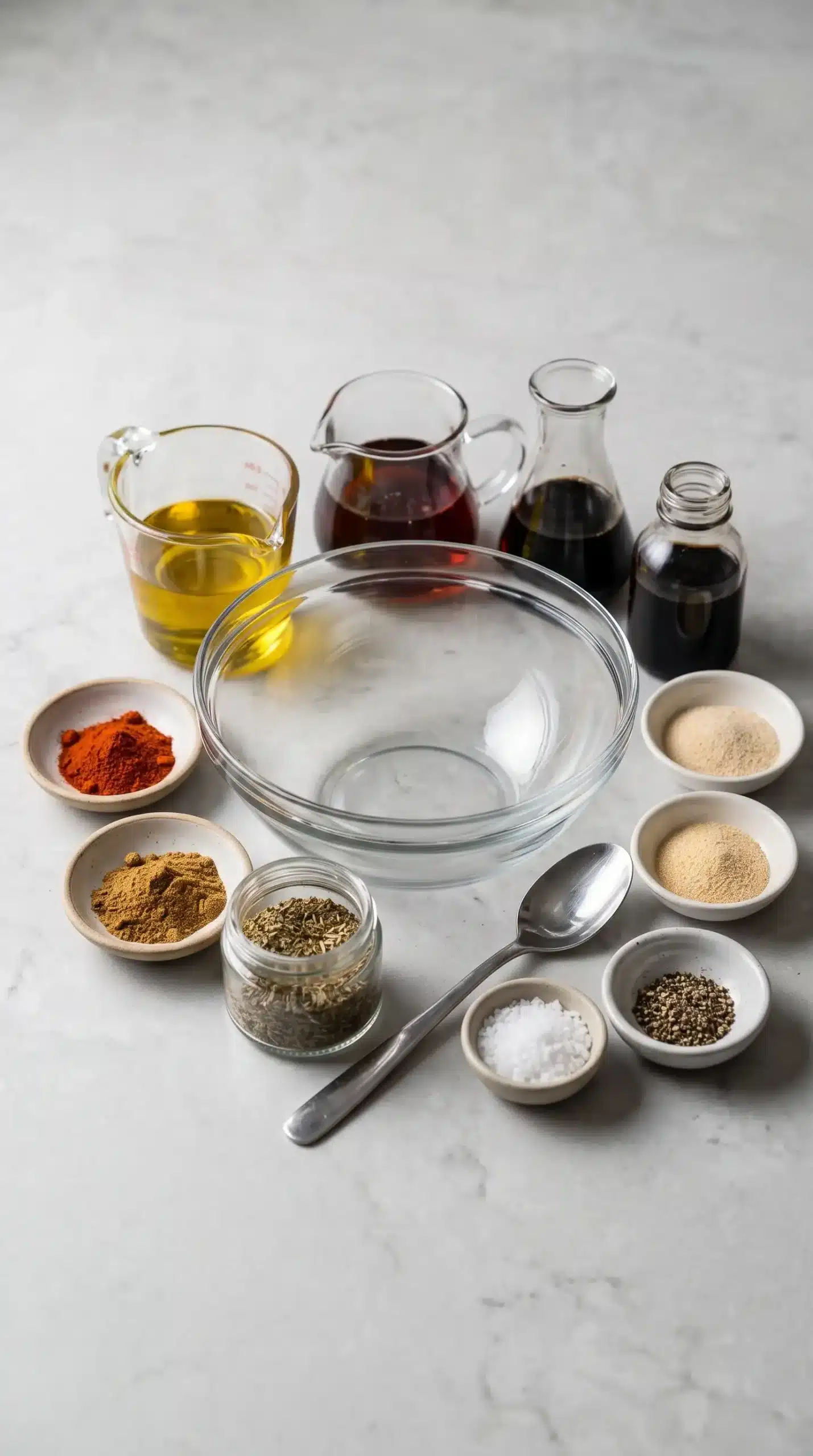
Maple syrup and soy sauce create the strongest first impression, but neither should dominate once the marinade reaches food. Soy sauce supplies concentrated seasoning while maple syrup softens that intensity and promotes a sticky finish as the exterior cooks. Balsamic vinegar contributes enough acidity to keep those richer flavors from tasting flat.
Smoked paprika and cumin deepen the savory profile without pushing the mixture firmly into one cuisine. Italian seasoning, onion powder, and garlic powder broaden that background further. As a result, the blend functions as an all purpose marinade for foods that can handle a sweet-savory coating and a warm, lightly smoky finish.
Because saltiness varies among soy sauces, extra salt is best treated as an adjustment instead of an automatic addition. Taste the freshly mixed marinade before raw meat or other uncooked food enters it, then decide whether additional seasoning is necessary. That small check protects the balance that makes the mixture adaptable.
Maple Syrup and Soy Sauce Control the Marinade’s Body
A maple soy marinade behaves differently from a mixture built mostly from oil and citrus juice. Maple syrup increases viscosity, soy sauce adds dissolved seasoning, and balsamic vinegar contributes both acidity and its own mild sweetness. Together they create a coating that adheres readily, so only a light film needs to remain on food before it reaches a hot cooking surface.
Complete Mixing Prevents Uneven Seasoning
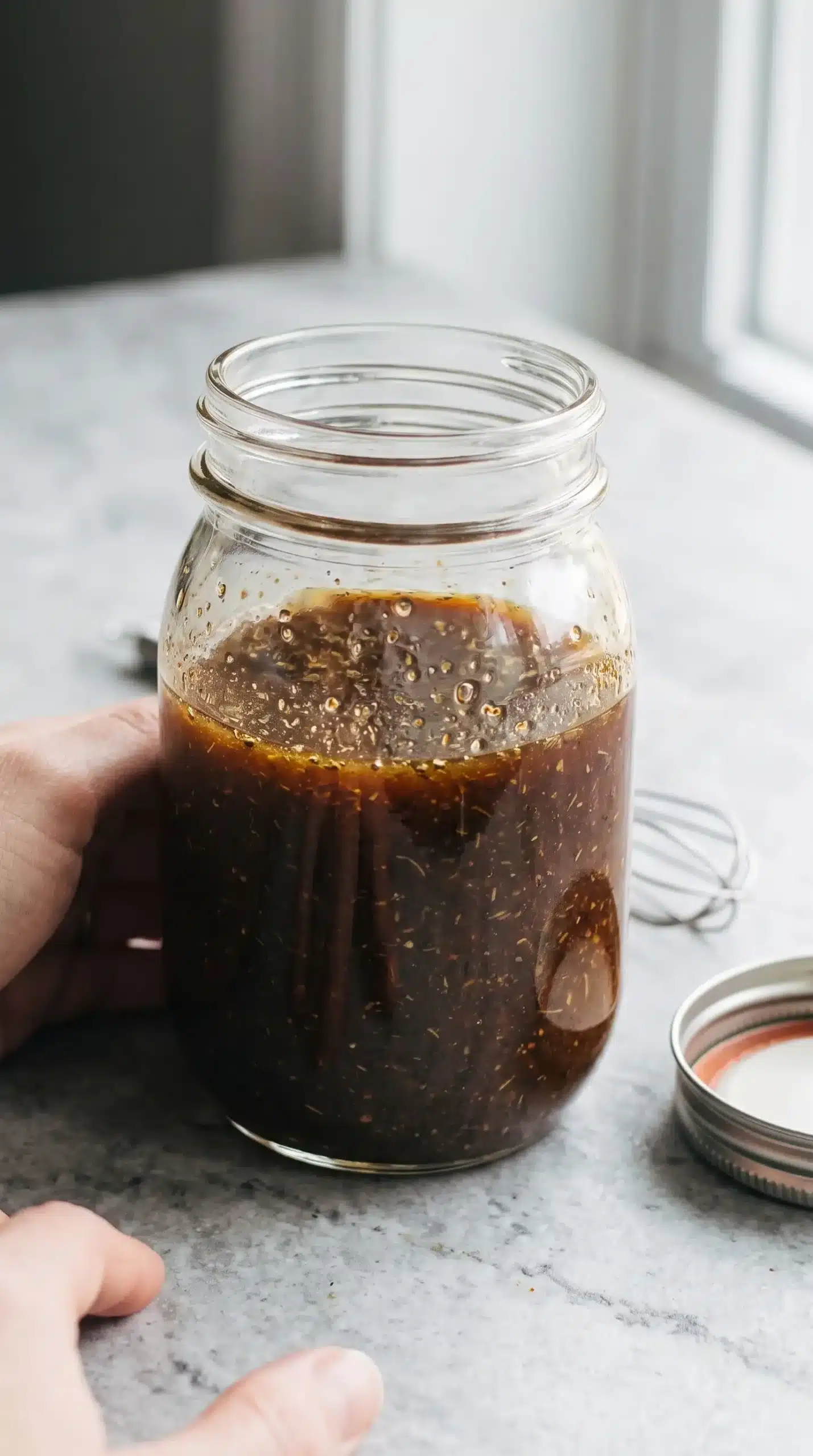
Thorough blending matters because oil naturally separates from the water-based soy sauce and vinegar. A vigorous whisk temporarily disperses the oil through the mixture, helping each portion carry a more representative balance of seasoning instead of delivering mostly oil from one pour and concentrated soy-maple liquid from another.
Shaking in a tightly closed jar is particularly convenient when the marinade will be stored before use. Give the container another strong shake immediately before pouring because separation during rest is normal and does not indicate a problem.
Once food has been coated, turn or reposition larger pieces so the mixture reaches as much surface area as practical. Complete submersion is unnecessary when a container or sealed bag keeps the marinade in close contact with the food.
Different Foods Need Different Marinade Handling
Chicken, pork, tofu, portobello caps, and vegetables do not absorb or retain the mixture in identical ways. Their structure and water content change how much marinade stays on the exterior and how quickly browning begins, so the same bowl of marinade benefits from slightly different handling depending on what goes into it.
| Food | Best handling focus | Cooking consideration |
|---|---|---|
| Chicken thighs | Coat all exposed surfaces evenly | Remove heavy excess before browning |
| Pork chops | Keep both sides in contact with the marinade | Use moderate heat as the maple coating colors |
| Extra-firm tofu | Press out excess water before marinating | Allow the surface to brown before turning |
| Portobello caps | Use enough marinade to coat without saturating | Cook until browned and juicy, not waterlogged |
| Vegetables | Toss until lightly and evenly covered | Leave space for roasting, grilling, or sautéing |
Beef is less naturally suited to the supplied flavor balance. A sweeter maple-soy profile can compete with the straightforward savory character many beef preparations emphasize, while pork, poultry, tofu, and mushrooms provide a more compatible base for the seasoning combination.
Chicken and Pork Reward Controlled Browning
Dark-meat chicken is especially forgiving with this mixture because its richer texture stands up to the soy, maple, balsamic, and spice combination. Before pan-frying or baking, let excess marinade drip away so the exterior can make direct contact with the hot surface. A thin coating will caramelize more predictably than a puddle surrounding the meat.
Pork chops benefit from the same restraint. Sugars on the exterior can move from browned to overly dark quickly, particularly in a very hot skillet. Moderate heat gives the coating time to develop color while the meat cooks through more evenly.
After cooking, sliced or chopped chicken can carry the flavor into salads, grain bowls, wraps, or other dishes without requiring an additional heavy sauce. That versatility is one reason the blend works well as a marinade for chicken pork and tofu despite the different textures involved.
Pressed Tofu Holds the Seasoning More Effectively
Extra-firm tofu performs best when excess water is removed before it meets the marinade. Pressing creates a drier exterior and reduces dilution, while leaving the block intact during a longer rest limits the number of delicate cut surfaces that can break apart during handling. Cubing afterward gives plenty of edges to brown in a skillet. For sheet pan BBQ tofu, pressing before marinating helps the coating stay concentrated on the tofu and supports browning alongside the vegetables.
Portobello Caps Need Restraint, Not Saturation
Portobello mushrooms readily hold liquid, so more marinade is not automatically better. An even coating gives the surface access to the sweet, salty, smoky mixture while preserving the mushroom’s substantial texture.
During cooking, allow released moisture to escape instead of crowding several caps tightly together. Good contact with a grill or skillet encourages browned edges and concentrates the coating as the mushroom softens.
Near the end of cooking, the surface should look glossy and well colored without sitting in excess liquid. That combination produces the sticky, savory character that suits portobellos especially well.
Vegetables Need Space After Marinating
Firm vegetables can be tossed with the everything marinade shortly before roasting, grilling, or sautéing, but generous pan space remains important. Crowded vegetables release steam, which slows browning and leaves the sweetened coating wetter than intended. A light, even film combined with good airflow gives the mixture a better chance to cling and caramelize.
Common Everything Marinade Mistakes to Avoid
Most problems come from concentration, moisture, or heat instead of the seasoning formula itself. The maple-rich mixture is forgiving when used as a coating, yet it becomes less predictable when food enters the pan excessively wet or when the cooking temperature is pushed too aggressively.
- Adding salt automatically: Taste the mixed marinade first because soy sauce already carries substantial seasoning.
- Leaving food dripping wet: Let heavy excess fall away before high-heat cooking so the surface can brown instead of simmering in liquid.
- Using maximum heat: Maple syrup encourages fast coloration, so moderate heat offers better control.
- Skipping another shake: Recombine a stored batch before pouring because oil separation is expected.
- Overloading mushrooms: Coat portobellos evenly without soaking them in more liquid than their surface needs.
If a skillet begins filling with watery marinade, increase exposed surface area instead of immediately increasing the heat. Moving pieces apart or cooking in batches helps moisture evaporate while reducing the risk of scorching the sugary coating.
When browning develops too quickly, lowering the burner is the most useful correction. The darkened exterior does not need additional sweetness or more marinade; it needs enough temperature control for the food underneath to finish cooking properly.
Reserved Marinade Must Stay Separate From Raw Food
Any portion intended for brushing during cooking should be set aside before raw chicken, pork, or other uncooked proteins enter the mixture. For a clean finishing sauce, reserve a portion before adding raw meat. Once marinade has contacted raw meat, it should not be treated as a clean finishing sauce unless it is handled separately according to safe reuse practices.
Make-Ahead Marinade Needs a Quick Remix
A prepared batch can be mixed ahead and refrigerated in a tightly covered container, which is useful when several foods will be marinated separately. Expect visible separation as the oil rises because the mixture contains no permanent emulsifier.
Before using a chilled batch, shake or whisk until the liquid looks evenly blended again. Maple syrup may also seem thicker when cold, so thorough agitation helps restore an even consistency for pouring and coating.
For leftovers that never contacted raw food, use a clean utensil each time the container is opened. Discard any portion with questionable handling or contamination instead of trying to recover it through later cooking.
The Best Everything Marinade Results Come From a Thin, Even Coating
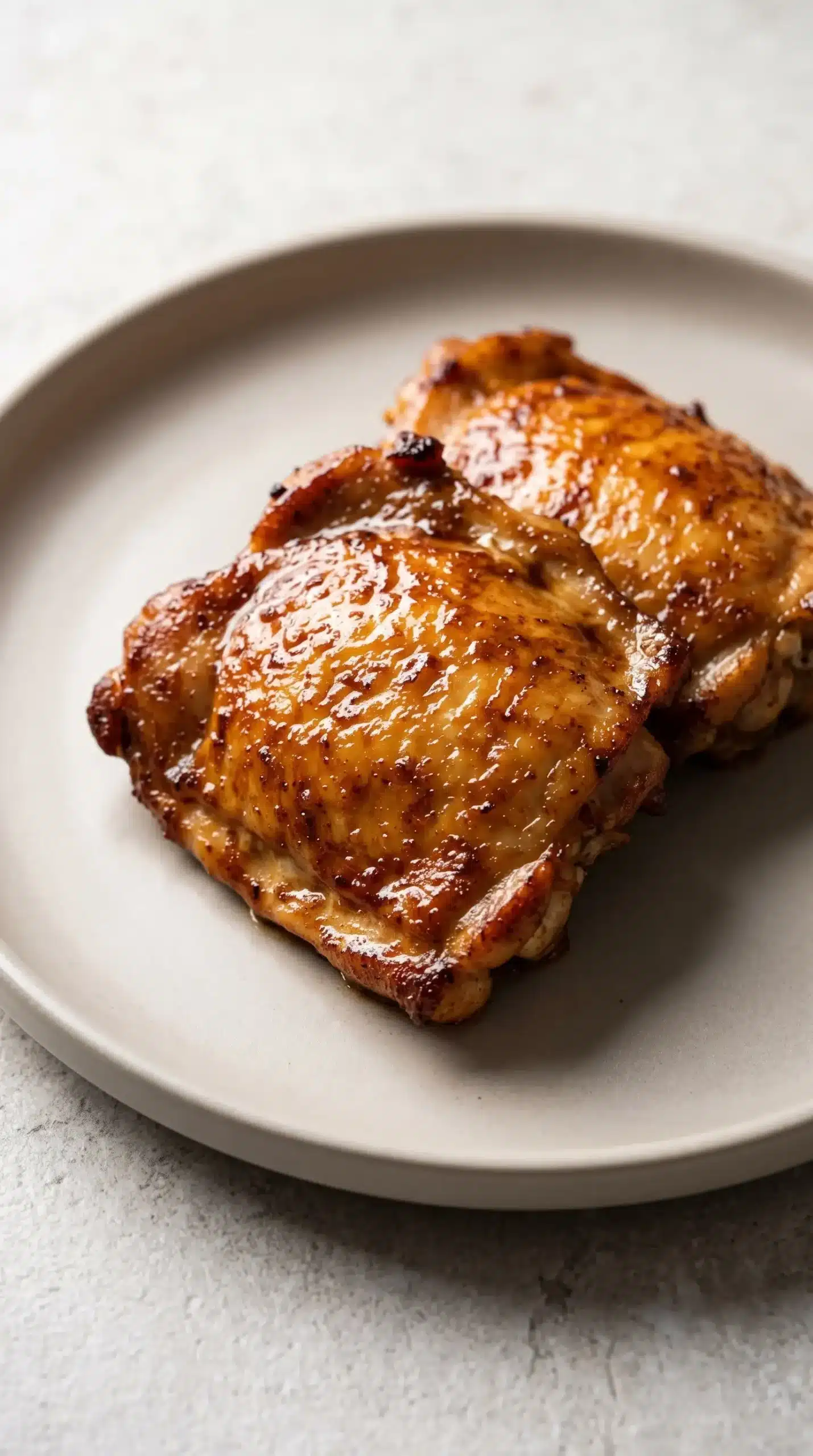
Food coated evenly with the everything marinade gets the full benefit of its soy-maple seasoning without carrying so much liquid that browning becomes difficult. Pressing tofu, draining excess from meat, controlling the amount used on mushrooms, and leaving vegetables room to cook all support the same practical principle: enough marinade to cling, but not enough to pool.
Moderate heat then allows the maple syrup, soy sauce, balsamic vinegar, and spices to concentrate into a glossy savory coating while the food underneath cooks at its own pace. That balance of coverage and heat control is what lets one mixture work across such different ingredients.
Everything Marinade Questions About Overnight Marinating and Leftovers
Can chicken stay in the everything marinade overnight?
Chicken thighs can handle an overnight rest because the mixture contains a moderate amount of balsamic vinegar alongside oil, maple syrup, and soy sauce. Keep the chicken refrigerated in a covered container or sealed food-safe bag while it marinates.
Does tofu need to be cut before marinating?
Leaving extra-firm tofu as an intact pressed block during a longer marinade gives it fewer fragile edges to damage during handling. It can then be cut into cubes before pan-frying, creating fresh surfaces that brown cleanly.
Can the marinade be used as a sauce after raw meat was in it?
Marinade that has contacted raw meat should not be used directly as a finishing sauce. For brushing or serving purposes, reserve a clean portion before introducing the raw protein so it remains separate from contamination.
Why is the marinade separating in the refrigerator?
Olive oil naturally separates from soy sauce and vinegar during storage because the mixture is only temporarily emulsified by whisking or shaking. Separation is expected; recombine it thoroughly before coating food.
Can maple syrup be reduced if a less sweet coating is preferred?
Reducing maple syrup changes both sweetness and the clingy texture of the mixture, so the result will be thinner and less prone to caramelization. Small adjustments are more predictable than removing most of it, since maple syrup is part of the balance with soy sauce and balsamic vinegar.
Everything Marinade with Maple Syrup and Soy Sauce
Everything Marinade is a quick, versatile blend with a smooth, savory-sweet flavor and lightly clingy texture. It is an easy choice for adding bold maple-soy flavor to chicken, pork, tofu, mushrooms, or vegetables.
Ingredients
Method
Preparation
- Whisk the olive oil, maple syrup, soy sauce, balsamic vinegar, smoked paprika, cumin, Italian seasoning, onion powder, garlic powder, salt, and black pepper together until evenly combined, or place everything in a jar, seal it, and shake until blended.
Notes
Pork: Pork chops work well with this marinade. Marinate for at least 1 hour and up to overnight, then grill or pan-fry, brushing with a little reserved marinade during cooking. Chicken: Chicken thighs can be marinated for at least 1 hour and up to overnight. Pan-fry, bake, or cook in the Instant Pot for 15 minutes, then shred or chop for a salad or another recipe, or serve the thighs as they are. Tofu: Extra-firm tofu works well when all the water is pressed from the block before marinating it intact overnight. Cut it into cubes the next day and pan-fry, brushing with reserved marinade. Portobello Mushroom Caps: Marinate for 30 minutes to 1 hour, then grill or pan-fry until roasty, sticky, and juicy. Veggies: The marinade works well with just about any vegetables without specific instructions. Beef: This was the only tested option that was not especially enjoyable with this marinade.