From breakfast to dinner, from healthy meals to sweet desserts – Next Yum Recipes brings you quick, simple and tasty ideas for every occasion and every time.


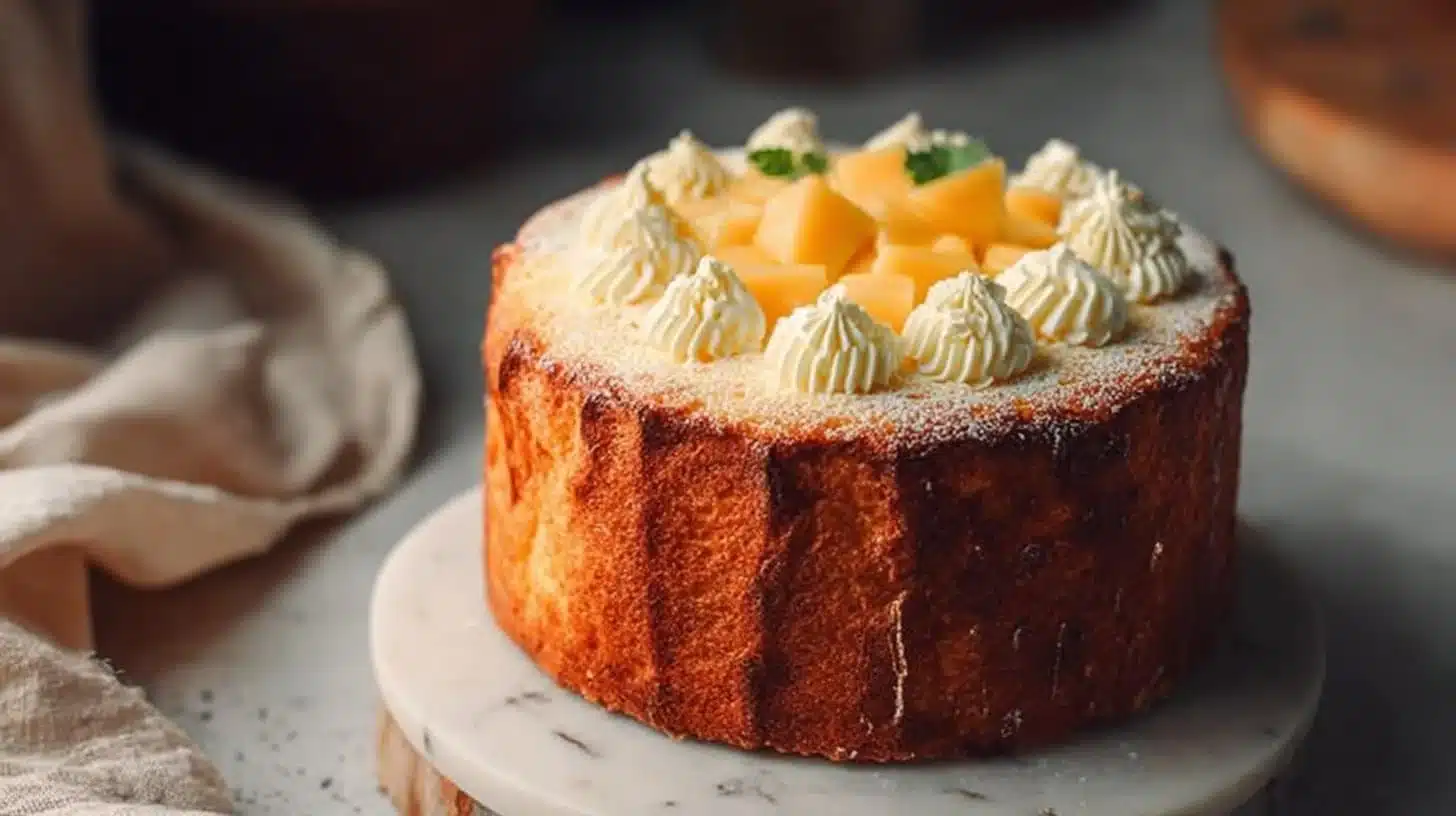
Have you ever wondered why bakery mango cake feels so light, yet still slices like it was made for a display case?
With Asian Bakery-Style Mango Cake, you’re aiming for that same balance at home: a tender sponge that stays soft after chilling, plus a bright mango filling that tastes clean instead of heavy. You don’t need fancy tools. You just need a few smart cues to keep the layers neat and the cream stable.
Why You’ll Love This Asian Bakery-Style Mango Cake
You get a cake that feels airy but still holds together. That’s the signature of many Asian bakery cakes. The sponge is soft, not buttery-dense, and the filling is light enough to keep the mango flavor front and center.
It also fits real schedules. You can bake the layers ahead, chill them, and assemble when you have a calm window. Chilling doesn’t just “set” the cake. It actually helps the cream and fruit behave so you get cleaner slices.
If you like fruit desserts that feel casual and shareable, you might also enjoy this 3-ingredient fruit cake guide for simpler, low-effort options that still feel special on the table.
How to Make This Asian Bakery-Style Mango Cake
You’re building two textures: a moist sponge and a whipped filling that can hold fruit without slumping. An oil-based sponge tends to stay softer after refrigeration than some butter cakes. That’s why this style still feels tender even when served chilled.
For the filling, your goal is whipped cream that’s stable enough to layer, but not whipped so stiff it turns grainy. Look for soft peaks that droop slightly when you lift the whisk. Once you fold in mango puree, the cream should look smooth and cloud-like, not runny.
Chilling after assembly is where the “bakery slice” happens. The cream firms up, the sponge settles, and the layers stop shifting when you cut. If you’ve ever had filling squeeze out the sides, this step is usually what was missing.
Ingredient Insights for Asian Bakery-Style Mango Cake
All-purpose flour: Flour sets the structure, but it can also make the cake feel bready if you overmix. Once the batter looks smooth, stop. Overworking develops gluten, and that fights the light bakery texture you’re after.
Sugar: Sugar does more than sweeten. It helps the sponge stay soft and holds onto moisture during chilling. If you reduce it too much, you may notice the crumb feels drier the next day.
Vegetable oil: Oil coats flour proteins and keeps the crumb tender, especially after refrigeration. That’s one reason this cake stays soft straight from the fridge. Choose a neutral oil so it doesn’t compete with mango.
Eggs: Eggs give lift and help the batter emulsify so it bakes evenly. Room-temperature eggs usually blend more smoothly, which can help you avoid dense streaks in the crumb.
Baking powder: This gives the sponge its gentle rise and lightness. Fresh baking powder matters more than you’d think. If it’s old, the cake can bake up flatter and slightly tighter.
Water: Water keeps the batter loose and helps the cake bake into a soft, fine crumb. It also lets the mango filling shine, since you’re not adding extra dairy richness to the sponge itself.
Vanilla extract: Vanilla doesn’t make the cake taste like vanilla. It rounds out the sweetness so the mango tastes more “mango,” not just sugary fruit.
Fresh mango puree: Puree brings bright flavor into the cream, but it also adds moisture. If your mangoes are very juicy, the puree can thin the filling. You can strain it briefly if it looks watery, especially in peak summer mango season.
Diced mango: Diced mango gives you that fresh, juicy bite between layers. Slightly firm ripe mango works best. Very soft mango can turn mushy and leak juice into the cream, which can make the layers slide.
Heavy cream: Heavy cream is what gives you stable volume. Keep it cold so it whips faster and holds peaks better. If your kitchen is warm, you may find the cream loosens quickly, so chilling your bowl can help.
Powdered sugar: Powdered sugar dissolves easily and lightly stabilizes whipped cream. It’s subtle, but it can help the filling hold its shape longer, especially once mango puree is folded in.
Texture & Flavor Experience
When it’s done right, the sponge feels springy and light, almost like it bounces back when you press it. The filling tastes bright and fruity, not heavy. You’ll notice the mango aroma first, then a clean sweetness, and finally that cool creaminess that makes each bite feel refreshing.
The best slices look neat without feeling stiff. The cream should hold the diced fruit in place, and the layers should cut without dragging. If your knife comes out coated and messy, the cake likely needed more chill time.
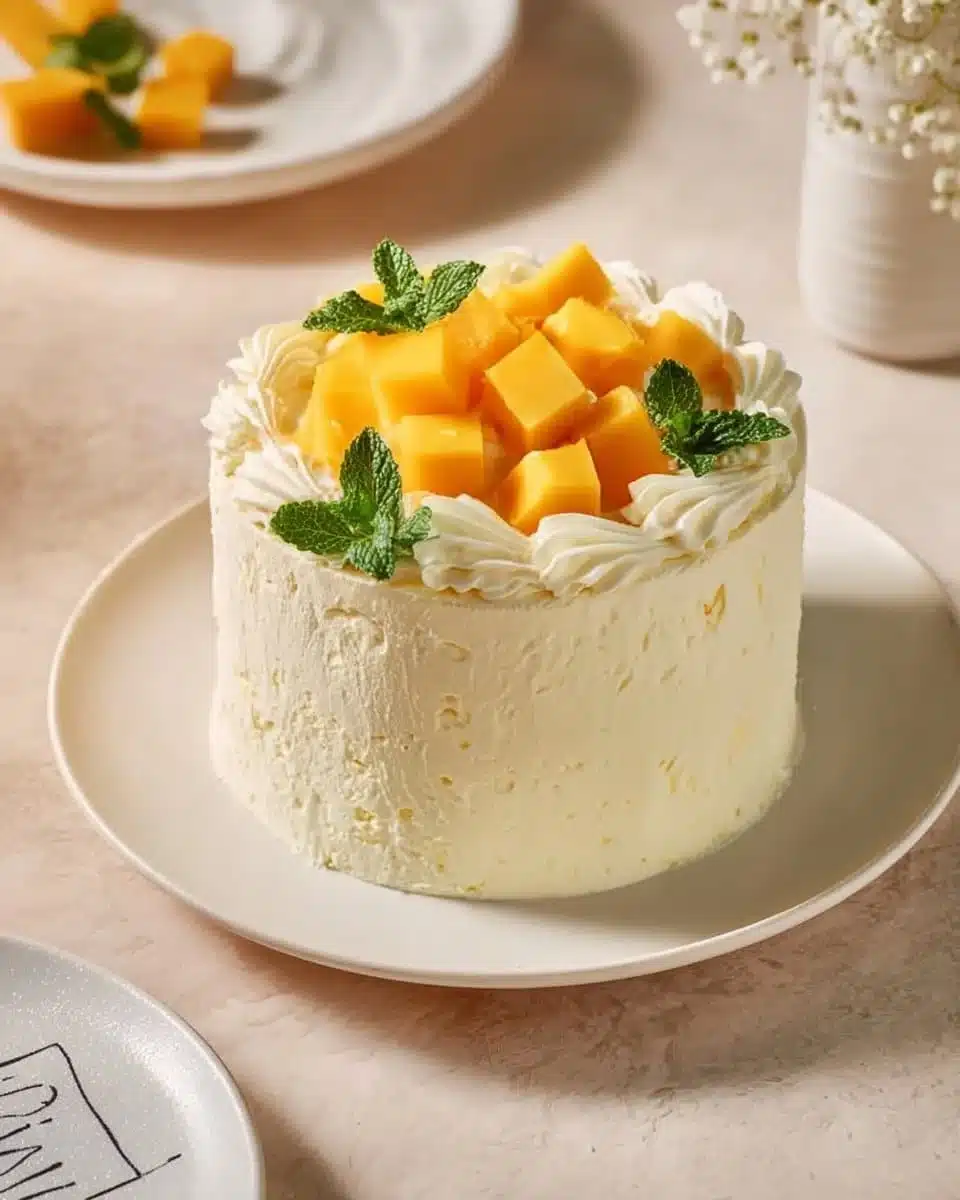
How to Serve Asian Bakery-Style Mango Cake
You’ll get the cleanest presentation when you serve it chilled. If you prefer a softer bite, let it sit out briefly so the cream relaxes and the sponge feels extra plush. A hot, dry knife makes a bigger difference than most people expect, so warm the blade and wipe between cuts.
Pairing is simple here. Light tea works well because it doesn’t compete with mango. If you’re serving after dinner, a sparkling drink can keep the finish fresh. Keep garnishes minimal so the cake still looks bakery-style rather than overloaded.
Tips to Make Asian Bakery-Style Mango Cake
- Choose ripe but firm mangoes so diced pieces hold shape instead of melting into the cream.
- Chill the cake layers before assembling so the whipped filling stays stable and doesn’t slide.
- Whip the cream to soft peaks, then stop. If it looks stiff and curdled, it’s heading toward overwhipped.
- Fold the mango puree gently so you keep volume. Stirring hard knocks the air out and loosens the filling.
- If your puree looks thin, strain it briefly to remove excess juice and help the filling stay thick.
- Use a hot knife and wipe between slices for clean edges that show the layers.
- Measure flour carefully so the sponge stays light. Packing flour can make the crumb feel heavier than you want.
Common Mistakes to Avoid
- Assembling while the layers are warm. Warm cake melts cream and can make the filling ooze out the sides.
- Overwhipping the cream. Once it turns grainy, it won’t fold smoothly, and the filling can feel heavy.
- Underwhipping the cream. If it’s too loose, diced mango can sink and the layers can shift when you slice.
- Using very juicy mango without adjusting. Excess juice can thin the filling and soften the sponge where it touches.
- Cutting too soon. A short chill is good, but a longer chill usually gives you the clean bakery-style slice.
Storing Tips
Store the cake covered in the refrigerator so the cream stays safe and the mango stays fresh. Over time, the sponge can dry slightly at the edges if it’s not well covered, so an airtight container or a snug wrap helps.
For longer storage, freezing individual slices works surprisingly well. Thaw in the fridge so the cream returns to a smooth texture. Try not to leave the cake out too long at room temperature since it contains fresh cream and fruit.
FAQs
Can you make Asian Bakery-Style Mango Cake a day ahead?
Yes, and it often slices better the next day. The chill time helps the layers set and the mango flavor spread through the cream.
What’s the best mango for the filling?
Use mango that’s fragrant and ripe but still firm enough to dice cleanly. If it’s so soft it smears under your knife, it may leak too much juice into the cream.
How do you keep the filling from getting runny?
Whip the cream to soft peaks and fold gently. If your mango puree is very thin, strain out extra juice so the cream stays thick and stable.
Why does the cake need chilling before slicing?
Chilling firms the cream and helps the layers stop shifting. It also makes the sponge cut cleaner, so you get neat slices instead of filling dragging across the crumb.
Conclusion
This Asian Bakery-Style Mango Cake gives you that soft sponge and bright mango finish you usually see behind bakery glass, but made in your own kitchen. Once you pay attention to cream texture and chill time, the layers become much easier to handle. For more depth on keeping the sponge very soft, you can reference this guide: How to Bake the SOFTEST Mango Cake Ever – Catherine Zhang.
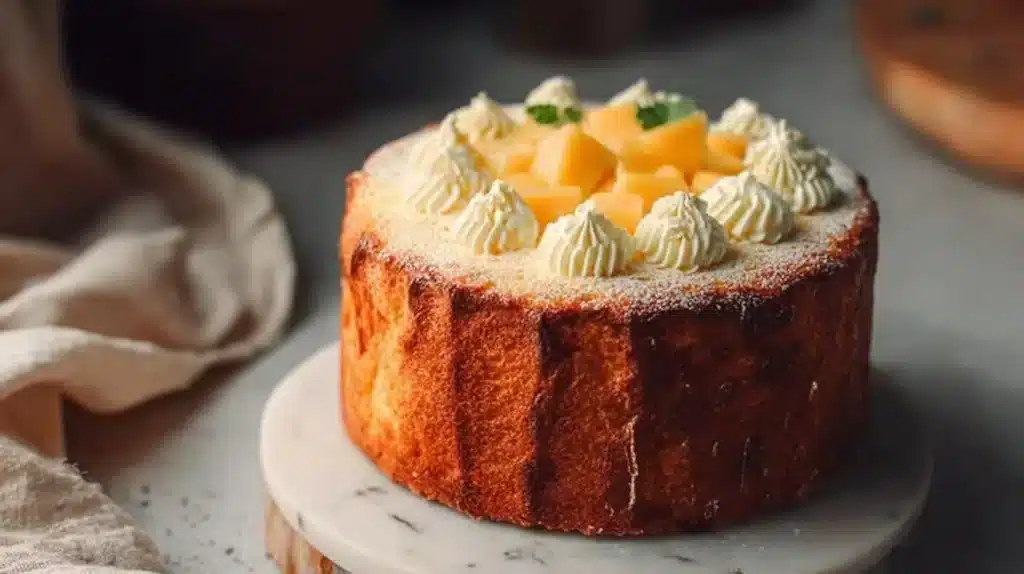
Bakery-Style Mango Cake
A tender and light sponge cake filled with bright mango whipped cream, perfect for parties or casual gatherings.
Ingredients
Method
Preparation
- Preheat your oven to 350°F (175°C) and grease and flour two 9-inch round cake pans.
- In a mixing bowl, combine flour, sugar, baking powder, and salt. Add water, vegetable oil, eggs, and vanilla extract, mixing until smooth.
- Divide the batter evenly between the prepared cake pans.
- Bake for 25-30 minutes or until a toothpick inserted into the center comes out clean. Allow to cool.
Filling and Assembly
- Whip the heavy cream with powdered sugar until soft peaks form. Fold in fresh mango puree and diced mango.
- Once the cakes are chilled, layer them with the mango filling in between. Top with remaining whipped cream and additional mango pieces.
- Chill for at least 2 hours before serving to set the layers.
Notes
Serve slices chilled for the cleanest presentation. Let the cake sit 5–10 minutes at room temperature before slicing for a softer mouthfeel. Use a hot, dry knife for neat slices; wipe the blade between cuts. Store the cake covered in the refrigerator for up to 3 days or freeze individual slices for up to 1 month.


