From breakfast to dinner, from healthy meals to sweet desserts – Next Yum Recipes brings you quick, simple and tasty ideas for every occasion and every time.


 This Recipe
Caramelized Brussels Sprouts Create Sweet Savory Contrast
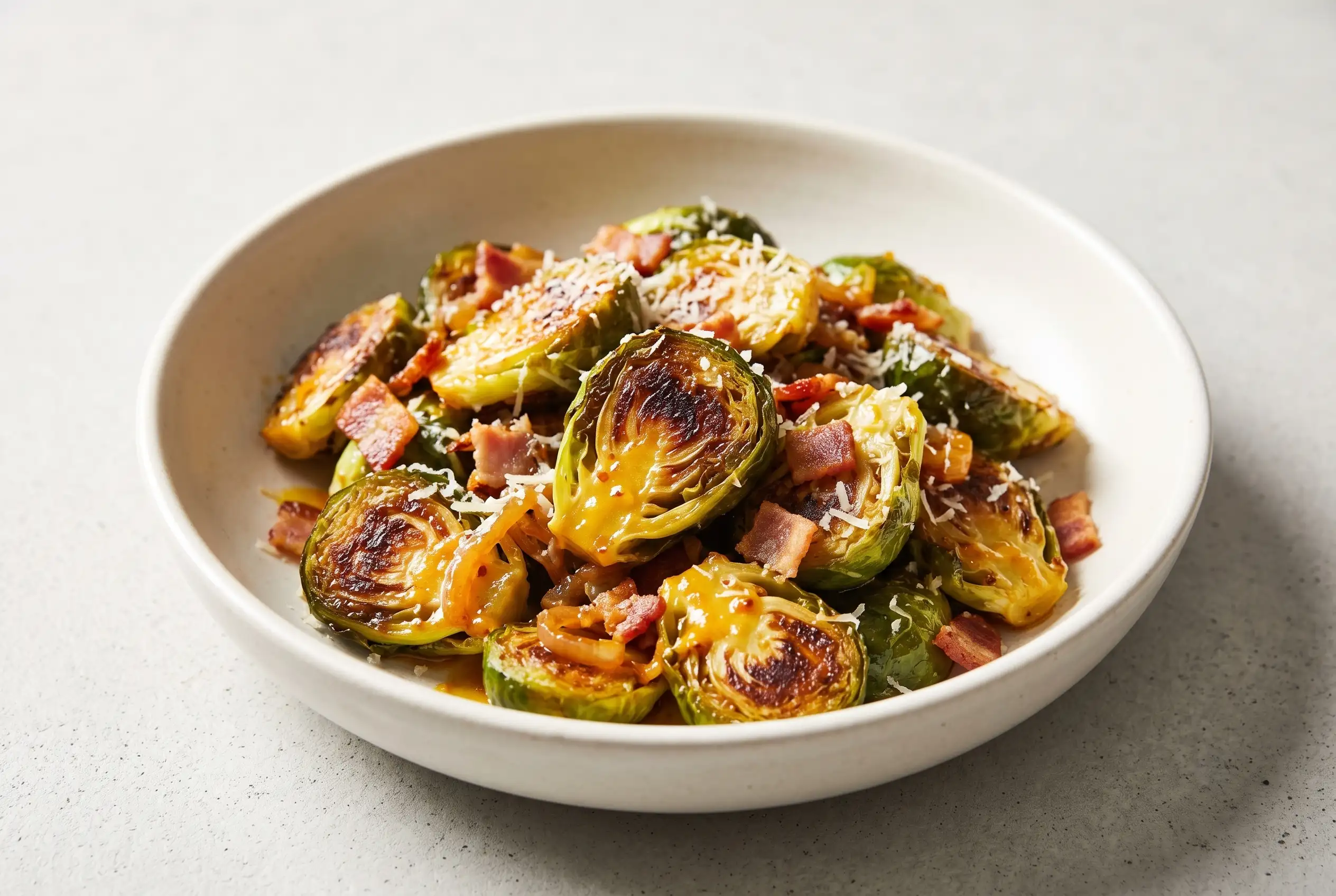
Caramelized brussels sprouts bring together crisp browned edges, smoky bacon, bright orange flavor, and a lightly sweet glaze in a vegetable dish built around contrast. The cut sides of the sprouts develop deep color in a hot pan, while the orange, maple, and mustard sauce coats the leaves with a glossy finish that keeps each bite balanced.
The appeal of this caramelized brussels sprouts recipe comes from how simple cooking choices change the vegetable’s character. Fresh sprouts can move from firm and grassy to tender with toasted edges when the cut surface has direct contact with heat. The finishing sauce adds acidity and sweetness at the right moment, creating a dish that feels complete without relying on a heavy coating.
Browning Starts with Proper Brussels Sprout Preparation
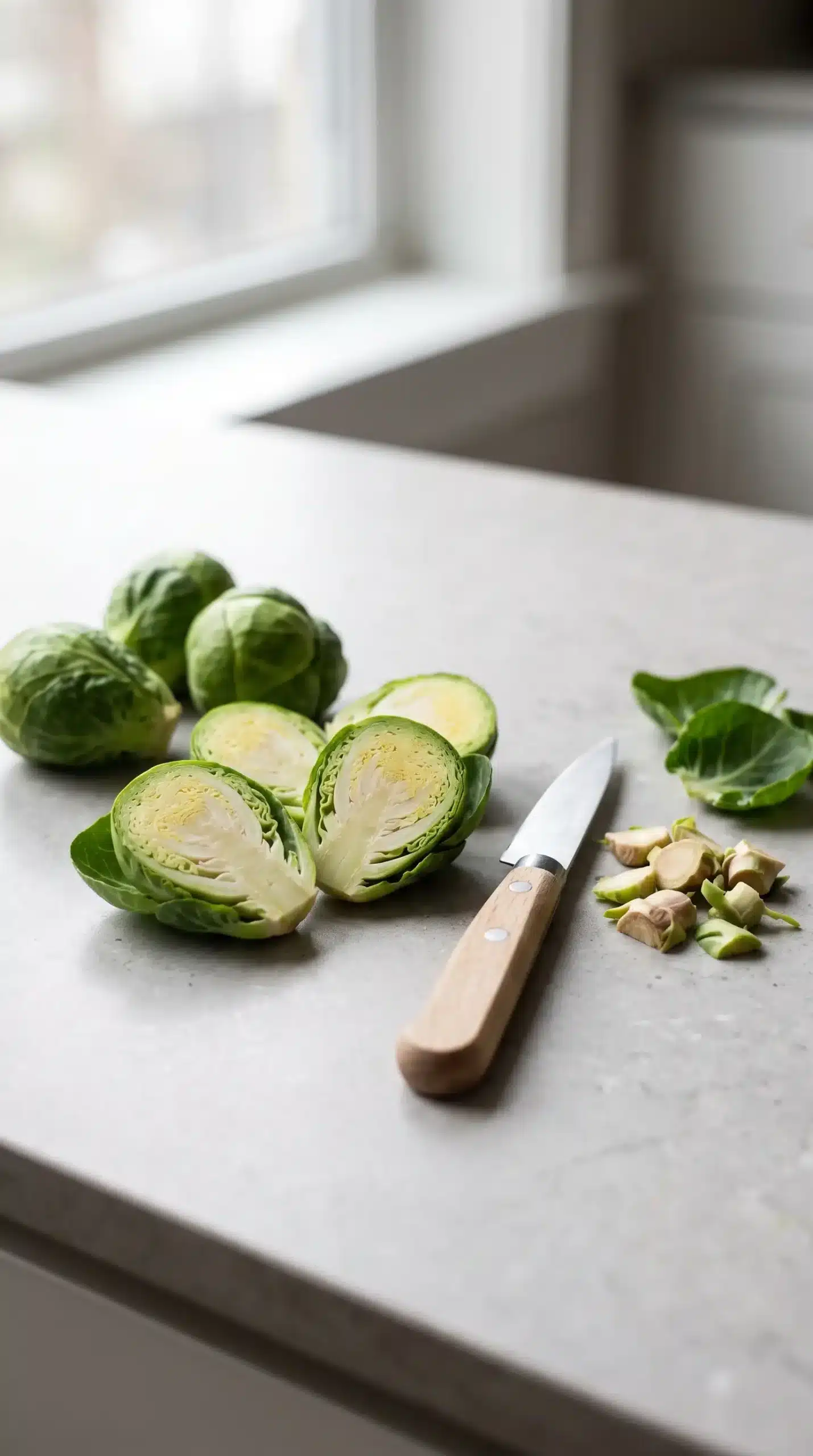
Careful trimming protects the structure needed for caramelized brussels sprouts because removing only the very bottom of the stem keeps the leaves attached during cooking. Halving the sprouts creates a flat surface that can sit against the pan, giving the vegetable a clear path toward golden browning while preserving the layered texture inside.
Orange Shallot Sauce Shapes the Glaze
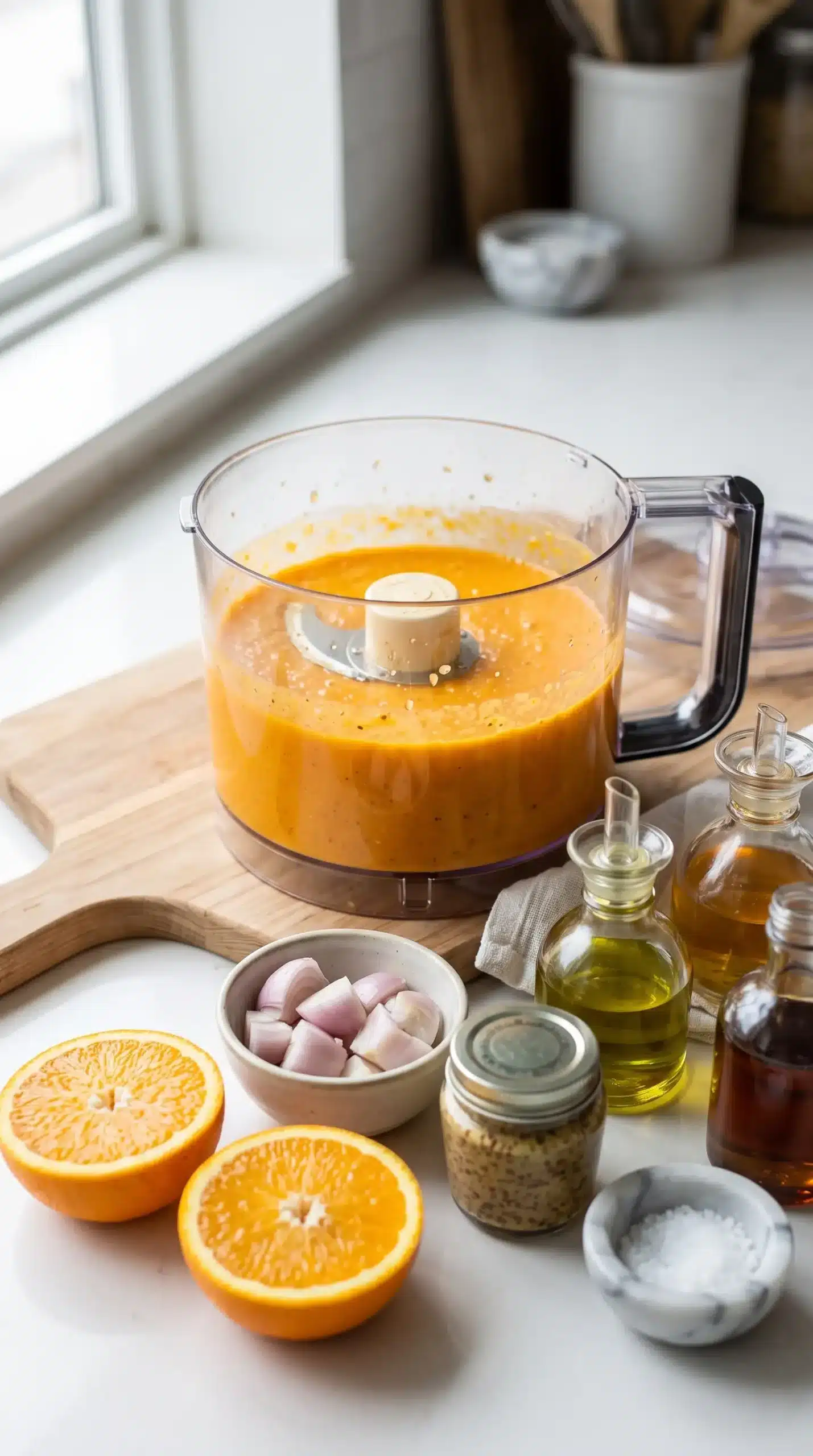
The orange sauce is the ingredient combination that gives these caramelized brussels sprouts their distinctive finish. Fresh orange juice provides a bright citrus note, while shallot, mustard, cane vinegar, olive oil, maple syrup, and salt blend into a smooth coating that reaches the outer leaves.
Blending the sauce before it reaches the pan matters because the flavors become evenly distributed. The shallot becomes part of the glaze instead of remaining as separate pieces, allowing the sweetness, acidity, and savory notes to meet the browned sprouts in a single layer.
A useful adjustment comes before the sauce touches the heat. Tasting the blended mixture allows small changes in acidity or sweetness without disturbing the cooking process. The finished orange glazed brussels sprouts depend on a sauce that supports the browned vegetable flavor instead of covering it completely.
Bacon and Maple Build the Savory Finish
Smoky bacon pieces and a touch of real maple syrup create the signature balance in brussels sprouts with bacon and maple. The reserved bacon grease helps transfer savory flavor to the pan, while the chopped bacon added at the end brings texture that contrasts with the softened sprouts and glossy glaze.
The Pan Heat Controls Caramelized Brussels Sprouts Texture
Successful caramelized brussels sprouts depend on controlling when moisture leaves the vegetable and when the sauce enters the pan. Starting with the cut side against medium-high heat gives the flat surface time to brown because cut side contact with the pan creates the surface area needed for deeper color before the glaze introduces additional liquid.
The sizzling reaction after adding the sauce is part of the cooking process. The hot pan quickly combines the browned surfaces with the orange shallot mixture, but the sprouts need movement during this short finishing stage so the sugars do not darken too aggressively in one spot.
A crowded pan may require cooking the sprouts in batches because contact with the hot surface is what creates the browned edges. Keeping the cut sides exposed allows the vegetable to develop the texture that makes caramelized brussels sprouts more interesting than simply roasted or steamed versions.
| Cooking choice | What happens | Better approach |
|---|---|---|
| Cut side facing the pan | Creates direct browning on the flat surface | Leave sprouts positioned until color develops |
| Sauce added too early | Introduces moisture before browning builds | Brown first, then glaze |
| Constant stirring | Reduces contact with the hot pan | Move gently during the short sauce finish |
Choosing the Right Balance for Brussels Sprouts with Bacon and Maple
The strongest flavors in brussels sprouts with bacon and maple come from contrast, so the dish works best when no single element dominates. The citrus should remain noticeable, the maple should soften the sharp edges, and the bacon should add depth without replacing the vegetable’s flavor.
Mistakes That Ruin Caramelized Brussels Sprouts Before Serving
Cutting away too much of the stem can cause the outer leaves to separate during cooking. Those loose leaves may brown quickly, but the halves lose the structure that helps them hold the glaze and bacon pieces.
Adding the sauce before the sprouts have developed color is another common problem. The vegetable needs time against the hot pan first; otherwise, the glaze can soften the surface before the browned flavor has a chance to form.
Leaving the pan unattended after the sugary sauce arrives can also lead to burnt spots. The maple syrup and orange juice create a flavorful coating, but they require quick attention during the final toss so the caramelized finish stays balanced.
Orange Glazed Brussels Sprouts Pair with Simple Additions
Orange glazed brussels sprouts already carry sweet, salty, and acidic notes, so they work well beside dishes that benefit from a colorful vegetable side. A chilled Brussels Sprout Salad with Bacon and Citrus Dressing brings crisp texture and fresh citrus character to the table, while a small amount of Parmesan on top adds a savory finish that connects the creamy cheese flavor with the browned edges of the sprouts.
Serving Ideas Highlight the Crispy Edges
The best serving moment for caramelized brussels sprouts is when the contrast between browned surfaces and tender centers is still noticeable. The bacon pieces and Parmesan should remain visible so each serving includes the different textures that define the dish.
These sprouts can fit into a larger meal without needing complicated additions. Their sweet-savory profile works alongside roasted meats, grain dishes, or other simple preparations where a bright vegetable side can provide balance.
- Cheese finish: Add Parmesan while the sprouts are warm so it lightly blends with the surface.
- Citrus balance: Keep the orange flavor noticeable by avoiding overly rich toppings.
- Texture focus: Serve the browned cut sides facing upward when possible.
Presentation also matters because the caramelized surfaces carry much of the visual appeal. Arranging the sprouts so the golden sides are easy to see highlights the pan work that creates their deeper flavor.
Storage Keeps the Glazed Brussels Sprouts Ready
Leftover caramelized brussels sprouts can be stored in an airtight container and reheated gently to preserve their flavor. The texture will soften after refrigeration, but the orange, bacon, and maple notes remain useful for adding to another meal.
Ingredient Adjustments Preserve the Dish Balance
Small changes can be made while keeping the main character of the dish intact. Different vinegars can replace the cane vinegar because the recipe already relies on acidity to balance the sweetness from orange juice and maple syrup.
Parmesan is a finishing element rather than a structural part of the sauce, which makes it easy to adjust based on preference. The same approach applies to bacon quantity or serving style, as long as the browned sprouts remain the center of attention.
Using fresh sprouts with firm leaves gives the best foundation for the cooking process. Since the dish depends on a browned surface and a flavorful coating, the condition of the vegetable has a direct effect on the final texture.
Bacon Pan Technique Adds Deeper Caramelization
Using the same pan that cooked the bacon captures the savory residue left behind from browning. A small amount of reserved bacon grease helps the sprouts develop richer color while keeping the cooking fat connected to the flavors already present.
Caramelized Brussels Sprouts Need Careful Last Minute Tossing
The finishing stage determines whether caramelized brussels sprouts have a glossy coating or an overly dark surface. Once the sauce meets the hot pan, quick movement distributes the glaze while protecting the sugars from staying against direct heat for too long.
A gentle pan shake is more useful than aggressive stirring because it keeps the sprouts intact while allowing the sauce to reach different surfaces. The goal is to coat the vegetables after browning has already created their deeper flavor.
Attention during this brief stage preserves the contrast that makes the dish memorable: tender centers, browned edges, bright citrus notes, and savory bacon throughout each serving.
Caramelized Brussels Sprouts Turn Simple Ingredients into Balanced Flavor
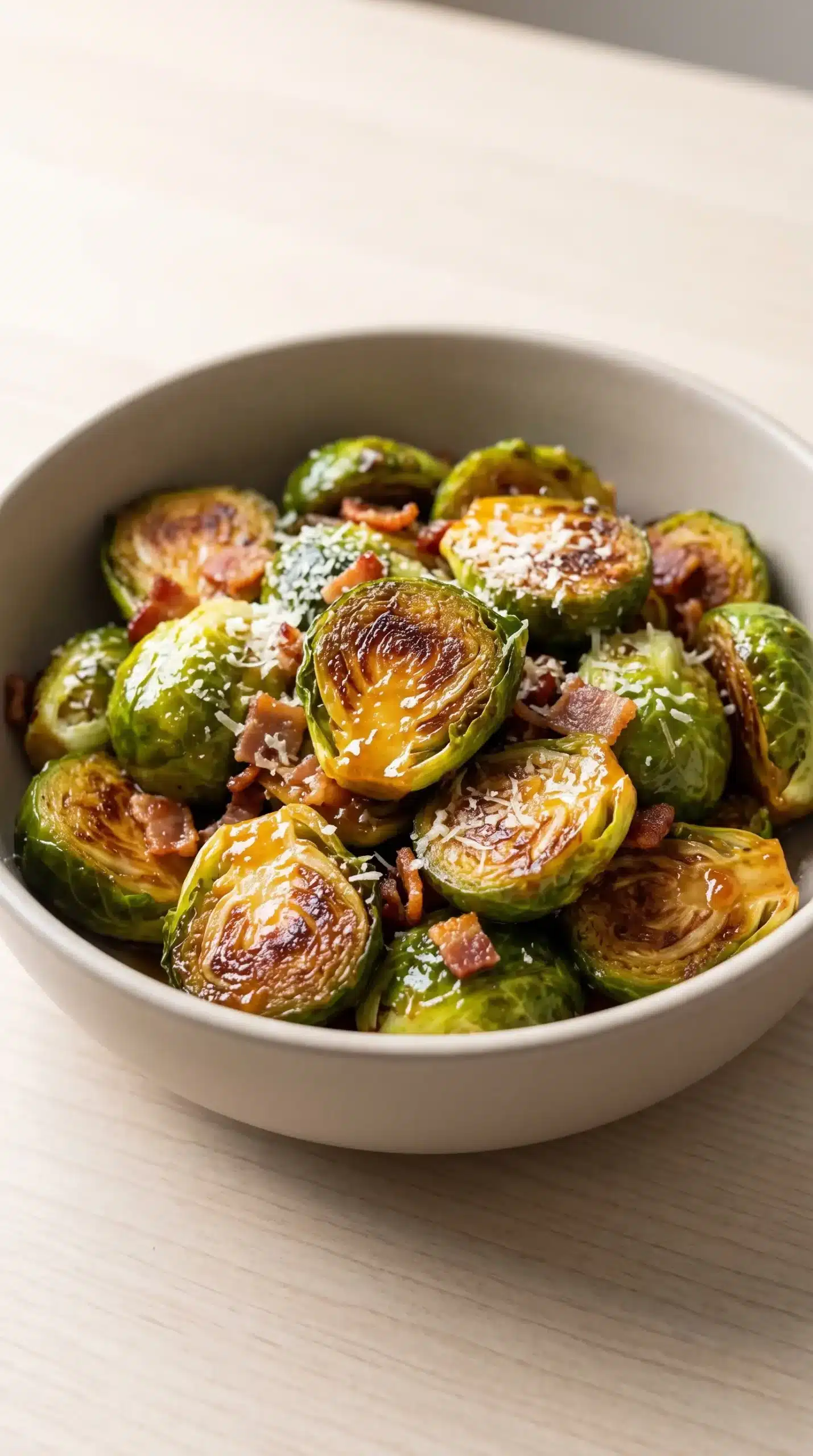
Caramelized brussels sprouts succeed when browning, glazing, and finishing happen in the right order. The hot pan builds the roasted character, while the orange shallot sauce and bacon bring brightness and depth without hiding the vegetable itself.
The browned cut surfaces and carefully timed glaze create a dish where each element has a clear purpose. Paying attention to heat and movement keeps the sweet-savory finish vibrant and preserves the texture that makes these sprouts stand out.
Why Do Caramelized Brussels Sprouts Burn Easily During Glazing
Why do caramelized brussels sprouts burn easily during glazing?
The sauce contains natural sugars from orange juice and maple syrup that can darken quickly when exposed to high heat. Moving the sprouts gently after adding the sauce helps distribute the glaze and prevents one area from becoming too dark.
Can I prepare the orange sauce ahead of cooking?
The orange shallot sauce can be blended before cooking and kept ready until the sprouts are browned. Preparing it ahead can make the final pan step easier because the sauce can be added immediately when the vegetables reach the right color.
How do I keep the sprouts from falling apart?
Trim only the very bottom of the stem before slicing. Leaving enough of the core attached helps the leaves stay connected while the cut sides brown in the pan.
What makes this version different from roasted Brussels sprouts?
The pan technique focuses on browning the cut surfaces and finishing with a fresh orange-based glaze. The result combines direct caramelization with a sweet and tangy coating instead of relying only on dry heat.
Can Parmesan be changed or skipped?
Parmesan can be adjusted based on the rest of the meal because it is added as a finishing touch. The main flavor structure comes from the browned sprouts, bacon, and orange maple glaze.
Caramelized Brussels Sprouts with Orange Shallot Sauce
Caramelized Brussels Sprouts with Orange Shallot Sauce combine crisp browned edges with a sweet-savory citrus glaze, smoky bacon, and Parmesan. This flavorful vegetable dish is perfect for adding a vibrant finish to gatherings or weeknight meals.
Ingredients
Method
Preparation
- Trim only the bottom of each brussels sprout stem, then slice the sprouts in half and set them aside.
- Blend the orange juice, shallot, olive oil, mustard, vinegar, maple syrup, and salt in a food processor until the sauce is smooth. Taste and adjust the flavors if desired, then set the sauce aside.
Cooking
- Cook the bacon according to package directions until crispy. Transfer it to paper towels to drain, then chop it into small pieces once cool enough to handle. Reserve the hot bacon grease in a heatproof container.
- Place the same pan over medium-high heat and arrange the brussels sprouts cut side down. Drizzle with 1-2 teaspoons of the reserved bacon grease and gently move the sprouts as needed while keeping the cut sides facing the pan.
- After about five minutes, once the cut sides have browned slightly and the pan is hot, pour the sauce into the pan with the brussels sprouts. Shake the pan by the handle(s) to move the sprouts around and cook for 1 minute or less until the desired caramelization is reached. Remove from heat.
- Toss the brussels sprouts with the reserved bacon pieces and Parmesan cheese.
Notes
Trim only the very bottom of the brussels sprout stems so the leaves stay attached while cooking.