From breakfast to dinner, from healthy meals to sweet desserts – Next Yum Recipes brings you quick, simple and tasty ideas for every occasion and every time.


Do you really need breading and frying to get juicy chicken that tastes like you tried?
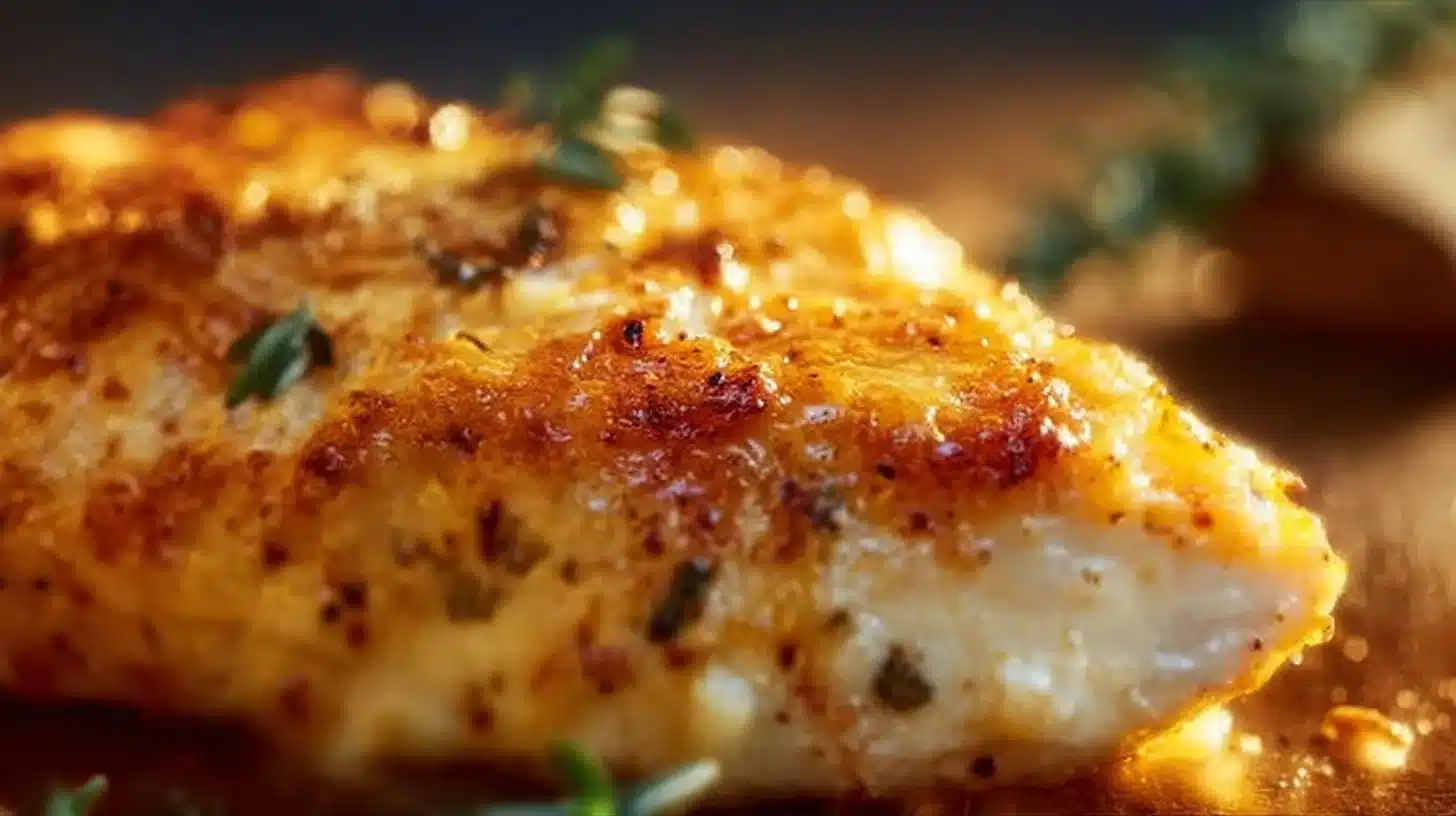
With Melt In Your Mouth Chicken Breast, you get a creamy Parmesan topping that protects the meat while it bakes. You’re not chasing complicated steps here. You’re using a smart coating that helps the surface brown while the inside stays tender.
Why Make This Recipe
You’ll like this one when you want a dependable dinner that doesn’t feel plain. The topping turns lightly golden, and you can smell the cheese getting toasty before the chicken is even fully done. That aroma is your cue that browning is happening, not steaming.
You also avoid the usual baked chicken problem. Dry edges and a bland center. When you spread a creamy layer over the top, the heat hits the coating first. That extra buffer can make the difference between “fine” chicken and chicken you actually want seconds of.
It fits real life, too. You can prep it fast, slide it into the oven, and focus on sides instead of babysitting a pan.
How to Make This Melt In Your Mouth Chicken Breast
You’re aiming for even thickness so the chicken cooks at the same pace from edge to center. A quick pound does more than flatten. It gives you predictable timing, and it reduces the risk of overcooking the thinner end while you wait on the thicker part.
The creamy topping is doing two jobs. First, it holds onto moisture at the surface, which keeps the top from drying out under oven heat. Second, it helps browning. As it bakes, you’ll notice the coating go from glossy to matte, then start to turn pale gold around the edges.
When you pull it from the oven, resting matters. The chicken firms up slightly, and the juices settle back in instead of spilling out onto the pan the moment you cut.
Ingredient Insights for Melt In Your Mouth Chicken Breast
Chicken breast: You want pieces that are similar in size so they finish together. If one breast is much thicker, it can stay underdone while the others dry out. Even a small thickness difference shows up in texture once baked.
Mayonnaise: This is your moisture shield and your browning helper. It stays creamy while the chicken heats through, then slowly tightens into a coating. If you use a lighter mayo, you may get slightly less browning and a thinner “cap” on top.
Parmesan: Parmesan brings salt, savory depth, and that toasted edge when it browns. Finely grated melts into the topping smoothly. Coarsely grated can leave little crunchy spots, which is nice if you want texture, but it can brown unevenly.
Greek yogurt: If you swap it in, you’ll get a tangier flavor and a softer-looking finish. It can brown a bit less than mayo, so don’t expect the same deep golden top. It still helps keep the chicken tender, especially if you don’t overbake.
Garlic powder: It spreads flavor evenly without the risk of fresh garlic burning on top. You’ll taste it more in the aroma than as a sharp garlic bite, which keeps the dish balanced.
Onion powder: This rounds out the savory base and makes the topping taste fuller. It’s subtle, but without it the flavor can feel a little one-note.
Salt and black pepper: Parmesan already brings salt, so you’re aiming for seasoning that supports rather than overwhelms. Pepper adds a gentle warmth that shows up most in the aftertaste.
Paprika or Italian seasoning: These are your finishing touches. Paprika adds color and a mild sweetness, while Italian seasoning leans herby. A light sprinkle is usually enough, especially if you want the Parmesan flavor to stay front and center.
Texture & Flavor Experience
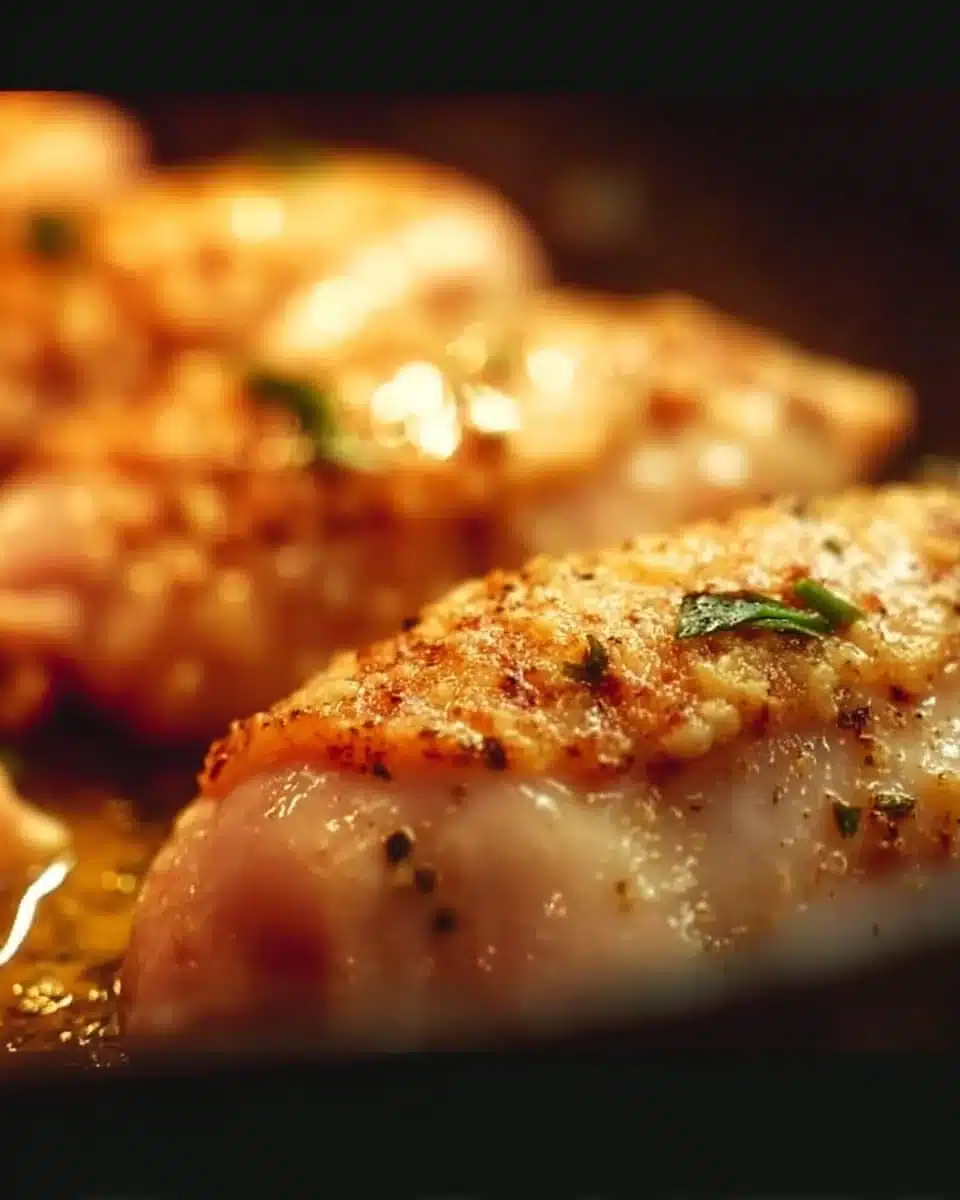
When it’s done right, the top looks lightly bronzed with deeper golden spots near the edges. The coating feels set, not wet, and it clings to the chicken instead of sliding off. If you tap it gently with a fork, it should feel soft with a little resistance, like a thin gratin layer.
The chicken itself should slice cleanly and look opaque and juicy, not stringy. You’ll notice the flavor is savory and creamy, but not heavy. The Parmesan gives you that nutty finish that lingers a little, especially if the top browned well.
How to Serve Melt In Your Mouth Chicken Breast
You’ll get the best plate when you pair the creamy topping with something fresh or lightly acidic. A lemon wedge works because a small squeeze cuts through the richness and wakes up the cheese flavor.
If you want comfort, serve it with mashed potatoes or buttered noodles so the topping feels like a built-in sauce. For something lighter, roasted vegetables or a crisp salad keeps the meal from feeling too rich. When you want another weeknight chicken idea with a totally different vibe, try this chicken pozole rojo as a cozy change of pace.
Portion-wise, one breast is usually plenty with two sides. If the pieces are large, slicing them on a bias makes it feel more generous and helps the topping spread across each bite.
Tips to Make Melt In Your Mouth Chicken Breast
- Pat the chicken dry before the topping goes on. A damp surface can make the coating slip instead of sticking.
- Pound to an even thickness, but stop once it’s uniform. If you go too far, the breast can cook too fast and turn firm.
- Use finely grated Parmesan if you want a smoother, more even crust. Save coarser grates for a bumpier, crunchier top.
- Spread the topping all the way to the edges so the thinner parts don’t dry out first.
- Watch for the visual cue: glossy turns matte, then you’ll see light browning. That’s usually a better signal than the clock.
- Let it rest before slicing. Even a few minutes helps the juices stay in the meat instead of pooling on the plate.
Common Mistakes to Avoid
- Skipping the thickness check. If one end is much thinner, it will tighten and dry before the center is done. Pound or trim for even cooking.
- Overbaking to “be safe.” Use the look and feel along with doneness checks so you don’t push the chicken past tender.
- Using cold chicken straight from the fridge without planning. It can cook unevenly, with a warm edge and a slower center.
- Piling the topping too thick. A heavy layer can stay soft and pale instead of browning. Aim for an even, spreadable coat.
- Slicing immediately. Cutting too soon lets the juices run out, which makes the leftovers feel drier later.
Storing Tips
Once it cools, store leftovers in an airtight container in the fridge. The topping will soften as it sits, which is normal. You’ll still have good flavor, but the surface won’t be as crisp on day two.
For reheating, gentle heat works best so the chicken stays tender. An oven reheat brings back more of the baked texture than a long microwave run. If you’re curious about where the “4 ingredients” version started, this Melt In Your Mouth Chicken Recipe (Just 4 Ingredients) | The Kitchn is a helpful reference point.
FAQs
Why does pounding the chicken make such a difference?
You’re not just flattening it. You’re making the thickness consistent so the chicken cooks evenly. That’s one of the easiest ways to prevent dry edges and a still-pink center.
Can you use thighs instead of breasts?
Yes, and thighs are naturally more forgiving. You’ll want to adjust cooking time since thickness varies, and you’ll notice the texture stays juicy even if you cook a little longer.
What’s the best way to get more browning on top?
Finely grated Parmesan helps, and so does using full-fat mayo. Also make sure the topping is spread evenly rather than piled high, since thick spots can stay pale.
Conclusion
Melt In Your Mouth Chicken Breast is the kind of dinner that feels practical and still tastes cared for. You’re using a simple coating to protect the meat, build flavor, and encourage a golden top. Make it once, watch for those browning cues, and you’ll have a go-to chicken bake you can trust.

Melt In Your Mouth Chicken Breast
A tender, flavorful chicken dish with a creamy Parmesan topping that browns beautifully, perfect for a quick weeknight dinner.
Ingredients
Method
Preparation
- Preheat oven to 375°F (190°C). Grease a 9×13-inch baking dish or line with parchment paper.
- Pound chicken breasts to even thickness (about ¾ inch thick) for even cooking.
Mixing the topping
- In a medium bowl, mix together the mayonnaise, Parmesan cheese, garlic powder, onion powder, salt, and pepper until smooth.
Baking
- Spread the mixture evenly on top of each chicken breast, covering the entire surface.
- Place in baking dish and sprinkle optional paprika or Italian seasoning on top.
- Bake uncovered for 35–45 minutes, or until the chicken reaches an internal temperature of 165°F (74°C) and the top is golden.
- Let rest for 5 minutes before serving for maximum juiciness.
Notes
Pair with simple sides like light salads, roasted vegetables, or mashed potatoes. Store leftovers in the refrigerator for up to 3–4 days or freeze for up to 3 months.


