From breakfast to dinner, from healthy meals to sweet desserts – Next Yum Recipes brings you quick, simple and tasty ideas for every occasion and every time.


 This Recipe
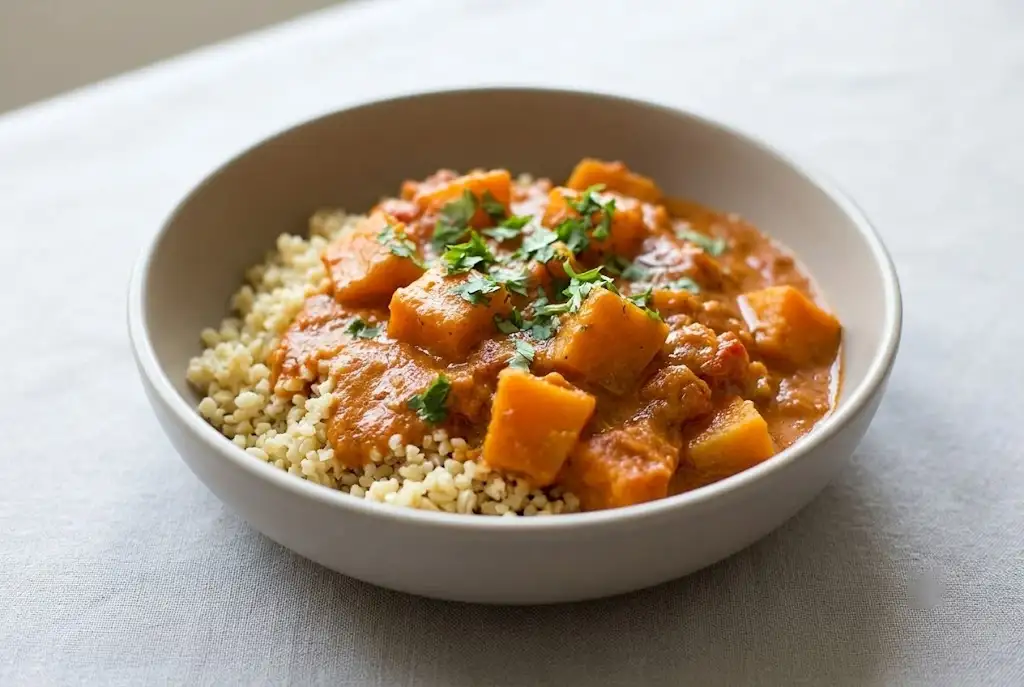
Squash coconut curry brings together tender winter squash, creamy coconut milk, warming spices, and a savory tomato base for a comforting meal that feels both hearty and fresh. The combination of kabocha squash, red curry paste, peanut butter, and bulgur creates a bowl with contrasting textures and a balanced mix of sweetness, heat, and richness.
Built around simple pantry-friendly ingredients, this coconut squash curry recipe shows how a few carefully chosen additions can turn squash into a satisfying centerpiece. The sauce thickens as it rests, allowing the flavors from the spices, tomatoes, and coconut milk to come together into a cohesive curry.
Squash Coconut Curry Builds Layers Through Simmered Flavor
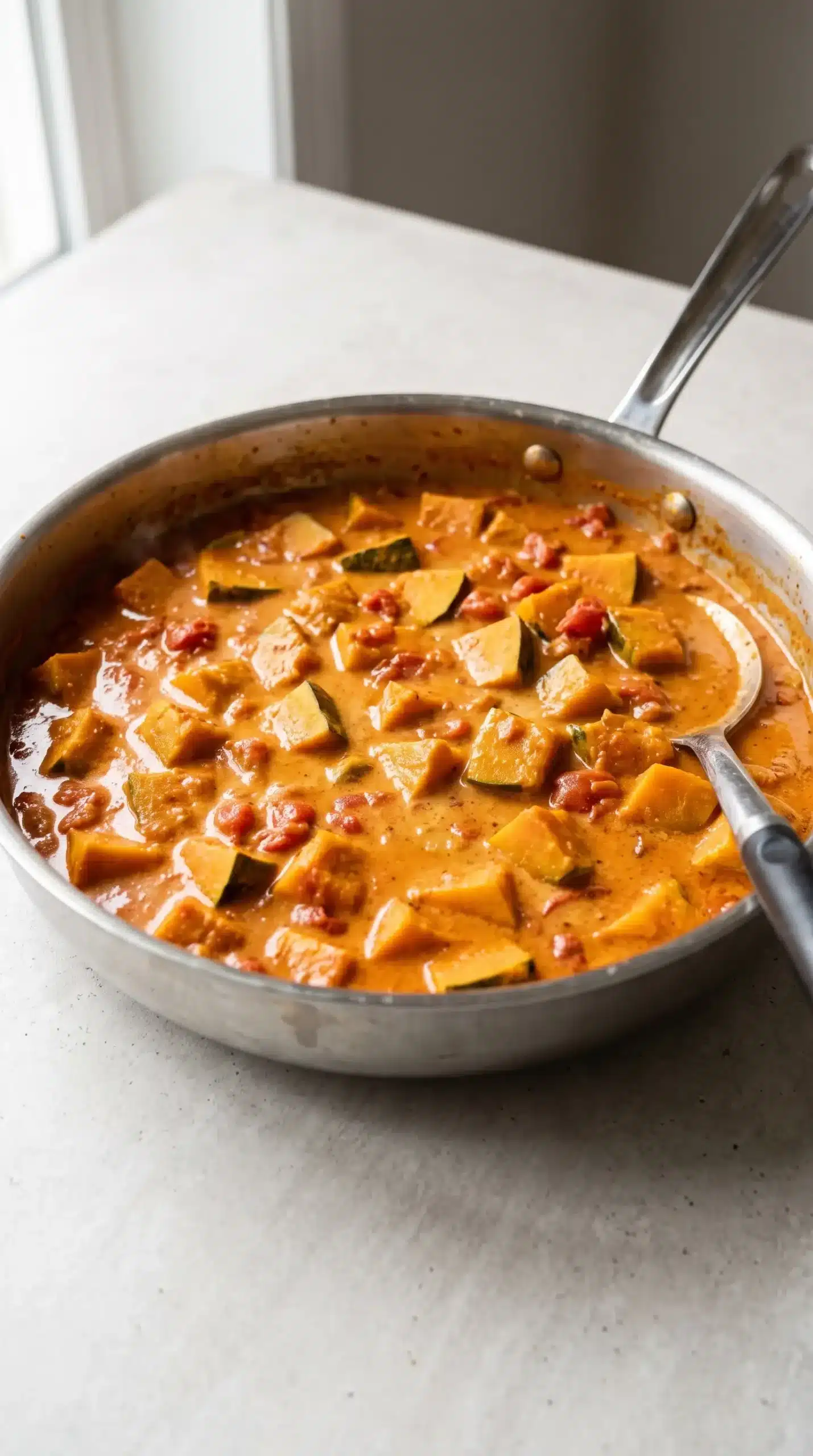
Squash provides the foundation for a curry that develops depth without requiring complicated preparation. The vegetable softens while absorbing the coconut milk, tomatoes, and spices, creating pieces that remain recognizable while carrying the surrounding flavors.
Fire roasted tomatoes bring acidity and savory character to the sauce, helping balance the natural sweetness of the squash. Coconut milk smooths those sharper notes, while red curry paste adds concentrated spice and aromatic ingredients that support the entire skillet.
Peanut butter adds another dimension by creating a fuller texture and connecting the creamy elements of the sauce. When combined with coconut milk and curry paste, it helps create a rich coating that works especially well with the hearty texture of squash.
Kabocha Squash Curry Gains Character From Ingredient Choices
Kabocha squash is especially well suited for this style of curry because its firm flesh holds its shape during simmering. Butternut squash can also work well, offering a softer texture and a slightly different sweetness while still pairing naturally with coconut milk and warm spices.
- Squash selection: Choose pieces that are evenly cut so they soften at a similar pace while simmering.
- Curry paste adjustment: Select a mild paste or reduce the amount when a gentler heat level is preferred.
- Herb finish: Add cilantro close to serving time so its fresh flavor remains noticeable.
Coconut Milk Balance Shapes the Curry Sauce
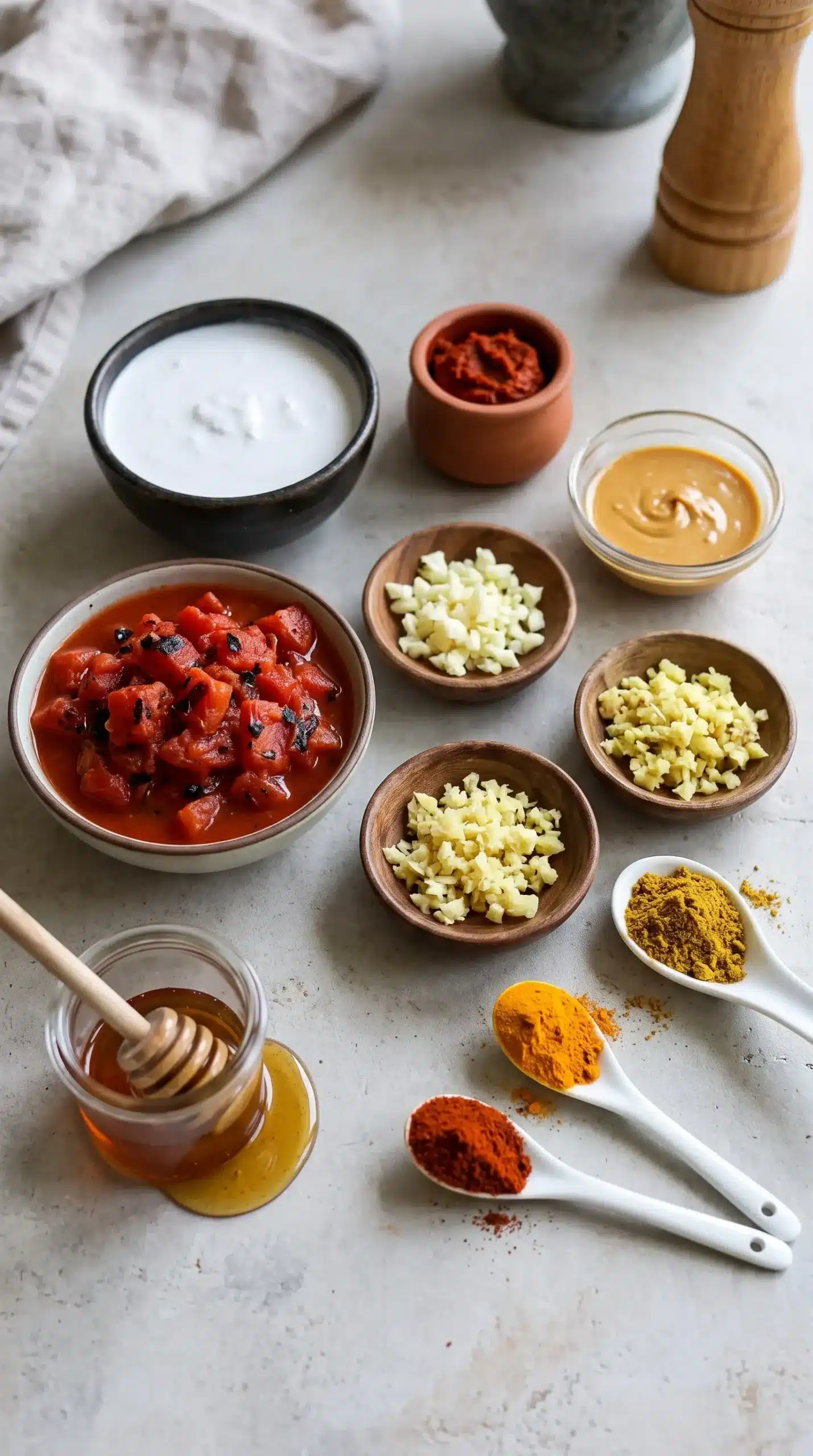
Creamy coconut milk gives the sauce its smooth body, but the surrounding ingredients determine how that richness feels on the plate. Tomatoes introduce brightness, while curry paste and spices keep the flavor from becoming flat or overly sweet. For a skillet built around coconut milk, ingredients such as chickpeas and vegetables can create a hearty curry base in dishes like coconut curry with chickpeas and simple vegetables.
Honey plays a supporting role by rounding out the combination of chili, tomatoes, and coconut. Only a small amount is needed because squash already contributes natural sweetness to the finished dish.
Careful mixing of peanut butter with the coconut milk helps create a more even sauce. Taking time to smooth these ingredients together before the squash simmers allows the flavors to spread throughout the dish.
Bulgur Turns Squash Curry Into a Complete Bowl
Bulgur provides a nutty, filling base that absorbs some of the curry sauce while keeping a pleasant texture. Serving the curry over bulgur keeps the grains distinct, while mixing them directly into the skillet creates a more integrated one-pan style meal.
| Serving approach | Texture result | Best use |
|---|---|---|
| Curry over bulgur | Separate grains with sauce coating | Individual portions and flexible serving |
| Bulgur mixed into curry | More blended, spoonable texture | Easy skillet meals |
| Extra bulgur on the side | Lighter curry-to-grain ratio | Adjusting portions at the table |
Squash Coconut Curry Mistakes That Affect Texture and Flavor
Overcooking squash is one of the easiest ways to change the character of the dish. Pieces that simmer too long can lose their shape and make the sauce feel less textured. Keeping an eye on tenderness helps preserve the contrast between the vegetables and creamy sauce.
Adding too much curry paste without considering its heat level can overpower the other flavors. Different pastes vary in intensity, so adjusting the amount based on the specific paste keeps the spice level balanced.
Skipping the resting period after cooking can also affect the finished texture. The sauce continues to thicken after leaving the heat, giving the coconut milk and other ingredients time to settle together.
Spice Adjustments Create Different Curry Styles
The seasoning blend allows the curry to move between mild and bold styles without changing its foundation. Curry powder, chili powder, turmeric, and cayenne can be adjusted carefully to match personal preferences while keeping the squash and coconut flavors visible.
Cooking Control Keeps Squash Coconut Curry Consistent
Temperature control matters because the squash needs enough heat to become tender while the sauce needs gentle cooking to maintain its smooth texture. A steady simmer allows the flavors to develop without aggressively breaking down the vegetables.
Evenly sized squash pieces make it easier to judge doneness during cooking. Smaller pieces soften faster, while larger pieces take longer to become tender, so consistent cuts improve the overall result.
Kabocha squash is a strong choice for simmered dishes because its dense flesh that holds its shape works well as the curry cooks and develops its sauce.
Resting the curry away from direct heat gives the sauce an opportunity to become thicker and more cohesive. This short pause changes the texture from a loose simmered sauce into a coating that clings well to squash and bulgur.
Meal Preparation Ideas Extend the Curry Beyond Dinner
Prepared portions of squash curry can be useful for lunches because the flavors continue to blend as the components sit together. Keeping the bulgur separate can help preserve different textures when preparing portions ahead.
Storage Choices Protect Squash Curry Quality
Proper storage helps maintain the creamy sauce and tender vegetables after cooking. Cooling the curry before transferring it into containers keeps moisture and texture more consistent.
Separate storage works well when you want more control over the finished bowl. Keeping bulgur apart from the curry prevents the grains from absorbing too much sauce during storage.
| Component | Storage approach | Serving adjustment |
|---|---|---|
| Squash curry | Store in a sealed container | Warm gently until heated through |
| Bulgur | Keep separate when possible | Refresh with a small amount of moisture if needed |
| Cilantro topping | Add fresh at serving | Use after reheating for brighter flavor |
Serving Details Highlight Squash Curry With Coconut Milk

Fresh cilantro creates a bright contrast against the creamy sauce and warm spices. The herb finish is especially effective when the curry is served with a generous portion of bulgur that carries the sauce.
Squash Tenderness Defines the Finished Coconut Curry
Squash pieces that remain tender while holding their shape create the ideal balance in this curry. The vegetable should feel soft enough to absorb the coconut sauce while still providing structure in each serving.
Every part of the skillet contributes to that balance, from the roasted tomato acidity to the creamy peanut and coconut combination. The strongest results come from paying attention to texture changes during simmering and allowing the sauce time to settle.
Common Questions About Squash Curry Heat and Texture
Can butternut squash replace kabocha squash in coconut curry?
Butternut squash works as a substitute because it has a naturally sweet flavor and soft texture that pairs well with coconut milk. The main difference is that butternut squash may become tender slightly differently during simmering, so checking the texture while cooking is helpful.
How can the curry be made less spicy?
Reducing the amount of red curry paste or choosing a milder variety lowers the heat while keeping the creamy sauce and squash flavor intact. The cayenne pepper can also be adjusted separately for more control over the spice level.
Why does the curry sauce become thicker after cooking?
The sauce thickens as it rests because the ingredients continue to settle and the squash releases some of its natural starches and moisture into the surrounding mixture. Allowing the curry to sit briefly after cooking helps create a richer texture.
Can the bulgur be served separately?
Yes, serving bulgur separately makes it easier to control the amount of grain in each bowl and keeps the curry sauce texture more distinct. It is also useful when preparing portions for different serving preferences.
What makes peanut butter useful in squash coconut curry?
Peanut butter adds creaminess and a nutty flavor that complements coconut milk, curry paste, and squash. It also helps connect the sweet, spicy, and savory elements into a more unified sauce.
Squash Coconut Curry with Coconut Milk and Red Curry Paste
Squash coconut curry is a creamy, hearty curry with tender squash, rich coconut sauce, and warm layers of spice. It is a comforting skillet meal perfect for a flavorful weeknight dinner.
Ingredients
Method
Preparation
- Prepare the bulgur following the package instructions, then set it aside.
- Warm the olive oil in a large skillet over medium heat. Add the garlic and ginger and cook for 2-3 minutes until softened and fragrant.
Cooking
- Coat the squash with the curry powder, chili powder, turmeric, and cayenne pepper.
- Add the coconut milk to the skillet, then whisk in the curry paste, peanut butter, and honey until the mixture is smooth.
- Add the seasoned squash and tomatoes to the skillet. Cover and simmer for 10-15 minutes, until the squash is tender but still holds its shape.
- Take the skillet off the heat and allow the curry to stand for 10 minutes so the sauce can thicken.
Serving
- Stir the bulgur into the skillet mixture, or spoon the curry over individual portions of bulgur.
- Finish with chopped cilantro just before serving.
Notes
Depending on the curry paste used, additional salt may be needed. Three tablespoons of Massaman curry paste provided a mild kick, but reduce the amount or choose a milder variety if less spice is preferred. This recipe makes 6 large, very filling servings. The squash preparation method is shown in the original source.