From breakfast to dinner, from healthy meals to sweet desserts – Next Yum Recipes brings you quick, simple and tasty ideas for every occasion and every time.


 This Recipe
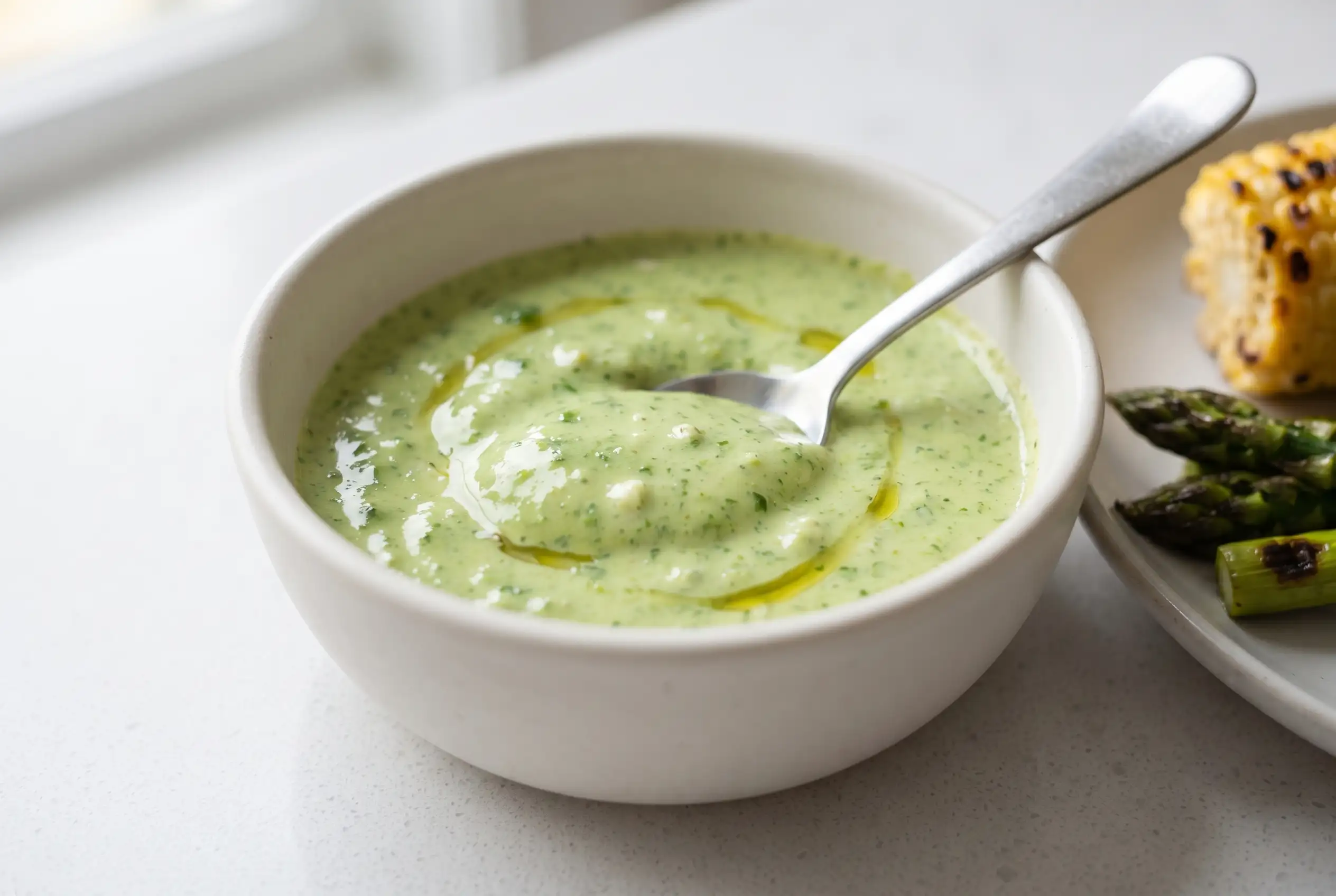
Aji verde is a bright Peruvian-inspired sauce that combines cilantro, jalapeño, queso fresco, lime, garlic, and creamy ingredients into a fresh topping with a gentle balance of richness and heat. The simple blend creates an aji verde sauce that works across grilled foods, tacos, bowls, vegetables, and snacks while keeping a lively herbal character.
Many green sauces rely on sharp peppers or heavy seasoning, but aji verde stands apart through its combination of creamy texture and fresh green flavor. The blended ingredients create a sauce that feels smooth enough to drizzle while still keeping a little texture from the herbs and cheese.
Cilantro and Queso Fresco Shape Aji Verde Texture
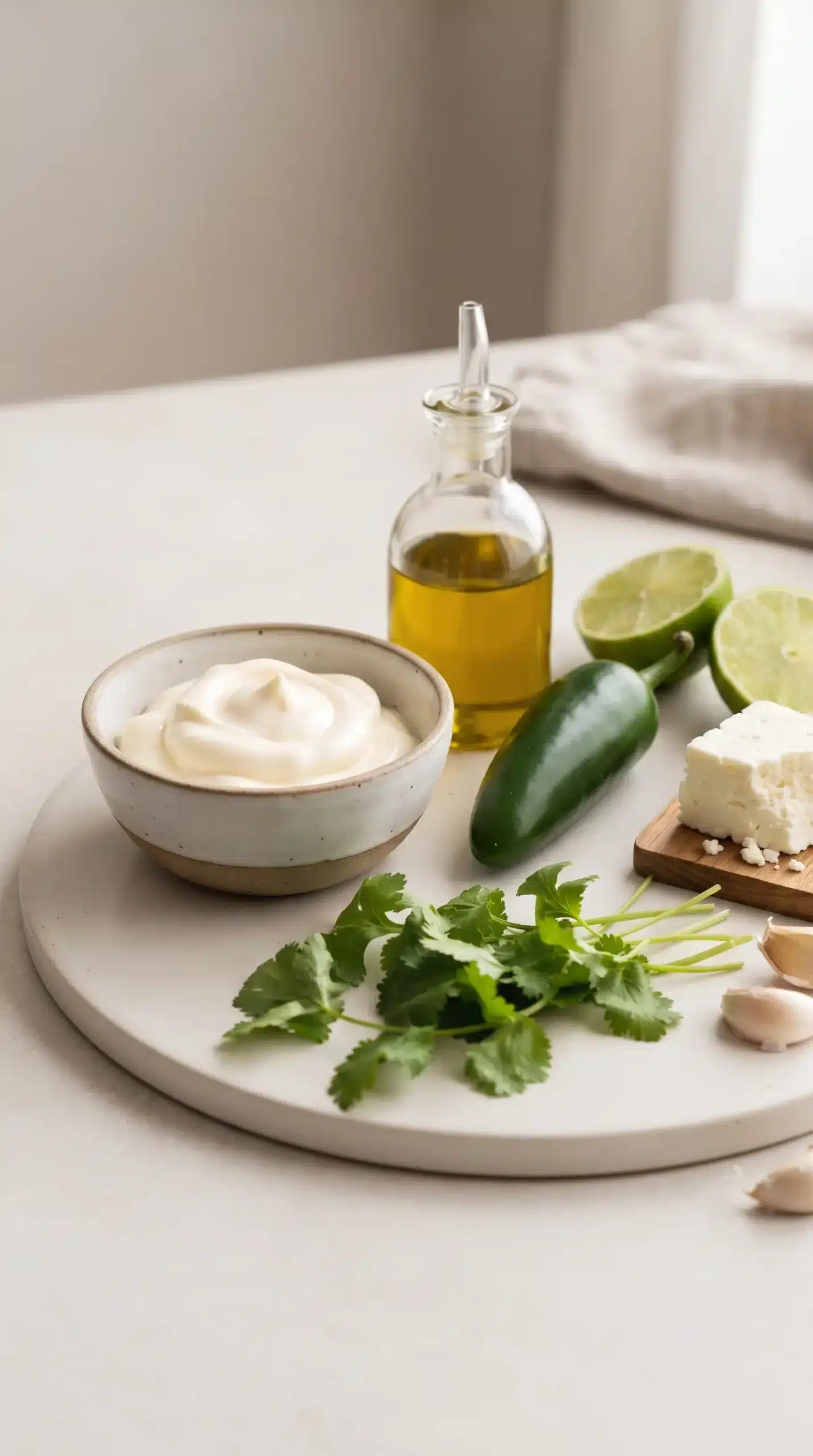
Cilantro provides the unmistakable green color and fresh flavor that defines aji verde. The herb is blended with the other ingredients so its flavor spreads throughout the sauce instead of appearing as separate pieces. Keeping some fine texture helps preserve the character of the fresh ingredients.
Queso fresco changes the structure of the sauce by adding a mild dairy note and a soft body. Combined with mayonnaise and olive oil, the cheese helps create a creamy consistency that can cling to grilled foods without becoming overly thick.
Fresh lime juice has an important balancing role because the acidity brightens the creamy elements. Garlic adds a savory background, allowing the cilantro and pepper flavors to remain noticeable without making the sauce taste flat.
Jalapeño Choices Define the Sauce Heat Level
Jalapeño preparation determines how much warmth appears in aji verde. Removing the ribs and seeds creates a milder sauce, while keeping more of the pepper intact allows the green chile flavor and heat to become more prominent.
Blending Control Keeps Aji Verde Smooth Yet Textured
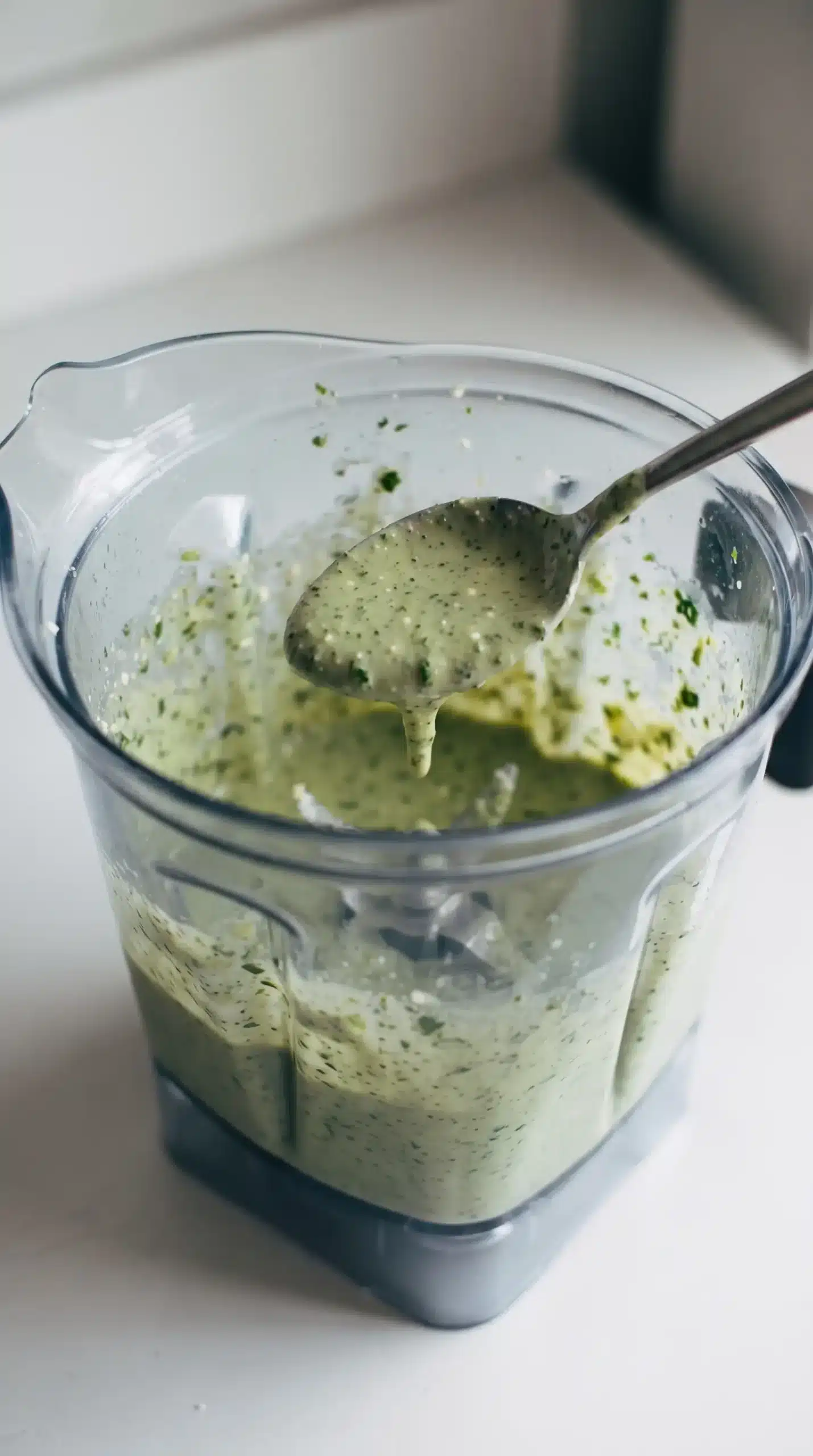
Blending time affects the way aji verde feels when served. A shorter blend can leave visible pieces of cilantro or cheese, while a longer blend creates a smoother sauce that flows easily from a spoon.
Kitchen tools can influence the result, but the important decision is watching the texture during blending. The sauce should become cohesive and creamy while maintaining enough character that it does not feel completely uniform.
Careful attention during this stage also helps prevent uneven bites. A properly blended aji verde sauce distributes the pepper, herbs, dairy, and aromatics throughout each serving.
Serving Pairings Reveal Aji Verde Versatility
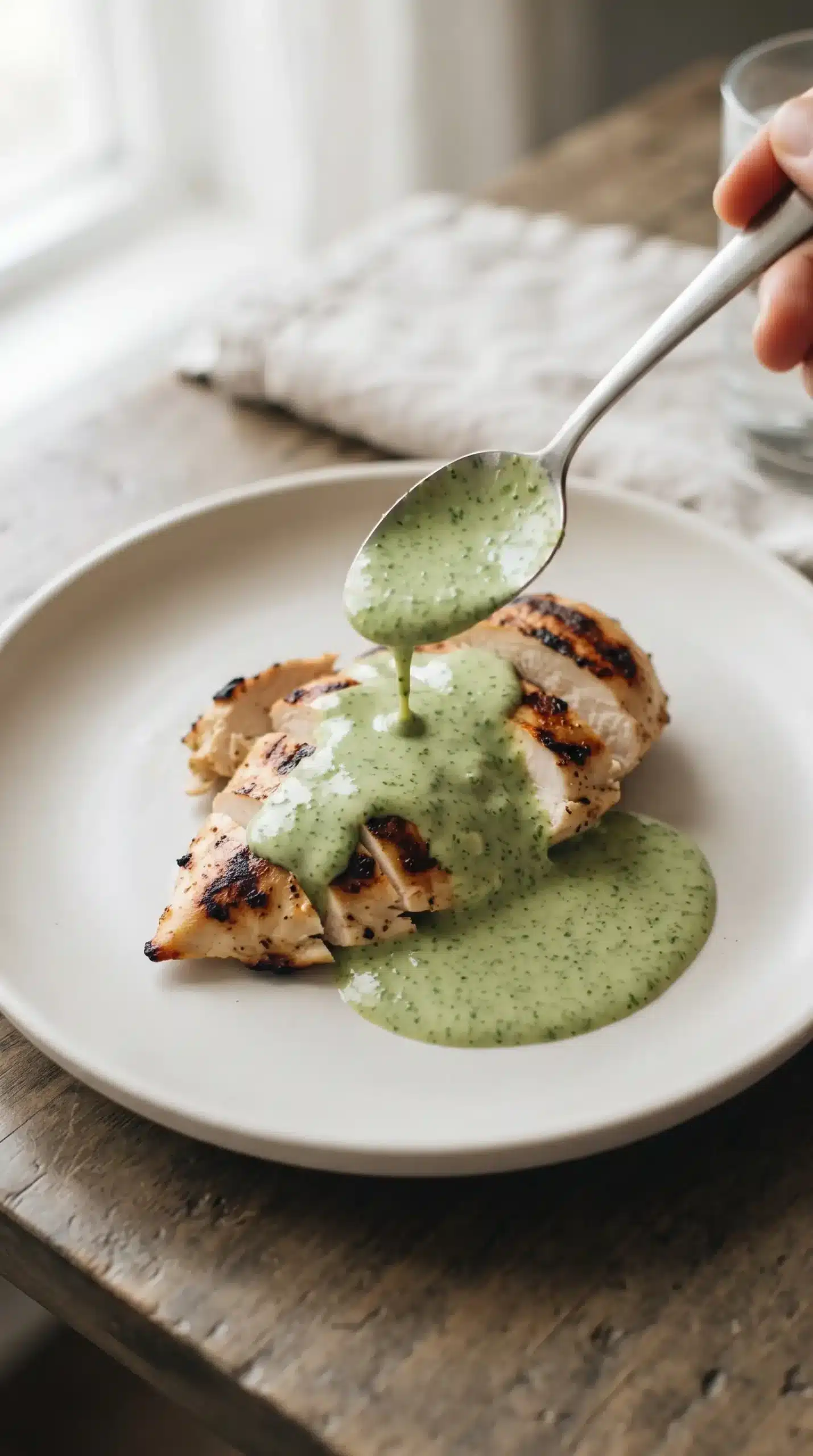
Grilled meats are one of the most natural matches for aji verde because the fresh sauce cuts through rich flavors and adds moisture. Chicken, steak, and other grilled proteins benefit from the combination of creamy texture, lime brightness, and herbal notes.
Vegetable dishes gain depth from the sauce. Roasted or grilled vegetables can be finished with a drizzle, while grain bowls and salads benefit from a fresh topping like creamy cilantro dressing that brings acidity and herb flavor into the meal.
Common serving ideas include using the sauce in several simple ways:
- Taco topping: Add a creamy green finish to tacos, wraps, or similar handheld meals.
- Dip option: Pair the sauce with chips or fresh vegetables for a quick appetizer.
- Bowl addition: Spoon it over rice, beans, and vegetables for extra flavor.
Aji Verde Storage Protects Fresh Flavor
Cold storage helps maintain the freshness of aji verde after blending. Keeping the sauce covered limits exposure to air, which helps preserve the bright color and clean flavors from the cilantro and lime.
Common Aji Verde Mistakes That Change the Sauce
Over-blending can sometimes remove the slight texture that makes aji verde appealing. A completely smooth result is possible, but stopping once the sauce reaches a spoon-dripping consistency keeps the blended ingredients recognizable.
Excessive pepper preparation can also change the balance of the sauce. Using a jalapeño with all of its ribs and seeds may create more heat than expected, while removing them produces a softer chile presence.
Ignoring seasoning adjustments is another common issue. A pinch of salt, the amount of lime juice, and the pepper choice all influence the finished flavor, so small changes can help the sauce match the meal being served.
Adjustments Create New Aji Verde Variations
Aji verde can be adapted while keeping its essential identity. A serrano pepper can replace jalapeño for a different chile character, and the amount of pepper can be adjusted to suit different preferences.
Peruvian Green Sauce Traditions Guide Serving Ideas
Peruvian green sauce is widely recognized for its fresh combination of herbs, peppers, and creamy ingredients. Aji verde carries that same style by pairing bold green flavors with a texture designed for generous spooning and dipping.
This style of condiment is rooted in the tradition of Aji verde Peruvian green sauce, a creamy, tangy preparation that is commonly served alongside foods such as grilled meats, seafood, and vegetables.
Regional versions can vary in their balance of heat, acidity, and creaminess. The supplied combination of cilantro, jalapeño, queso fresco, and lime creates a practical home version that highlights those familiar elements.
Food traditions often evolve around how sauces are served, and this cilantro jalapeño sauce fits naturally into meals where a bright condiment adds contrast. Its flexible texture makes it useful across many different dishes.
Consistency Choices Improve Every Aji Verde Sauce
Texture decisions shape how aji verde works at the table. A thinner sauce is easier to drizzle over bowls and grilled foods, while a thicker blend works especially well as a dip.
Leftover Aji Verde Finds New Uses at Meals
Extra sauce can become a quick way to add flavor to simple meals. A spoonful can transform leftover proteins, vegetables, or grains without requiring additional cooking steps.
Creative uses include spreading aji verde inside sandwiches, mixing it into salad preparations, or adding it beside roasted vegetables. The creamy texture allows it to act as both a condiment and a finishing sauce.
Meal planning becomes easier when a flavorful sauce is already prepared. A small amount can provide contrast to mild ingredients and bring freshness to everyday combinations.
Fresh Ingredients Make Aji Verde Worth Blending
Fresh cilantro, lime, and jalapeño create the defining character of aji verde, while creamy ingredients provide the texture that makes the sauce easy to serve. The strongest results come from preserving the balance between brightness, heat, and richness during preparation.
Simple blending turns a short ingredient list into a versatile condiment. Aji verde works because every element contributes to the finished texture and flavor without requiring complicated techniques or lengthy preparation.
Fresh Balance Defines the Best Aji Verde Results
Aji verde reaches its best expression when the creamy base, green herbs, pepper warmth, and citrus brightness remain in harmony. The sauce depends on observing texture during blending and adjusting heat through careful pepper preparation.
Balanced blending creates a condiment that can move easily from a dip to a drizzle, giving grilled foods, vegetables, tacos, and bowls a fresh layer of flavor built from simple ingredients.
Aji Verde Questions About Heat, Texture, and Storage
How can aji verde be made less spicy?
A milder aji verde comes from removing the ribs and seeds from the jalapeño before blending. Choosing a smaller amount of pepper or using a less intense chile option can also reduce the heat while keeping the fresh green flavor.
Can serrano peppers replace jalapeños in aji verde?
Serrano peppers can be used when a sharper chile flavor is desired. The substitution changes the heat profile, so adjusting the amount allows the sauce to stay balanced with the cilantro, lime, and creamy ingredients.
Why does aji verde sometimes turn out too thick?
A thicker texture may come from the balance of creamy ingredients and blending time. Adjusting the consistency with careful changes to the blended mixture can help create a sauce that drips easily from a spoon.
What foods pair best with aji verde sauce?
Aji verde sauce pairs especially well with grilled meats, vegetables, tacos, salads, bowls, and chips. The fresh acidity and creamy texture make it useful wherever a meal needs a flavorful finishing element.
How long can homemade aji verde be kept?
Homemade aji verde should be kept covered and refrigerated to help maintain its fresh ingredients. Because the sauce relies on cilantro and lime for its character, using it while those flavors remain vibrant provides the best experience.
Aji Verde Sauce with Cilantro Queso Fresco and Lime
Aji verde sauce is a creamy green sauce with a fresh, vibrant texture and balanced cilantro, lime, and pepper flavor. This quick blended condiment is an easy way to add a bright finishing touch to meals.
Ingredients
Method
Preparation
- Add all ingredients to a food processor or blender.
- Blend until the sauce is mostly smooth with a slight texture remaining, and it falls smoothly from a spoon.
- Serve the finished sauce with grilled meats and veggies, tacos, salads, bowls, or chips.
Notes
Blend the sauce to a smooth, spoon-dripping consistency while keeping a little texture from the ingredients.