From breakfast to dinner, from healthy meals to sweet desserts – Next Yum Recipes brings you quick, simple and tasty ideas for every occasion and every time.


 This Recipe
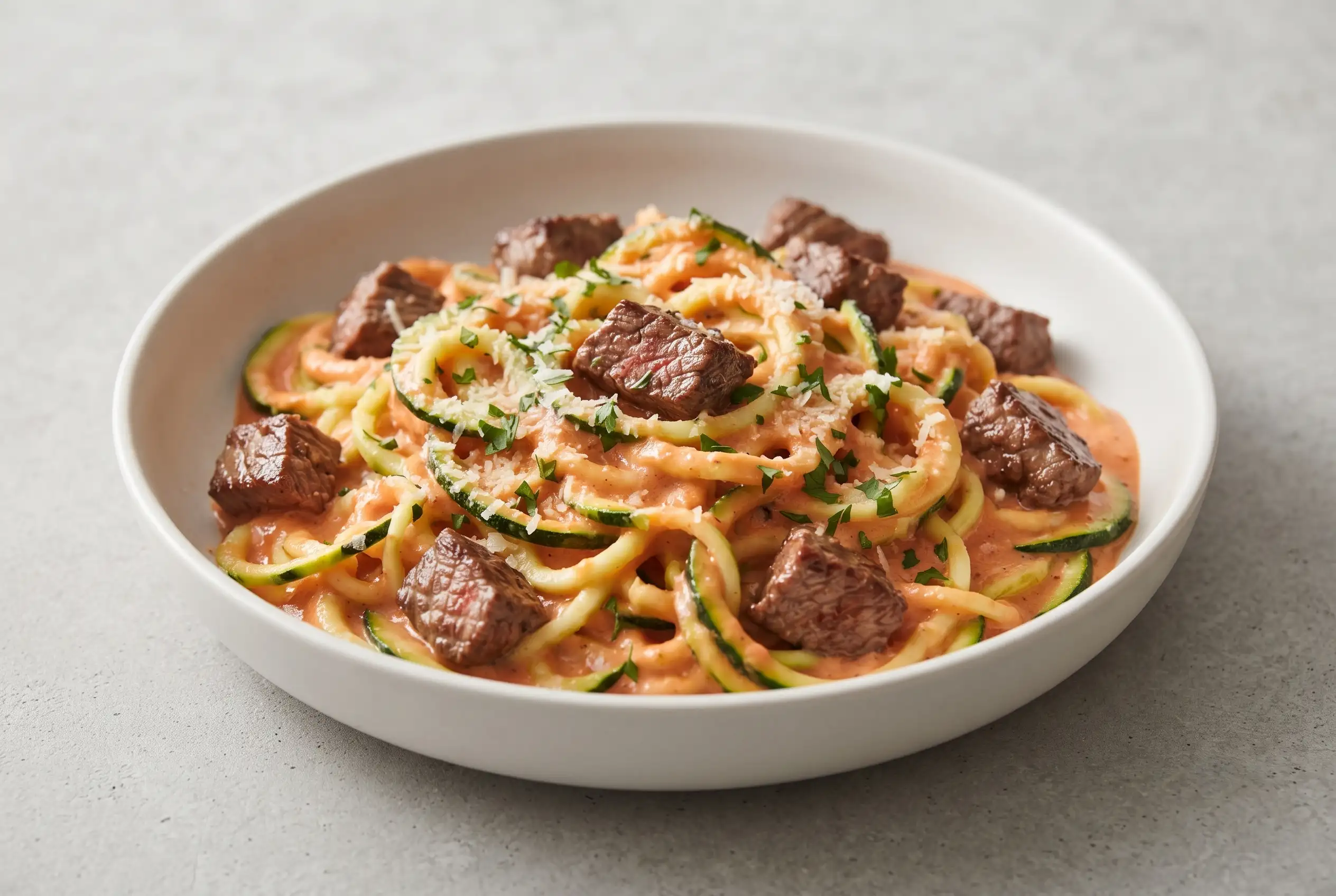
Vodka steak pasta brings together seared sirloin, creamy tomato vodka sauce, and a fresh zucchini noodle option for a dinner that feels rich without requiring a long ingredient list. The combination works because the steak gets its flavor from careful browning while the sauce provides a smooth coating that ties every bite together.
Built around four main ingredients, the dish highlights simple decisions that have a noticeable effect on the plate. Browning the butter, protecting the steak’s texture, and choosing the right way to handle zucchini noodles all help create a balanced version of creamy vodka steak pasta.
Vodka Sauce Gives Steak Pasta Its Creamy Balance
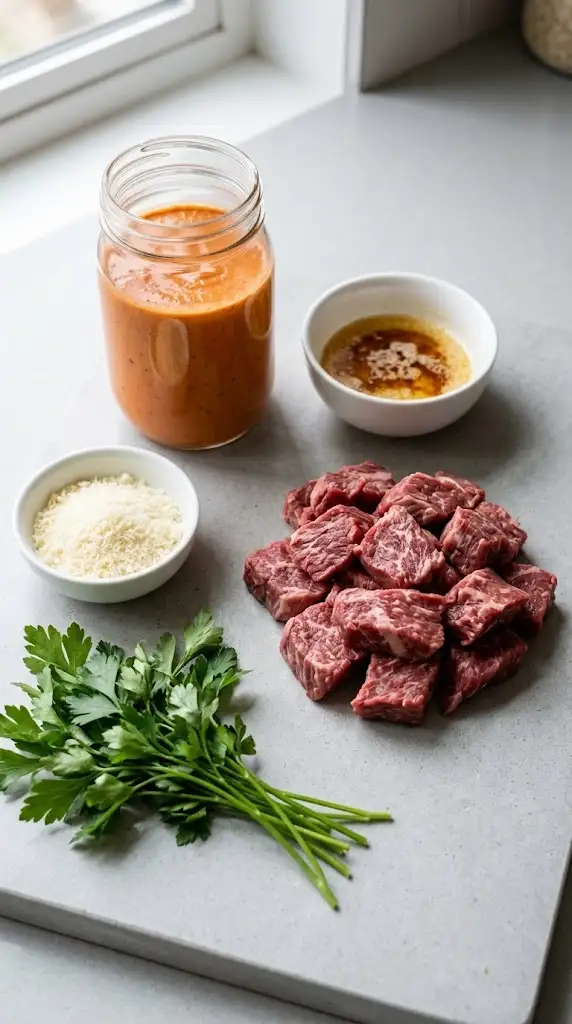
Classic vodka sauce is known for bringing tomato brightness and a creamy texture together, and that balance makes it a natural match for seared steak. The sauce surrounds the small pieces of sirloin, creating a coating that feels substantial without hiding the savory flavor developed in the skillet. A dairy-free variation can be found in vegan vodka pasta with creamy tomato sauce, which focuses on the creamy tomato element of this style of dish.
Richness comes from the interaction between the browned butter used for the steak and the smooth sauce added later. Browning the butter slightly builds a deeper flavor base, while the prepared vodka sauce keeps the cooking process focused on texture and timing.
Unlike a sauce that needs many additions to become complex, this combination relies on a few strong elements working together. The result is a steak pasta with vodka sauce that emphasizes contrast: tender pieces of meat, silky sauce, and a vegetable noodle option with a lighter finish.
Sirloin And Vodka Sauce Shape The Dish
Sirloin works well here because it can be cut into bite-sized pieces that quickly develop a browned exterior. The vodka sauce carries the steak flavor after searing, and the zucchini or pasta base determines how the creamy coating is experienced in each serving.
| Choice | Effect in the dish | Best handling approach |
|---|---|---|
| Sirloin steak | Provides savory bites with a seared surface | Cut evenly and avoid unnecessary stirring during the first sear |
| Vodka sauce | Creates the creamy tomato coating | Warm gently after the steak is removed |
| Zucchini noodles | Add a fresh vegetable base | Serve promptly to limit extra moisture |
Zucchini Noodles Change The Way The Sauce Lands
Zucchini noodles give this dish a lighter structure while allowing the vodka sauce to remain the main flavor. Their mild taste lets the steak and sauce stand out, making them a useful alternative to traditional pasta.
Freshly prepared zucchini noodles behave differently from wheat pasta because they contain more water. Serving them soon after adding the sauce helps maintain a better texture, while longer storage can cause additional moisture to collect.
Regular pasta can also be used when a more traditional bowl is preferred. The important consideration is matching the base with the amount of sauce available so every portion receives enough creamy coating without becoming heavy.
Skillet Heat Controls The Steak Texture
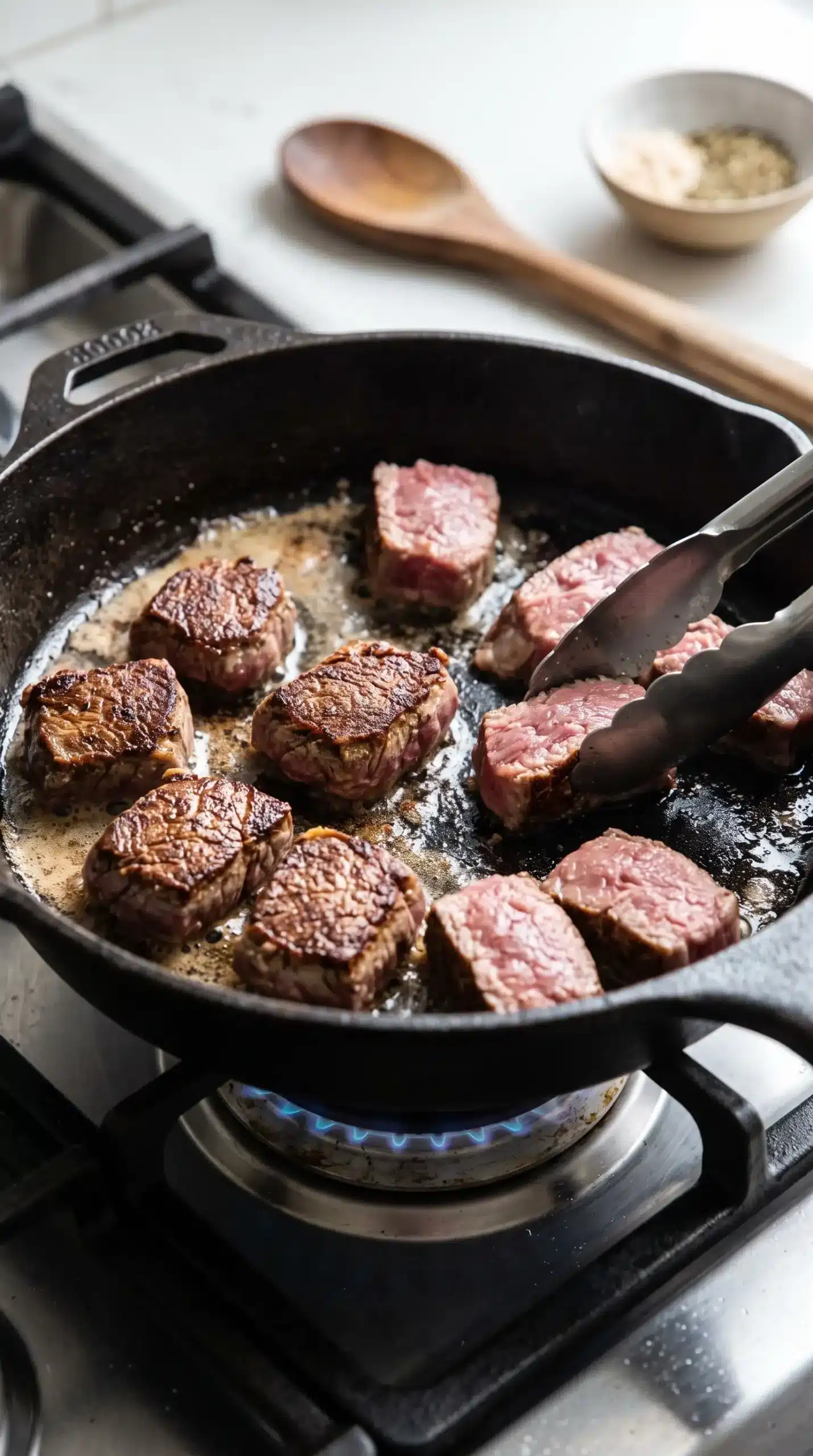
Cooking control matters most during the steak searing stage. A hotter skillet allows the small pieces of sirloin to develop a browned exterior quickly, while a short cooking time helps keep the inside from becoming overly firm before the sauce finishes warming.
The browned surface on seared steak develops through the Maillard reaction, a process that occurs when proteins and sugars react under high heat to create new flavor compounds. This is why a quick, hot sear adds depth before the steak returns to the sauce.
Steak Pasta Mistakes That Make Vodka Sauce Less Successful
Small choices can change the texture of creamy vodka steak pasta. The most common problems come from handling the steak, sauce, and zucchini noodles in ways that reduce the contrast that makes the dish appealing.
- Over-stirring steak: Moving the pieces constantly can prevent the surface from developing a strong sear. Letting one side sit briefly in the skillet creates better browning.
- Overcooking small pieces: Bite-sized sirloin does not need a long time in the pan. A quick sear followed by warming in sauce helps preserve tenderness.
- Ignoring zucchini moisture: Zucchini noodles naturally release water. Serving immediately or keeping noodles separate from sauce helps protect the texture.
Another issue happens when excess grease remains in the skillet before adding the sauce. Removing extra fat keeps the prepared vodka sauce from becoming weighed down and allows its tomato flavor to stay noticeable.
Careful corrections are simple. Steak that seems too firm cannot be reversed easily, so attention during searing matters most. Watery zucchini noodles are easier to manage by draining excess moisture and combining the components closer to serving time.
Serving Choices Keep Creamy Vodka Steak Pasta Fresh
Fresh serving decisions have a major effect on the finished bowl. Parmesan and parsley can add a finishing touch, while serving the sauce and zucchini noodles together at the right moment helps maintain the intended texture.
Small Adjustments Create More Ways To Serve It
Flexibility is one reason this dish works well for different preferences. The core combination of steak and vodka sauce remains the focus, but the base and finishing touches can change the overall feel of the meal.
Useful options include:
- Pasta base: Choose regular pasta when a classic creamy pasta experience is desired.
- Vegetable base: Use zucchini noodles for a fresher approach that keeps the sauce and steak prominent.
- Finishing touch: Add Parmesan and parsley after assembling to bring extra savory and herbal notes.
Simple adjustments should support the original structure instead of competing with it. The sauce already provides a strong foundation, so additions work best when they complement the steak and creamy tomato flavor.
The Four Ingredient Structure Stays Focused
Focused cooking makes vodka steak pasta a practical choice when a satisfying dinner is needed without a complicated preparation plan. Each major element has a clear purpose, allowing technique to create depth alongside the short ingredient list.
Storage Details Protect Zucchini Noodle Vodka Pasta Texture
Storage requires attention because zucchini noodles and creamy sauce change differently after cooking. Keeping components separate is often the easiest way to preserve the texture of each part.
Leftover portions with zucchini may develop extra moisture over time. Stirring the mixture before serving can redistribute the sauce, but storing noodles separately provides better control when preparing portions ahead.
Reheating should be gentle so the steak does not become tougher from unnecessary heat exposure. Warming the sauce and steak together slowly can help maintain a smoother texture than aggressively heating the entire dish.
Parmesan And Herbs Finish Steak Pasta With Vodka Sauce
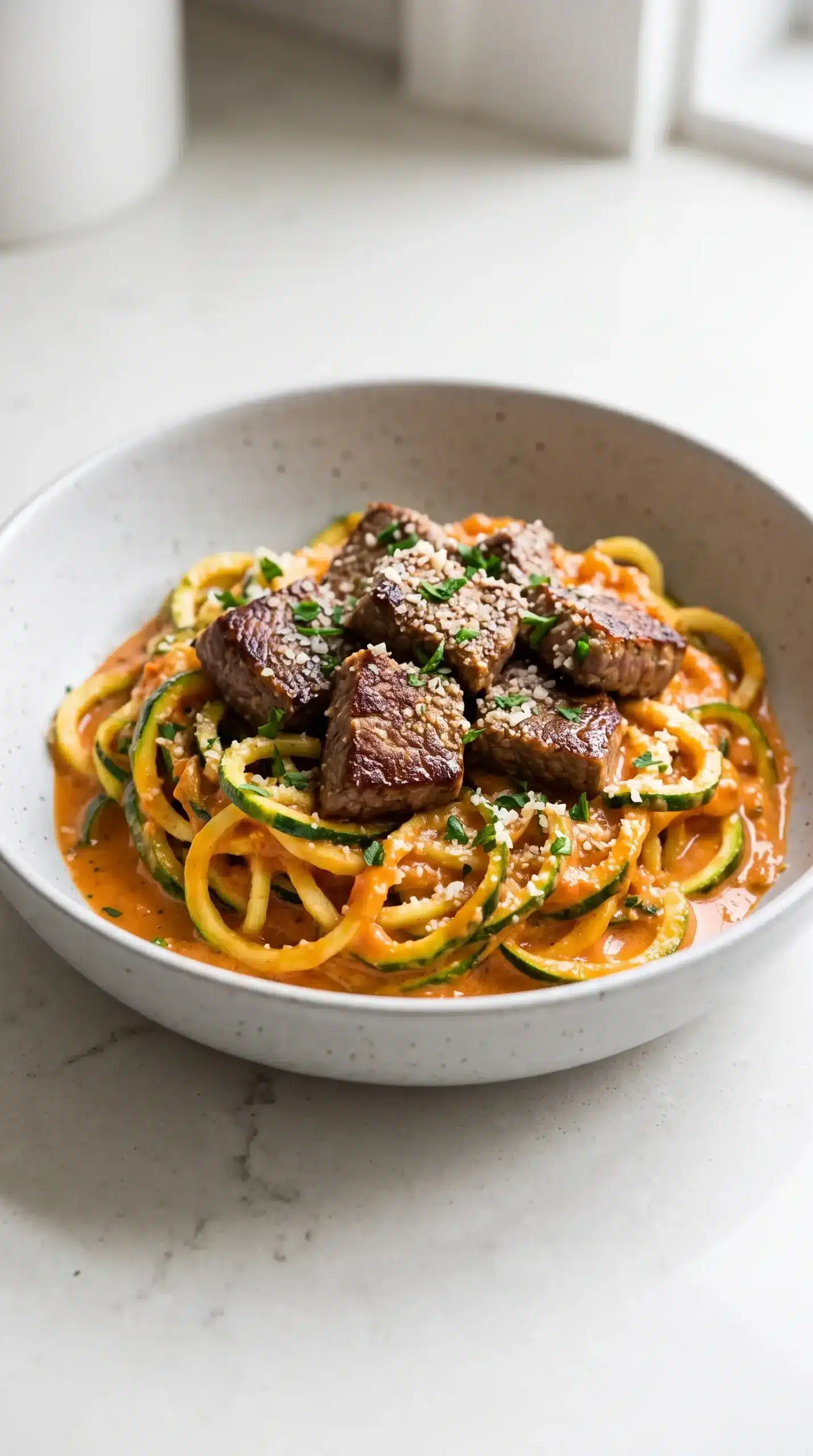
Finishing touches provide contrast after the rich sauce and steak are combined. A sprinkle of Parmesan and parsley adds a familiar pasta-style finish while keeping the attention on the creamy tomato and seared beef flavors.
Seared Steak And Creamy Sauce Define The Best Vodka Steak Pasta
Seared sirloin creates the central texture of vodka steak pasta, and the creamy sauce succeeds when it supports the meat instead of covering its flavor. Careful heat management and thoughtful handling of zucchini noodles are the decisions that most influence the final bowl.
The dish comes together through balance: browned steak, smooth vodka sauce, and a base that matches the desired style of serving. Keeping those elements distinct during preparation leads to a more satisfying steak pasta with vodka sauce experience.
Questions About Vodka Steak Pasta And Common Cooking Concerns
Can I use regular pasta instead of zucchini noodles?
Yes. Regular pasta works well with the vodka sauce and creates a more traditional creamy pasta dish. Cook the pasta separately and combine it with the sauce when you are ready to serve.
How do I keep zucchini noodle vodka pasta from becoming watery?
Serve zucchini noodles soon after combining them with sauce, because their moisture increases as they sit. Keeping the noodles separate from the sauce until serving is another useful approach for leftovers.
What cut of steak works best for this dish?
Sirloin is a strong choice because it can be cut into small pieces and quickly seared. The short cooking process helps the outside brown while the sauce adds moisture afterward.
Why should the steak rest outside the sauce during preparation?
Removing the steak after searing prevents it from spending too long in direct heat. It can then return to the sauce later, where it warms gently and absorbs the creamy tomato flavor.
Can I prepare the sauce and steak ahead of time?
The cooked steak and sauce can be stored for later serving, but zucchini noodles are best prepared closer to mealtime. Separating the components helps each part keep a better texture.
Vodka Steak Pasta with Creamy Sauce and Zucchini Noodles
Vodka Steak Pasta is a creamy, hearty pasta-style dish featuring tender seared sirloin and a smooth vodka sauce with a fresh zucchini noodle option. It is an easy, satisfying meal for weeknights when you want rich flavor without a complicated recipe.
Ingredients
Method
Preparation
- Heat the butter in a large heavy-duty skillet over medium-low heat until it is lightly browned, taking care not to burn it.
- Cut the steak into bite-sized pieces.
Cooking
- Increase the heat and add the steak pieces to the skillet with the browned butter. Leave the pieces undisturbed for about 1 minute to sear one side.
- Turn the steak pieces over and cook for another 1-2 minutes until both sides are well seared. The total searing time should be about 2-3 minutes.
- Remove the skillet from the heat, transfer the steak to a bowl, and wipe out excess grease from the skillet with a paper towel.
- Add the sauce to the skillet, return the steak, and simmer together for 5-10 minutes while preparing the zucchini noodles or pasta.
Assembly
- Spiralize or cut the zucchini into noodles, or cook pasta if using that option.
- Serve the sauce and steak over the zucchini noodles or pasta, then finish with Parmesan and parsley.
Notes
The nutrition information was calculated using a generic vodka sauce rather than the specific sauce brand, so values may vary. Zucchini noodles can release extra moisture when combined with sauce, but serving the dish right away helps maintain texture. Leftovers may have more moisture; stirring before serving or storing the noodles and sauce separately can help manage this.