From breakfast to dinner, from healthy meals to sweet desserts – Next Yum Recipes brings you quick, simple and tasty ideas for every occasion and every time.


 This Recipe
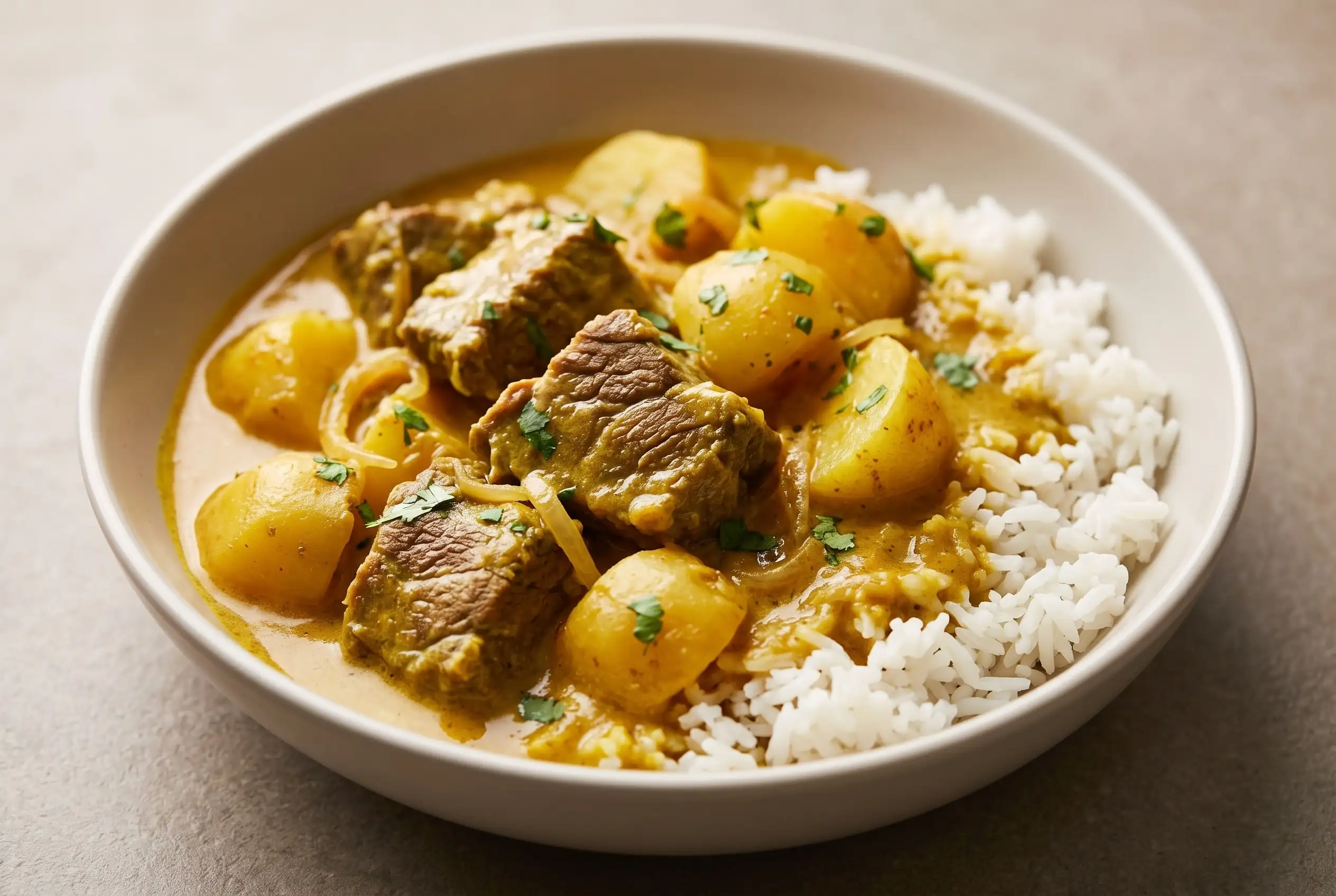
Thai yellow curry combines slow-simmered beef chuck, Yukon gold potatoes, coconut, and a deeply aromatic homemade curry paste built from roasted shallots, garlic, ginger, galangal, dried Thai chiles, turmeric, coriander, lemongrass, shrimp paste, and cilantro. Its character comes from more than chile heat. Roasted aromatics supply sweetness, coconut provides richness, and fish sauce and brown sugar sharpen the savory-sweet balance once the potatoes and beef have finished cooking.
What makes this thai yellow curry especially distinctive is the way the curry paste and coconut are handled separately before they meet the beef. The beef first cooks gently in light coconut milk, while the concentrated paste later simmers in bubbling coconut cream. Keeping those jobs separate allows the meat to soften without overwhelming it with spice and gives the curry base a fuller, more integrated flavor.
Thai Yellow Curry Paste Depends on Fresh Aromatics
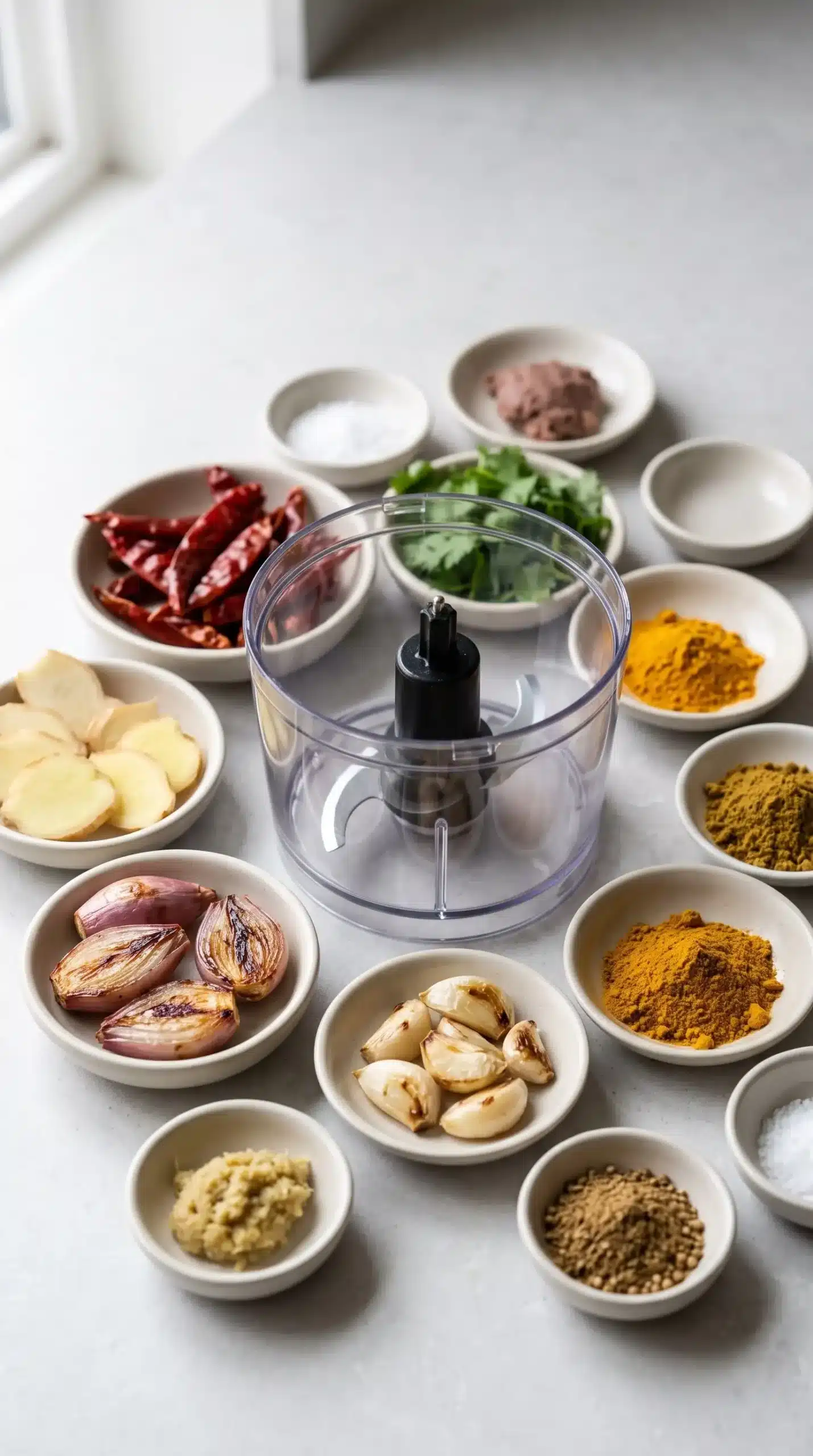
Homemade paste is the ingredient decision that most strongly shapes this curry. Galangal, ginger, roasted garlic, shallots, lemongrass, dried Thai chiles, coriander, turmeric, cilantro, shrimp paste, and curry powder create layers that a single powdered seasoning cannot reproduce. Galangal is especially important because its sharp, citrusy character is different from ginger even though the two roots look similar.
Dried Thai chiles should be softened before blending so their skins break down more readily. A little chile-soaking water can loosen the mixture when the blender struggles, but adding only what is needed keeps the paste concentrated. A thick paste later disperses more predictably into coconut cream than one diluted heavily during blending.
Shrimp paste and lemongrass work in the background but have major structural roles in the flavor. The shrimp paste supplies concentrated savory depth, while lemongrass gives the chile-heavy mixture a bright aromatic edge. Since the prepared curry paste exceeds the amount needed for one pot, portioning the unused paste separately also makes future batches easier without changing the concentration of the current curry.
Roasted Shallots and Garlic Lose Their Raw Edge
Heating the shallots and garlic while wrapped in foil softens their bite and develops a sweeter, rounder base before blending. Ginger and galangal receive a shorter treatment because their aromatic character should remain more assertive. Cooling the wrapped aromatics before handling also makes them easier to chop and blend evenly with the spices and softened chiles.
Coconut Cream Needs Controlled Bubbling
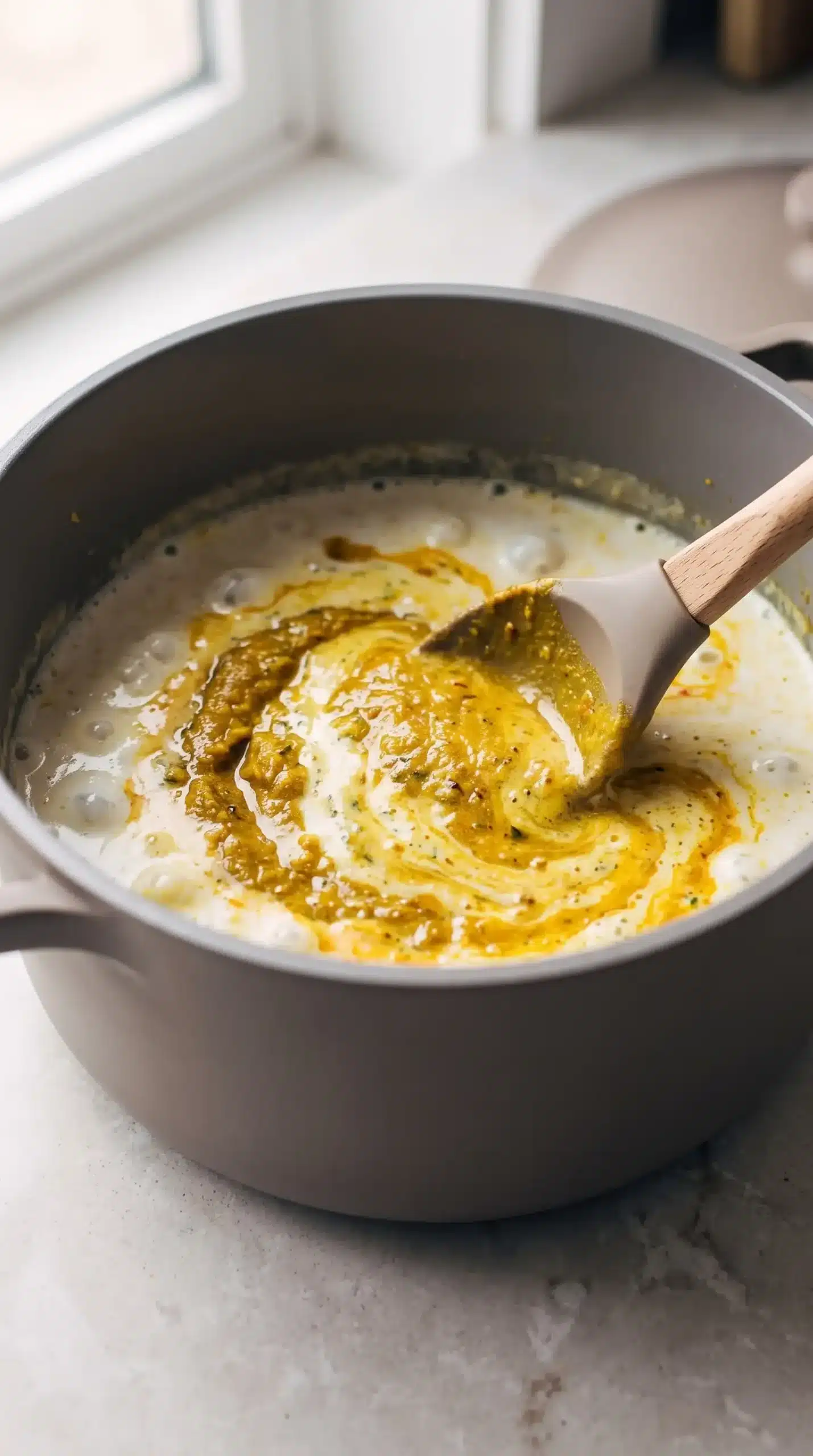
Coconut cream is not merely a liquid base here. Heating it until it bubbles and begins to thicken concentrates it before the curry paste goes in, creating a rich medium that can carry the chile and aromatic compounds through the sauce. A deep pot helps contain the active bubbling while leaving enough room for potatoes, beef, and additional liquid later.
In traditional Thai curry technique, coconut cream can be simmered until its oil begins to separate, concentrating the cream before the curry paste is fried in it. That extra concentration distinguishes this stage from simply stirring the paste into an unheated coconut base.
Once the paste enters the hot coconut cream, a short simmer gives the concentrated aromatics a chance to disperse. The mixture should smell cohesive instead of sharply raw, and the paste should no longer sit in visible clumps. Stirring periodically keeps the denser solids from settling against the bottom of the pot.
Using coconut cream produces a fuller sauce, while coconut milk makes a lighter variation. Because a leaner coconut base can make the spice seem more pronounced, curry-paste quantity becomes an important adjustment when making that substitution. Starting with less paste preserves room to increase the heat after tasting.
Beef Chuck Benefits From a Gentle Coconut Simmer
Beef chuck suits thai yellow curry with beef because prolonged gentle cooking softens its connective tissue while allowing the cubes to remain substantial in the finished bowl. Light coconut milk surrounds the meat during the first stage, and added water prevents the cooking liquid from becoming excessively concentrated before the beef joins the curry base.
Keep the simmer steady but restrained. Vigorous boiling can tighten the exterior of the beef and reduce liquid too aggressively, while gentle movement gives the meat time to soften. The coconut cooking liquid should be retained because part of it later contributes flavor and body to the curry.
Yukon Gold Potatoes Should Hold Their Shape
Yukon gold potatoes are well suited to beef and potato curry because they become tender while generally retaining defined edges. Cutting them into similarly sized bite-sized pieces encourages even cooking. When checking them, use tenderness as the cue: a piece should yield easily when pierced but should not collapse into the sauce during stirring.
Heat, Sweetness, and Salt Need a Late Adjustment
Dried Thai chiles establish the heat early, but the curry should not be judged solely by the raw paste. Coconut, beef, potatoes, water, fish sauce, and sugar all change how intense the finished seasoning tastes. Waiting until those components are together gives a clearer picture of the balance.
Brown sugar softens sharp chile edges without turning the curry into a sweet sauce, while fish sauce reinforces savory depth and contributes salt. Their effects overlap with the shrimp paste and the salt already present in the curry paste, so tasting after they are incorporated is more useful than seasoning aggressively at an earlier stage.
Fresh cilantro goes in near the end because its character is more delicate than the long-cooked aromatics. That late addition gives the finished thai beef curry with potatoes a fresher herbal note against the concentrated coconut and chile base.
- Too fiery: dilute the curry gradually with additional coconut milk or cooking liquid while preserving the sauce consistency.
- Too rich: use coconut milk in place of some or all of the coconut cream and reduce the curry paste initially.
- Too flat: assess salt and fish sauce before adding more sugar, since insufficient savory seasoning can mute the aromatics.
- Too sweet: add no further sugar and let fish sauce and the chile-rich paste restore the savory balance.
Curry Paste Quantity Changes the Whole Pot
The amount of curry paste controls more than spiciness because each spoonful also carries salt, aromatics, turmeric, shrimp paste, and lemongrass. When changing the coconut base or serving people with different heat preferences, it is easier to begin conservatively and add more paste after it has simmered into the sauce than to correct an overly concentrated pot.
| Cooking situation | Useful starting approach | What to watch |
|---|---|---|
| Using coconut cream | Use the intended curry-paste amount gradually if heat tolerance is uncertain | Rich coconut softens the perception of chile heat |
| Using coconut milk | Begin with a smaller quantity of paste | The curry may taste noticeably hotter and less rich |
| Adding more paste later | Simmer it into the sauce before reassessing | Raw-tasting aromatics should disappear before serving |
Common Thai Yellow Curry Mistakes to Avoid
One frequent error is treating the coconut cream as ordinary broth and adding everything before it has thickened. The curry paste disperses more effectively after the cream has begun bubbling, so rushing that stage can leave the sauce tasting less integrated.
Another problem comes from discarding the liquid used to cook the beef. That coconut-rich liquid carries meat flavor and is specifically useful when loosening the curry base. Draining the beef would remove an ingredient that helps connect the separately cooked meat with the finished sauce.
Overcooking the potatoes can also change the character of the curry. Once they are tender, prolonged vigorous stirring can break their edges and make the sauce starchier. Gentle stirring near the end protects both the potato pieces and the softened beef.
- Keep the beef at a gentle simmer instead of a hard boil.
- Let the coconut cream visibly bubble and thicken before incorporating the paste.
- Check potato tenderness before making late seasoning adjustments.
- Add sugar, fish sauce, and cilantro after the main simmer so their effects remain easy to judge.
Jasmine Rice Absorbs the Concentrated Sauce
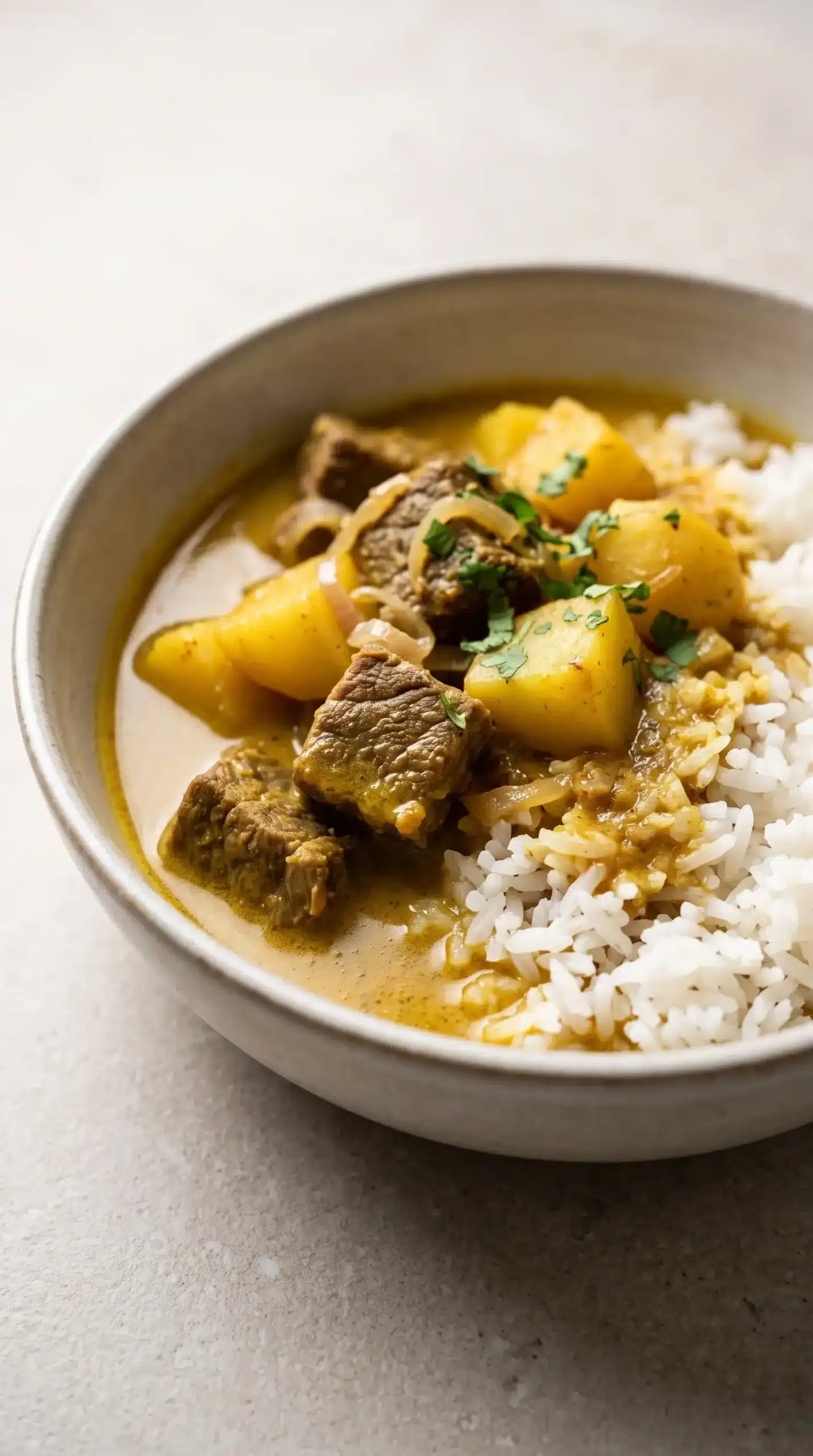
Steamed jasmine rice is a natural partner for the curry because its mild fragrance and separate grains provide a neutral base for the coconut-rich sauce. Spoon enough curry over each portion for the rice to absorb some liquid while keeping visible pieces of beef and potato on top, where their texture remains distinct.
Leftovers Improve When Components Stay Moist
Refrigerated curry should be stored in a covered container with enough sauce surrounding the beef and potatoes to keep them from drying out. As the curry chills, coconut fat may firm and the sauce can appear thicker than it did when hot; gentle reheating brings the texture back together.
Use moderate heat when warming leftovers and stir carefully once the potatoes are already tender. If the sauce has thickened more than desired, a small amount of water or coconut milk can loosen it without requiring another full seasoning adjustment.
Substitutions Work Best When Flavor Roles Stay Intact
Galangal is one of the least interchangeable ingredients in the curry paste. Ginger is already present and contributes a different kind of warmth, so simply increasing ginger does not duplicate galangal’s distinctive aromatic profile. When authenticity of flavor matters, sourcing galangal is worth the extra effort.
Coconut milk can replace coconut cream when a lighter sauce is preferred, but that change affects both richness and perceived heat. Reducing the initial curry-paste quantity makes the variation easier to control because more paste can always be incorporated after tasting.
Fish sauce and shrimp paste perform related savory functions but appear at different stages and concentrations. Omitting either changes the salt and umami balance, so any substitution should be evaluated by taste instead of automatically replacing it with an equal amount of another salty ingredient.
| Change | Main effect | Best adjustment |
|---|---|---|
| Coconut milk for coconut cream | Lighter body and stronger perceived heat | Reduce curry paste initially |
| Less curry paste | Milder heat and softer aromatic intensity | Add more only after simmering and tasting |
| More cooking liquid | Thinner sauce and lower seasoning concentration | Reassess fish sauce and salt after dilution |
A Finished Curry Should Show Distinct Textures
Well-cooked thai yellow curry should have tender beef, intact potatoes, and a sauce fluid enough to spoon over rice while still carrying the curry paste evenly. Visible oil at the surface can occur with a coconut-rich preparation, but the sauce beneath should taste integrated, with chile, savory seasoning, sweetness, and fresh cilantro working together instead of appearing as separate layers.
Balanced Coconut and Curry Paste Define the Dish
Rich coconut cream gives the chile-heavy paste enough body to taste rounded, while gentle beef cooking and carefully timed potatoes preserve the textures that make the curry satisfying. Controlling those three elements matters more than pushing any single seasoning to the foreground.
A successful pot keeps the sauce concentrated without becoming heavy, the beef soft without shredding away, and the potatoes tender without dissolving. Once that structure is in place, fish sauce, brown sugar, cilantro, and extra curry paste can be adjusted with much greater precision.
Thai Yellow Curry Heat and Coconut Questions
Can I make the curry less spicy without changing the whole flavor?
Use a smaller portion of curry paste at first, then simmer and taste before adding more. Because the paste also contains aromatics and seasoning, reducing it slightly is usually a cleaner first adjustment than heavily diluting an already finished curry.
Why can coconut milk make the curry taste hotter?
Coconut milk is generally less rich than coconut cream, so it provides less fat and concentration to soften the impression of chile heat. When making that swap, reducing the starting amount of curry paste gives better control over the finished spice level.
Can the extra homemade curry paste be saved?
Yes. The prepared batch makes more paste than the curry needs, so the unused portion can be refrigerated for shorter storage or frozen for later cooking. Keep it separate from raw beef and use a clean container so its concentrated aromatics remain useful for another batch.
Why are both ginger and galangal used?
They contribute different aromatic qualities. Ginger brings familiar warm pungency, while galangal has a sharper, more citrus-like character that is strongly associated with Southeast Asian curry pastes. Using both creates a broader aromatic base than relying on either one alone.
What should I do if the potatoes are tender before the sauce tastes balanced?
Lower the heat and make seasoning adjustments gently so the potatoes are not exposed to unnecessary vigorous cooking. Fish sauce, sugar, or a modest amount of additional curry paste can be incorporated carefully while preserving the potato pieces.
Thai Yellow Curry with Beef and Yukon Gold Potatoes
Thai yellow curry with beef features tender beef and Yukon Gold potatoes in a rich, aromatic coconut curry sauce with layered chile and savory flavor. It is a hearty choice for a flavorful curry dinner.
Ingredients
Method
Preparation
- Warm a cast-iron pan over medium-high heat. Enclose the garlic and shallots, with their skins on, in foil and set the packet on the pan for 25 minutes, turning it once halfway through. Take it off the heat, let it cool, then roughly chop the aromatics and set them aside.
- Arrange the ginger and galangal in a single layer, wrap them in foil, and place the packet on the skillet. Heat for about 10 minutes, turning once halfway through.
- Transfer the roasted garlic and shallots, heated ginger and galangal, and the remaining curry-paste ingredients to a blender or food processor. Pulse until the mixture is mostly smooth, adding chile-soaking water as needed to keep the mixture moving. The batch makes a little more than 2 cups. Reserve 3/4 cup for this recipe and refrigerate or freeze the remainder for later use.
Cooking
- Pour the light coconut milk into a deep pot and heat it. Add the beef and maintain a simmer for 45 minutes. Pour in 1 cup water and continue simmering for another 15-20 minutes. Remove from the heat and keep the beef in its cooking liquid without draining.
- In a deep pot, heat the coconut cream until it bubbles and begins to thicken. Stir in about 3/4 cup curry paste and simmer for 5 minutes.
- Add the potatoes, sliced shallot, beef, and 1/2 cup of the coconut milk cooking liquid reserved from the beef. Pour in 3 cups water and stir gently to combine. Simmer for 30-45 minutes, until the potatoes are tender.
- Stir in the brown sugar, fish sauce, and minced cilantro.
Serving
- Serve the finished curry over jasmine rice.
Notes
The galangal, shrimp paste, and other specialty ingredients may require a trip to an Asian grocery store. Buying 2-3x the needed amount is suggested if making the recipe again. As written, the recipe was rated mild++, matching the version made for friends. A second preparation used coconut milk instead of coconut cream and produced a very spicy result, described as medium+ to hot. When replacing coconut cream with coconut milk, reduce the curry paste to 1/2 cup or less, adding more later if desired.