From breakfast to dinner, from healthy meals to sweet desserts – Next Yum Recipes brings you quick, simple and tasty ideas for every occasion and every time.


 This Recipe
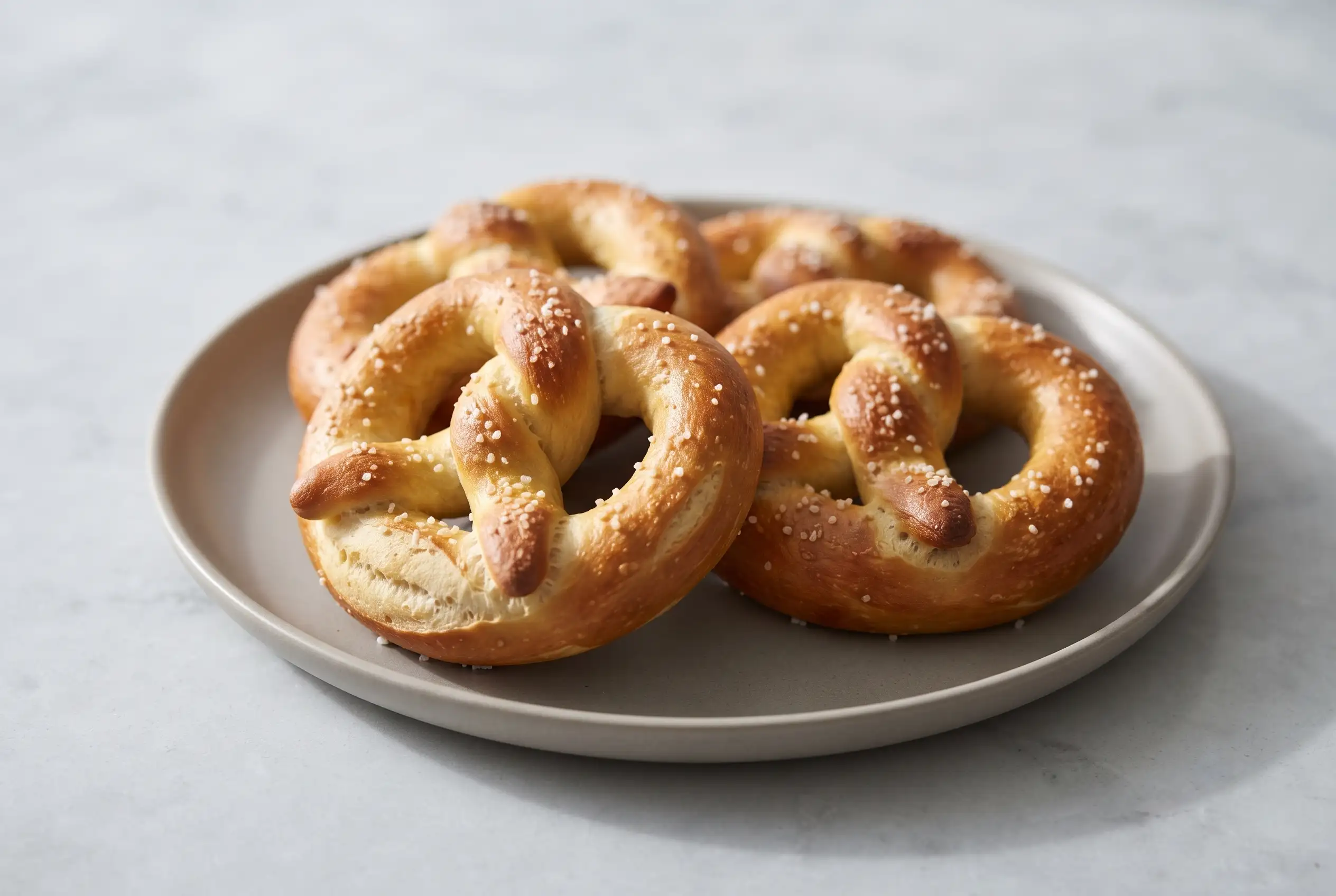
Soft pretzels bring together a tender interior, a chewy surface, and the familiar golden shape that makes them a favorite for snacks and gatherings. Homemade dough, a quick baking soda bath, and a simple egg finish create the classic character of soft pretzels without requiring complicated techniques. The process rewards attention to texture because small choices during mixing, shaping, and baking influence the finished bite.
Making an easy soft pretzel recipe at home gives cooks control over the thickness, salt level, and serving style. The dough uses everyday baking ingredients, but the distinctive pretzel qualities come from how those ingredients are handled before they reach the oven.
Soft Pretzels Begin With a Balanced Dough Foundation
The dough structure determines whether baked soft pretzels have the satisfying pull associated with the classic snack. A mixture that is combined gently and kneaded enough to come together creates a workable base for rolling and shaping. The dough should feel cohesive before the shaping stage begins.
Flour provides the framework that holds the pretzel shape, while warm milk helps create a softer dough texture. Yeast works with the liquid and sugar to support the rise that gives the interior a lighter feel after baking.
After the dough has developed, the shaping process becomes much easier. A smooth piece of dough can be stretched into long ropes that fold into recognizable loops without tearing or becoming uneven.
Warm Milk and Yeast Shape the Pretzel Texture
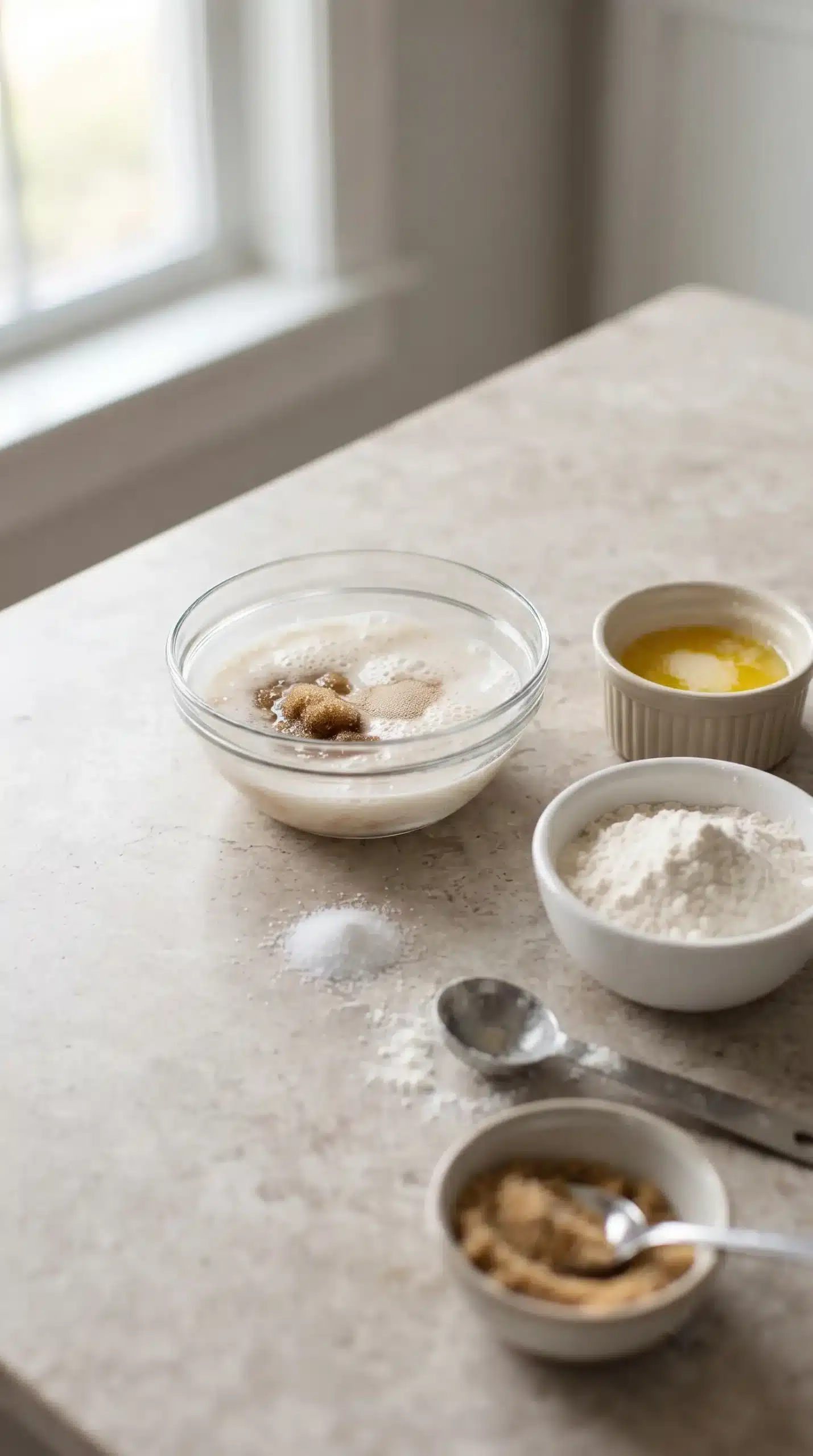
Warm milk is an important starting point because yeast needs a suitable environment to become active. The liquid should be comfortably warm when combined with the yeast, sugar, butter, and salt so the dough can develop properly.
| Ingredient choice | Role in pretzel dough | Helpful handling detail |
|---|---|---|
| Warm milk | Creates the liquid base | Use a comfortably warm temperature for yeast activity |
| Instant yeast | Supports dough rise | Mix evenly through the liquid mixture |
| Brown sugar | Provides sweetness in the dough | Whisk with the wet ingredients before flour is added |
| Butter | Adds richness | Blend in melted form with the liquid ingredients |
Brown sugar contributes a gentle sweetness that balances the salty finish. Since the amount is modest, the pretzels remain suitable for savory dips such as mustard, cheese sauce, or beer cheese soup.
Dough Handling Creates the Signature Pretzel Structure
Pretzel shaping is where a simple dough becomes visually recognizable. Rolling each portion into a long rope allows the dough to form the traditional folded shape while keeping enough thickness for a soft center.
Dividing the dough evenly helps create similar-sized pieces that bake at a consistent rate. Uneven sections can lead to some pretzels becoming more browned while others are still developing their interior texture.
- Gentle kneading: Work the dough enough to bring it together without overcomplicating the texture.
- Even ropes: Roll pieces with a consistent thickness so the finished pretzels bake more uniformly.
- Careful folding: Create the familiar shape without pulling the dough too thin at the ends.
Shaping also provides an opportunity to decide the final appearance. A neatly folded pretzel has a balanced look, but slight variations are part of the charm of homemade soft pretzels.
Baking Soda Bath Builds the Golden Pretzel Finish
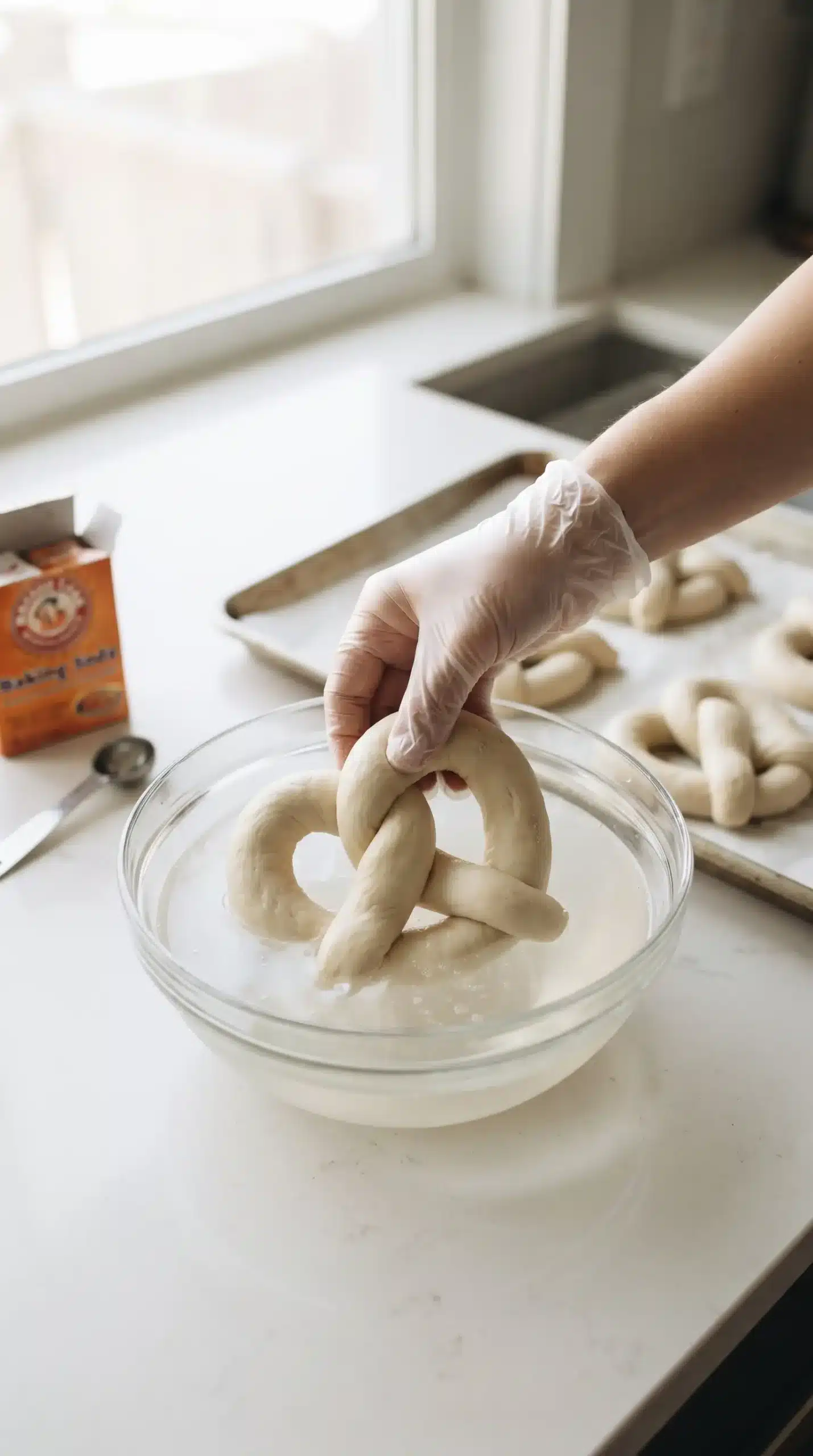
The baking soda solution is the step that separates soft pretzels from ordinary bread-shaped snacks. Dipping the shaped dough before baking prepares the surface for the deep golden color and characteristic pretzel finish.
The baking soda bath works by changing the surface of the dough before baking. Creating an alkaline pretzel surface encourages the browning process that gives soft pretzels their deep golden color and distinctive finish.
Each piece should receive an even coating from the solution before moving to the baking sheet. Too little contact can affect the outside appearance, while careful dipping helps maintain the balance between a flavorful crust and a soft interior.
Soft Pretzels Need Careful Ingredient Choices
The strongest ingredient decisions for soft pretzels come from understanding how simple components work together. Flour quantity affects handling, milk influences tenderness, and the finishing ingredients create the familiar bakery-style appearance.
All-purpose flour is a practical choice because it creates a dough that can be rolled and shaped easily. Extra flour for dusting should be used only as needed during handling so the dough does not become unnecessarily dry.
Coarse salt is placed on the surface after the egg wash, giving each bite a noticeable contrast against the mildly sweet dough. The topping works because it stays concentrated on the outside instead of changing the dough itself.
Egg Wash and Salt Define the Baked Surface
The beaten egg brushed onto the shaped dough creates a polished surface that helps the pretzels develop their appealing baked appearance. Adding coarse salt afterward gives the finished snack its classic savory touch.
Common Soft Pretzel Mistakes That Affect Shape and Texture
Small mistakes can change the result of soft pretzels, especially during dough handling and preparation before baking. Recognizing these problems makes it easier to correct them before they affect the finished snack.
| Problem | Possible cause | Better approach |
|---|---|---|
| Tough pretzel texture | Too much added flour during handling | Use only enough dusting flour to prevent sticking |
| Uneven baking | Different rope sizes or shapes | Create similar portions and thicknesses |
| Weak pretzel appearance | Incomplete surface preparation | Dip evenly and apply egg wash before baking |
Another common issue happens when shaping is rushed. Thin areas can bake differently from thicker sections, making the pretzel less consistent from edge to center.
Proper preparation also matters for the baking sheet. Using parchment helps prevent sticking and allows the shaped dough to transfer cleanly after the baking soda solution.
Serving Ideas Bring Out Homemade Soft Pretzel Flavor
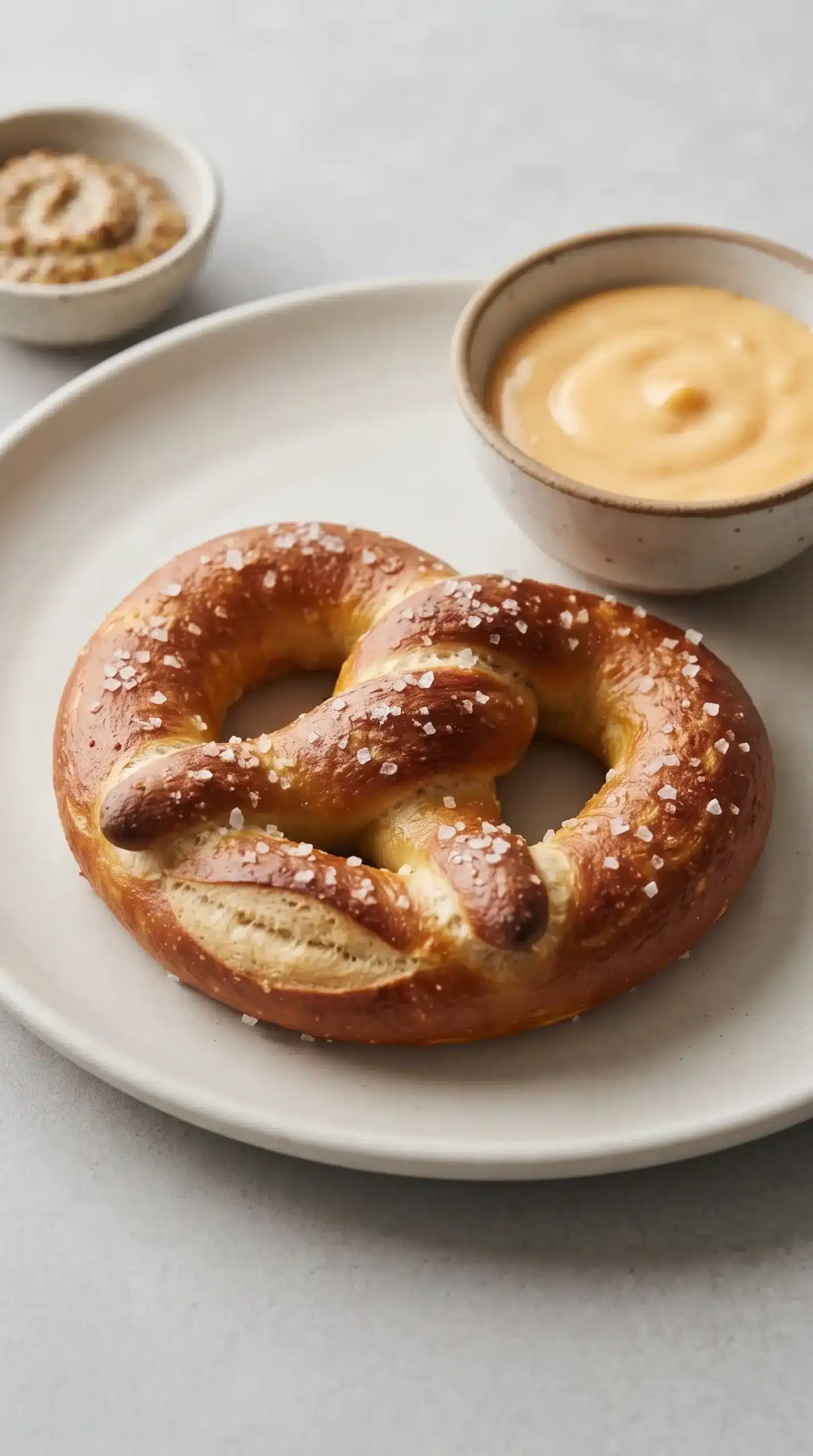
Soft pretzels are especially enjoyable when paired with dips that complement their lightly sweet dough and salty surface. Cheese sauce, mustard, and honey mustard sauce create balanced pairings because their creamy, tangy, and savory notes highlight the flavor of freshly baked pretzels.
- Cheese sauce: Adds a rich, warm pairing for freshly baked pretzels.
- Mustard: Brings a sharp flavor that balances the dough’s sweetness.
- Beer cheese soup: Creates a hearty combination for a comforting snack or meal pairing.
Adjustments Keep an Easy Soft Pretzel Recipe Flexible
A simple pretzel dough can fit different occasions through shaping and serving choices. Smaller pieces can create snack-sized portions, while larger shapes make a more substantial presentation.
Seasoning choices can also change the experience. Keeping coarse salt on top maintains the traditional style, while serving dips separately allows everyone to adjust flavors after baking.
Storage and Reheating Protect Fresh Pretzel Quality
Soft pretzels are best enjoyed fresh, when the crust and interior provide the strongest contrast. If extras remain, storing them properly helps preserve their texture for later eating.
Gentle reheating can bring back some of the warmth and softness of freshly baked pretzels. Avoiding excessive heat helps prevent the exterior from becoming overly firm.
Practice Turns Pretzel Shaping Into a Reliable Skill
Pretzel shaping becomes easier with familiarity because the dough responds predictably when it is rolled and folded. The important part is maintaining enough thickness for a soft center while creating a clear shape.
Golden Soft Pretzels Depend on Balanced Handling and Finishing
Soft pretzels achieve their best texture when the dough remains workable, the surface receives proper preparation, and baking develops the golden exterior. The combination of a tender dough, baking soda bath, egg finish, and coarse salt creates the qualities people expect from this classic snack.
Careful shaping and simple ingredient choices make the difference between an ordinary bread roll and a recognizable pretzel. Keeping those decisions consistent allows each batch to deliver a soft middle, flavorful surface, and satisfying homemade result.
Soft Pretzels Questions About Dough, Baking, and Storage
Why did my soft pretzels lose their shape while baking?
Pretzels can lose definition if the ropes are stretched too thin or folded loosely before baking. Keeping the sections evenly sized and forming clear folds helps the shape remain visible after the dough expands.
Can soft pretzels be made without the baking soda solution?
The baking soda solution is an important part of the classic pretzel finish because it prepares the surface before baking. Skipping it changes the outside texture and color that define traditional soft pretzels.
How should leftover soft pretzels be stored?
Place cooled pretzels in a covered container to protect them from drying out. Reheating gently before serving can improve their texture compared with eating them cold.
What makes homemade soft pretzels different from store-bought versions?
Homemade soft pretzels allow control over freshness, salt level, shape, and serving combinations. The dough can be prepared and finished in a way that matches personal preferences.
Can the pretzel dough be shaped differently?
The dough can be formed into different sizes or simpler shapes while keeping the same baking approach. Adjusting the shape changes the presentation while preserving the core pretzel character.
Basic Soft Pretzels with Homemade Dough and a Rise
Soft pretzels are a homemade snack with a tender interior, chewy crust, and classic golden finish. This easy soft pretzel recipe is perfect for gatherings or whenever you want a fresh baked treat.
Ingredients
Method
Preparation
- Whisk together the warm milk, yeast, brown sugar, melted butter, and salt in a mixing bowl. Add the flour and stir until a dough forms, then move the dough to a floured surface and knead 10-15 times.
- Place the dough back in the bowl and drizzle with a little oil to help prevent sticking. Cover with a cloth or plastic wrap and allow the dough to rise for 1 hour.
Shaping and Baking
- Press down the risen dough and divide it into 6-8 portions. Roll each portion into a long thin rope and shape each rope into a pretzel.
- Dip the shaped pretzels into the baking soda solution, then arrange them on a parchment-lined baking sheet.
- Brush the pretzels with beaten egg and sprinkle with coarse salt. Bake at 450°F / 232°C for 10-12 minutes until golden brown.
Notes
Use only enough dusting flour to keep the dough from sticking while shaping.