From breakfast to dinner, from healthy meals to sweet desserts – Next Yum Recipes brings you quick, simple and tasty ideas for every occasion and every time.


 This Recipe
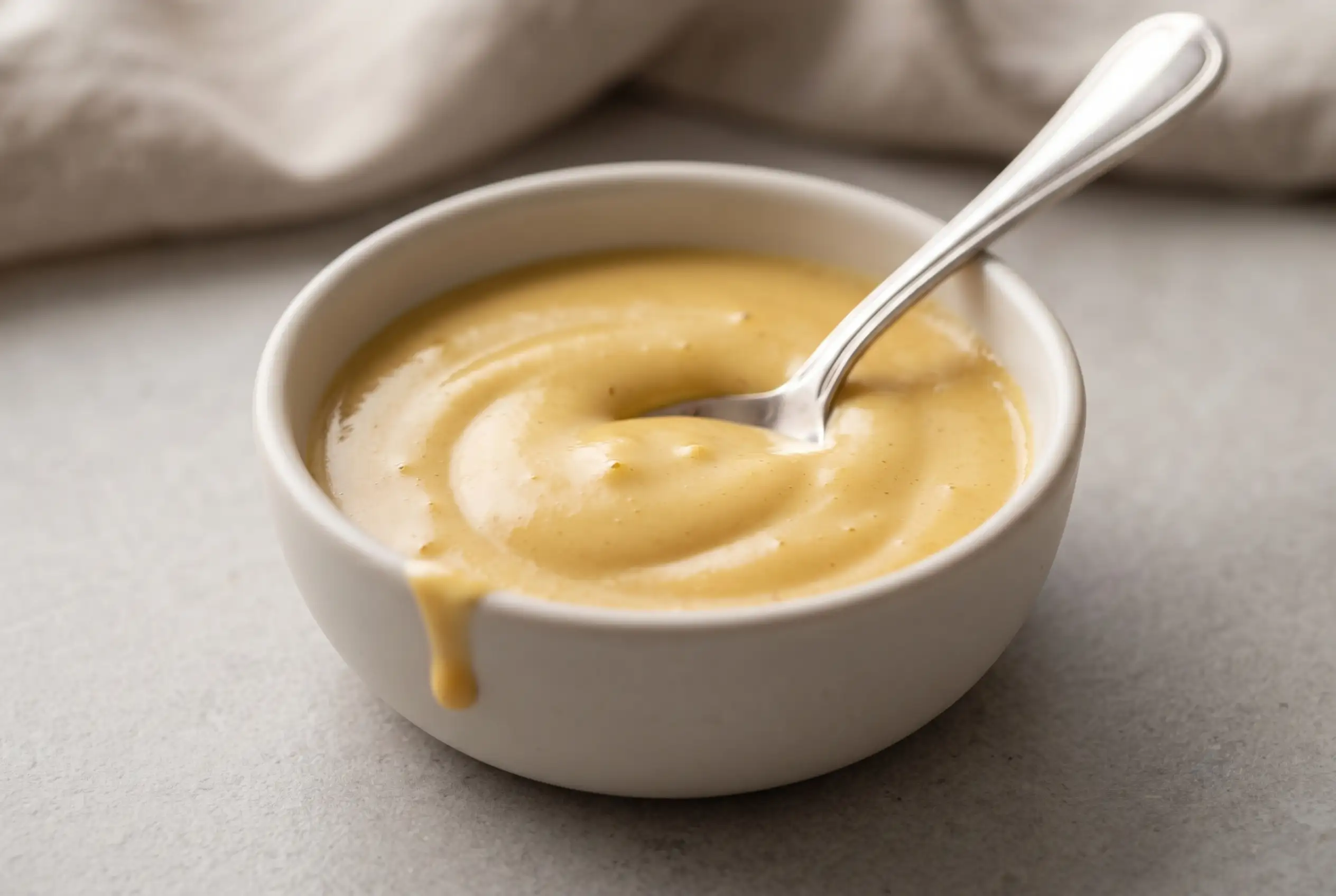
Honey mustard sauce combines sweet honey, creamy mayonnaise, bold Dijon mustard, and a bright splash of vinegar into a quick condiment that works for dipping, drizzling, and spreading. The simple mixture creates a balance of richness, sweetness, tang, and optional heat without requiring complicated preparation.
Honey Mustard Sauce Brings Sweet and Tangy Balance
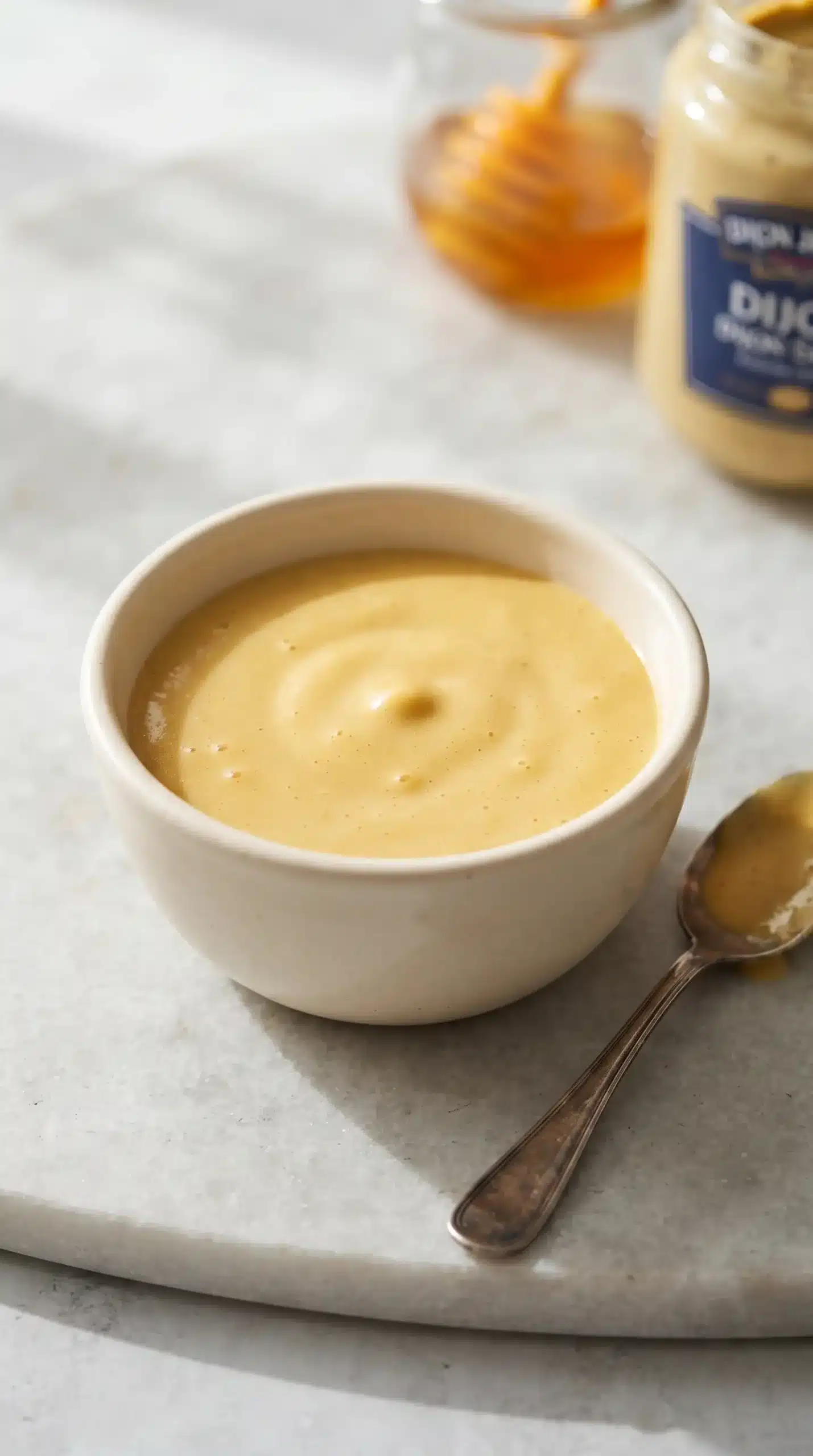
Balanced flavors make this homemade honey mustard sauce useful across many meals because each taste has a clear role. Honey softens the sharp character of mustard, while vinegar keeps the sweetness from becoming heavy. Mayonnaise creates a smooth base that carries the flavors together.
Served alongside savory foods, the sauce provides contrast through its creamy texture and bright finish. The combination feels familiar because sweet and tangy flavors naturally complement foods with roasted, fried, or grilled qualities.
Dijon Choice Shapes Honey Mustard Sauce Texture
Dijon mustard gives the sauce its recognizable mustard flavor and contributes to the smooth consistency that makes it easy to spoon or drizzle. This silky style of prepared mustard helps shape the personality of the finished condiment, even when the remaining ingredients stay the same.
Whole-grain mustard can replace Dijon when a more textured result is preferred. The mustard seeds create a different mouthfeel while keeping the sweet and sharp balance that defines honey mustard sauce.
Different mustard options can change how the sauce feels on food. A finely blended mustard creates a more uniform coating, while a grainier variety gives each bite small bursts of mustard flavor.
- Smooth finish: Dijon mustard creates the classic creamy texture expected from the sauce.
- Textured finish: Whole-grain mustard adds visible seeds and a rustic feel.
- Flavor adjustment: Mustard selection changes intensity without changing the basic preparation.
Honey and Vinegar Create the Sauce Balance
Sweetness and acidity determine how the flavors come together in an easy honey mustard sauce. Honey provides the soft sweetness that rounds out Dijon mustard, while white distilled vinegar adds brightness that keeps the mixture lively.
Vinegar alternatives can shift the flavor slightly while preserving the needed acidity. White wine vinegar works well for a lighter character, and apple cider vinegar can add a different fruity note to the finished sauce.
Mayonnaise supports these flavors by giving the condiment body and a creamy texture. The result is a sauce that feels rich enough for dipping while still having enough sharpness to avoid tasting flat.
Whisking Technique Keeps Honey Mustard Sauce Smooth
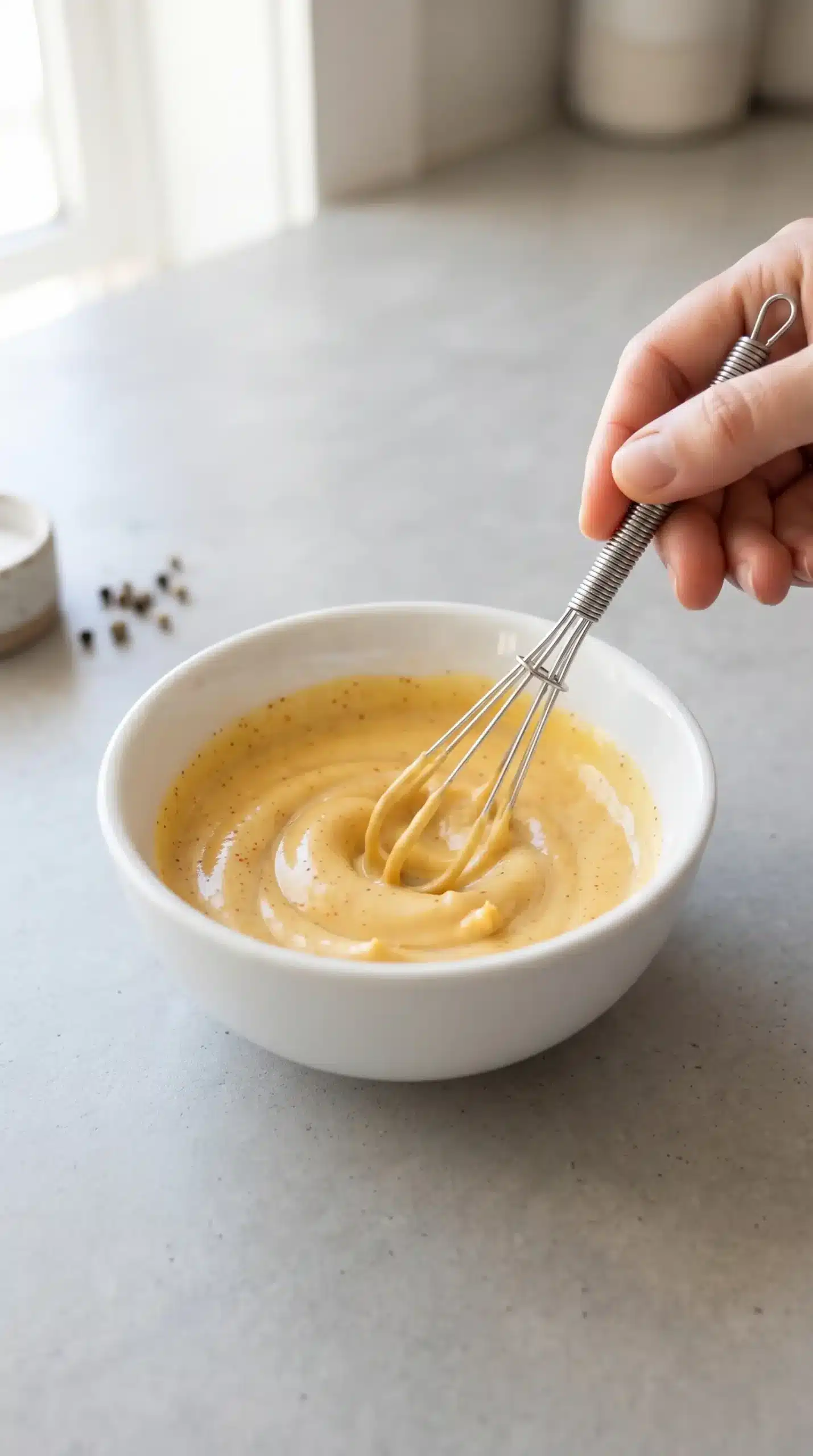
Proper mixing is the main cooking control point for this condiment because the ingredients need to combine evenly. A small dish and a whisk allow the honey, mayonnaise, mustard, vinegar, and cayenne pepper to blend into a consistent texture.
Gentle whisking helps prevent streaks of separate ingredients from remaining in the bowl. The finished sauce should look uniform, with the mustard and honey fully incorporated throughout the creamy base.
Attention during mixing also makes seasoning easier to judge. Once the ingredients are blended, the balance of sweetness, tang, and heat becomes clearer than when individual components are still separated.
Easy Honey Mustard Sauce Fits Many Serving Moments
The versatile nature of honey mustard sauce makes it useful beyond a single pairing. Crispy sides with bold seasoning benefit from a creamy dipping condiment, and baked spicy fries create a savory serving combination that lets the sweet and tangy flavors stand out.
| Serving use | How the sauce works | Flavor effect |
|---|---|---|
| Dipping | Provides a creamy coating for each bite | Balances savory foods with sweetness and tang |
| Drizzling | Adds a thin layer of flavor over a dish | Creates a bright finishing note |
| Spreading | Moves easily across breads and wraps | Adds moisture and seasoning |
Honey Mustard Sauce Mistakes That Change the Finished Texture
Several small mistakes can affect the texture and flavor of homemade honey mustard sauce. Because the ingredient list is short, each choice has a noticeable effect on the final consistency.
Uneven whisking can leave separate pockets of honey, mustard, or vinegar instead of a unified sauce. Mixing until smooth prevents those concentrated areas and creates a more balanced taste in every spoonful.
Using a mustard style without considering the desired texture can also change the result. Whole-grain mustard is a suitable option for a seed-filled texture, but it will not create the same smooth appearance as Dijon mustard.
Adding too much heat can overpower the sweet and tangy foundation. Cayenne pepper is optional, so adjusting the amount allows the sauce to stay focused on the honey mustard flavor profile.
Whole-Grain Mustard Offers a Textured Variation
A whole-grain version provides an easy way to customize the condiment without changing the overall idea. The visible mustard seeds create a more rustic appearance and a different texture that some diners prefer.
Cayenne Pepper Adjusts Honey Mustard Sauce Heat
Optional cayenne pepper gives the sauce a gentle spicy note while allowing the main sweet and tangy flavors to remain prominent. The small amount can be included when a warmer finish is desired or left out for a milder condiment.
Storage Choices Protect Homemade Honey Mustard Sauce Quality
Freshly prepared sauce has the best texture when the ingredients are fully blended and ready to use. Keeping any extra portion covered helps maintain its creamy consistency and prevents outside flavors from affecting the condiment.
Refrigeration is the practical choice for preserving a mayonnaise-based sauce between uses. Before serving again, a quick stir can help restore the smooth texture if separation occurs.
Honey Mustard Sauce Pairings Highlight Its Sweet-Tangy Flavor
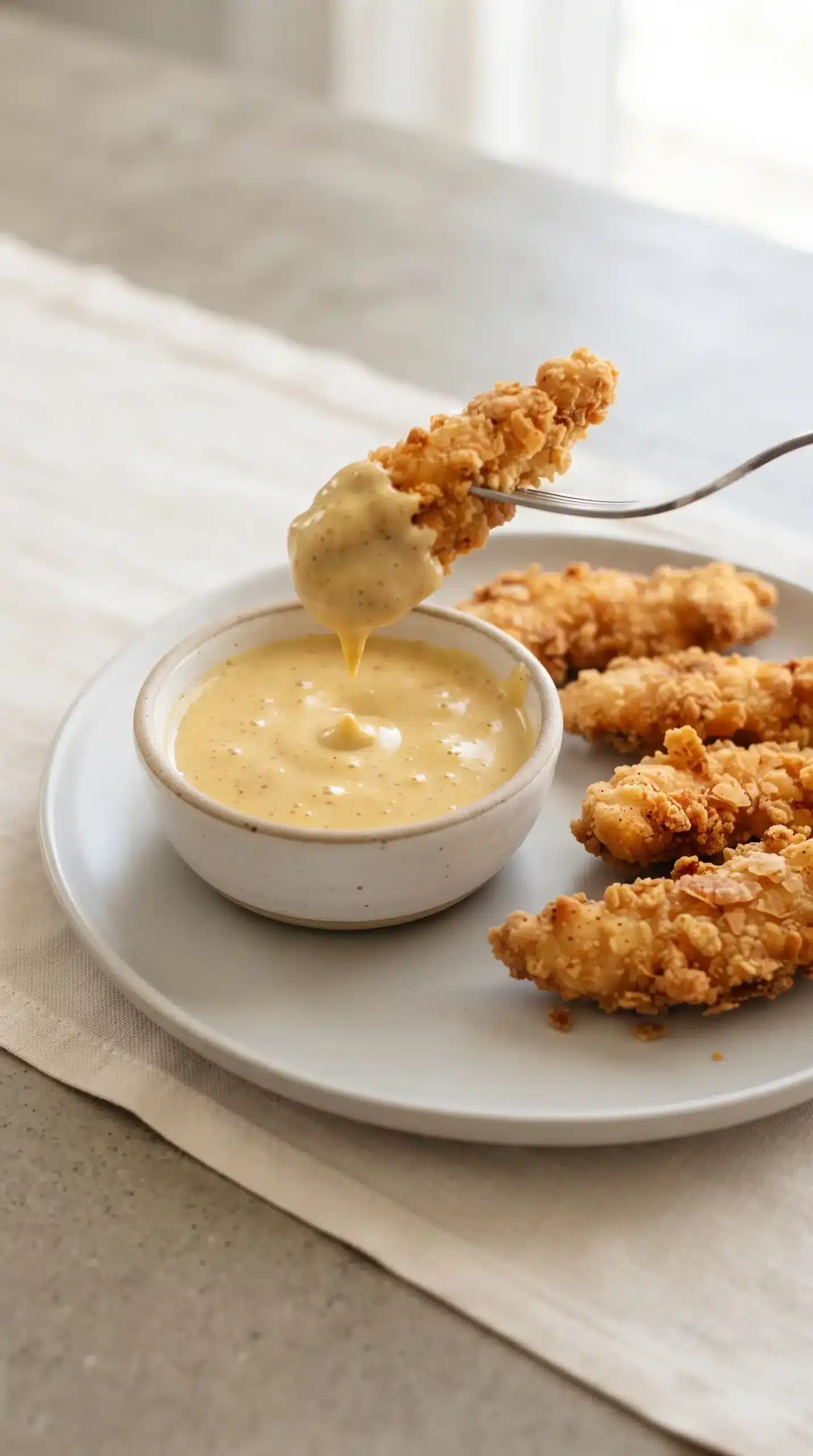
Common pairings work well because the sauce brings contrast to foods with savory, crisp, or roasted qualities. The creamy sweetness can soften stronger flavors while the mustard and vinegar provide brightness.
Popular uses include dipping, spreading, and drizzling, but the sauce can also be adjusted based on the meal. A thicker texture suits dipping, while a thinner coating works better when a light layer of flavor is preferred.
- Choose the texture: Use the smooth Dijon version for a classic creamy condiment or whole-grain mustard for added texture.
- Consider the flavor balance: Add cayenne only when extra warmth fits the dish being served.
- Match the use: Keep the sauce thicker for dipping and use a lighter amount when spreading or drizzling.
Homemade Honey Mustard Sauce Makes Ingredient Swaps Simple
Flexible substitutions allow the condiment to work with ingredients already available in the kitchen. Whole-grain mustard can replace Dijon, while white wine vinegar or apple cider vinegar can replace white distilled vinegar.
These changes influence texture and flavor without removing the defining sweet, creamy, and tangy character. The best substitution depends on whether a smoother finish or a more noticeable ingredient texture is preferred.
Honey Mustard Sauce Storage Questions
Can honey mustard sauce be made ahead of serving?
Yes, preparing the sauce ahead can allow the flavors to blend together before serving. Keep it covered and chilled, then stir it before using if the texture needs to be refreshed.
What can replace Dijon mustard in honey mustard sauce?
Whole-grain mustard is a suitable replacement when a more textured condiment is desired. It keeps the mustard flavor while adding visible seeds and a different mouthfeel.
How can honey mustard sauce become less spicy?
Reducing or skipping cayenne pepper lowers the heat while preserving the sweet and tangy balance created by the other ingredients.
Why does honey mustard sauce separate?
Separation can happen when ingredients settle after mixing or sitting. Stirring the sauce thoroughly helps bring the creamy texture back together.
Which vinegar works best as a substitute?
White wine vinegar and apple cider vinegar can both replace white distilled vinegar. Each option keeps the needed acidity while adding its own subtle flavor character.
Honey Mustard Sauce with Dijon Mustard and Vinegar
Honey Mustard Sauce is a quick, creamy condiment with a smooth texture and sweet-tangy flavor. It is an easy choice when you want a versatile sauce for dipping, drizzling, or spreading.
Ingredients
Method
Preparation
- Combine all ingredients in a small dish and whisk until the sauce is fully blended and smooth.
- Serve the finished sauce for dipping, drizzling, or spreading as desired.
Notes
Mustard Alternative: Whole-grain mustard can be used in place of Dijon mustard for a sauce with more texture. Vinegar Alternative: White wine vinegar or apple cider vinegar can replace white distilled vinegar if needed.