From breakfast to dinner, from healthy meals to sweet desserts – Next Yum Recipes brings you quick, simple and tasty ideas for every occasion and every time.


 This Recipe
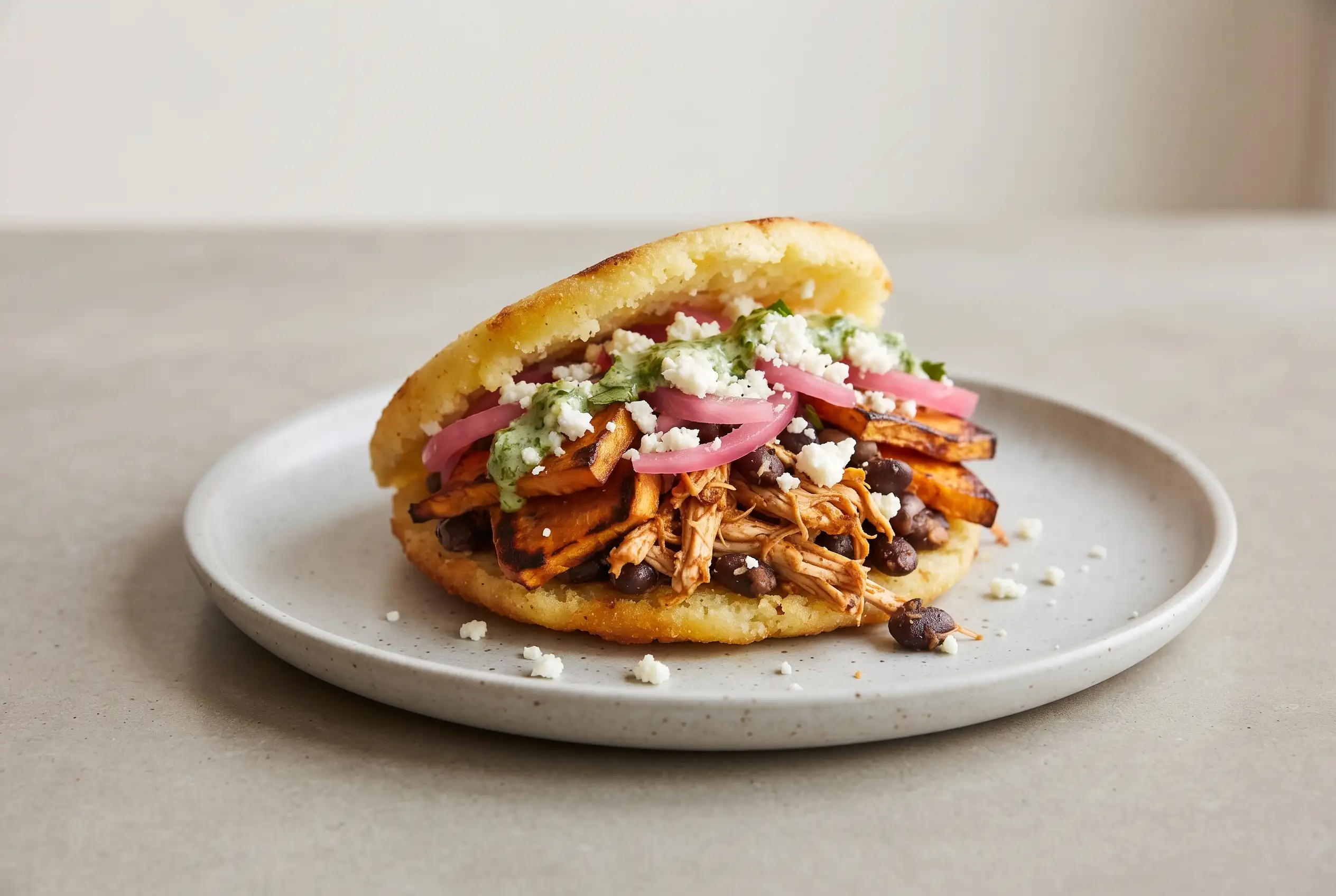
Arepas recipe traditions begin with a simple combination of precooked cornmeal, water, and salt, creating a versatile base that can hold bold fillings. These golden cornmeal cakes are known for their crisp outside, tender interior, and ability to pair with savory ingredients like carnitas, chipotle shredded chicken, black beans, sweet potatoes, red onions, and Cotija cheese.
Arepas Recipe Builds Flavor Through Simple Foundations
Arepas rely on the character of the cornmeal dough itself. Precooked cornmeal creates a sturdy structure that can be shaped by hand while still producing a soft bite after cooking. The dough does not need complicated preparation because the texture comes from careful hydration and gentle handling.
The homemade arepas recipe approach works especially well for cooks who want a customizable meal. Once the shells are prepared, each person can create a different combination of fillings, from hearty meat options to vegetable-focused versions with beans and sautéed sweet potatoes.
Freshly cooked arepas provide a useful balance between convenience and flavor. The exterior develops a dry fried surface in the skillet while the inside remains ready to absorb sauces and complement rich fillings.
Precooked Cornmeal Gives Arepas Their Signature Structure
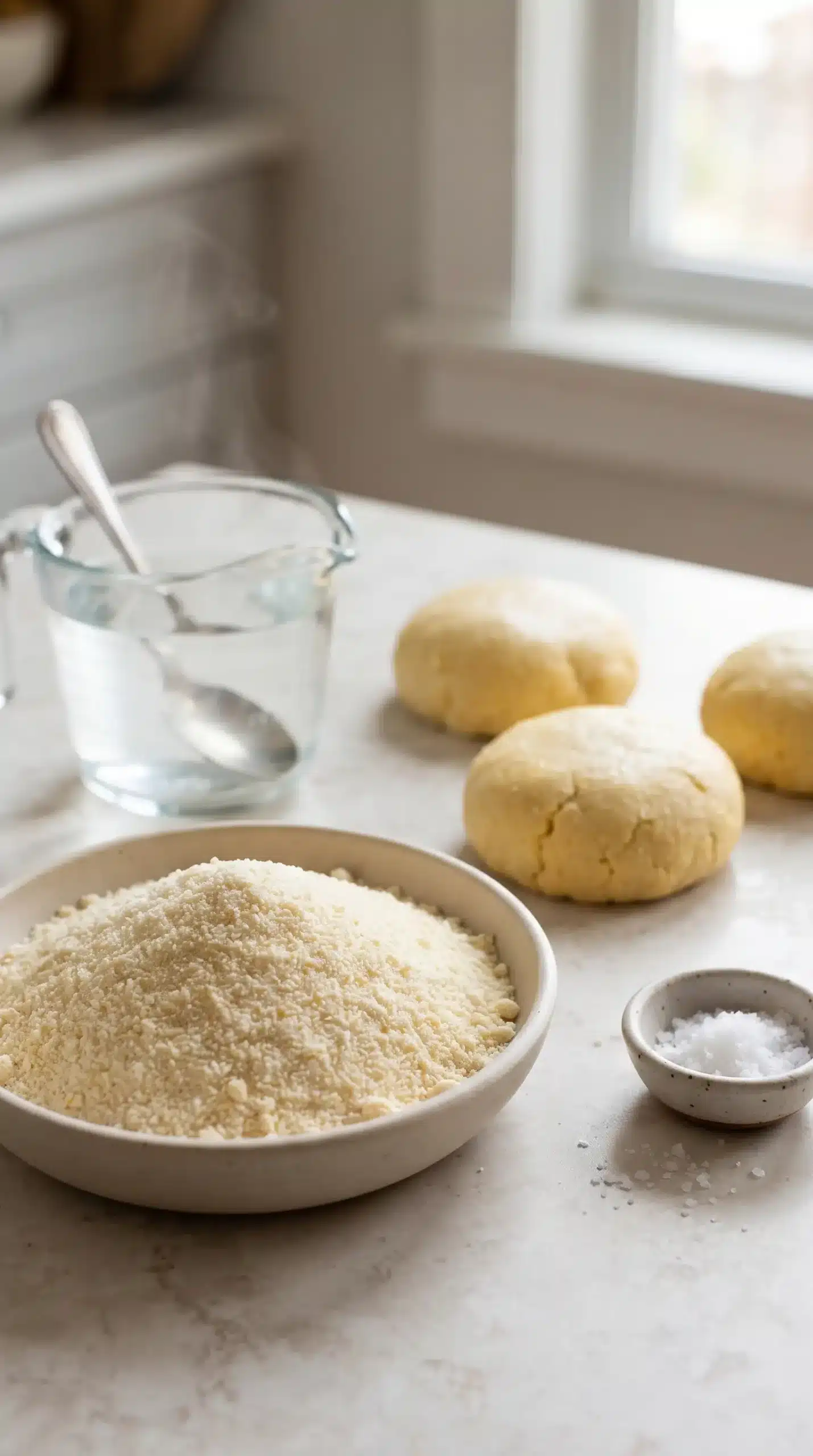
The most important ingredient decision for a cornmeal arepas recipe is choosing the right precooked cornmeal. It allows the dough to hydrate properly and creates the firm yet tender texture needed for shaping and stuffing. Using masarepa for arepas helps distinguish the specific precooked corn flour traditionally used for these corn cakes from other corn products.
Fillings Shape a Balanced Stuffed Arepas Recipe
A stuffed arepas recipe becomes memorable when the fillings provide different textures without overpowering the cornmeal shell. Carnitas or chipotle shredded chicken brings a savory center, while black beans add a creamy contrast that works naturally with the crisp exterior.
Vegetable fillings can create the same satisfying effect. Thin slices of sautéed sweet potatoes introduce sweetness and softness, while pickled red onions add brightness that cuts through richer ingredients. A preparation such as sesame roasted sweet potatoes can be adapted into an arepa filling by keeping the pieces tender while preserving enough texture to balance beans, cheese, or savory proteins.
Cotija cheese offers a salty finish that connects the fillings with the mild corn flavor. A small amount can add a distinctive finish, especially when paired with a sauce that brings moisture and acidity.
- Protein options: Carnitas or chipotle shredded chicken create a hearty center.
- Vegetable additions: Sweet potatoes and onions add texture and contrast.
- Finishing elements: Cotija cheese and sauce tie the filling together.
Water and Dough Texture Guide Arepas Formation
The dough consistency determines how easily the arepas can be shaped. Adding warm water gradually and removing lumps before resting helps create an even mixture that holds together when formed into disks.
Skillet Control Creates the Crisp Arepas Exterior
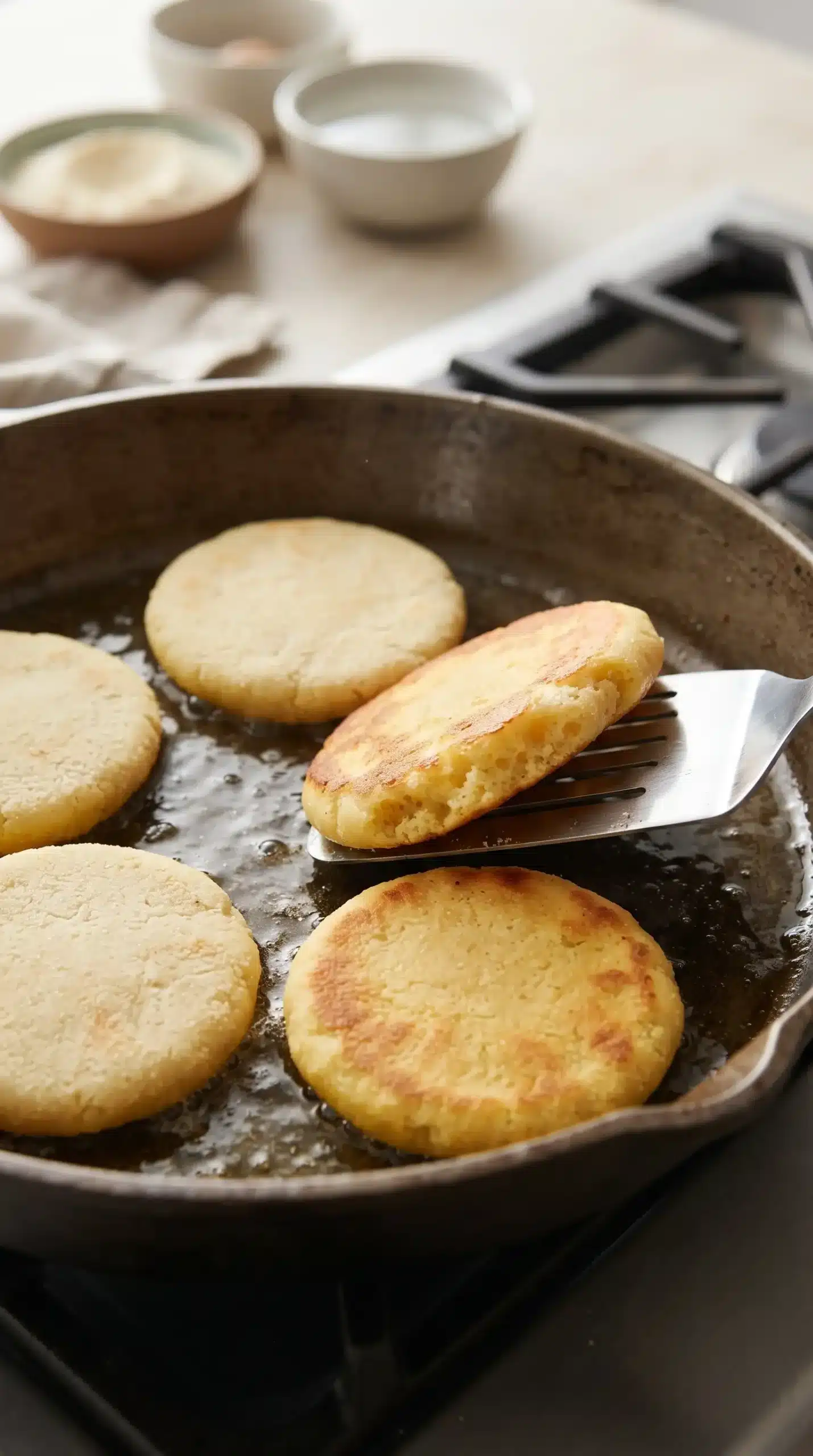
Cooking control matters because the exterior texture defines a successful arepa. A heavy skillet with a thin layer of oil helps the surface dry and develop a pleasant fried character while avoiding excessive browning.
Medium heat gives the dough time to cook through as the outside firms. The disks should remain intact during cooking, making gentle handling important when placing and turning them in the skillet.
After cooking, allowing the shells to cool slightly makes slicing easier. A clean cut creates space for fillings without breaking the structure of the arepa.
Common Arepas Recipe Mistakes That Affect Results
Several problems can change the texture or handling of an arepas recipe. Most issues come from dough preparation, shaping, or skillet management rather than from the filling choices.
| Problem | What happens | Better approach |
|---|---|---|
| Lumpy dough | The shell may cook unevenly. | Whisk the water and cornmeal mixture before stirring fully. |
| Overly thin disks | The arepas may not hold fillings well. | Create thick, even disks with gentle pressure. |
| Excessive browning | The outside can become too firm before the center is ready. | Use controlled skillet heat and watch the surface. |
Rushing the shaping process can also create uneven pieces. Keeping the dough portions similar helps each shell cook at a similar rate and makes filling preparation easier.
Sweet Potatoes and Beans Add Contrast Inside Arepas
Sweet potatoes and black beans bring a different direction to the meal by creating a combination of soft textures and contrasting flavors. The sautéed sweet potato slices contribute a naturally sweet element that pairs well with salty cheese and savory proteins.
Sauces and Cheese Complete the Stuffed Experience
Magic Green Sauce is a natural companion for arepas because the creamy, fresh flavors add moisture after the shell has been crisped. Other sauces can work as long as they complement the cornmeal base without making the filling difficult to manage.
Cotija cheese adds a traditional-style finishing touch with a crumbly texture. Because the cheese is added after the shell is opened, it remains distinct among the other fillings instead of disappearing into the dish.
Homemade Arepas Recipe Variations Keep the Base Flexible
The strength of a homemade arepas recipe is the ability to change the filling while keeping the same dependable shell. The dough provides a neutral foundation that welcomes different combinations based on what is available.
Some cooks may prefer a meat-centered version with chicken or carnitas, while others may focus on beans, vegetables, and cheese. The structure of the arepa allows both styles to work because the shell provides balance.
Simple changes can also affect the serving experience. Larger portions of filling create a more substantial meal, while lighter combinations make the arepas suitable for smaller plates or shared meals.
Preparing Arepas for Serving and Storage
Arepas are best enjoyed when the exterior still has its freshly cooked texture. If preparing them ahead, keeping the shells separate from fillings helps preserve their structure and prevents moisture from softening the surface too quickly.
Cornmeal Arepas Recipe Choices for Different Meals
A cornmeal arepas recipe can fit many occasions because the shell works as both a main element and a serving vessel. Breakfast-style combinations, lunch portions, and dinner plates can all use the same foundation with different fillings.
- Choose the filling style: Select meat, beans, vegetables, or a combination.
- Balance textures: Add creamy, crisp, and soft elements together.
- Finish carefully: Use sauce and cheese to bring the flavors together.
Arepas Recipe Details Worth Remembering
The most useful lessons from making arepas come from texture awareness. A properly hydrated dough, even shaping, and controlled skillet cooking create the qualities that make these cornmeal cakes enjoyable.
Arepas Hold Their Texture When Crispness Meets Fillings
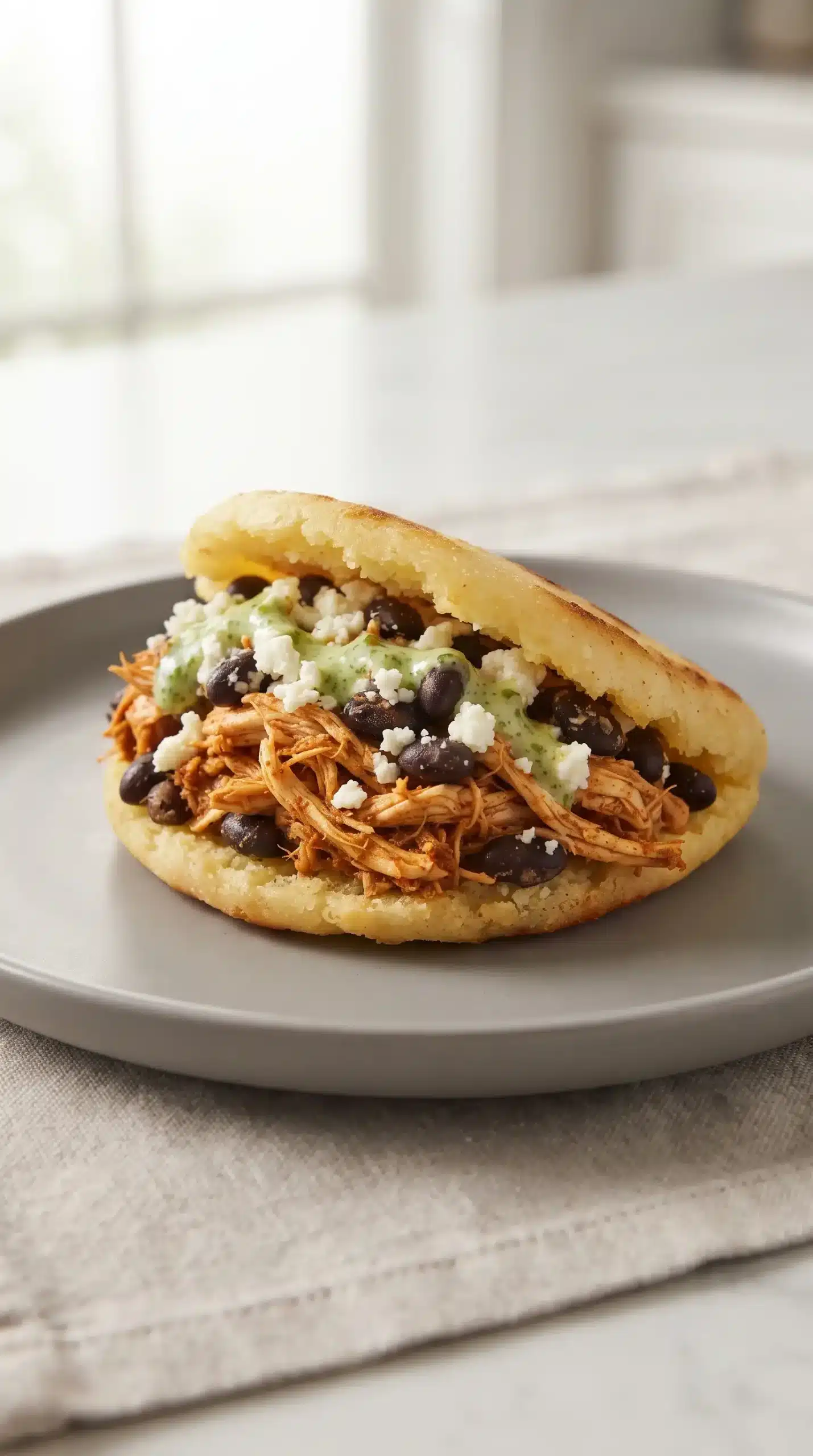
Arepas succeed when the crisp outer layer and tender center support the fillings instead of competing with them. The cornmeal shell provides structure, while chicken, carnitas, beans, vegetables, sauce, and cheese create the variety that makes each bite different.
Careful attention to dough texture and skillet heat gives the finished arepas the stability needed for generous stuffing. Once that foundation is right, the filling combinations can adapt without changing the character of the dish.
Arepas Recipe Questions About Filling, Texture, and Cooking
Can arepas be filled with ingredients other than chicken or carnitas?
Yes. Arepas work well with many fillings, including black beans, sautéed sweet potatoes, cheese, and vegetable combinations. The shell is flexible enough to support different savory mixtures while maintaining its texture.
Why does the arepa dough need precooked cornmeal?
Precooked cornmeal creates the proper dough structure for shaping and cooking. It absorbs warm water in a way that allows the mixture to become firm enough to form into disks.
How can the outside of arepas stay crisp?
The exterior stays crisp when the skillet provides enough heat to dry and lightly fry the surface without causing excessive browning. Using a thin layer of oil and avoiding overly high heat helps maintain the right texture.
What makes an arepa easier to stuff without breaking?
An even, thick shell is easier to slice and fill because it has enough structure around the opening. Gentle shaping and careful cooking help create a sturdy base for fillings.
Can sauces change the way arepas taste?
Yes. Sauces add moisture and contrast, which can highlight the mild corn flavor and balance richer fillings like meats and cheese.
Arepas Recipe with Cornmeal Dough and Savory Fillings
This arepas recipe makes crispy cornmeal cakes with a tender center that are perfect for filling with savory combinations. These versatile homemade arepas offer a simple, satisfying base for a flavorful meal.
Ingredients
Method
Preparation
- Combine the precooked cornmeal and salt in a bowl. Add the warm water, whisking to remove lumps, then stir until a cohesive dough forms. Allow the mixture to rest for 5-10 minutes.
- Divide the dough into 8 portions. Shape each portion into a ball, then gently flatten into a disk about 1 inch thick.
Cooking
- Heat a thin layer of oil about 1/4 inch deep in a large heavy skillet over medium heat. Place the arepas in the skillet and fry for about 6 minutes on both sides.
- Transfer the cooked arepas to paper towels to drain and cool.
Assembly
- Slice the arepas in half and fill with the desired fillings.
Notes
Nutrition information is calculated for the arepas only and does not include the fillings.