From breakfast to dinner, from healthy meals to sweet desserts – Next Yum Recipes brings you quick, simple and tasty ideas for every occasion and every time.


 This Recipe
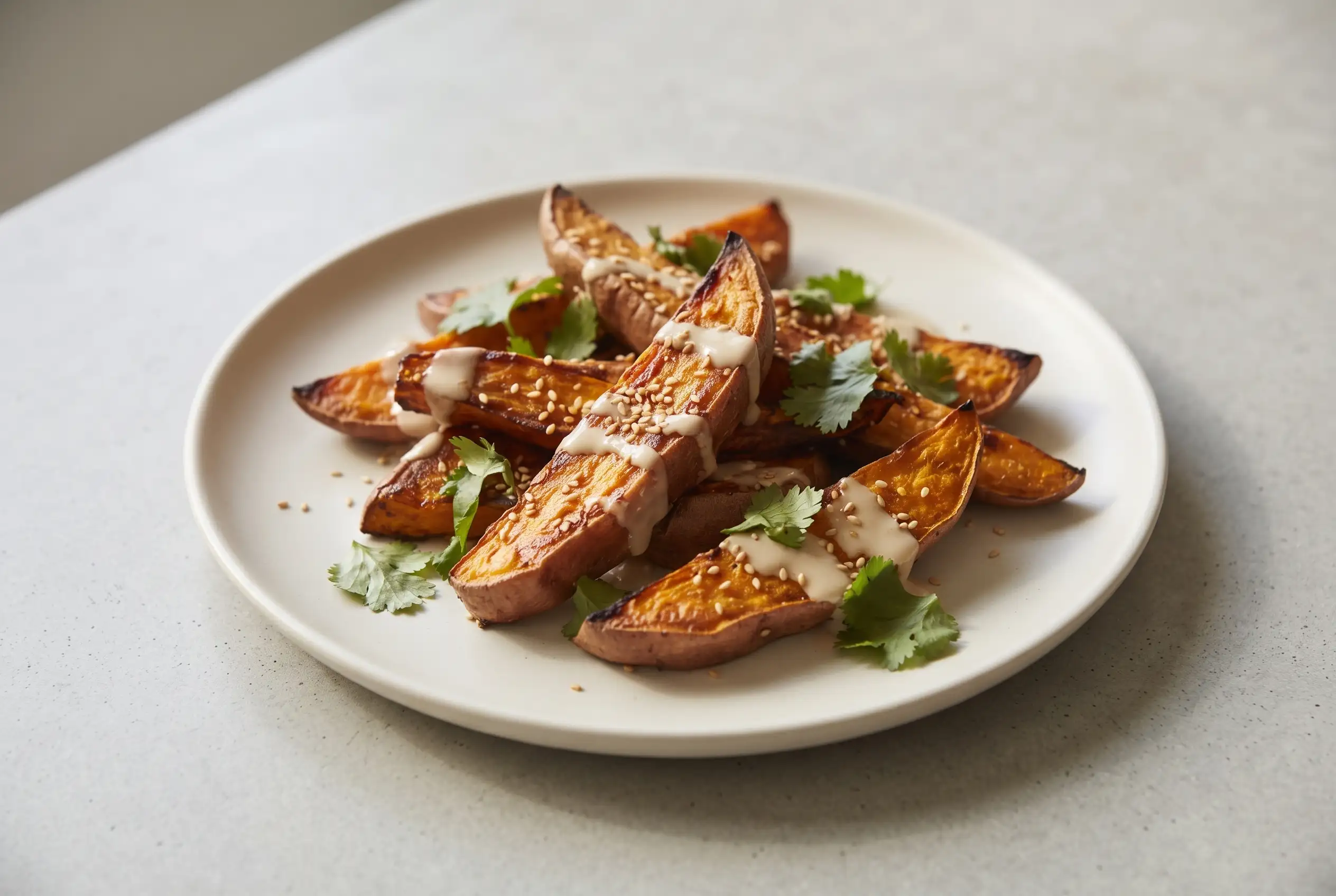
Sesame roasted sweet potatoes create contrast from simple roasting
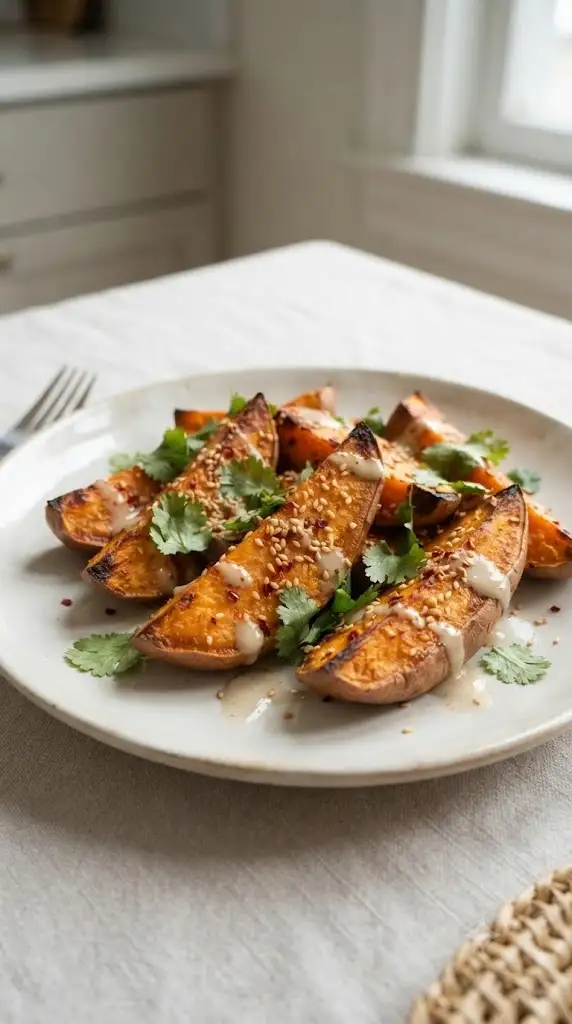
Sesame roasted sweet potatoes bring together crisp edges, tender centers, warm spices, and a creamy finish from tahini. The dish works because each layer arrives at a different point: the sweet potatoes develop roasted flavor in the oven, while sesame oil, seeds, and herbs add brightness after the heat has done its work.
Roasted sweet potato wedges are especially suited to this style because their shape creates more exposed surface area for browning. Each cut side can pick up seasoning and heat, while the thicker interior stays soft. That balance gives the finished plate a satisfying contrast without requiring a complicated preparation process.
Many roasted vegetable dishes depend on a strong finishing element, and the combination of tahini with sesame oil provides that role here. The creamy drizzle settles into the warm surfaces of the sweet potatoes, creating a richer texture that complements the natural sweetness of the vegetable.
Sweet potato wedges gain depth from sesame and tahini choices
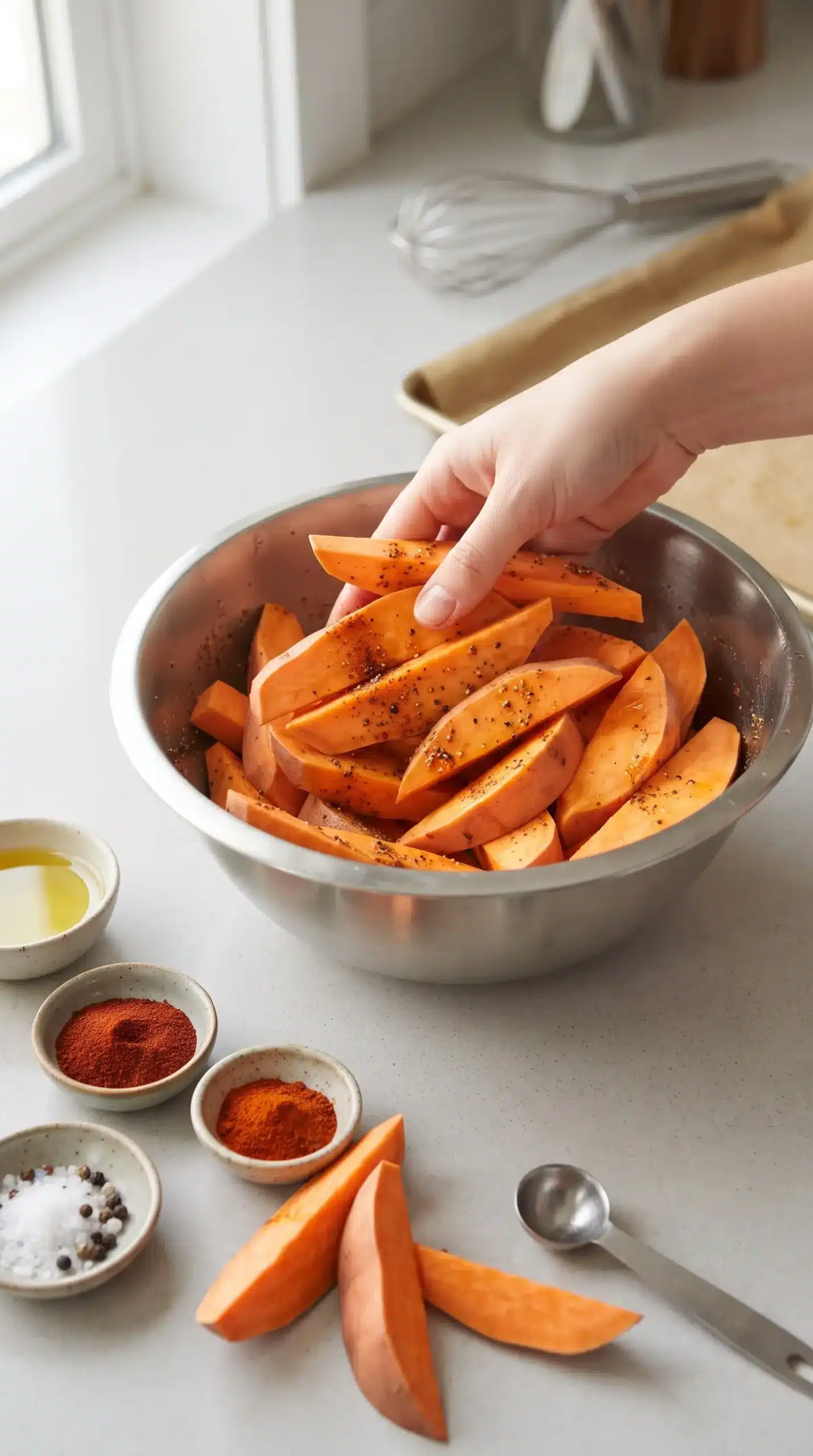
Cutting sweet potatoes into wedges changes how the vegetable cooks compared with smaller cubes or thin slices. Larger pieces protect the soft interior while allowing the outer areas to become deeply colored. The shape also makes the finished dish easier to serve as a centerpiece or side.
Roasting begins with a simple coating of oil and seasonings, but the flavor develops through temperature changes. The initial oven heat encourages tenderness and seasoning absorption, while the increased heat later supports deeper browning and a more roasted surface.
Careful seasoning keeps the natural sweetness recognizable. Chili powder provides warmth, cayenne adds sharper heat, and salt helps the flavors feel connected. The spices should support the sweet potatoes with tahini and sesame instead of covering their flavor completely.
| Preparation choice | Result on the plate | Best reason to use it |
|---|---|---|
| Wedges | Soft center with browned edges | Creates contrast between textures |
| Extra-small pieces | More surface browning | Useful when a crisp vegetable bite is preferred |
| Thin slices | Faster surface cooking | Works when a flatter presentation is desired |
Tahini sesame balance shapes the finished wedges
Tahini deserves attention because it changes how the roasted sweet potatoes feel when served. Its creamy texture gives the dish a smooth element, while its nutty character connects naturally with toasted sesame flavors from the oil and seeds.
Roasted sesame oil has a concentrated aroma, so a small amount can influence the entire plate. Adding it after roasting protects its fragrance and allows the flavor to remain noticeable alongside the sweetness of the vegetable.
- Tahini texture: A smooth drizzle helps coat the wedges without making the roasted surface feel heavy.
- Sesame oil timing: Adding it after cooking keeps the toasted aroma clear.
- Sesame seeds: Sprinkling them at serving adds a light crunch against the tender sweet potato.
Cilantro provides a fresh contrast that lifts the richer sesame elements. The herb is added after cooking, keeping its flavor lively and preventing the delicate leaves from losing their character in the oven.
Roasting temperature decisions control caramelized sweet potatoes
Successful roasting depends on observing the surface of the wedges, not only following a clock. Sweet potatoes need enough time for their edges to develop color while avoiding excessive browning in thinner areas.
Oven heat is adjusted during cooking to create two different effects. A moderate roasting stage helps the wedges cook through, and a hotter stage encourages golden surfaces that give the dish its roasted character.
Spacing also affects the result. Arranging the wedges in a single layer helps heat reach each piece more evenly and allows moisture to escape from the surfaces. Crowded pieces are more likely to soften without developing the same browned exterior.
Gentle turning matters because sweet potato surfaces can darken quickly once they become exposed to stronger heat. Moving the wedges helps distribute browning and protects smaller edges from becoming overly dark.
Small pan choices change how wedges brown
Baking sheet decisions influence the texture of roasted sweet potatoes with tahini and sesame. A surface that allows the wedges to sit flat gives more opportunity for contact with heat, which supports better color on the cut sides.
Parchment can make cleanup easier, but the arrangement of the vegetables still matters. The sweet potatoes should not be stacked because overlapping pieces trap moisture and reduce the roasting effect.
Home ovens vary in how heat reaches different areas, so visual cues remain important. Golden edges, tender centers, and a fragrant roasted aroma are stronger indicators than relying on one appearance alone.
Common pitfalls that affect sesame roasted sweet potatoes
Several mistakes can change the texture and balance of sesame roasted sweet potatoes. Most problems come from handling choices that prevent browning or hide the flavors that make the dish distinctive.
- Overcrowded wedges: Too many pieces together can slow surface browning. Arrange them with space so the edges can roast.
- Heavy seasoning: Excess spice can overwhelm the natural sweetness. Add heat gradually so the chili flavors remain balanced.
- Early sesame drizzle: Adding finishing ingredients before roasting can reduce the clean contrast between roasted and fresh flavors.
Uneven cuts can also create inconsistent results. Smaller pieces may darken before larger ones become tender, so similarly sized wedges are easier to manage during cooking.
Spice adjustments keep roasted sweet potatoes adaptable
Heat levels can be changed without altering the basic character of the dish. Chili powder offers a gentle background warmth, while cayenne can be increased or reduced depending on the preferred level of spice.
Families or groups with different preferences can adjust the seasoning at serving time. Keeping the roasted base balanced allows each person to add more heat, extra sesame, or additional herbs if desired.
Fresh cilantro remains one of the easiest ways to change the overall impression. A larger handful creates a brighter finish, while a smaller amount keeps the sesame flavors more prominent.
Serving ideas highlight sweet potatoes with tahini and sesame
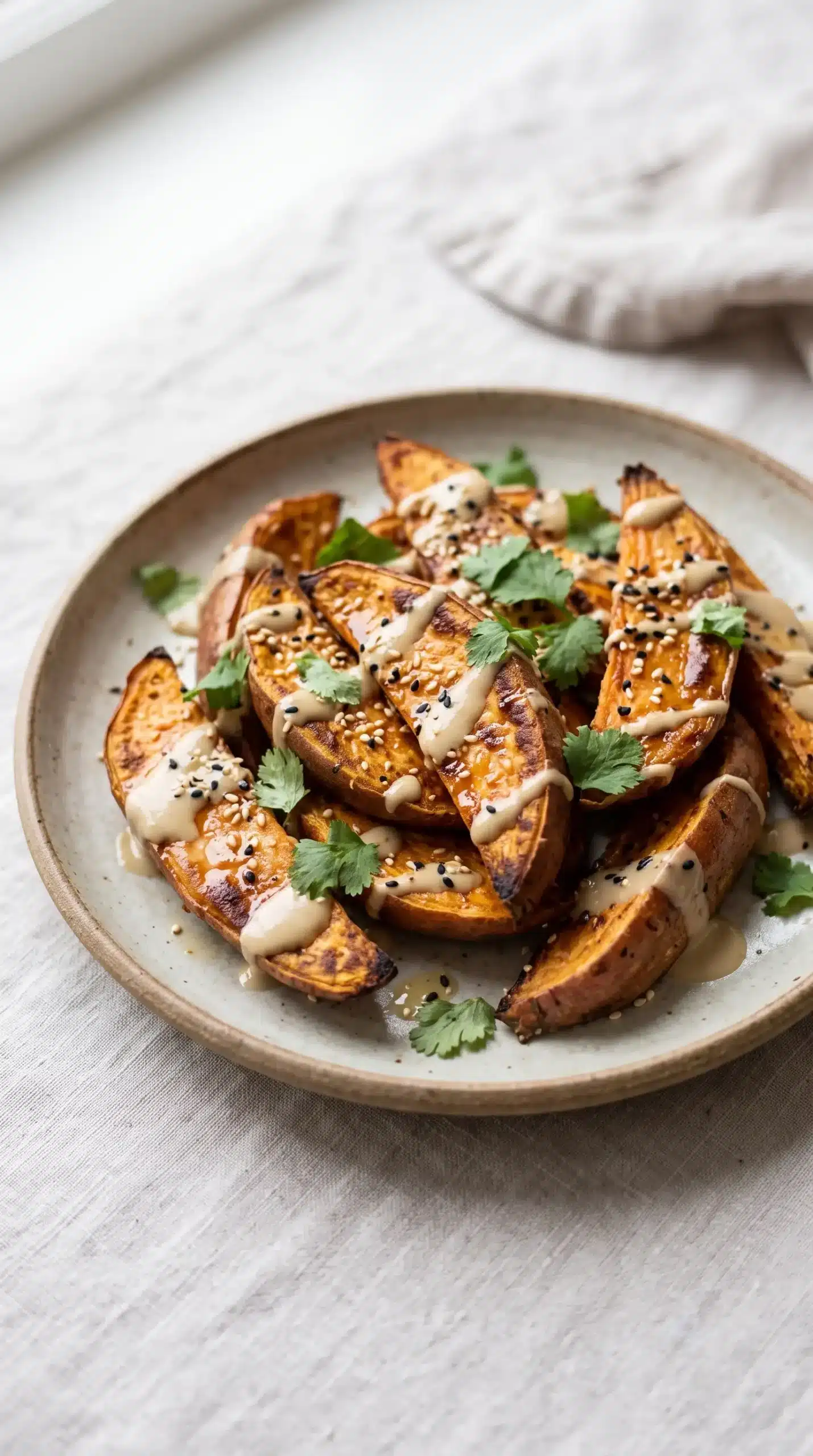
The finished wedges can move between different meal styles because the flavors work with both simple and bold accompaniments. The sesame and tahini combination gives enough richness to stand beside lighter foods while still matching stronger seasonings, including roasted vegetable bowls with green tahini and avocado for a more complete meal built around roasted vegetables.
Serving temperature also affects the experience. Warm sweet potatoes allow the tahini to spread easily and help the sesame oil release its aroma, while the fresh cilantro provides contrast after the heat has softened the vegetable.
Useful serving approaches include:
- Pairing the wedges with grain bowls where the creamy tahini can act as a sauce.
- Adding them beside roasted vegetables for a colorful shared plate.
- Serving them as a vegetable side when a naturally sweet, spiced option is needed.
Storage choices protect the roasted texture
Cooked sweet potatoes are best handled carefully after serving because their texture changes as they cool. Keeping leftover wedges separate from the tahini and sesame toppings helps preserve more of the roasted surface.
Stored portions should be cooled before being placed in a covered container. The sesame dressing and herbs can be added later so the wedges are easier to refresh when served again.
Extra tahini mixture can be kept apart and stirred before use because its creamy texture may change slightly while resting. Fresh cilantro is best added close to serving for the brightest flavor.
Reheating methods restore roasted sweet potato texture
Warmth can bring back some of the contrast that makes the wedges appealing. A dry heat method is generally better suited to roasted vegetables because it helps the exterior regain some structure.
Microwaving remains convenient, but it can soften the roasted surfaces further. When texture matters most, gentle reheating in an oven or similar dry environment better matches the original preparation style.
Adding sesame toppings after reheating keeps their flavors distinct. The tahini can coat the warm wedges again, and the seeds can provide the finishing texture that makes each serving complete.
Recipe adjustments preserve the sweet potato character
Small changes can personalize the dish while keeping its central balance intact. The important choices are maintaining roasted sweetness, a creamy sesame element, and a fresh finish.
| Adjustment | Change created | Important consideration |
|---|---|---|
| More cayenne | Stronger heat | Increase gradually to protect sweetness |
| Extra cilantro | Brighter herbal flavor | Add after cooking |
| Additional sesame seeds | More crunchy texture | Sprinkle at serving |
Thoughtful adjustments work best when they preserve the relationship between textures. The roasted vegetable should remain the focus, with toppings adding contrast instead of replacing the main flavor.
Golden sweet potato wedges show the power of finishing touches
Golden sweet potato wedges reveal their best texture when roasting creates tender interiors and browned edges before the sesame elements arrive. The finishing drizzle, seeds, and cilantro succeed because they are added at the point where their flavors remain distinct.
Attention to browning, spacing, and timing shapes the difference between ordinary roasted vegetables and a dish where every element has a clear purpose. The balance of sweetness, spice, creaminess, and freshness comes from protecting each stage of preparation.
Sesame roasted sweet potatoes troubleshooting questions and answers
Why are my sweet potato wedges not getting crispy?
Sweet potato wedges may stay soft when they release moisture faster than the oven can evaporate it. Giving the pieces space on the baking sheet and avoiding overlapping helps the surfaces brown more effectively.
Can I make sesame roasted sweet potatoes less spicy?
Yes. Reduce the cayenne or leave it out while keeping the chili powder for a milder warmth. The tahini, sesame oil, and natural sweetness of the sweet potatoes will still provide plenty of flavor.
When should I add the tahini and sesame oil?
Add the tahini and roasted sesame oil after the sweet potatoes have roasted. This keeps the finishing flavors fresh and prevents the toasted sesame aroma from becoming muted during oven cooking.
Can I prepare the sweet potato wedges ahead of serving?
You can roast the wedges ahead of time and add the sesame toppings later. Keeping the roasted pieces and finishing ingredients separate helps maintain better texture when the dish is served.
What can I serve with sesame roasted sweet potatoes?
The wedges pair well with meals that benefit from a sweet and savory vegetable component, including grain bowls, roasted vegetable plates, or dishes that can use the tahini drizzle as an additional sauce.
Sesame Roasted Sweet Potatoes with Creamy Tahini Drizzle
Sesame roasted sweet potatoes are a flavorful side dish with tender centers, browned edges, and a creamy sesame finish. This easy recipe is perfect when you want a warm, comforting vegetable dish with bold flavor and texture.
Ingredients
Method
Preparation
- Preheat the oven to 375°F (190°C).
- Coat the sweet potato wedges with vegetable oil, chili powder, cayenne pepper, and salt and pepper.
- Arrange the seasoned sweet potatoes on a baking sheet.
Roasting
- Roast the sweet potatoes for 20 minutes, gently stirring every 5-10 minutes.
- Raise the oven temperature to 400°F (204°C) and continue roasting for another 5-10 minutes, stirring as needed to prevent over-browning.
- Remove the sweet potatoes from the oven and allow them to cool slightly.
Assembly
- Drizzle the roasted sweet potatoes with sesame oil and tahini on a platter or directly on the baking sheet.
- Sprinkle with sesame seeds and add fresh cilantro leaves.
- Serve immediately.
Notes
Add the sesame oil and tahini after roasting to keep the finishing flavors distinct.