From breakfast to dinner, from healthy meals to sweet desserts – Next Yum Recipes brings you quick, simple and tasty ideas for every occasion and every time.


 This Recipe
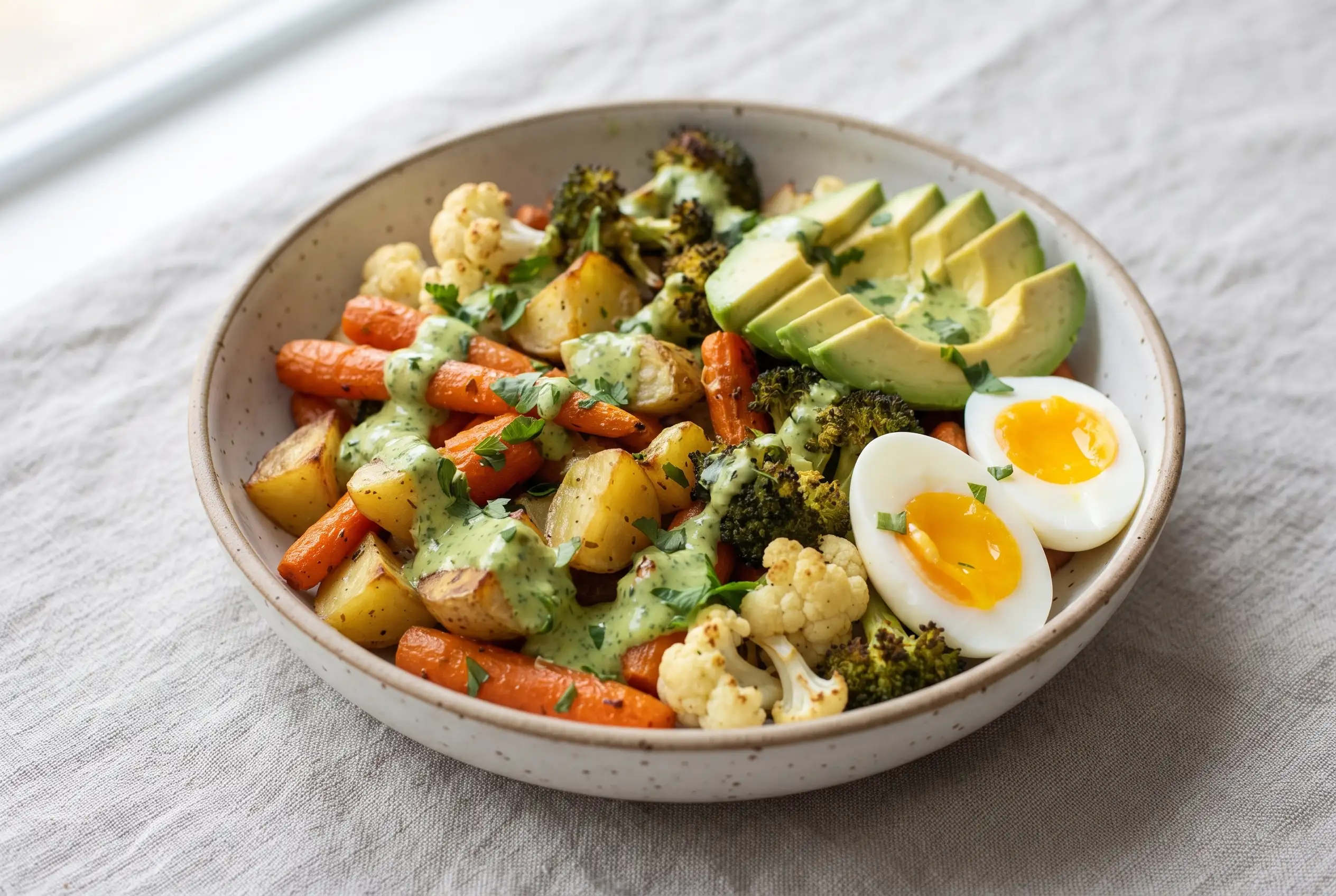
Roasted vegetable bowls bring together deeply colored vegetables, creamy green tahini, and flexible toppings in a meal built around texture and contrast. The combination of sweet roasted carrots, golden potatoes, broccoli, cauliflower, herbs, and a smooth sauce creates a satisfying bowl that works for lunch, dinner, or planned meals.
Roasted Vegetable Bowls Create a Balanced Weekday Meal
Built around oven-roasted vegetables, these bowls rely on simple preparation choices that create variety in every serving. The vegetables become more concentrated as they cook, while the green tahini adds a fresh element that keeps the bowl from feeling one-dimensional.
Careful roasting gives each vegetable a chance to develop its own character. Carrots and potatoes can become tender with browned edges, while broccoli and cauliflower offer lighter textures when they are protected from overcooking.
Healthy roasted vegetable bowls succeed because the parts can be prepared separately and combined in different ways. Adding avocado, eggs, or another protein changes the meal without requiring a different cooking approach.
Green Tahini Gives Vegetable Bowls Their Finishing Contrast
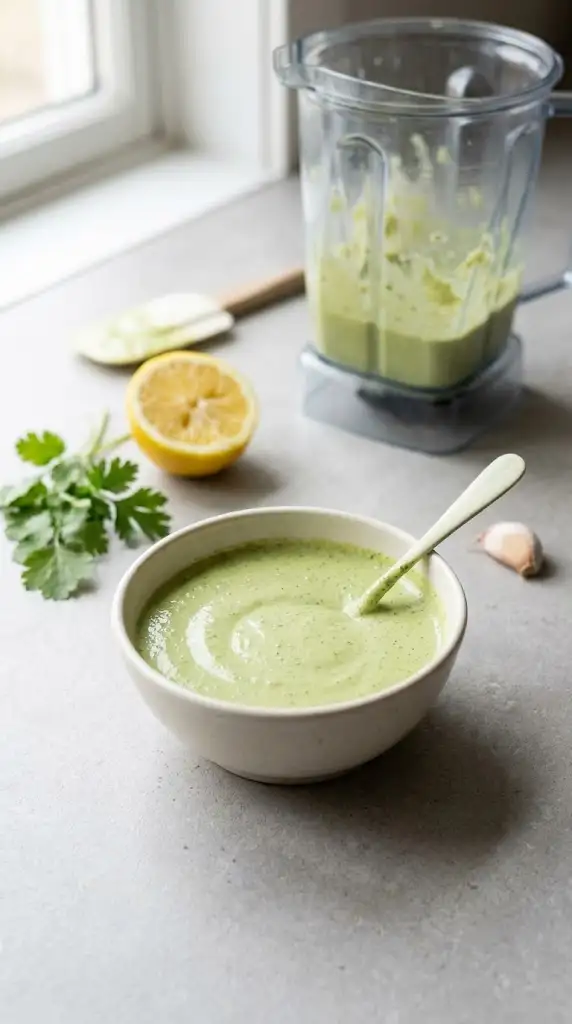
Green tahini connects the roasted vegetables with a bright, creamy sauce made from tahini, herbs, garlic, lemon, water, and seasoning. Its smooth texture helps coat the vegetables while adding a fresh flavor that balances the deeper roasted notes.
Unlike many heavy sauces, this green tahini stays focused on the ingredients already present in the bowl. The herbs bring freshness, lemon adds lift, and the tahini provides the creamy foundation that makes the sauce feel substantial.
Fresh herbs are especially important because they define the sauce’s identity. Cilantro, parsley, or a combination of both can shift the flavor slightly while keeping the same creamy consistency and purpose.
Carrots and Potatoes Need Different Roasting Decisions
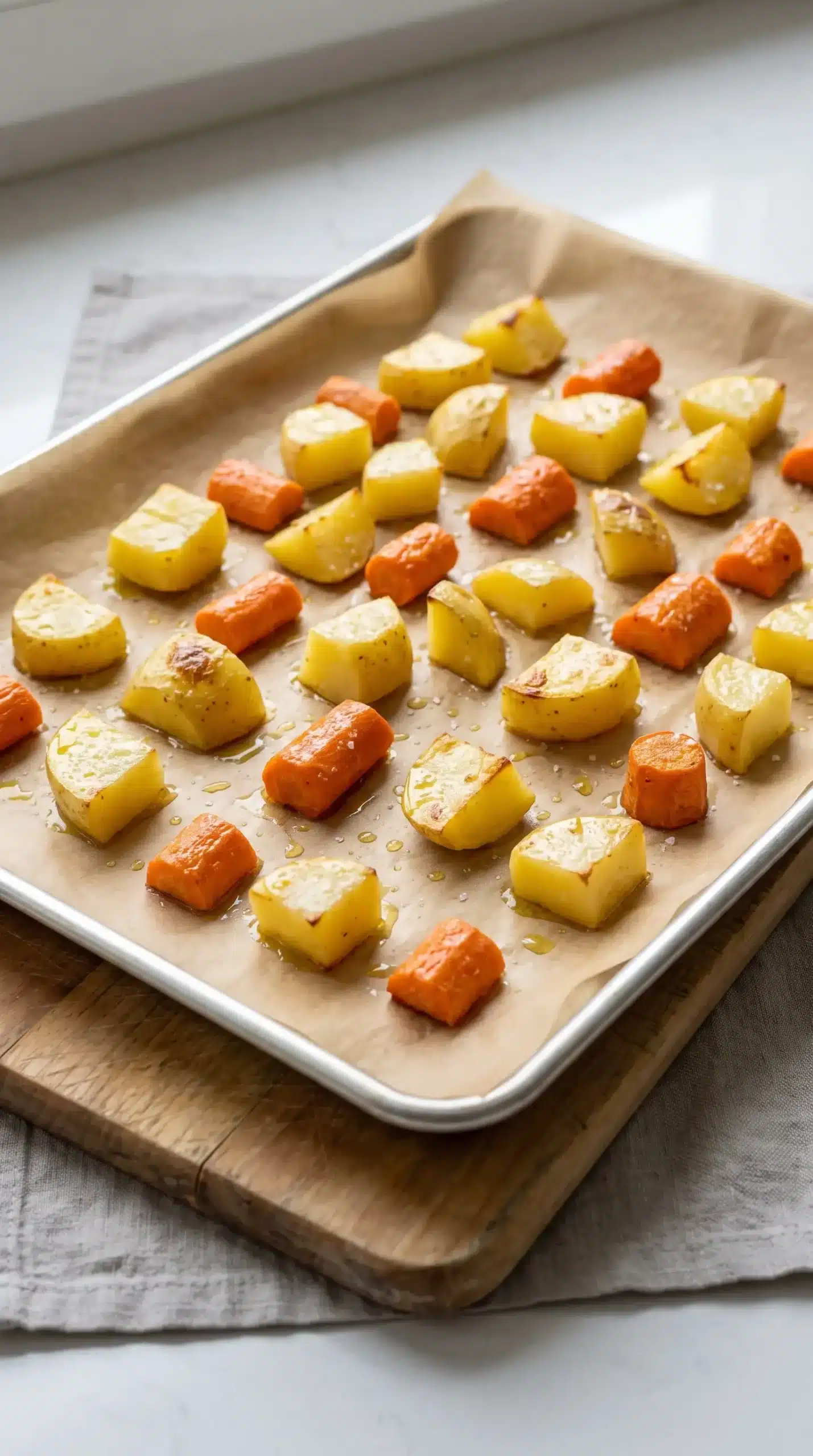
Carrots and potatoes share a baking sheet well because both benefit from enough space to brown, soften, and develop richer flavor. Keeping their pieces similar in size helps them cook at a similar pace, while roasted sweet potatoes with tahini drizzle show how a creamy sesame finish can complement deeply browned vegetables.
Broccoli and Cauliflower Benefit From Careful Tray Choices
Texture choices matter with broccoli and cauliflower because their smaller florets can brown quickly. Giving these vegetables their own space makes it easier to watch their color and remove them when they reach the preferred texture.
Green Tahini Depends on Texture and Balance
A smooth sauce begins with the right relationship between tahini and liquid. Blending the ingredients thoroughly creates a consistency that can drizzle over vegetables without becoming too thick or difficult to spread.
Kitchen technique affects the finished sauce as much as the ingredients themselves. Adding water gradually during blending allows better control over thickness, especially when the sauce needs to coat a full bowl of roasted vegetables.
Small adjustments can change the entire bowl. A little more lemon can sharpen the flavor, extra herbs can make the sauce brighter, and additional seasoning can help it match strongly roasted vegetables.
| Element | Texture contribution | Flavor role |
|---|---|---|
| Roasted carrots | Tender pieces with browned edges | Sweet, earthy notes |
| Golden potatoes | Soft interior with roasted surfaces | Comforting, mild flavor |
| Green tahini | Creamy coating | Herbal, lemony contrast |
Meal Prep Storage Keeps Roasted Vegetable Bowls Flexible
Separate containers help preserve the individual textures of roasted vegetables, sauce, and toppings. Keeping the green tahini apart until serving prevents the vegetables from losing their roasted character.
Roasted Vegetable Bowls Avoid These Common Mistakes
Common mistakes with roasted vegetable bowls usually come from decisions made before the vegetables enter the oven. Crowding too many pieces together can reduce browning because moisture has less room to escape.
Overcrowding pans also makes timing harder to judge. Vegetables with different textures may finish at different moments, so organizing similar vegetables together creates more control during cooking.
Another issue appears when the sauce texture is ignored. A green tahini that is too thick may sit on top of the vegetables instead of coating them, while a balanced consistency helps distribute flavor across the bowl.
- Tray spacing: Arrange vegetables so heat can move around each piece and encourage browning.
- Sauce texture: Adjust the tahini mixture until it spreads easily across roasted vegetables.
- Topping timing: Add delicate toppings after roasting to protect freshness and texture.
Avocado and Protein Change the Bowl’s Direction
Avocado and hard boiled eggs make natural additions because they introduce creamy and satisfying elements alongside the roasted vegetables. Other proteins can also fit easily when the bowl needs a different focus.
Roasting Control Shapes the Finished Vegetable Bowl
Cooking control starts with understanding how each vegetable responds to heat. Larger, denser pieces generally need more time to soften, while smaller florets can move from lightly browned to deeply colored quickly.
Hot ovens work best when vegetables have been arranged with attention to spacing and size. Stirring or checking the vegetables during roasting helps identify when certain pieces have reached the desired texture.
Consistent browning comes from a combination of oil coverage, proper spacing, and choosing pieces that are similar enough to cook together. These details make a roasted vegetable bowl recipe more reliable without adding complicated steps.
Serving Ideas Keep Green Tahini Fresh
Serving options can change the personality of the bowl while keeping the roasted vegetables and sauce at the center. Fresh avocado, extra herbs, or a preferred protein can create different versions from the same base.
A Vegetable Bowl Recipe Adjusts Across Seasons
Seasonal changes can guide the vegetables used in future versions while keeping the same roasting approach. The important decision is choosing vegetables that respond well to roasting and pair naturally with the green tahini.
Winter versions often benefit from vegetables that become especially comforting when browned and tender. The sauce provides brightness that keeps the bowl balanced even with deeper roasted flavors.
Summer additions can introduce lighter textures while preserving the same structure. Fresh herbs, creamy toppings, and roasted vegetables create a flexible format that adapts without losing its identity.
Roasted Vegetables and Green Tahini Create a Complete Bowl Experience
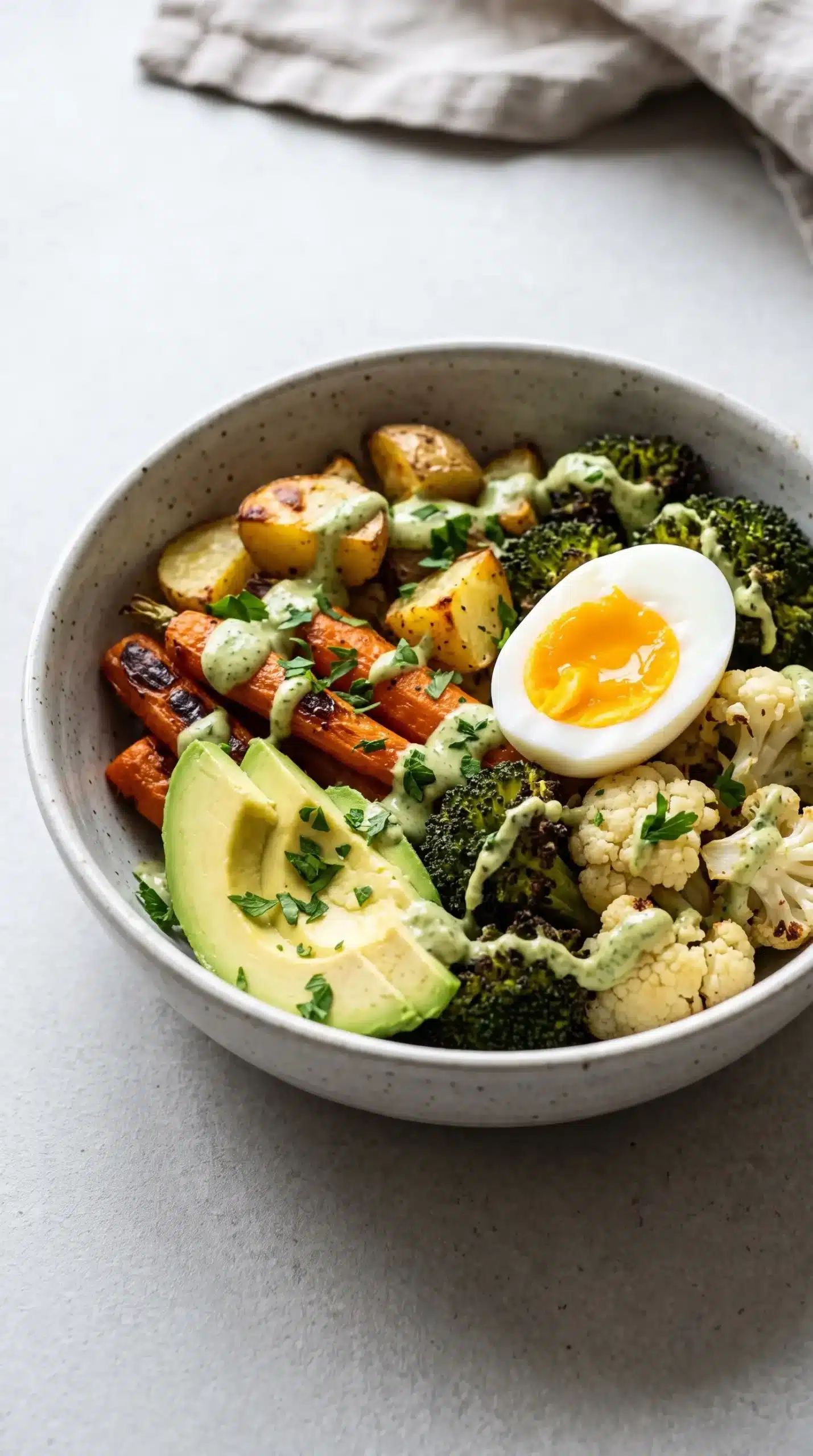
Roasted vegetables become the foundation of a meal where texture decisions matter as much as seasoning. The best results come from giving each vegetable enough attention in the oven and using green tahini as a fresh connection between the different parts.
Balanced vegetable bowls with green tahini rely on contrast: browned vegetables, creamy sauce, and optional toppings that add richness or freshness. That combination keeps every portion interesting while allowing the preparation style to remain practical.
Roasted Vegetable Bowl Questions About Storage and Preparation
Can roasted vegetable bowls be prepared ahead of time?
Many cooks prepare the roasted vegetables and sauce separately so the textures stay distinct. The vegetables can be warmed before serving, while the green tahini can be stirred and added when the bowl is assembled.
For make-ahead bowls, cooked vegetables need refrigeration as part of safe leftover handling, so prepared components should be covered and chilled promptly after cooking.
How can green tahini sauce be made thinner?
Cold storage can slightly change sauce texture after preparation. Stirring in a small amount of water helps loosen the tahini mixture while keeping the herbs, lemon, and garlic flavors balanced.
Can other vegetables replace the ones used here?
Tahini sauce pairs well with many roasted vegetables that have similar cooking behavior. Choosing vegetables that can brown well and maintaining attention to size and roasting time will help preserve the bowl’s structure.
What proteins work well with these vegetable bowls?
Additional proteins can include options that complement creamy tahini and roasted flavors. Eggs provide a simple pairing, while other cooked proteins can make the bowl fit different meal preferences.
Why do roasted vegetables sometimes become soft instead of browned?
Different vegetables can release moisture during cooking, especially when placed too close together. Better spacing and careful arrangement help create the browned surfaces that make roasted vegetables more flavorful.
Roasted Vegetable Bowls with Green Tahini and Avocado
Roasted Vegetable Bowls with Green Tahini are hearty bowls with tender roasted vegetables, creamy sauce, and fresh contrast. They are a practical choice for flavorful weekday meals and make-ahead lunches.
Ingredients
Method
Cooking
- Preheat the oven to 425°F (218°C).
- Place the vegetables on a few parchment-lined baking sheets, keeping each vegetable in its own section. Coat with olive oil and salt, then roast for 25-30 minutes.
- While the vegetables cook, blend the sauce ingredients in a food processor or blender until combined.
Serving
- Divide the roasted vegetables and sauce into portions. Serve with avocado, hard boiled eggs, or another protein of choice.
Notes
For more even cooking, place broccoli and cauliflower together on one baking sheet and carrots and potatoes together on another. The vegetables can be roasted longer, closer to 30-40 minutes total, for deeper browning if preferred. If broccoli or cauliflower browns too quickly, remove them a few minutes early while allowing the carrots and potatoes additional time.