From breakfast to dinner, from healthy meals to sweet desserts – Next Yum Recipes brings you quick, simple and tasty ideas for every occasion and every time.


 This Recipe
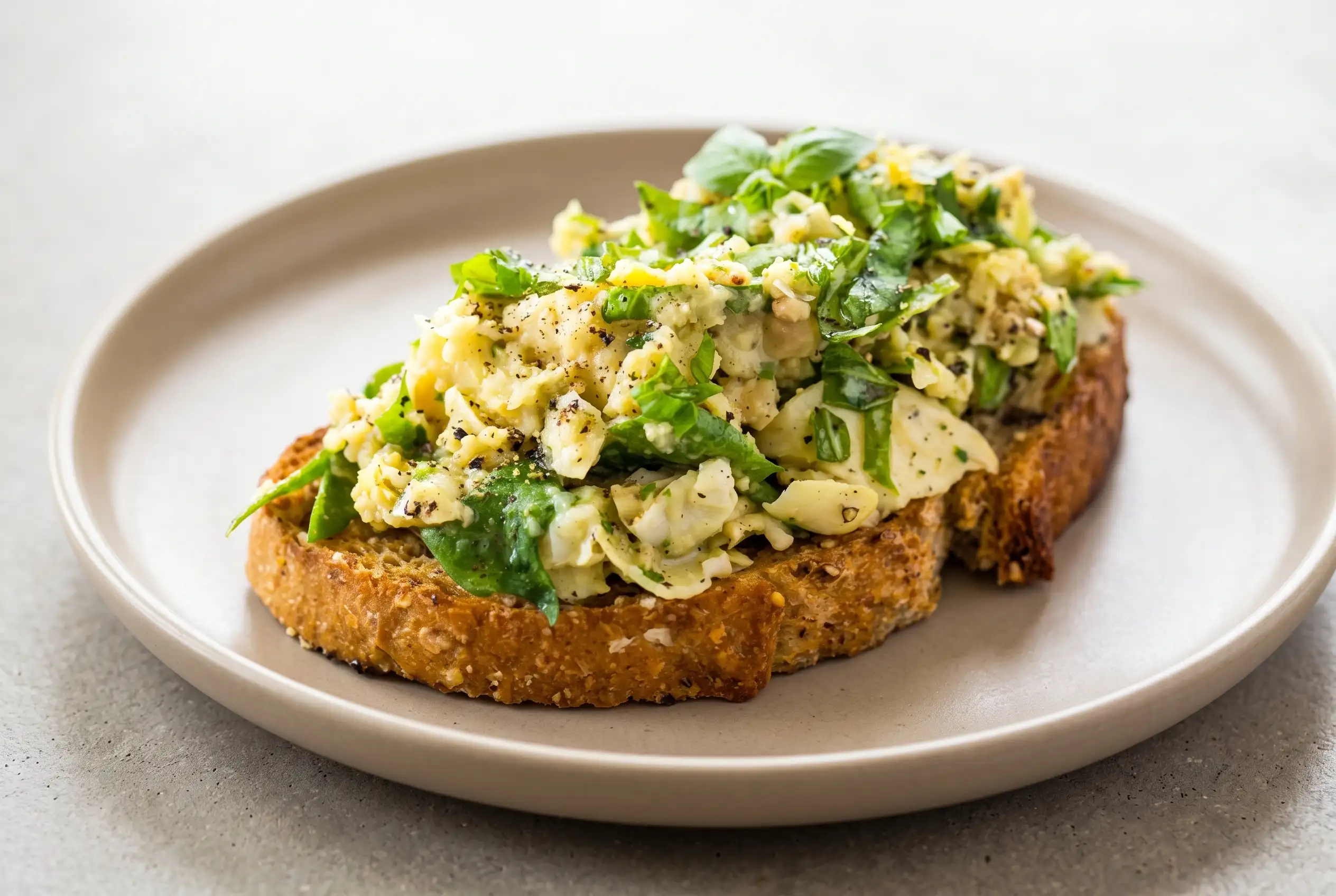
White bean artichoke toast brings together a creamy pulse-based spread, bright herbs, tangy lemon, and crisp whole wheat bread for a quick meal that feels fresh and satisfying. The combination works because the topping has enough texture to stand on its own while the toasted base provides a sturdy surface for every bite.
The simple format makes a white bean artichoke toast useful for lunches, snacks, or casual gatherings. A few preparation decisions have a major effect on the finished result, especially the texture of the bean mixture, the timing of the greens, and the way the flavors are balanced before serving.
White Bean Artichoke Toasts Create Fast Flavor
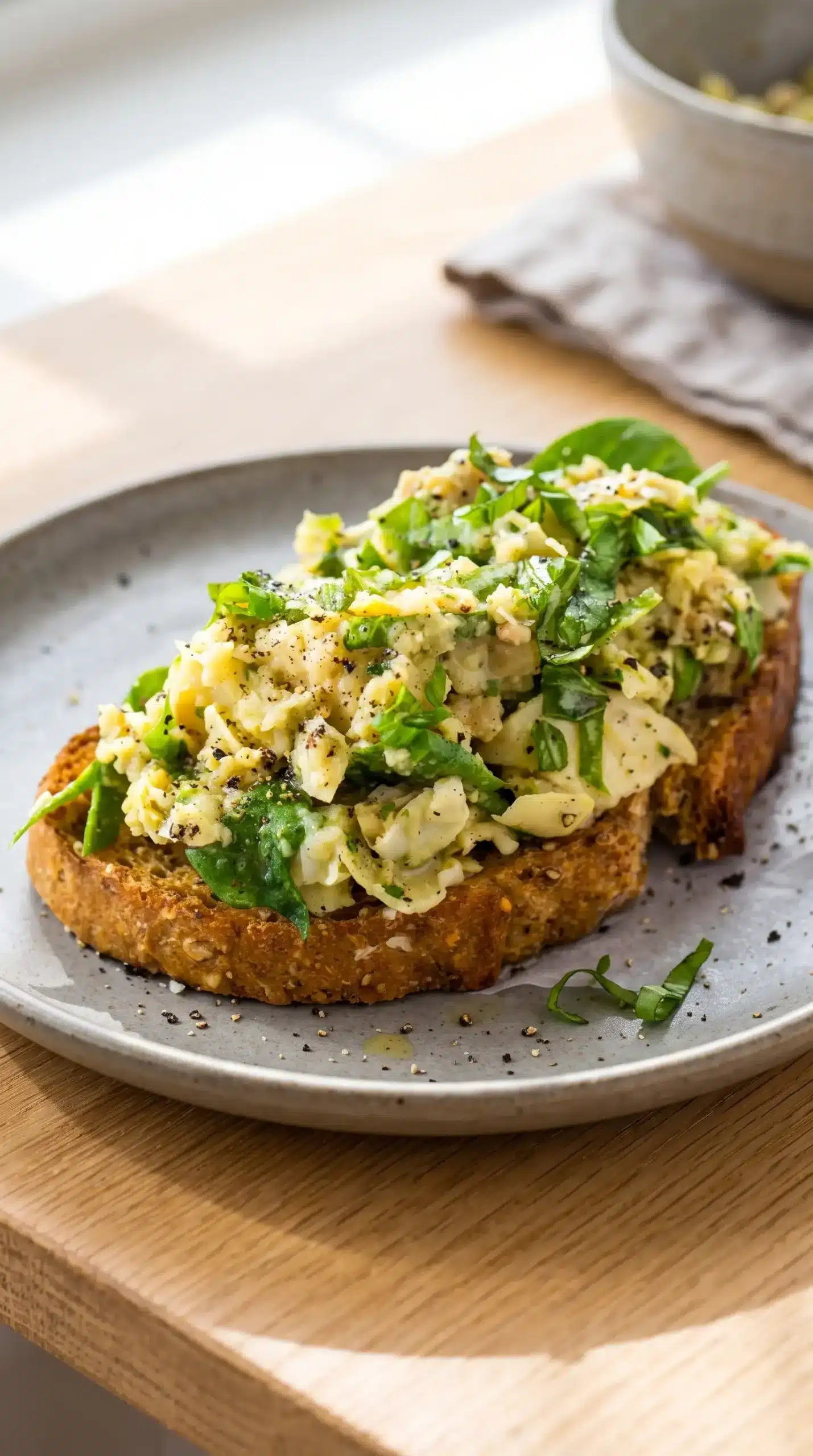
White bean artichoke toast succeeds by combining familiar ingredients in a way that changes their usual roles. Beans become a savory spread, artichokes bring a bright vegetable note, and basil creates a fresh finish that keeps the topping lively.
The chickpea artichoke toast variation follows the same idea by using chickpeas for a slightly different texture and flavor. Both options create a spread that can move beyond toast and work in other serving formats without requiring additional cooking.
Creamy Bean Spread Gives Toasts Their Structure
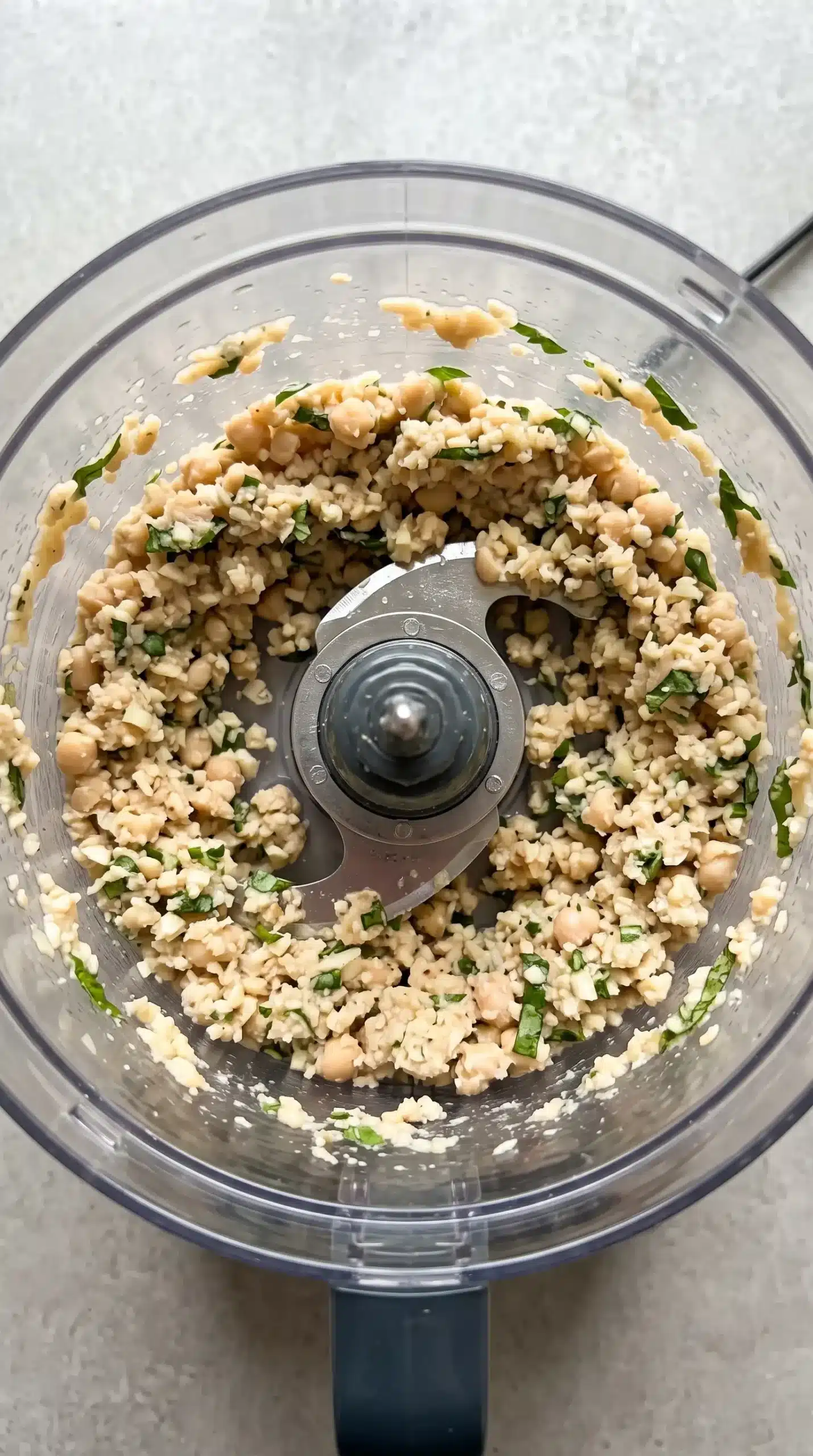
The bean mixture determines how the finished toast feels with each bite. A finely minced texture creates a cohesive topping, while leaving some small pieces visible gives the spread more character.
Basil and Artichoke Choices Shape the Finished Toasts
Fresh basil plays an important role because the herb is added in two ways. Part of it is blended into the bean mixture, allowing its flavor to spread throughout the topping, while the remaining ribbons create visible freshness when mixed with the chopped artichoke hearts.
Artichokes bring a distinctive tangy quality that balances the mild beans. Chopping them before combining them with the spread helps distribute their texture so each toast receives some of the vegetable pieces.
Careful seasoning matters because the ingredients have different flavor strengths. Lemon juice brightens the mixture, olive oil smooths the texture, and salt and pepper help the beans and vegetables taste connected instead of separate.
- Basil texture: Blend part of the herb for flavor throughout the spread and reserve some pieces for a fresher finish.
- Artichoke size: Chop the hearts into pieces that complement the crumbly bean mixture without overwhelming it.
- Lemon adjustment: Add enough juice to lift the topping while keeping the beans noticeable.
Whole Wheat Toast Supports the Topping Balance
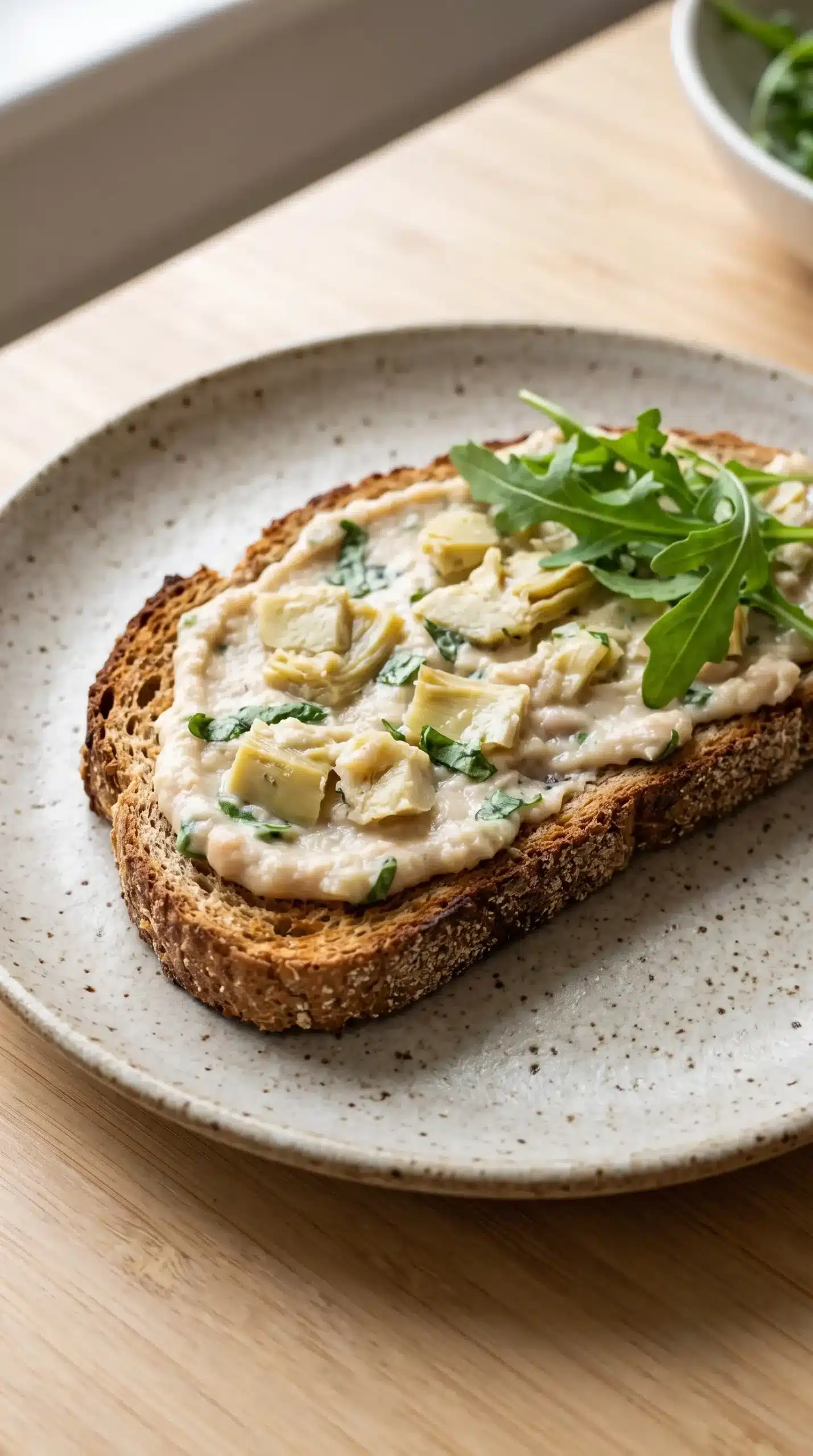
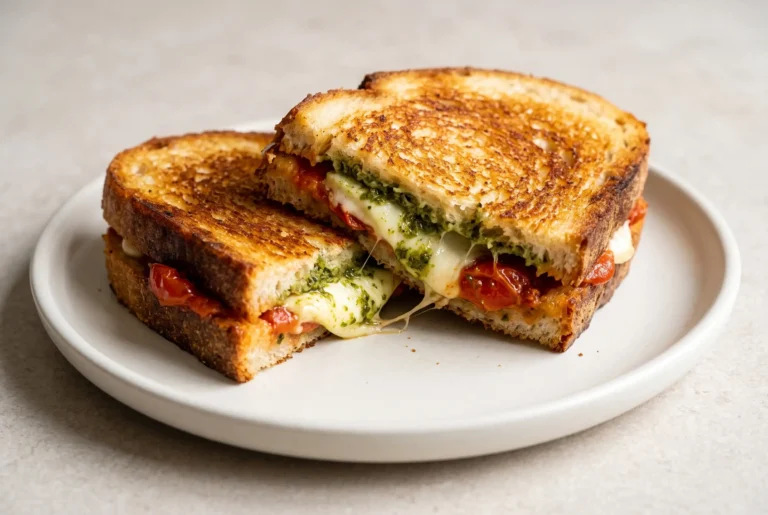
Toasted whole wheat bread gives white bean artichoke toast the contrast it needs. The crisp surface supports the creamy topping and prevents the meal from feeling like a single-texture dish, while a vegetable-filled sandwich such as Avocado Veggie Panini with Mushrooms and Kale Filling shows how sturdy bread can hold fresh, flavorful fillings in a satisfying lunch format.
Food Processor Texture Controls the White Bean Artichoke Toast
The food processor for blending is useful because it quickly breaks down the garlic, beans, and basil into a spreadable mixture. The most important choice is stopping at the right texture rather than processing until the topping becomes completely uniform.
A crumbly, finely minced mixture holds onto the character of the beans and allows the artichokes and greens to remain noticeable. Over-processing can make the topping lose the small textural differences that make each bite more interesting.
Preparation order also influences the result. The blended base needs time to combine with lemon, olive oil, seasonings, and chopped ingredients before it reaches the bread, giving the flavors a chance to come together.
Fresh Greens Need Careful Timing on Artichoke Toasts
Fresh spinach or other greens are added close to serving because their texture changes when mixed into the topping too early. Keeping them separate until needed helps maintain a fresher bite.
Common White Bean Artichoke Toast Mistakes to Avoid
Several small mistakes can change the texture and flavor of white bean artichoke toast. Most problems come from moisture control, timing, or uneven preparation rather than complicated cooking issues.
Adding greens too soon is one common problem. The spinach can soften and release moisture while waiting, which may make the topping less appealing on toasted bread. Mixing the greens in shortly before serving keeps their texture more noticeable.
Another issue is failing to adjust the seasoning after combining everything. Beans, artichokes, basil, and lemon each affect the overall balance, so tasting the mixture before spreading it allows small changes that improve the finished toast.
| Common issue | What causes it | Helpful adjustment |
|---|---|---|
| Soggy topping | Greens added too early or excess moisture | Keep greens separate until serving |
| Flat flavor | Seasoning not adjusted after mixing | Taste and balance lemon, salt, and pepper |
| Heavy texture | Spread processed too far | Stop when the mixture is finely minced and crumbly |
Serving Ideas Expand Chickpea Artichoke Toast
The topping can move beyond bread when you want a different presentation. The same mixture works as a filling or dip-style option, making the chickpea artichoke toast concept flexible for different meals.
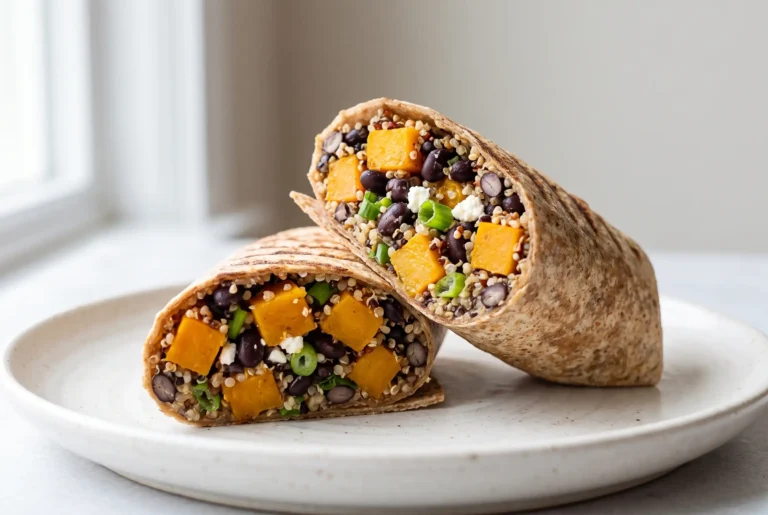
- Wrap filling: Add the mixture to a wrap with greens for a portable option.
- Snack platter: Serve it with chips or other crunchy sides.
- Open sandwich: Keep the toast format and add the topping just before eating.
Storage Decisions Keep White Bean Basil Toast Fresh
Storage works best when the parts remain separate. The bean and artichoke mixture can be prepared ahead, but the greens should wait until serving so they do not lose their texture.
Keeping the toasted bread separate also protects the contrast that makes the dish appealing. A crisp base and a creamy topping create a better experience than a slice of bread that has absorbed moisture during storage.
| Component | Best handling approach | Reason |
|---|---|---|
| Bean mixture | Store separately and mix before serving | Maintains the spread texture |
| Fresh greens | Add shortly before eating | Helps prevent sogginess |
| Toast | Prepare close to serving time | Keeps the bread crisp |
Adjustments Make the Artichoke Toast Recipe Flexible
The artichoke toast recipe naturally allows small changes because the spread is built from ingredients that pair well together. Chickpeas can replace white beans, and different greens can be used while keeping the same overall structure.
Flavor Balance Depends on Small Finishing Choices
Finishing touches have a noticeable impact on the way white bean artichoke toast tastes. The mixture should feel bright from lemon, rounded from olive oil, and fresh from basil without allowing one element to dominate.
Texture decisions matter just as much as seasoning. The contrast between crisp bread, creamy beans, tender artichokes, and fresh greens creates the main appeal of the dish.
Serving temperature also affects the experience. Bringing the topping together shortly before eating allows the bread to stay firm while the flavors remain clear and distinct.
Building Better Toasts Starts with Ingredient Preparation
Simple preparation choices create the strongest improvement in white bean basil toast. Rinsing and draining the beans well, chopping the artichokes evenly, and separating delicate greens from the mixture all support a cleaner finished result.
White Bean Artichoke Toasts Turn Simple Components into a Complete Bite
White bean artichoke toast becomes successful when each part keeps its own purpose. The bean spread provides substance, the artichokes and basil bring brightness, and the toasted bread creates the structure needed to hold everything together.
Careful timing around the greens and texture of the spread determines whether the dish feels fresh or flat. Keeping those details in mind turns a short ingredient list into a balanced toast with enough flexibility for snacks, lunches, and shared plates.
White Bean Artichoke Toast Questions About Storage and Preparation
Can white bean artichoke toast be made ahead?
The topping can be prepared ahead and stored separately from the greens and bread. Adding the greens shortly before serving helps maintain their texture, while fresh toast provides the best contrast with the creamy mixture.
What makes the bean spread crumbly instead of smooth?
The texture depends on how long the garlic, beans, and basil are processed. Shorter blending creates a finely minced mixture with small pieces remaining, while longer processing produces a smoother spread.
Can chickpeas replace white beans in this toast?
Yes, chickpeas work well in the same preparation style and create a chickpea artichoke toast with a slightly different bean flavor while keeping the lemon, basil, and artichoke combination intact.
How can the toast stay crisp after adding the topping?
Serving the bread soon after toasting and waiting to assemble until close to eating helps preserve the crisp surface. Keeping the topping and bread separate during storage also reduces moisture transfer.
What other ways can the topping be served?
The spread can be used in wraps or served with chips when bread is not the preferred option. Its texture makes it suitable for different formats while keeping the same basil and artichoke flavor profile.
White Bean Artichoke Toasts with Basil Spread Recipe
White Bean Artichoke Toasts are quick, crispy toasts topped with a creamy, crumbly bean spread, fresh basil, and bright artichoke flavor. They are an easy option for a fresh, satisfying meal or snack.
Ingredients
Method
Preparation
- Place the garlic, chickpeas or white beans, and about half of the basil in a food processor. Pulse until the mixture is finely minced and crumbly.
- Slice the remaining basil into ribbons and chop the artichoke hearts. Combine the bean mixture with the lemon juice, basil, olive oil, salt, pepper, and artichokes. Taste and adjust the seasoning as needed.
- Mix in the spinach or greens just before serving. Spoon the mixture onto the toasted whole wheat bread and serve.
Notes
If saving some of the mixture for later, keep the spinach separate and add it just before serving to prevent it from becoming soggy in the refrigerator. For the nutrition label, 1/3 cup olive oil and 1/2 teaspoon salt were used.