From breakfast to dinner, from healthy meals to sweet desserts – Next Yum Recipes brings you quick, simple and tasty ideas for every occasion and every time.


 This Recipe
Gochujang Butter Brussels Sprouts Balance Heat and Crunch
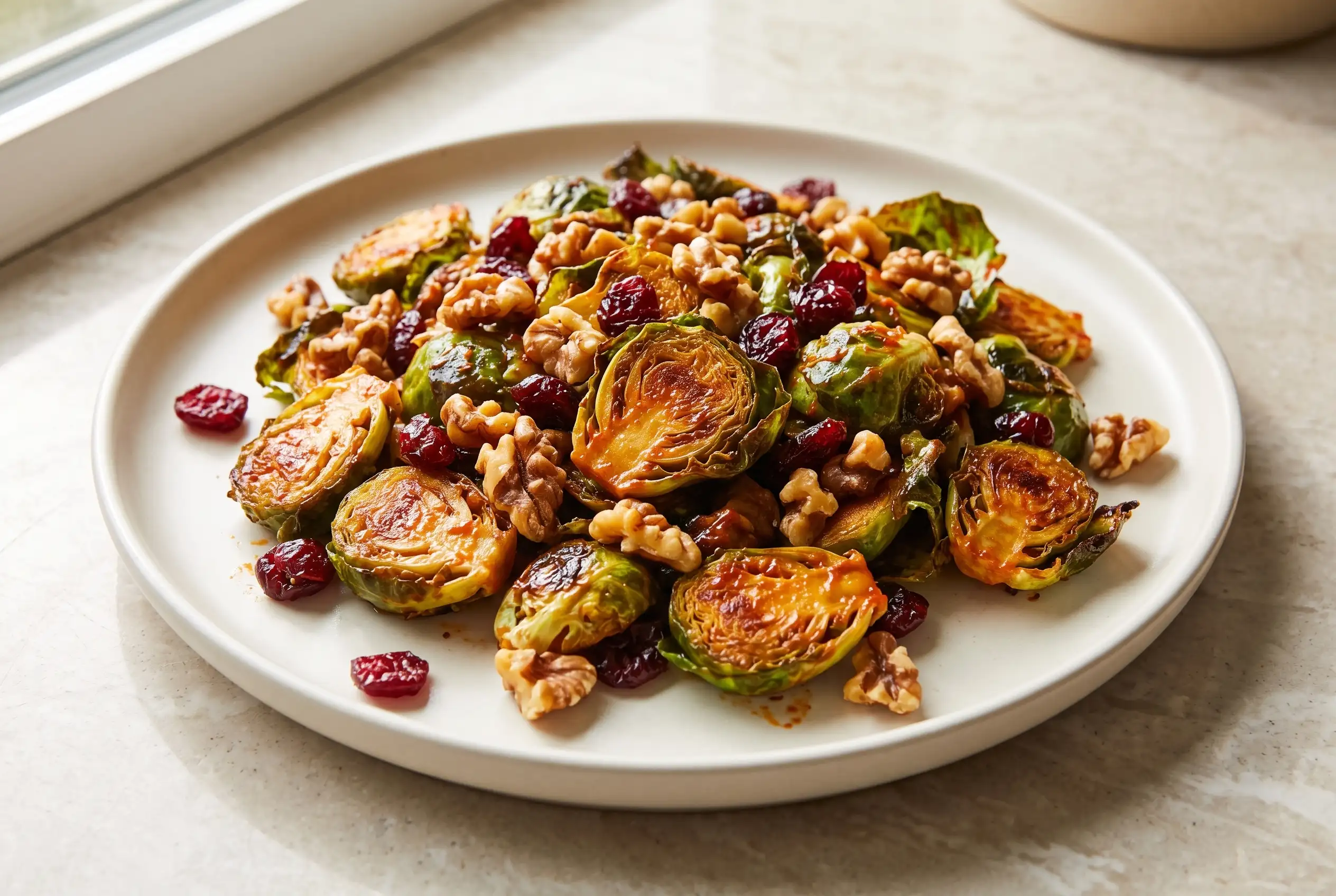
Gochujang butter brussels sprouts combine roasted vegetables, a savory chili butter, toasted walnuts, and sweet dried cranberries into a side dish built around contrasting flavors. The shaved sprouts develop browned edges in the oven, while the seasoned butter melts into the warm vegetables and coats the pieces with a rich, spicy finish.
The appeal comes from how each element changes the eating experience. The sprouts bring a roasted vegetable base, the gochujang adds fermented chili depth, and the finishing touches create small bursts of sweetness and texture. The result is a side that feels bold enough for special meals while still relying on simple preparation choices.
Unlike many vegetable dishes that depend on heavy sauces, these gochujang butter brussels sprouts use a concentrated flavored butter to carry seasoning throughout the pan. Keeping the sprouts exposed to direct heat helps preserve their roasted character while allowing the sauce to become part of the finished dish.
Why Shaved Brussels Sprouts Work Best Here
Shaved Brussels sprouts are especially useful for this preparation because their thinner pieces create more surface area for browning and for catching the melted gochujang butter. Look for pieces that are somewhat chunky instead of finely shredded so they can develop roasted edges while maintaining a tender center.
Gochujang Butter Builds the Flavor Profile
The seasoned butter is where the signature character of the dish develops. Gochujang brings fermented chili flavor, gentle sweetness, and savory depth, while toasted sesame oil reinforces the nutty notes that pair naturally with roasted vegetables.
Gochujang is a fermented chili paste that brings a combination of savory, sweet, and spicy notes to the butter mixture, which is why a small amount can add significant depth to roasted vegetables.
Softened butter allows the sauce ingredients to blend evenly before they meet the warm sprouts. Mixing the butter ahead of time can make seasoning easier because the garlic, soy sauce, gochujang, and optional brown sugar become distributed throughout the mixture.
For cooks who enjoy exploring Korean-inspired flavors, brussels sprouts with gochujang sauce show how a small amount of a strongly flavored condiment can transform a familiar vegetable. The sauce does not need to overpower the sprouts; it works best when it highlights their roasted sweetness and browned edges.
Choosing Ingredients That Improve Gochujang Butter Brussels Sprouts
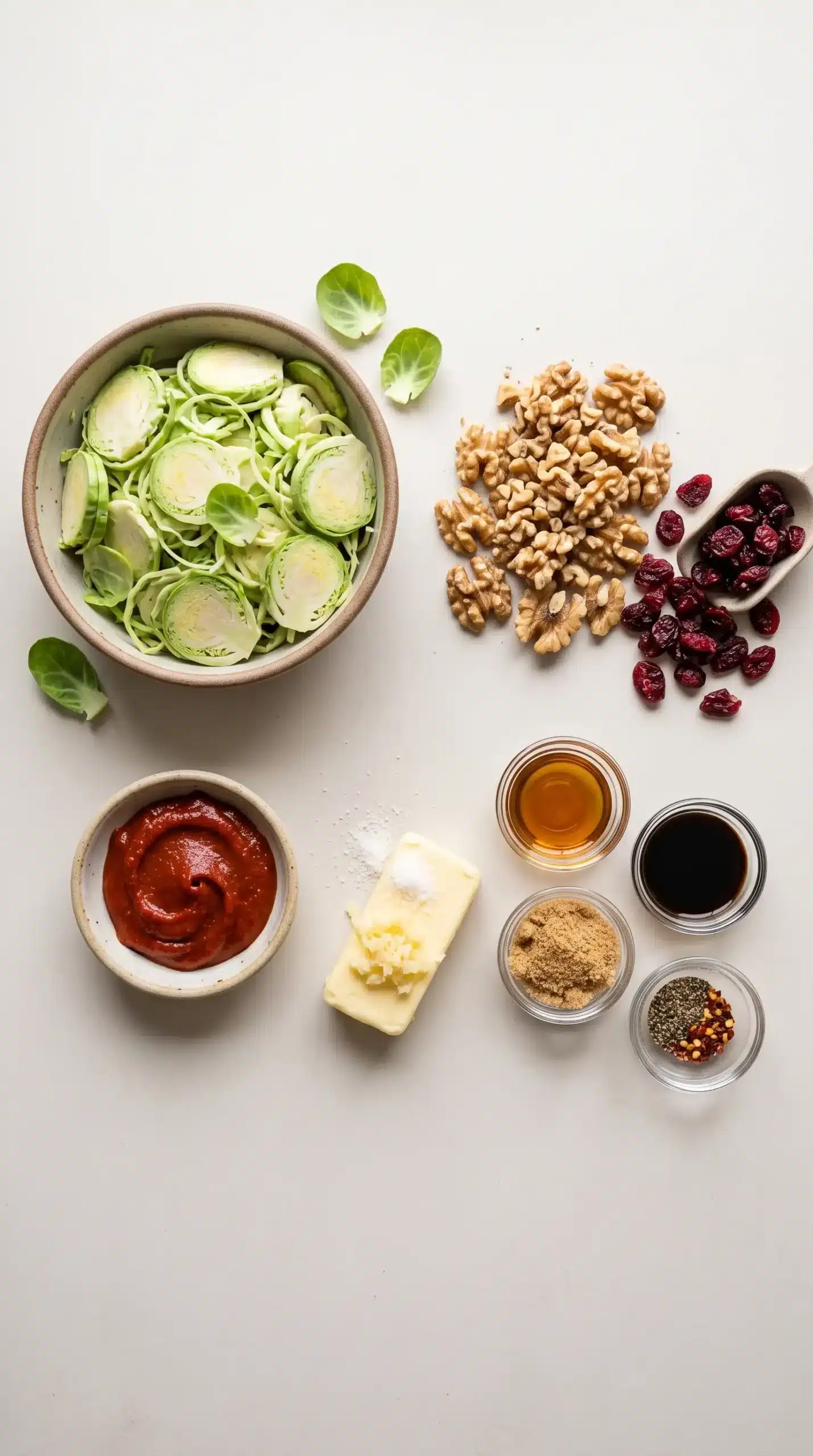
The best results come from choosing ingredients that support the way the dish cooks. The sprouts should be fresh and evenly shaved, while the walnuts should be roughly chopped so they provide noticeable crunch without becoming too small after roasting.
Salt deserves careful attention because the butter mixture already contains savory ingredients. Starting with the measured amount used for roasting allows the gochujang, soy sauce, and salted butter to contribute their own seasoning before any additional adjustment.
A few ingredient decisions have the biggest impact on the finished texture and flavor:
- Sprout size: Chunkier shaved pieces hold their texture and roast more effectively than very fine shreds.
- Walnut pieces: Larger pieces create a clearer contrast against the tender vegetables.
- Cranberry amount: The dried fruit adds sweetness that balances the chili butter without becoming the main flavor.
Roasting Control Creates Crispy Gochujang Brussels Sprouts
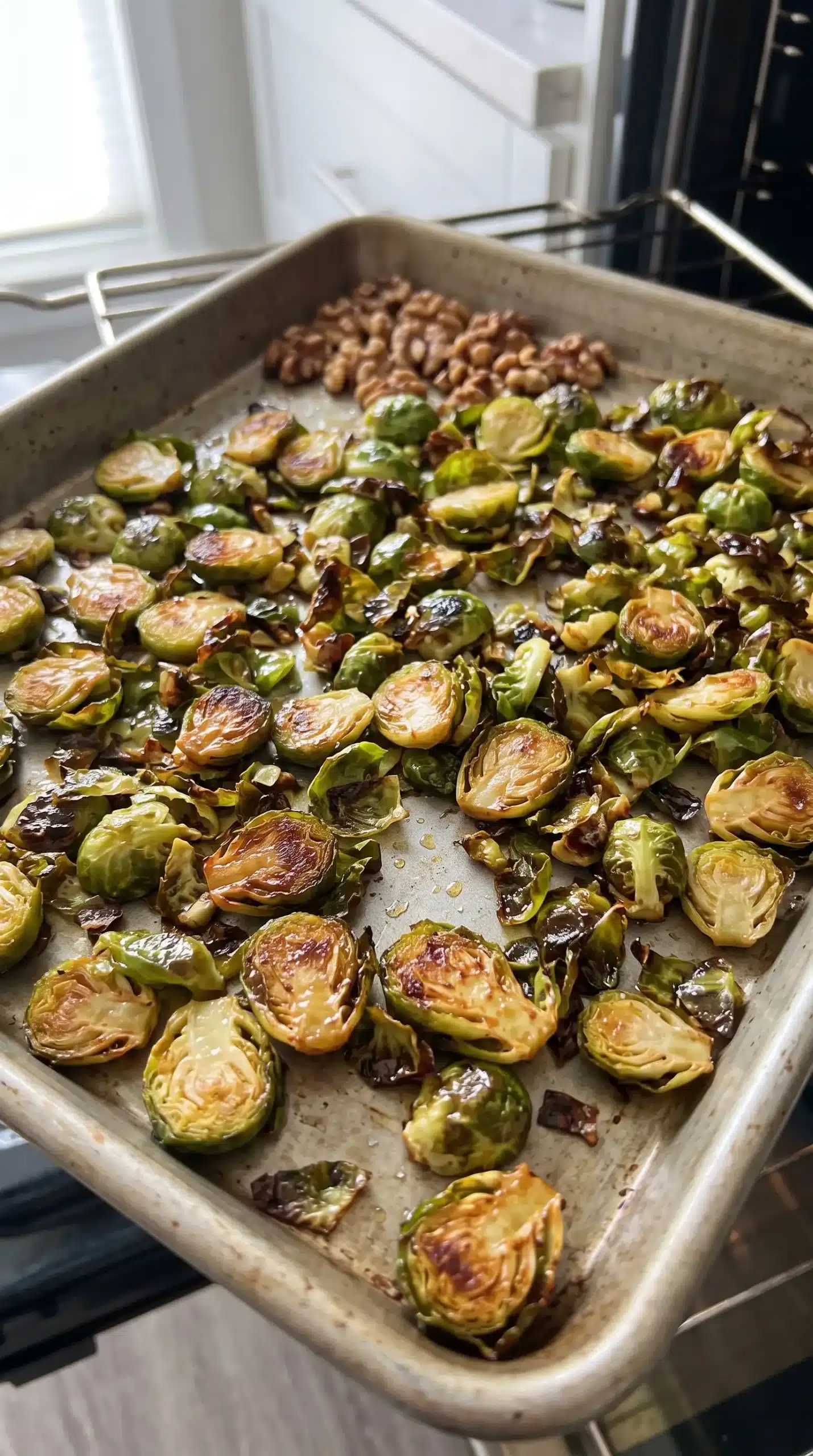
High oven heat is the key cooking factor for crispy gochujang brussels sprouts because the vegetables need enough exposure to develop golden surfaces. Spreading the sprouts across a sheet pan helps maintain contact with the hot surface and encourages browning.
Texture depends on watching visual changes instead of relying only on time. The sprouts should move from raw green pieces to tender vegetables with browned edges, while the walnuts need only enough additional heat to become fragrant and toasted.
The warm pan also plays an important role when the butter is added. Heat allows the flavored butter to soften and spread across the roasted pieces, creating an even coating without requiring a separate sauce step.
Common Mistakes That Ruin Gochujang Butter Brussels Sprouts
Small preparation choices can change the balance of this dish. Avoiding a few common problems helps protect the roasted texture and keeps the gochujang flavor controlled.
- Adding too much salt early: The savory butter mixture already contributes seasoning, so tasting before extra salt prevents an overly salty finish.
- Using overly thin shreds: Very fine pieces can lose their texture quickly and may not provide the roasted bite that makes the dish appealing.
- Skipping walnut toasting: Adding the nuts without the short return to heat can leave them less aromatic and less crisp.
- Mixing the butter too late: Waiting until the vegetables are finished can make it harder to distribute the flavors evenly.
Walnuts and Cranberries Change the Texture
The combination of toasted walnuts and dried cranberries gives gochujang butter brussels sprouts a layered finish. The walnuts introduce a roasted crunch, while the cranberries add small pockets of sweetness against the savory chili butter.
Adjusting the Spicy Sweet Balance
Gochujang has a distinctive combination of heat, fermentation, and sweetness, so adjustments should focus on preserving that character. The butter softens the intensity, allowing the chili flavor to blend with the roasted vegetables instead of dominating them.
Cooks who prefer a sweeter finish can use the optional brown sugar in the butter mixture. Those who enjoy a sharper savory profile can keep the balance centered on gochujang, garlic, sesame oil, and soy sauce.
| Adjustment | Flavor change | Best approach |
|---|---|---|
| More gochujang | Stronger chili and fermented notes | Add carefully because the sauce already has concentrated flavor |
| Brown sugar | Rounder sweetness | Use when the chili heat needs softening |
| Extra sesame oil | More toasted aroma | Add lightly so it does not cover the roasted vegetables |
The most successful adjustments keep the roasted sprouts recognizable. A balanced plate lets the vegetable texture remain present while the sauce creates the memorable flavor.
Serving Ideas for Brussels Sprouts with Gochujang Sauce
Brussels sprouts with gochujang sauce work well as a side dish wherever a bold vegetable option fits. They can accompany simple roasted proteins, rice dishes, or meals that benefit from a spicy and savory contrast.
Serving these sprouts alongside a grain-based meal can create a fuller plate with contrasting textures. A vegetable pairing such as Sesame Roasted Sweet Potatoes with Creamy Tahini Drizzle adds roasted sweetness and a rich finishing element that complements the spicy, savory character of the gochujang butter.
Storage and Reheating Keep Texture Intact
Leftover vegetables can be stored after cooling, though the roasted edges will naturally soften over time. Keeping the sprouts in a covered container helps preserve the flavors of the butter mixture and prevents the walnuts from drying out.
Reheating works best with methods that restore some surface heat. An oven or toaster oven can help bring back some roasted character, while gentle warming avoids separating the butter flavor from the vegetables.
For meal planning, the flavored butter can be prepared ahead and kept ready for use. Having that mixture prepared makes it easier to finish the dish quickly when the sprouts come out of the oven.
Pairings That Fit the Korean-Inspired Flavors
The spicy, savory profile of these sprouts pairs naturally with dishes that have mild grains or simply seasoned proteins. Their strong seasoning makes them useful when the rest of a meal needs a vegetable side with more personality.
Preparing the Butter Mixture Ahead Improves Timing
The butter mixture is one of the easiest parts of the dish to prepare before cooking begins. Combining the softened butter with the seasonings in advance allows the flavors to settle together and reduces last-minute work.
When the roasted sprouts are ready, the warm surface provides the environment needed for the butter to soften and spread. This timing creates a smooth coating that reaches the crevices of the shaved vegetables.
Advance preparation also makes it easier to customize the seasoning. The mixture can be tasted before it reaches the pan, helping cooks decide whether the finished flavor needs more sweetness or a stronger chili presence.
What Makes Roasted Gochujang Brussels Sprouts Stand Out
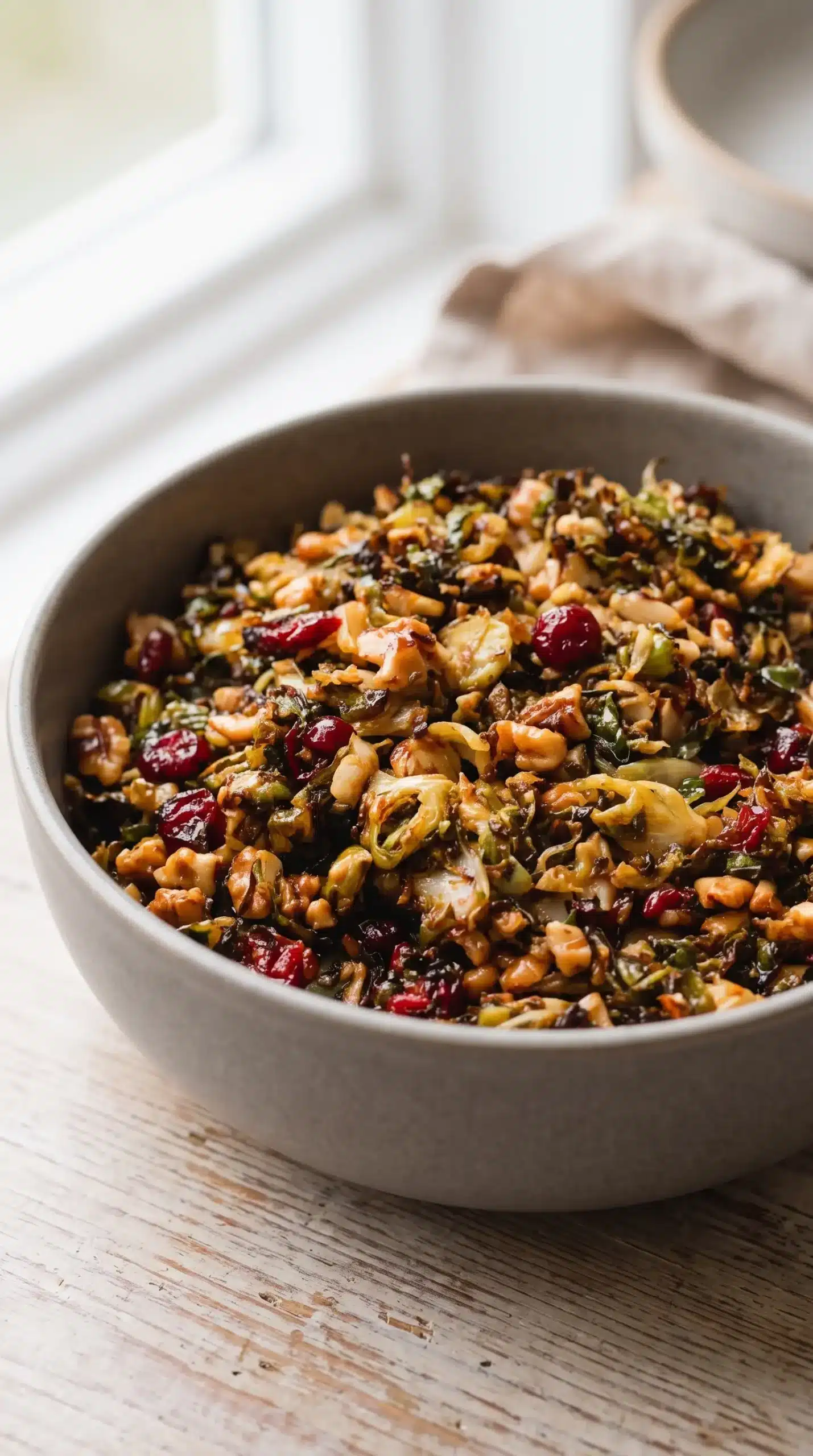
Roasted gochujang brussels sprouts stand apart because they combine familiar roasting techniques with a sauce built around bold fermented flavors. The contrast between crisp edges, creamy butter, toasted nuts, and sweet fruit gives the vegetable a more complete role on the plate.
Gochujang Butter Brussels Sprouts Thrive on Contrast
Gochujang butter brussels sprouts succeed when the roasting process creates a sturdy vegetable base for the flavored butter to enhance. The browned sprouts, savory chili seasoning, and contrasting textures work together because each element remains recognizable.
The strongest cooking decision is protecting that balance: enough heat for roasted edges, enough seasoning for depth, and enough texture variation to keep every bite interesting.
Questions About Spice, Texture, and Gochujang Butter Brussels Sprouts
Can the spice level be reduced?
The heat can be softened by using less gochujang in the butter mixture and keeping the other savory elements balanced. The butter, sesame oil, and optional brown sugar help create a smoother flavor profile without removing the dish’s signature character.
Why are shaved Brussels sprouts better than whole pieces?
Shaved sprouts expose more surface area to the oven, which helps them develop browned edges and allows the flavored butter to reach more of the vegetable. Their shape also makes the walnuts and cranberries distribute more evenly throughout each serving.
Can another nut replace the walnuts?
A different nut may work if it provides a similar roasted crunch, but walnuts are especially suitable because their flavor complements the sesame and chili notes in the butter mixture.
How should leftovers be reheated?
Reheat leftovers using a method that provides dry heat when possible, such as an oven, to help maintain some of the roasted texture. Gentle reheating is useful for keeping the butter flavor smooth and integrated.
Can the gochujang butter be made before the vegetables?
Yes, preparing the butter mixture ahead is a practical way to simplify cooking. The softened butter can hold the garlic, soy sauce, sesame oil, and gochujang flavors until the warm roasted sprouts are ready for coating.
Brussels Sprouts with Gochujang Butter and Walnuts
Brussels Sprouts with Gochujang Butter and Walnuts is a crispy, flavorful side dish with roasted texture, savory chili butter, and contrasting sweet and nutty notes. It is an easy choice for adding a bold vegetable dish to a meal or gathering.
Ingredients
Method
Preparation
- Preheat the oven to 425°F (218°C).
- Combine the butter, gochujang sauce, toasted sesame oil, brown sugar if using, garlic, and soy sauce to make the seasoned butter mixture. This mixture can be prepared ahead and refrigerated until needed.
Cooking
- Place the shaved brussels sprouts on a sheet pan. Add the oil and salt, then toss until evenly coated. Roast for 15-20 minutes, until the sprouts are tender with browned, crisp edges.
- Scatter the walnuts over the roasted sprouts and place the pan back in the oven for 3-5 minutes to toast the walnuts.
- Remove the pan from the oven and add the dried cranberries and prepared butter mixture while the pan is still warm. Toss everything together until the butter melts and coats the sprouts.
Notes
Salt: Although roasted vegetables often use more salt, this dish becomes quite savory from the roasted brussels sprouts, butter, gochujang, and soy sauce. Keep the initial amount at 1/4 teaspoon and adjust only after tasting. Brussels Sprouts: Choose shaved brussels sprouts that are somewhat chunky rather than finely shredded for the best texture.