From breakfast to dinner, from healthy meals to sweet desserts – Next Yum Recipes brings you quick, simple and tasty ideas for every occasion and every time.


 This Recipe
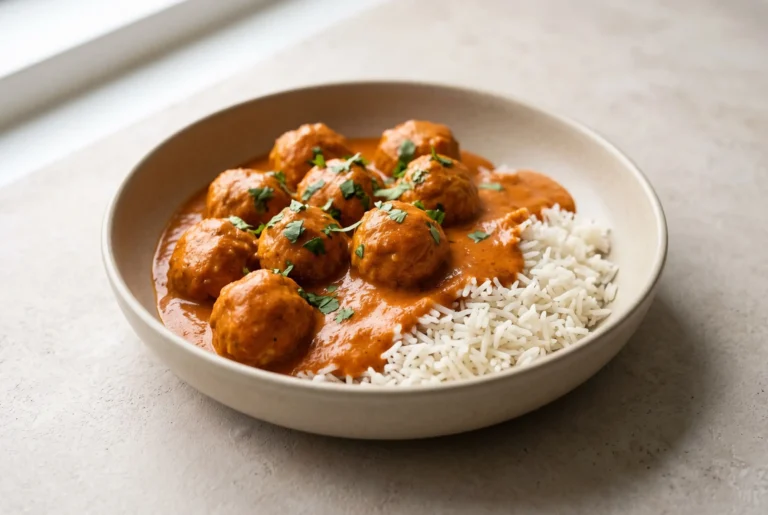
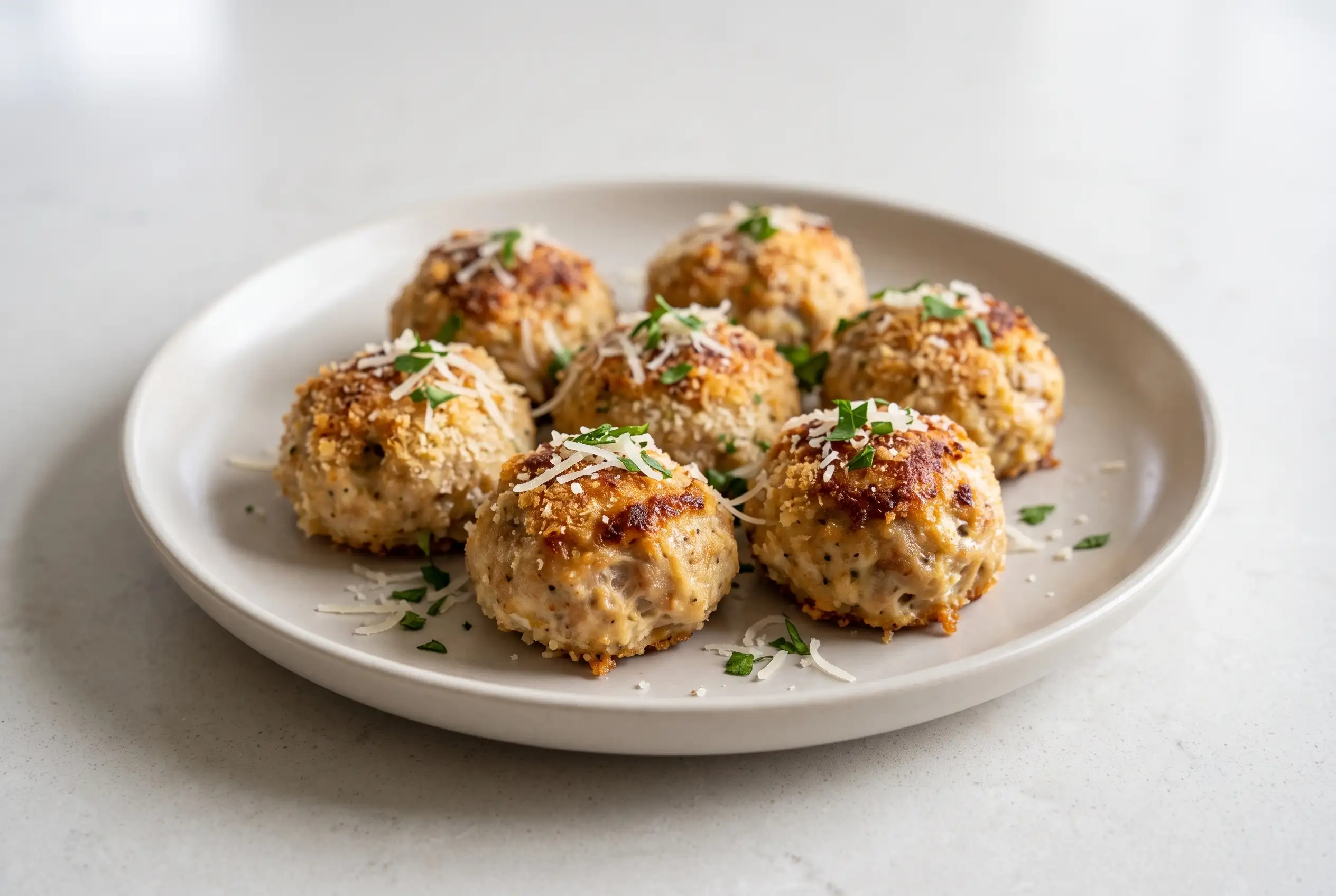
Chicken meatballs bring together simple pantry ingredients and a gentle baking approach to create a dependable main dish that works for busy dinners, meal preparation, or casual gatherings. The combination of ground chicken or turkey, Parmesan, breadcrumbs, and seasonings creates a savory bite with a texture that stays satisfying after baking.
Chicken meatballs stay tender with balanced mixing choices
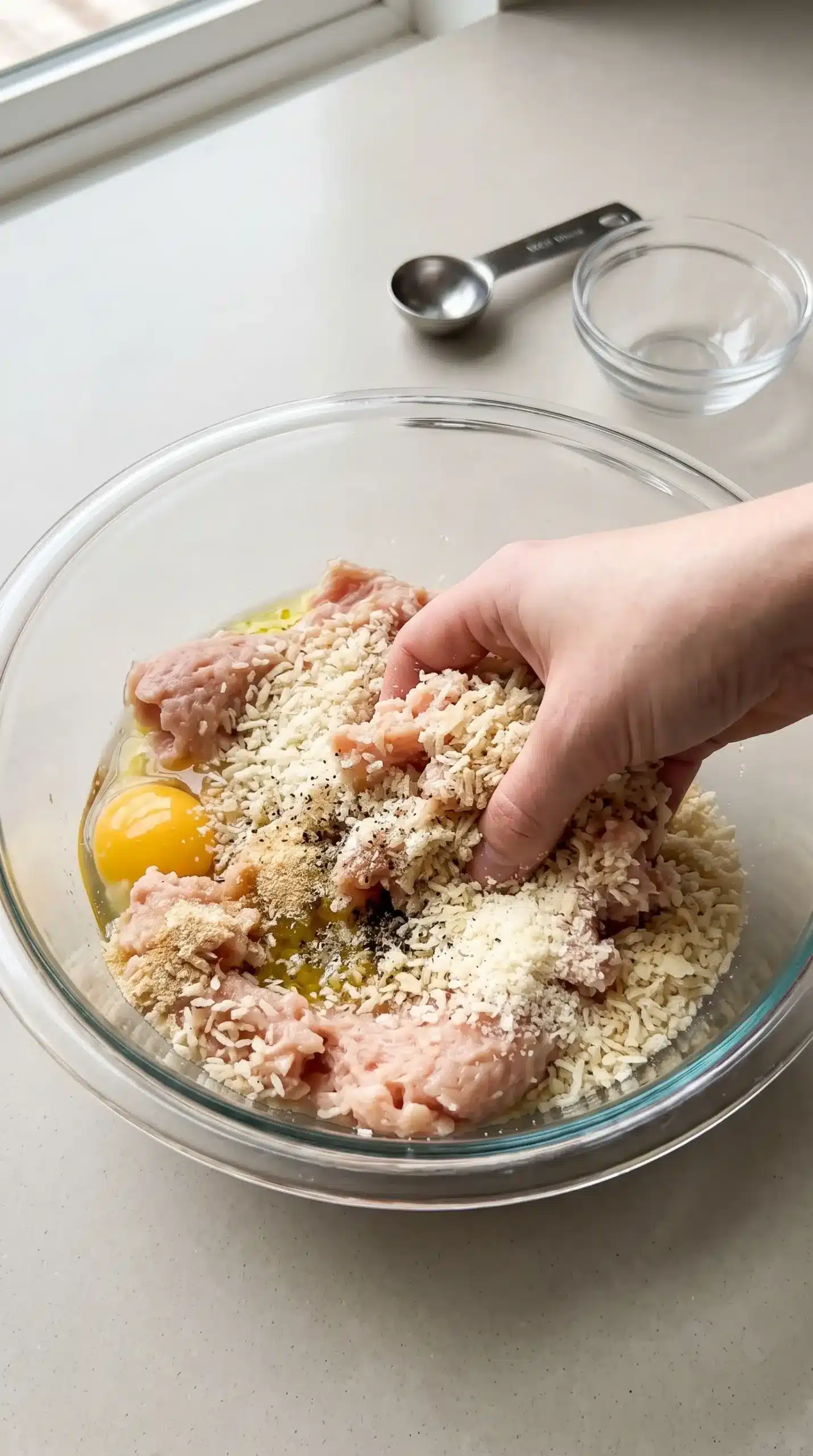
Tender results begin with the relationship between the ground meat and the ingredients mixed into it. Ground chicken and turkey are naturally lean, so the breadcrumbs, egg, and optional olive oil help create a mixture that holds together while staying pleasant to eat.
Balanced preparation matters because meatballs can become dense when the mixture is handled too aggressively. Combining the ingredients until they are evenly distributed helps the small portions keep their shape while preserving a softer interior.
Simple choices also influence the finished texture. Keeping the meatball size consistent allows the pieces to bake at a similar pace, making it easier to achieve evenly cooked portions throughout the batch.
Parmesan and panko shape the texture of baked chicken meatballs
Panko breadcrumbs and grated Parmesan are two ingredients that have a particularly important role in baked chicken meatballs. The breadcrumbs help absorb moisture from the mixture, while Parmesan adds a savory character that complements the mild flavor of the ground meat without requiring complicated additions. A dish such as chicken Parmesan uses this ingredient pairing in a heartier main meal where the cheese remains an important part of the finished flavor.
Small size decisions create reliable oven baked chicken meatballs
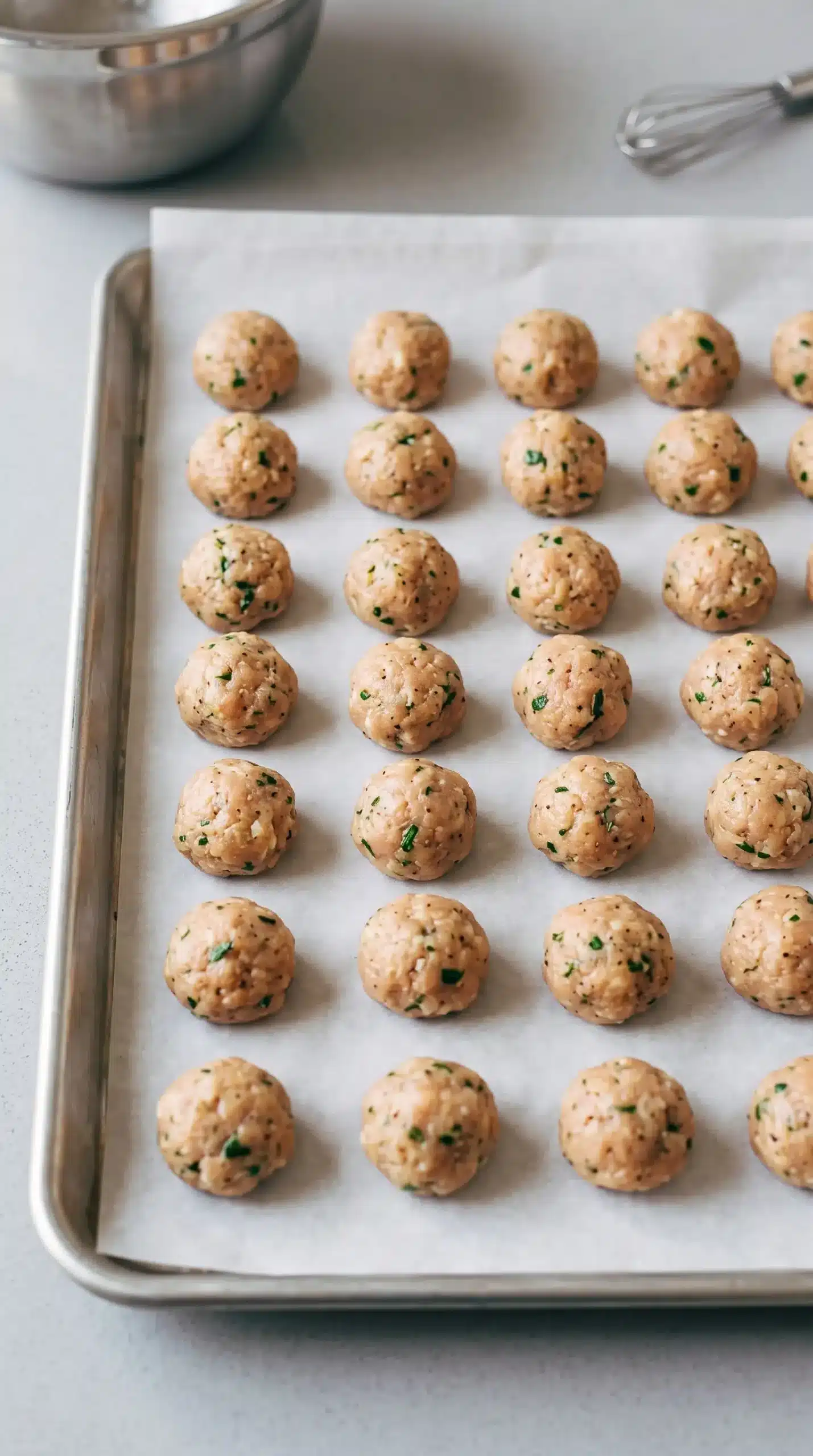
Small portions are one reason these oven baked chicken meatballs are practical for everyday cooking. Smaller meatballs provide more surface area for browning while making them easy to serve with pasta, vegetables, grains, or dipping sauces.
Rolling each portion with a similar amount of mixture helps create predictable results. Meatballs that vary greatly in size may not finish at the same time, leaving some pieces firmer while others continue cooking.
Baking on a lined sheet also supports a simple cleanup process and keeps the meatballs arranged in a single layer. Space between pieces allows heat to circulate around the sides, helping the exterior develop a pleasant baked texture.
Ground meat choices change the finished bite
Ground chicken or ground turkey can both work well for these meatballs, with each option bringing a slightly different eating experience. Chicken provides a mild base that lets Parmesan and seasonings stand out, while turkey offers a similarly versatile flavor that pairs well with the same seasoning approach.
Common mistakes with chicken meatballs come from moisture and shaping
Mistakes with chicken meatballs often happen before the pan even reaches the oven. Because lean ground meat can have a delicate texture, small handling choices can affect whether the finished meatballs feel tender or overly firm.
Overmixing creates a tighter mixture that can lead to a heavier bite. Mixing by hand can make it easier to notice when the ingredients have come together, stopping once the mixture looks evenly combined.
Uneven shaping is another common issue because larger pieces require more time to cook through. A consistent size, a single baking layer, and attention to doneness help prevent undercooked centers or dry outer portions.
Seasoning adjustments keep easy baked chicken meatballs flexible
Seasoning changes allow easy baked chicken meatballs to fit different meals without changing the basic structure. Garlic powder, onion powder, salt, and black pepper create a simple foundation, while additional seasonings can shift the flavor toward herbs, spice blends, or regional styles.
- Herb direction: Add dried or fresh herbs when a brighter flavor is desired for serving with pasta or salads.
- Spice direction: Include a little heat or warm seasoning blends when pairing the meatballs with bold sauces.
- Savory direction: Keep Parmesan as a central flavor when the meatballs will be served with simple sides.
Baking control keeps chicken meatballs evenly cooked
Oven control has a major effect on how chicken meatballs finish. A properly heated oven and a prepared baking surface create a steady environment where the meatballs can cook through without requiring constant attention.
For poultry-based meatballs, doneness is best confirmed by checking the center rather than relying only on appearance. Ground chicken and turkey meatballs should reach a 165°F internal temperature to help ensure they are fully cooked.
Temperature awareness is especially important with poultry-based dishes. The meatballs should be cooked until the center reaches a safe internal temperature, which helps ensure that the ground chicken or turkey is fully cooked.
Timing decisions also depend on the size of the meatballs and the exact conditions of the oven. Checking a larger piece from the center of the batch provides a better indication of readiness than judging only by the outside appearance.
Serving ideas make these chicken meatballs fit different meals
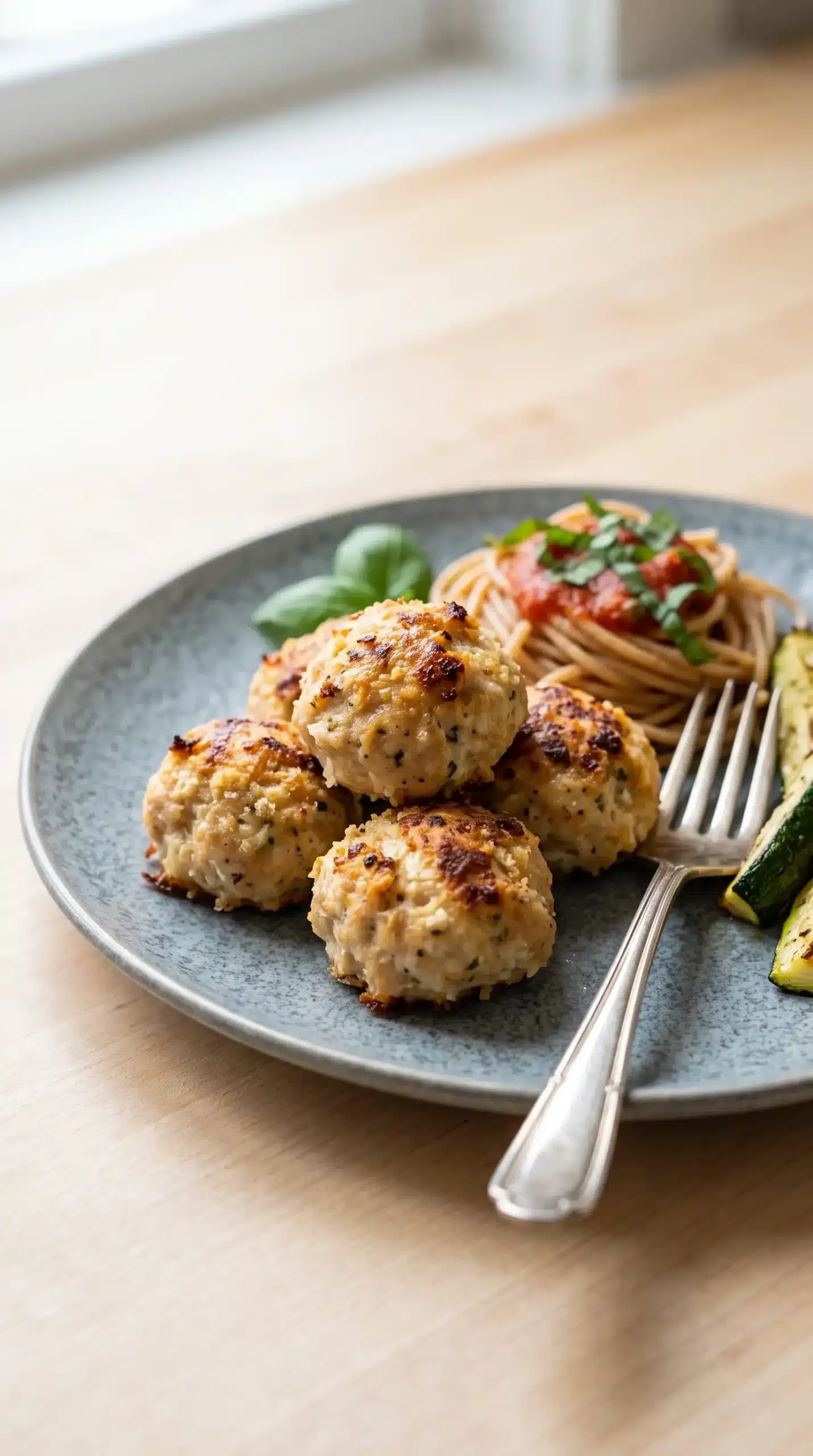
Serving options make chicken meatballs useful beyond a single dinner style. They can be paired with a sauce, added to a grain bowl, placed beside vegetables, or served as a simple protein option when planning a balanced meal.
Keeping baked chicken meatballs fresh after cooking
Storage choices help maintain the quality of baked chicken meatballs after they leave the oven. Cooling the cooked meatballs before placing them into a covered container helps preserve their texture for later meals.
Reheating works best when gentle heat is used so the lean meat does not lose too much moisture. Warming portions gradually helps keep the interior comfortable while preventing the outside from becoming overly firm.
Frozen portions can also be useful for future meals when stored properly. Separating servings before freezing makes it easier to warm only the amount needed and keeps the meatballs convenient for quick dinners.
Comparing chicken meatball options for everyday meals
Different meatball styles can suit different cooking goals. This comparison highlights how ingredient choices affect the final serving experience.
| Option | Main texture feature | Best pairing |
|---|---|---|
| Chicken meatballs with Parmesan | Savory and tender with a mild flavor | Pasta, vegetables, or simple sauces |
| Turkey meatballs with the same blend | Light texture with a familiar poultry taste | Grain bowls, salads, or meal prep |
| Smaller baked portions | More browned exterior around each piece | Appetizers, dipping sauces, or mixed dishes |
Chicken meatballs deliver dependable results through simple choices
Moist centers come from respecting the balance between lean poultry, binding ingredients, and careful handling. When the mixture stays cohesive and the portions cook evenly, chicken meatballs become a reliable option for many types of meals.
Consistent shaping and thoughtful baking decisions create the biggest improvements without adding unnecessary complexity. The same simple approach allows these meatballs to move easily from a weeknight plate to a prepared meal for later.
Questions about moisture and shaping chicken meatballs
Why can chicken meatballs become dry?
Dryness can happen when lean ground meat loses too much moisture during cooking. Using the included binder ingredients, avoiding excessive mixing, and cooking only until properly done helps maintain a more tender texture.
Can the meatball mixture be shaped ahead of time?
Yes, the mixture can be shaped before cooking when convenient. Keeping the formed meatballs covered and chilled until baking helps maintain their structure before they go into the oven.
How can I make the meatballs more flavorful?
Additional seasonings can be mixed into the base mixture to match the meal being served. Herbs, spices, or other compatible seasonings can change the flavor while keeping the same basic preparation.
Should olive oil be included in chicken meatballs?
Olive oil is optional and can contribute extra moisture to the mixture. The meatballs can still be prepared without it, especially when the other binding ingredients are balanced well.
What size should chicken meatballs be?
A consistent small size works well because it encourages even cooking across the batch. Matching the portions helps avoid a mix of undercooked and overcooked pieces.
Chicken Meatballs with Parmesan and Panko Breadcrumbs
Chicken meatballs are tender, savory baked meatballs with a satisfying texture from Parmesan and panko breadcrumbs. They are an easy, dependable option for weeknight dinners or simple meal planning.
Ingredients
Method
Preparation
- Preheat the oven to 400°F / 200°C. Prepare a baking sheet by lining it with foil and adding a small amount of cooking spray.
- Combine all ingredients in a mixing bowl and mix until evenly incorporated.
- Shape the mixture into about 30 small meatballs and arrange them on the prepared baking sheet.
Baking
- Bake the meatballs for 25-30 minutes.
Serving
- Serve the baked meatballs as desired.
Notes
For mixing, wash your hands, remove rings, and combine the ingredients by hand.