From breakfast to dinner, from healthy meals to sweet desserts – Next Yum Recipes brings you quick, simple and tasty ideas for every occasion and every time.


 This Recipe
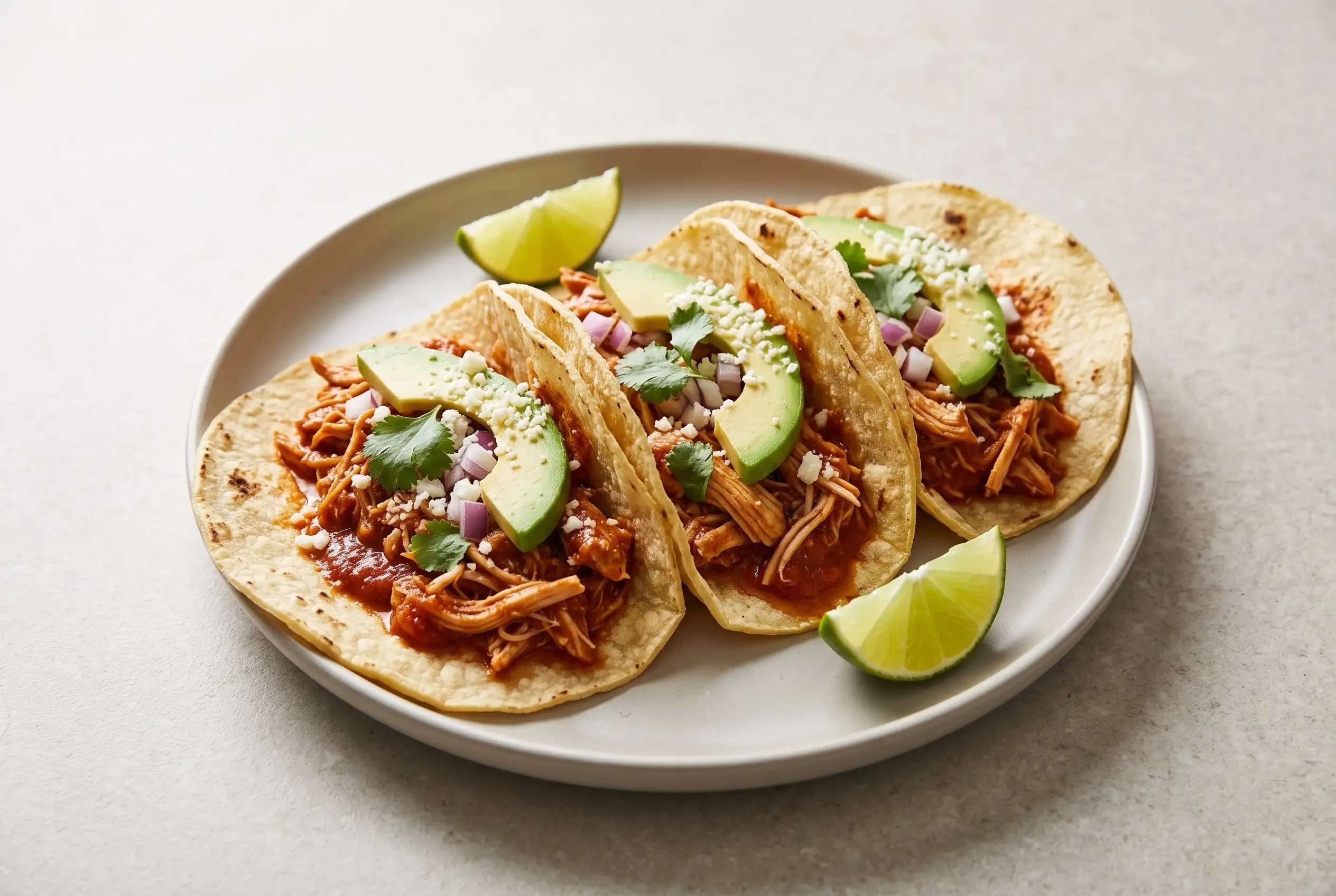
Chicken tinga tacos bring shredded chicken together with a smoky tomato-chipotle sauce, warm corn tortillas, creamy avocado, crisp red onion, cilantro, cotija, and fresh lime. The sauce is smooth enough to coat every strand of chicken without turning the filling soupy, while the garnishes supply contrast against the warm, savory base.
Fire-roasted tomatoes and chipotle peppers give the filling most of its character, but careful heat control matters just as much as seasoning. Softening the onion before the sauce is blended, briefly blooming the dried spices, and letting the finished chicken absorb the sauce over gentle heat create a more cohesive taco than simply combining everything at once.
Chipotle and Fire-Roasted Tomato Define the Tinga Sauce
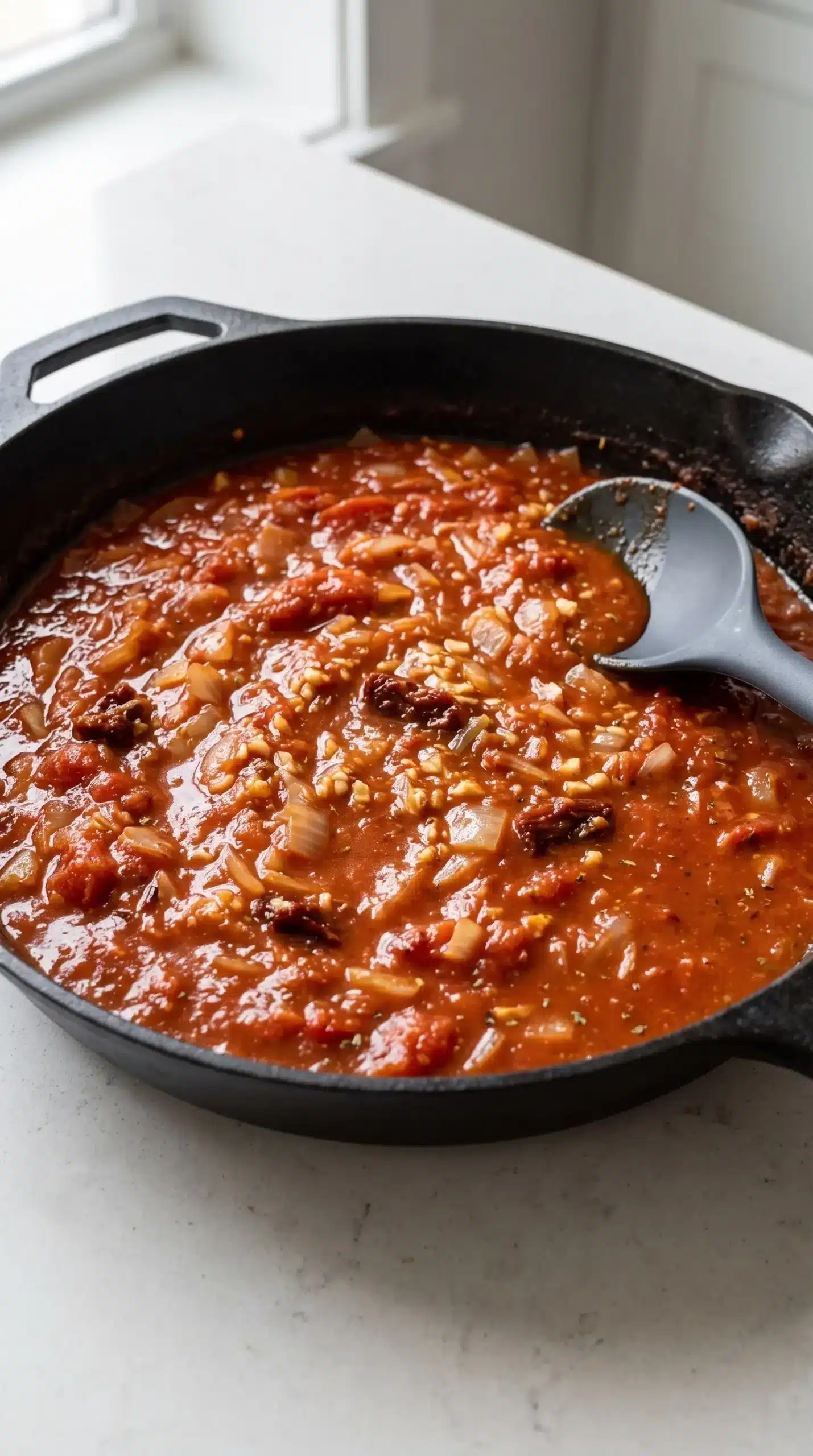
Sweet onion builds the foundation by becoming tender before stronger seasonings enter the skillet. Giving it enough contact with the warm oil removes its raw edge and helps it disappear smoothly into the blended sauce. Garlic needs much less exposure to heat, so adding it after the onion reduces the chance of bitterness.
Chipotle peppers in adobo contribute both smoke and chile heat. Because the peppers are already intensely seasoned, a small change in quantity is noticeable. Starting with fewer peppers makes sense for a gentler filling, while an additional pepper can move the sauce toward a distinctly hotter profile without changing the rest of the taco.
Fire-roasted crushed tomatoes support that smoky character with a deeper cooked flavor than plain fresh tomato would provide here. Chicken stock loosens the mixture enough for simmering and blending, while oregano and cumin sit in the background as savory seasonings instead of competing with the chipotle.
A Smooth Sauce Coats Shredded Chicken More Evenly
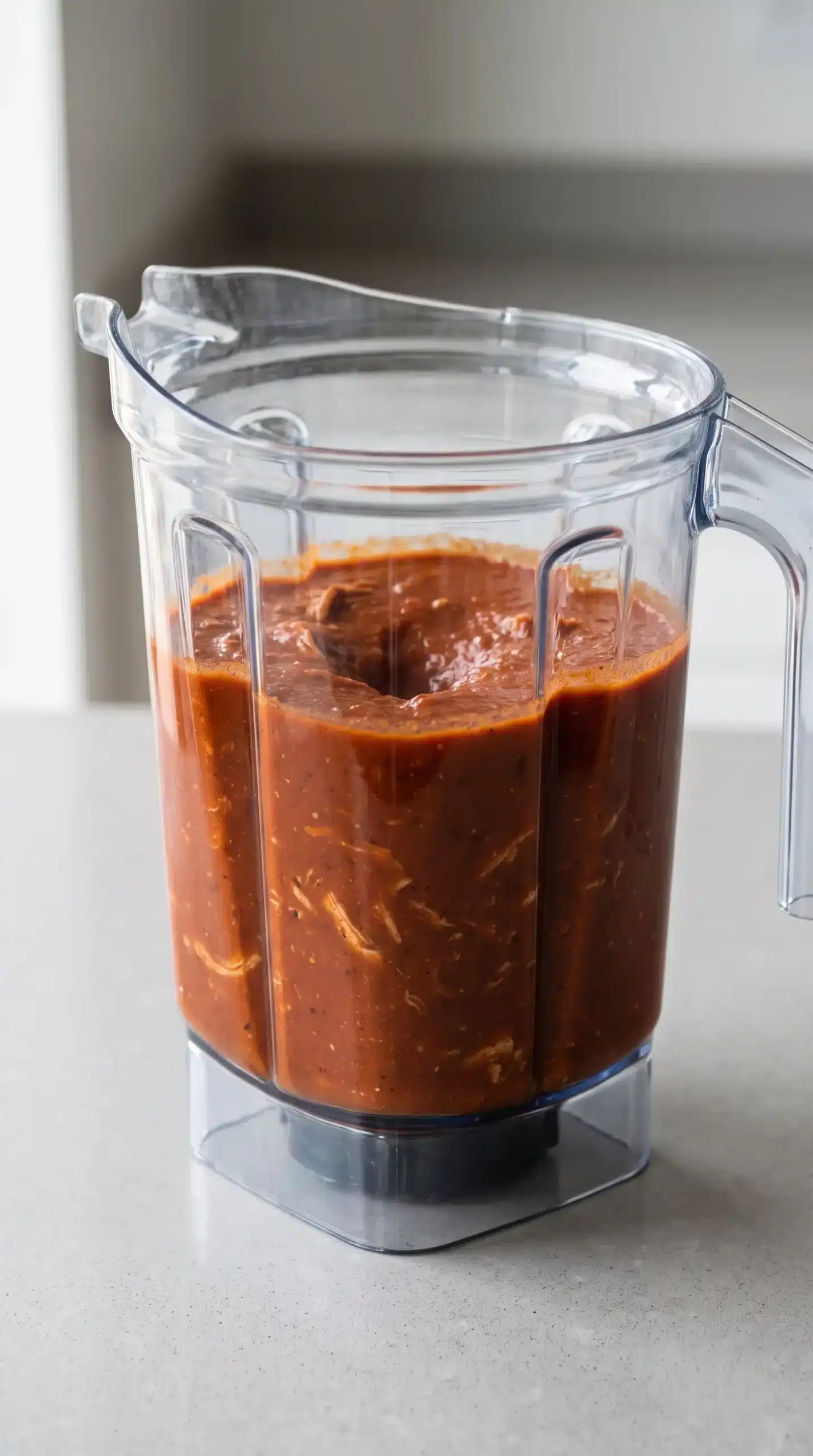
Blending the cooked tomato mixture changes the way the filling behaves inside a tortilla. Onion, garlic, tomato, and chile become one consistent sauce that can cling to shredded chicken, so individual bites are less likely to contain isolated pieces of onion or concentrated pockets of chipotle.
Control the Skillet Heat Before the Chicken Goes In
Medium heat is useful while the onion softens because it encourages steady cooking without aggressively darkening the aromatics. Once garlic is added, the shorter cooking window becomes important. Garlic that browns too far can introduce a bitter note that remains noticeable after blending.
Dried oregano and cumin benefit from brief contact with the hot onion mixture because briefly heating dried spices in fat helps release aromatic, fat-soluble compounds before the tomatoes and stock are added. That stage should stay short. Prolonged cooking can make the spices taste harsh instead of simply fragrant.
After blending, low heat is the better setting for the chicken. Cooked shredded chicken only needs to absorb the sauce and become evenly coated. Vigorous boiling at that point can reduce the sauce too aggressively and leave the meat drier than intended.
Tortilla Texture Changes the Whole Taco
Warm tortillas are especially important for corn-tortilla chicken tacos because flexibility keeps the folded shell from cracking around the filling. A gas flame can lightly char the edges, while a warmed skillet works well on an electric stovetop. Covering the heated tortillas with a towel traps a little steam and helps keep them pliable during assembly.
Fresh Toppings Balance the Smoky Chicken
Avocado, cilantro, red onion, cotija, and lime are especially effective because they contrast with the warm sauce in different ways. Avocado softens the chile heat, raw red onion supplies crispness, cotija adds a salty crumbly finish, cilantro brings freshness, and lime sharpens the rich, smoky filling.
Keeping those toppings distinct also gives each taco more texture. Overmixing them into the hot chicken would soften the onion and cilantro while masking the clean contrast between creamy avocado and saucy meat.
A lime wedge is most useful at the table because each serving can be adjusted after assembly. A small squeeze can brighten a rich taco without thinning the sauce in the skillet or changing the seasoning of the entire batch.
Choose the Chipotle Level Before Blending
Once the peppers are blended into the tomato base, their heat becomes difficult to remove, so chile quantity is one of the most useful decisions to make early. The comparison below helps match the filling to different preferences without altering the basic sauce structure.
| Chipotle amount | Expected heat | Best approach to toppings |
|---|---|---|
| 1 pepper | Milder, smoky heat | Keep the toppings fresh and simple so the chile remains noticeable |
| 2 peppers | Medium, more pronounced heat | Avocado and cotija provide useful richness and contrast |
| 3 peppers | Hot and assertive | Use avocado and lime generously to balance each bite |
Avocado Mash Keeps Messy Tacos Under Control
Sliced avocado tastes excellent here, but soft slices can slide out of a small tortilla as the taco is folded. Mashing the avocado with a little lime, salt, and a very light touch of garlic powder creates a spreadable layer that stays against the tortilla and helps hold the chicken in place.
Avoid These Chicken Tinga Taco Mistakes
Several problems can be prevented by watching the sauce and tortillas instead of relying only on the clock. The most important warning signs appear before assembly, when adjustments are still easy.
- Burned garlic: add it only after the onion has softened and keep its exposure to direct heat brief.
- Overtoasted spices: let oregano and cumin become fragrant, then move promptly to the tomato mixture.
- Watery filling: allow the sauce to simmer and concentrate before blending so it coats the chicken instead of pooling in the tortilla.
- Dry chicken: warm the already-cooked meat gently in the blended sauce instead of boiling it hard.
- Cracking tortillas: warm them until flexible and keep them covered until assembly.
Another easy misstep is seasoning too aggressively before the sauce has reduced. Stock, tomatoes, chipotle in adobo, chicken, and cotija can all contribute savory intensity, so tasting the completed filling before adding more salt gives a clearer picture of what it actually needs.
Overfilling creates a different problem. Small corn tortillas work best when the saucy chicken and toppings leave enough uncovered edge for folding. A restrained amount of filling keeps the tortilla intact and lets the garnishes remain part of each bite instead of falling onto the plate.
Pickled Onion Adds a Sharper Contrast
Pickled onions can replace or supplement the diced raw red onion when a tangier topping is wanted. Their acidity works naturally with chipotle and tomato, while the crisp texture still provides contrast against tender chicken and avocado.
Instant Pot Chicken Tinga Uses a Different Starting Point
Instant pot chicken tinga tacos can begin with raw chicken breasts and an un-sautéed blended sauce. In that approach, the sauce ingredients are blended first, combined with the chicken in the pressure cooker, and cooked together under pressure before the meat is shredded directly into the sauce.
Pressure cooking changes the workflow because the chicken cooks inside the seasoned tomato mixture instead of being added after the sauce is prepared. Shredding it in the cooking liquid allows the fibers to pick up sauce immediately, which keeps the essential smoky tomato-chipotle character intact even though the preparation path is different.
Build Each Taco for Texture as Well as Flavor
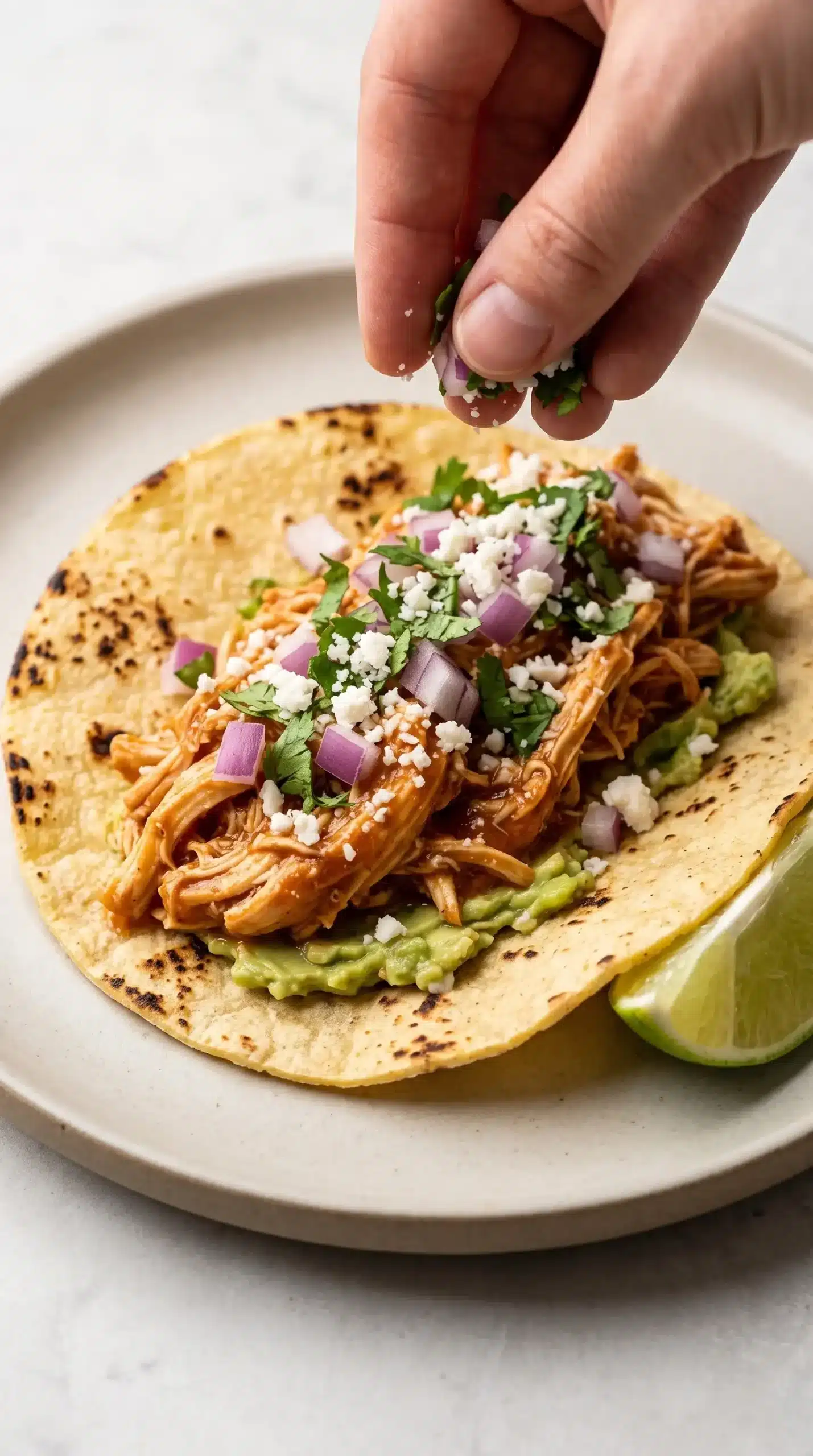
Assembly works best when the tortilla, chicken, and garnishes are treated as separate textures until the moment they are served. Warm tortilla and saucy meat form the base, while cooler toppings should stay fresh and defined.
- Start with a warm, flexible corn tortilla.
- Add enough chicken to cover the center without crowding the edges.
- Layer on avocado or avocado mash before adding the crisper garnishes.
- Finish with red onion, cilantro, cotija, and lime according to preference.
That order is especially useful with easy chicken tinga tacos because it reduces slipping and keeps heavier ingredients underneath lighter garnishes. Spreading mashed avocado directly on the tortilla can provide an even more stable foundation when the tacos need to be eaten by hand.
Serving immediately preserves the strongest contrast. Warm chicken remains saucy, tortillas stay pliable, onion keeps its crunch, and cilantro stays fresh instead of wilting against hot filling.
Leftover Tinga Works Best Stored Apart from the Toppings
Cooked chicken and sauce can be refrigerated together in a covered container, while avocado, cilantro, onion, cotija, lime, and tortillas are better kept separate. Separating the components protects the tortillas from moisture and prevents delicate garnishes from losing their texture.
When reheating, gentle stovetop heat gives good control over consistency. If the chicken has absorbed much of the sauce while chilled, a small splash of stock can loosen the mixture as it warms. Heat only what will be served, then assemble the tacos with fresh toppings.
Small Adjustments Create Distinct Tinga Taco Styles
The core filling can stay unchanged while the toppings shift the character of the meal. Keeping those changes focused preserves the smoky sauce instead of burying it under too many competing additions.
- Cooler and creamier: use mashed avocado as a base and finish with cotija.
- Sharper and brighter: choose pickled onion and an extra squeeze of lime.
- Fresh and crisp: emphasize diced red onion and cilantro over heavier toppings.
- More chile-forward: increase the chipotle while keeping avocado available for balance.
Chipotle chicken tinga tacos are particularly adaptable because the sauce already provides the strongest flavor identity. Garnishes can therefore change from serving to serving without requiring a separate batch of filling.
Choosing fewer toppings can also make the tinga itself more prominent. A warm tortilla, saucy chicken, onion, and lime form a focused combination, while avocado and cotija can be added when a richer taco is preferred.
The Best Chicken Tinga Tacos Depend on Sauce Control
A properly reduced tomato-chipotle sauce should cling to the shredded chicken while remaining loose enough to keep the filling succulent. That consistency connects the smoky peppers, softened aromatics, spices, and chicken into one filling instead of leaving liquid at the bottom of the tortilla.
Warm corn tortillas and cool, sharply contrasting garnishes complete the effect. When the sauce is concentrated without becoming dry and the tortillas remain flexible, chicken tinga tacos hold together cleanly while preserving the smoky, creamy, crisp, and tangy qualities that make each bite distinct.
Chicken Tinga Taco Questions About Heat, Tortillas, and Leftovers
Can flour tortillas be used instead of corn tortillas?
Flour tortillas can hold the filling, but they will produce a softer, milder base with a different flavor from corn tortillas. If using them, warm them gently so they fold without tearing and avoid overloading them with the saucy chicken.
Can the chicken tinga filling be made with leftover cooked chicken?
Leftover plain cooked chicken is suitable as long as it can be shredded and warmed safely. Add it only after the sauce has been blended, then heat gently so the meat absorbs flavor without undergoing unnecessary additional cooking.
What can be done if the tinga sauce becomes too thick?
A small amount of chicken stock can loosen an overly concentrated sauce. Add only a little at a time while warming because the filling should remain thick enough to cling to the shredded chicken and stay inside the tortillas.
How can the tacos be kept mild for different diners?
Prepare the sauce with the lower amount of chipotle, then let diners who prefer stronger heat add a hotter accompaniment separately. Avocado, cotija, and lime can remain available for everyone without increasing the chile level of the shared filling.
Can the tortillas be warmed without a gas burner?
A dry warmed skillet is a practical alternative. Heat each tortilla until flexible with a few toasted spots, stack the warmed tortillas on a plate, and cover them with a clean towel so they stay soft until serving.
Chicken Tinga Tacos with Avocado, Cotija and Fresh Lime
Chicken tinga tacos feature tender shredded chicken coated in a smooth, smoky tomato-chipotle sauce, finished with creamy avocado, crisp onion, cotija, cilantro, and fresh lime. They make an easy, flavorful meal with plenty of texture and bright contrast.
Ingredients
Method
Cooking
- Warm a large skillet over medium heat. Add the olive oil and onion, then sauté for 4 minutes, stirring occasionally, until the onion is tender. Add the garlic and cook for another 30 seconds. Stir in the chipotle peppers, oregano, and cumin and cook for 1 minute. Add the tomatoes, chicken stock, and salt. Bring the mixture to a simmer and cook for 7 minutes.
- Transfer the tomato mixture to a regular or high-powered blender and process until smooth.
Filling
- Pour the blended sauce back into the skillet and set it over low heat. Add the shredded chicken and cook for 5 minutes, stirring as needed so the chicken is evenly coated. Taste and add more salt if needed.
Assembly
- Prepare the avocado, cilantro, red onion, cotija, and lime for serving. Fill the corn tortillas with the chicken mixture, then top with the avocado, cilantro, red onion, and cotija. Serve with lime wedges.
Notes
Instant Pot Chicken Tinga Tacos: Blend all sauce ingredients without sautéing them first. Add the sauce to an Instant Pot with about 1 pound of raw chicken breasts and cook on high pressure for 10 minutes. Shred the chicken directly in the sauce and serve. Spiciness: Use two chipotle peppers for a medium level of heat, one for a milder version, or three for a very hot version. Avocado Mash: If sliced avocado tends to slip from the tacos, mash the avocado with lime juice, salt, and a very light dusting of garlic powder, then spread it over the tortillas before adding the chicken. CHAR YOUR TORTILLAS PLEASE: Place tortillas directly over a gas flame to char the edges. Transfer them to a plate and cover with a towel to steam. On an electric stovetop, warm the tortillas in a heated pan and cover them to steam. Pickled Onions: Add pickled onions for extra tang and follow the provided guide to onions.