From breakfast to dinner, from healthy meals to sweet desserts – Next Yum Recipes brings you quick, simple and tasty ideas for every occasion and every time.


 This Recipe
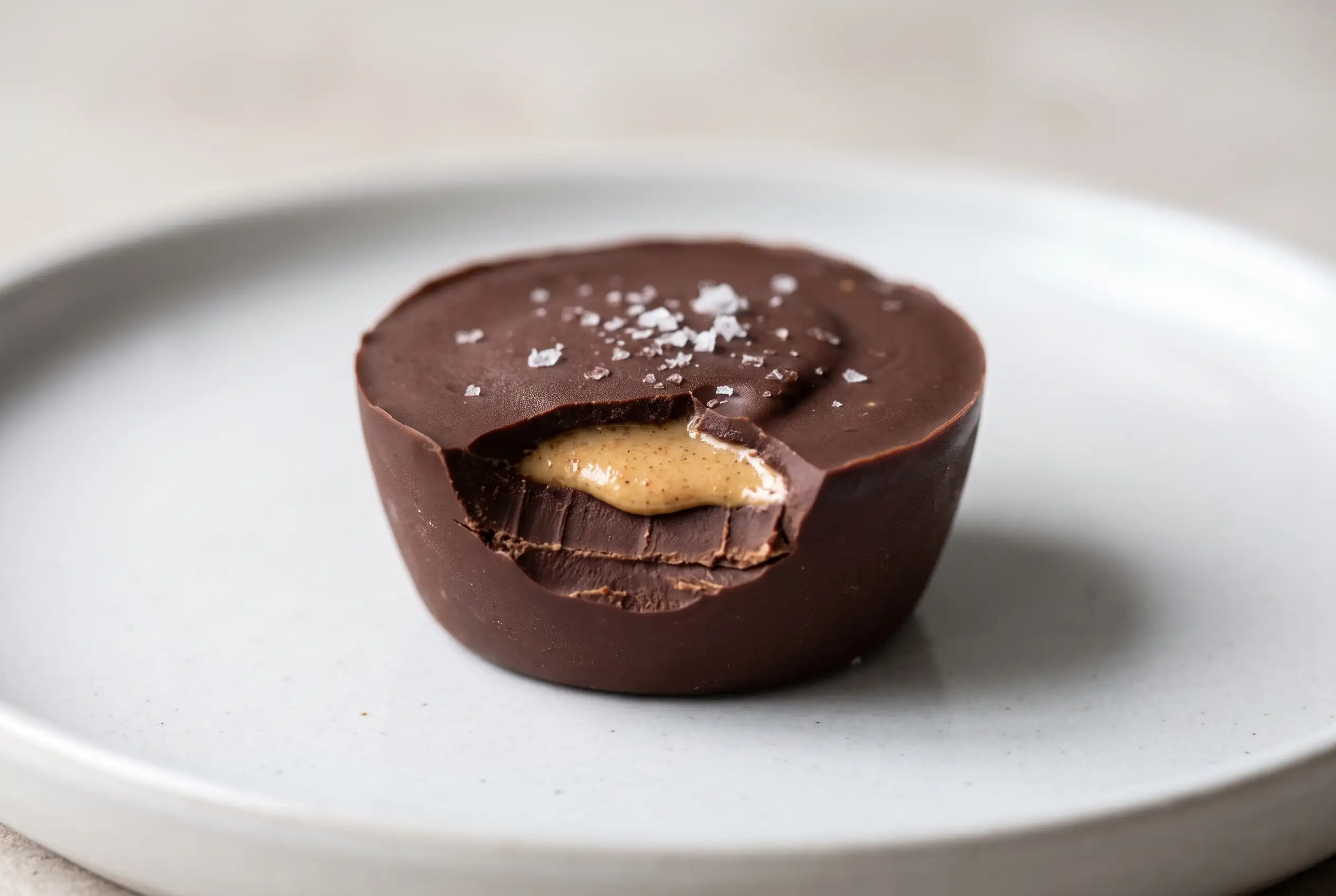
Almond Butter Cups bring together a crisp chocolate shell, a creamy nut butter center, and a touch of sea salt for a homemade treat that feels indulgent while using a short ingredient list. These chocolate almond butter cups rely on the contrast between rich cocoa flavor and smooth almond butter, creating a freezer-friendly dessert that is easy to customize.
Unlike many candy-style desserts, these cups do not depend on complicated techniques or specialized equipment. The simple combination of melted coconut oil, cocoa powder, natural sweetener, and nut butter creates a texture that changes beautifully as it chills, making each bite firm enough to hold while still melting pleasantly.
Coconut Oil and Cocoa Shape the Chocolate Layer
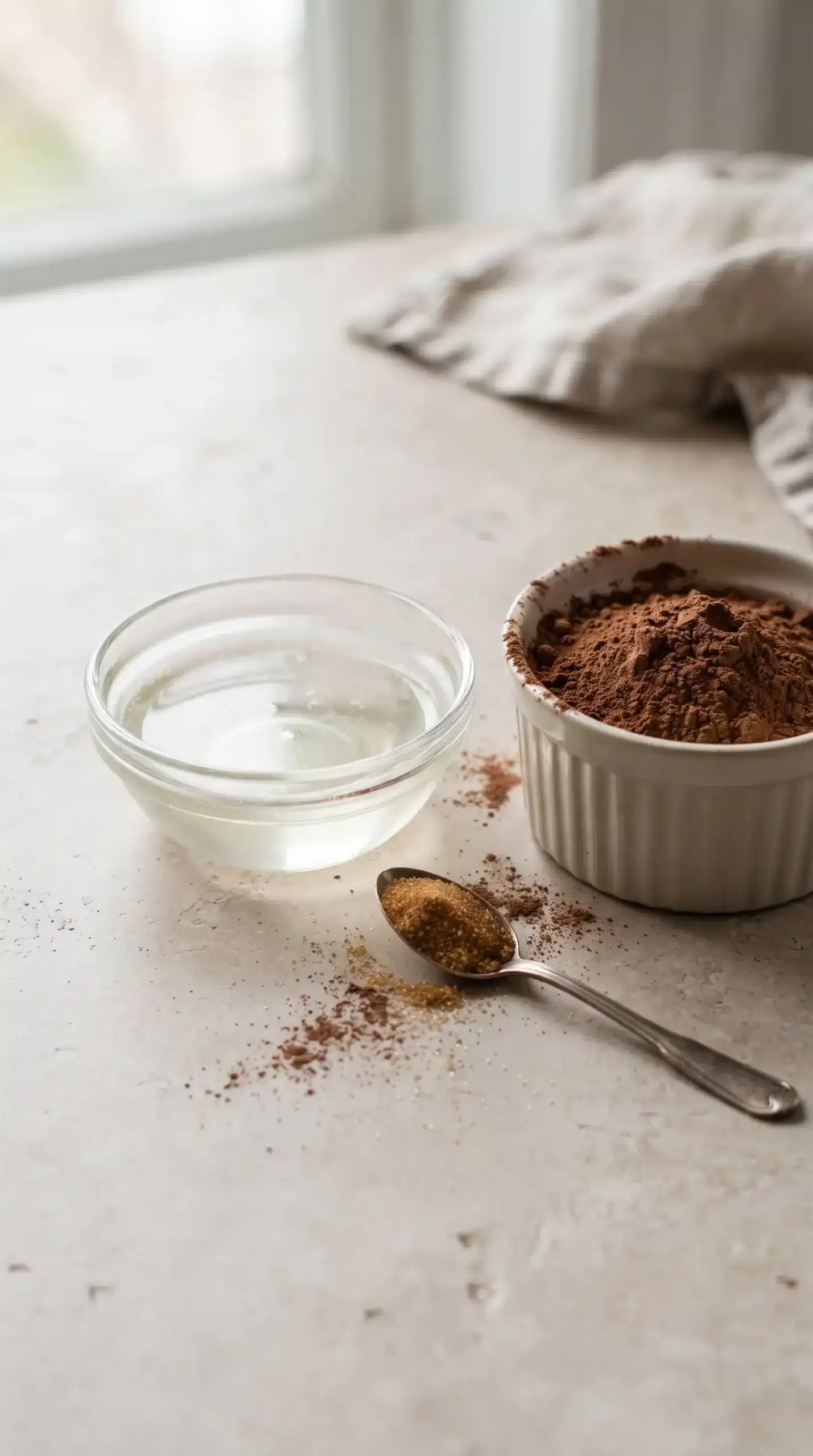
Coconut oil provides the foundation for the chocolate coating because it blends smoothly with cocoa powder and firms when chilled. That quality makes it especially useful for frozen desserts where a clean snap and quick melt are part of the experience.
Cocoa powder determines much of the chocolate character, so adjusting the amount changes the personality of the finished cups. A lighter cocoa addition creates a sweeter, softer chocolate flavor, while using more cocoa produces a darker and more intense result that pairs strongly with creamy almond butter.
Natural sweeteners also allow the chocolate layer to match personal preferences. Agave or maple syrup can be adjusted to create a dessert with a gentle sweetness or a more bittersweet cocoa profile. Because the cocoa mixture is prepared before filling, tasting and adjusting the balance is easier at this stage.
Sweetness and Nut Butter Choices Change the Finish
Almond butter gives the center its signature richness, but the filling can be adjusted with other nut butters when a different balance is desired. Peanut butter creates a familiar candy-style combination, and desserts such as chocolate peanut butter fudge show how creamy nut flavors pair with chocolate for a richer sweet finish.
- Almond butter: creates a mild, naturally nutty center that complements darker chocolate flavors.
- Peanut butter: adds a classic candy-inspired taste with a stronger roasted profile.
- Other nut butters: provide an easy way to adjust flavor while keeping the creamy filling style.
Texture matters when choosing a filling. A smooth nut butter spreads easily into the chocolate layer and creates a consistent bite, while thicker varieties may need gentle pressing to keep the top surface even.
Freezing Control Keeps Chocolate Almond Butter Cups Structured
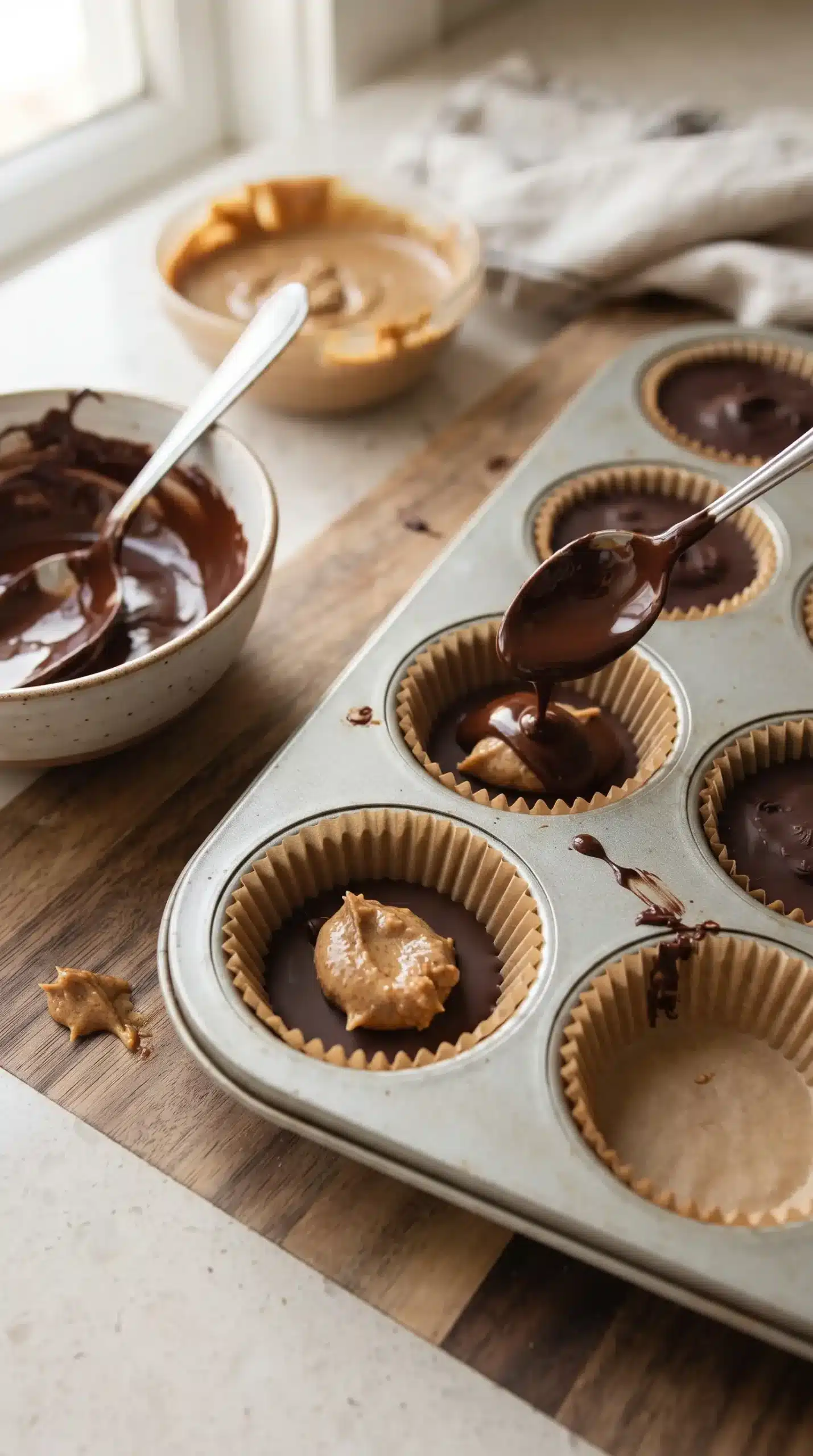
Temperature plays an important role in how these frozen almond butter cups come together. Chilling allows the coconut oil and cocoa mixture to solidify around the filling, turning a liquid mixture into a firm handheld dessert.
Careful filling control improves the finished shape. A small amount of chocolate underneath the nut butter helps create a base, while the remaining chocolate covers the center and forms the outer layer. Keeping the nut butter contained within the chocolate prevents uneven edges and helps every cup hold together.
| Adjustment | Result | Best use |
|---|---|---|
| More cocoa powder | Darker chocolate flavor | For a less sweet dessert |
| More natural sweetener | Softer, sweeter chocolate taste | For a candy-like finish |
| More nut butter in the center | Richer creamy filling | For a stronger almond butter flavor |
Paper Liners and Filling Choices Improve Assembly
Paper liners make shaping these treats much easier because chocolate candy liners can help create a clean structure while the hardened chocolate sets. They also allow each portion to keep its round shape without needing to remove the dessert from a larger container.
Even distribution helps create consistent homemade almond butter cups. Dividing the chocolate and nut butter carefully means some pieces will not have a thick chocolate top while others have a thin coating. A balanced fill creates a better relationship between the creamy center and chocolate exterior.
Almond Butter Cups Mistakes That Affect Texture and Finish
Common mistakes with Almond Butter Cups usually come from uneven layers or ingredient choices that change the texture. Paying attention to a few small details can prevent a batch from becoming difficult to handle or lacking contrast.
- Uneven chocolate layers: can leave some cups with exposed filling or weak sides. Add enough chocolate around the center to create a complete shell.
- Overfilled centers: may push through the chocolate surface. Keep the nut butter portion contained so the top can be covered smoothly.
- Unbalanced sweetness: can hide the cocoa flavor. Adjust the sweetener while the chocolate mixture is still easy to taste and change.
- Skipping the salt finish: removes a small but important contrast. A little coarse sea salt helps highlight the chocolate and nut butter combination.
Sea Salt Brings Contrast to Homemade Almond Butter Cups
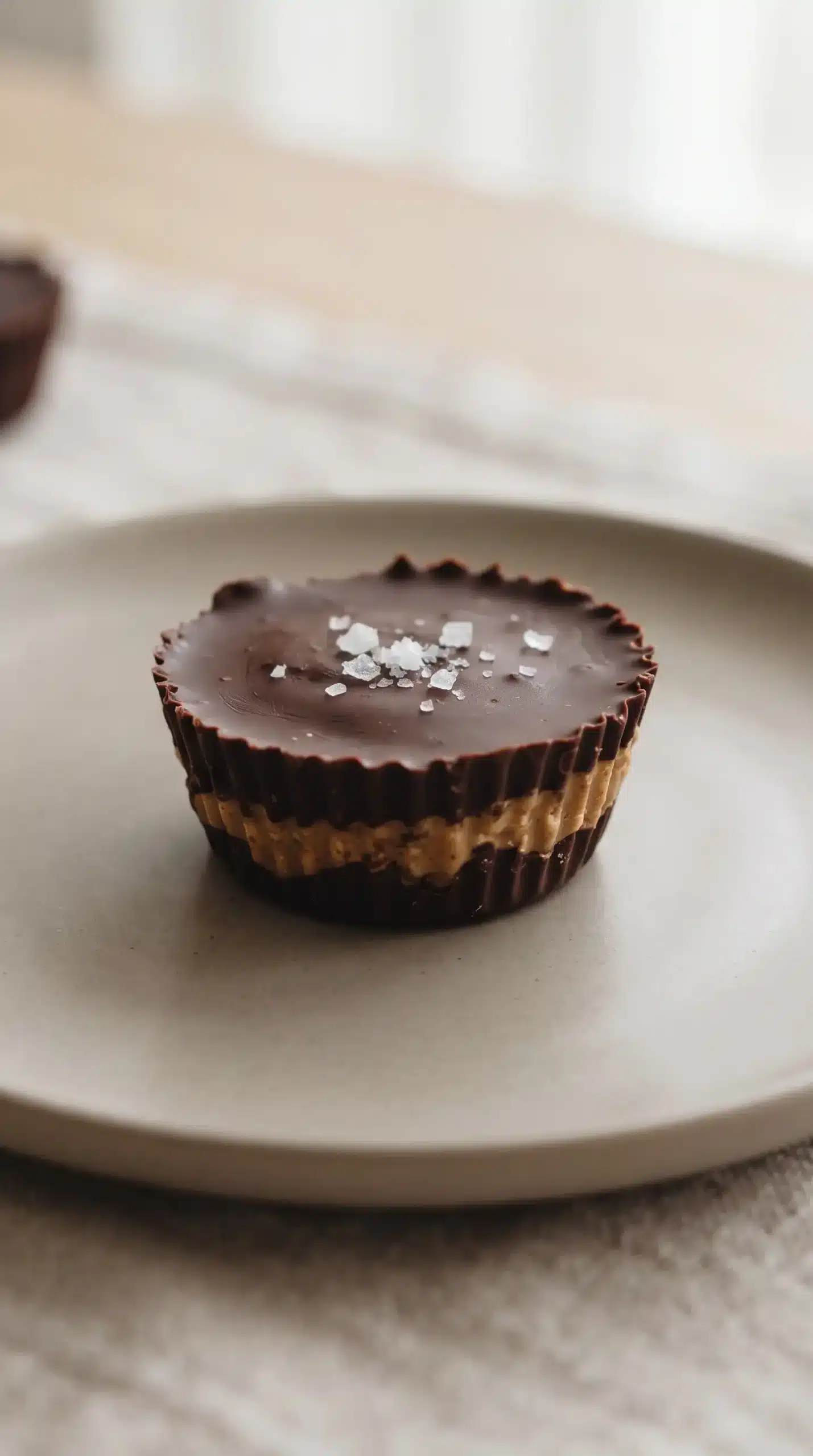
Sea salt is more than a decorative topping in these cups. The small amount sprinkled over the surface sharpens the chocolate flavor and creates a contrast against the naturally rich nut butter filling.
Coarse salt works especially well because individual crystals provide occasional bursts of seasoning. That texture difference keeps each bite from feeling completely uniform and emphasizes the creamy center beneath the chocolate.
Flexible Variations Fit Different Pantry Preferences
Simple ingredient swaps make Almond Butter Cups adaptable without changing the basic structure. The chocolate mixture can be made more intense with additional cocoa, or softened with a sweeter balance depending on the flavor profile you prefer.
Seasonal additions can also change the experience. A small amount of spice, a different nut butter, or a varied topping can create a new version while keeping the same chocolate-and-creamy-center foundation.
| Variation | Change to consider | Flavor direction |
|---|---|---|
| Peanut butter cups | Swap almond butter for peanut butter | Classic chocolate and peanut combination |
| Darker chocolate cups | Increase cocoa powder | More intense cocoa flavor |
| Sweeter cups | Add more maple syrup or agave | Smoother dessert-style sweetness |
Storage Methods Protect Frozen Almond Butter Cups
Frozen almond butter cups keep their shape best when stored cold because the coconut oil-based chocolate layer softens as it warms. A sealed container helps protect the surface and prevents the desserts from absorbing unwanted flavors from the freezer.
Refrigeration is also useful when you prefer a softer texture. The cups will be less firm than when frozen, but they still maintain the chocolate and nut butter contrast that makes them appealing.
Serving Ideas Highlight Their Rich Texture
Serving temperature changes the way these treats feel. Straight from the freezer, the chocolate layer is firmer and the center feels more concentrated. A brief rest allows the texture to become smoother and easier to bite.
Small portions work well because the combination of cocoa, coconut oil, and nut butter creates a rich flavor. These cups can be served as a simple dessert, an afternoon treat, or a make-ahead option for gatherings.
The Small Details That Make These Cups Reliable
Successful Almond Butter Cups depend on balance more than complexity. The chocolate needs enough structure to surround the filling, the sweetener needs to support the cocoa, and the nut butter needs enough space to remain creamy.
Attention to consistency also improves repeat results. Choosing a nut butter with a spreadable texture, creating even layers, and allowing enough chilling time all contribute to a finished dessert that looks neat and tastes balanced.
Understanding Texture Before You Make a Batch
Texture expectations help guide decisions during preparation. The chocolate coating becomes firm because of the chilled coconut oil, while the nut butter center provides the softer contrast that makes each bite distinctive.
Different adjustments create noticeable changes. A higher cocoa ratio can make the chocolate taste stronger, while a sweeter mixture can make the dessert feel closer to a traditional candy treat. The recipe remains flexible because the main components respond well to small changes.
Almond Butter Cups Deliver a Balanced Frozen Treat
Almond Butter Cups succeed because the chocolate layer, creamy center, and salty finish each serve a clear purpose. Keeping those elements balanced creates a frozen dessert with contrasting textures and flavors instead of a single overwhelming note.
Careful choices around cocoa intensity, sweetness, and filling texture determine the character of the finished cups. Once those decisions are understood, the simple preparation becomes a dependable way to create a personalized chocolate treat.
Common Questions About Texture and Storage
Can almond butter cups be made with peanut butter instead?
Yes, peanut butter works well as a substitute and creates a familiar chocolate peanut flavor. Choose a smooth peanut butter for the easiest filling process and a consistent creamy center.
Why do frozen almond butter cups become very firm?
The firmness comes from the chilled coconut oil in the chocolate mixture. Allowing a cup to sit briefly before eating can soften the texture and make the chocolate easier to bite.
How can I make the chocolate flavor stronger?
Increasing the cocoa powder creates a deeper chocolate profile. Adjusting the sweetener at the same time helps keep the darker cocoa flavor balanced.
What causes the filling to rise above the chocolate layer?
A large amount of nut butter or uneven placement can push the filling upward. Keeping the center portion contained and smoothing it gently before adding the top layer helps maintain an even surface.
Can almond butter cups be stored in the refrigerator instead of the freezer?
Yes, refrigeration works when you prefer a softer texture. The cups will not be as firm as frozen versions, but the chocolate and nut butter flavors remain well defined.
Almond Butter Cups with Chocolate Shell and Sea Salt
Almond Butter Cups are a creamy, chocolate-covered frozen treat with a rich cocoa flavor and a hint of sea salt. They are an easy homemade dessert perfect for when you want a simple, customizable sweet bite.
Ingredients
Method
Preparation
- Combine the melted coconut oil, cocoa powder, natural sweetener, and a pinch of salt, whisking until the mixture is smooth.
- Place paper liners into a regular size muffin tin.
Assembly
- Add 1-2 tablespoons of the chocolate mixture to each lined cup.
- Place 2-3 teaspoons of almond butter in the center of each cup, then cover with the remaining chocolate mixture.
- If the almond butter extends above the chocolate, gently smooth it down so each cup has an even top layer.
- Finish each cup with a pinch of coarse sea salt.
Chilling
- Freeze the almond butter cups for one hour or until solid.
Notes
These can be stored in the fridge or freezer. They are flexible and can be adjusted with different amounts of cocoa or natural sweetener depending on how sweet or dark you prefer them. Peanut butter also works well as a delicious alternative to almond butter.