From breakfast to dinner, from healthy meals to sweet desserts – Next Yum Recipes brings you quick, simple and tasty ideas for every occasion and every time.


 This Recipe
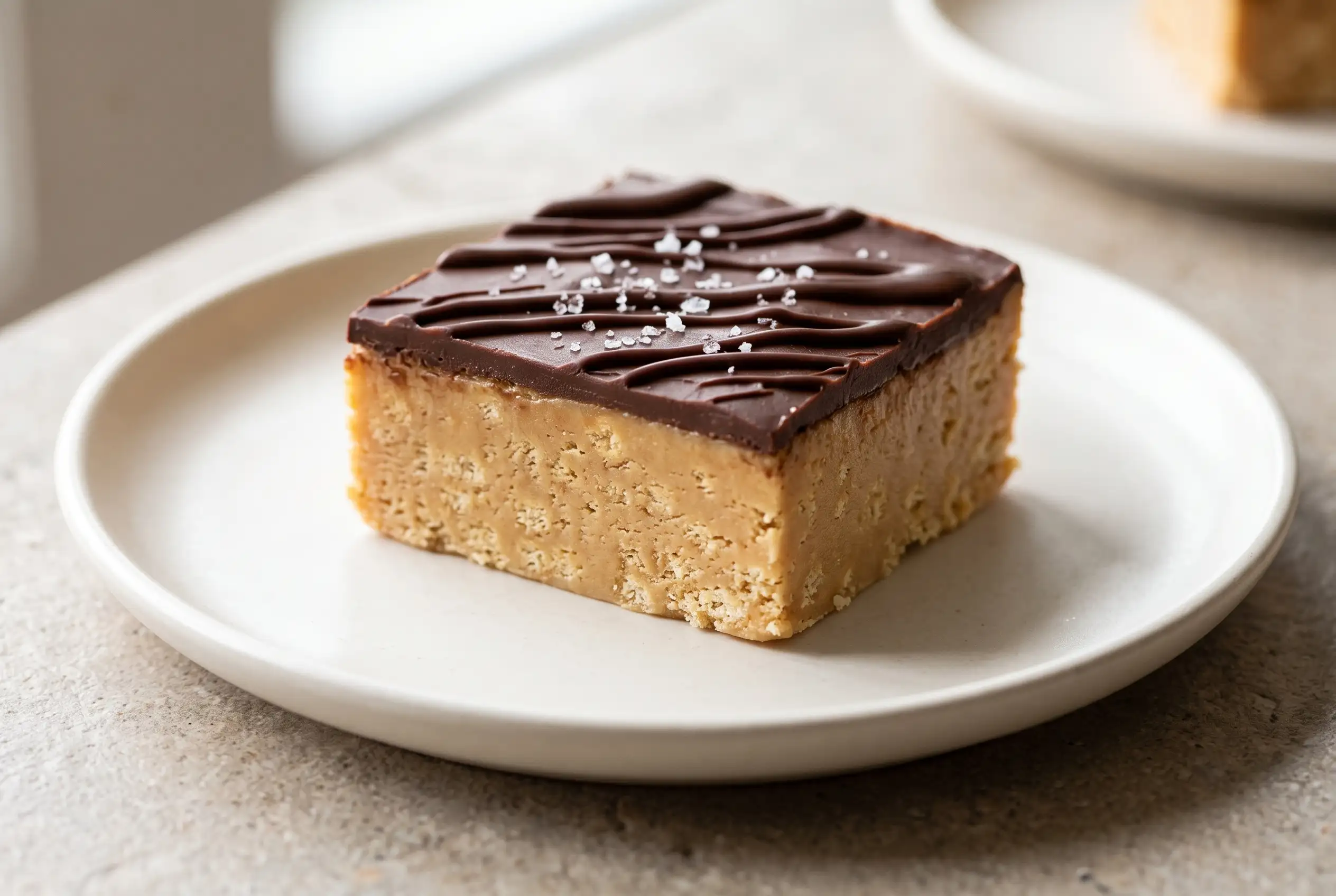
Peanut butter fudge creates a quick homemade candy texture
Peanut butter fudge starts with a simple combination of pantry ingredients that turns into a firm, sliceable sweet with a creamy center. The mixture uses crushed Saltine crackers, peanut butter, and a short cooked sugar base to create a style of fudge that does not rely on traditional candy-making equipment. The result is a practical dessert when you want a rich peanut butter flavor with a chocolate finish and a straightforward preparation process.
The unusual addition of crackers gives this fudge its recognizable structure. Finely crushed crackers blend into the peanut butter mixture and help create a soft dough-like consistency before chilling. That approach makes the texture different from classic chocolate-only fudge while keeping the preparation accessible.
Many homemade candy recipes depend on careful temperature control, but peanut butter fudge focuses on a short boiling stage followed by quick mixing and cooling. Understanding how each part behaves helps prevent a crumbly texture, uneven chocolate topping, or squares that are difficult to cut.
Fudge desserts benefit from allowing the mixture to cool fully before slicing, which helps maintain clean portions and a firm texture. Chocolate-topped treats such as Candy fudge bars use a sliceable format that keeps the focus on creating distinct layers and defined pieces.
Saltine crackers shape the texture of peanut butter fudge
Saltine crackers provide the foundation that separates this style of fudge from recipes made only with sugar and dairy. Once crushed, the crackers absorb moisture from the peanut butter and cooked sugar mixture, creating a soft consistency that firms as the dessert cools.
Crushing the crackers finely creates a smoother bite, while leaving slightly larger pieces gives small pockets of texture throughout the squares. The amount of texture depends on how long the crackers are processed before they are combined with the other ingredients.
- Fine crumbs: Create a more uniform fudge texture with fewer noticeable pieces.
- Coarser crumbs: Add a subtle crunch and a more rustic bite.
- Even crushing: Helps the peanut butter mixture absorb the crackers consistently.
Peanut butter fudge ingredient choices guide the final texture
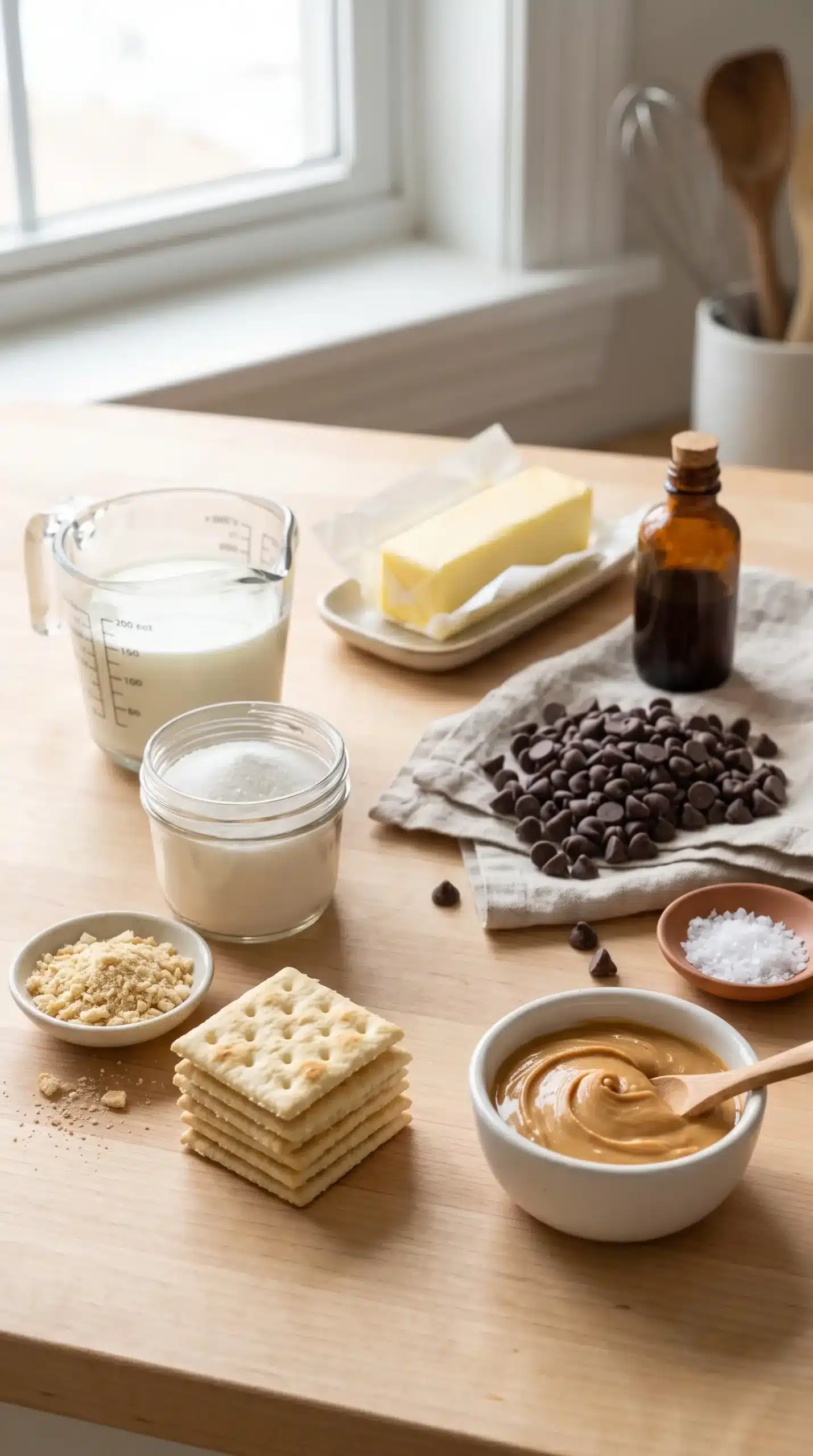
Peanut butter plays the central role in this dessert because it becomes part of the structure as well as the flavor. The peanut butter combines with crushed crackers to create the thick mixture that can be pressed into a pan and sliced after cooling.
The cooked sugar, milk, and butter mixture determines how smoothly the ingredients come together. Heating those ingredients until the sugar dissolves allows the warm mixture to blend with the peanut butter and cracker crumbs without leaving dry areas.
Vanilla adds a familiar dessert note, while the chocolate drizzle and coarse sea salt create contrast on top. Each finishing element is used after the base has been shaped, allowing the topping to remain visible instead of disappearing into the fudge.
| Component | Role in the fudge | Important handling choice |
|---|---|---|
| Peanut butter | Creates flavor and body | Combine with crumbs before adding hot mixture |
| Saltine crackers | Build the soft structure | Choose crumb size based on desired texture |
| Chocolate chips | Provide the topping layer | Melt gently before drizzling |
Chocolate drizzle changes the finish of each square
The chocolate topping adds a separate layer of flavor and appearance after the peanut butter base has set. A thin drizzle keeps the focus on the peanut butter while adding a familiar chocolate peanut butter fudge combination.
Preparing the pan improves clean fudge portions
A lined baking dish makes the cooled fudge easier to remove before cutting. The flat surface also helps create evenly shaped pieces because the mixture can be pressed into one consistent layer.
Boiling control determines the fudge texture
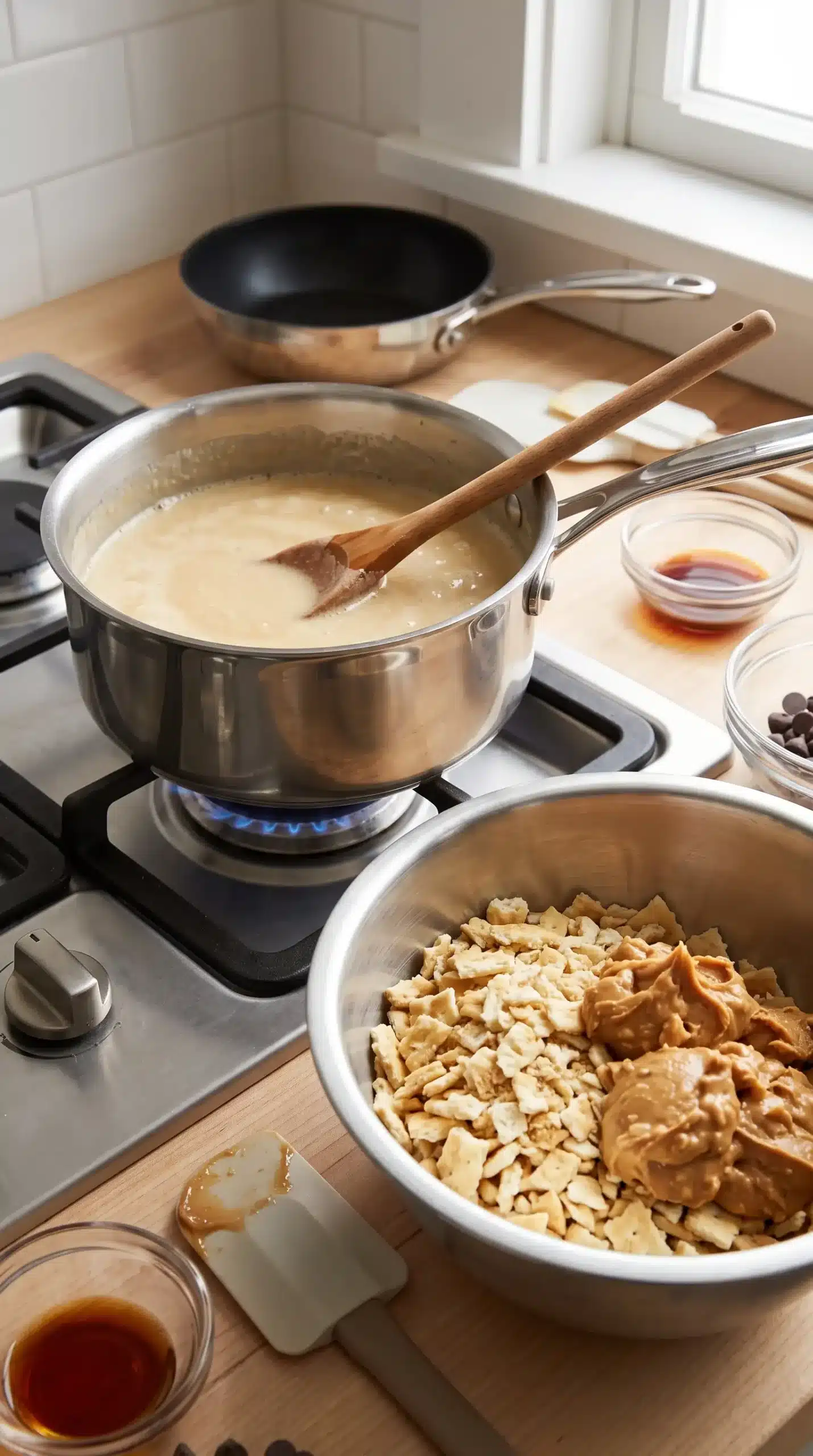
The brief boiling stage is the most important cooking control in peanut butter fudge. The sugar, milk, and butter mixture needs enough heat to combine properly, but it also needs to be used promptly after the timed boil so it blends smoothly with the crackers and peanut butter.
Watching the appearance of the mixture provides useful information during cooking. The boiling mixture becomes frothy, which signals the short heating stage described in the directions. Removing it at the correct point keeps the finished fudge soft enough to press while allowing it to firm after cooling.
Quick mixing matters once the hot mixture reaches the bowl. The warmth helps the peanut butter soften and allows the crushed crackers to absorb moisture before the fudge begins to cool. Slow handling at this stage can make pressing the mixture more difficult.
The timing matters because cooked sugar mixtures cool and thicken as they lose heat, which can make them less fluid and harder to blend with the remaining ingredients.
- Heat evenly: Keep the saucepan over medium-low heat so the sugar mixture warms consistently.
- Watch the boil: Start timing once the mixture reaches a boil and use the short cooking window provided.
- Mix immediately: Combine the hot mixture with the peanut butter and crumbs while it is still easy to blend.
Common peanut butter fudge mistakes to avoid
Peanut butter fudge can become difficult to handle when small preparation choices are overlooked. Most problems come from texture decisions, timing after boiling, or finishing steps rather than from the ingredient combination itself.
Using uneven cracker pieces can create spots that absorb moisture differently. Processing the crackers too briefly may leave larger pieces that affect how smoothly the fudge presses into the pan.
Waiting too long after boiling can also make mixing harder because the warm sugar mixture begins losing the fluid texture needed to combine with the peanut butter. Immediate stirring helps create a more consistent base before cooling.
| Problem | Possible cause | Helpful adjustment |
|---|---|---|
| Dry-looking mixture | Crackers are not evenly crushed or blended | Process crumbs more consistently |
| Harder pressing | Mixture cooled before shaping | Work quickly after combining |
| Uneven topping | Chocolate was added without a smooth drizzle | Melt and spread gently |
Cracker crumbs offer texture options for each batch
The size of the crushed crackers gives cooks control over the finished bite. A completely fine crumb creates a closer match to traditional fudge texture, while slightly larger pieces make the Saltine cracker peanut butter fudge style more noticeable.
Storage choices protect the fudge squares
Cooling allows the fudge to become firm enough for clean slices, and proper storage helps maintain that texture afterward. The finished squares can be kept covered so they do not dry out or absorb unwanted flavors from other foods.
For serving over several days, placing the pieces in a sealed container keeps the chocolate topping and peanut butter base in good condition. Individual layers can be separated with parchment if multiple pieces are stacked together.
Serving ideas keep peanut butter fudge flexible
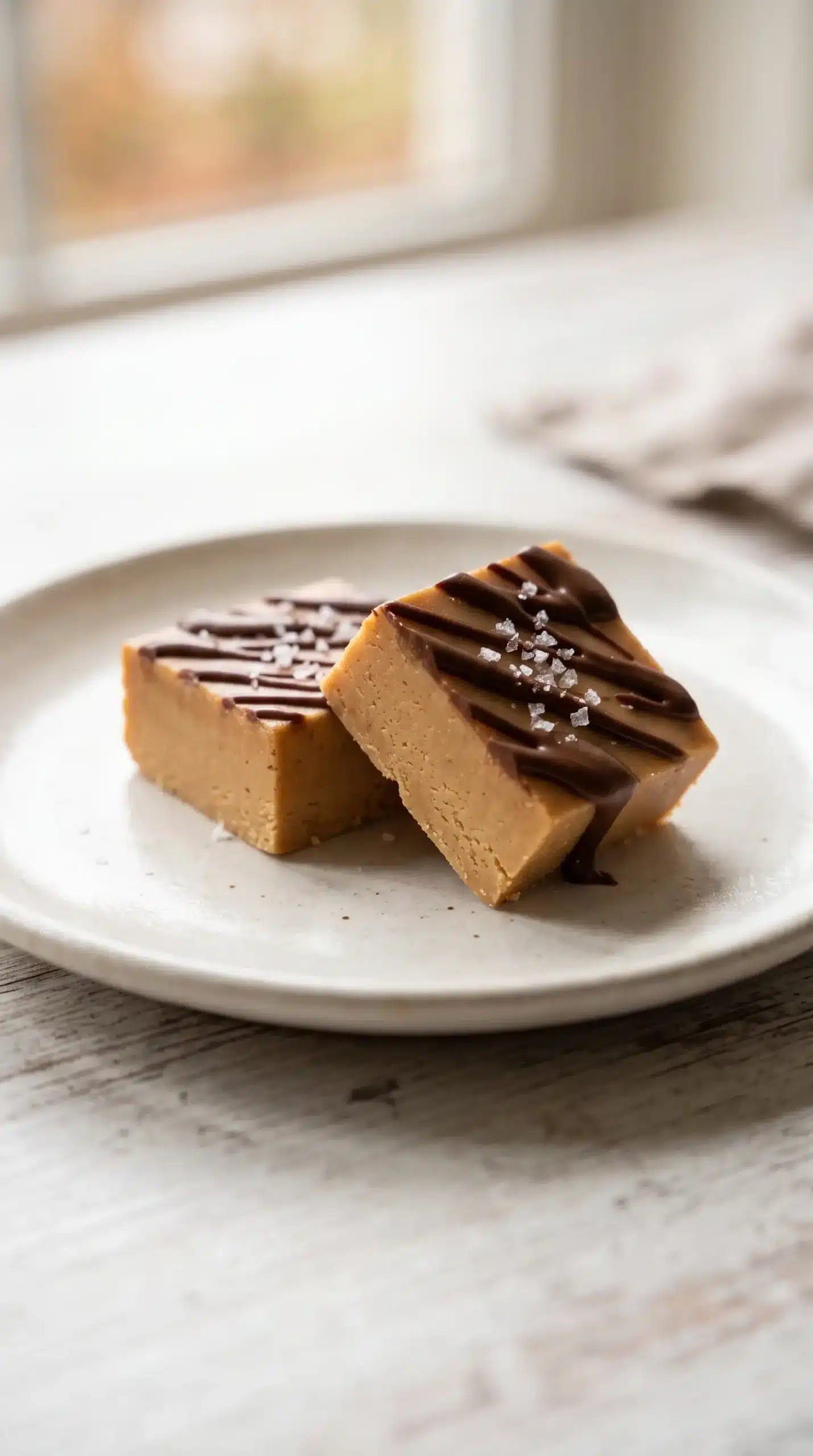
The small squares work well when served as a simple dessert portion because the texture remains firm enough to handle. The chocolate topping and sea salt also provide enough contrast that additional decorations are not required.
Variations for chocolate peanut butter fudge fans
The base recipe naturally supports chocolate-focused adjustments because the peanut butter and chocolate combination is already established. A heavier chocolate drizzle can create a stronger chocolate peanut butter fudge style without changing the preparation method.
Different finishing touches can also change the appearance while keeping the same foundation. Extra sea salt, a thicker chocolate layer, or a different drizzle pattern can make each batch look slightly different.
Peanut butter fudge fits simple homemade dessert planning
This dessert works well for situations where a prepared sweet needs to be made without complicated equipment. The ingredients are easy to combine, and the chilling stage allows the texture to develop after the active preparation is complete.
The recipe also demonstrates how familiar pantry ingredients can create a distinct dessert when their roles are balanced. The crackers provide structure, the peanut butter creates the base, and the chocolate topping completes the presentation.
Understanding the short setting time improves slicing
The cooling period changes the mixture from a soft pressed layer into firm squares. Cutting too early can make the pieces less defined because the center has not finished settling.
A chilled environment can help the fudge become easier to slice when a firmer texture is preferred. Allowing the dessert enough time to set also helps the chocolate topping stay in place during cutting.
Peanut butter fudge depends on balanced boiling and setting control
Peanut butter fudge succeeds when the short cooking stage and the cooling stage work together. The hot sugar mixture must combine smoothly with the cracker and peanut butter base, then the shaped fudge needs enough time to become firm before serving.
The most important judgment comes from managing texture: evenly crushed crackers, immediate mixing after boiling, and careful cooling create the soft but sliceable consistency that defines this version of fudge.
Peanut butter fudge questions about storage and texture
Can peanut butter fudge be made with different cracker textures?
Yes. The crackers can be processed to different levels depending on whether you prefer a smoother bite or small pieces throughout the fudge. Keeping the crumbs fairly consistent helps the mixture set evenly.
How should peanut butter fudge be stored after it sets?
Store the squares in a covered container to maintain their texture. Separating layers with parchment can prevent pieces from sticking together and helps protect the chocolate topping.
Why does peanut butter fudge need quick mixing after boiling?
The warm sugar mixture is easiest to combine immediately after the short boil. Mixing promptly helps the peanut butter soften and allows the cracker crumbs to absorb moisture evenly.
Can the chocolate topping be changed?
The topping can be adjusted by changing the amount of melted chocolate used or adding a different drizzle pattern. Keeping the chocolate separate from the base preserves the contrast between layers.
What helps peanut butter fudge cut into neat squares?
Allowing the fudge to cool completely before slicing gives the structure time to firm. A clean, sharp knife can then create more defined portions without compressing the soft center.
Peanut Butter Fudge with Saltine Crackers and Chocolate
Peanut butter fudge is a quick homemade dessert with a soft, sliceable texture, rich peanut butter flavor, and a chocolate topping. It is an easy treat to make when you want a simple sweet with a unique cracker-based texture.
Ingredients
Method
Preparation
- Process the crackers into fine crumbs based on the texture you prefer. Add the crumbs to a large mixing bowl with the peanut butter.
- Combine the sugar, milk, and butter in a saucepan over medium-low heat. When the mixture begins boiling, cook for 1 minute while it becomes frothy, then remove from the heat.
Assembly
- Immediately pour the hot sugar mixture over the cracker crumbs and peanut butter. Add the vanilla and stir until the mixture forms an evenly combined soft dough.
- Press the mixture into a 9-inch glass baking dish, lined with parchment paper if desired. Let it cool for at least 1 hour or until firm enough to slice into squares.
Topping
- Melt the chocolate chips and drizzle the chocolate over the set fudge. Sprinkle with coarse sea salt.
Notes
The cracker size used in this recipe can be measured by counting sheets with three smaller pieces as one cracker. The crackers do not need to be broken apart before counting.