From breakfast to dinner, from healthy meals to sweet desserts – Next Yum Recipes brings you quick, simple and tasty ideas for every occasion and every time.


 This Recipe
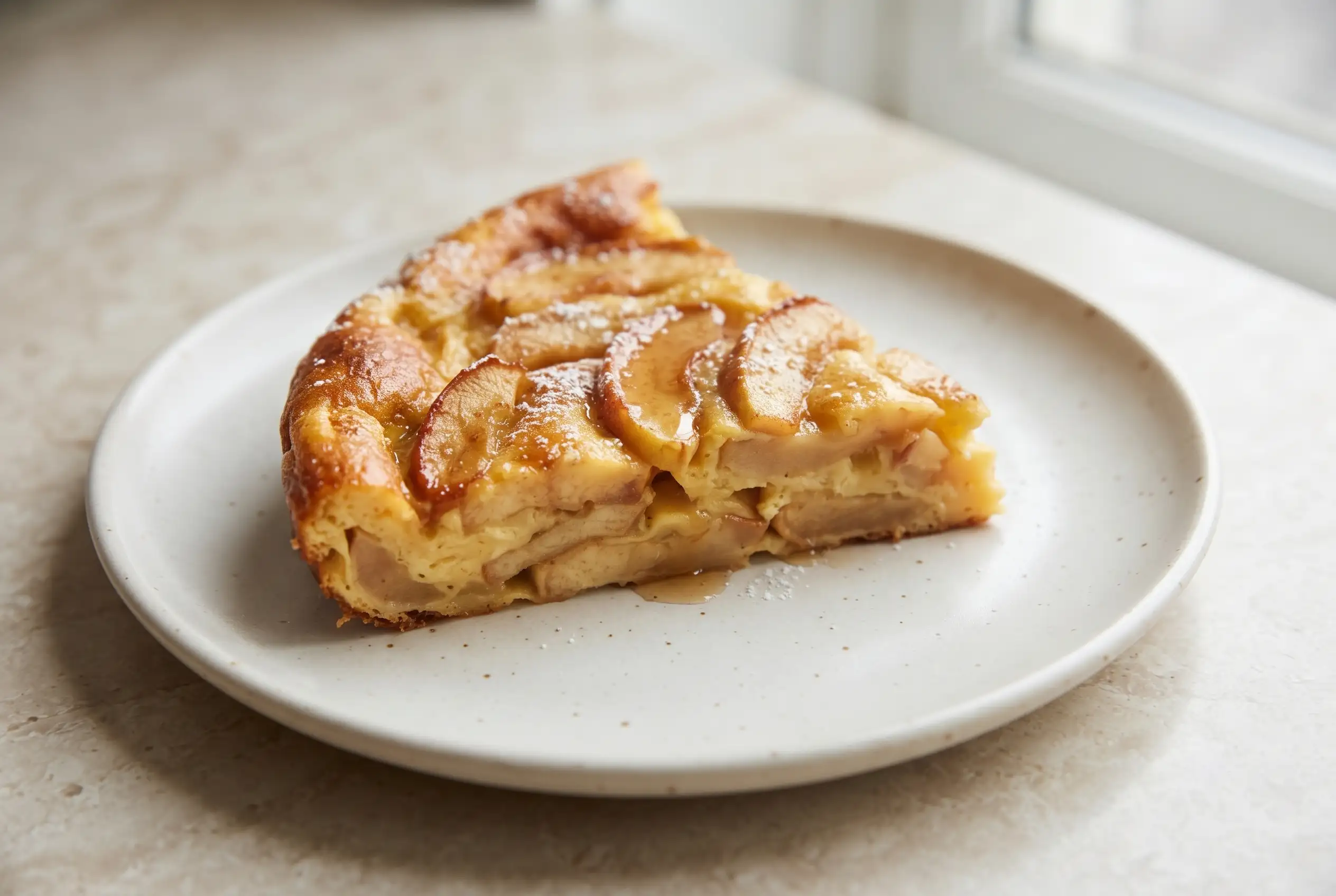
Baked apple pancake brings together tender apples, a lightly sweet oven-set batter, and a concentrated apple cider syrup for a breakfast that feels both comforting and carefully balanced. The dish transforms simple pantry ingredients into a presentation-worthy pancake with a browned surface, soft center, and fruit layered beneath each slice.
The combination works because the apple slices and batter cook together in one pan while the cider syrup develops separately into a warm, spiced topping. An apple pancake recipe with cider syrup depends on controlling moisture, sweetness, and texture so the finished pancake can be lifted cleanly from the baking dish and served with its signature sauce.
Apple Cider Syrup Builds the Pancake’s Signature Finish
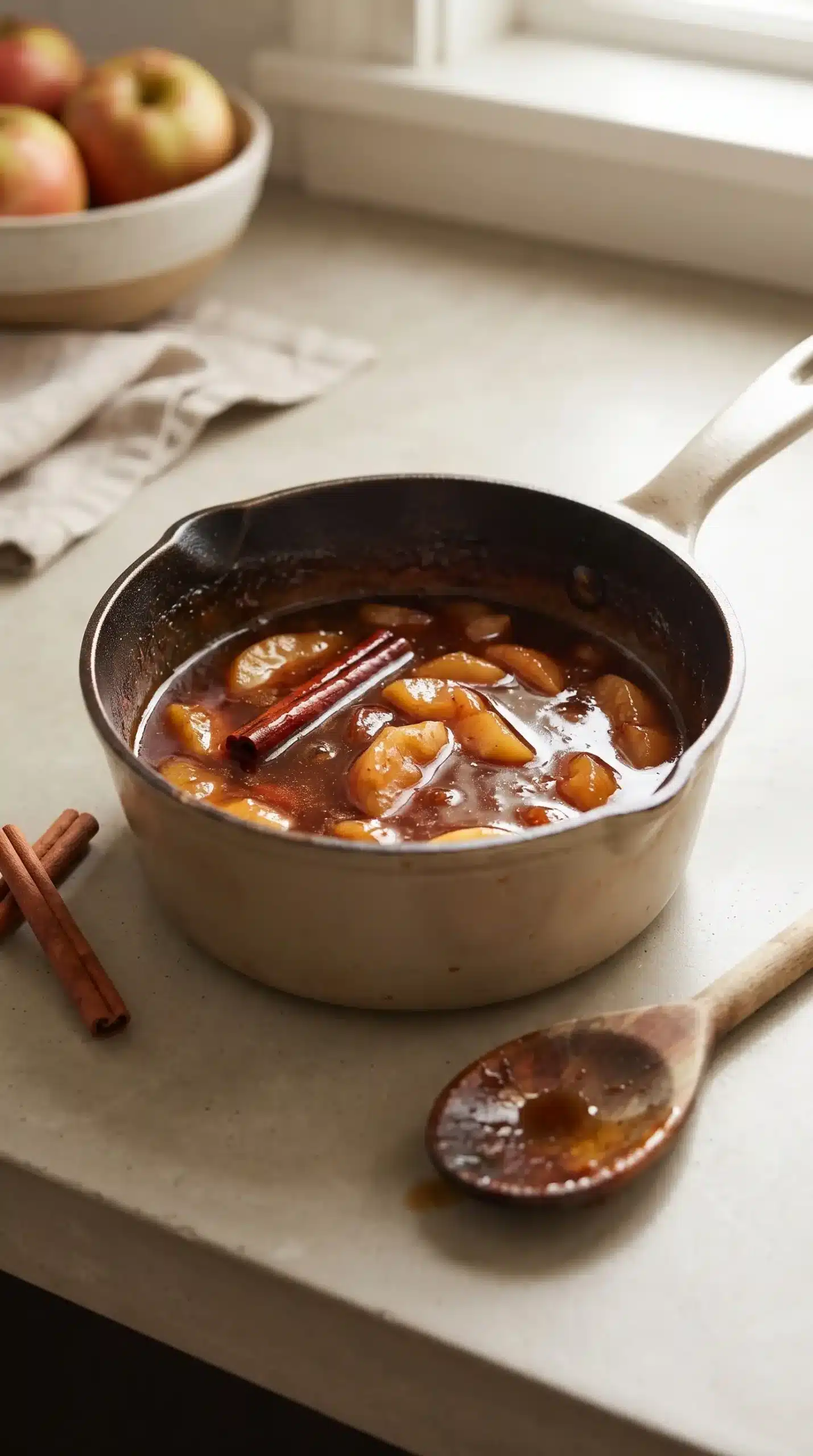
The apple cider syrup is where the deeper autumn flavor develops. Simmering cider with brown sugar and cinnamon sticks concentrates the liquid, creating a topping with a richer texture than plain cider. Allowing the syrup to cool before serving helps it settle into a smooth consistency that coats each piece of pancake.
The reduction process also gives the topping enough intensity to balance the mild egg-based pancake. Because the pancake itself contains apples, milk, flour, and a small amount of sugar, the syrup provides a distinct layer of sweetness instead of blending into the batter.
| Syrup stage | What changes | Cooking attention |
|---|---|---|
| Fresh cider mixture | Thin liquid with separate flavors | Bring to a steady boil before reducing heat |
| Simmered cider | More concentrated apple and spice notes | Watch the volume as water evaporates |
| Finished syrup | Richer topping texture | Cool before spooning over the pancake |
Thin Apple Layers Shape the Oven Baked Apple Pancake
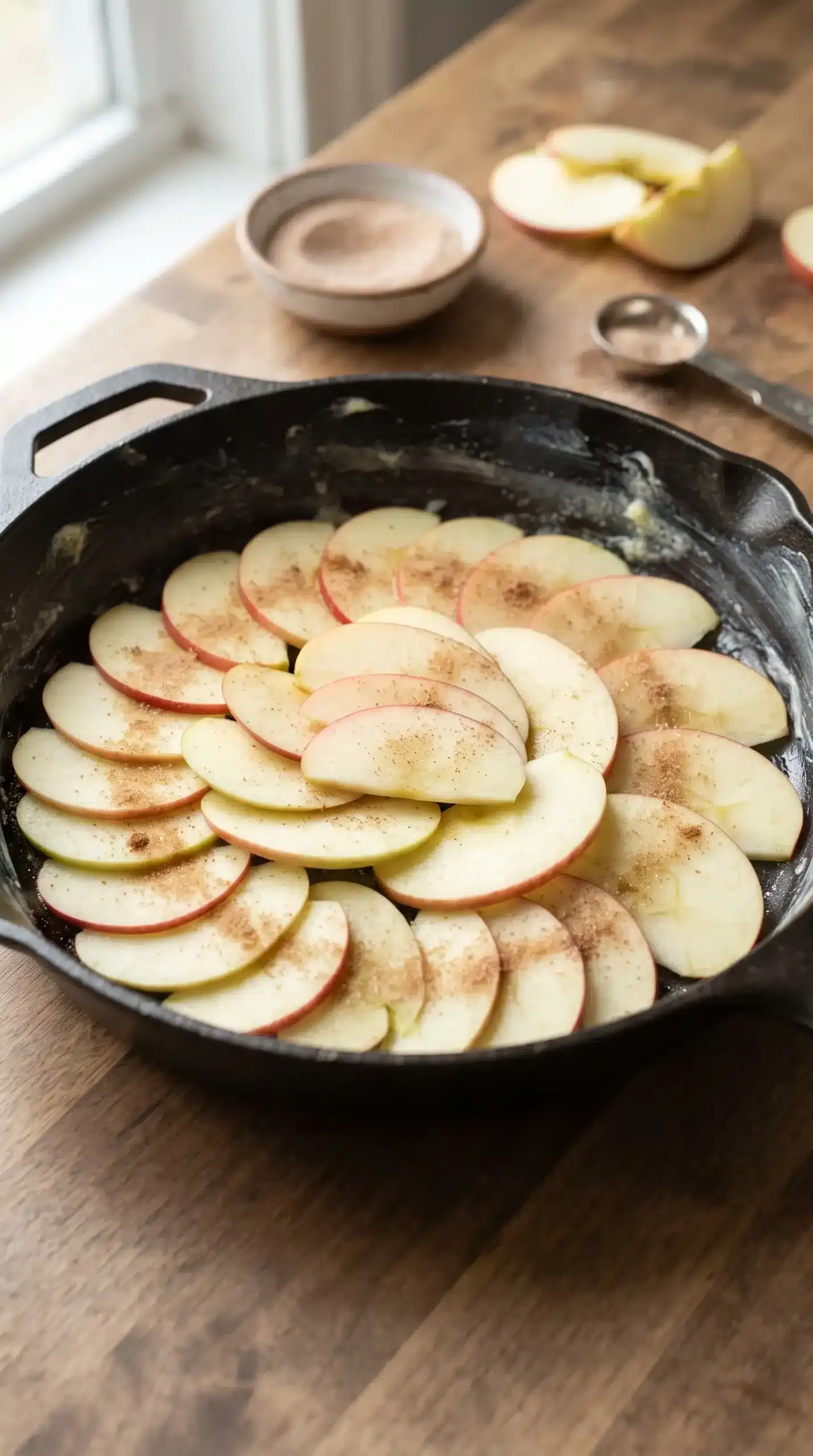
The apple slices determine how the baked apple pancake feels when served. Thin pieces soften quickly during baking and create even layers throughout the pancake instead of large sections of firm fruit. A mandoline slicer can help create consistent slices when a very delicate arrangement is desired.
Keeping the apple unpeeled preserves the structure of the slices while they bake. The peel also provides visual contrast against the golden pancake surface after the dish is inverted onto a platter.
The brown sugar and cinnamon mixture placed with the apples creates a lightly spiced fruit layer. As the pancake bakes, the apple juices combine with the surrounding batter and help form the characteristic tender texture of this style of oven pancake.
Thinly layered fruit benefits from pairing apples with complementary sweetness and spice, especially when the goal is a dessert-like finish without making the pancake overly heavy. Recipes featuring apple slices and warm sweet flavors can showcase how brown sugar and fruit create a balanced baked result.
Flour and Batter Choices Control Pancake Structure
The flour choice affects how the pancake holds together after baking. Bread flour provides enough structure for the pancake to rise and remain intact when removed from the pie plate, while all-purpose flour or whole wheat flour can be used when a different texture is preferred.
The batter should be mixed only until combined. overmixing develops gluten, which can make tender baked goods tougher and may leave the finished pancake less delicate. A smooth enough batter is useful, but small inconsistencies are not a problem.
- Bread flour: Creates a sturdy baked pancake that handles inversion well.
- All-purpose flour: Provides a familiar pancake texture with a softer feel.
- Whole wheat flour: Adds a heartier character while changing the crumb slightly.
Eggs and Applesauce Keep the Pancake Balanced
The eggs provide the framework that allows the batter to set in the oven. They help create the custard-like interior that separates a baked apple pancake from a stovetop pancake cooked in individual portions.
Applesauce contributes moisture while keeping the batter aligned with the apple flavor already present in the dish. Replacing some eggs with egg whites is possible, but the texture may shift because yolks contribute richness and tenderness.
Pie Plate Handling Protects the Pancake Shape
The baking vessel plays an important role in the finished presentation. A buttered 9-inch pie plate supports the round shape and makes it easier to loosen the edges before turning the pancake onto a serving platter.
Careful release is especially important because the apple layer sits against the bottom of the pan during baking. Running a knife around the edge allows the pancake to separate without disturbing the fruit arrangement.
| Pan consideration | Effect on serving | Helpful action |
|---|---|---|
| Butter-coated surface | Improves release | Cover the baking surface evenly |
| Pie plate shape | Creates a round presentation | Loosen edges before inversion |
| Cooling period | Helps the structure settle | Wait briefly before turning out |
Common Baked Apple Pancake Mistakes That Affect the Finish
Several small choices can change how the finished pancake looks and slices. Understanding the common problems makes it easier to avoid a broken pancake or an uneven texture.
- Adding melted butter to batter: The mixture can lose stability and fall apart after baking. Butter is better added after baking when serving.
- Using thick apple slices: Large pieces may not soften evenly during the short baking time.
- Skipping edge release: The fruit layer may stay attached to the pan when the pancake is inverted.
- Overmixing batter: Excess mixing can create a firmer texture than intended.
These issues are connected to the structure of the pancake itself. The fruit layer, egg-based batter, and inversion step all need to work together for a clean presentation.
Oven Heat Determines the Pancake’s Set Texture
Cooking control matters because the pancake needs enough heat to brown the top while allowing the interior to set. The oven temperature should be consistent so the batter rises and firms without becoming overly dry.
The surface provides useful visual clues during baking. A browned top and a set center indicate that the pancake has developed the structure needed for serving, while a loose center suggests more time is needed.
Serving Details Highlight the Apple Cider Syrup Pancake
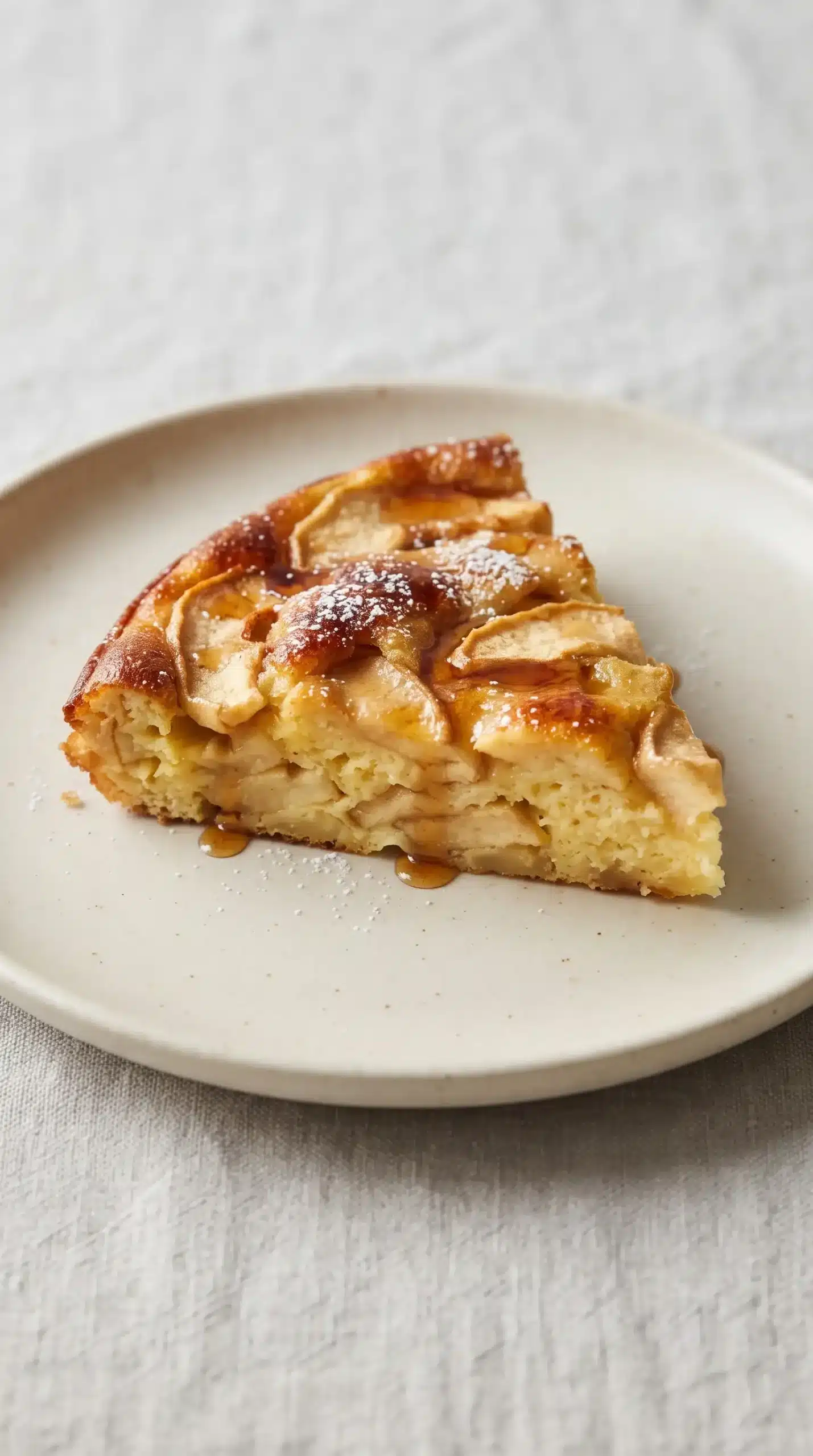
The presentation of an apple cider syrup pancake depends on timing. Allowing the pancake to cool briefly before inversion helps maintain its shape, and adding powdered sugar afterward creates a simple finish that complements the syrup.
Warm slices pair naturally with the cider topping because the syrup can move across the tender pancake layers. Additional butter can be added after baking according to preference without changing the batter structure.
Variations Fit the Apple Pancake Recipe with Cider Syrup
The basic structure allows for adjustments while keeping the defining apple and cider flavors. Different apple varieties can change the sweetness and firmness, while flour substitutions can alter the crumb.
Useful adaptations include choosing whole wheat flour for a more rustic texture or using egg whites for part of the egg quantity when a lighter approach is desired. These changes work best when the overall balance of liquid and structure remains intact.
Preparation Choices Improve the Finished Pancake
Small preparation decisions have a noticeable effect on the final texture. Even apple slices, a properly coated pan, and a gently mixed batter all support the same result: a pancake that can be served in defined pieces with its fruit layer visible.
- Prepare consistent apples: Slice the fruit thinly so each portion receives a similar amount of apple.
- Protect the batter texture: Mix just enough to combine the ingredients.
- Plan the release: Loosen the edges before attempting to invert the pancake.
Storage Keeps Apple Pancake Texture Ready for Serving
Leftover portions should be stored carefully to protect the soft baked texture. Keeping the pancake covered helps prevent it from drying, while storing the syrup separately allows each serving to be topped just before eating.
Reheating should be gentle so the apples and pancake remain tender. Adding the syrup after warming keeps the topping from soaking into the pancake during storage.
Seasonal Flavors Define the Baked Apple Pancake Experience
The pairing of apples, cinnamon, and cider creates a flavor profile associated with cool-weather breakfasts and brunch gatherings. The recipe uses familiar ingredients but presents them in a form that feels different from ordinary pancakes.
The baked apple pancake stands apart because the oven creates one unified dish. The fruit becomes part of the structure, and the cider syrup provides a separate finishing element that can be adjusted at serving time.
Baked Apple Pancake Success Comes From Layer Balance
The apple slices, batter consistency, baking vessel, and cider syrup each influence the way this dish comes together. When those elements stay balanced, the pancake can be inverted cleanly while keeping a tender center and a distinct fruit layer.
Apple Cider Syrup Questions and Answers
Can the apple cider syrup be made ahead?
Yes, the syrup can be prepared in advance and stored until serving. Keeping it separate from the pancake preserves the texture of both components and allows the topping to be warmed or served at the preferred temperature.
Why does the pancake need thin apple slices?
Thin slices soften more evenly during baking and create a more consistent fruit layer. Thicker pieces may remain firmer and can make the pancake harder to portion cleanly.
Can I use a different pan for the baked apple pancake?
A different oven-safe pan may work, but the shape and release characteristics can change. The pie plate provides the round form and straightforward inversion described for this preparation.
How can I prevent the pancake from falling apart?
Avoid adding melted butter to the batter, mix gently, and loosen the edges before turning the pancake out. These steps help maintain the structure created during baking.
Baked Apple Pancake with Apple Cider Syrup and Brown Sugar
Baked Apple Pancake combines tender baked apples, a soft oven-set pancake texture, and a rich apple cider syrup finish. It is a comforting breakfast or brunch recipe that brings warm seasonal flavor to the table.
Ingredients
Method
Preparation
- Combine the apple cider, 1 cup brown sugar, and cinnamon sticks in a saucepan and bring to a boil. Lower the heat and simmer for about 30 minutes, until the liquid has reduced by about one-third. Set aside to cool.
- Preheat the oven to 350°F (177°C). Combine the sliced apples, 2 tablespoons brown sugar, and cinnamon. Arrange the apple mixture in the bottom of a buttered 9-inch pie plate.
- Whisk the remaining ingredients together until just combined, then pour the batter over the apples.
Baking
- Bake for 15-18 minutes, or until the top is browned and the center is set. Remove from the oven and allow the pancake to cool for 5-10 minutes.
Serving
- Run a knife around the edges to loosen the pancake from the pie plate. Once released, invert it onto a serving platter, sprinkle with powdered sugar, and top with the prepared syrup.
Notes
For very thin apple slices, use a mandoline slicer to create even layers. A pie plate gave the best results compared with a cast-iron skillet. Avoid adding melted butter to the batter because it can cause the pancake to fall apart; add butter after baking instead.