From breakfast to dinner, from healthy meals to sweet desserts – Next Yum Recipes brings you quick, simple and tasty ideas for every occasion and every time.


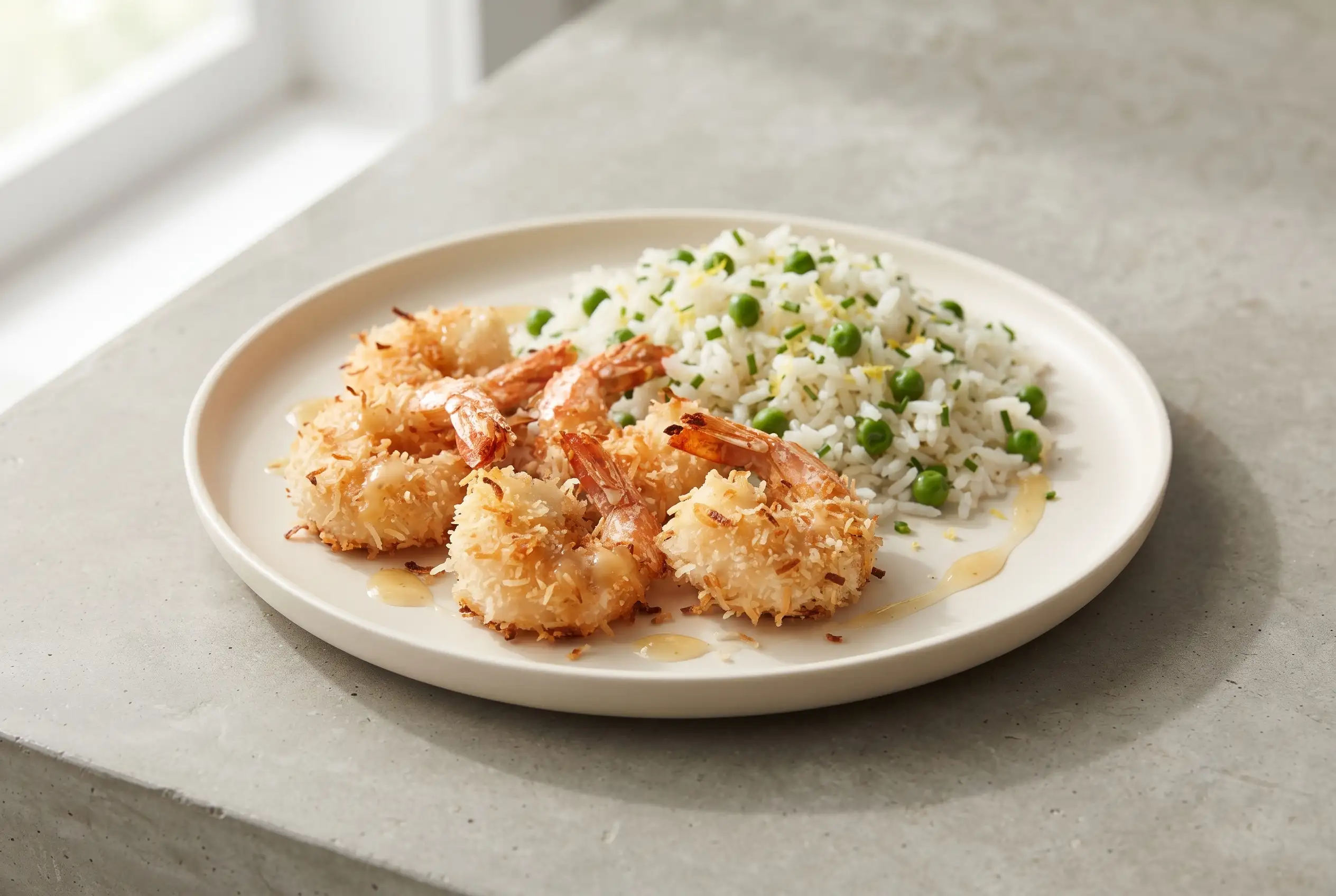 This Recipe
Baked coconut shrimp brings a crisp oven-baked coating, tender seafood, bright jasmine rice, and a sweet-savory finish together in a meal that feels both comforting and fresh. The combination works because each part has a clear purpose: the coconut crust creates texture, the springy rice carries the flavors, and the honey butter sauce adds a smooth finishing touch.
A well-made baked coconut shrimp recipe depends on a few choices that happen before the plate reaches the table. Toasting the coconut and panko first deepens the coating, removing excess moisture helps the shrimp brown properly, and balancing the sauce keeps the sweetness from overwhelming the savory elements.
Toasted Coconut Crust Defines the Shrimp Coating
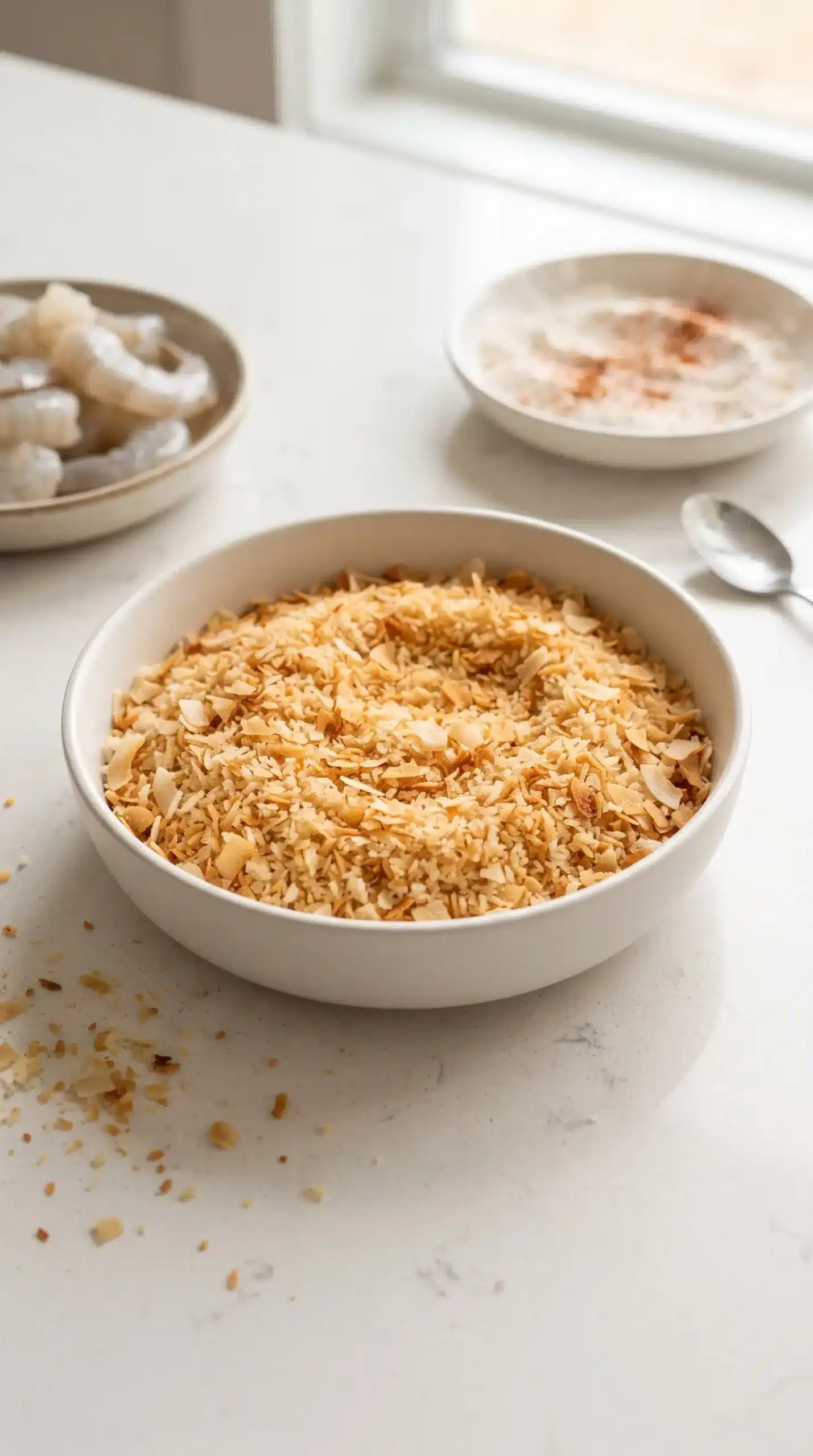
The coating is where the character of baked coconut shrimp develops. Panko breadcrumbs create a light structure around the shrimp, while coconut flakes bring the recognizable tropical flavor and a slightly chewy texture after baking. Toasting these ingredients before coating the shrimp helps the exterior start with a deeper golden color and a more noticeable roasted flavor.
Using sweetened or unsweetened coconut flakes changes the finished balance. Sweetened coconut works well when paired with the honey butter sauce because the shrimp has a dessert-like hint without becoming overly sugary. Unsweetened flakes allow more control for cooks who prefer the mustard, garlic, and savory seasoning notes to stand out.
The flour layer, egg coating, and toasted coconut mixture each serve a different purpose. The seasoned flour helps the egg cling to the shrimp, while the egg gives the toasted crumbs a surface to attach to. Pressing the coconut mixture gently onto each shrimp helps create a coating that stays in place during baking.
Jasmine Rice Turns Into a Bright Springy Side
Jasmine rice provides the foundation that connects the shrimp and sauce. Once cooked, the grains are finished with peas, lemon juice and zest, herbs or greens, garlic, and butter, creating a side dish that has freshness alongside the richer coconut coating. A variation such as green rice with cilantro and spinach can bring extra herbaceous flavor to the plate while keeping the rice component bright and balanced.
Honey Butter Sauce Balances Sweet and Savory Notes
Coconut shrimp with honey butter sauce stands out because the finishing sauce is more than a sweet drizzle. Melted butter creates richness, honey brings a gentle sweetness, and Dijon mustard adds a sharp note that keeps the flavors balanced.
The sauce is also flexible because small additions can change its personality. Red pepper flakes or chili paste can introduce heat, while extra lemon can emphasize the citrus notes already present in the rice. The sauce should remain smooth enough to coat the shrimp without hiding the crisp exterior.
Since the shrimp coating already contains coconut flavor, the sauce works best when it supports the crust instead of competing with it. A measured drizzle allows each bite to include crunchy shrimp, seasoned rice, and a touch of buttery sweetness.
| Component | Main purpose | Important handling choice |
|---|---|---|
| Coconut panko coating | Creates crisp texture and toasted flavor | Toast before coating the shrimp |
| Jasmine rice mixture | Carries fresh citrus and herb flavors | Fluff gently after adding finishing ingredients |
| Honey butter sauce | Adds sweet and savory contrast | Whisk until the butter, honey, and mustard combine |
Shrimp Size and Preparation Choices Shape the Finished Plate
Removing the tails makes baked coconut shrimp easier to serve with rice because every piece can be eaten in one bite without stopping to remove shells. Leaving tails attached can create a more decorative presentation and works well when serving the shrimp as a handheld appetizer.
Toasting and Oven Control Improve Baked Coconut Shrimp
Good oven technique begins with managing the coating before the shrimp cooks. Toasting the panko and coconut separately develops flavor and gives the crumbs a stronger starting point before they are placed around the seafood.
The shrimp should be arranged so the coating has room to heat and crisp. Crowding can trap moisture around the pieces, which makes the exterior less likely to develop the texture expected from baked coconut shrimp. A light coating of oil before baking helps encourage browning.
Several small preparation choices improve consistency. The following details are especially useful during cooking:
- Coating order: Keep the flour, egg, and toasted coconut stations organized so the shrimp receives even layers.
- Gentle handling: Press the crumb mixture onto the shrimp without crushing the flakes.
- Rice finishing: Fold the peas and seasonings into hot rice carefully to keep the grains light.
Coating Mistakes Can Affect Baked Coconut Shrimp Crispness
One common mistake with baked coconut shrimp is skipping the coconut and panko toasting step. Untoasted crumbs can still cook, but the coating may lack the deeper flavor and color created before the shrimp enters the oven.
Another issue happens when too much moisture remains on the shrimp before breading. Excess water can prevent the flour and egg layers from forming the surface needed for the coconut mixture to stick evenly. Patting thawed shrimp dry helps create a more reliable coating.
The sauce can also change the eating experience if it is applied too heavily. Covering every piece immediately can soften the crisp exterior, so adding the honey butter sauce at serving keeps the contrast between crunchy shrimp and smooth sauce.
Peas, Lemon, and Herbs Keep the Rice Fresh
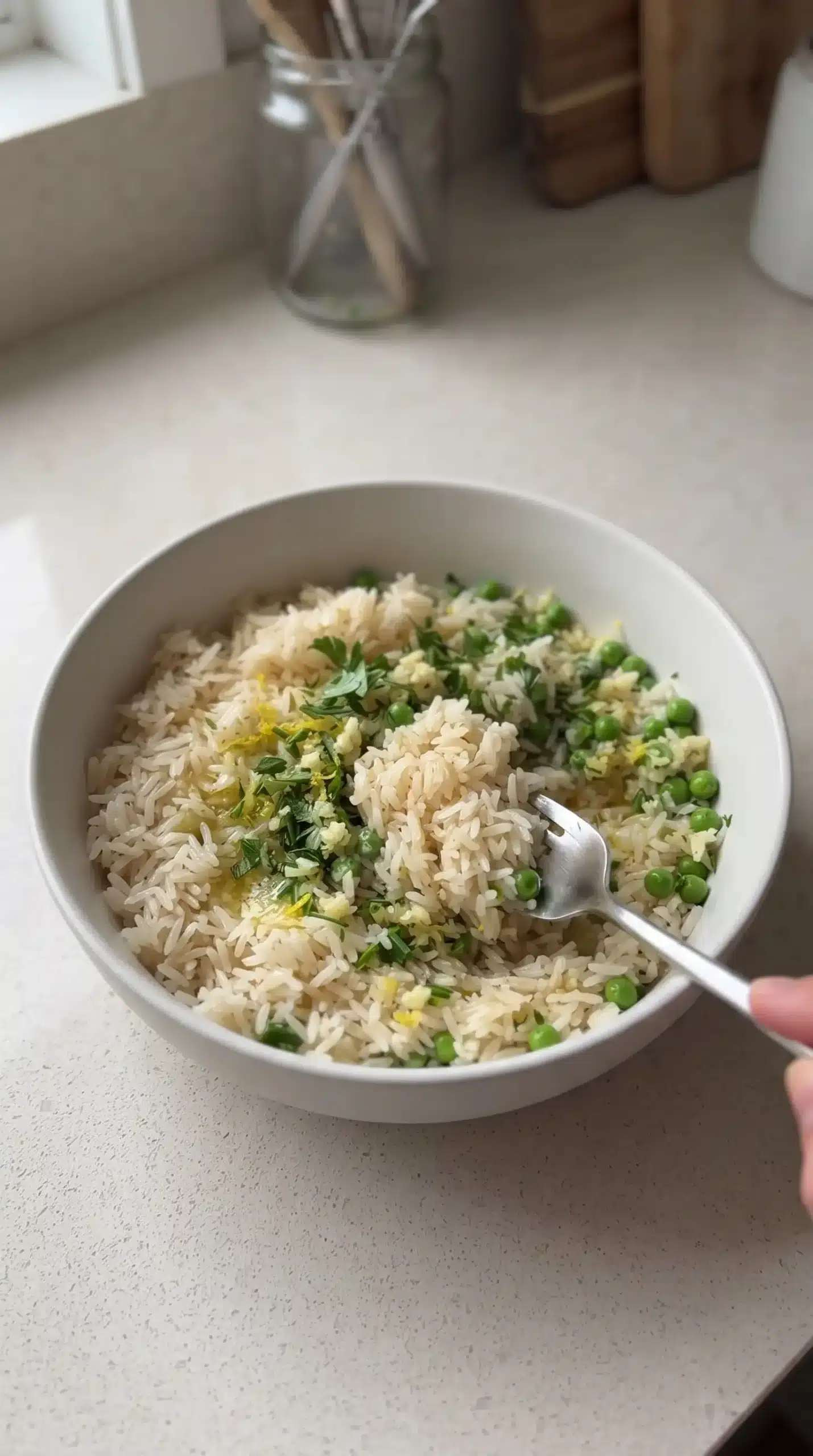
The rice portion gains its spring-like quality from the combination of sweet peas, citrus, herbs, garlic, and butter. These additions are folded into warm cooked rice so the flavors spread throughout without turning the grains heavy or wet.
Serving Choices Change Coconut Shrimp with Honey Butter Sauce
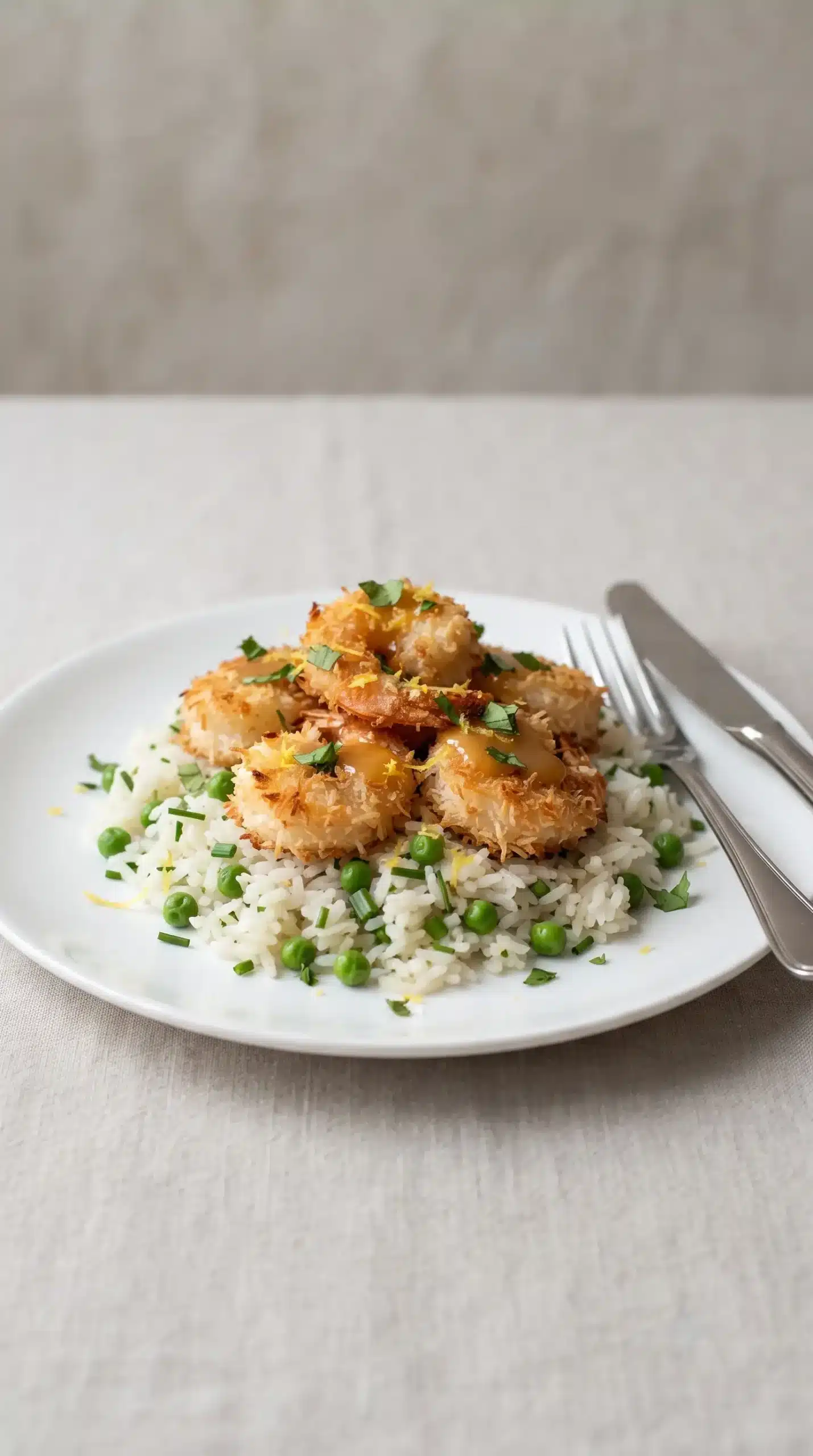
The way the plate is assembled affects how the textures come together. Placing the rice underneath the shrimp allows some of the sauce to season the grains, while keeping the shrimp visible preserves the appeal of the toasted coating.
A simple serving approach works well because the dish already contains several contrasting elements. A pile of jasmine rice, a layer of coconut-coated shrimp, and a drizzle of sauce create a balanced combination without needing many additional toppings.
Fresh greens or herbs can add a final touch of color and freshness. Lemon wedges, extra herbs, or a small amount of heat from chili additions can be offered separately so each person can adjust the finish.
Baking Details Help Preserve Shrimp Texture
Shrimp cooks quickly, so timing matters when preparing this baked coconut shrimp recipe. The coating needs enough heat to brown while the shrimp stays tender inside. Watching the shrimp closely near the end of baking helps avoid a dry texture.
For a reliable cooking endpoint, shrimp should reach a 145°F (63°C) internal temperature before serving, which helps confirm the seafood is properly cooked.
Simple Variations Fit Different Coconut Shrimp Preferences
The core combination can be adjusted while keeping the same balance of crisp coating, flavorful rice, and finishing sauce. Different cooks may prefer changes based on sweetness, spice level, or the way the meal will be served.
- Extra heat: Add chili paste or red pepper flakes to the honey butter sauce for a spicy contrast.
- More citrus flavor: Increase lemon zest in the rice or add fresh lemon to the sauce.
- Finger-food style: Keep shrimp tails attached for easier grabbing and serving.
The coconut shrimp and rice combination also works well for casual dinners because the individual components can be prepared with attention to their own textures. Keeping the rice separate from the shrimp until serving helps maintain the contrast that makes the dish appealing.
Small adjustments should support the original balance. Changing the sweetness, spice, or presentation is most successful when the toasted coconut coating remains the main feature of the shrimp.
Storing Components Keeps Coconut Shrimp and Rice Ready
Keeping the shrimp, rice, and sauce separate during storage helps protect their individual textures. The shrimp coating is best enjoyed fresh, while the rice and sauce can be reheated gently and combined again when serving.
Kitchen Timing Decisions Make the Baked Coconut Shrimp Recipe Work
Preparing the rice while the shrimp components are being organized creates a smoother cooking process. The most important timing choice is keeping the toasted coating ready before the shrimp is dipped, because the breading step depends on the crumbs being prepared and available.
Baked Coconut Shrimp Finds Balance Through Crisp Coating and Fresh Rice
Baked coconut shrimp succeeds when the crisp exterior, tender shrimp, bright rice, and honey butter sauce each keep their own identity. The most important judgment is protecting the contrast between textures: the coating should stay toasted, the rice should stay light, and the sauce should add flavor without covering the dish.
The combination of coconut shrimp with honey butter sauce and springy rice shows how a few carefully handled elements can create a complete meal. Attention to coating preparation and finishing choices is what allows every part of the plate to work together.
Baked Coconut Shrimp Questions About Coating and Preparation
Can baked coconut shrimp be made with shrimp tails removed?
Yes, removing the tails makes the dish easier to eat alongside rice because the shrimp can be enjoyed without extra handling. Keeping tails attached is also possible when presentation or appetizer-style serving is the priority.
Why should the coconut and panko be toasted before coating the shrimp?
Toasting develops deeper flavor and helps the coating begin with a more appealing golden color. It also prepares the crumb mixture so the baked shrimp has a more noticeable toasted finish.
How can the honey butter sauce be made less sweet?
Reducing the honey slightly and increasing Dijon mustard or lemon juice creates a sharper balance. These additions bring more savory and bright notes while keeping the buttery texture of the sauce.
What rice works best with coconut shrimp?
Jasmine rice pairs well because its texture works with the sauce and its mild flavor allows the citrus, herbs, garlic, and peas to stand out.
Can the shrimp and rice be prepared ahead of time?
The rice and sauce can be prepared ahead, but the shrimp coating is best when baked close to serving. Keeping the components separate helps preserve the crisp texture of the coconut crust.
Baked Coconut Shrimp with Honey Butter Sauce and Rice
Baked coconut shrimp with honey butter sauce features a crispy coconut panko coating, tender shrimp, bright rice, and a sweet-savory finish. It is a comforting meal that is perfect for an easy weeknight dinner or a flavorful gathering dish.
Ingredients
Method
Preparation
- Cook the rice according to package directions.
- Preheat the oven to 325°F (163°C). Spread the panko breadcrumbs and coconut flakes on a baking sheet and toast for 10-15 minutes, stirring occasionally, until golden. Remove the toasted mixture and increase the oven temperature to 425°F (218°C).
- Prepare three bowls: place the flour, paprika, and salt in one; the beaten egg in another; and the toasted coconut mixture in the third. Coat each shrimp in the flour mixture, dip in the egg, then press into the toasted coconut mixture until covered. Return the coated shrimp to the baking sheet and lightly spritz or drizzle with oil.
Baking
- Bake the shrimp at 425°F (218°C) for 10 minutes.
Assembly
- Add peas, lemon juice and zest, herbs, garlic, and butter to the hot rice. Gently fluff with a fork until combined and the peas are warmed through.
- Whisk the melted butter with honey and Dijon mustard until combined.
- Serve the shrimp with the rice and drizzle with the honey butter sauce.
Notes
I prefer making these with the tails removed because they are easier to eat alongside the rice. If you want a more decorative presentation or a finger-food style option, the tails can be left on. This recipe amount feeds my family of 4 with little to no leftovers; for a larger group or bigger appetites, double the amounts.