From breakfast to dinner, from healthy meals to sweet desserts – Next Yum Recipes brings you quick, simple and tasty ideas for every occasion and every time.


 This Recipe
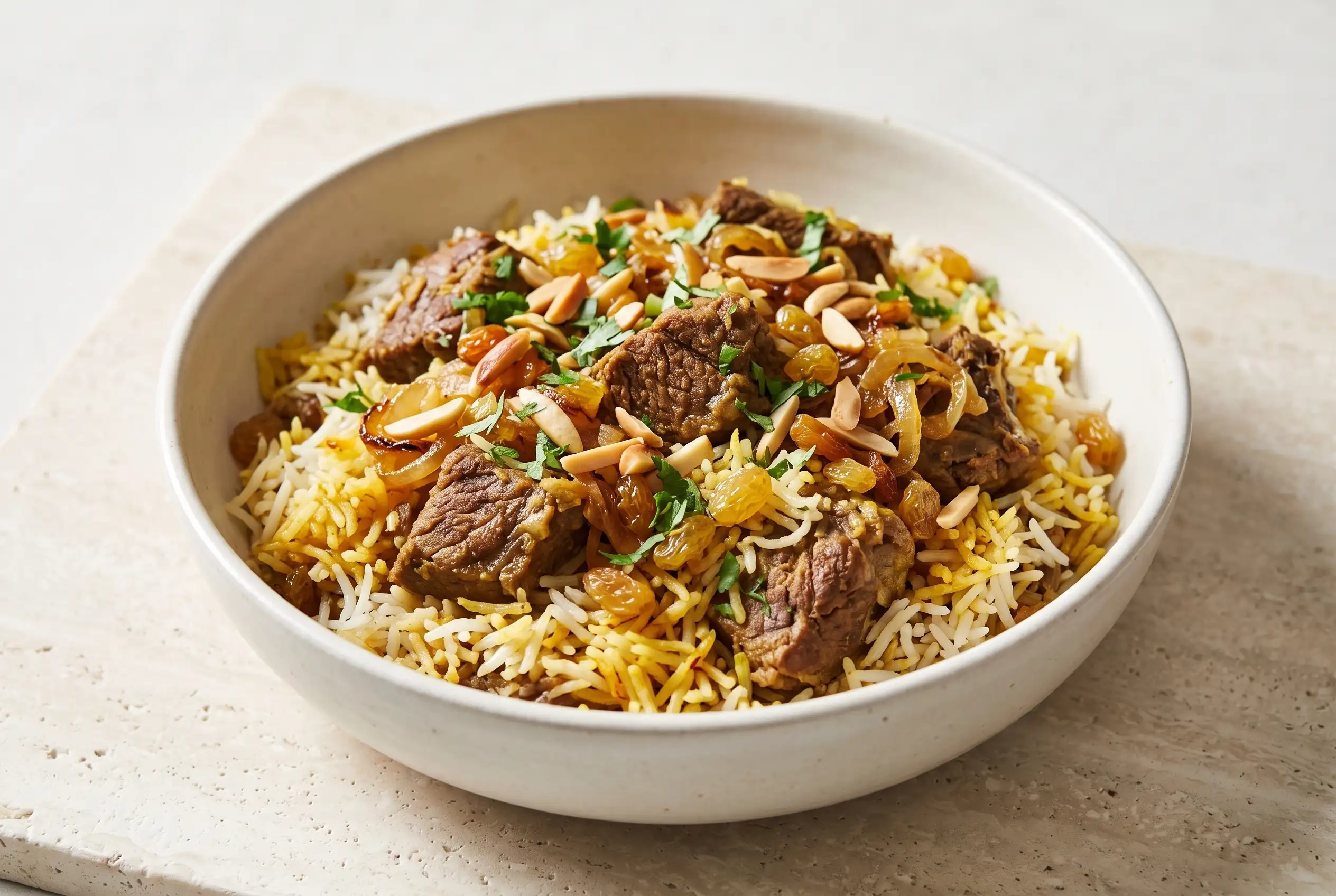
Beef biryani brings together deeply seasoned beef, fragrant basmati rice, and layers of aromatic spices in a baked dish built around patience and careful timing. The combination works because each stage develops a different part of the meal, from browned meat and a smooth yogurt-based sauce to rice that finishes gently over the simmered beef.
Unlike simpler rice dishes where ingredients cook together from the beginning, beef biryani depends on preserving contrast. Tender pieces of beef should remain rich and savory, while the rice needs to stay separate enough for every spoonful to carry its own texture and aroma.
Beef Biryani Builds Layers Around Tender Beef
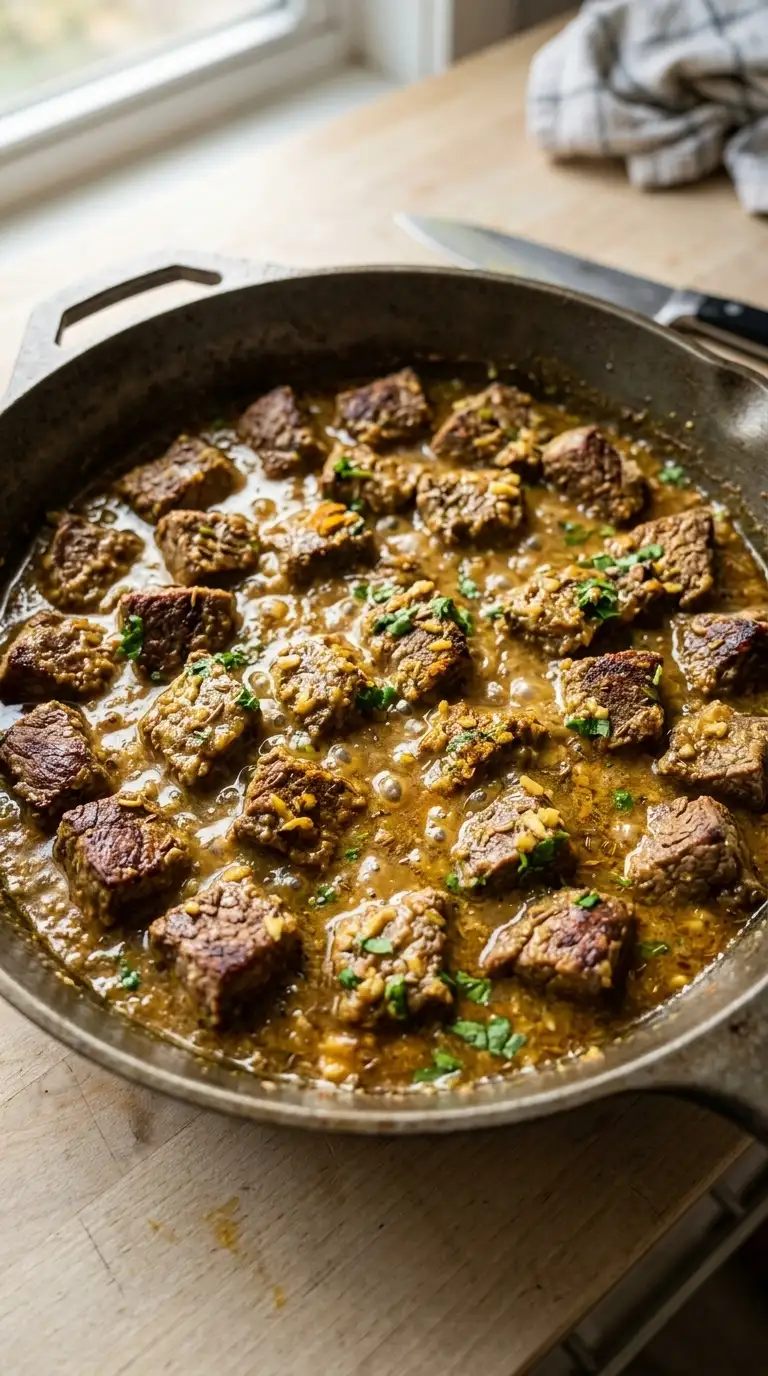
Slow cooking creates the character that makes this beef biryani recipe distinctive. The beef begins with a strong sear that develops color on the outside before it meets the spiced sauce. That early browning gives the finished dish a deeper foundation once the meat returns to the pan.
During the simmering stage, the yogurt, aromatics, and spices combine into a sauce that coats the beef without overwhelming the rice. Gentle heat gives the meat time to soften while allowing flavors from ginger, garlic, cilantro, cumin, coriander, turmeric, and fenugreek to blend together.
Layering the partially cooked rice over the beef changes how the dish finishes. Moisture rises through the rice during baking, allowing the grains to absorb savory notes while the upper layer receives the sweetness of fried onions, almonds, and golden raisins.
Several details help maintain balance throughout preparation:
- Rice texture: Rinsing and partially cooking basmati rice helps the grains finish with a lighter structure.
- Beef tenderness: A longer gentle simmer gives stew-style beef time to become soft and flavorful.
- Flavor contrast: Toasted nuts, sweet raisins, and caramelized onions create different notes beside the spiced meat.
Aromatic Choices Shape the Biryani Foundation
The most important ingredient decisions in beef biryani come from how the aromatics, spices, and rice interact. Fresh ginger, garlic, cilantro, yogurt, and the warm spice mixture create a sauce that can support the beef while leaving room for the rice to remain noticeable.
Rice Preparation Protects Baked Beef Biryani Texture
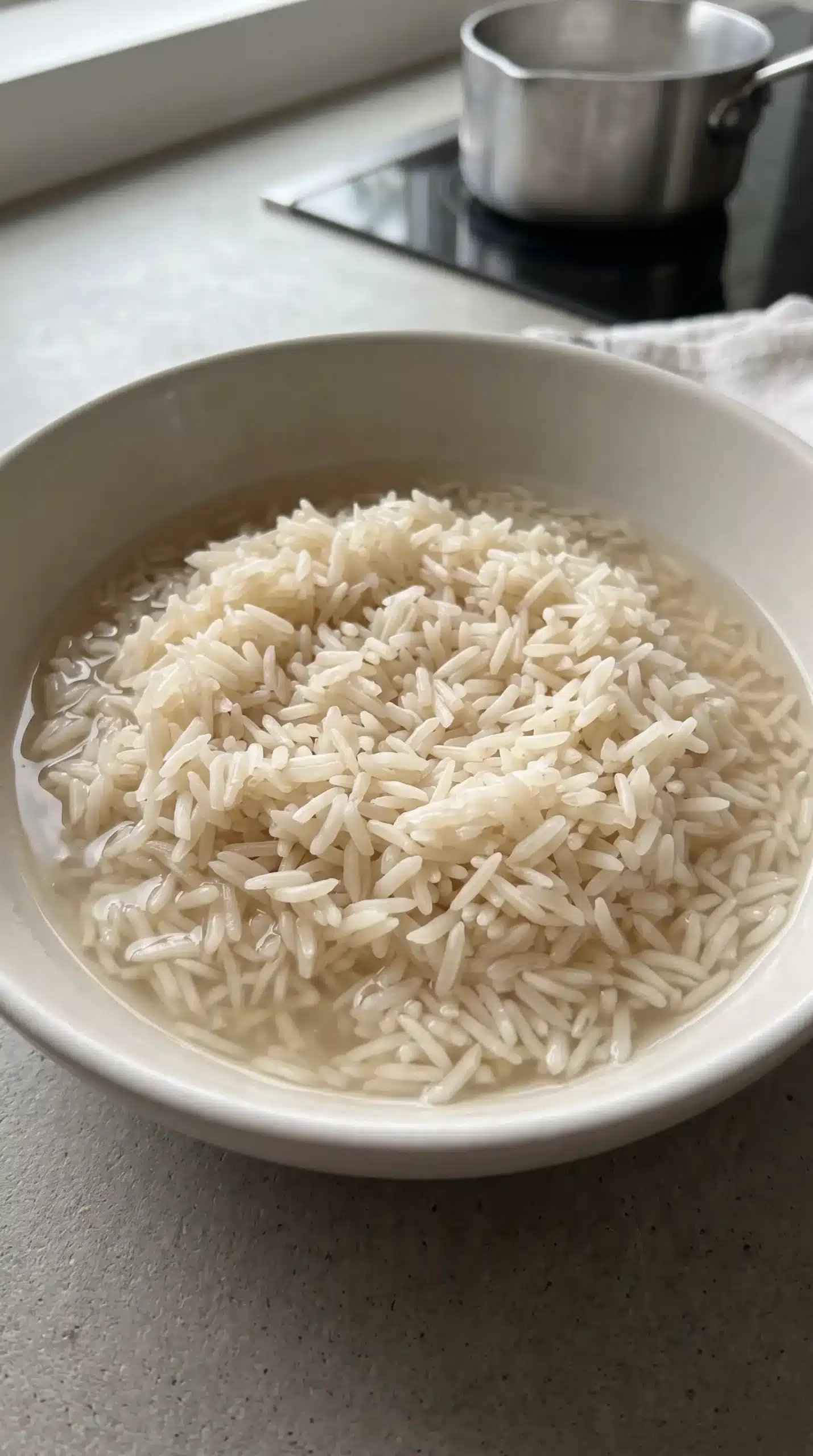
Basmati rice requires attention because its texture determines how the entire dish feels when served. Soaking and rinsing remove excess starch, which helps prevent the grains from becoming heavy or clumped during the covered bake. Readers interested in preparing more grain-centered meals can find additional rice recipes that focus on balanced textures and careful cooking methods.
Partially cooking the rice before it joins the beef allows the oven to complete the process. The grains still need enough structure to absorb the cooking liquid from below without turning soft before the layers have finished coming together.
Careful handling during this stage can be checked through a few simple observations:
| Rice stage | What to look for | Why it matters |
|---|---|---|
| After rinsing | Water becomes clearer | Less loose starch helps separate grains |
| Before baking | Rice is partly cooked | Remaining firmness allows oven finishing |
| After resting | Grains fluff with a fork | Gentle handling keeps the layers intact |
Keeping the rice layer intact during assembly also protects the contrast between the saucy beef underneath and the fragrant grains on top.
Browning Decisions Deepen Beef Flavor Before Baking
Strong browning comes from giving the beef enough contact with the hot pan before it enters the sauce. The goal here is not to cook the meat completely at this point, but to build a savory surface through the Maillard reaction that continues developing during the simmer.
Oven Timing Controls the Biryani Finish
Covered baking is where the separate parts of the dish become one. The rice sits above the beef mixture, and the sealed environment allows steam to move through the grains while protecting moisture inside the pan.
Tight coverage matters because escaping steam can leave the upper rice layer dry before the lower portion has finished absorbing flavor. A close-fitting lid combined with foil helps create the gentle cooking environment needed for a baked beef biryani.
After baking, resting gives the layers time to settle. Fluffing immediately can disturb the structure, while a short pause allows moisture to redistribute so the rice remains tender and the beef stays surrounded by flavorful sauce.
Beef Biryani Mistakes That Leave Rice or Meat Unbalanced
Several problems can change the texture or flavor of beef biryani, but most come from small choices during preparation. Recognizing the signs early makes it easier to correct the dish while cooking.
- Sticky rice: Skipping thorough rinsing can leave extra starch behind. Rinse until the water is noticeably clearer before moving forward.
- Tough beef: Cutting the simmer short may leave stew beef firm. Continue gentle cooking and add a small amount of liquid if the pan becomes too dry.
- Weak spice flavor: Adding spices without allowing them to become fragrant can result in a flatter sauce. Let them cook briefly with the aromatic base before adding yogurt.
- Dry upper rice: Loose covering allows steam to escape. Use a tight seal so the rice can finish properly.
Attention to moisture is especially important because the rice and beef depend on the same cooking environment. Too much evaporation affects the tenderness of the meat and the texture of the grains at the same time.
Small corrections during simmering are often enough to keep the dish on track. A little water, yogurt, or a combination of both can restore the sauce consistency when needed.
Serving Details Bring Beef and Basmati Rice Biryani Together
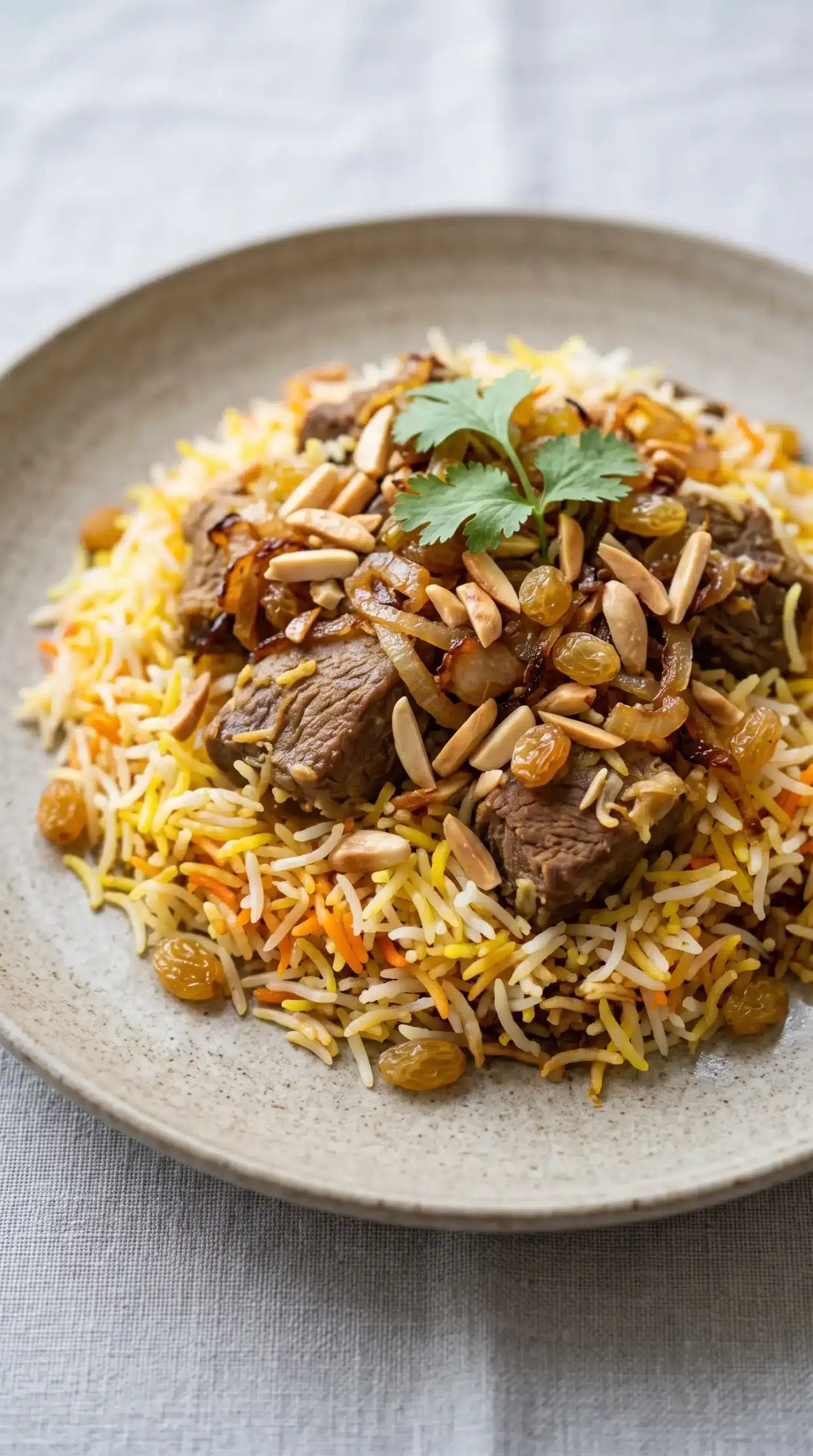
Serving beef and basmati rice biryani works best when the layers are gently combined instead of aggressively stirred. A fork helps lift the rice while keeping pieces of beef, toasted almonds, raisins, and caramelized onion distributed throughout.
Adjustments That Preserve Biryani Character
Minor changes can fit personal preferences while keeping the central structure of the dish. Extra cilantro can brighten the finished serving, while careful seasoning adjustments can suit different tastes without changing the balance between beef, rice, and spices.
Keeping Leftovers Ready Without Losing Texture
Stored portions of beef biryani benefit from gentle reheating because the rice continues to hold onto moisture after cooking. Warming smaller portions helps avoid drying the grains while bringing the beef and sauce back together.
When reheating, a small splash of water can help restore softness if the rice has become firm. Covering the dish while warming also helps maintain the moisture that gives the baked layers their texture.
Cold leftovers can be useful for planned meals because the flavors often remain well integrated after resting. Handle the rice gently when portioning so the grains keep their structure.
Useful leftover approaches include:
- Single portions: Reheat only what will be served to protect the remaining rice.
- Gentle warming: Add a little moisture if needed before covering.
- Fresh finishing: Add cilantro after reheating for a brighter presentation.
Comparing Rice Stages for Better Control
The rice changes significantly between preparation stages, and understanding those changes helps cooks judge progress without relying only on timing.
| Stage | Texture | Cooking purpose |
|---|---|---|
| Rinsed basmati | Firm dry grains | Removes excess starch before cooking |
| Partially cooked rice | Softened outside with some firmness | Allows oven finishing above the beef |
| Finished biryani rice | Fluffy and aromatic | Completes the layered dish |
Beef Biryani Reaches Its Best Balance Through Layered Cooking
Beef becomes deeply tender when the simmering stage receives enough attention, while basmati rice develops its best texture when it finishes slowly over the seasoned meat. The relationship between those two elements defines the success of the dish.
Careful layering creates a baked beef biryani where every part has a clear role: the beef carries the savory depth, the rice absorbs aromatic moisture, and the sweet toasted toppings provide contrast. The result depends less on adding more ingredients and more on giving each stage the time it needs.
Beef Biryani Questions About Tenderness, Rice, and Storage
How can beef biryani meat become more tender?
Beef becomes more tender when it has enough gentle simmering time to soften. If the sauce reduces too quickly, adding a small amount of water or yogurt can help maintain the moist environment needed for continued cooking.
Why should basmati rice be rinsed before making biryani?
Rinsing removes loose starch from the rice surface, which helps the finished grains stay lighter and more separate after the covered baking stage.
Can another cut of beef work in this biryani?
A beef cut suited to slow cooking can fit the same style because the dish relies on gradual simmering to develop tenderness and flavor.
What makes the onion topping important in beef biryani?
Caramelized onions, almonds, and raisins add sweetness, texture, and toasted flavor that contrast with the spiced beef and fragrant rice layers.
How should beef biryani be reheated?
Reheat portions gently with a little added moisture if needed and keep them covered so the rice remains soft while the beef warms through.
Beef Biryani with Fragrant Basmati Rice and Spices
Beef biryani is a hearty layered rice dish with tender spiced beef, fragrant basmati rice, and sweet toasted accents. It is a comforting recipe for anyone looking for a flavorful meal with rich textures and aromatic appeal.
Ingredients
Method
Preparation
- Halve the onion and reserve one half for later. Cut the remaining half into quarters and blend it with the garlic, cilantro, and ginger until smooth, adding a small amount of water if needed. Set the mixture aside.
- Heat 1/2 tablespoon butter and 1/2 tablespoon oil in a large ovenproof pan over medium-low heat. Thinly slice the reserved onion half and cook it in the pan for about 15 minutes until golden and sweet. Add the almonds and raisins and cook until lightly toasted and softened. Remove and set aside.
Cooking
- Return the pan to the stove and melt the remaining 1/2 tablespoon butter and oil over medium-high heat. Sear the beef pieces on all sides for about 5 minutes, then transfer them to a plate.
- Remove excess grease from the pan and add the blended simmer sauce. Stir in the cumin, coriander, turmeric, fenugreek seeds, and salt while the sauce cooks for about 3 minutes until fragrant.
- Add the yogurt and about 1 cup water, stirring until smooth. Return the browned beef to the pan, cover, and simmer gently for 1 hour until tender.
Rice Preparation
- While the beef cooks, soak the basmati rice in cold water and rinse thoroughly to remove excess starch.
- Bring 3 cups of beef broth to a low boil in a saucepan. Add the rinsed rice and simmer, covered, for 5-10 minutes until partially cooked. Drain the liquid and set the rice aside.
Baking
- Preheat the oven to 350°F / 175°C.
- Spoon the partially cooked rice over the beef and create a small opening in the center for moisture. Spread the caramelized onion mixture over the rice.
- Cover the pan with two tight layers of foil and a snug lid. Bake for 30-40 minutes.
- Allow the biryani to stand for 10-15 minutes before fluffing the rice with a fork and serving.
Serving
- Top with cilantro and serve with chapati or naan.
Notes
When simmering the beef, allow enough time for it to become tender. If the liquid reduces too much during cooking, add a small amount of water, yogurt, or both, stir, and continue simmering. Fenugreek seeds can be purchased in small quantities for making this recipe multiple times.