From breakfast to dinner, from healthy meals to sweet desserts – Next Yum Recipes brings you quick, simple and tasty ideas for every occasion and every time.


 This Recipe
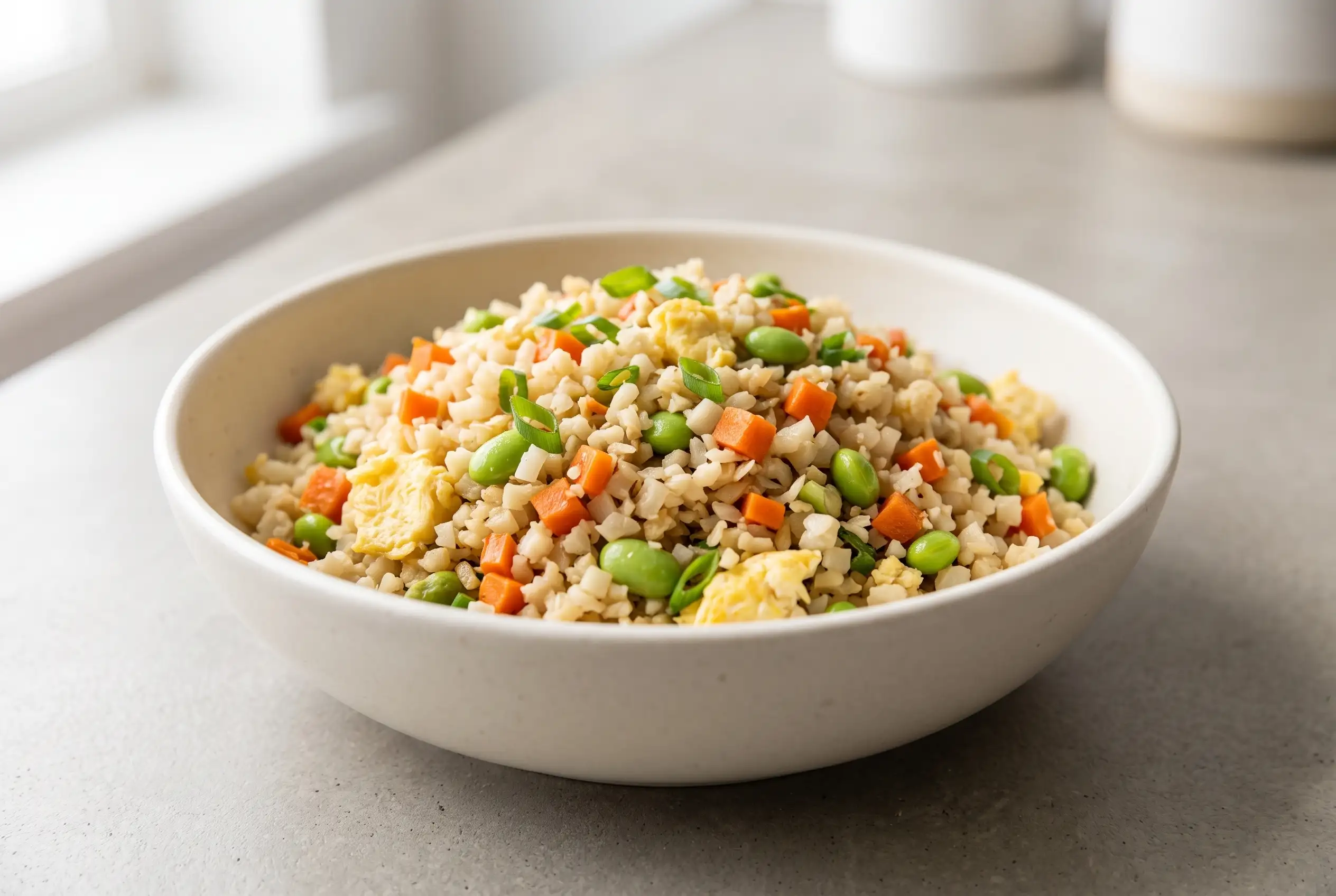
Cauliflower fried rice turns a familiar skillet meal into a lighter vegetable-focused dish with small cauliflower grains, colorful vegetables, savory seasonings, and a quick egg finish. The appeal comes from keeping the texture active: the cauliflower should feel tender while still holding its shape, the vegetables should remain noticeable, and the seasonings should coat each bite without overwhelming the fresh ingredients.
The 15 minute cauliflower fried rice approach works because the preparation focuses on a few efficient choices. Shredding the cauliflower ahead of cooking creates a rice-like base, while a hot skillet and careful timing help the vegetables cook quickly without becoming soft or watery.
Cauliflower Fried Rice Creates a Fast Vegetable-Based Meal
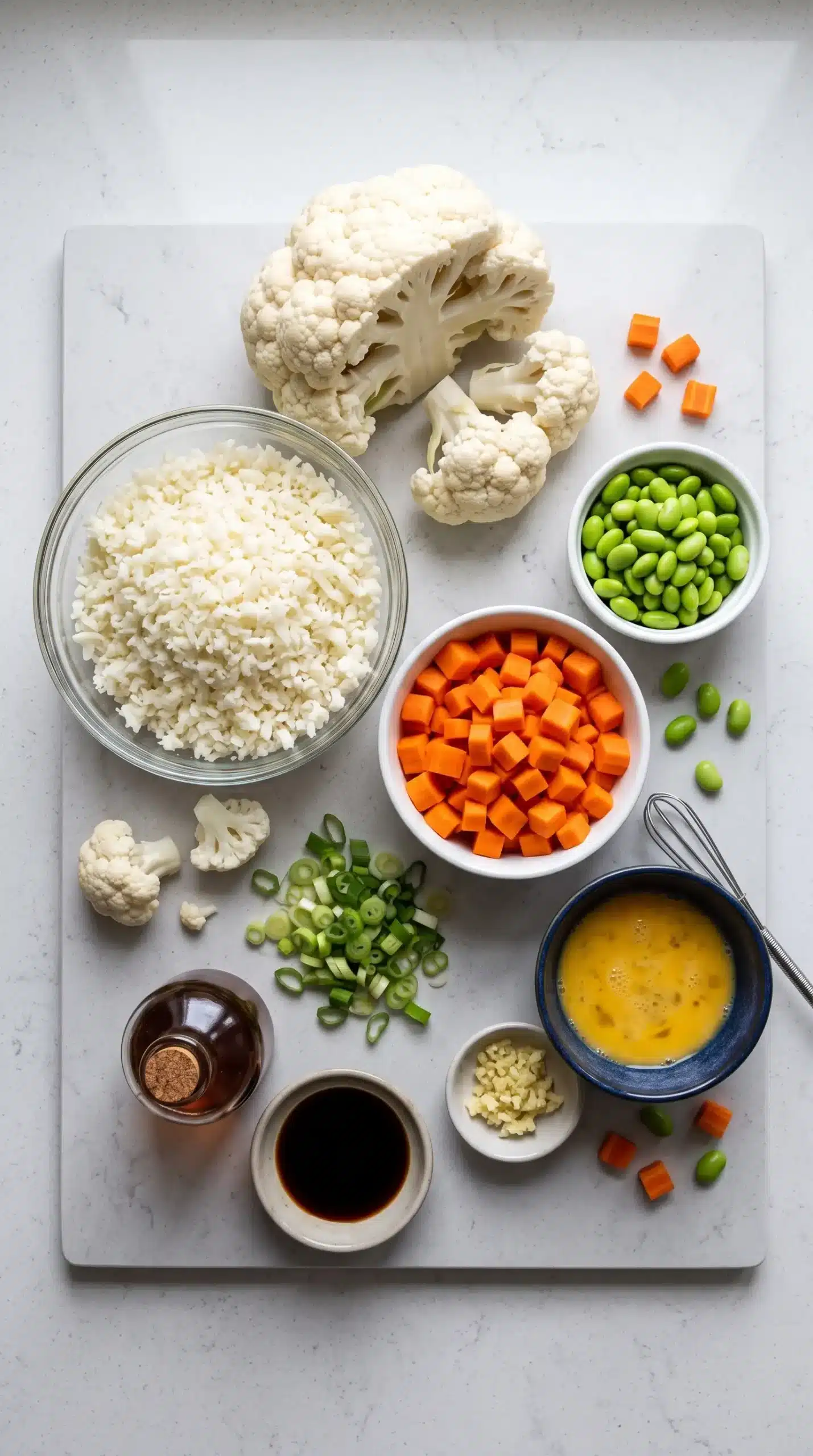
A skillet of cauliflower fried rice succeeds when every part contributes to the finished texture. The cauliflower replaces traditional rice while maintaining the familiar shape of a grain-based stir fry, making the dish feel recognizable even with a vegetable foundation. The small pieces also provide enough surface area for sesame oil and soy sauce to distribute throughout the bowl.
Freshly prepared cauliflower gives the best control over the final texture because the pieces can be shredded to the size needed for quick cooking. A box grater creates small rice-like pieces, while a food processor can quickly pulse larger chunks into a similar shape. Careful pulsing prevents the cauliflower from becoming a wet puree.
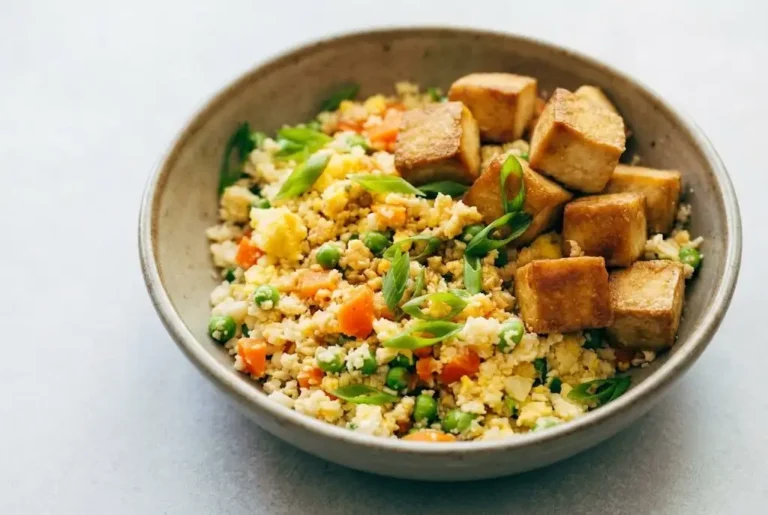
The combination of eggs, carrots, edamame, and green onions creates contrast that keeps the skillet interesting. Soft egg pieces provide richness, carrots bring color and slight sweetness, and edamame adds a firm bite that balances the tender cauliflower base.
Cauliflower Texture Depends on Moisture Control
Cauliflower releases water as it cooks, so the most important texture decision is handling it briefly enough to soften the vegetable without allowing excess moisture to collect in the pan. Keeping the pieces moving during cooking helps create a finished dish that resembles fried rice instead of a steamed vegetable mixture.
Sesame Oil and Soy Sauce Shape the Savory Balance
The seasoning structure of cauliflower fried rice relies on a small number of ingredients that need to work together. Sesame oil brings a toasted aroma and deep flavor, while low sodium soy sauce provides the salty, savory character associated with fried rice-style dishes. Using measured amounts allows the cauliflower and vegetables to remain noticeable.
Garlic and green onions help create layers of flavor without requiring a long cooking process. Garlic is added early enough to become fragrant with the carrots, while green onions are stirred in near the end so their fresh flavor remains present.
For a gluten-free version, tamari can replace soy sauce while keeping the same savory direction. The seasoning can also be adjusted after cooking because cauliflower has a mild flavor that easily reflects the balance of salt, aromatics, and toasted sesame notes.
| Seasoning choice | Role in cauliflower fried rice | Best timing |
|---|---|---|
| Sesame oil | Adds toasted depth and aroma | Used during skillet cooking |
| Garlic | Builds savory fragrance | Cooked with vegetables |
| Soy sauce or tamari | Provides salty umami flavor | Stirred in near the finish |
Egg Technique Keeps Cauliflower Fried Rice Light and Separate
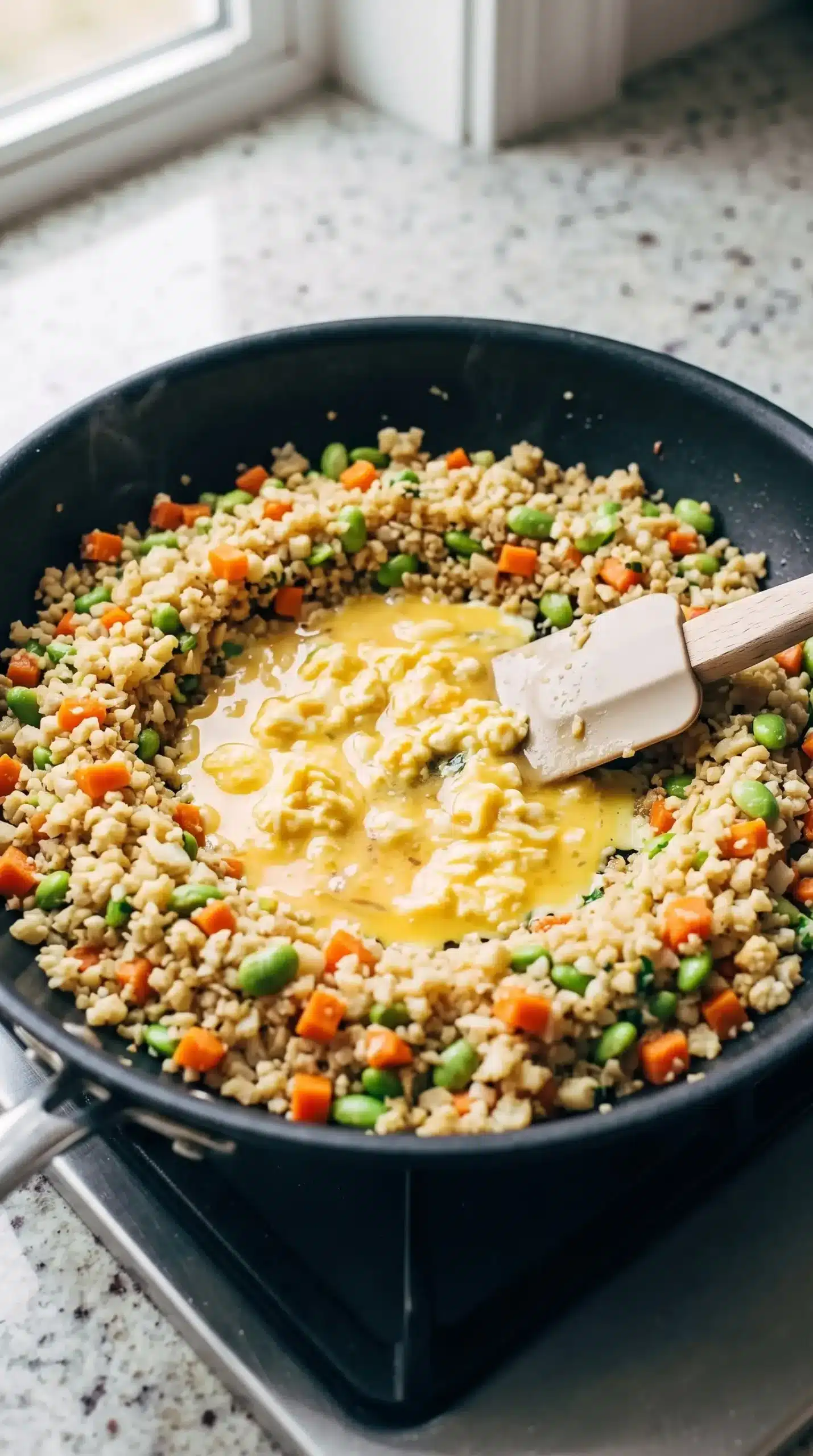
Creating space in the center of the skillet for the beaten eggs helps the pieces cook evenly before they are combined with the vegetables. Gentle stirring produces small cooked egg pieces that spread through the cauliflower without turning the entire dish into one uniform mixture.
When preparing the egg portion of cauliflower fried rice, make sure the eggs cooked until firm so the whites and yolks are fully set before serving.
Cooking Heat Decisions Protect the Cauliflower Rice Texture
The cooking process depends on managing time and movement inside the skillet. Starting with the carrots and garlic allows the harder vegetable pieces to soften and develop flavor before the cauliflower enters the pan. Once the cauliflower is added, quick stirring keeps the pieces exposed to heat without extended cooking.
A crowded or slow-moving pan can change the result because cauliflower needs enough contact with heat to cook while releasing moisture. The vegetables should become tender but still retain some bite, which gives the finished bowl the contrast expected from fried rice.
One useful way to judge the cooking stage is to look at the cauliflower pieces themselves. They should appear softened and lightly coated with seasoning while remaining distinct. Continuing to cook after that point can reduce the texture that makes cauliflower fried rice appealing.
Carrot and Edamame Choices Build the Bowl Structure
Carrots and edamame provide the vegetable contrast that keeps the skillet from relying only on cauliflower. The cubes of carrot add a firm texture and mild sweetness, while edamame contributes a more substantial bite that pairs well with the eggs and seasonings.
Common Cauliflower Fried Rice Mistakes to Avoid
Several small choices can affect whether cauliflower fried rice feels balanced or overly soft. The most common issues come from moisture, cooking time, and ingredient timing rather than complicated techniques.
- Oversized cauliflower pieces: Large chunks do not mimic rice texture and may cook unevenly. Pulse or grate the cauliflower until the pieces are small and consistent.
- Overcooking the vegetable base: Extended cooking can make the cauliflower lose its pleasant bite. Stop once the pieces are tender but still recognizable.
- Adding sauces too early: Soy sauce added during long cooking can make the vegetables sit in excess liquid. Stir it in close to serving time for better control.
Another common problem is stirring too aggressively once the eggs are added. Gentle movement keeps the egg pieces intact and allows them to remain visible throughout the skillet.
Vegan Cauliflower Fried Rice Changes the Protein Approach
Vegan cauliflower fried rice can be made by replacing the eggs with scrambled tofu. The swap keeps the skillet centered on a plant-based protein while maintaining the small, savory pieces that make the dish satisfying.
Storage and Reheating Keep the Skillet Meal Practical
Cooked cauliflower fried rice works well for planned meals because the vegetables and seasonings continue to hold their flavor after cooking. Store cooled portions in a sealed container and reheat gently to protect the cauliflower texture.
When reheating, a skillet can help restore some of the original texture by allowing moisture to escape. A microwave also works for convenience, though the cauliflower may become softer because of the trapped steam.
Keeping toppings or extra green onions separate until serving can preserve a fresher contrast. The dish is most enjoyable when the warm vegetables are balanced with the brighter flavor of freshly added ingredients.
| Storage choice | Texture effect | Helpful approach |
|---|---|---|
| Covered refrigerator storage | Keeps the cooked vegetables together | Cool before sealing |
| Skillet reheating | Helps reduce extra moisture | Warm over moderate heat |
| Microwave reheating | Softens texture more quickly | Heat in short intervals |
Variations Fit Different Cauliflower Fried Rice Preferences
The flexible structure of cauliflower fried rice allows small adjustments while keeping the cooking method practical. Adding different vegetables can change the texture and balance of the skillet, while dishes such as veggie fried rice with brown rice and frozen vegetables show how vegetable combinations can shape a satisfying rice-style meal.
Serving Ideas Highlight the Fresh Finish
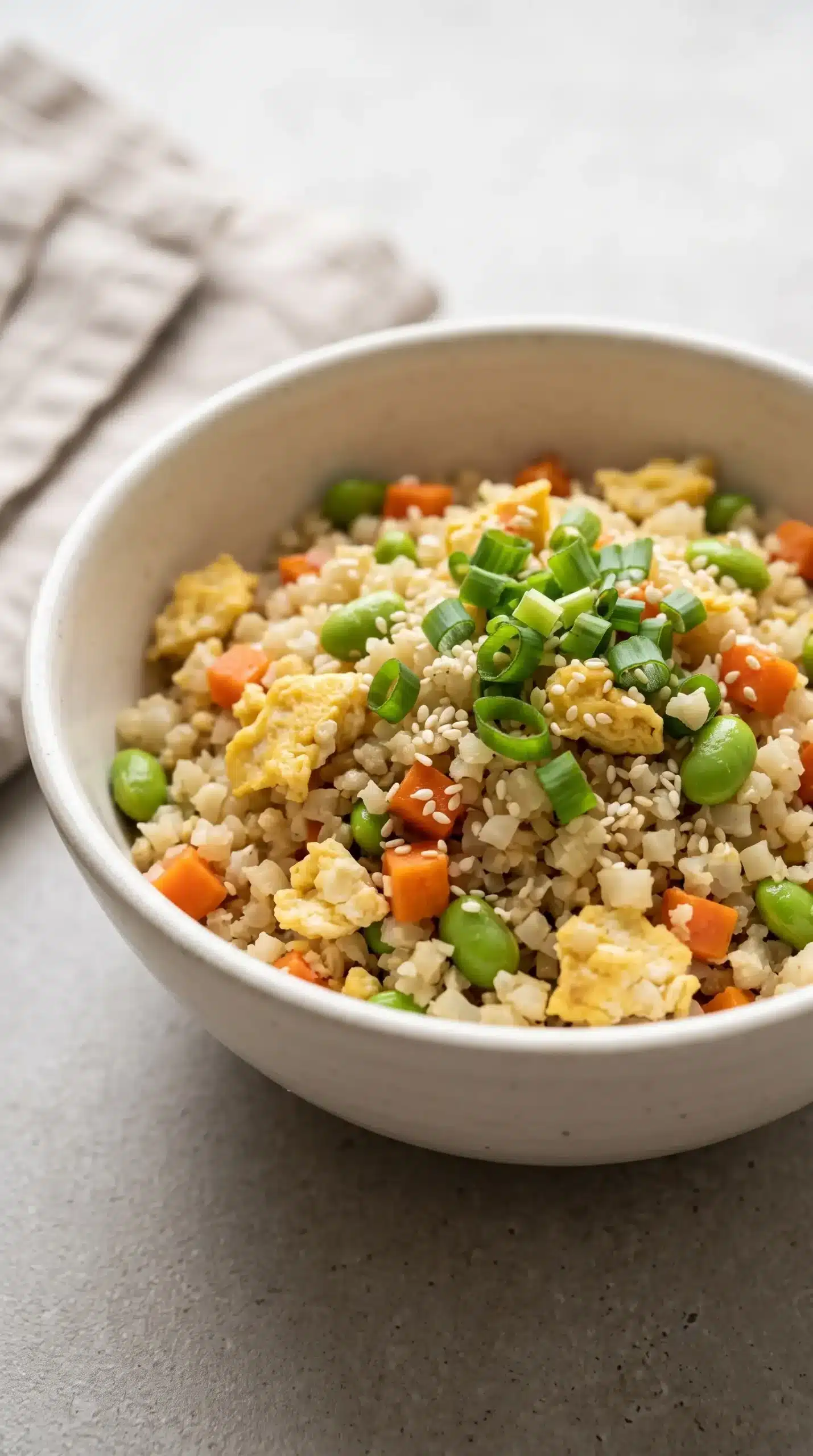
Green onions added at the end provide a fresh contrast to the warm skillet ingredients. Serving the cauliflower fried rice immediately after the final seasoning step keeps the different textures distinct and allows the sesame and savory flavors to remain clear.
Cauliflower Fried Rice Finishes Best When Texture Leads
Cauliflower fried rice depends on a simple cooking judgment: the vegetable grains should become tender while keeping enough structure to support the other ingredients. Managing moisture, using quick skillet cooking, and adding finishing flavors at the right moment create a meal where each part remains recognizable.
The strongest results come from treating cauliflower like a rice substitute with its own characteristics. A careful hand with heat and seasoning keeps the dish balanced, whether it is prepared with eggs or adapted into a vegan cauliflower fried rice version.
Cauliflower Fried Rice Questions About Moisture
How do you keep cauliflower fried rice from becoming watery?
Keeping the cauliflower cooking time controlled helps prevent a watery texture. Use small cauliflower pieces, avoid excessive cooking, and allow the skillet to maintain enough heat so released moisture can cook away during preparation.
Can cauliflower fried rice with eggs be made ahead?
Yes, the cooked skillet meal can be prepared ahead and reheated when needed. For the best texture, warm it gently and consider adding fresh green onions after reheating instead of storing them mixed throughout.
Can frozen cauliflower be used for this dish?
Frozen cauliflower can work, but it usually contains more moisture than freshly prepared cauliflower. If using it, allow extra attention to moisture management so the finished skillet does not become soft or watery.
What makes cauliflower fried rice taste more like traditional fried rice?
The combination of sesame oil, soy sauce or tamari, garlic, vegetables, and cooked egg creates the familiar savory direction. The texture comes from keeping the cauliflower pieces small and cooking them briefly enough to stay distinct.
How can the flavor be changed without altering the recipe structure?
Small seasoning adjustments can change the character of the skillet while keeping the same base. Different vegetables, additional aromatics, or alternative savory seasonings can provide variety while preserving the cauliflower and vegetable foundation.
Cauliflower Fried Rice Recipe with Vegetables and Egg
Cauliflower fried rice is a quick, vegetable-focused skillet meal with tender cauliflower grains, savory flavors, and a satisfying mix of textures from the vegetables and egg. It is an easy choice for a fresh weeknight meal when you want a lighter take on a classic fried rice-style dish.
Ingredients
Method
Preparation
- Cut or pulse the cauliflower until it forms small rice-like pieces.
- Heat 1 tablespoon of sesame oil in a large skillet over medium low heat.
Cooking
- Add the carrot and garlic to the skillet and cook until fragrant, about 5 minutes.
- Add the cauliflower, edamame, and remaining sesame oil, then stir fry until the cauliflower is tender but still holds its texture.
- Create space in the center of the skillet, reduce the heat, and add the beaten eggs.
- Stir the eggs gently and continuously until fully cooked, then mix in the soy sauce and green onions before serving.
Notes
Cook the cauliflower just until tender while keeping the pieces distinct to maintain a rice-like texture.