From breakfast to dinner, from healthy meals to sweet desserts – Next Yum Recipes brings you quick, simple and tasty ideas for every occasion and every time.


 This Recipe
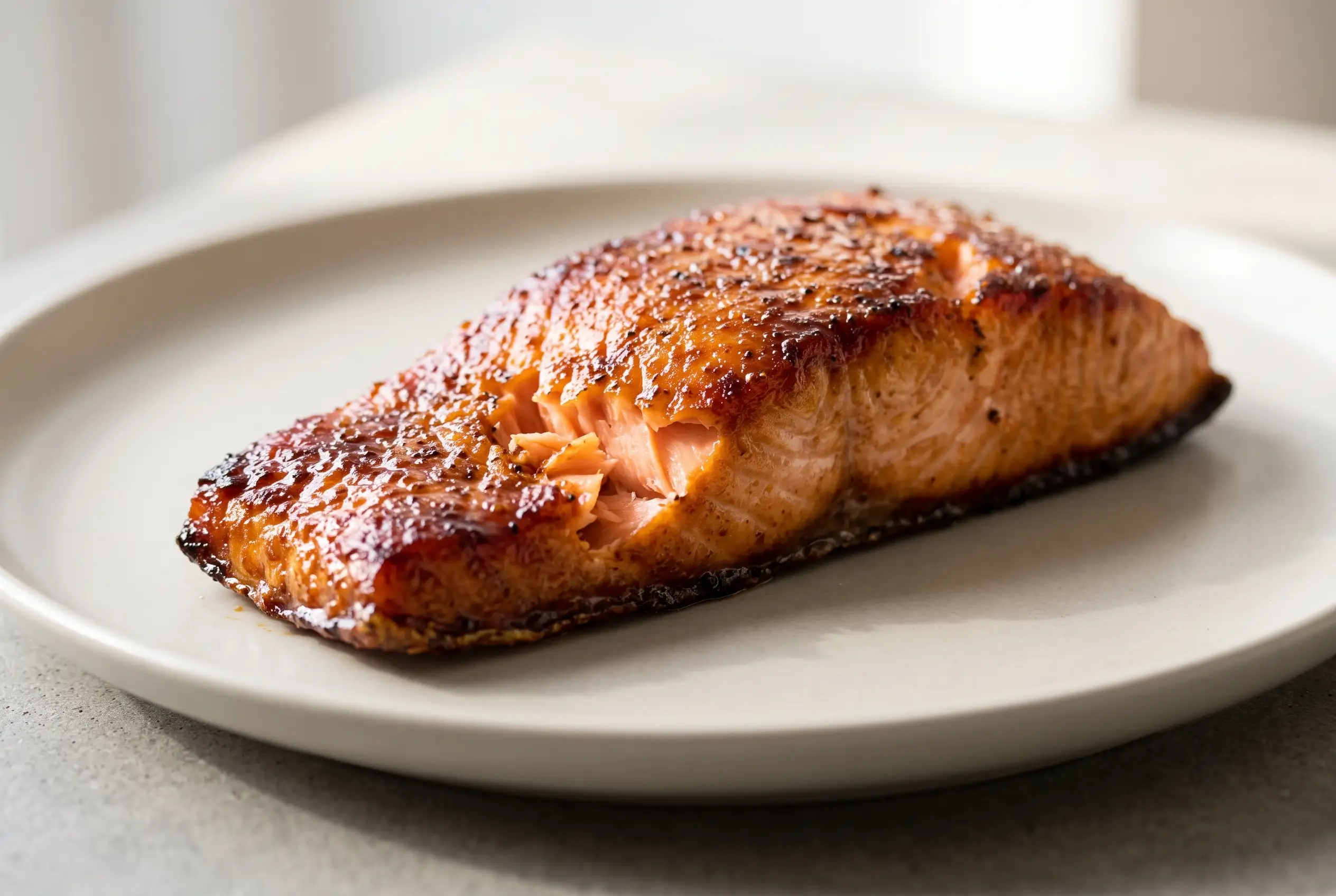
Caramelized salmon creates a striking balance between a savory fish fillet and a deeply browned sugar crust. The combination of sugar, salt, black pepper, and careful skillet heat transforms the outside of the salmon into a glossy, flavorful coating while the interior stays rich and tender. Unlike many salmon preparations that rely on sauces or marinades, this approach focuses on the surface reaction that happens when seasoning meets controlled heat.
Caramelized Salmon Brings Sweet Savory Contrast to Weeknight Fish
The appeal of caramelized salmon comes from the way a simple coating changes the character of the fish. Sugar browns during cooking and develops toasted notes, while salt sharpens the natural richness of salmon and black pepper adds a small amount of spice. The result is a dish where the outside carries concentrated flavor and the inside remains the main focus.
A sugar crusted salmon preparation requires attention because sugar reacts quickly when exposed to heat. The skillet temperature, the amount of oil, and the position of the salmon all influence whether the crust becomes golden or overly dark. Keeping the heat moderate gives the seasoning time to transform without losing control of the surface.
The skin-on salmon pieces used for this style of cooking provide useful support during searing. The skin helps the fillets stay intact as they are moved, flipped, and finished under high heat. Once cooked, the deeply browned skin separates easily, leaving the caramelized coating on the salmon itself.
Sugar Crust Creates the Signature Salmon Finish
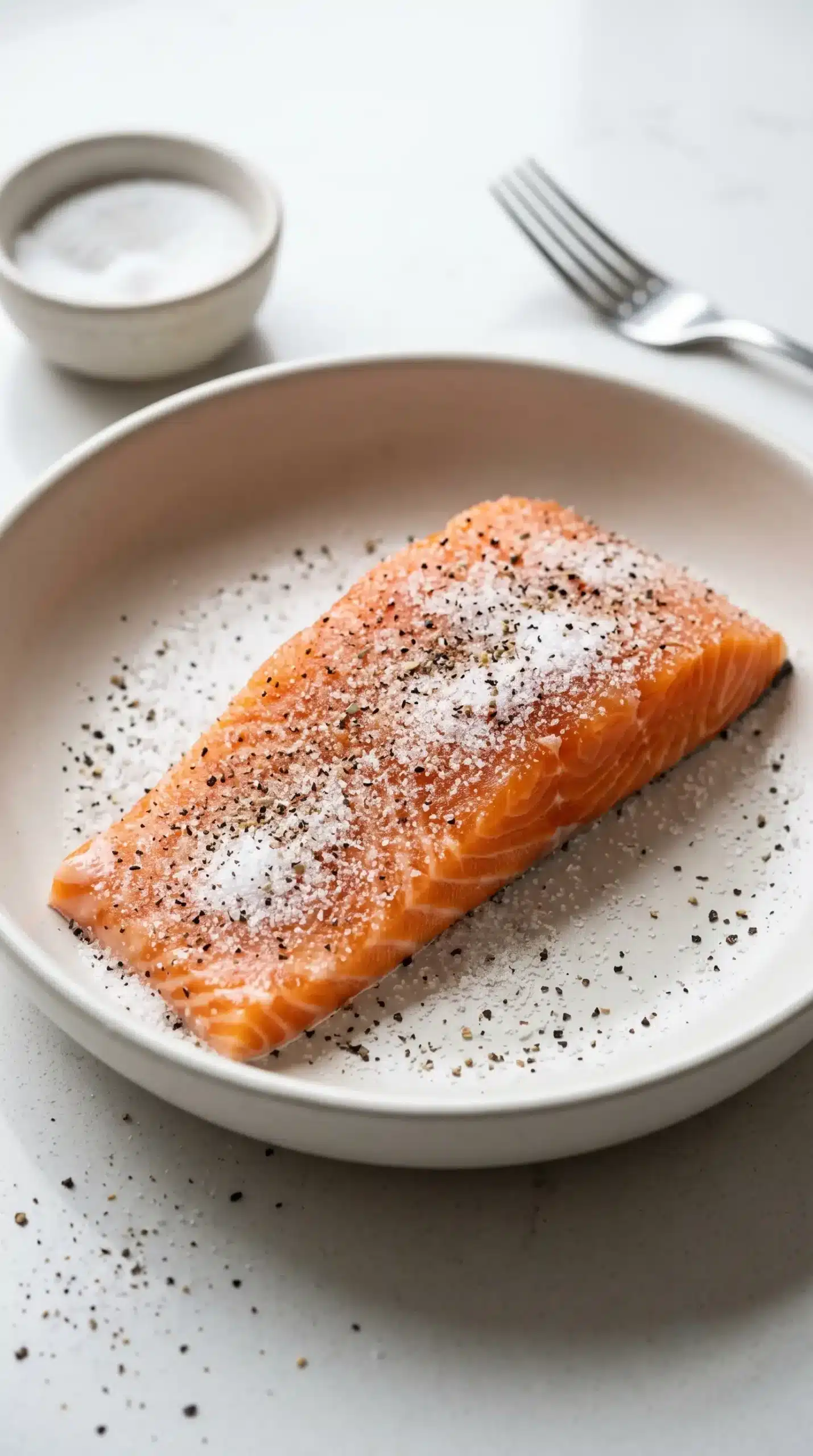
The defining feature of this caramelized salmon recipe is the seasoned crust that forms around the fish. Sugar does not simply sweeten the salmon; it changes during cooking and creates a browned exterior with a concentrated flavor. A thin layer of seasoning creates the surface transformation, with techniques such as a brown sugar spice coating showing how sweetness and savory seasoning can shape the exterior of salmon.
- Browned exterior: The sugar develops color and toasted flavors as it cooks.
- Balanced seasoning: Salt and pepper prevent the sweetness from becoming one-dimensional.
- Protected interior: Careful heat keeps the fish from drying while the crust develops.
Salt Balance Shapes the Caramelized Salmon Coating
The seasoning mixture depends on a careful relationship between sugar and salt. Regular table salt behaves differently from coarse salt because the crystals distribute differently across the salmon surface. Adjusting the salt texture helps create a more even coating and prevents isolated salty areas.
| Seasoning choice | Cooking effect | Best consideration |
|---|---|---|
| Fine table salt | Spreads quickly across the surface | Use a measured amount because small crystals season efficiently |
| Coarse salt | Creates larger seasoning particles | Pulse briefly to make the texture more suitable for coating |
| Freshly crushed black pepper | Adds aroma and gentle heat | Keep the amount restrained so it supports the crust |
Choosing Salmon Skin for Better Pan Control
Skin-on salmon is especially useful for pan searing because the skin provides structure while the fish cooks. The fillet can be placed into the skillet with less risk of breaking apart, which matters when the sugar coating begins to stick and brown.
Heat Management Protects the Sugar Crusted Salmon Surface
Heat control determines whether the outside becomes beautifully caramelized or moves too quickly toward burning. Sugar can darken faster than the salmon cooks, so a moderate skillet temperature gives the fish enough time to develop color without creating excessive smoke or harsh flavors.
Sugar develops its browned flavor through the sugar caramelization process, which requires attention because the surface can move from golden to burnt quickly when heat becomes difficult to control.
Several observations help guide the cooking process. The oil should be hot enough for the salmon to begin searing, but aggressive splattering signals that the pan may need a temperature adjustment. If excess oil or dark sugar collects in the pan, removing some of it can help maintain a cleaner cooking environment.
The pan used for pan seared caramelized salmon should allow steady contact between the fish and the cooking surface. A large nonstick skillet works well because it makes turning the fillets easier while protecting the delicate crust during movement.
Pan Searing Caramelized Salmon Requires Careful Timing
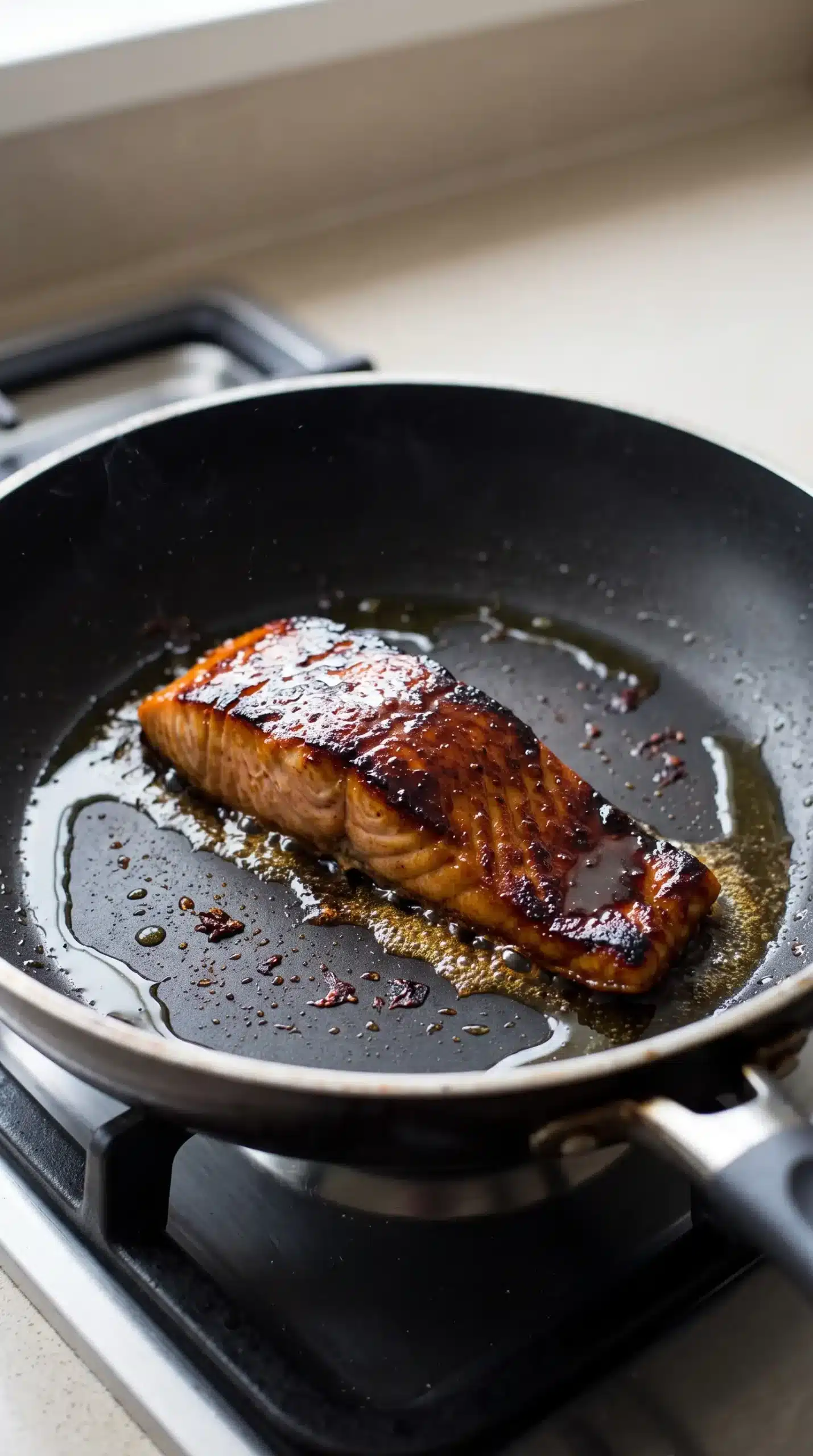
The stovetop stage builds the foundation of the crust. The fish needs enough contact with the skillet to brown the seasoned surface while remaining easy to handle. Turning the salmon carefully preserves the skin and keeps the fillet together during the transition between sides.
Thicker fillets may benefit from additional contact on their edges because those areas can hold more moisture and require more time to develop color. Watching the appearance of the fish is more reliable than forcing a fixed visual result, since salmon pieces naturally vary in size.
The cooking process continues in the oven, where the additional sugar seasoning on top can brown into a deeper finish. Checking the salmon during this stage prevents the sugar from progressing beyond a useful caramelized layer.
Caramelized Salmon Mistakes That Ruin the Sugar Crust
Several common mistakes can interfere with the distinctive finish of caramelized salmon. Each issue comes from the relationship between sugar, heat, and handling rather than from complicated preparation.
- Excessive heat: Very high temperatures can darken sugar before the salmon has enough time to cook properly.
- Rough flipping: Turning the fish too forcefully can damage the crust or separate the fillet.
- Ignoring pan buildup: Too much dark sugar or oil in the skillet can make cooking harder to control.
- Eating immediately: Freshly cooked sugar remains extremely hot and needs a short cooling period before serving.
Broiler Finishing Changes the Texture and Color
The oven finishing stage gives caramelized salmon its deeper color and additional crust development. The top seasoning receives direct heat, allowing the surface to become more golden and visually appealing.
Because sugar can burn quickly, frequent observation matters during broiling. The darker appearance of sugar in the pan does not automatically mean the salmon surface has failed. The important sign is the color and condition of the coating on the fish.
Serving Ideas Highlight the Caramelized Salmon Flavor
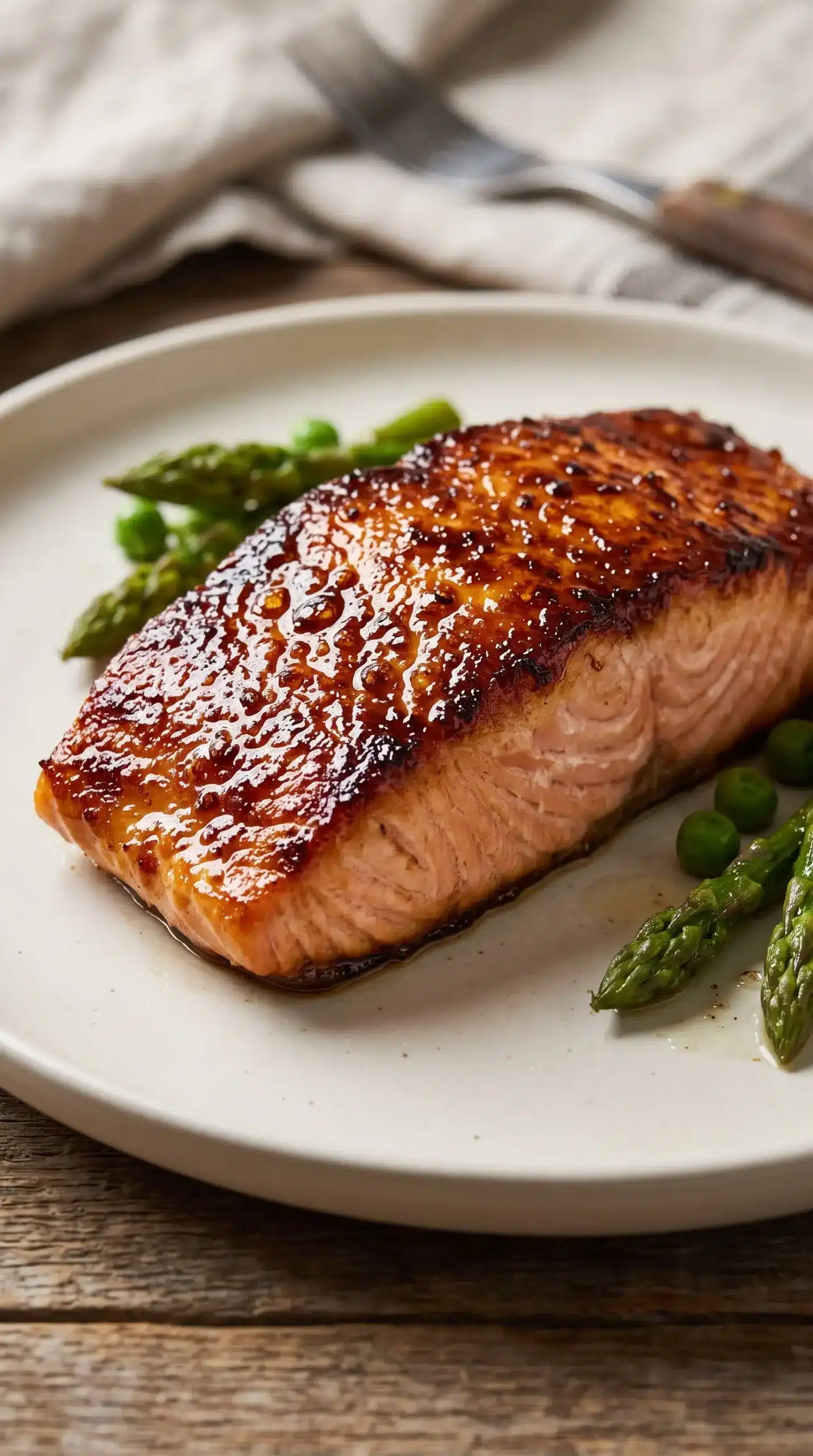
The sweet-savory crust makes this salmon flexible enough for simple meals. Side dishes with mild flavors allow the browned exterior to remain noticeable, while fresh vegetables or grains can provide contrast to the richness of the fish.
Adjustments for Different Salmon Filet Sizes
Salmon pieces do not all cook identically. A thinner filet may reach the desired finish quickly, while a thicker piece may need more attention around the sides and center. The seasoning approach stays the same, but the cook should rely on the appearance and texture of the fish.
Keeping the skin attached during cooking helps with different filet sizes because it creates a stable base. Once the fish has finished cooking, the darkened skin can be removed easily if it is not part of the serving preference.
Storing and Reheating Leftover Caramelized Salmon
Leftover caramelized salmon should be handled gently because reheating can affect both the fish texture and the sugar crust. Slow warming methods are generally more suitable for preserving moisture and avoiding a tough interior.
| Situation | Recommended approach | Reason |
|---|---|---|
| Chilled leftovers | Warm gently until heated through | Helps protect the salmon texture |
| Extra crusted surface | Handle carefully when moving | Keeps browned areas attached |
| Uneaten portions | Store promptly in a covered container | Maintains quality for later use |
Understanding the Sweet Crust Ingredient Choice
The sugar coating works because it is paired with savory seasoning instead of used alone. Sugar creates browning potential, while salt and pepper keep the flavor focused on the salmon. The combination demonstrates how a small number of ingredients can create a more complex surface.
Freshly crushed black pepper is particularly useful here because its aroma remains noticeable against the sweetness of the crust. The seasoning is intentionally simple, allowing the salmon’s natural flavor and the browned exterior to remain clear.
Avoiding Moisture Problems Before Cooking
Moisture on the salmon surface can interfere with the seasoning coating and the browning process. A drier surface allows the sugar mixture to stay attached and gives the skillet better contact with the fish.
Handling the salmon carefully before it reaches the pan also helps preserve the coating. Pressing the seasoned side into the skillet creates the contact needed for browning, while unnecessary movement can disturb the developing crust.
Caramelized Salmon Reaches Its Best Finish Through Controlled Browning
The salmon develops its strongest flavor when the sugar coating has enough time to brown while the fish remains protected from excessive heat. The contrast between the golden crust, savory seasoning, and rich interior defines the dish’s character.
Controlled browning turns a straightforward salmon preparation into a dish built around texture and contrast. Careful heat, gentle handling, and attention to the sugar surface create the conditions for a balanced caramelized salmon finish.
Caramelized Salmon Questions About Sugar Crust Handling
Why does the sugar crust turn dark during cooking?
The sugar naturally changes color as it heats and develops deeper toasted flavors. The appearance of dark sugar in the pan is not the same as the condition of the salmon surface, so the fish coating should be the main point of observation.
Can caramelized salmon be made without the skin?
The recipe is designed around skin-on salmon because the skin helps hold the fillet together during cooking. Skinless pieces can require more careful handling because the fish has less support while being turned.
How can the seasoning coat stick better to the salmon?
A clean, dry surface helps the sugar mixture make better contact with the fish. Pressing the salmon into the coating before cooking encourages an even layer across the exposed sides.
Why should the skillet heat stay moderate?
Moderate heat gives the salmon time to cook while allowing the sugar to brown gradually. Higher heat increases the chance that the coating becomes overly dark before the fish reaches the desired finish.
Caramelized Salmon with Sweet Savory Sugar Crust and Skin
Caramelized Salmon is a sweet-savory salmon dish with a glossy, deeply browned sugar crust and tender interior. It is an easy choice for a flavorful weeknight meal when you want a simple preparation with impressive texture and contrast.
Ingredients
Method
Preparation
- Mix the sugar, salt, and black pepper in a shallow bowl. Coat all surfaces of each salmon filet with the seasoning mixture.
Cooking
- Warm a small amount of olive oil in a large nonstick skillet over medium heat. Place the salmon in the skillet skin side down and cook for about 5 minutes. Remove excess oil or dark sugar buildup from the pan if needed, and reduce the heat if splattering occurs.
- Turn each salmon filet carefully while keeping the skin attached. Cook for another 2-3 minutes, then cook the sides for an additional 2-3 minutes if the filet is thick enough.
Broiling
- Preheat the broiler to 450°F (232°C). Add 1-2 teaspoons of the remaining sugar and salt mixture to the top of each salmon filet.
- Move the skillet from the stovetop to the oven and broil the salmon for 5-10 minutes, checking regularly to prevent burning. Remove the salmon from the oven and let it cool for a few minutes before serving.
- Carefully remove the skin before eating; it should peel away easily after becoming deeply caramelized.
Notes
If using regular table salt, begin with just 1 tablespoon and add more salt as needed.