From breakfast to dinner, from healthy meals to sweet desserts – Next Yum Recipes brings you quick, simple and tasty ideas for every occasion and every time.


 This Recipe
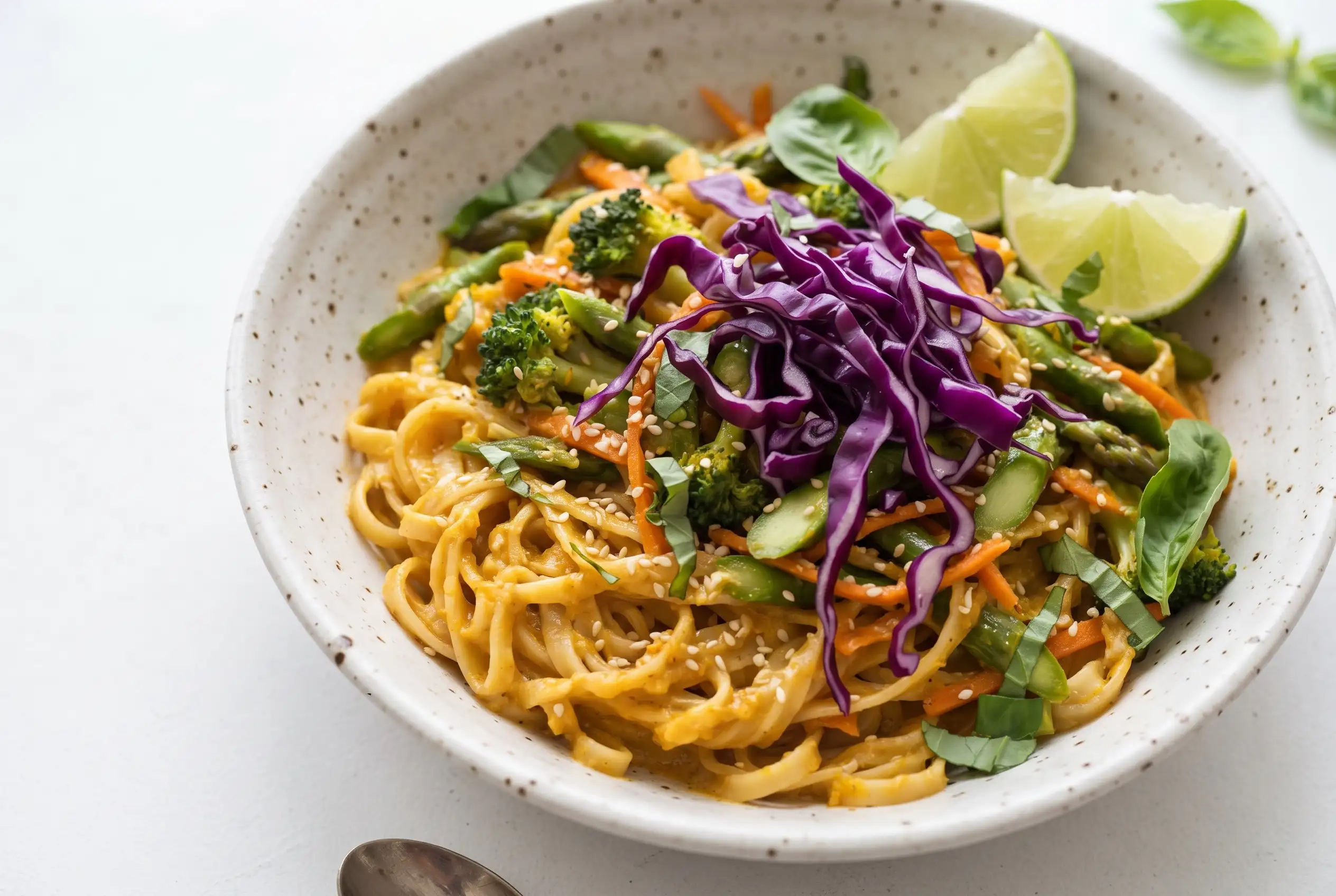
Coconut curry noodle bowls bring together silky coconut sauce, springy rice noodles, colorful vegetables, and layers of savory heat in a meal that feels both comforting and fresh. The combination works because the creamy curry base coats each noodle while crisp vegetables and bright toppings keep every bite balanced.
Coconut Curry Noodle Bowls Balance Creamy Sauce With Fresh Vegetables
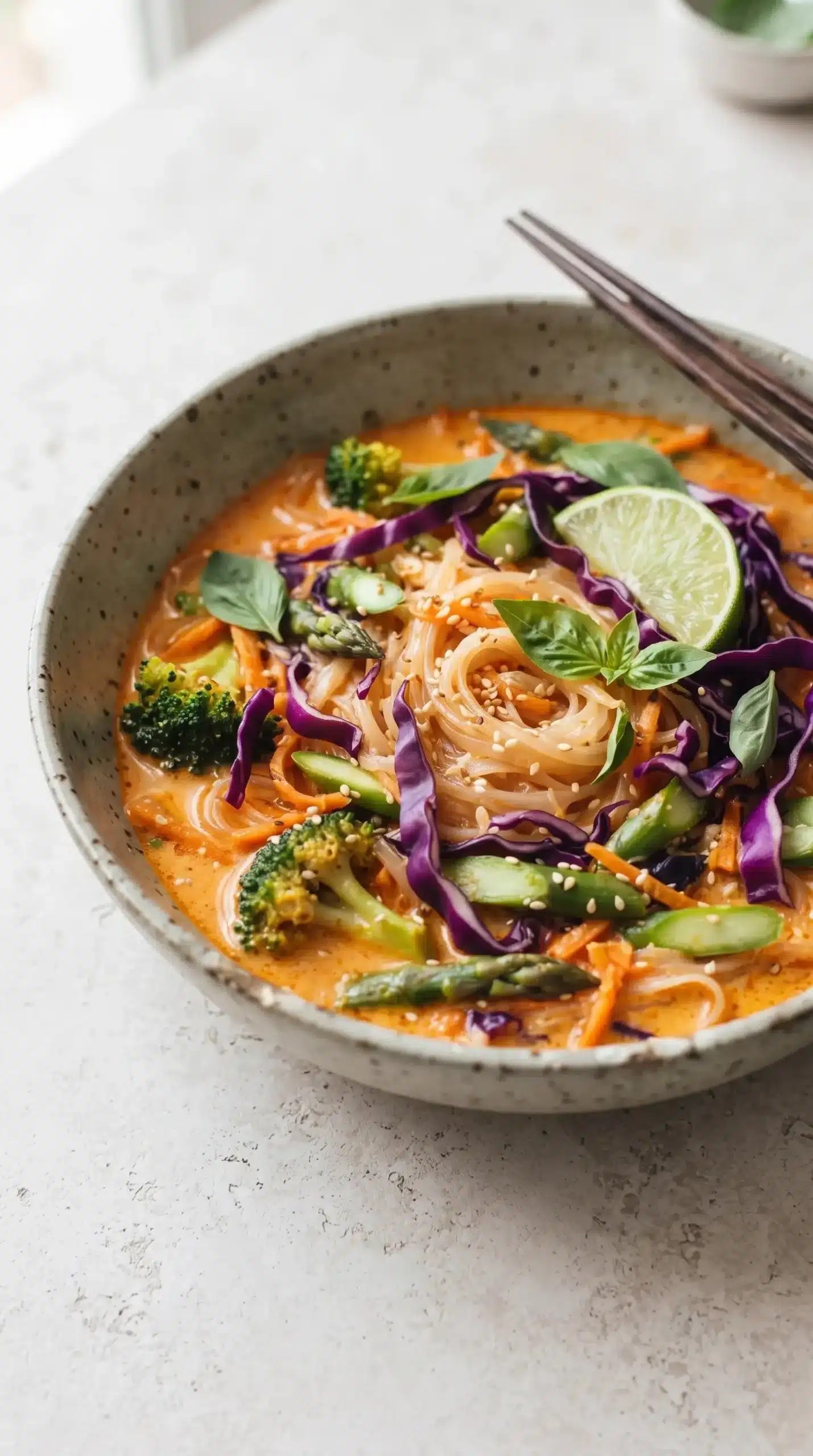
The appeal of coconut curry noodle bowls comes from the contrast between textures. Soft noodles carry the rich sauce, while broccoli, asparagus, carrots, and purple cabbage create different levels of crunch and freshness. Each part remains noticeable, making the bowl satisfying without relying on a heavy finish.
The curry sauce develops its flavor through a combination of red curry paste, coconut milk, ginger, shallots, and savory seasonings. The mixture creates a smooth coating that works especially well with rice noodles because the noodles absorb the flavors without needing a complicated preparation.
Vegetable-packed meals often depend on timing, and these coconut curry noodles with vegetables are no exception. Keeping the vegetables bright and adding the sauce near the end helps preserve their texture so the bowl feels lively instead of soft throughout.
Red Curry Paste Shapes the Sauce Character in This Noodle Bowl
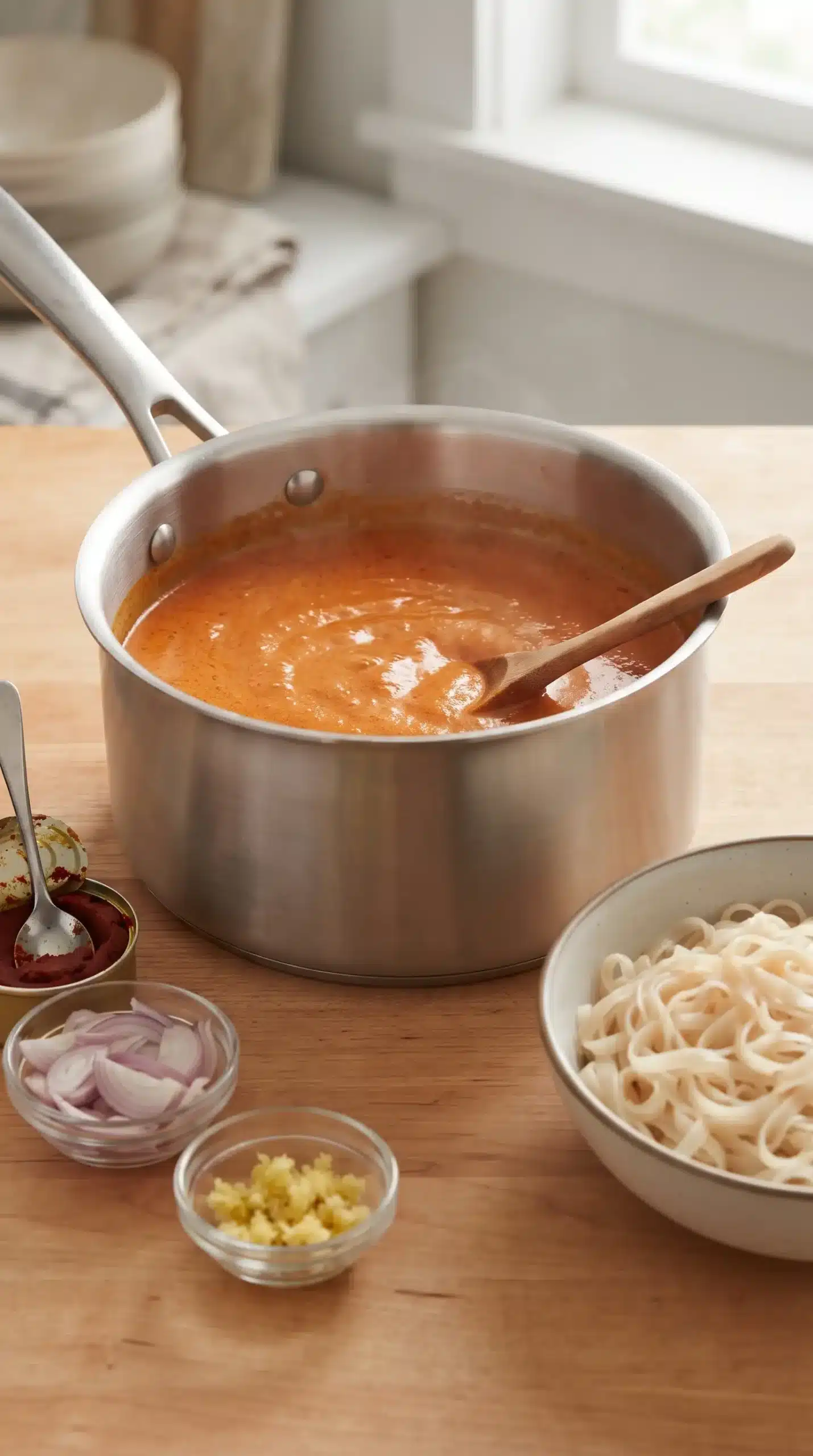
Red curry paste is the ingredient that most strongly defines the sauce direction. It brings aromatic spices, color, and heat in one concentrated addition, allowing the coconut milk to become a flavorful base without requiring a long ingredient list.
Fresh ginger and shallots support the curry paste by creating a fragrant foundation before the coconut milk is added. The short stir-frying stage helps release their aromas and gives the sauce a deeper starting point.
The balance of salty, sweet, spicy, and creamy flavors comes from the way the sauce ingredients work together. Fish sauce and soy sauce add savory depth, sugar rounds the edges of the spice, and chili paste lets cooks adjust the warmth according to preference.
| Sauce adjustment | Result in the bowl | Best use |
|---|---|---|
| Add broth | Looser, more soup-like consistency | When a spoonable curry finish is preferred |
| Skip broth | Thicker, velvety coating | When noodles should carry a concentrated sauce |
| Add more chili paste | More noticeable heat | For diners who enjoy a spicier bowl |
Rice Noodle Texture Depends on Early Soaking Choices
Rice noodles benefit from being softened before they meet the hot skillet. Starting the soaking process early gives them time to become flexible, which helps prevent uneven cooking and keeps the noodles from becoming difficult to toss with the vegetables and sauce.
Vegetable Cuts Keep Coconut Curry Noodles Bright and Balanced
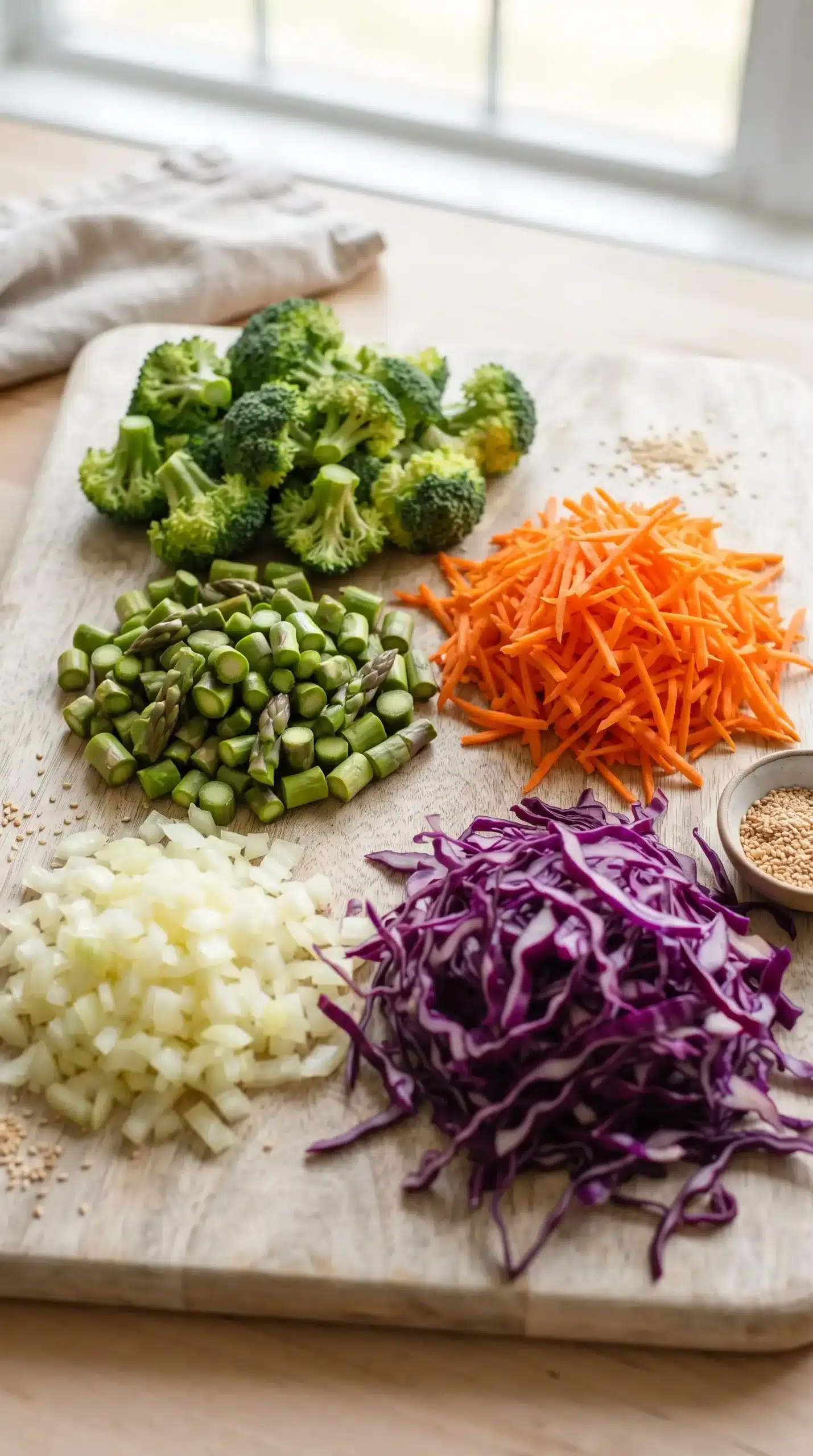
The vegetables in these bowls are selected for more than color. Broccoli and asparagus provide a fresh bite, carrots add natural sweetness, and purple cabbage creates a crisp finishing element that contrasts with the creamy curry sauce.
Cutting the vegetables into manageable pieces helps them cook at a similar pace. The goal is to keep the broccoli and asparagus vibrant while allowing the carrots and onion to soften enough to blend with the noodles.
A handful of vegetables also makes the dish adaptable. The same curry foundation can support different combinations as long as the replacements maintain a balance of textures and do not overwhelm the noodles.
- Bright vegetables: broccoli, asparagus, and cabbage help keep the finished bowl fresh.
- Sweet elements: carrots and a small amount of sugar soften the stronger curry flavors.
- Fresh finishes: lime and basil add a lighter contrast after cooking.
A Simple Sauce Choice Changes the Bowl’s Finish
The amount of liquid in the curry sauce changes the way the noodles eat. A broth addition creates a looser curry texture, while leaving it out produces a thicker sauce that clings closely to the noodles and vegetables.
Coconut Curry Noodle Bowls Avoid These Common Mistakes
Overcooking the noodles is one of the easiest ways to lose the texture that makes coconut curry noodle bowls enjoyable. Once the noodles are combined with the sauce, they only need enough time to come together because extended cooking can make them sticky.
Another common mistake is adding the curry paste without giving it time to cook with the aromatics. Briefly stir-frying the paste with shallots and ginger follows the same principle as blooming spices in oil, helping release aromatic compounds before the liquid ingredients are introduced.
Using too much heat during the vegetable stage can also change the final texture. The vegetables should remain colorful and crisp enough to contrast with the creamy sauce instead of becoming indistinguishable from the noodles.
- Watch noodle texture: combine noodles and sauce carefully so they stay springy.
- Respect sauce thickness: allow extra simmering time if added broth makes the curry thinner.
- Balance seasoning: adjust chili paste or soy sauce gradually to match personal taste.
Broth Amount Controls the Curry Consistency
The optional broth addition gives cooks control over the final texture. Including it creates more sauce for a curry-style bowl, while skipping it keeps the mixture closer to a glossy noodle coating.
Fresh Toppings Bring Contrast to Red Curry Coconut Noodle Bowls
The toppings are small additions that have a noticeable effect on the finished dish. Sesame seeds add a subtle crunch, lime brightens the creamy sauce, and basil contributes a fresh herbal note that lifts the richer flavors.
Red curry coconut noodle bowls benefit from finishing ingredients because the sauce itself is warm and concentrated. A fresh element at serving time prevents the overall flavor from feeling one-dimensional.
The toppings can also help personalize each serving. Diners who prefer extra brightness can add more lime, while those who enjoy more texture can increase the sesame seeds or fresh vegetable garnish.
Cooking Control Preserves Tender Noodles and Smooth Sauce
Successful cooking depends on recognizing when each part has reached the right stage. The sauce should become slightly thicker during simmering, while the vegetables should remain colorful after their quick stir-fry.
The skillet stage requires attention because noodles, vegetables, and sauce come together quickly. Tossing everything until combined distributes the curry flavor without giving the noodles too much time to absorb excess moisture and soften further.
Good texture comes from separation of tasks. Preparing the sauce, vegetables, and noodles with their own timing allows each component to contribute its intended quality when the bowl is assembled.
Vegetarian Coconut Curry Noodles Adapt Easily With Smart Swaps
Vegetarian coconut curry noodles can be made by checking that the curry paste is vegetarian and replacing the fish sauce with a vegan alternative or additional soy sauce for savory balance. A coconut-based curry foundation can support hearty additions such as coconut curry with chickpeas and vegetables, while the creamy sauce and fresh vegetables remain the foundation of the meal.
Serving Ideas Make the Bowl Work Beyond Dinner
Coconut curry noodle bowls fit naturally into casual meals because the components can be served together in one dish. The combination of noodles, vegetables, and sauce creates a complete-feeling bowl without needing complicated additions.
The recipe also works well for different preferences at the table. Some servings can include extra chili paste for more heat, while others can stay closer to the mild curry flavor created by the base sauce.
When planning portions, the balance of sauce and noodles matters most. A generous coating keeps the rice noodles enjoyable, while enough vegetables maintain the contrast that makes the bowl feel fresh.
Storage and Reheating Choices Protect the Noodle Texture
Cooked noodle dishes are best handled carefully after serving because rice noodles can continue absorbing moisture over time. Keeping portions properly stored and reheating gently can help maintain a better texture when enjoying leftovers.
Coconut Curry Noodle Bowls Bring Together Sauce Texture and Heat
Coconut curry noodle bowls succeed when the creamy sauce, tender noodles, and crisp vegetables remain in balance. The most important cooking judgment is protecting the texture of each element while allowing the red curry flavors to blend smoothly.
The combination of adjustable spice, flexible vegetables, and a rich coconut base makes the dish practical for different preferences. Small choices, such as the amount of broth or finishing toppings, determine whether the result is a thick noodle coating or a more spoonable curry.
Coconut Curry Noodle Bowl Questions About Spice Sauce and Storage
Can coconut curry noodle bowls be made less spicy?
The spice level can be reduced by using less chili paste and choosing a curry paste with a milder heat level. Keeping the coconut milk, vegetables, and savory seasonings the same allows the sauce to stay flavorful without increasing the warmth.
Why do rice noodles become sticky in coconut curry noodles?
Rice noodles can become sticky when they spend too much time cooking after they have already softened. Combining them with the sauce only until everything is coated helps maintain a better texture.
Can I make vegetarian coconut curry noodles without fish sauce?
Yes, vegetarian versions can replace fish sauce with a vegan alternative or adjust the seasoning with additional soy sauce. The curry paste should also be checked to confirm it fits vegetarian or vegan needs.
How can I make the curry sauce more like a soup?
Adding the broth with the coconut milk creates a looser sauce that works well for a more spoonable curry consistency. Extra simmering may help the sauce reach the thickness you prefer.
What vegetables pair well with coconut curry noodles?
The vegetables in the bowl already create a strong combination, but similar quick-cooking vegetables can work if they provide contrasting colors and textures. The best choices are those that stay fresh and slightly crisp after cooking.
Coconut Curry Noodle Bowls with Red Curry Paste and Sauce
Coconut curry noodle bowls combine springy rice noodles with a creamy, flavorful curry sauce and fresh vegetables for a comforting meal with balanced texture and vibrant appeal.
Ingredients
Method
Preparation
- Place the rice noodles in a bowl of cold water and soak for at least 20 minutes until softened. Drain and rinse the noodles before using.
Cooking
- Warm 1 tablespoon of oil in a large saucepan. Add the shallots and ginger and stir-fry for 3-5 minutes.
- Add the red curry paste and cook for 1 minute while stirring.
- Pour in the coconut milk, sugar, chili paste, fish sauce, and soy sauce. Simmer for about 15 minutes until the sauce slightly thickens. If adding broth, include it with the coconut milk and allow additional simmering time as needed for the sauce to thicken.
- Heat the remaining 1 tablespoon of oil in a large skillet over high heat. Add the onion, carrots, broccoli, and asparagus, then stir-fry for about 5 minutes until the vegetables are bright and tender-crisp.
- Add the softened noodles to the skillet and toss with the vegetables. Pour in the sauce and mix just until combined to avoid over-softening the noodles.
Serving
- Top the noodle bowls with purple cabbage and sesame seeds, then finish with lime and fresh basil if desired.
Notes
For a more soup-like curry consistency, add the broth with the coconut milk. Leaving out the broth creates a thicker sauce that coats the noodles more closely. For a vegetarian or vegan version, use a suitable curry paste and replace the fish sauce with a vegan alternative or additional soy sauce as needed. Increase the chili paste or add extra heat to adjust the spice level.