From breakfast to dinner, from healthy meals to sweet desserts – Next Yum Recipes brings you quick, simple and tasty ideas for every occasion and every time.


 This Recipe
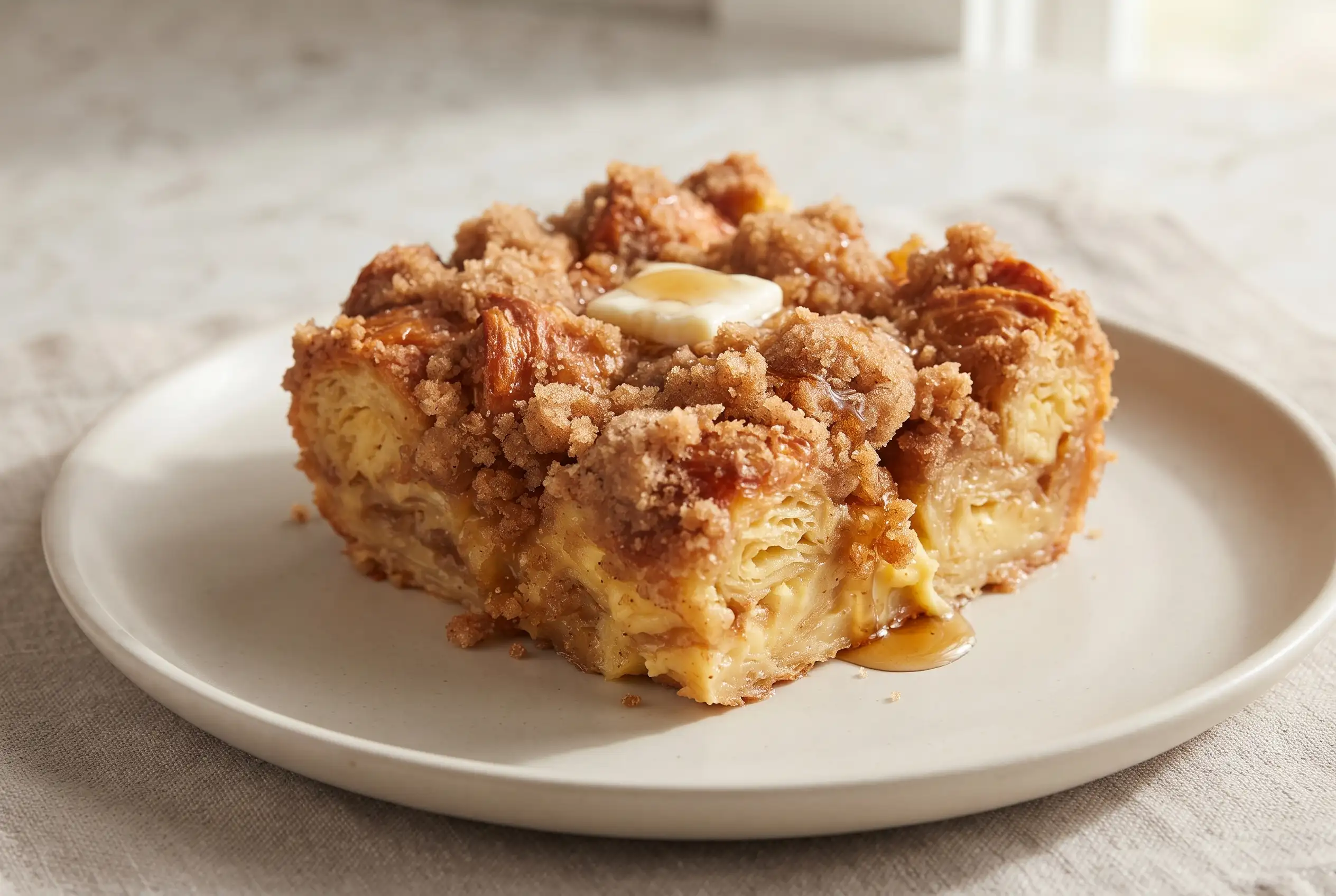
Croissant french toast transforms buttery pastries into a baked breakfast with a custard-soaked center, a cinnamon crumb topping, and a texture that sits between a soft bread pudding and a classic morning bake. Using croissants that have lost some freshness gives the dish a new purpose because their layered structure absorbs the egg mixture while keeping recognizable pieces throughout the pan.
Unlike ordinary bread-based versions, baked croissant french toast depends on how the pastry handles moisture. The open layers inside each torn piece create spaces for milk, eggs, yogurt, and vanilla to settle, while the browned exterior contributes contrast after baking. A short overnight rest helps those flavors move through the croissants before the oven sets the custard.
Baked Croissant Cinnamon French Toast Begins with Day-Old Croissants
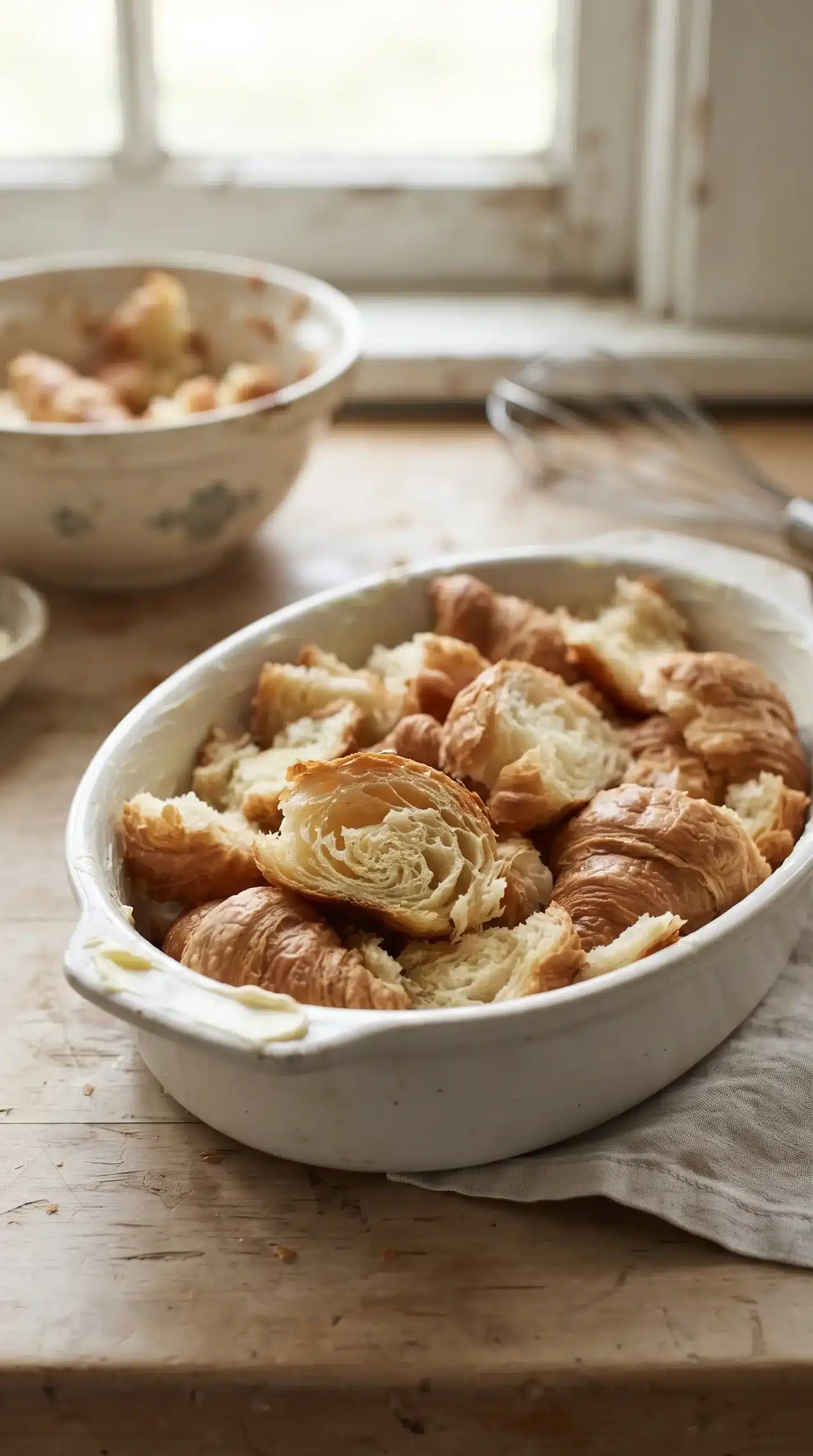
Stale croissants provide the foundation that makes this breakfast work. Fresh pastries contain more surface moisture and can become overly delicate when covered with custard, while slightly dried croissants have more capacity to absorb the mixture without immediately collapsing. The result is a baked dish with defined pieces and a creamy interior.
The way bread changes over time affects how it behaves in a soaked bake. Understanding how dry bread absorbs liquid helps explain why the condition of the croissants influences the final texture.
Croissant Texture Determines the Soaked Breakfast Finish
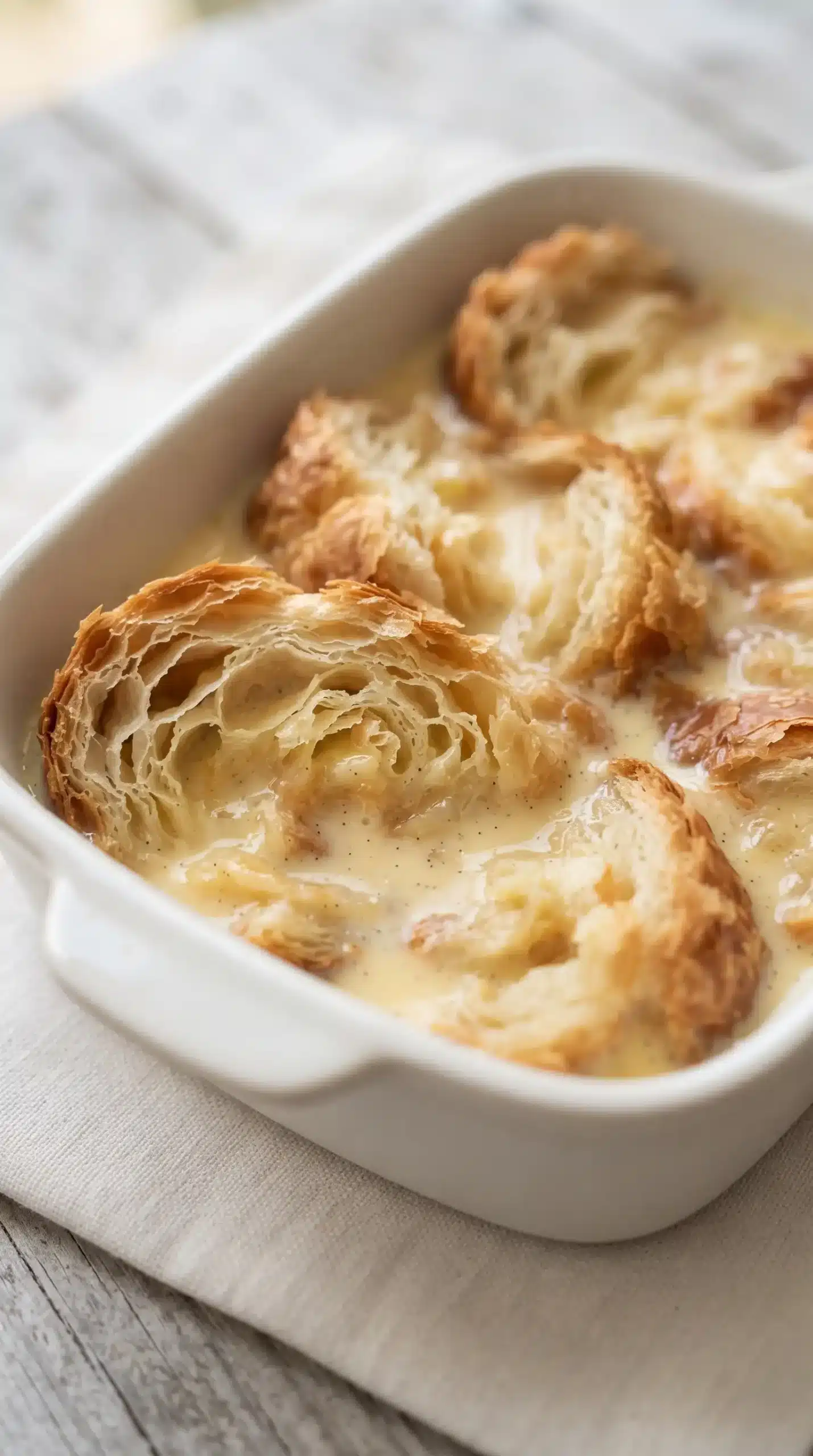
The condition of the croissants changes the character of the finished bake. Pieces that are a few days old maintain enough structure to hold the egg mixture, creating a balance between tender custard and flaky pastry layers. Tearing the croissants instead of cutting perfect cubes also preserves different textures throughout the dish.
Overnight Croissant French Toast Gains Flavor Through Resting
Resting time allows the custard mixture to move into the pastry layers gradually. The eggs and dairy create the set interior, while the vanilla and sugar become evenly distributed before baking. An overnight croissant french toast preparation also makes the morning cooking process easier because the soaking stage happens ahead of time.
Shorter resting periods can still work when there is less time available. A few hours in the refrigerator gives the croissants an opportunity to absorb moisture, although the texture may vary slightly because the center has had less time to soften.
Careful soaking matters because croissants have a layered crumb unlike standard sandwich bread. The pastry should absorb enough liquid to become tender, but it should still have visible structure when it goes into the oven. The balance between absorption and structure is what separates a rich breakfast bake from a soggy one.
Cinnamon Crumb Topping Shapes the Baked Surface
The topping creates a contrasting layer over the soft pastry base. A mixture of flour, brown sugar, cinnamon, salt, and cold butter forms small crumbs that melt and brown during baking, adding a lightly crisp finish that complements the custard underneath.
Croissant French Toast Ingredient Choices Improve the Texture
Several choices in the ingredient list influence how the finished breakfast feels when served. Greek yogurt joins the milk and eggs to create a richer custard texture, while the croissants remain the main structural element. Using a flavorful pastry means the supporting ingredients can stay simple while still producing a satisfying result.
Cinnamon deserves attention because it appears in the crumb topping and helps define the overall flavor. The spice level can be adjusted according to preference, but it should remain balanced with the sweetness from sugar, brown sugar, and maple syrup added after baking.
The topping ingredients require their own handling decisions. Cold butter should stay firm while being cut into the flour mixture because small pieces create crumbs that hold their shape before entering the oven. A properly prepared topping gives the baked croissant french toast a finished surface instead of a loose sugar layer.
- Pastry condition: Use croissants with reduced freshness so they can absorb custard while keeping their shape.
- Dairy balance: Combine milk and Greek yogurt to create a creamy mixture that supports the pastry.
- Spice placement: Keep cinnamon in the topping so its aroma reaches the surface during baking.
Baking Control Keeps the Center Properly Set
Oven control determines whether the dish reaches the preferred texture. The surface can appear finished before the middle has fully set, so the center needs attention during baking. A properly baked pan should have a tender interior without an undercooked custard layer.
Pan choice also affects how heat moves through the breakfast bake. A smaller baking dish, such as a loaf pan, creates a deeper arrangement of croissant pieces, which means the middle may need more attention than the browned top suggests.
Visual cues are useful, but they should be combined with checking the interior. The crumb topping may brown early because it is exposed directly to heat, while the soaked pastry underneath continues to cook. Allowing enough oven time helps the egg mixture fully set while preserving the soft texture that makes cinnamon croissant french toast appealing.
Serving Choices Bring Maple and Butter Together
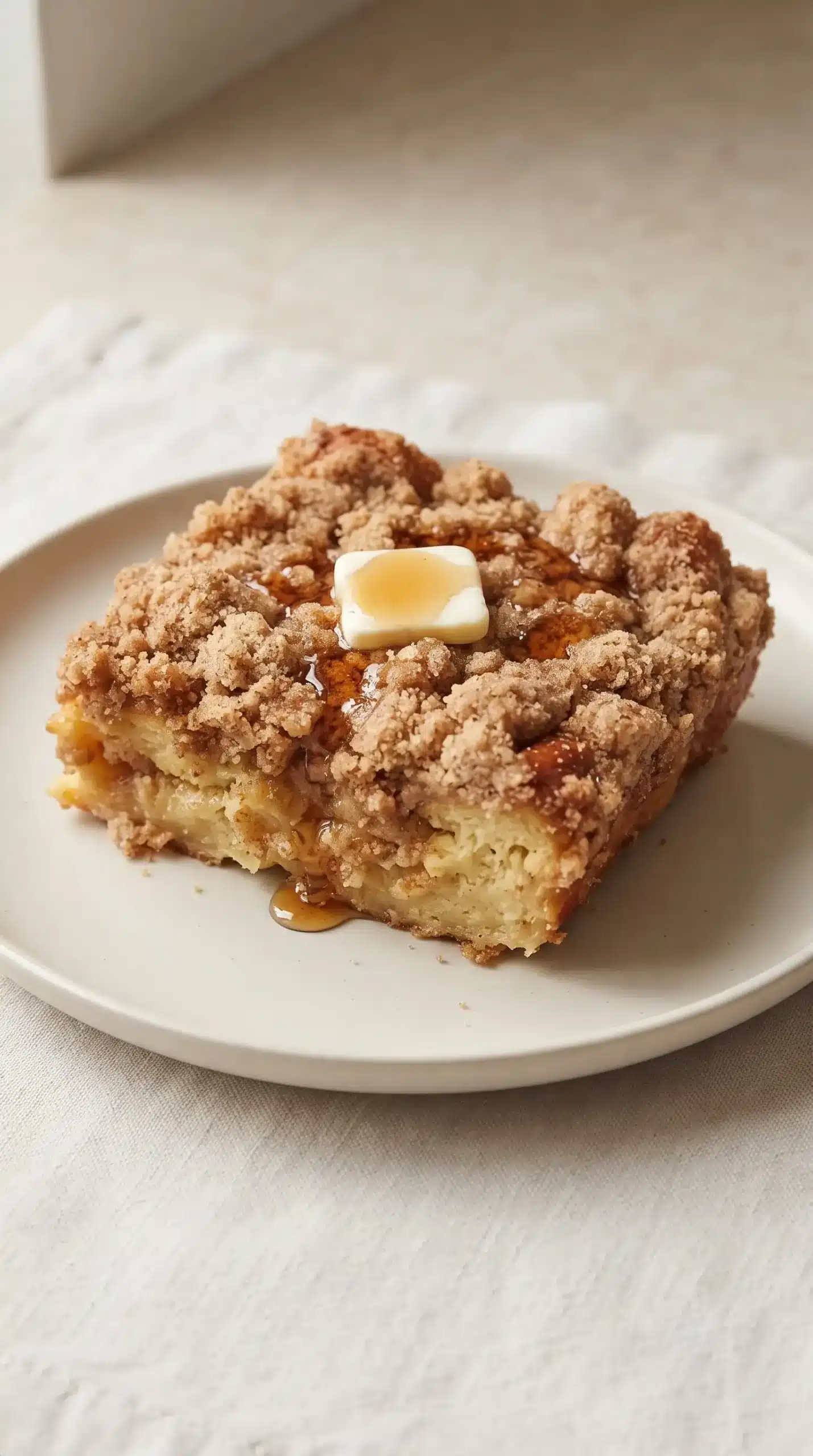
Warm slices pair naturally with a little butter and a drizzle of maple syrup. The toppings emphasize the cinnamon notes and add a finishing sweetness without changing the carefully balanced texture created during baking.
Baked Croissant Cinnamon French Toast Fits Different Breakfast Moments
The make-ahead nature of baked croissant french toast makes it useful for relaxed mornings when preparation can happen in advance. The combination of pastry, custard, and crumb topping gives it enough character for a special breakfast while still relying on familiar techniques.
Croissant French Toast Mistakes That Affect the Bake
Excessive soaking is one possible problem with croissant french toast. When pastry pieces absorb more liquid than their structure can handle, the finished center may become overly soft. Keeping the croissants slightly stale and allowing the custard to absorb gradually helps maintain a pleasant texture.
Another issue comes from judging doneness only by appearance. The crumb topping can brown before the interior is ready because it sits directly on top of the pan. Checking the center prevents a finished-looking surface from hiding a custard that still needs more baking.
Improper topping preparation can also change the final result. Warm butter blends too completely into the dry mixture, making a less distinct crumb. Keeping the butter cold and working it into small pieces creates the texture intended for the cinnamon finish.
| Common issue | What you may notice | Helpful adjustment |
|---|---|---|
| Fresh croissants used immediately | Pastry loses definition after soaking | Choose croissants that have dried slightly |
| Surface judged before center | Top looks ready while middle remains soft | Allow the interior to finish setting in the oven |
| Soft butter in topping | Crumbs do not form clearly | Use cold butter pieces when mixing |
Storage and Reheating Preserve the Croissant Texture
Leftover portions can be stored carefully to protect the contrast between the soft center and the topping. Keeping the bake covered helps prevent moisture loss, while gentle reheating helps bring back warmth without drying the pastry layers.
Reheating works best when the portion is warmed gradually. A hot blast of heat can firm the edges before the center becomes warm, so a moderate approach helps maintain the custardy texture.
Freezing is possible for many baked breakfast dishes, but the texture of croissants can change after freezing and thawing. For the best eating experience, prepare portions with the expectation that the flaky pastry character may be softer after storage.
Small Adjustments Create New Croissant French Toast Variations
Simple changes can shift the flavor while keeping the basic structure intact. Seasonal additions such as sliced fruit or extra cinnamon should be balanced so the croissants and custard remain the focus; a banana monkey bread with cinnamon sugar and white chocolate brings those flavors into a structured breakfast bake.
Comparing Breakfast Bakes Through Texture and Preparation
Different breakfast bakes rely on different foundations. Comparing their structures shows why croissants create a distinctive result in this style of dish.
| Breakfast bake style | Main texture | Preparation advantage |
|---|---|---|
| Croissant-based bake | Layered pastry with custardy sections | Uses older pastries effectively |
| Standard bread version | Even soft crumb | Provides predictable soaking |
| Cake-style breakfast bake | Uniform tender interior | Creates a consistent slice |
Preparing the Pan Influences the Finished Slices
Greasing the baking pan creates easier serving and helps the pastry pieces release after baking. Arranging the torn croissants evenly also encourages the custard to reach different areas so each portion contains a mix of soft pastry and cinnamon topping.
Balanced Croissant Layers Create the Best Baked French Toast Result
The croissant pieces determine the foundation of the finished bake because their layered structure controls how the custard settles. A thoughtful balance between soaking, topping preparation, and oven time produces a breakfast with a soft center and a distinct cinnamon surface.
Properly managed croissants turn a simple combination of pastry and custard into a dish where texture matters as much as flavor. The most important judgment comes from protecting the pastry structure while allowing enough moisture to create the signature baked croissant french toast experience.
Croissant French Toast Questions About Soaking and Storage
Can fresh croissants be used for croissant french toast?
Fresh croissants can be used, but slightly stale pastries usually provide a stronger structure because they absorb the custard without becoming as fragile. If using fresh croissants, handle the pieces gently and watch the texture during soaking.
How long should overnight croissant french toast rest before baking?
The croissants can rest overnight or for a shorter period of a few hours when needed. Longer resting gives the custard more time to move through the pastry layers, while shorter soaking still allows the dish to develop its flavor.
Why does the top of baked croissant french toast brown before the center?
The exposed topping receives direct oven heat while the soaked pastry underneath cooks more slowly. The browned surface is not always a sign that the entire pan is ready, so the interior needs to be considered before serving.
Can the cinnamon topping be prepared ahead of time?
The crumb mixture can be prepared before baking and kept cold so the butter remains firm. Keeping the topping chilled helps preserve the small crumb texture that creates the contrast on top of the finished dish.
What makes croissant french toast different from regular french toast?
Croissants bring a layered, buttery pastry structure that changes how the custard interacts with the bread. The result has a combination of flaky pastry character, creamy baked sections, and a cinnamon topping that differs from a standard slice of soaked bread.
Baked Croissant French Toast with Cinnamon Crumb Topping
Baked Croissant French Toast is a comforting breakfast bake with a creamy custard-soaked center and cinnamon crumb topping. It is perfect for a special morning when you want an easy, make-ahead pastry-based dish.
Ingredients
Method
Preparation
- Grease a small baking pan with butter. Tear the croissants into small pieces and arrange them in the pan.
- Whisk together the eggs, milk, Greek yogurt, sugar, and vanilla extract. Pour the mixture evenly over the croissant pieces, then cover and refrigerate overnight or for a few hours if needed.
Topping
- Combine the flour, brown sugar, cinnamon, and salt. Work the cold butter into the mixture using a food processor or your fingers until small crumbs form.
Baking
- When ready to bake, preheat the oven to 350°F (177°C). Sprinkle the crumb topping over the soaked croissant mixture in the pan.
- Bake for 30-45 minutes, depending on the desired softness or crispness. Check that the center is fully cooked before removing the French toast from the oven.
Serving
- Serve topped with butter and a drizzle of maple syrup.
Notes
The center should be fully set before serving, as the topping may appear finished before the inside is cooked.