From breakfast to dinner, from healthy meals to sweet desserts – Next Yum Recipes brings you quick, simple and tasty ideas for every occasion and every time.


 This Recipe
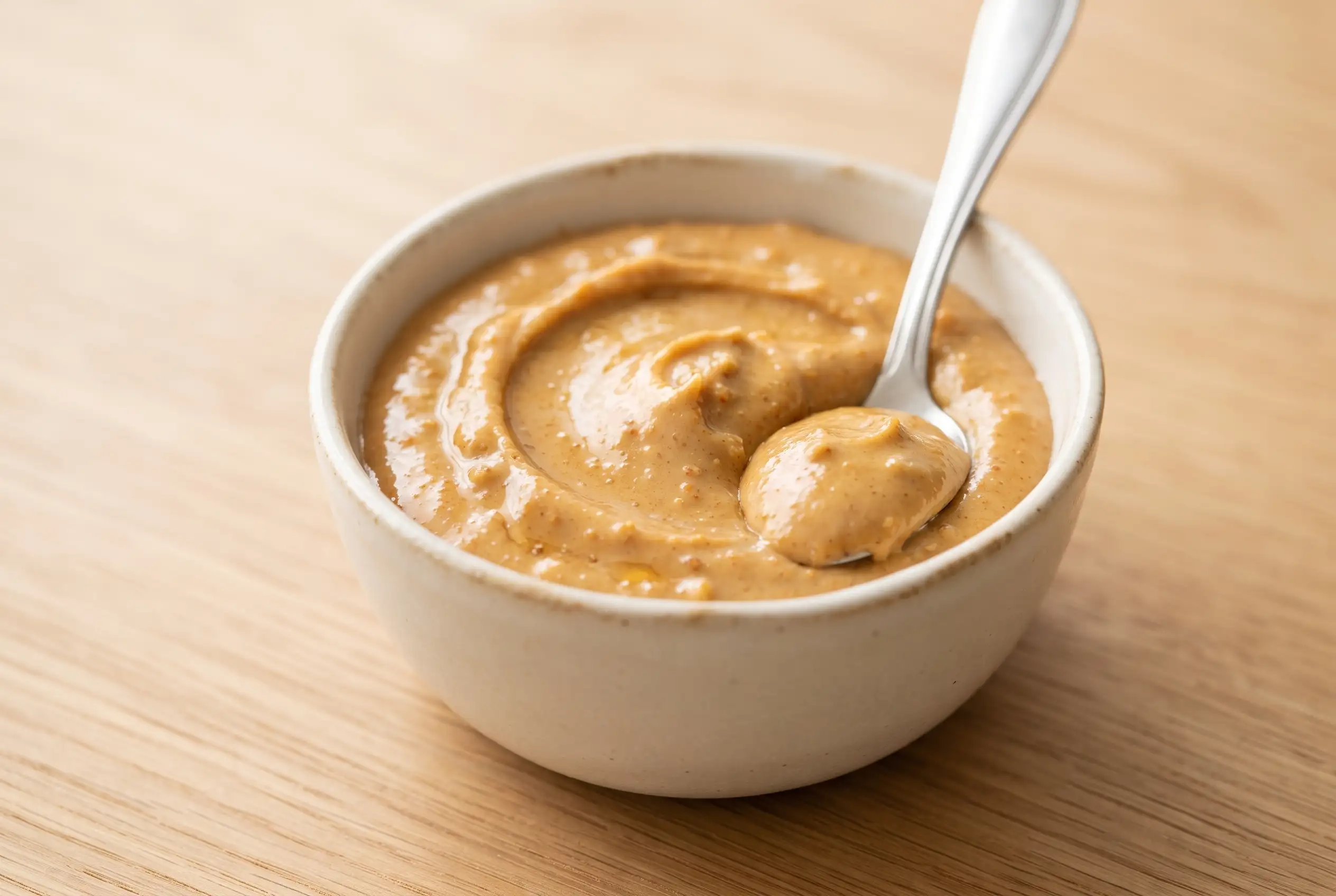
Homemade peanut butter turns dry roasted peanuts into a smooth, creamy spread with only a few simple additions. The process works because the peanuts naturally release their oils as they are processed, changing from a coarse mixture into the familiar texture people expect from peanut butter. Making peanut butter from scratch gives control over sweetness, salt, and consistency while keeping the focus on the roasted peanut flavor.
Homemade Peanut Butter Starts With Freshly Ground Flavor
Freshly prepared peanut butter has a direct connection between the starting ingredient and the finished spread. Dry roasted peanuts already contain the roasted character that defines the flavor, so the blending process mainly reveals and combines what is naturally present.
Many store-bought spreads include additional ingredients for texture, sweetness, or stability. An easy homemade peanut butter version keeps the choices simple, allowing the cook to decide whether the finished result should lean sweeter, saltier, or closer to the taste of roasted peanuts alone.
Creating peanut butter at home also makes the texture easier to understand. The smooth consistency does not appear immediately; it develops as the food processor continues working and the peanut pieces gradually become a cohesive mixture.
Dry Roasted Peanuts Shape Homemade Peanut Butter Texture
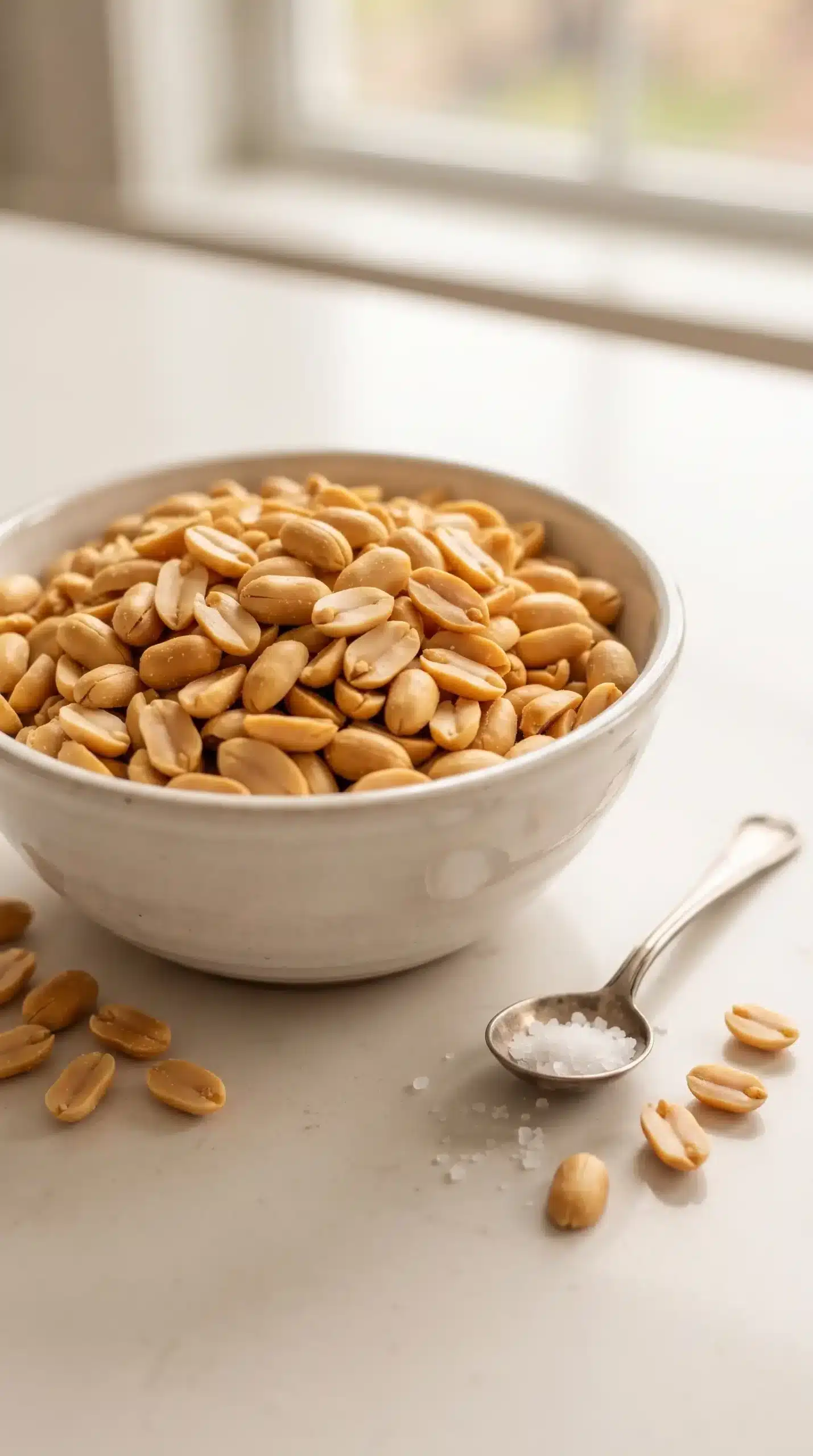
Dry roasted peanuts are the foundation of this spread because they provide both the peanut flavor and the natural oils needed for a creamy finish. The roasting process gives the peanuts a deeper taste that remains noticeable after blending.
Choosing the right starting ingredient matters because the food processor can only transform what goes into the bowl. Peanuts with a strong roasted flavor create a more pronounced spread, while the natural oils help the mixture move from crumbs toward a smoother texture.
- Peanut quality: Use dry roasted peanuts as the recipe specifies to maintain the expected flavor and texture.
- Sweetness level: Adjust honey or sugar based on the preferred balance between roasted and sweet flavors.
- Salt amount: Add salt gradually because the peanuts themselves may already have a noticeable savory character.
Food Processor Control Creates Smooth Peanut Butter
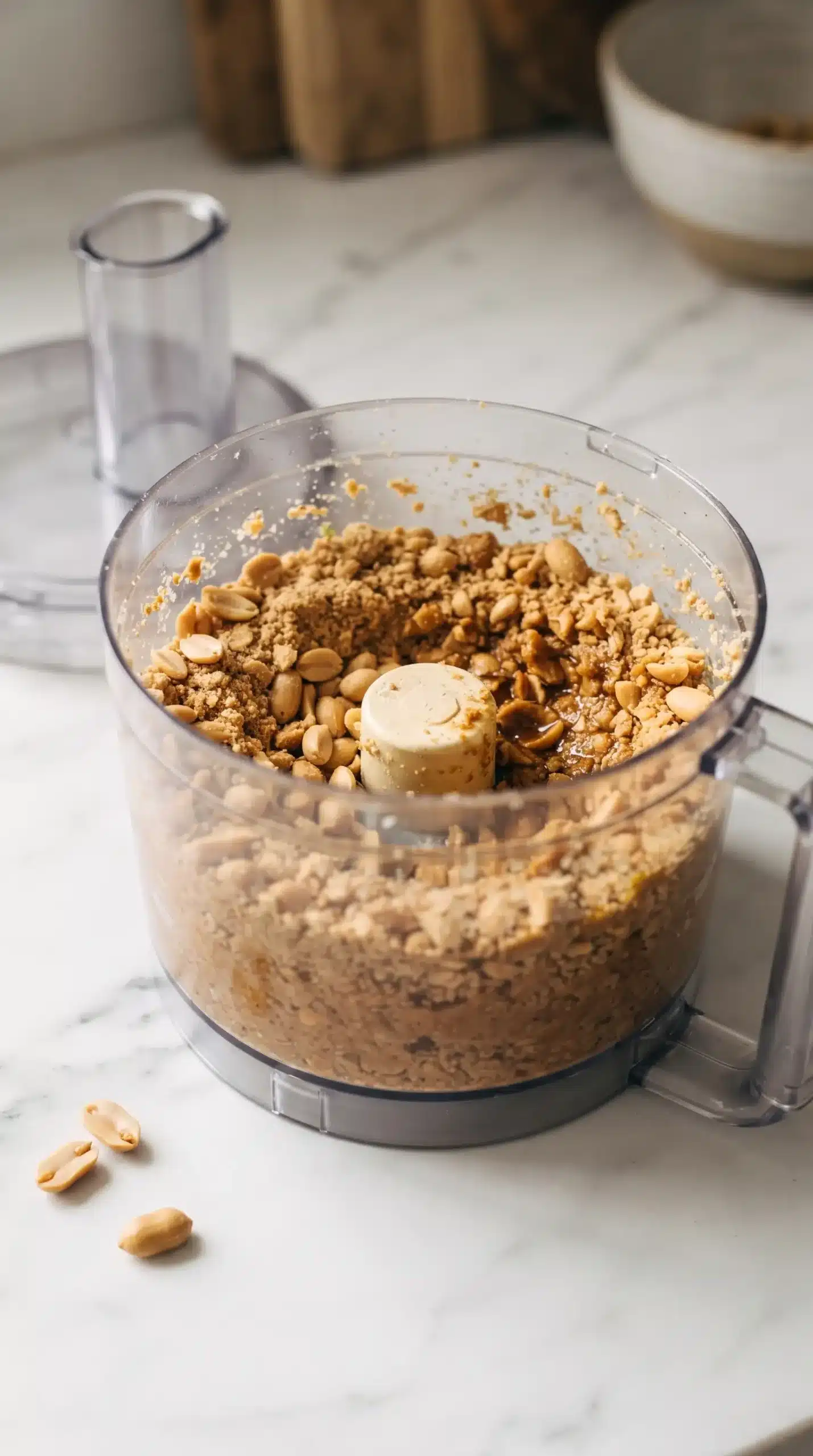
The food processor is the key tool for changing the peanuts into a spreadable mixture. Continuous processing breaks the pieces down while allowing the released oils to combine throughout the mixture, and longer processing creates a softer, creamier peanut butter texture.
Watching the texture during processing provides useful feedback. A cook can see when the mixture is still coarse, when it gathers into a thicker mass, and when it becomes smooth enough to resemble creamy peanut butter.
Patience with the machine matters because stopping too early leaves the peanuts in an unfinished stage. Allowing the processor to continue until the texture changes gives the spread its signature smooth consistency.
Ground Peanuts Reveal the Texture Transformation
Peanut butter from scratch is easy to understand when the visual changes are recognized. The peanuts do not jump directly from whole pieces to a finished spread; they move through several clear stages.
| Stage | What you notice | What it means |
|---|---|---|
| Crumbs | Small dry peanut pieces | The peanuts are breaking apart and beginning the transformation. |
| Dry ball | A thicker gathered mixture | The ground peanuts are combining before becoming smooth. |
| Creamy spread | A flowing, smooth texture | The peanut oils have blended throughout the mixture. |
Recognizing these stages helps prevent unnecessary changes during preparation. The appearance of a temporary thicker phase is part of the natural process and does not mean the spread has failed.
Honey Choices Change the Sweetness Balance
Honey or sugar gives homemade peanut butter a touch of sweetness while keeping the roasted peanut flavor present. The amount can be adjusted according to personal preference, making the spread flexible for different uses.
Honey blends into the creamy mixture easily and adds a distinct sweet note. Sugar can provide sweetness without adding the same flavor character, which may appeal when the peanut taste should remain more prominent.
Adding the sweetener after the peanuts have reached a smooth texture makes it easier to judge the finished balance. The mixture can then be stirred until the sweetness is evenly distributed.
Salt Adjustments Refine Homemade Peanut Butter Flavor
Salt has a small but noticeable effect on the overall taste of homemade peanut butter. A careful addition can highlight the roasted peanuts and create a more balanced spread.
Because salt preference varies, adding it to taste allows more control than relying on a fixed amount. A lightly salted version keeps the peanut flavor forward, while a stronger seasoning creates a more savory profile.
Storage Choices Keep Homemade Peanut Butter Ready
Homemade peanut butter can be stored in the refrigerator or kept at room temperature when it will be used quickly. The best choice depends on how often the spread is enjoyed and how long it needs to remain available.
Refrigeration can help keep the spread fresh for longer, while room temperature storage keeps the texture easier to spread. A clean container with a secure cover helps protect the peanut butter during storage.
| Storage choice | Texture experience | Useful when |
|---|---|---|
| Refrigerator | Firmer and less spreadable when cold | The peanut butter will be kept for a longer period. |
| Room temperature | Softer and easier to spread | The spread will be used quickly. |
| Covered container | Helps maintain quality | Any storage approach is being used. |
Common Mistakes Ruin Homemade Peanut Butter Texture
Small preparation choices can affect the finished spread. Avoiding common problems helps the food processor create the creamy result expected from homemade peanut butter.
- Stopping too soon: Ending the process before the mixture reaches the creamy stage leaves a thicker, less developed texture.
- Adding sweetness too early: Mixing in honey or sugar before the peanuts are smooth can make it harder to judge the texture change.
- Skipping texture checks: Watching the stages helps identify normal progress and prevents unnecessary adjustments.
These issues are easy to correct because the ingredients are simple and the process remains visible. Continuing to process the mixture or adjusting seasoning after blending can bring the spread closer to the preferred finish.
Serving Ideas Show the Flexibility of Homemade Peanut Butter
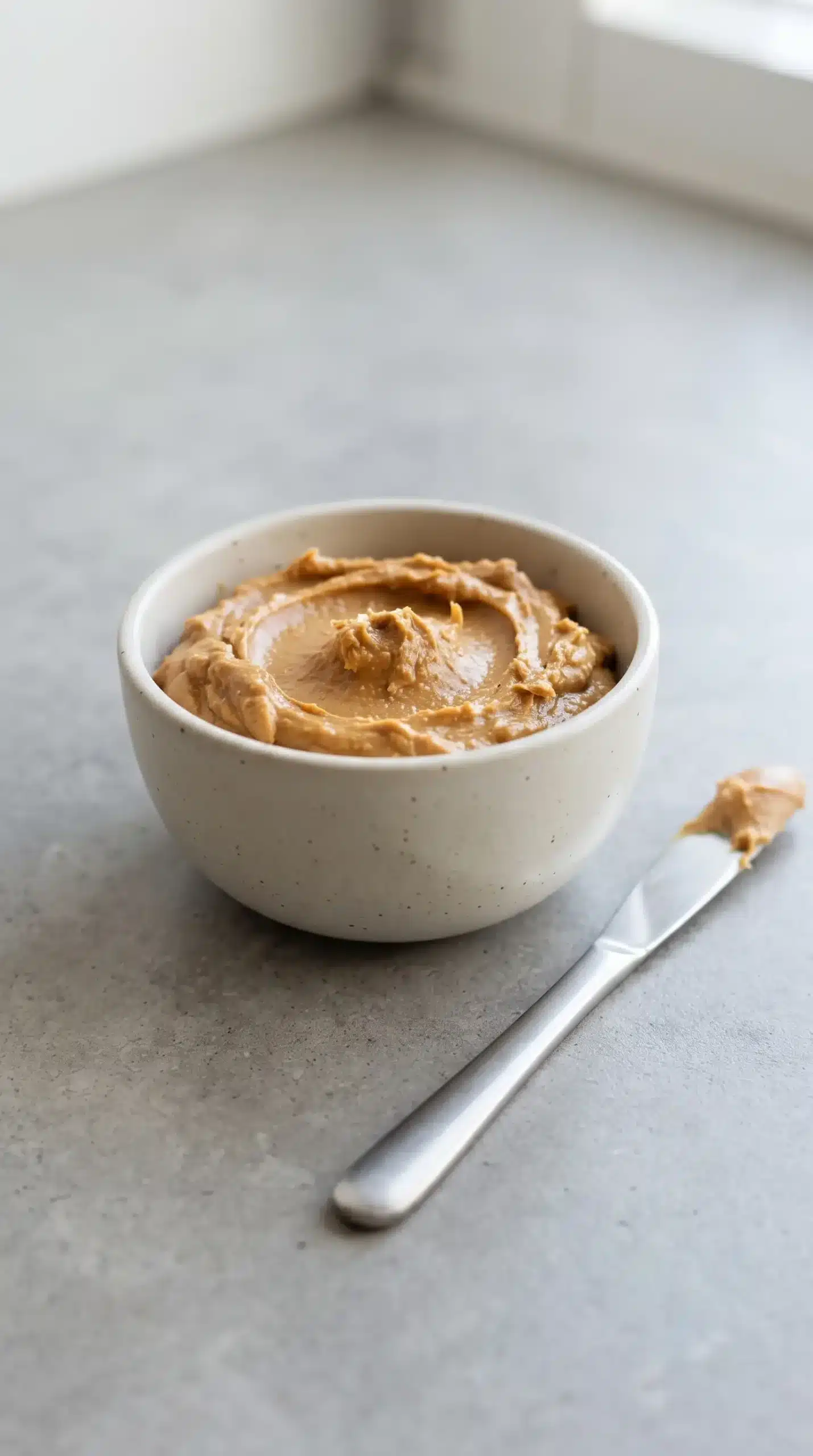
Homemade peanut butter works well anywhere a creamy peanut spread is useful. Its smooth texture makes it easy to spread, mix, or pair with other foods.
Breakfast items and snacks can feature the roasted flavor of homemade peanut butter, especially when paired with crunchy textures like peanut butter granola with big clusters. The sweetness level can influence whether the spread feels more like a treat or a savory pantry staple.
Keeping the texture smooth also makes the peanut butter easier to incorporate into everyday meals without needing additional preparation.
Simple Variations Expand Peanut Butter From Scratch
Peanut butter from scratch provides a base that can be adjusted while staying close to the original ingredients. Small changes in sweetness or seasoning can create different versions without changing the basic preparation.
A less sweet version emphasizes the roasted peanuts. A sweeter version works well when a dessert-like spread is desired. Additional salt adjustments can shift the flavor toward a more balanced or savory direction.
Five Minute Peanut Butter Fits Busy Homemade Cooking
Quick preparation is one reason this style of homemade spread remains appealing. The short process transforms a simple ingredient into something ready for immediate use without complicated equipment or extra preparation steps.
Busy kitchens benefit from recipes that show clear progress during cooking. The food processor provides those visual signals, making it easier to understand when the texture has reached the desired point.
Homemade Peanut Butter Brings Control to Every Batch
Making homemade peanut butter gives the cook control over the details that shape the finished spread. The roasted peanuts determine the foundation, while sweetener and salt adjustments guide the final flavor.
The most important judgment comes from watching texture changes during processing. A smooth spread develops when the peanuts have enough time to move through their natural stages, creating a creamy result that matches the purpose of the recipe.
Homemade Peanut Butter Texture Questions and Answers
Why does homemade peanut butter look dry before becoming creamy?
The peanuts first break into small pieces and may gather into a thicker dry-looking ball before their natural oils fully combine. Continued processing allows the mixture to become smoother and more spreadable.
Can homemade peanut butter be made without adding sweetener?
Yes, the peanuts can be blended without honey or sugar if a less sweet spread is preferred. The roasted peanut flavor will become more prominent when no sweetener is added.
How can the sweetness of homemade peanut butter be adjusted?
The amount of honey or sugar can be changed to suit personal taste. Adding a small amount at a time makes it easier to reach the desired balance without overpowering the peanut flavor.
Why is my homemade peanut butter thicker than expected?
A thicker texture may mean the peanuts have not been processed long enough. Allowing more blending time can help the released oils distribute and create a smoother consistency.
Should homemade peanut butter be stored in the refrigerator?
Refrigeration is a useful option when the spread needs longer storage. Room temperature storage can work when the peanut butter will be used quickly and kept in a suitable covered container.
Homemade Peanut Butter Spread with Dry Roasted Peanuts
Homemade Peanut Butter is a quick, creamy spread made with a rich roasted peanut flavor. It is an easy recipe for creating a smooth homemade spread with control over sweetness and seasoning.
Ingredients
Method
Preparation
- Add the peanuts to a food processor and process continuously for 4-5 minutes, watching as the mixture changes from crumbs to a dry ball and then into a smooth, creamy spread.
- Mix in the honey and add any additional salt, if desired.
Notes
Process the peanuts until the mixture reaches a smooth, creamy texture before adjusting the sweetness or salt.