From breakfast to dinner, from healthy meals to sweet desserts – Next Yum Recipes brings you quick, simple and tasty ideas for every occasion and every time.


 This Recipe
Breakfast sandwich fans know that a great morning meal depends on contrast, and the ultimate breakfast sandwich brings together a buttery croissant, soft scrambled eggs, smoky bacon, creamy guacamole, melted pepperjack cheese, and a bright garlic butter tomato sauce. Each layer has a specific role, creating a handheld meal that feels rich without losing the balance between tender, crisp, spicy, and fresh elements.
Built around a few carefully handled ingredients, the breakfast sandwich recipe works because the cooking decisions are focused on texture. The croissants need enough warmth to become lightly crisp, the eggs need gentle attention, and the assembly needs to happen while the warm components are ready to blend together.
The Ultimate Breakfast Sandwich Starts With Soft Scrambled Eggs
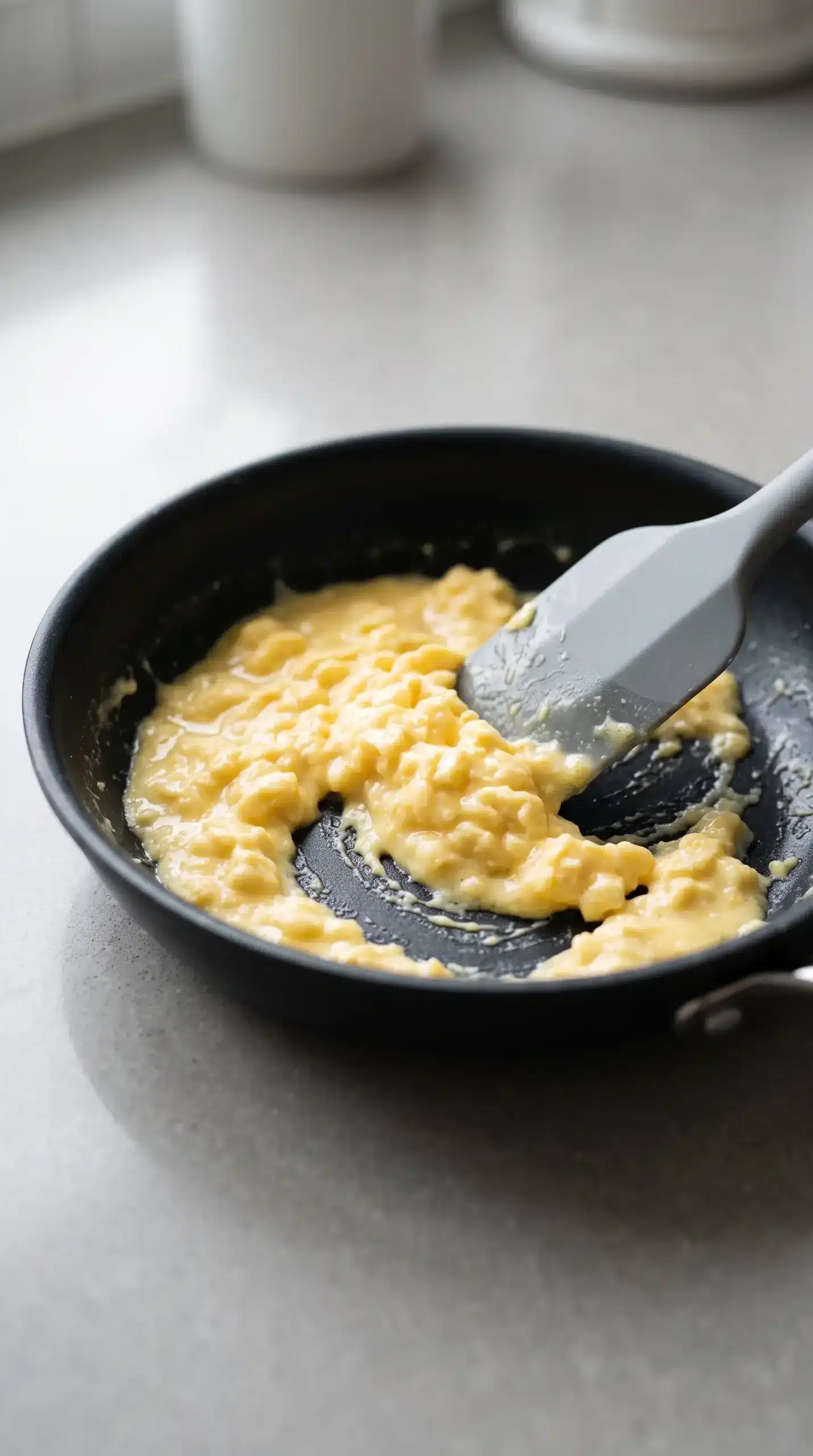
Egg texture defines the personality of this breakfast sandwich. Soft scrambled eggs create a creamy center that connects the other layers, while firmer eggs can make the croissant feel dry or separate from the fillings. Keeping the curds tender helps every bite hold together.
Cooking the eggs gently allows them to remain moist after they meet the warm cheese and toasted pastry. The eggs continue to settle slightly during assembly, so stopping when they are still soft gives the finished sandwich the texture expected from a carefully prepared morning meal.
Morning preparation becomes easier when all filling components are ready before the eggs leave the pan. The warm eggs have a short window where their texture is at its best, which makes organization an important part of creating a successful breakfast sandwich.
Croissants Create The Right Breakfast Sandwich Foundation
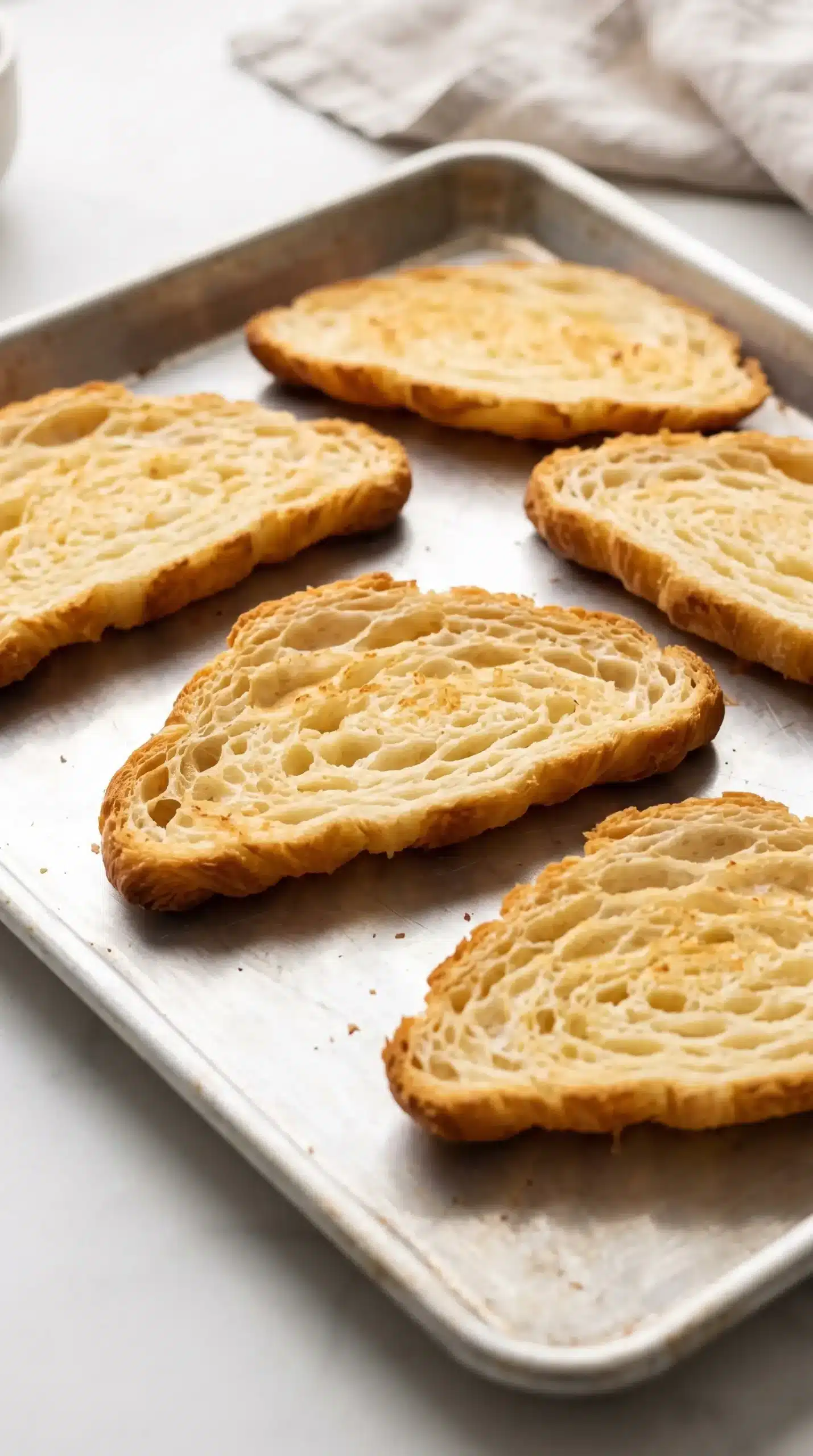
A croissant changes the entire character of this sandwich by bringing buttery layers and a delicate exterior. Toasting the cut sides creates enough structure to support the fillings while keeping the pastry from becoming overwhelmed by the sauce, eggs, and guacamole. The same pastry qualities shine in Baked Croissant French Toast with Cinnamon Crumb Topping, where careful handling of croissants creates a tender breakfast texture.
| Croissant condition | Result in sandwich | Best handling choice |
|---|---|---|
| Fresh and soft | Light texture but less structure | Toast briefly before filling |
| Warm and lightly crisp | Balanced bite with sturdy layers | Use immediately after heating |
| Over-toasted | Dry pastry that competes with fillings | Reduce heating time |
Croissants that fit into a toaster can be warmed there, while larger pastries are better suited for oven toasting. The important detail is creating a surface that can hold the ingredients without losing the buttery quality that makes the sandwich special.
Garlic Butter Tomato Sauce Sets The Flavor Direction
The tomato sauce provides a savory layer that separates the croissant from the eggs and introduces acidity into the rich combination. Garlic butter flavors make the sauce feel connected to the pastry, creating a smoother transition between the bread and fillings.
- Spread placement: Keep the sauce close to the croissant surface so its flavor reaches every layer.
- Flavor balance: Use the tomato element to brighten the richer cheese, bacon, and butter notes.
- Assembly timing: Add warm fillings soon after spreading to help the layers combine.
Unlike a heavy sauce that dominates the sandwich, a simple tomato layer works best as a supporting element. Its purpose is to add moisture and seasoning while allowing the eggs and bacon to remain recognizable.
Pepperjack And Guacamole Balance The Bacon Egg Breakfast Sandwich
Pepperjack cheese and guacamole provide two different forms of richness. The cheese melts into the warm eggs, while guacamole adds a cool, creamy finish that changes the texture from bite to bite.
Bacon brings a smoky, salty contrast that keeps the sandwich from becoming one-dimensional. Combined with the mild eggs and buttery pastry, the bacon egg breakfast sandwich style becomes especially satisfying because every filling contributes a different sensation.
Layering these ingredients thoughtfully helps prevent one flavor from taking over. Cheese benefits from direct contact with warm eggs, while guacamole works well near the top where its freshness remains noticeable.
Soft Scrambled Eggs Require Careful Cooking Control
The most important cooking control for this dish is protecting the egg texture. Gentle heat and attention during scrambling create small, tender curds that blend naturally with melted cheese and the other fillings.
The texture of soft scrambled eggs depends on controlling how quickly they set. Cooking with gentle heat helps create softer curds by slowing the cooking process and reducing the chance of a dry, firm result.
High heat can quickly move eggs from creamy to firm. Watching the texture as they cook gives more useful information than relying only on time because the amount of heat and the pan can change how quickly the eggs set.
Cooking control also affects the timing of the entire breakfast sandwich. The eggs should be prepared after the croissants and fillings are ready so the warmest, softest component reaches the sandwich at the right moment.
Assembly Timing Keeps Every Croissant Breakfast Sandwich Fresh
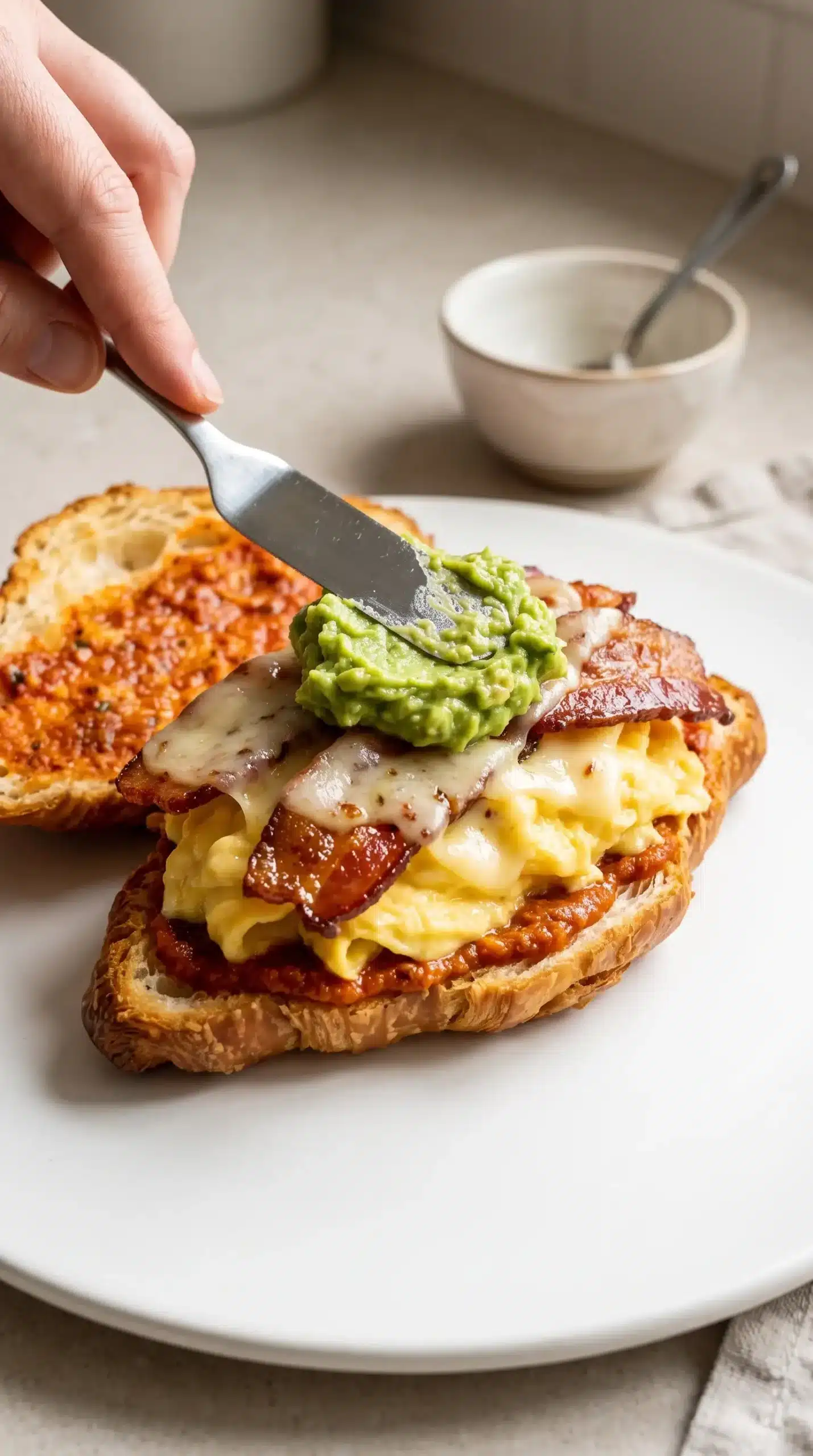
Assembly is where the separate parts become a complete croissant breakfast sandwich. The order of the layers helps distribute flavor, allowing sauce, eggs, cheese, bacon, and guacamole to work together instead of sliding apart.
The warm ingredients create a useful chain of textures. Melted cheese connects with soft eggs, bacon adds firmness, and guacamole finishes with a smooth contrast against the toasted pastry.
Quick handling after cooking matters because the sandwich depends on the difference between warm fillings and a lightly crisp croissant. Waiting too long can soften the pastry and reduce the contrast that makes the dish appealing.
Breakfast Sandwich Mistakes That Ruin The Texture
Several common mistakes can affect the balance of a breakfast sandwich. Most problems come from timing or texture choices, not from complicated techniques.
- Overcooking eggs: Firm eggs can make the filling feel dry and reduce the creamy texture that supports the other layers.
- Skipping croissant toasting: A completely soft pastry may struggle under the weight of sauces and fillings.
- Delaying assembly: Cool eggs and cheese lose the warm interaction that helps the sandwich feel cohesive.
- Adding uneven layers: Concentrated sauce or guacamole in one area can create inconsistent bites.
Fixing these issues starts with noticing the result. Dry eggs point toward gentler cooking, while a soft croissant usually means the pastry needs better preparation before filling.
Simple Variations Fit The Breakfast Sandwich
Small adjustments can personalize the breakfast sandwich while keeping its core structure intact. The croissant, eggs, cheese, bacon, and creamy elements create a flexible base for different preferences.
Extra vegetables, different cheeses, or alternative breakfast proteins can change the flavor direction. The most successful variations maintain the balance between a sturdy pastry, a soft center, and enough moisture to keep each bite enjoyable.
Changing only one element at a time makes it easier to understand how the finished sandwich changes. A new cheese may alter richness, while a different filling may affect how the layers hold together.
Serving Choices Shape The Complete Morning Meal
The breakfast sandwich is naturally filling, making it suitable as the centerpiece of a relaxed morning meal. A simple side can complement it without competing with the layered flavors inside the croissant.
| Serving approach | Pairs well with | Reason |
|---|---|---|
| Light breakfast | Fresh fruit | Adds brightness to a rich sandwich |
| Hearty meal | Additional warm sides | Creates a more substantial plate |
| Quick morning option | Simple beverage | Keeps attention on the sandwich flavors |
Presentation also matters because the sandwich has visible layers. Keeping the croissant intact and arranging the fillings neatly makes the meal easier to enjoy from the first bite.
Storage Decisions Protect The Sandwich Components
Freshly assembled sandwiches provide the best texture, but individual components can be managed separately when needed. Keeping the pastry, fillings, and moist elements apart helps preserve their qualities.
Reheating works best when the components can regain warmth without making the croissant overly soft. Gentle warming methods are preferable because the eggs and cheese need care after their initial cooking.
Ingredient Choices Improve The Breakfast Sandwich Result
The ingredient decisions that most influence this dish are centered on texture and compatibility. A buttery croissant creates the foundation, soft eggs provide the creamy middle, and the combination of cheese, bacon, guacamole, and tomato sauce creates the finished flavor profile.
Using ingredients with distinct textures prevents the sandwich from feeling flat. The contrast between crisp pastry edges, tender eggs, melted cheese, and creamy toppings gives each layer a clear purpose.
Small Details Make The Breakfast Sandwich More Reliable
Reliable results come from paying attention to small transitions. Having fillings prepared before cooking eggs, warming the croissants properly, and assembling without unnecessary delays all support a better final texture.
The Breakfast Sandwich Succeeds When Texture Stays Balanced
The croissant, eggs, bacon, cheese, guacamole, and tomato sauce create the strongest result when each part keeps its intended character. A successful breakfast sandwich depends on the contrast between crisp pastry, soft eggs, melted cheese, and creamy toppings coming together at the right moment.
Warm assembly and careful egg cooking remain the most important decisions because they determine whether the layers feel connected. When those choices are handled well, the breakfast sandwich becomes a complete meal built from simple ingredients with thoughtful preparation.
Breakfast Sandwich Questions About Reheating And Preparation
Can the breakfast sandwich be prepared ahead of time?
The sandwich is best when assembled close to serving, but some preparation can happen earlier. Croissants can be prepared and fillings can be organized in advance so the eggs and final assembly happen quickly when needed.
How can reheating affect the croissant texture?
Reheating can soften the pastry if moisture from the fillings has absorbed into the croissant. Separating components before warming helps protect the layers and gives the pastry a better chance of staying pleasant.
Why are soft scrambled eggs important for this sandwich?
Soft scrambled eggs provide moisture and a creamy texture that connects the other fillings. Firmer eggs may still work, but they change the balance by making the center less tender.
What makes a croissant breakfast sandwich different from one on regular bread?
A croissant breakfast sandwich has a buttery, layered pastry that adds richness and a delicate crispness. The pastry changes the overall experience by contributing flavor and texture before the fillings are even considered.
Breakfast Sandwich with Guacamole and Pepperjack Cheese
This breakfast sandwich combines a buttery croissant with creamy soft scrambled eggs, savory fillings, and fresh guacamole for a hearty morning meal. It is a quick and satisfying choice for breakfast when you want a flavorful, layered sandwich.
Ingredients
Method
Preparation
- Toast the croissants, cut side down on a baking sheet, in a 350°F (177°C) oven for a few minutes. If the croissants fit, they can also be toasted using a toaster.
- Have the remaining ingredients prepared and ready, then cook the eggs as soft scrambled eggs.
Assembly
- Assemble the sandwiches immediately while the eggs are warm by layering tomato sauce, eggs, cheese, bacon, and guacamole on the croissants.
Notes
Assemble the sandwiches while the soft scrambled eggs are warm for the best texture.