From breakfast to dinner, from healthy meals to sweet desserts – Next Yum Recipes brings you quick, simple and tasty ideas for every occasion and every time.


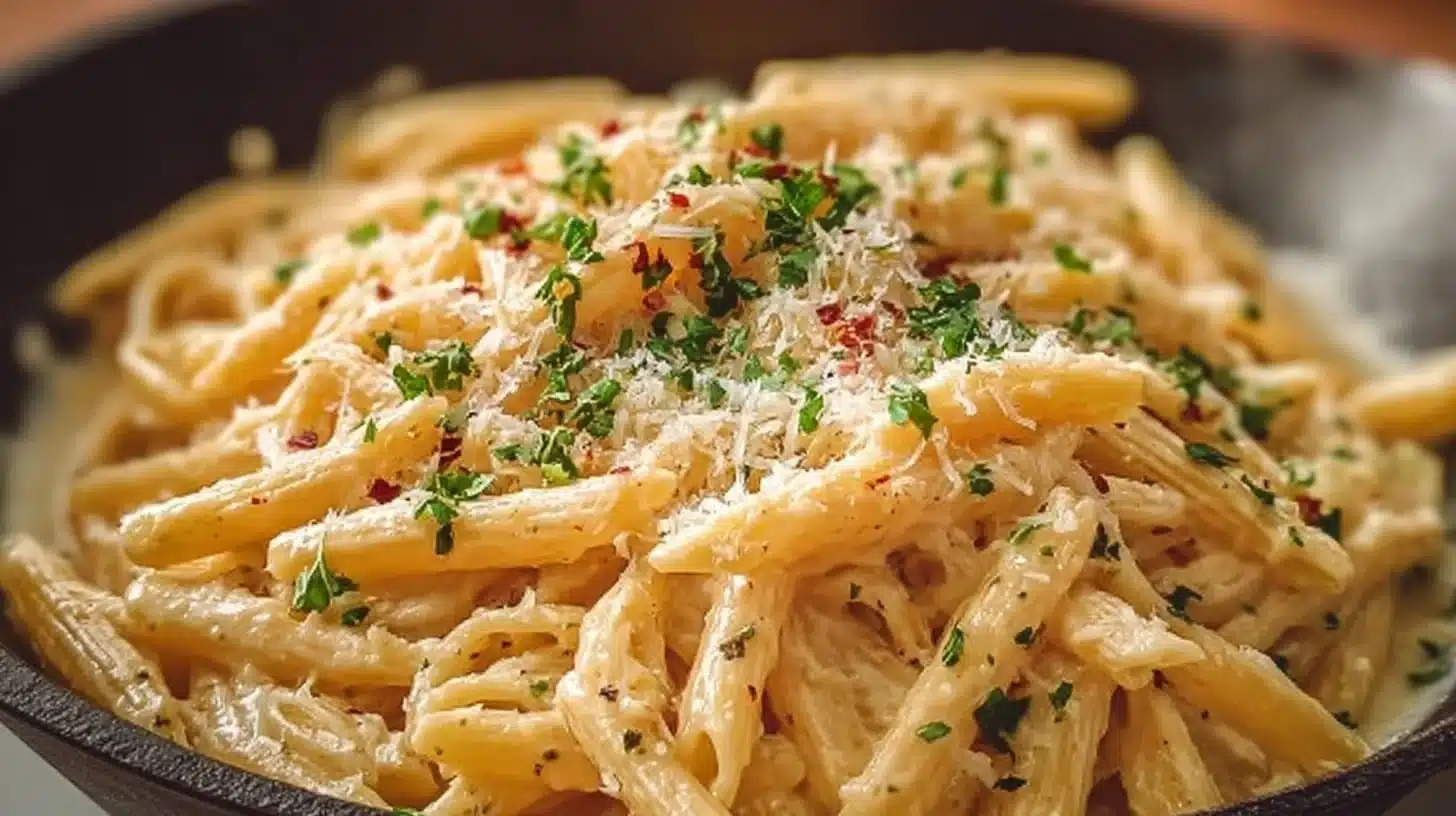
Do you ever wonder why some “creamy garlic pasta” tastes rich, but the sauce slides right off the noodles?
One Pot Creamy Garlic Pasta works because you cook everything in the same pot, so the pasta starch becomes part of the sauce. You’re not relying on a separate roux or heavy reduction. Instead, you’re using the noodle’s natural starch and gentle heat to build a silky coating.
Why Make This Recipe
You make this when you want comfort food without a sink full of dishes. One pot means fewer steps to juggle and fewer chances to miss the timing.
This is also a practical pantry dinner. Milk, garlic, parmesan, and pasta are easy to keep around, so you can pull it together even when you haven’t planned ahead.
If you like this flavor profile, you might also enjoy creamy tomato garlic pasta on another night. It’s a similar comfort base, just with a brighter, tomato-forward finish.
How to Make This One Pot Creamy Garlic Pasta
You start by warming your fat and letting garlic turn fragrant. You’re watching for that moment when it smells sweet and nutty, not sharp. If it starts to brown, you can end up with a bitter edge that’s hard to hide in a simple sauce.
Then you cook the pasta in just enough liquid to keep it moving. As it simmers, you’ll notice the pot liquid gets slightly cloudy and thicker. That’s the starch you want. Once the pasta is close to tender, you lower the heat before adding milk and cheese.
The finish is where texture is made. Gentle heat helps parmesan melt smoothly, and steady stirring helps the sauce cling. If it looks too tight, you loosen it with a splash of the cooking liquid. If it looks thin, you give it a minute to settle and thicken.
Ingredient Insights for One Pot Creamy Garlic Pasta
Pasta: Pasta shape changes how the sauce feels. Short shapes hold sauce in ridges and pockets, while long noodles give you a sleek, glossy coating. Either way, you want pasta that can simmer without breaking.
Garlic: Garlic is the lead flavor, so you want it evenly distributed. Finely minced garlic melts into the sauce, while larger pieces give you little bursts. Both can be good, but larger pieces burn faster, so you may need lower heat.
Milk: Milk turns starchy cooking liquid into something creamy. If your heat is too high, milk can look a bit separated, so lower heat keeps it smooth. Room-temperature milk can be a little easier to blend in.
Parmesan cheese: Parmesan thickens and seasons at the same time. Freshly grated usually melts more smoothly than pre-shredded, which can contain anti-caking agents that resist melting.
Olive oil or butter: Olive oil gives a clean richness, while butter adds a rounder, sweeter finish. If you use butter, keep the heat moderate so it doesn’t brown before the garlic has a chance to soften.
Salt: Salt matters, but you may need less than you expect once parmesan is in the pot. It’s often easier to season lightly early, then adjust at the end.
Pepper: Pepper gives the sauce a gentle bite that balances the dairy. If you add it at the end, it smells fresher and keeps that little pop.
Texture & Flavor Experience
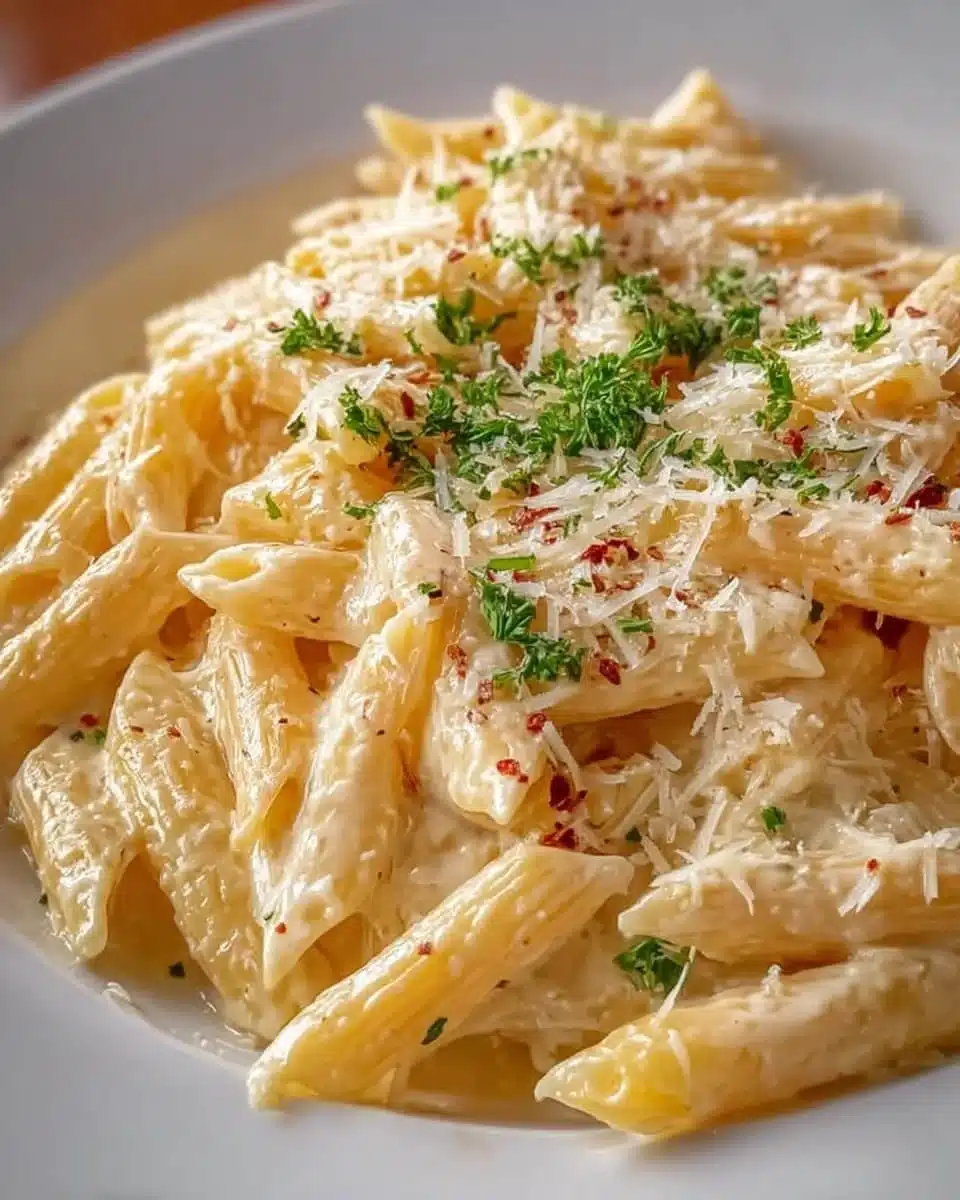
When One Pot Creamy Garlic Pasta is right, the sauce looks glossy and lightly coats the noodles instead of pooling at the bottom. You’ll feel a silky mouthfeel, not a heavy blanket of cream, and you won’t see oily streaks separating around the edges.
The flavor is garlic-forward but not harsh. You should smell garlic first, then notice a savory parmesan finish. If you catch a bitter note, it’s usually a sign the garlic browned too much early on.
How to Serve One Pot Creamy Garlic Pasta
Serve it hot, right after the sauce turns silky, because it thickens as it sits. A little extra parmesan and a few grinds of pepper make it taste finished without adding complexity.
To balance the richness, pair it with something crisp or roasted. A simple green salad or roasted broccoli works well. If you want to add protein, you’ll get the best texture by adding cooked chicken, shrimp, or sautéed mushrooms at the end so they warm gently.
Tips to Make One Pot Creamy Garlic Pasta
- Keep the garlic on medium heat and stir often. You want fragrance, not browning.
- Use just enough liquid to cook the pasta so the starch stays concentrated and the sauce thickens naturally.
- Lower the heat before adding milk so it blends smoothly instead of looking split.
- Add parmesan off the highest heat and stir steadily for a smooth melt.
- If the sauce tightens too much, loosen it with a splash of the hot cooking liquid, not plain cold milk.
- Taste after the cheese melts, then adjust salt. Parmesan can change the salt level fast.
- Let the pot sit for a minute before serving if the sauce looks thin. It often thickens as it settles.
Common Mistakes to Avoid
- Overcooking the pasta. When it goes past al dente, it can turn soft and make the sauce overly thick.
- Browning the garlic. Burnt garlic leaves bitterness that’s hard to mask in a simple sauce.
- Boiling after adding milk. High heat can make the sauce look separated instead of silky.
- Adding parmesan while the liquid is aggressively bubbling. It can clump and turn grainy.
Storing Tips
Store leftovers in an airtight container in the refrigerator. The sauce will thicken a lot once cold, so don’t judge it straight from the fridge.
When reheating, use low heat and add a small splash of milk or broth while stirring. You’re trying to bring the sauce back to a smooth coating, not boil it. Gentle reheating keeps the cheese from turning grainy.
FAQs
What pasta shape works best in one pot?
Short shapes are easy because they cook evenly and trap sauce. Long noodles work too, but you may need a wider pot and more stirring to prevent sticking.
Why does the sauce sometimes turn grainy?
It usually happens when parmesan hits very high heat or when pre-grated cheese doesn’t melt smoothly. Lower heat and freshly grated cheese help a lot.
Can you make it ahead for guests?
You can, but it’s at its best right after cooking. If you make it early, plan to reheat gently with a splash of milk so the sauce loosens without separating.
Conclusion
One Pot Creamy Garlic Pasta is a reliable dinner when you want a rich, garlicky sauce with minimal cleanup, and the one-pot starch trick is what makes it work. If you want to compare another method and see different finishing cues, check Kenna’s Cooks One-Pot Creamy Garlic Pasta for an alternate take.
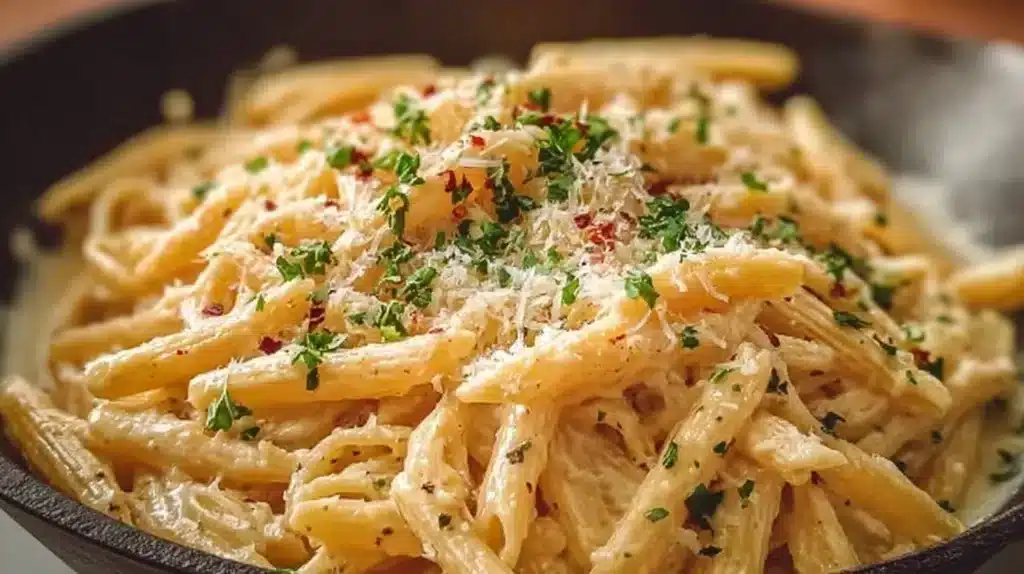
One Pot Creamy Garlic Pasta
A rich and silky pasta dish cooked in one pot, featuring a creamy garlic sauce perfect for quick weeknight dinners.
Ingredients
Method
Preparation
- In a large pot, heat olive oil or butter over medium heat.
- Add minced garlic and sauté until fragrant.
- Add the pasta and enough water or broth to cover it; bring to a boil.
- Cook the pasta according to package instructions until al dente.
Finishing
- Reduce heat to low and stir in milk and grated Parmesan cheese.
- Stir until creamy and season with salt and pepper to taste.
- Serve hot, garnished with extra grated Parmesan and a grind of black pepper.
Notes
Cool leftovers to room temperature within two hours and store in an airtight container in the refrigerator for 3 to 4 days. For longer storage, freeze in a freezer-safe container for up to 2 months. Add a splash of milk when reheating to restore creaminess.


