From breakfast to dinner, from healthy meals to sweet desserts – Next Yum Recipes brings you quick, simple and tasty ideas for every occasion and every time.


 This Recipe
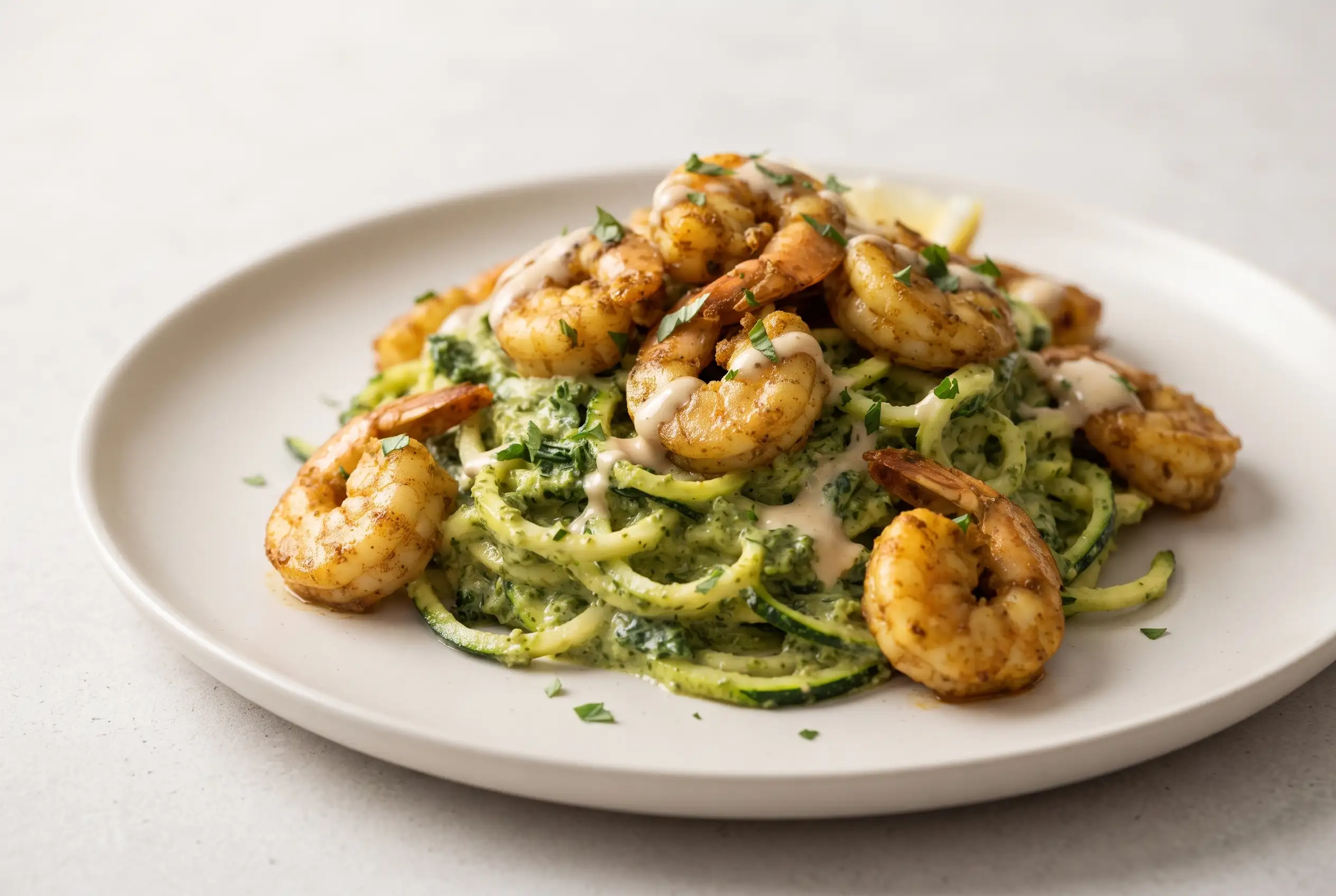
Pesto shrimp noodles bring together spicy shrimp, vibrant greens, creamy almond pesto, and fresh zucchini for a meal that feels bright while staying simple. The combination of pesto shrimp noodles works because each part has a clear purpose: the herb-packed sauce creates richness, the seasoned shrimp brings warmth, and the zucchini noodles provide a crisp foundation that keeps the plate balanced.
Unlike heavier pasta dishes, zucchini noodles with pesto shrimp create a dinner built around contrast. The pesto carries bold flavor from basil, garlic, lemon, and greens, while the shrimp absorbs chili powder, cumin, salt, and pepper for a savory finish. Small preparation choices have a noticeable effect on texture, especially when working with vegetables that naturally release moisture.
Pesto Shrimp Noodles Balance Spicy Shrimp and Fresh Zucchini
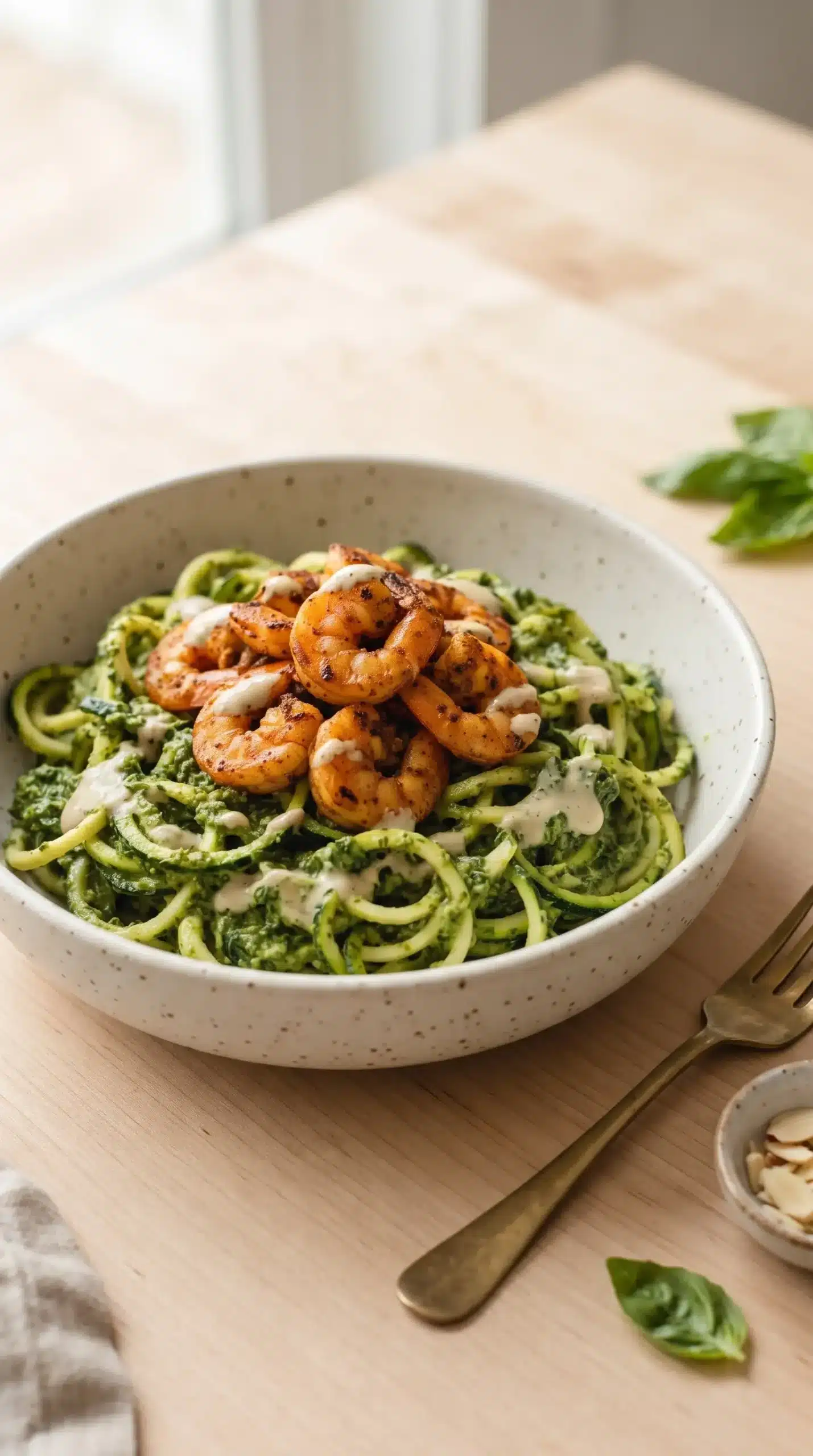
The appeal of spicy shrimp pesto noodles comes from how quickly the flavors come together without requiring a complicated cooking process. A fresh blended sauce, seasoned seafood, and vegetable noodles create a combination that feels complete without depending on a long list of additions.
The pesto texture depends on how the ingredients are brought together. Using food processor blending helps combine the greens, nuts, and olive oil into a cohesive sauce that can coat the zucchini noodles and shrimp evenly.
The pesto mixture also gives flexibility throughout the meal. Extra sauce can be saved for another use, allowing the same preparation to support future bowls, sandwiches, roasted vegetables, or other quick meals. Keeping some pesto available separately makes it easier to adjust the amount added to the zucchini noodles.
Texture is one of the most important parts of the finished dish. The shrimp should remain tender, the pesto should coat the noodles evenly, and the zucchini should keep some structure. Serving the components together at the right moment helps preserve those differences.
Almond Pesto Gives Pesto Shrimp Noodles Their Signature Texture
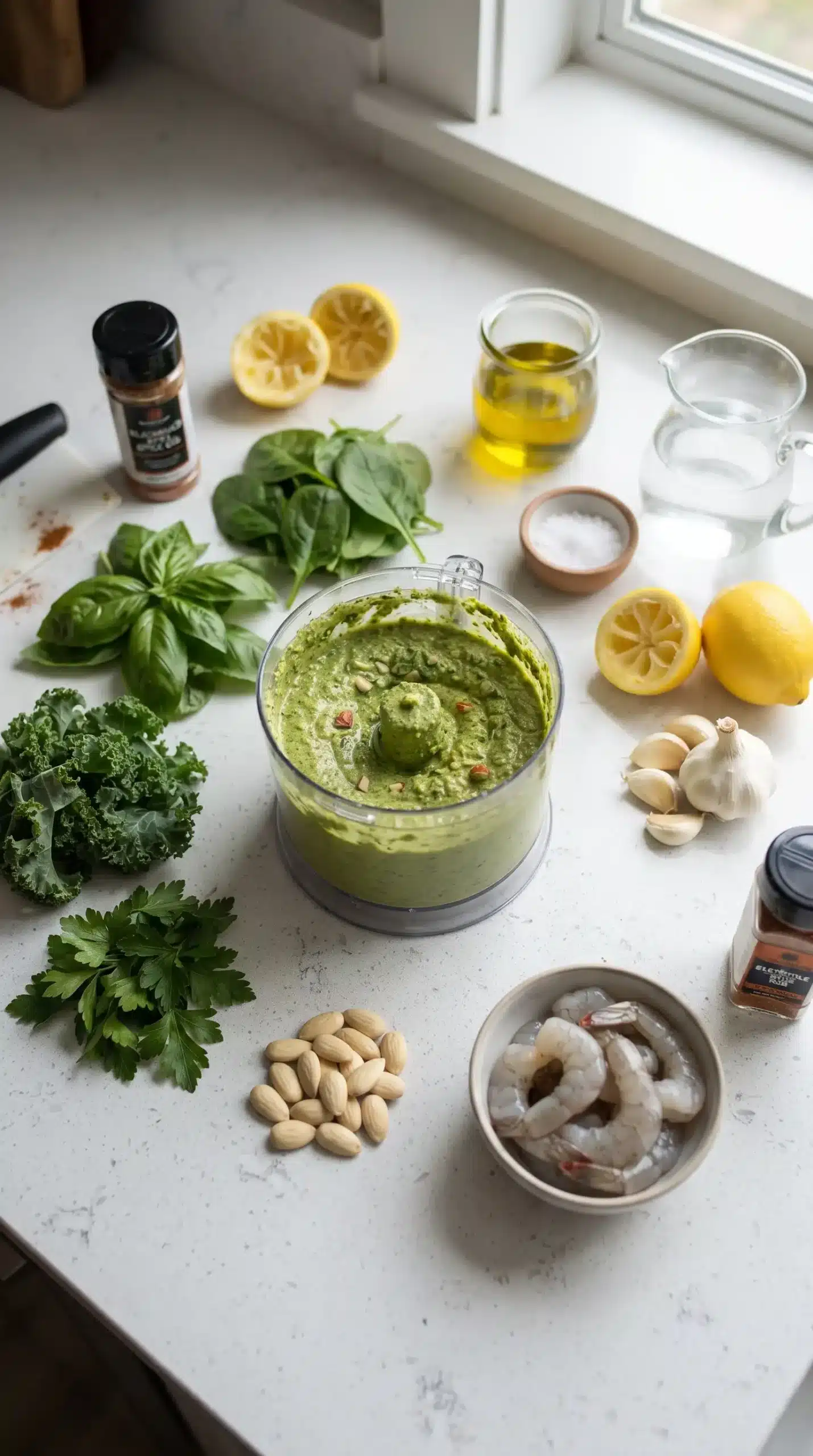
The pesto begins with a blend of kale, spinach, basil or parsley, almonds, olive oil, water, garlic, lemon juice, and salt. Combining leafy greens with nuts creates a sauce with a thicker texture than a simple herb oil, allowing it to cling to the zucchini noodles and shrimp. A preparation such as almond pesto with greens can help illustrate how these ingredients build a flavorful blended sauce.
Using more basil when available creates a classic pesto direction, while parsley can fill in when basil is limited. The leafy greens provide the base, but the almonds are especially important because they help create body and a satisfying texture after blending.
A smooth or slightly textured pesto can both work well depending on preference. A shorter blending time leaves small pieces of greens and almonds visible, while longer processing creates a more uniform coating for the noodles.
Zucchini Noodles Keep the Plate Light and Crisp
Zucchini noodles are best handled carefully because their texture changes quickly after meeting salt, sauce, and time. Tossing them close to serving keeps the strands firmer and prevents excess liquid from thinning the pesto.
Spice Coating Controls the Flavor of the Shrimp
The shrimp receives its character from the seasoning added directly in the pan. Chili powder and cumin create a warm, savory profile that contrasts with the fresh pesto, while salt and pepper help the flavors come together.
A useful approach is coating the shrimp evenly before cooking so every bite carries the same level of seasoning. The amount of spice can be adjusted depending on whether the focus should lean toward herb freshness or a stronger spicy shrimp pesto noodles style.
| Cooking choice | Result in the dish | Best use |
|---|---|---|
| More basil in pesto | Stronger herbal flavor | Classic pesto-style bowls |
| More parsley in pesto | Milder green flavor | When basil supply is limited |
| Extra chili seasoning | Warmer shrimp flavor | For a spicier dinner profile |
Shrimp Cooking Control Protects Tender Texture
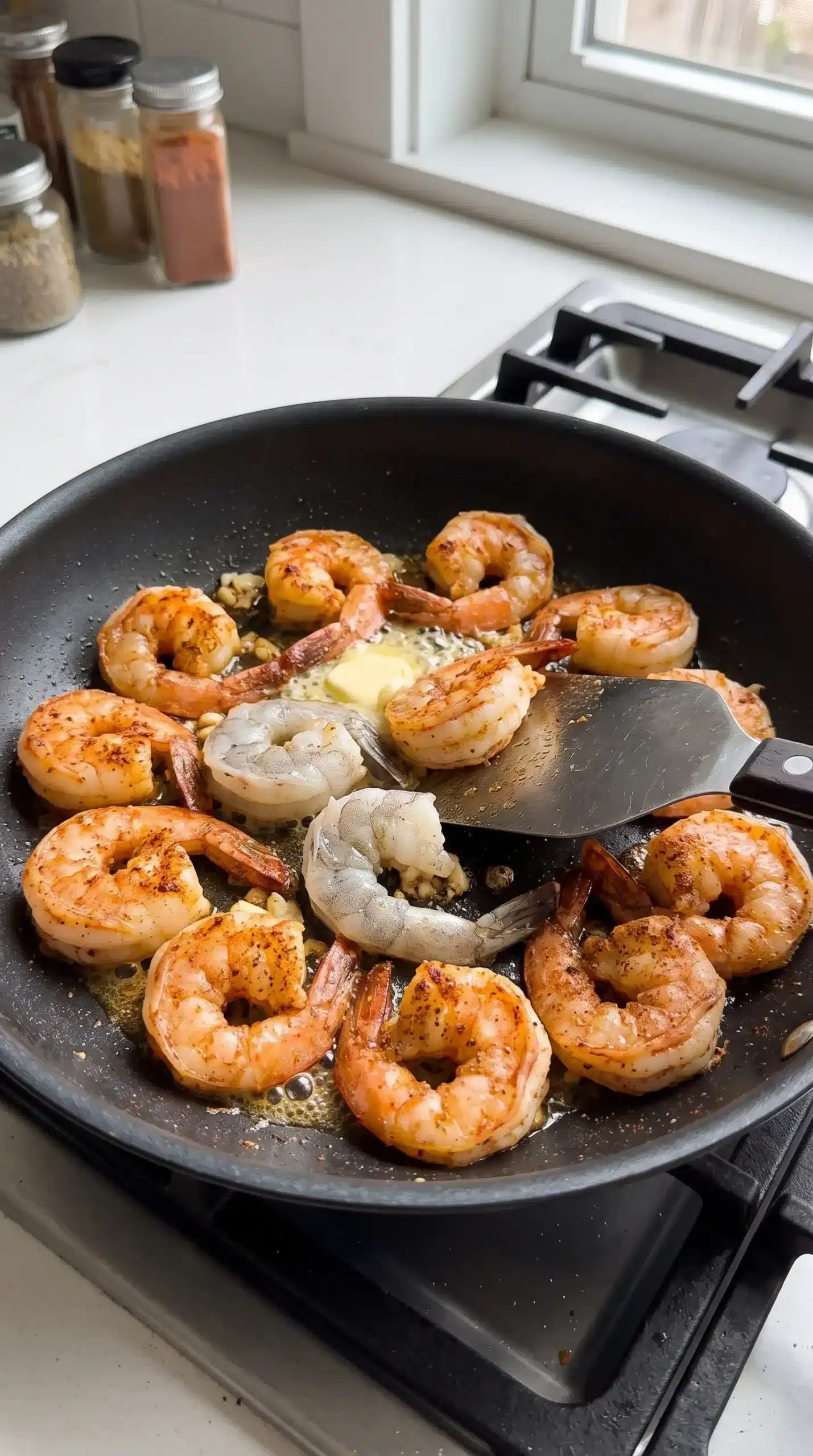
Cooking shrimp successfully depends on watching visual changes instead of relying only on time. Shrimp moves from translucent to opaque as it cooks, and that change signals when it has developed the right texture.
The pan temperature matters because the shrimp needs enough heat to develop its seasoned exterior without sitting in moisture. Spreading the shrimp into the cooking surface and allowing it to cook evenly helps maintain a better texture.
After cooking, the shrimp should pair with the pesto-coated zucchini noodles soon after preparation. This keeps the seafood at its best and prevents the vegetable noodles from sitting under sauce for too long.
Smart Prep Choices Make Pesto Work Beyond One Meal
Making a larger batch of pesto creates useful flexibility because the extra sauce can be refrigerated or frozen for later meals. Keeping the sauce separate also makes it easier to control portions and adjust the texture of future servings.
Mistakes That Can Ruin Pesto Shrimp Noodles
Several small mistakes can affect the balance of pesto shrimp noodles. The biggest issues usually come from handling moisture, seasoning, or timing in ways that change the texture of the finished plate.
- Over-saucing zucchini: Adding pesto too early can allow released water to thin the sauce and soften the noodles.
- Under-seasoning shrimp: A light coating of spices may disappear against the bold pesto flavor.
- Overcooking shrimp: Shrimp that stays in the pan too long can lose its tender texture.
The best corrections are simple. Toss zucchini noodles with pesto shortly before eating, taste the seasoning level of the shrimp before serving, and remove shrimp once it is no longer translucent. These choices protect the contrast that makes the dish enjoyable.
Serving Choices Change the Zucchini Noodles with Pesto Shrimp Experience
The dish can be served with the zucchini noodles raw for a soft-crunchy texture, or they can be briefly sautéed with additional seasonings for a warmer version. The choice depends on the texture you prefer at the table.
Storage Decisions Preserve Pesto Shrimp Noodles Quality
Separating the components is the most effective way to protect leftovers. Zucchini noodles, pesto, and cooked shrimp behave differently when stored together, so keeping them apart allows better texture when serving again.
The pesto can remain useful beyond the original meal because the extra portion works well in other preparations. The shrimp is best stored separately from the sauced noodles so it does not continue absorbing moisture from the vegetables.
When serving leftovers, assembling the parts again shortly before eating helps restore the intended balance. Fresh zucchini texture is especially dependent on avoiding unnecessary time mixed with the pesto.
| Component | Storage approach | Reason |
|---|---|---|
| Pesto | Store separately | Keeps sauce texture easier to manage |
| Shrimp | Keep apart from noodles | Helps preserve seafood texture |
| Zucchini noodles | Combine close to serving | Reduces excess liquid in the dish |
Pesto Shrimp Noodles Adapt Easily to Different Tables
The basic structure supports simple adjustments without changing the identity of the meal. Different herbs, additional vegetables, or a preferred level of spice can shift the flavor while keeping the pesto and shrimp pairing at the center.
Tools That Improve Homemade Pesto Preparation
A food processor or blender is the key tool for creating the pesto texture. It allows the greens, almonds, olive oil, garlic, and lemon juice to combine into a cohesive sauce that can coat every strand of zucchini.
A spiralizer is helpful for creating consistent zucchini noodles, but a vegetable peeler can also create long noodle-like shapes. The important factor is producing pieces that can hold pesto and pair naturally with the shrimp.
A wide cooking pan also makes preparation easier because the shrimp can cook evenly while being coated with the spice mixture. Simple equipment choices can make the process smoother without adding unnecessary steps.
Flavor Balance Comes From Fresh and Spiced Elements
The strongest part of pesto shrimp noodles is the meeting point between fresh and bold flavors. Lemon and herbs brighten the dish, while cumin and chili powder create warmth that keeps the shrimp from feeling separate from the sauce.
Building Better Weeknight Bowls With Pesto
These pesto shrimp noodles show how a few carefully chosen elements can create a satisfying meal. The sauce, shrimp, and zucchini each need different handling, but they come together when texture and timing are treated as priorities.
Pesto Shrimp Noodles Stay Bright Through Careful Texture Choices
Zucchini noodles, seasoned shrimp, and fresh pesto create the best result when each component keeps its intended character. The sauce should remain rich, the shrimp should stay tender, and the vegetables should provide a fresh contrast that supports the stronger flavors.
Small decisions, such as when to combine the noodles and pesto or how closely to watch the shrimp while cooking, shape the entire experience. The balance between crisp zucchini, creamy pesto, and spiced seafood is what gives this dish its distinctive finish.
Questions About Pesto Shrimp Noodles and Common Concerns
Can I use a different green instead of basil in the pesto?
Yes, the pesto can include more parsley or leafy greens when basil is not available. The flavor will shift slightly, but the almonds, garlic, lemon, and olive oil will still create a useful sauce for the shrimp and zucchini.
Why do zucchini noodles become watery after adding pesto?
Zucchini naturally contains water that can release after being cut and coated. Mixing the noodles with pesto close to serving helps limit how much liquid enters the sauce.
Can I cook the zucchini noodles before adding the shrimp?
Yes, zucchini noodles can be briefly sautéed if you prefer a warmer texture. A short cooking time helps soften them while still keeping some structure before combining them with the pesto and shrimp.
How can I make the shrimp flavor stronger?
A stronger shrimp flavor comes from applying enough chili powder, cumin, salt, and pepper to coat the shrimp evenly before cooking. Adjusting the spice level lets the seafood stand out alongside the pesto.
Pesto Shrimp Noodles with Zucchini and Spicy Shrimp
Pesto Shrimp Noodles combine fresh zucchini noodles with creamy almond pesto and warmly spiced shrimp for a quick, flavorful meal. This dish is perfect for weeknights when you want a bright, satisfying bowl with contrasting textures.
Ingredients
Method
Preparation
- Add kale, spinach, basil and/or parsley, almonds, olive oil, water, salt, garlic, and lemon juice to a food processor or blender. Blend until mostly smooth or until the desired pesto texture is reached.
- Reserve 1 cup of the pesto for this recipe and set aside the remaining pesto for another use.
- Cut the zucchini into long noodle-like strands using a spiralizer or vegetable peeler.
Cooking
- Heat the butter or oil in a pan over medium-high heat.
- Add the shrimp and coat with chili powder, cumin, any additional spices, salt, and pepper. Cook while tossing until the shrimp is fully cooked and no longer translucent.
Assembly
- Toss the zucchini noodles with the reserved pesto just before serving to help maintain their texture.
- Top the pesto-coated zucchini noodles with the cooked spiced shrimp.
Notes
The zucchini noodles release water as they sit with pesto, so combine the noodles and sauce shortly before serving. For leftovers, store the components separately and assemble before eating. The noodles can be served raw for a soft-crunchy texture, or briefly sautéed with oil, garlic, salt, and pepper if a warmer texture is preferred.