From breakfast to dinner, from healthy meals to sweet desserts – Next Yum Recipes brings you quick, simple and tasty ideas for every occasion and every time.


 This Recipe
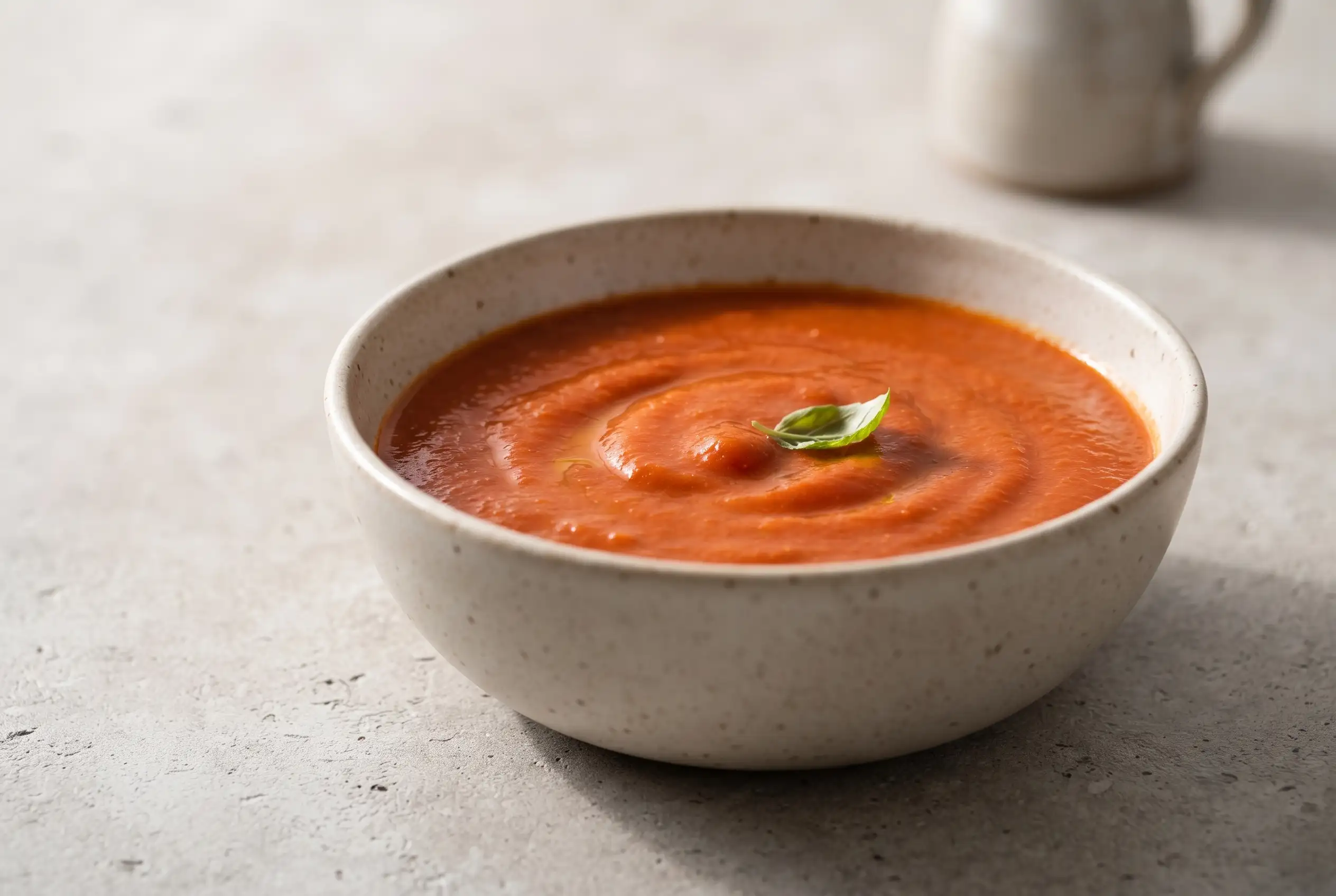
Tomato soup starts with a straightforward combination of pantry staples, and this 5 ingredient tomato soup turns canned San Marzano tomatoes, butter, onion, garlic, and salt into a smooth homemade bowl. The recipe keeps the focus on ingredient quality and gentle cooking, creating a soup with a rich texture and a balanced tomato flavor without a long ingredient list.
Simple preparation does not mean there is nothing to consider. Tomato choice, heat level, blending style, and small adjustments after cooking all influence the finished soup. Understanding those choices helps you make a bowl that matches your preferred texture and serving style.
Tomato Soup Begins With Simple Pantry Choices
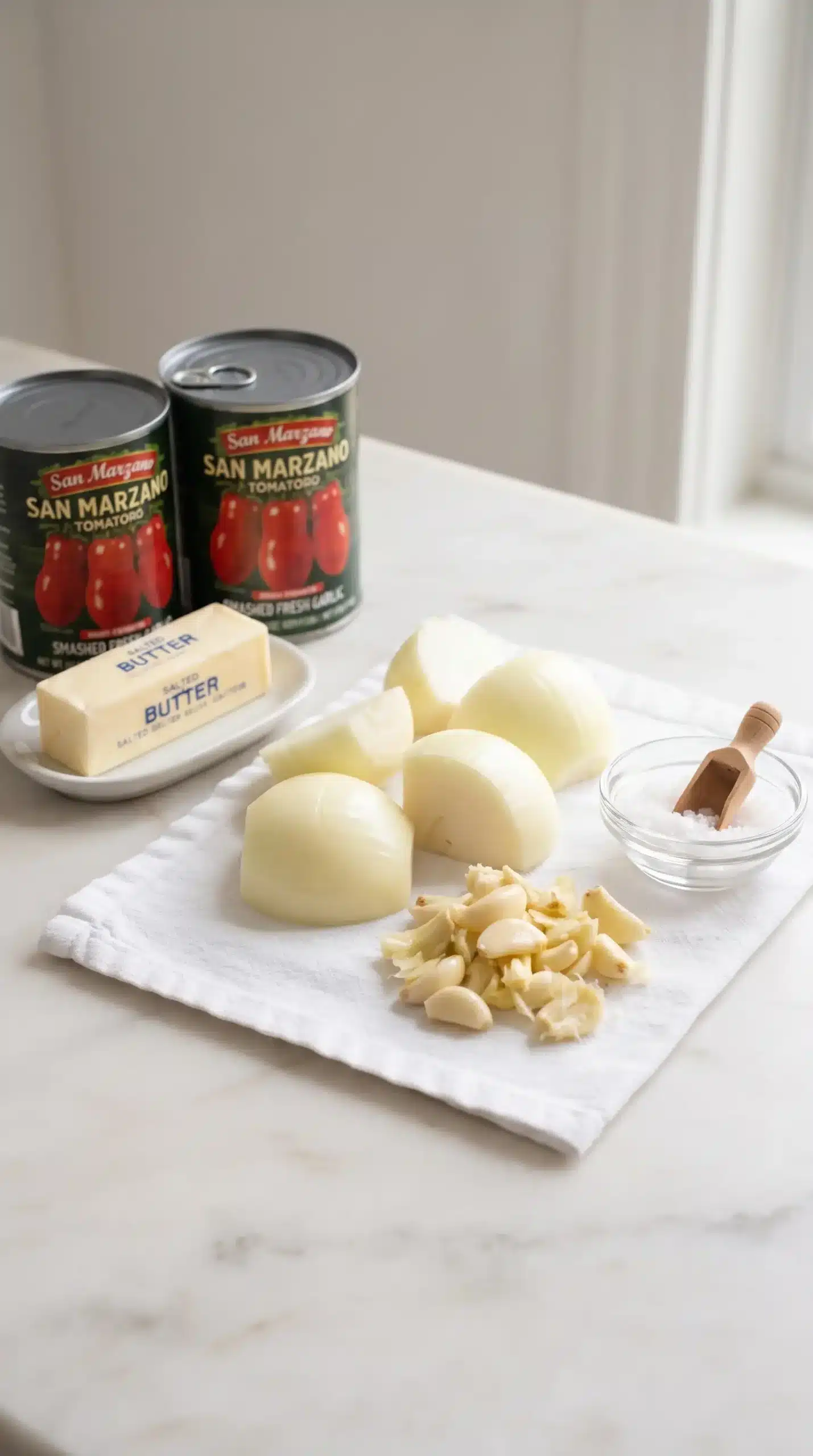
Classic tomato soup works because each element has a clear purpose. The tomatoes provide the base, butter rounds out the acidity, onion adds sweetness as it cooks, and seasoning brings the flavors together. Keeping the ingredient list focused makes each decision more noticeable.
San Marzano Tomatoes Shape the Soup’s Texture
San Marzano tomatoes are especially useful in tomato soup because their soft texture blends easily and their naturally rich tomato character remains noticeable after cooking. Whole tomatoes can be broken down during blending, while crushed tomatoes offer a smoother starting point before the soup reaches the blender.
The name San Marzano can refer to a specific Italian tomato tradition, with the DOP San Marzano designation identifying tomatoes connected to the original growing area near Naples. Understanding that distinction can help when choosing canned tomatoes for this soup.
Choosing whole or crushed tomatoes comes down to the texture you prefer. Whole tomatoes allow the soup to develop with larger pieces during simmering, while crushed tomatoes reduce the amount of blending needed at the end. Both options work with the same cooking approach.
Quality canned tomatoes matter because they represent most of the volume in the pot. A san marzano tomato soup benefits from tomatoes that have a pleasant balance of sweetness and acidity, giving the butter and aromatics a strong foundation.
Tomato Soup Gets Its Smooth Texture From Blending
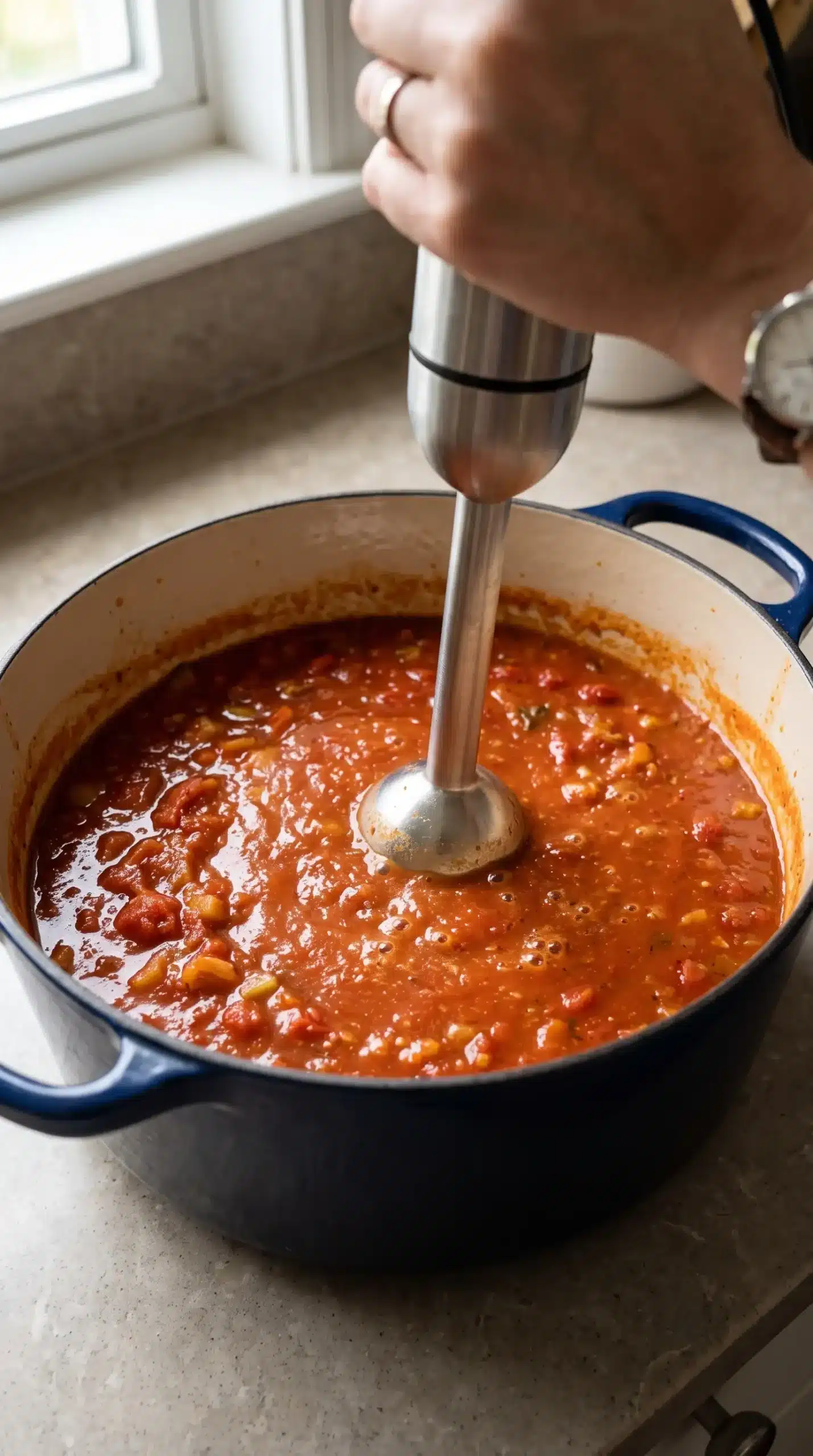
Blending changes the character of tomato soup by combining the softened vegetables, tomatoes, and cooking liquid into one consistent texture. An immersion blender makes it easy to choose between a completely smooth bowl and a slightly textured finish.
Butter and Aromatics Build Tomato Soup Depth
Butter is one of the defining choices in this homemade tomato soup recipe because it softens the sharp edges that tomatoes can sometimes have. As the soup cooks, the butter becomes integrated into the tomato base and creates a fuller mouthfeel.
The onion pieces slowly release flavor while simmering, and removing them before blending gives the soup a clean texture. Garlic is optional, but smashed cloves can remain in the pot if you enjoy a stronger savory note.
Cooking the aromatics with the tomatoes allows their flavors to spread throughout the soup instead of sitting separately. The long simmering period gives the ingredients time to combine into a unified sauce-like base that becomes a finished soup after blending.
Cooking Control Keeps Tomato Soup Balanced
Gentle heat is the key control point for tomato soup. A low bubble followed by a medium-low simmer allows the flavors to develop while reducing the chance of scorching on the bottom of the pan.
- Heat awareness: Keep the simmer controlled so the tomatoes cook evenly without sticking.
- Stir timing: Check the bottom of the saucepan regularly to prevent concentrated tomato from catching.
- Texture choice: Blend only as much as needed for your preferred consistency.
Small Adjustments Change the Finished Bowl
Minor changes after blending can shape the soup to fit your table. A splash of milk, water, broth, or cream can thin the texture, while additional seasoning can adjust the balance to your preference.
Tomato Soup Serving Ideas Fit Simple Pairings

Tomato soup pairs naturally with foods that provide contrast in texture. Crispy toppings, toasted bread, and creamy additions can change the way each spoonful feels without changing the base preparation.
Popular serving choices include grilled cheese, garlic bread, croutons, crackers, and pesto. These additions work because they introduce different textures and flavors alongside the smooth tomato base.
Serving temperature also affects the experience of the soup. Warm bowls highlight the butter and tomato flavors, while toppings added just before serving maintain their texture.
Avoid These Tomato Soup Mistakes Before Serving
Tomato soup mistakes usually come from losing control of texture or heat. The simple ingredient list leaves little room for hiding problems, so small cooking choices have a noticeable effect.
| Common issue | What causes it | How to correct it |
|---|---|---|
| Scorched flavor | Tomatoes settle on the bottom during cooking | Stir the soup periodically and keep the heat controlled |
| Uneven texture | Blending stops before the soup reaches the preferred consistency | Continue blending until the texture matches your preference |
| Too thin after adjusting | Too much liquid is added during finishing | Use small additions and reassess after each change |
Stovetop Tomato Soup and Instant Pot Tomato Soup Differ
Both cooking methods create a smooth tomato soup, but they offer different types of control. The stovetop method allows gradual reduction and more visible cooking changes, while the Instant Pot method minimizes active attention. Pressure cooking can be useful when you want a hands-off meal with minimal active cooking, as with Instant Pot carrot soup when comparing soup preparation methods.
| Method | Main advantage | Cooking consideration |
|---|---|---|
| Stovetop | Allows flavors to develop through gentle simmering | Requires occasional checking during cooking |
| Instant Pot | Provides a hands-off cooking process | Requires removing onion pieces before blending |
| Blended finish | Creates a unified soup texture with either method | Texture depends on blending preference |
Tomato Soup Storage and Reheating Choices
Tomato soup can be prepared ahead and reheated when needed. Keeping the soup in a sealed container helps maintain its texture and flavor, especially when storing leftovers after serving.
Reheating works best with gradual warming because the butter-based texture benefits from gentle temperature changes. Stirring during reheating helps the soup return to an even consistency.
Freezing is also a practical option for extra portions. After thawing, a quick stir or blend can help restore the smooth texture if separation occurs.
Easy Ways to Adjust Homemade Tomato Soup
Adjustments should focus on the qualities you want to change. More liquid can create a lighter soup, while keeping the blended base thicker creates a richer spoonful.
Tomato Soup Uses Beyond the First Bowl
Extra tomato soup can become part of other meals instead of only being served as a standalone bowl. The smooth tomato base can work as a sauce-like element in simple lunches or dinners.
Leftover soup can be paired with toasted bread, used as a dipping option, or served alongside a different main dish. Its mild structure makes it flexible without requiring additional preparation.
Creative serving does not require changing the foundation. Small additions such as toppings or side dishes can create variety while keeping the original tomato flavor at the center.
Tomato Soup Holds Its Character Through Simple Choices
Tomato soup depends on careful choices more than complicated steps. Good tomatoes, controlled simmering, and thoughtful blending determine whether the finished bowl feels balanced and smooth.
The combination of San Marzano tomatoes, butter, onion, and optional garlic creates a flexible soup that can be served as prepared or adjusted with toppings and accompaniments. Paying attention to heat and texture keeps the simple ingredients working together from the first simmer to the last spoonful.
Tomato Soup Storage Questions and Answers
Can tomato soup be made ahead of time?
Yes, tomato soup can be prepared ahead and reheated later. Allowing the flavors to rest can also make the soup convenient for planned meals because the blended texture remains easy to warm and serve.
How can I make tomato soup less acidic?
Butter already helps soften the sharpness of tomatoes, and adding a small amount of dairy or another liquid during finishing can further adjust the overall balance. Taste after blending so changes are based on the finished soup.
Should the garlic stay in tomato soup after cooking?
The smashed garlic can remain in the soup if you want its flavor blended throughout the bowl. Removing it is also an option for a milder result, since the recipe works with or without the optional garlic.
What is the best way to reheat leftover tomato soup?
Warm leftover tomato soup slowly while stirring so the texture becomes even again. Gentle reheating helps preserve the smooth consistency created during blending.
Can I use crushed tomatoes instead of whole tomatoes?
Crushed tomatoes work well because they provide the same tomato base with less texture before blending. Whole tomatoes are useful when you prefer to control the final smoothness yourself.
Tomato Soup with San Marzano Tomatoes Recipe with Butter
This tomato soup with San Marzano tomatoes is a smooth, rich, and comforting homemade soup with a simple ingredient list. It is an easy choice for a cozy meal when you want a flavorful bowl with a creamy texture.
Ingredients
Method
Cooking
- Add the tomatoes, butter, and onion to a large saucepan or Dutch oven. Bring the mixture to a gentle bubble, then reduce the heat to medium-low. Partially cover with a lid and simmer for 45 minutes, stirring about every 15 minutes to keep the bottom from scorching.
Blending
- Use tongs to remove the onion pieces from the soup. Leave the garlic in the pot or remove it according to your preference.
- Blend the soup with an immersion blender until it reaches your desired smoothness. Taste and adjust as needed; add milk, water, broth, or cream to thin the texture if desired.
Serving
- Serve the tomato soup with accompaniments such as garlic bread, grilled cheese, croutons, crackers, or pesto if desired.
Notes
To make this in the Instant Pot: Add everything to the pot, cook for 20 minutes, and release pressure. Remove the onion chunks and blend the soup. This method is more hands-off because it does not require monitoring while cooking. The stovetop version may have a slightly sweeter and richer flavor from additional caramelization, but both methods work well.