From breakfast to dinner, from healthy meals to sweet desserts – Next Yum Recipes brings you quick, simple and tasty ideas for every occasion and every time.


 This Recipe
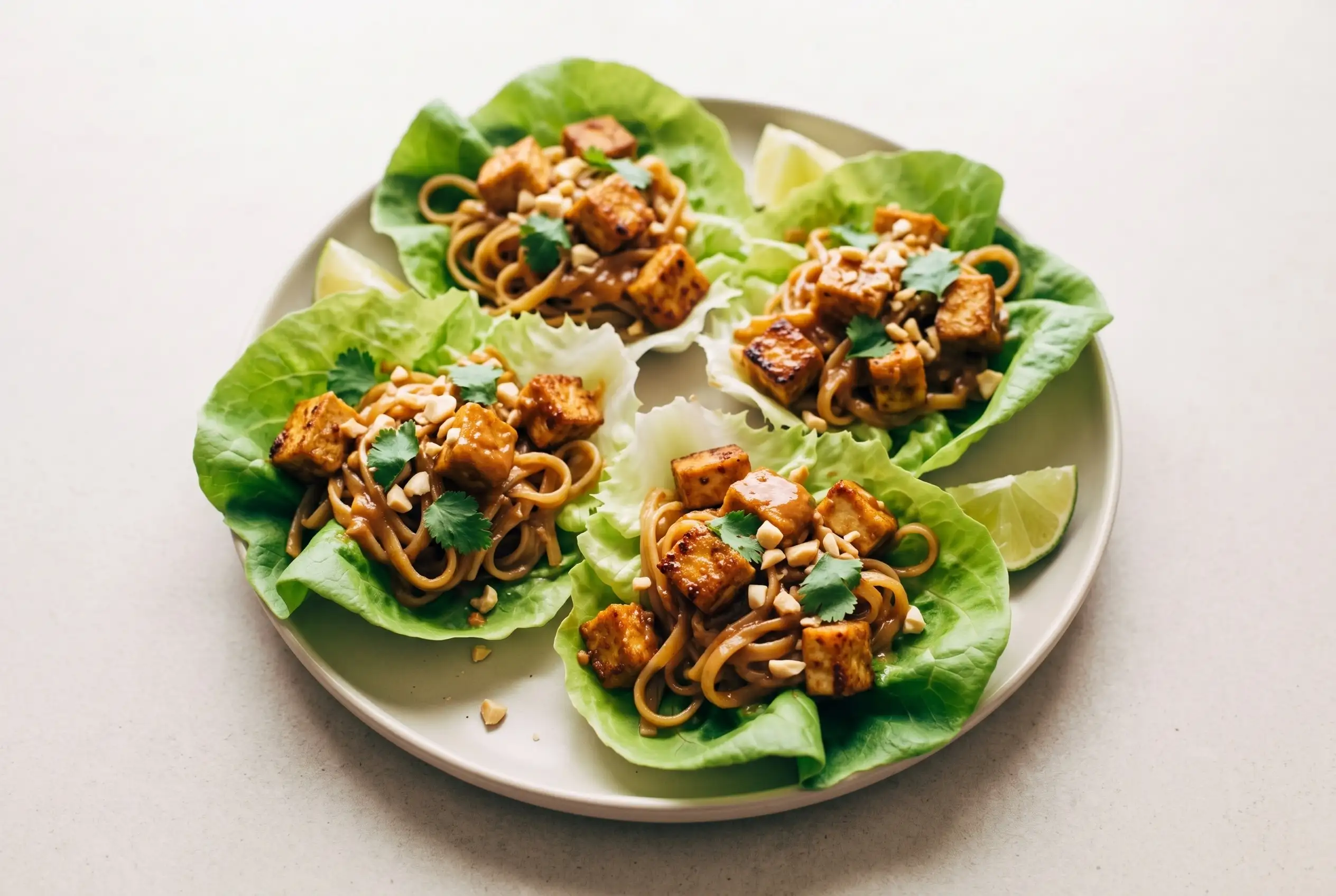
Firecracker vegan lettuce wraps bring together chewy brown rice noodles, crisp-edged tofu, a creamy peanut-chili sauce, and cool butter lettuce for a meal with plenty of contrast in every bite. The spicy-sweet sauce coats both the tofu and noodles, while peanuts, cilantro, and lime give the finished wraps freshness and crunch. These vegan lettuce wraps are especially useful when you want something substantial without turning the meal into a heavy bowl of food.
Firecracker tofu gives the wraps their savory center
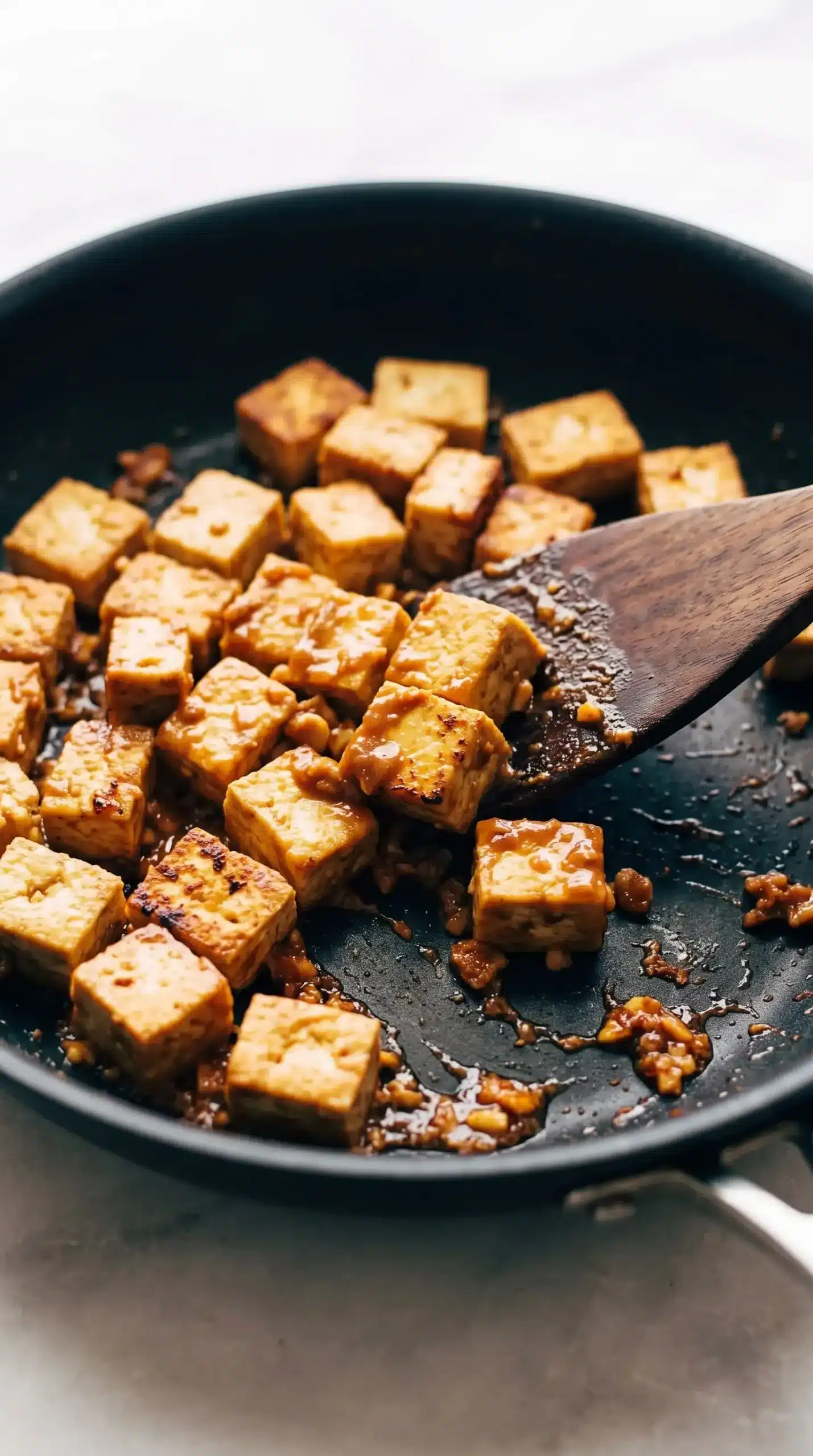
Golden tofu is the part that makes these wraps feel substantial. Pressing the tofu before cutting it helps remove excess moisture, giving the pieces a better chance to brown in the skillet instead of simply steaming.
Small pieces work particularly well because more surfaces can contact the hot pan. Give the tofu enough uninterrupted time to develop color before adding sauce. Once the sauce reaches the skillet, its sugars and seasonings cling to the browned pieces and create little crisp, deeply flavored bits around them.
Peanut sauce balances heat with acidity
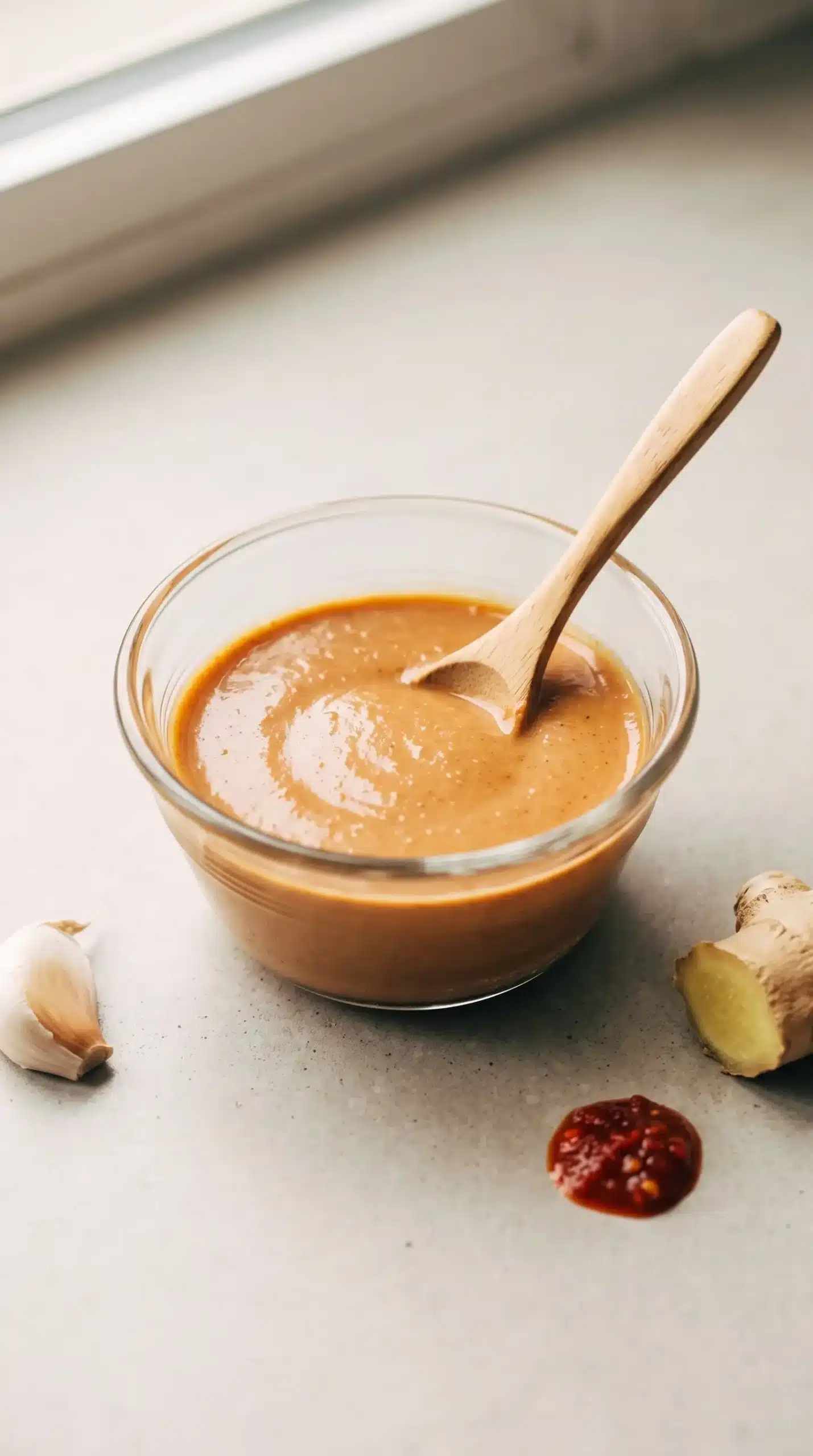
The sauce has several jobs at once: peanut butter supplies richness, soy sauce brings salt and savoriness, sesame oil adds a toasted character, rice vinegar keeps the mixture lively, and chili paste provides the defining heat. Sugar rounds those sharper flavors without making the sauce taste like a sweet dressing.
Fresh ginger and garlic are blended directly into the mixture, so their flavor is distributed throughout instead of appearing in isolated pieces. That makes the sauce particularly effective for coating noodles and tofu evenly.
Chili paste can be adjusted to suit the level of heat you want. Since the sauce is divided between the tofu, noodles, and serving portions, changing the amount of chili paste affects the whole dish. A modest amount keeps the peanut flavor prominent, while extra paste pushes the wraps firmly toward the spicy side.
Butter lettuce keeps every bite fresh and flexible
Butter lettuce provides a soft, pliable wrapper that contrasts with the chewy noodles and browned tofu. Choose leaves that are large enough to hold a comfortable spoonful of filling without tearing when folded.
Brown rice noodles need a softer starting point
The noodle preparation deserves unusual attention because the noodles finish in the skillet for only a short time. Soaking them in lukewarm water until they are very soft and flexible gives them enough hydration before they meet the sauce.
Insufficient soaking changes what happens in the pan. Firm noodles need more liquid to become tender, and that extra moisture can turn the mixture sticky and overly soft. For more guidance on managing noodles and browned tofu in a quick skillet meal, see this noodle stir-fry with golden tofu, while keeping the lettuce-wrap noodles properly hydrated before they reach the heat.
Once drained and rinsed, the noodles should go into the oiled skillet with enough sauce to coat them. If they grab onto the pan or seem too sticky, a small splash of water can loosen them. Remove the skillet from the heat promptly after coating so the noodles do not continue cooking unnecessarily.
Fresh toppings sharpen the rich filling
Peanuts, cilantro, and lime are more than decorative finishes here. Their contrasting textures and flavors help cut through the richness of the peanut and sesame-based sauce.
- Peanuts: Add a firm, crunchy contrast to the soft lettuce, noodles, and tofu.
- Cilantro: Brings a fresh herbal note that lightens the richer filling.
- Lime: Adds bright acidity that can wake up each bite after the creamy sauce has coated the noodles.
Skillet heat controls the tofu’s crisp edges
A nonstick skillet and a little oil provide the setting for browning the tofu. Spread the pieces across the pan and let them sauté long enough to develop golden surfaces before introducing the sauce.
Patience matters most during this first stage. Constantly moving the tofu can limit browning, while allowing it to sit against the hot skillet gives the exterior time to firm. The desired cue is visible golden color on the pieces, not simply warmed tofu.
Adding about half of the sauce after the tofu has browned changes the texture quickly. Continue stir-frying briefly so the sauce can cook onto the tofu and form the small browned pieces that make the filling especially flavorful. Transfer the finished tofu out of the skillet before preparing the noodles.
A measured sauce split keeps every component coated
Dividing the sauce during cooking prevents one part of the filling from absorbing everything while another remains underseasoned. The first portion goes to the browned tofu, while the remaining sauce is used with the noodles and saved for serving.
| Component | Sauce timing | What to look for |
|---|---|---|
| Tofu | After browning | Golden pieces with browned sauce clinging around the edges |
| Rice noodles | After draining and rinsing | Flexible noodles coated quickly without becoming watery |
| Serving | At the table | Extra peanut-chili flavor according to individual preference |
These vegan lettuce wraps work best with quick assembly
Assembly is easiest when the cooked filling is ready to spoon into intact butter lettuce leaves. There is no need to make the filling perfectly dry; a little stickiness helps the noodles and tofu stay together inside the leaf.
Use a moderate amount of filling in each leaf so the lettuce can fold around it without splitting. Peanuts and cilantro can go directly over the filling, followed by lime for acidity. Extra sauce can be added sparingly at the end, especially if the wraps already look generously coated.
Three texture contrasts make each wrap satisfying
The appeal of vegan tofu lettuce wraps comes largely from how the textures interact. Tender lettuce gives way to chewy noodles, while browned tofu contributes firmer edges. Peanuts then introduce a distinct crunch that keeps the filling from feeling uniformly soft.
Keeping those textures separate during cooking helps preserve the contrast. The noodles need only brief skillet contact after soaking, and the tofu should be browned before sauce is introduced. The lettuce itself stays raw and cool, creating the strongest temperature and texture difference once everything is assembled.
Common Firecracker Vegan Lettuce Wrap mistakes to avoid
Several problems can be traced directly to the way the noodles, tofu, and sauce are handled. Recognizing the signs early makes the filling much easier to correct.
- Under-soaked noodles: If the noodles are still firm and inflexible before entering the skillet, they will demand more liquid and can turn into a sticky mass. Soak them until they are very soft and almost ready to eat.
- Soggy tofu: Excess moisture can interfere with browning. Press the tofu with paper towels before cutting it, then give the pieces enough skillet time to develop golden surfaces.
- Sauce added too early: Coating wet or unbrowned tofu before it has developed color can prevent the browned exterior you want. Add the tofu portion of sauce after the pieces are golden.
- Noodles left over the heat: Brown rice noodles can become overly soft if they continue cooking after they are coated. Use the skillet briefly, loosen with a splash of water only if necessary, and remove from heat promptly.
Protein swaps change the character without changing the wrap
Tofu is the version specified here, but the sauce and lettuce format can accommodate another protein if needed. Chicken is one stated alternative, while the rest of the filling can remain centered on the same peanut-chili flavors.
Air-fried tofu offers another crispness route
An air fryer can be used when especially crisp tofu is the priority. The tofu still benefits from being pressed first, and the cooked pieces can then be brought together with the sauce before being combined with the noodles.
Serving these spicy vegan lettuce wraps keeps the finish bright
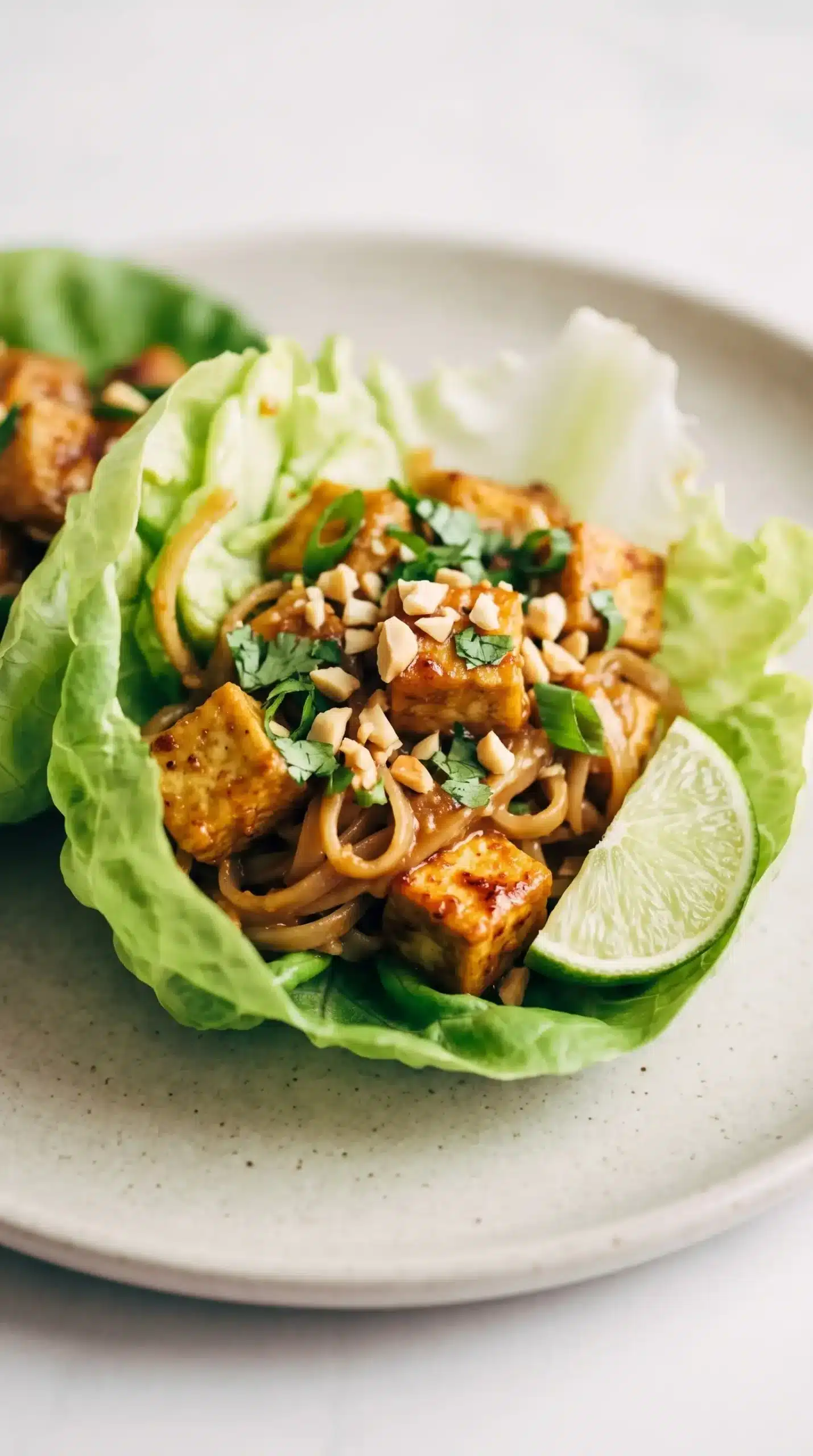
Spicy vegan lettuce wraps are at their best when the cool lettuce and fresh toppings remain distinct from the saucy filling. Add cilantro, peanuts, and lime close to serving so their contrasting qualities remain noticeable.
The best Firecracker Vegan Lettuce Wraps depend on noodle texture
Soft, flexible rice noodles give the filling its proper balance because they can absorb the peanut-chili sauce during a very short skillet finish. Starting with properly hydrated noodles keeps the pan focused on coating and flavoring rather than forcing the noodles to cook through from a firm starting point.
Golden tofu, crisp peanuts, fresh herbs, and cool butter lettuce then build around that foundation. The result is a wrap where heat, richness, acidity, chew, and crunch remain recognizable instead of collapsing into one soft filling.
Firecracker vegan lettuce wraps questions about noodles and tofu
Can the noodles be soaked longer than needed?
They can be soaked until they are very soft and flexible, but the important point is reaching the intended texture before the skillet stage. Starting with properly hydrated noodles reduces the need for additional liquid during the brief stir-fry.
Why did my tofu fail to become golden?
Moisture is a likely factor, especially if the tofu was not pressed before cooking. Patting it with paper towels and allowing the pieces to spend enough time in the hot nonstick skillet before adding sauce gives the exterior a better opportunity to brown.
Can the peanut sauce be made less spicy?
Yes. Reduce the amount of chili paste to lower the heat while keeping the peanut, soy, sesame, vinegar, ginger, garlic, and sugar structure intact. Extra sauce can also be served separately so individual wraps can be adjusted at the table.
What should I do if the noodles become too sticky?
A small splash of water can loosen noodles that are grabbing together in the skillet. Work quickly and remove them from the heat once they are coated, since prolonged cooking can make the texture softer.
Can tofu lettuce wraps be made with another protein?
Chicken is a stated alternative to tofu, so the same general lettuce-wrap concept can be adapted around it. The sauce, noodles, lettuce, peanuts, cilantro, and lime still provide the characteristic flavor and texture combination.
How do I keep the lettuce wraps from falling apart?
Select broad, intact butter lettuce leaves and avoid overfilling them. A moderate portion of noodle and tofu mixture leaves enough lettuce around the filling to fold and hold it securely.
Firecracker Vegan Lettuce Wraps with Peanut-Chili Sauce
Firecracker vegan lettuce wraps combine chewy brown rice noodles and golden tofu with a creamy, spicy-sweet peanut-chili sauce. Fresh butter lettuce, crunchy peanuts, cilantro, and lime make them a flavorful, satisfying choice for a quick weeknight meal.
Ingredients
Method
Preparation
- Place the brown rice noodles in a bowl of lukewarm water and soak for at least 30 minutes while preparing the remaining ingredients. Continue soaking until the noodles are very soft and flexible.
- Combine the peanut butter, soy sauce, sesame oil, rice vinegar, chili paste, sugar, ginger, and garlic in a small blender or food processor. Blend until the sauce is smooth and creamy.
- Press the tofu with a few paper towels to remove excess moisture, then cut it into small pieces.
Cooking
- Heat a little oil in a nonstick skillet over medium heat. Add the tofu and stir-fry until the pieces are golden brown, allowing at least 15 minutes for sautéing.
- Pour about half of the sauce into the skillet with the browned tofu. Stir-fry for another 3-5 minutes, allowing the sauce to brown and form small crisp pieces around the tofu. Transfer the tofu to a bowl.
- Drain and rinse the soaked noodles. Add another small amount of oil to the skillet, then add the noodles and about half of the remaining sauce. Stir-fry for 1-2 minutes, just until the noodles are coated. Add a splash of water if they are too sticky.
- Remove the skillet from the heat immediately and toss the noodles with the cooked tofu.
Assembly
- Spoon the noodle and tofu mixture into butter lettuce leaves.
- Top the wraps with peanuts, cilantro, lime, and additional peanut-chili sauce.
Notes
Air Fryer Option: For extra-crispy tofu, you can air fry the tofu instead. Protein Options: Tofu is used in the recipe, but chicken is also a favorite alternative. Soaking the Noodles: Soak the noodles until they are very soft and flexible, almost ready to eat. If they are not soaked long enough, they will need more liquid in the skillet and can become a sticky, overly soft mass.