From breakfast to dinner, from healthy meals to sweet desserts – Next Yum Recipes brings you quick, simple and tasty ideas for every occasion and every time.


 This Recipe
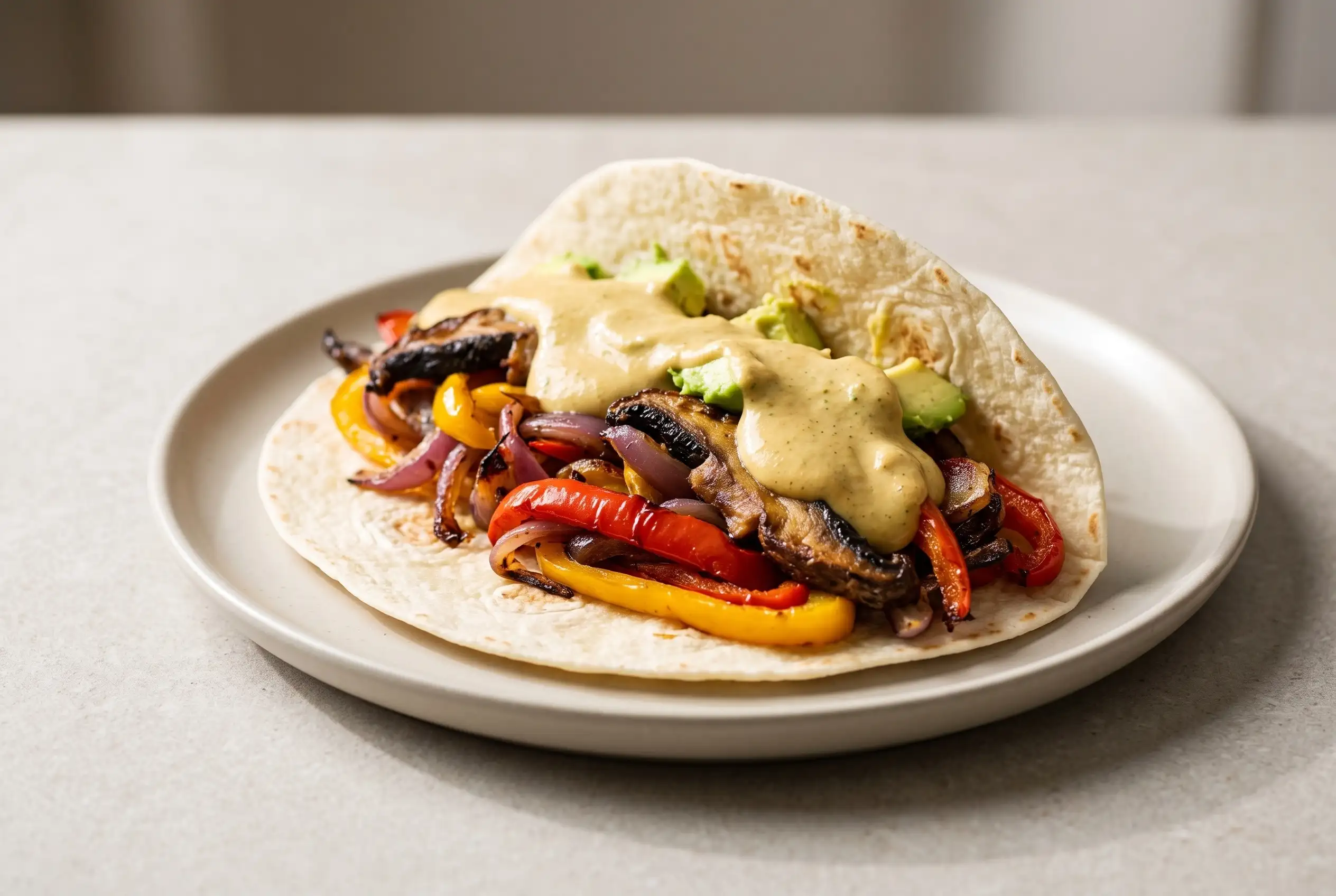
Vegan sheet pan fajitas turn a generous pile of peppers, onion, and portobello mushrooms into a deeply roasted filling with very little fuss. The combination becomes especially satisfying when tucked into warm tortillas and finished with avocado and a spoonful of smooth chipotle queso. The vegetables bring sweetness and savory depth, while the cashew-based queso adds creamy heat that ties every bite together.
Roasted vegetables make these fajitas feel substantial
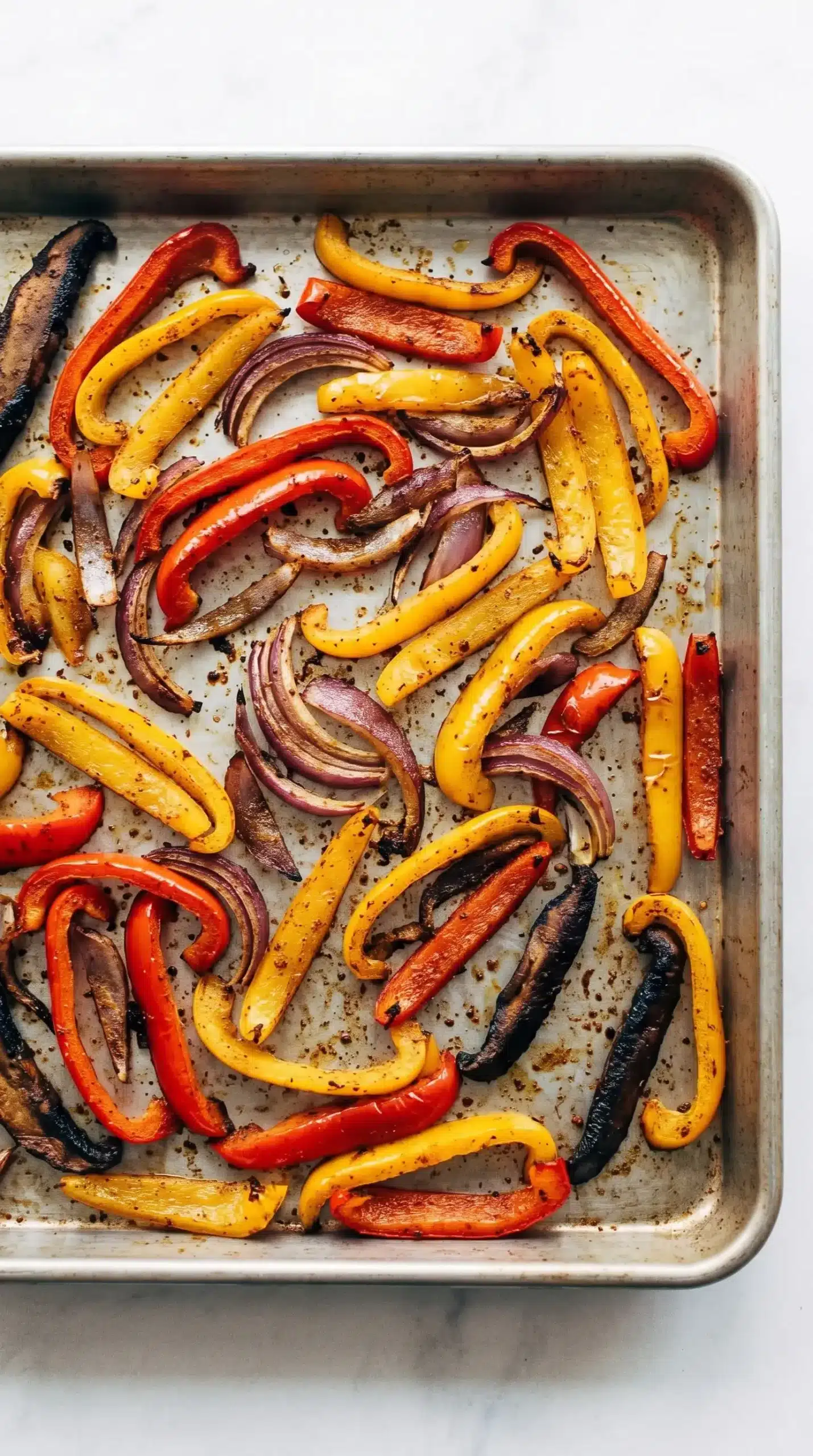
Red and yellow bell peppers soften and develop browned edges as they roast, while red onion becomes sweeter and more tender. Portobello mushrooms contribute a meatier texture and absorb the chili, cumin, garlic, and onion seasoning as they cook. Keeping the mushrooms on their own baking sheet gives you more control over their texture because they can release moisture as they roast.
Sheet pan vegan fajitas benefit from plenty of exposed surface area. Crowding vegetables together can make them soften in their own moisture, leaving fewer browned edges. Spreading the peppers and onions across one pan and the mushrooms across another gives the ingredients room to roast and makes it easier to adjust one pan if it finishes ahead of the other.
Warm tortillas provide the soft base for the roasted filling, but avocado and chipotle queso make the combination more complete. The creamy toppings also balance the dry warmth of the spices and the concentrated flavor created by roasting.
Cashews turn chipotle and green chiles into a creamy finish
Cashews are the foundation of the queso because blending them with water creates a smooth, rich sauce without dairy, much like the base used for a cashew-based queso. The diced green chiles contribute a mild chile flavor, while a chipotle pepper brings a deeper smoky heat. Salt helps sharpen those flavors, especially when the cashews are unsalted.
Very smooth blending matters here. Any remaining cashew pieces will be noticeable when the sauce is spooned over the fajitas, so give the blender enough time to break the mixture down thoroughly. If the sauce seems too thick to move easily, a small adjustment in blending consistency can make it easier to spoon across the tortillas.
Chipotle heat is easy to adjust because the pepper is added directly to the blended mixture. Starting conservatively lets you taste the queso before adding more. That is particularly useful when the tortillas, avocado, and seasoned vegetables are already bringing several layers of flavor to the plate.
Separate baking sheets give the vegetables better control
Peppers and onions can tolerate a little more roasting time than mushrooms, so separate pans let you move or rotate each group independently. At a hot oven temperature, watch for softened vegetables with browned edges instead of relying only on the clock.
Portobello strips need room to roast
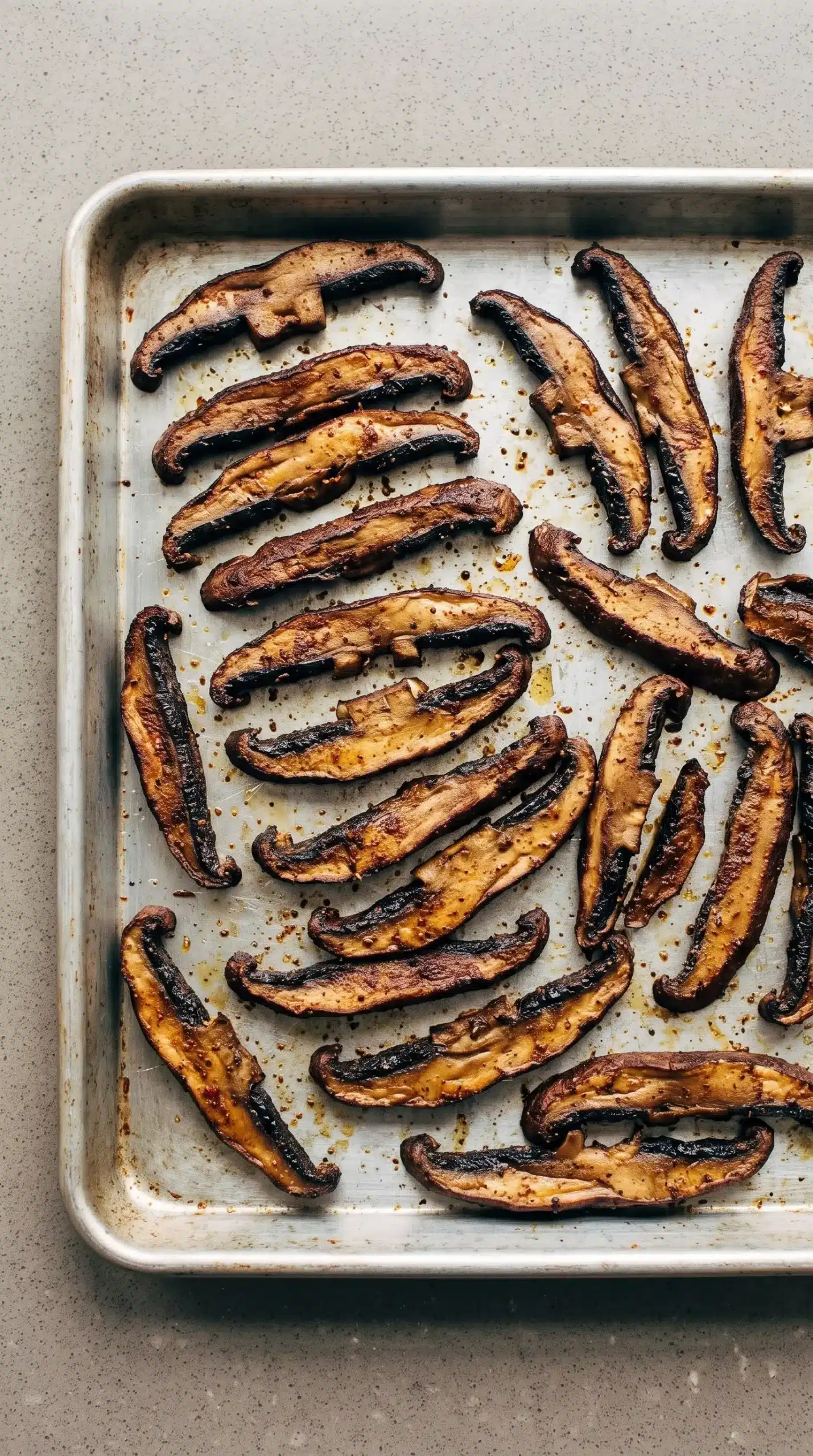
Cutting the portobello caps into strips creates plenty of exposed surface for the spices and oil to coat. Mushrooms release liquid as they cook, so keeping the pieces in a reasonably open layer gives that moisture room to escape while high-heat cooking helps the edges develop deeper roasted flavor.
Because mushrooms can change texture as they cook, their appearance is a useful cue. They should look cooked through and roasted, not pale and watery. If the mushroom pan is ready before the peppers and onions, take advantage of the separate pans and let the other vegetables continue cooking.
Chili, cumin, garlic, and onion build the fajita seasoning
The spice mixture works because its flavors overlap without requiring a long marinade. Chili powder supplies the central warmth, cumin gives the vegetables a distinctive earthy character, and garlic and onion powders reinforce the savory profile. Tossing the vegetables with the seasonings and oil before roasting helps distribute those flavors over the entire surface.
Salt deserves attention at this stage because it affects how the roasted vegetables taste alongside the creamy queso. Seasoning the vegetables before they enter the oven allows the flavors to develop together as the produce cooks and concentrates.
| Ingredient group | What to watch for while roasting | Useful adjustment |
|---|---|---|
| Peppers and red onion | Softened pieces with browned edges | Continue roasting if they need more color |
| Portobello mushrooms | Cooked, concentrated pieces with roasted edges | Remove their pan if they finish first |
| Seasoning and oil | Vegetables visibly coated before baking | Toss again if spices collect in dry spots |
Vegan sheet pan fajitas need high-heat visual cues
A hot oven encourages the vegetables to roast instead of simply becoming soft. Look for changes in texture and color as the pans cook: peppers should lose their raw firmness, onions should become tender, and mushrooms should look concentrated and roasted.
Small serving choices change the balance of every bite
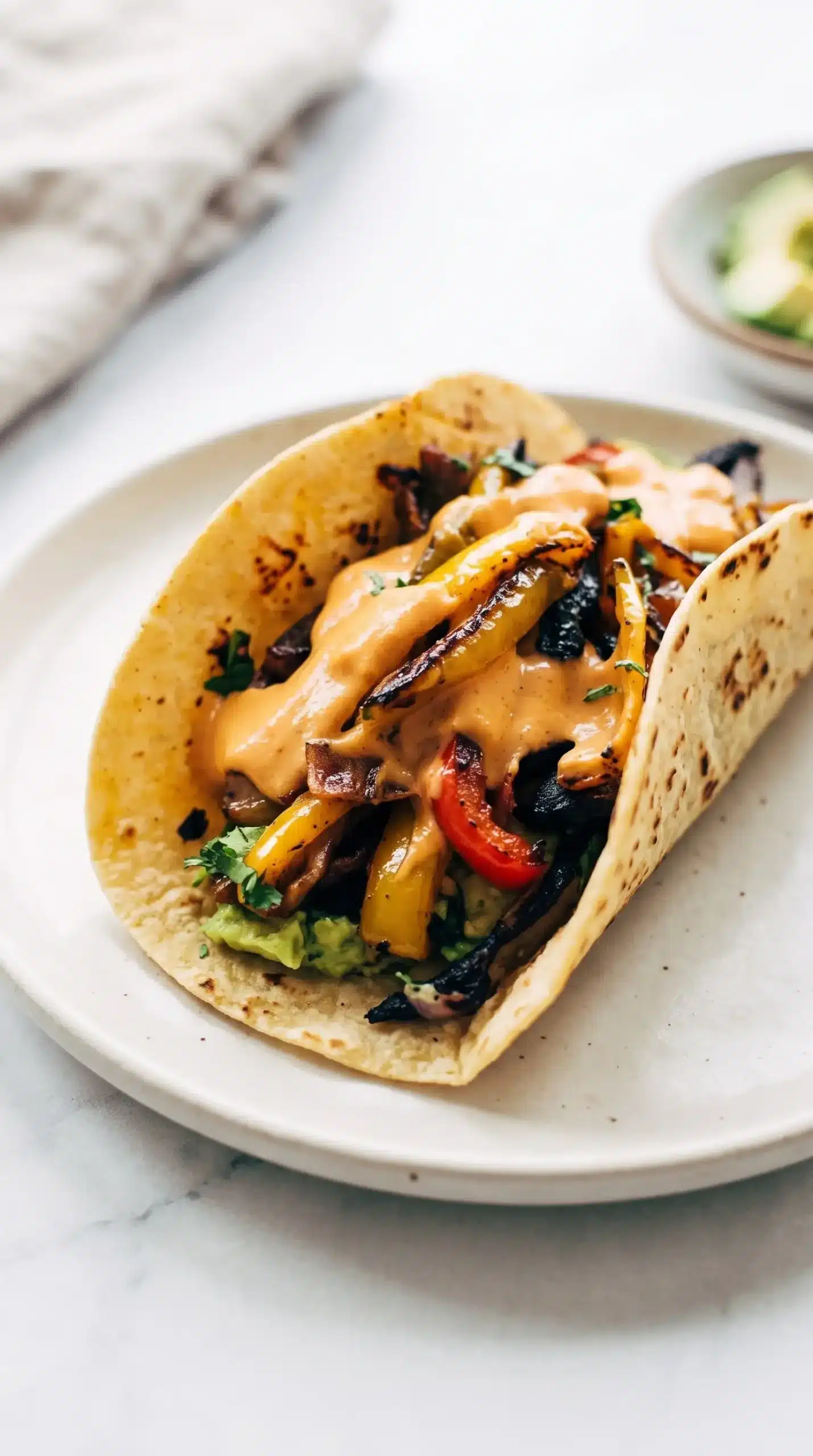
Warm tortillas make the roasted vegetables easy to fold and eat, while avocado contributes a cool, creamy contrast. Chipotle queso brings the strongest creamy and spicy element, so it works especially well as a generous spoonful added after the vegetables are assembled.
- For a softer bite: use warm tortillas and add avocado before the queso.
- For more chile character: increase the chipotle in the queso after tasting the first blend.
- For a bowl: skip the tortillas and arrange the vegetables, avocado, and queso over rice or quinoa.
Vegan mushroom fajitas benefit from a separate pan
The mushrooms deserve their own roasting space because their moisture and cooking behavior differ from the peppers and onion. A dedicated sheet makes it simpler to judge their doneness without forcing the other vegetables to follow the same cooking pace.
That separation also gives you a practical way to manage the oven. If one pan needs more time, it can stay in while the other comes out. Shuffling the pans around the oven can also help when one group needs more direct heat or a little additional roasting.
Common vegan fajita mistakes are easy to spot
Overcrowded vegetables: When the pans are packed too tightly, the vegetables have less exposed surface and can become soft before developing much roasted color. Keep the pieces spread out enough that they have room around them.
One pan for everything: Combining mushrooms with peppers and onions removes some control because the groups can finish at different rates. Separate baking sheets make it easier to stop one pan while the other continues.
Under-blended queso: A cashew sauce that still contains noticeable pieces will not have the smooth texture expected from a creamy topping. Blend until the mixture is very smooth before deciding whether it needs more seasoning or heat.
Too much chipotle at once: The pepper can quickly become the dominant flavor. Add cautiously, taste the blended queso, and increase the amount only if the finished sauce needs more smoky heat.
Sheet pan vegan fajitas work beyond the tortilla
Rice or quinoa can turn the roasted vegetables and chipotle queso into a bowl without changing the core preparation. The grains provide a neutral base for the seasoned vegetables, avocado, and creamy sauce.
A tortilla-free serving also gives the vegetables more room on the plate, which can be useful when you want the roasted edges and different textures to remain distinct. Spoon the queso over the top so its richness is distributed through the vegetables and grain.
Parchment is optional when your pans release cleanly
Good nonstick baking sheets can work without a liner, particularly when the vegetables are lightly coated with oil. If sticking is a concern, parchment paper provides a simple alternative and can make cleanup easier after roasting.
Vegan sheet pan fajitas depend on roasting judgment
The most important decision is not whether every vegetable finishes at exactly the same moment; it is whether each group has reached the texture and color that make it enjoyable. Separate pans give the peppers, onion, and mushrooms the flexibility to finish on their own terms, while visual cues tell you when they are ready.
Once the vegetables are roasted, the contrast with the smooth chipotle queso becomes the defining feature of vegan sheet pan fajitas. Keep the queso creamy and adjust its chile heat to suit the rest of the filling, then let the avocado and tortillas round out the combination.
Questions about chipotle queso and fajita texture
Can the chipotle queso be made less spicy?
Yes. Use less chipotle pepper when blending the queso, then taste it before adding more. The diced green chiles can remain in the sauce so you still have chile flavor without making the smoky heat too strong.
Why are the mushrooms roasted separately from the peppers?
Portobello mushrooms can release moisture as they cook, while peppers and onions may need a different amount of roasting time to develop their preferred color and tenderness. Separate pans let you respond to those differences without overcooking one group.
Can these vegan sheet pan fajitas be served without tortillas?
Absolutely. Serve the roasted vegetables with avocado and chipotle queso over rice or quinoa for a bowl-style meal. The tortilla is a serving option, not a requirement for the roasted filling and queso to work together.
What can I do if the vegetables are soft but not browned?
Give them more exposed space on the baking sheet and continue roasting until you see more color. Crowding can limit browning, so spreading the pieces into a less compact layer is an important first adjustment.
How can I tell when the cashew queso is smooth enough?
Run the blender until the mixture has a consistently creamy appearance with no noticeable cashew pieces. If you can still see or feel small fragments, continue blending before adjusting the seasoning or chipotle.
Vegan Sheet Pan Fajitas with Chipotle Queso and Avocado
These vegan sheet pan fajitas pair deeply roasted peppers, onion, and portobello mushrooms with creamy, smoky chipotle queso and avocado. They make an easy, satisfying weeknight meal with hearty roasted texture and plenty of flavor.
Ingredients
Method
Preparation
- Preheat the oven to 450°F (232°C).
- Place the peppers and onions on one baking sheet and the mushrooms on a second baking sheet. Drizzle the vegetables with olive oil, then toss them with the chili powder, cumin, garlic powder, onion powder, and salt.
Cooking
- Roast the vegetables for about 20 minutes, checking for tender pieces and browned, roasted edges.
Chipotle Queso
- Add the cashews, water, diced green chiles, chipotle pepper, and kosher salt to a blender. Blend until completely smooth, then taste and adjust the seasoning or chipotle to taste.
Assembly
- Fill tortillas with the roasted peppers, onions, and mushrooms. Add avocado and a generous spoonful of chipotle queso before serving.
Notes
The peppers may need a few minutes longer than the mushrooms, so use the separate baking sheets to adjust each pan independently and shuffle their positions in the oven when needed. The roasted filling also works well as a rice or quinoa bowl without tortillas. Nonstick baking sheets can be used without a liner; if sticking is a concern, line them with parchment paper.