From breakfast to dinner, from healthy meals to sweet desserts – Next Yum Recipes brings you quick, simple and tasty ideas for every occasion and every time.


 This Recipe
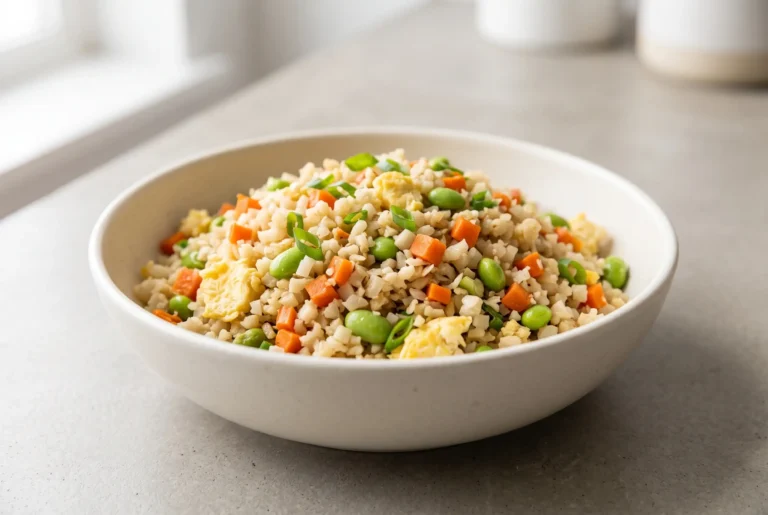
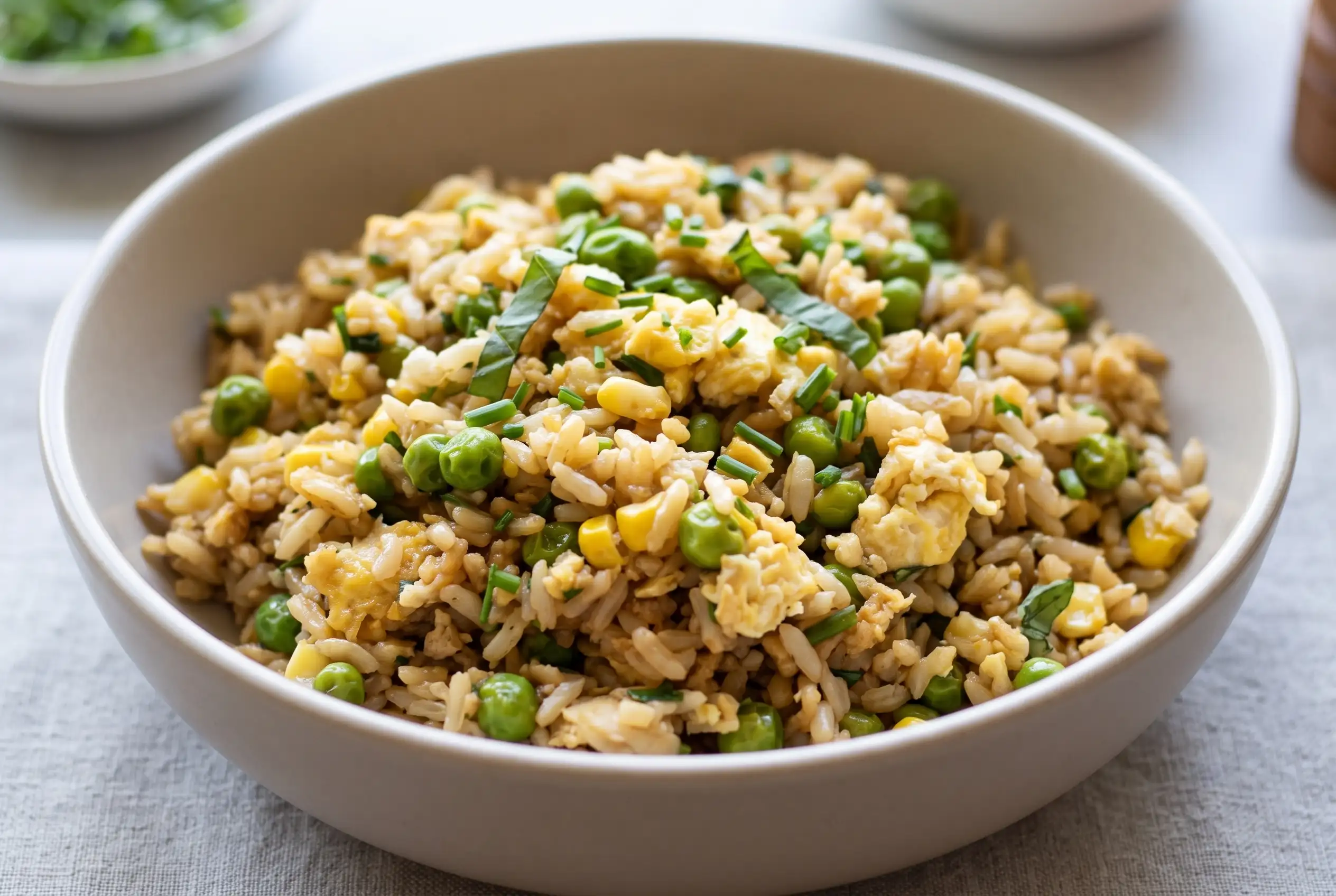
Veggie fried rice brings together the speed of a weeknight meal with the satisfying texture of a dish built around simple pantry ingredients. Using cooked brown rice, eggs, frozen vegetables, sesame oil, ginger, and garlic creates a flavorful version that feels fresh without requiring a long preparation process.
Cold, separated rice is the foundation that helps each grain stay distinct while it moves through the hot pan. The combination of vegetables and seasonings gives brown rice fried rice a hearty character, while fresh additions such as basil, chives, or spinach can change the finished bowl depending on what is available.
Veggie fried rice keeps quick cooking balanced
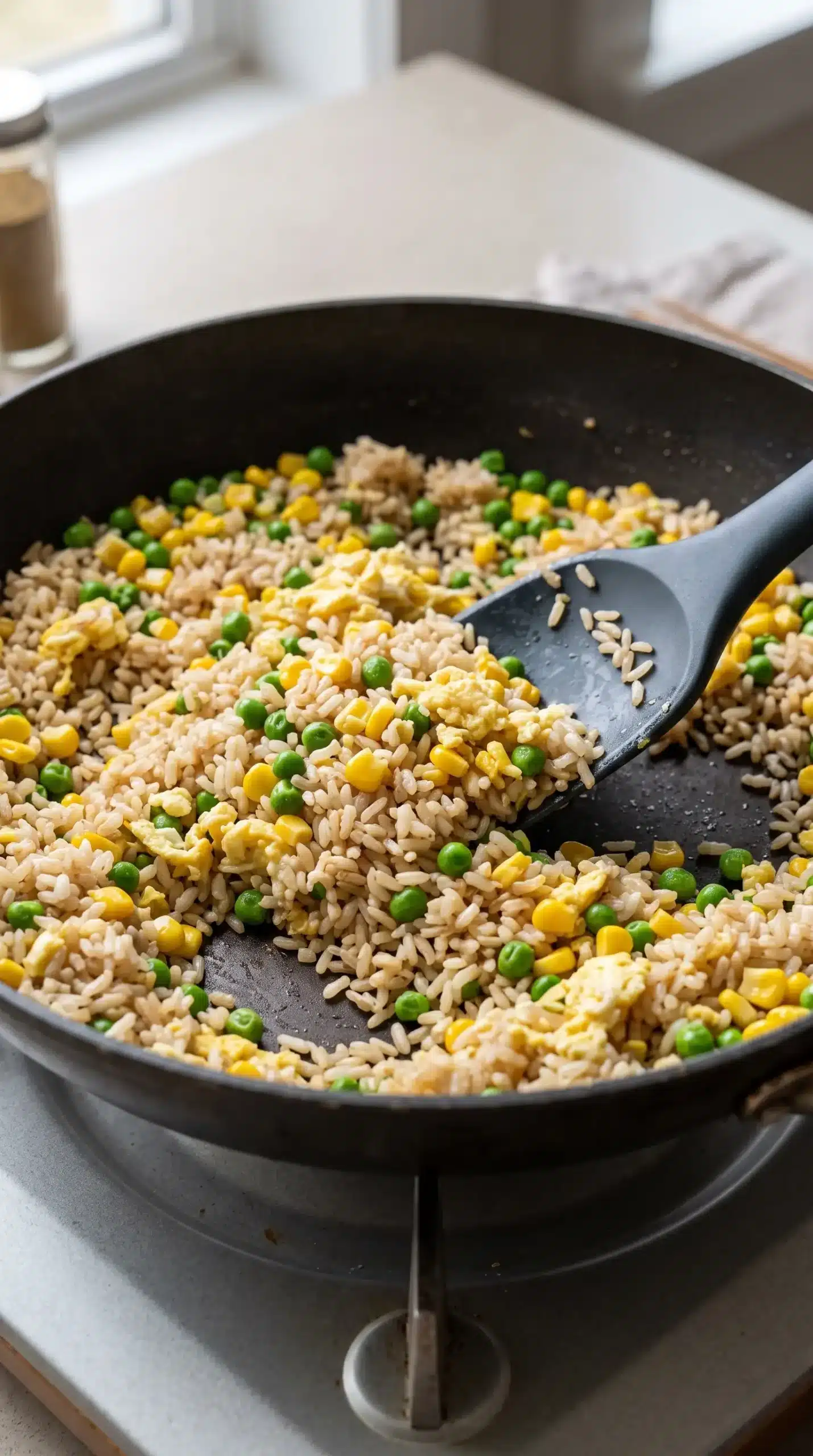
Fast meals often depend on making a few smart choices before the pan is heated. Cooked rice that is already cooled and separated can move easily through the skillet, allowing the grains to absorb seasoning while still keeping their structure.
Frozen corn and peas work especially well in this style of cooking because they can be added directly during the stir-fry process. Their convenience supports the short cooking window while bringing color, sweetness, and contrast to the rice.
Eggs add another layer of texture by creating small pieces that blend throughout the grains. Gentle handling while they are barely set helps them combine with the rice without turning the mixture heavy or compact.
Brown rice fried rice depends on texture choices
Rice selection has a major effect on the finished dish. Brown rice offers a pleasantly firm bite, and using grains that have cooled and separated makes it easier for the pan heat to create a fried texture instead of a soft, clumped result.
Brown rice has a different structure because the grain keeps its bran layers after processing, which contributes to its slightly chewy texture and nutty character. Understanding brown rice’s bran layers helps explain why it stays pleasantly firm in a fried rice dish.
| Rice option | Texture effect | Useful preparation choice |
|---|---|---|
| Cooked brown rice | Firm grains with more chew | Cool and separate before cooking |
| Leftover rice | Dryer surface for stir-frying | Break apart larger clumps first |
| Prepackaged cooked rice | Easy separation between grains | Use when a quick option is needed |
Moisture management matters because excess moisture can prevent the rice from developing the characteristic fried texture. Keeping the grains loose before they reach the pan gives the heat more opportunity to work evenly.
Sesame oil and aromatics shape veggie fried rice flavor
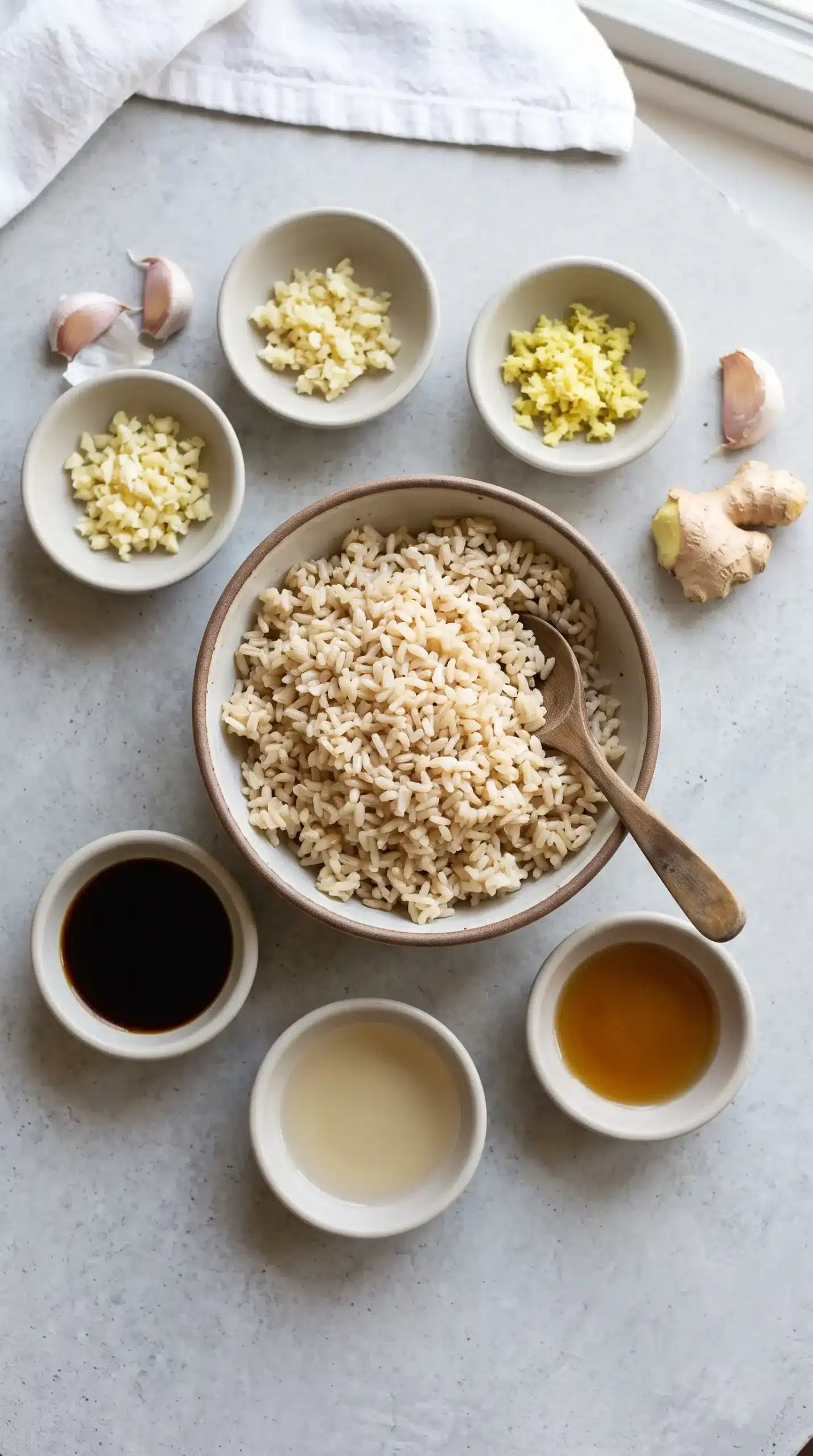
Garlic, fresh ginger, and sesame oil create the flavor base that makes this dish distinctive. Warming the aromatics briefly before adding the rice allows their fragrance to spread through the pan while keeping the flavors bright.
Vegetable additions keep easy vegetable fried rice flexible
Corn and peas provide the main vegetable combination, but additional greens and herbs can personalize each serving. Fresh basil, chives, and baby spinach add a different finishing character after the hot cooking is complete.
Simple additions should support the rice instead of overwhelming it. A small amount of fresh garnish can bring contrast to the savory soy sauce and rice vinegar seasoning already present in the pan.
Pan heat controls separate grains and tender eggs
Cooking control matters most once the ingredients meet the skillet. Starting with enough heat helps the rice warm quickly while encouraging the grains to move freely through the pan.
Egg texture depends on timing and attention. Moving the eggs gently while they are still barely cooked allows them to stay soft before the rice joins the mixture and the ingredients continue to combine.
Seasoning is easiest to manage when added near the end of the stir-fry process. Soy sauce and rice vinegar can coat the grains without sitting too long over the heat, preserving their balance in the finished dish.
Common veggie fried rice mistakes come from rushed handling
Several problems can appear when a quick stir-fry is treated like a slow-cooked meal. Avoiding a few common errors helps protect the texture that makes veggie fried rice enjoyable.
- Wet rice: Extra moisture can make grains stick together and reduce the separated texture.
- Overcooked eggs: Cooking the eggs too long before combining the rice can create a firmer texture throughout the dish.
- Heavy seasoning: Adding too much soy sauce at once can cover the lighter flavors from ginger, garlic, and fresh herbs.
Clumped grains can often be improved by breaking them apart before cooking and allowing the pan to heat properly. Careful timing also keeps the vegetables vibrant while preventing the entire mixture from becoming soft.
Fresh add-ins change the character of each serving
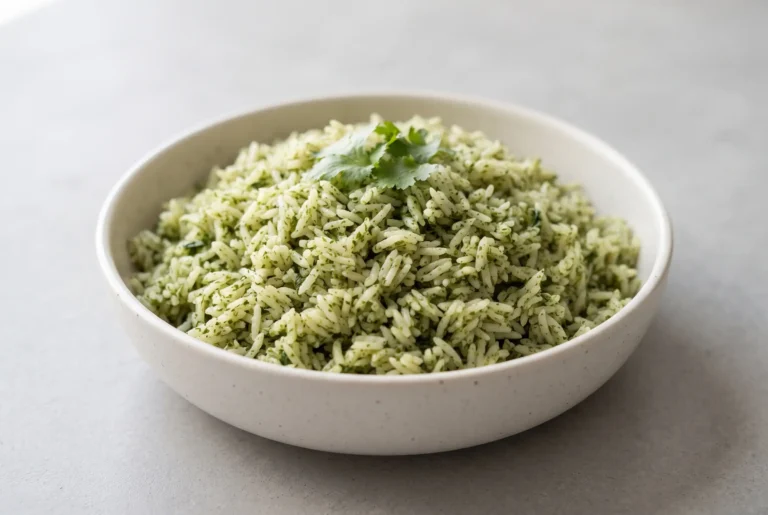
Herbs and greens give this fried rice room for variation without changing its foundation. Basil creates a fresh aroma, while chives add a mild onion note and spinach blends easily into the warm grains. Fresh greens can become the focus of a rice dish through a cilantro and spinach rice preparation that keeps herb flavors prominent.
Creative additions work best when they match the quick cooking style. Small amounts of extra vegetables or herbs can be stirred in after removing the pan from heat so their texture remains noticeable.
Frozen vegetables make preparation more practical
Frozen corn and peas are useful because they remove extra preparation steps while fitting naturally into a short stir-fry. They provide reliable texture and allow the dish to come together with ingredients commonly kept on hand.
Soy sauce and vinegar create a balanced finish
The seasoning combination brings salty and bright notes that help the brown rice and vegetables taste complete. Soy sauce provides savory depth, while rice vinegar adds a lighter contrast that keeps the flavors from feeling flat.
Veggie fried rice works best with thoughtful leftovers
Cooked rice can become a practical starting point for a quick meal when it has the right texture. Separating the grains before they reach the pan makes leftover rice especially useful for this style of cooking.
Extra portions can also be adapted with different herbs or vegetables when serving. The flexible base allows small changes without losing the recognizable fried rice character.
Veggie fried rice stays satisfying through simple choices
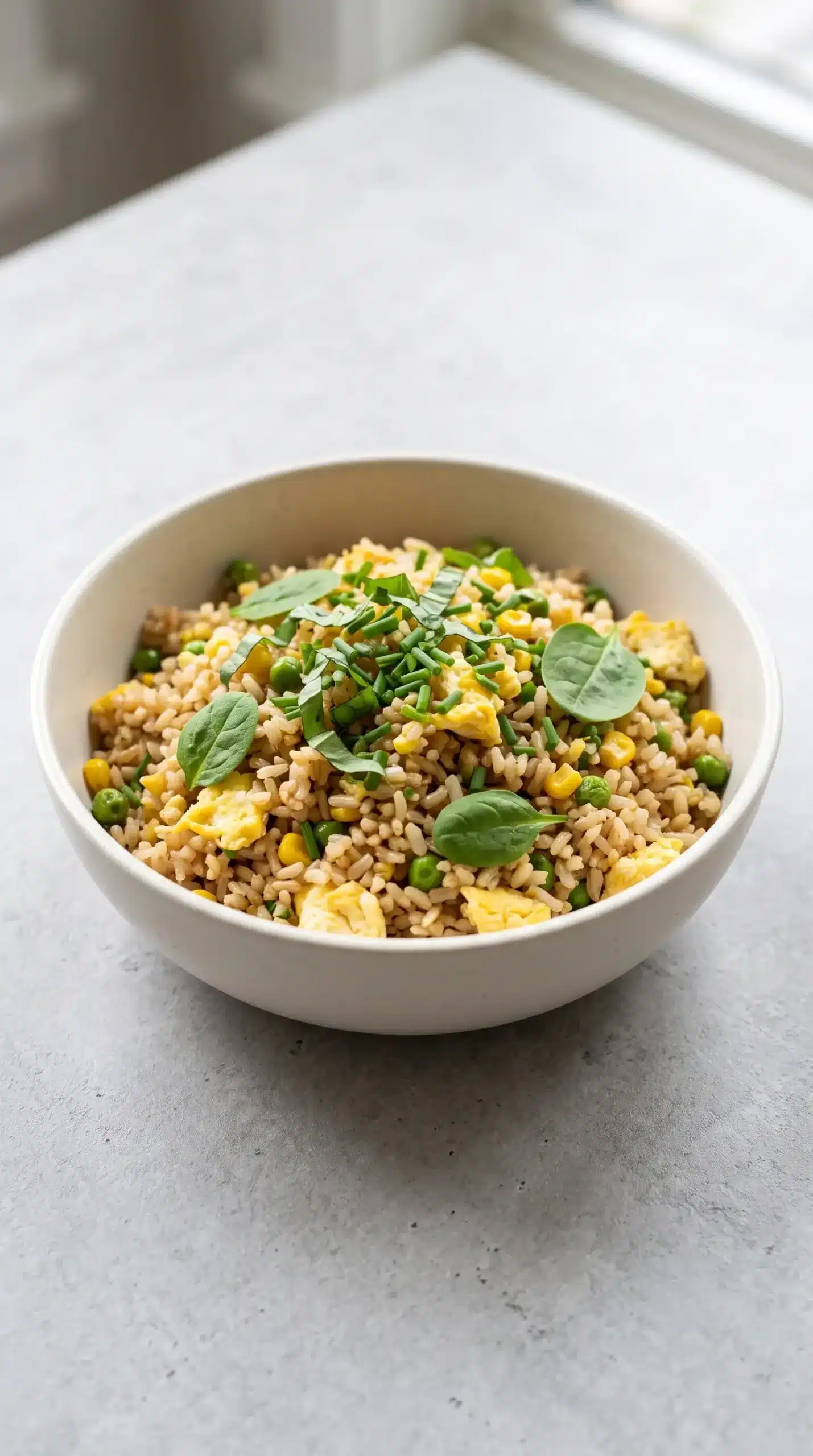
Veggie fried rice succeeds because each element has a clear purpose: separated brown rice provides structure, eggs create richness, vegetables bring contrast, and aromatics build the flavor foundation. Careful heat control turns these everyday ingredients into a dish with a balanced texture.
Small decisions before and during cooking have the greatest impact on the result. Keeping the rice loose, seasoning with restraint, and finishing with fresh additions creates a quick meal that feels carefully prepared.
Veggie fried rice questions about storage and texture
Can veggie fried rice be made with freshly cooked rice?
Freshly cooked rice can work, but it may contain more moisture than cooled rice. Letting cooked grains cool and separate before stir-frying can help create a texture closer to classic fried rice.
Why does my fried rice turn mushy?
Mushy texture usually comes from excess moisture or rice grains that were not separated before cooking. Breaking apart clumps and allowing the pan heat to contact the rice evenly can improve the result.
Can I change the vegetables in veggie fried rice?
Yes, the dish can accommodate other fresh vegetables, herbs, or greens as long as the additions fit the quick cooking approach. Small amounts help maintain the balance between rice, seasoning, and texture.
How can I make the eggs blend into the rice better?
Keeping the eggs gently cooked before combining them with the rice helps them break into smaller pieces throughout the dish. Light stirring encourages the eggs and grains to come together without making the mixture dense.
Veggie Fried Rice with Brown Rice and Frozen Vegetables
Veggie fried rice with brown rice and frozen vegetables is a quick, flavorful meal with tender eggs, separated rice grains, and savory sesame-seasoned vegetables. It is an easy option when you want a satisfying weeknight dish with fresh finishing touches.
Ingredients
Method
Cooking
- Warm 1 tablespoon of sesame oil in a large pan over medium heat. Add the garlic and ginger, then stir-fry for 1 minute.
- Crack the eggs into the pan and gently move them around until they are barely cooked, about 1-2 minutes.
- Add the cooked brown rice and stir-fry for a few minutes. Add the remaining tablespoon of sesame oil and increase the heat so the rice cooks in the hot pan. Allow the eggs to combine with the rice.
- Add the frozen corn, frozen peas, rice vinegar, and soy sauce. Continue stir-frying for another 1-2 minutes.
- Remove the pan from the heat and mix in any additional add-ins before serving.
Notes
For the ginger, fresh ginger paste was used. Both leftover rice from the night before and prepackaged cooked brown rice have been used; the prepackaged cooked rice works well because it separates easily for fried rice.