From breakfast to dinner, from healthy meals to sweet desserts – Next Yum Recipes brings you quick, simple and tasty ideas for every occasion and every time.


 This Recipe
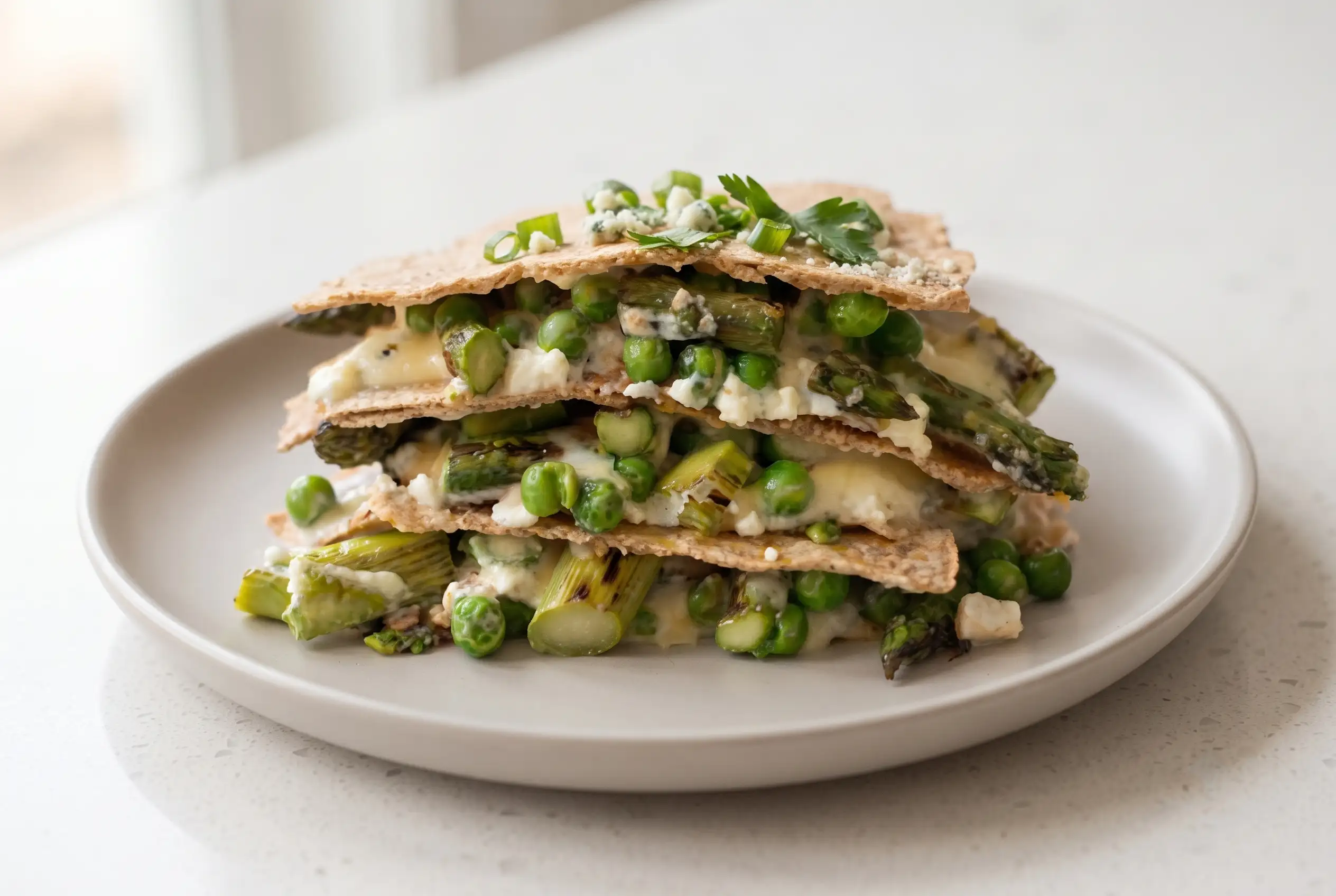
Asparagus quesadilla brings together grilled vegetables, creamy filling, and melted cheese in a handheld meal that borrows the visual appeal of lasagna-style layering. The combination of whole wheat tortilla, asparagus, peas, ricotta, and Gouda creates a contrast between tender vegetables and a crisp exterior while keeping the preparation focused on simple ingredients.
Unlike traditional layered pasta dishes, asparagus quesadilla lasagna uses folded tortilla sections to create stacked wedges that reveal colorful layers. The arrangement makes each bite feel more substantial, with vegetables distributed throughout instead of sitting as a single topping.
Asparagus Quesadilla Lasagna Builds Layered Quesadilla Texture
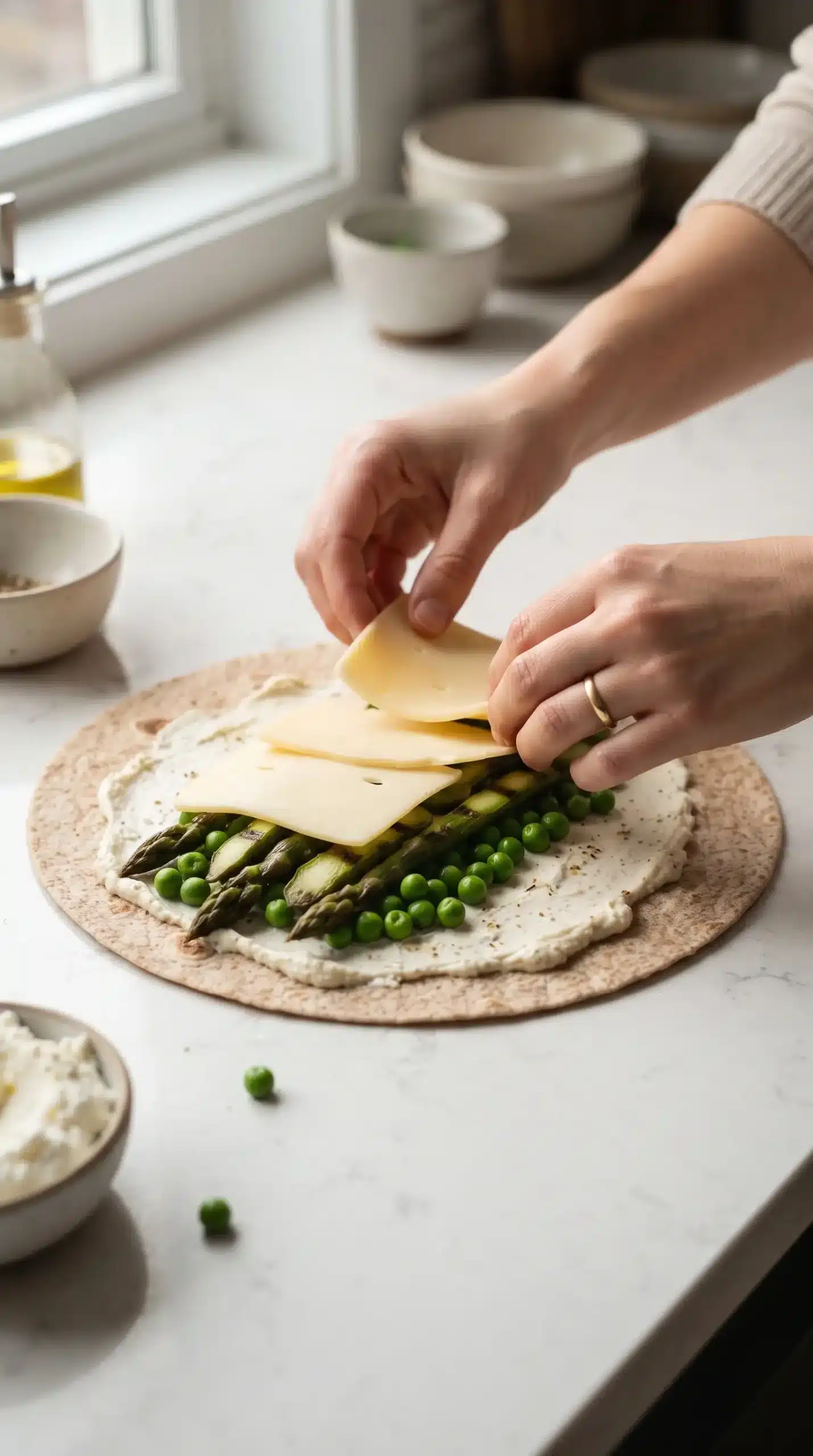
Layered construction gives the dish its signature character. The tortilla acts as both the foundation and the outer shell, while the vegetable mixture and cheese create the soft center that contrasts with the grilled surface.
Careful placement matters because the filling needs to stay balanced across the tortilla. Spreading the ricotta mixture across one side creates an even base, allowing the asparagus and peas to sit within the cheese layer without overwhelming any single section.
Stacked wedges create a presentation similar to a small savory tower. Cutting and arranging the pieces after grilling highlights the internal colors from the asparagus and peas while making the meal easier to serve.
Whole Wheat Tortillas Shape the Asparagus Quesadilla Base
Whole wheat tortillas provide a sturdy structure for the asparagus quesadilla, helping support the vegetable filling while adding a nutty flavor that pairs well with green vegetables and creamy cheese.
Ricotta and Vegetables Need Balanced Moisture Control
Moisture management is one of the most important considerations when combining ricotta, cooked vegetables, and tortillas. Ricotta creates a smooth texture, but excess moisture can soften the tortilla surface during grilling.
Freshly cooked asparagus and peas should be handled carefully before assembly. Allowing vegetables to release excess steam before layering helps the tortilla maintain more of its grilled character.
The ricotta mixture works best when seasoned simply with garlic, salt, and pepper. The seasoning supports the vegetables while keeping the cheese layer from becoming the only noticeable flavor in the finished wedges.
| Component | Texture Role | Preparation Consideration |
|---|---|---|
| Whole wheat tortilla | Crisp outer layer | Needs enough heat to develop a grilled surface |
| Ricotta mixture | Creamy interior layer | Use a controlled amount to avoid excess softness |
| Asparagus and peas | Tender vegetable contrast | Cook and manage moisture before assembly |
| Gouda cheese | Melted binding layer | Place where heat can soften it evenly |
Asparagus Preparation Changes the Quesadilla Experience
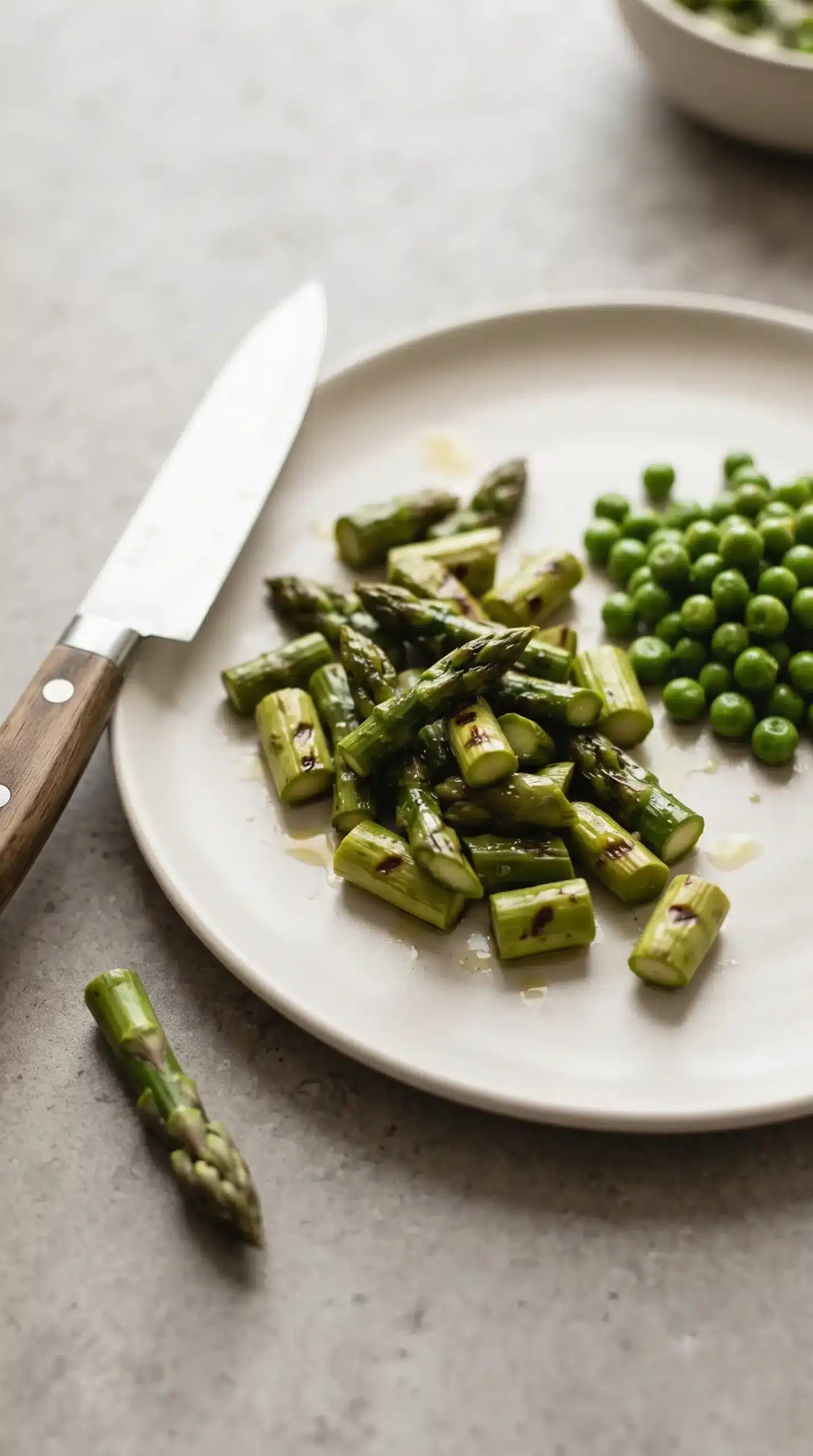
Grilled asparagus brings a distinct texture to the filling because the stalks retain some firmness while developing deeper flavor from direct heat. Cutting the asparagus into manageable pieces makes distribution inside each wedge more consistent.
Frozen peas contribute sweetness and color while fitting naturally beside asparagus. Their smaller size allows them to settle into the cheese mixture instead of creating large gaps between tortilla layers.
Vegetable preparation influences the balance of the finished asparagus and pea quesadilla. Cooking each vegetable before assembly helps prevent a raw texture inside the folded tortilla and gives the filling a more unified taste. Careful asparagus and pea preparation keeps the vegetables tender while preserving the fresh flavors that define the filling.
- Asparagus size: Smaller pieces spread more evenly through each serving.
- Pea texture: Cooked peas should remain tender without becoming watery.
- Vegetable placement: Even layers help every wedge contain similar flavors.
Cheese Choices Keep the Wedges Connected
Gouda provides the melting quality that helps connect the vegetable layers after grilling. Its mild flavor allows asparagus and peas to remain noticeable while adding richness to the filling.
Serving Ideas Highlight the Asparagus and Pea Quesadilla
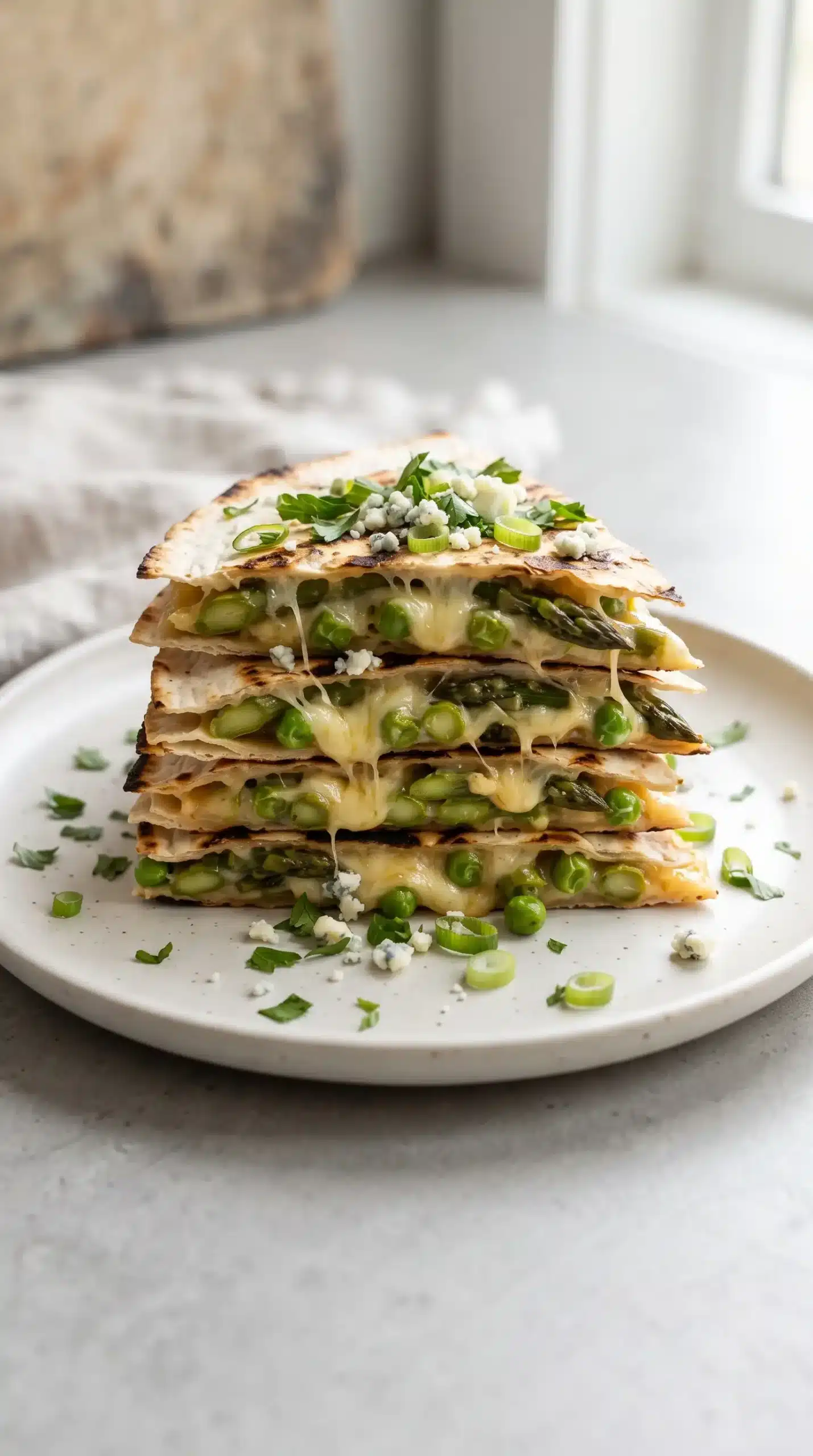
The finished wedges can be served as a colorful vegetarian meal or arranged as a shareable plate. Garnishes such as green onions, gorgonzola cheese, and parsley introduce extra contrast after the quesadilla leaves the grill.
Additional toppings should complement the existing filling without covering the vegetable layers. Fresh herbs are especially useful because they brighten the creamy center and reinforce the green vegetable theme.
| Serving Addition | Flavor Effect | Best Use |
|---|---|---|
| Green onions | Fresh savory bite | Sprinkled over warm wedges |
| Gorgonzola cheese | Bold tangy finish | Used as a small garnish |
| Parsley | Herbal freshness | Added just before serving |
Asparagus Quesadilla Lasagna Mistakes That Affect Structure
Several common mistakes can change the texture of asparagus quesadilla lasagna. Understanding where problems begin makes it easier to adjust the assembly before grilling.
Excess filling is a frequent issue because a tortilla has limited space for layered ingredients. Overloading the center can make flipping difficult and may prevent the cheese from warming evenly.
Wet vegetables create another challenge. If cooked asparagus or peas carry too much moisture into the tortilla, the surface can lose the crisp texture that makes the grilled quesadilla satisfying.
- Too much ricotta: Reduce the creamy layer if the tortilla becomes difficult to crisp.
- Uneven filling: Spread ingredients across the tortilla area for consistent wedges.
- Rushed grilling: Allow enough heat to develop the exterior without burning it.
Cooking Control Keeps the Quesadilla Crisp
Grilling technique determines how the tortilla, cheese, and vegetables come together. Cooking quesadillas over medium heat helps the exterior brown while giving the cheese time to soften around the filling.
Positioning the tortilla correctly also matters. Keeping the folded edges aligned helps maintain the shape while the cheese acts as a connection point between layers.
Observation during grilling is more useful than relying only on time. A lightly browned tortilla, softened cheese, and warmed center indicate that the quesadilla has reached the texture intended for slicing.
Creative Variations Fit the Same Vegetable Filling
Simple adjustments can change the character of the dish while keeping the asparagus-centered structure intact. Different cheeses, herbs, or vegetable combinations can create new versions without changing the basic approach.
For a firmer quesadilla structure, the ricotta layer can be replaced with additional sliced cheese or another filling that releases less moisture during heating. This adjustment is especially useful when a crisp tortilla is the priority.
Other variations may focus on seasoning. A small amount of additional herbs or a different melting cheese can shift the flavor profile while allowing asparagus to remain the defining ingredient.
Storing and Reheating Preserve the Quesadilla Layers
Storage works best when leftover wedges are protected from excess humidity. A sealed container helps maintain freshness, while reheating with direct heat can help restore some exterior crispness.
Reheating should focus on warming the center without making the tortilla overly soft. A skillet or grill surface is useful because it can revive the outer texture while gently heating the filling.
Asparagus Quesadilla Lasagna Finds Its Best Texture Balance
Asparagus quesadilla lasagna succeeds when the grilled tortilla, creamy filling, vegetables, and melted cheese maintain their individual textures while working together. The most important choice is controlling moisture so the vegetable layers remain flavorful and the tortilla keeps its structure.
Balanced assembly turns a simple asparagus quesadilla into a layered dish with clear contrasts. The vegetables provide color and texture, the cheeses create richness, and careful grilling brings the components together without losing the character of each layer.
Asparagus Quesadilla Lasagna Questions About Moisture and Assembly
Can ricotta make an asparagus quesadilla too soft?
Ricotta can add creaminess, but a generous amount may introduce extra moisture that affects tortilla crispness. Using a thinner layer or choosing a lower-moisture cheese option can help create a firmer grilled result.
How can the tortilla stay crisp after adding vegetables?
Vegetables should be cooked before assembly and allowed to release excess steam. Keeping the filling evenly spread also helps the tortilla heat more consistently during grilling.
What cheese works best for this quesadilla?
Gouda works well because it melts smoothly while allowing the asparagus flavor to remain noticeable. Other melting cheeses can be used if they provide a similar balance between flavor and texture.
Can frozen peas be used without changing the filling?
Frozen peas fit naturally into the filling because they are convenient and provide a small, tender element among the larger asparagus pieces. Cooking them before assembly helps them blend into the layers.
Why does the asparagus need to be grilled first?
Grilling asparagus develops a more pronounced vegetable flavor and creates a texture that holds up inside the tortilla. The pre-cooked stalks also combine more smoothly with the creamy filling.
Asparagus Quesadilla Lasagna with Ricotta and Gouda
Asparagus quesadilla lasagna combines crisp grilled tortilla layers with a creamy vegetable-filled center and melted cheese. This easy asparagus quesadilla is a flavorful choice when you want a quick, comforting meal with a fun layered presentation.
Ingredients
Method
Preparation
- Grill the asparagus and cook the peas until prepared for the filling.
- Combine the minced garlic with the ricotta cheese and season with salt and pepper.
Assembly
- Spread the ricotta mixture over half of the tortilla, then layer the vegetables on top and add the cheese slices before folding the tortilla over.
Cooking
- Grill the assembled quesadilla until warmed through and the tortilla is grilled. Slice into wedges, stack the pieces, and finish with the garnishes.
Notes
For a firmer quesadilla texture, consider leaving out the ricotta and using a filling that releases less moisture during cooking. Adding more sliced cheese may help the layers hold together better.